Wildlife. Updated November 2026. 6 min read.
In a fenced paddock at Ol Pejeta, two elderly female rhinos graze under armed guard. Najin and her daughter Fatu are the last two northern white rhinos on Earth, and no male is left. A few hours east, in the bush near the Somali border, a few hundred hirola, an antelope most people have never heard of, are all that remain of their species. Kenya is one of the great wildlife countries in the world, and it is also a front line.
This page is the census-backed short list: which of Kenya's animals are most at risk, how many are left according to the 2025 national wildlife census, where a visitor can see them, and which ones take a long journey to find. The headline is mixed. Elephants and black rhinos are rising thanks to decades of protection. Hirola have halved in four years. And the most useful thing a visitor can do is simple: pay the fees, sleep in the places that protect wildlife, and never buy anything made from it.
The numbers
| Animal | 2025 census | IUCN status (at the time of writing) | Where a visitor can see it |
|---|---|---|---|
| Northern white rhino | 2 | Critically Endangered subspecies | Ol Pejeta Conservancy, Laikipia |
| Hirola | 245 (497 in 2021) | Critically Endangered | Rarely: a small introduced group in Tsavo East; the main range is around Ishaqbini, Garissa County |
| Mountain bongo | 179 in the wild | Critically Endangered subspecies | Almost never in the wild; the breeding program near Nanyuki |
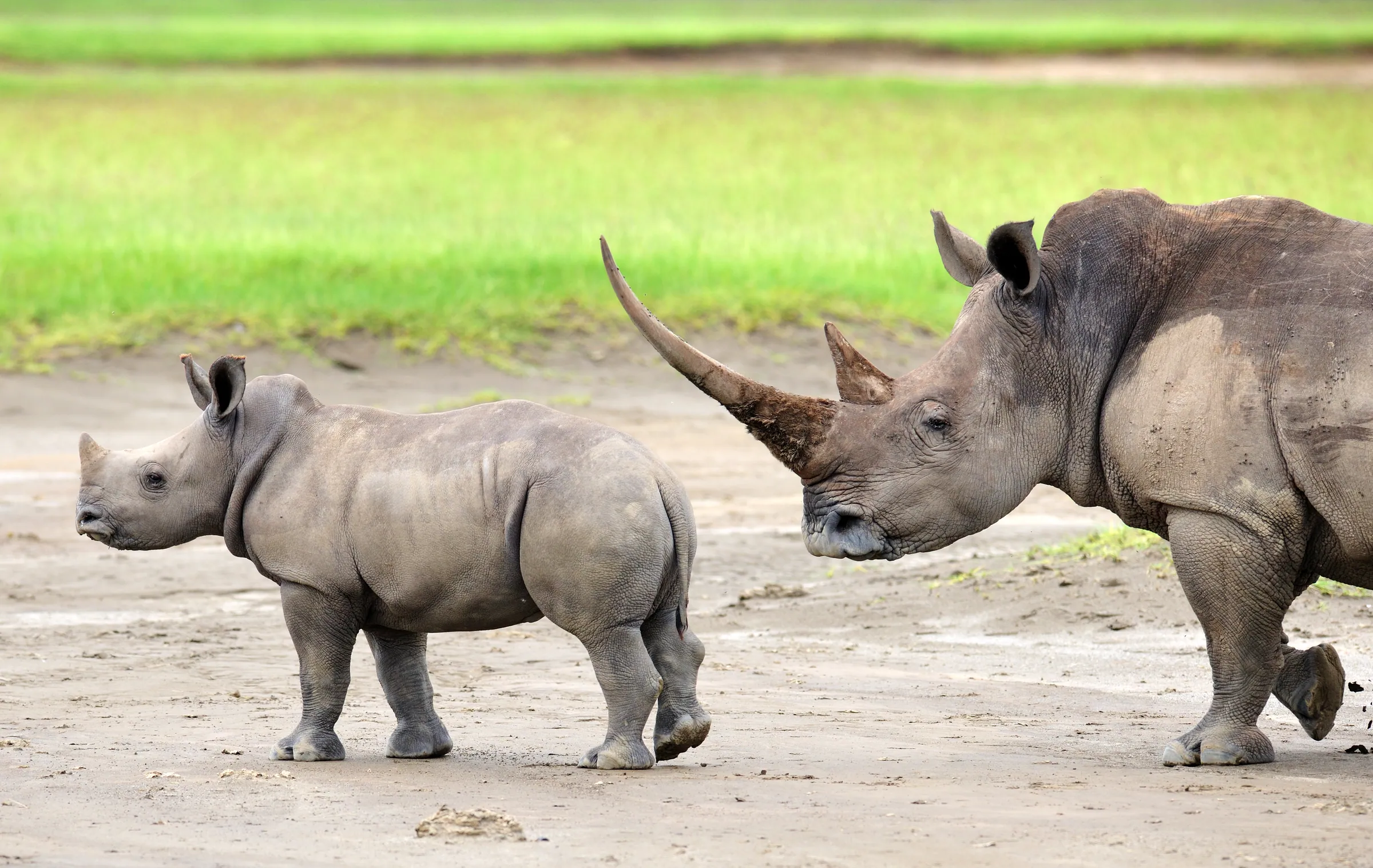
| Black rhino | 1,059 | Critically Endangered | Ol Pejeta, Lewa, Lake Nakuru, Nairobi National Park, Tsavo West, the Mara |
| Southern white rhino | 1,041 | Near Threatened | Lake Nakuru, Ol Pejeta, Lewa, Solio |
| Grevy's zebra | About 2,500 | Endangered | Samburu, Buffalo Springs, Shaba, Lewa, northern Laikipia |
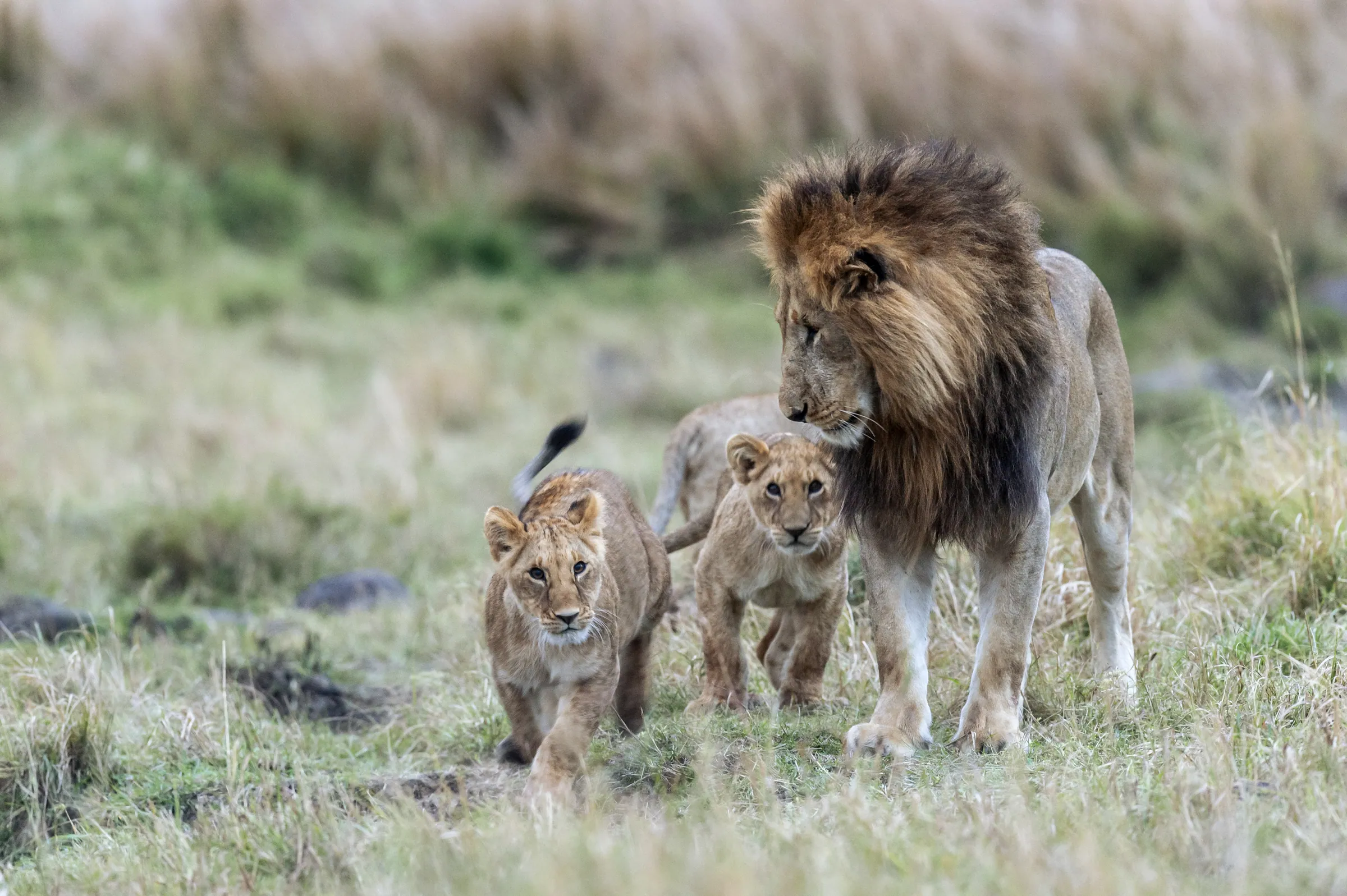
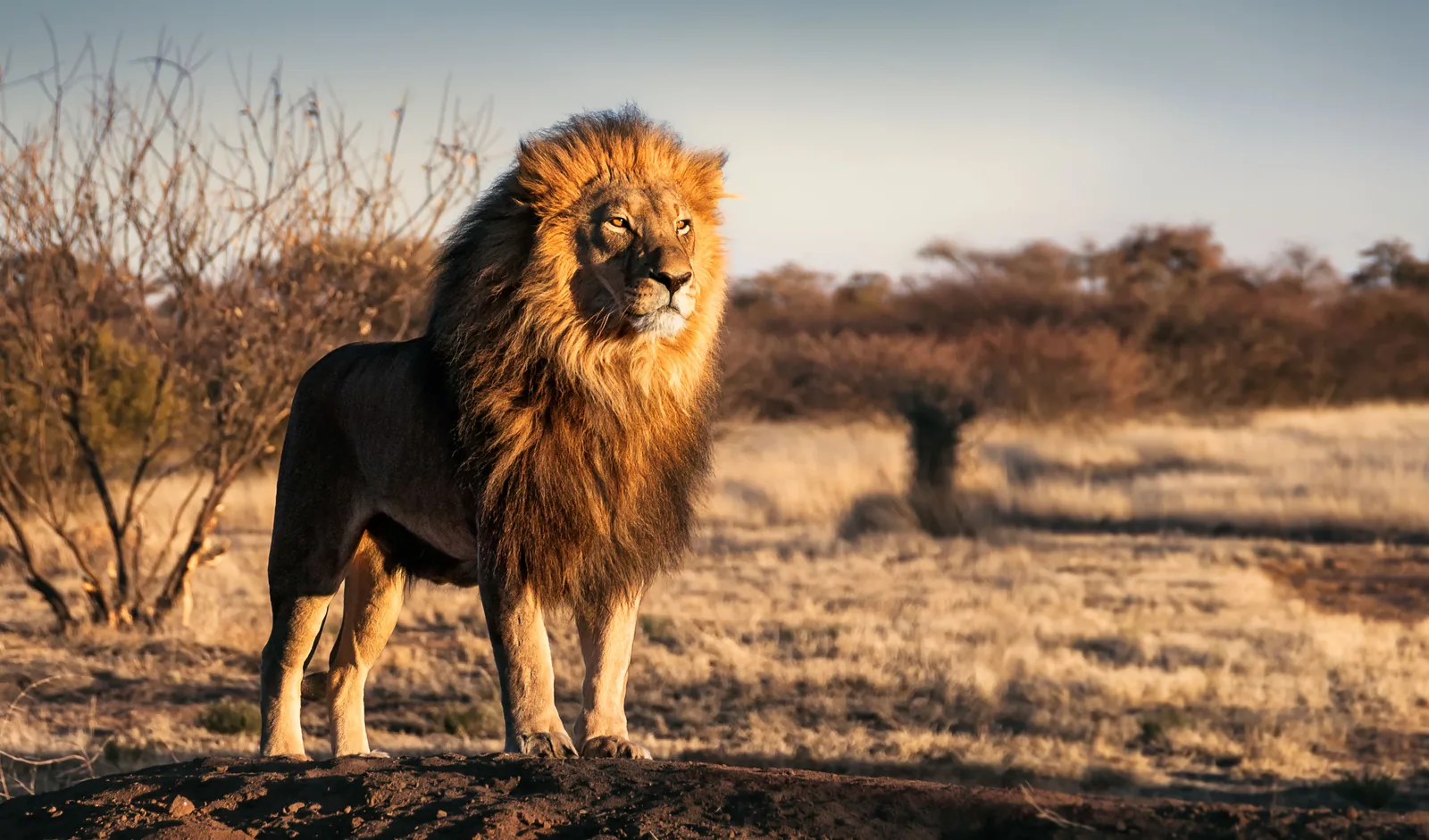
| Lion | 2,512 | Vulnerable | The Mara, Laikipia, Amboseli, Tsavo, Samburu |
| African savanna elephant | 42,072 (36,280 in 2021) | Endangered | Amboseli, Tsavo, Samburu, the Mara, Laikipia |
Rhinos: the comeback and the last two
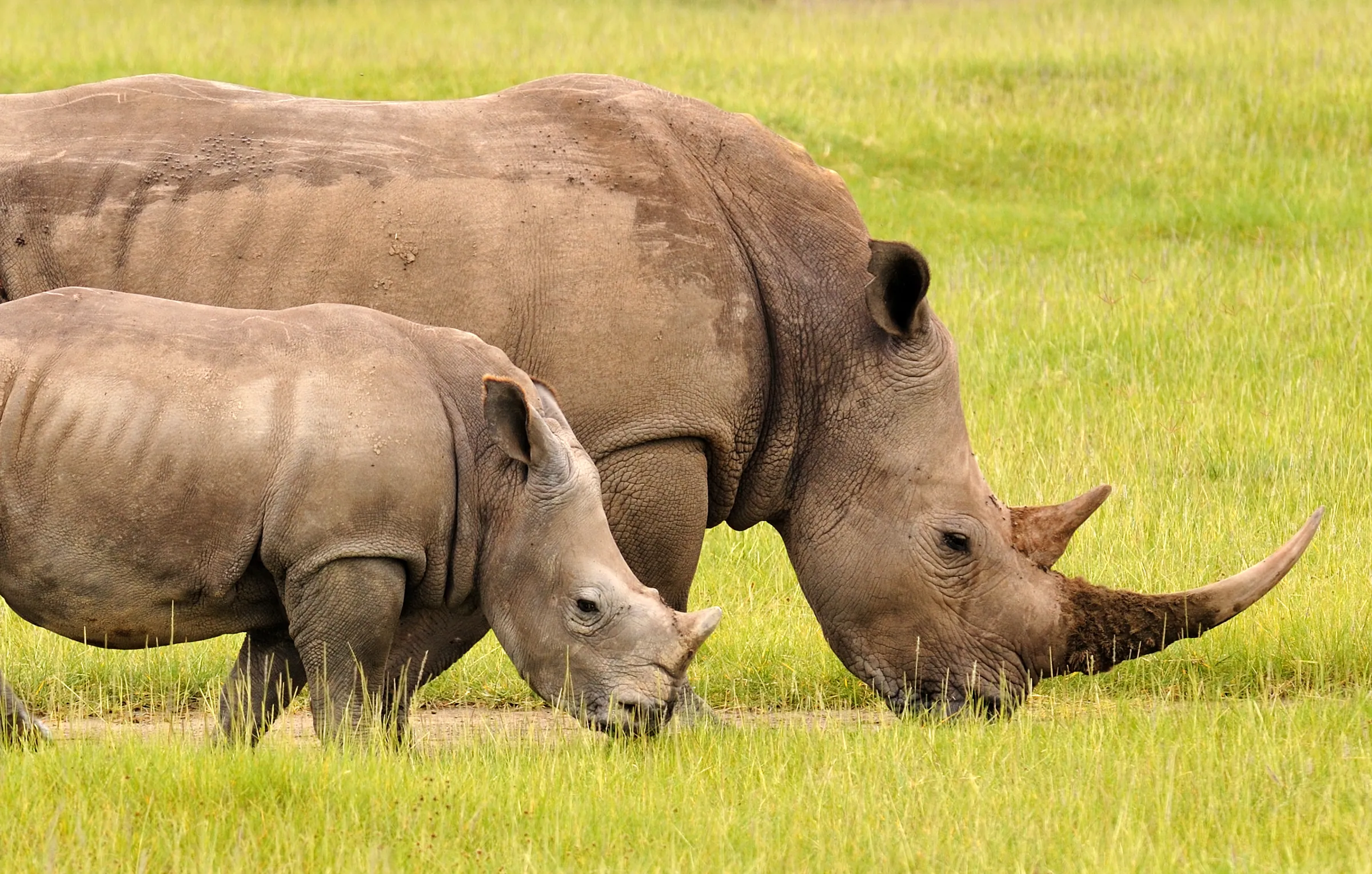
Kenya's black rhinos were poached from many thousands in the 1970s to a few hundred by the late 1980s, and the long recovery inside guarded sanctuaries is one of Africa's conservation successes: 1,059 in the latest count. Ol Pejeta also holds Najin and Fatu, the last northern white rhinos, at the center of an international effort to create embryos from stored cells and carry them in southern white rhino surrogates. Our rhino page covers where to see both species, and our Ol Pejeta page explains the visit.
Hirola: the rarest antelope
The hirola, a slender, sandy antelope with lyre-shaped horns and white spectacles around its eyes, lives only in a small range in eastern Kenya and the edge of Somalia. The census count of 245, down from 497 in 2021, is a stark warning; drought, competition with livestock, habitat change and predation all play a part. Most hirola live around the Ishaqbini community sanctuary in Garissa County, supported by the Northern Rangelands Trust, where community rangers protect them on land that local herders share with their livestock. Getting there is a long road journey into remote, hot country, so it suits travelers who make the hirola the point of the trip; ask us what a visit involves. A small group introduced to Tsavo East decades ago survives, but sightings are rare. For most visitors, the hirola is a species you support through the organizations that protect it.
Grevy's zebra
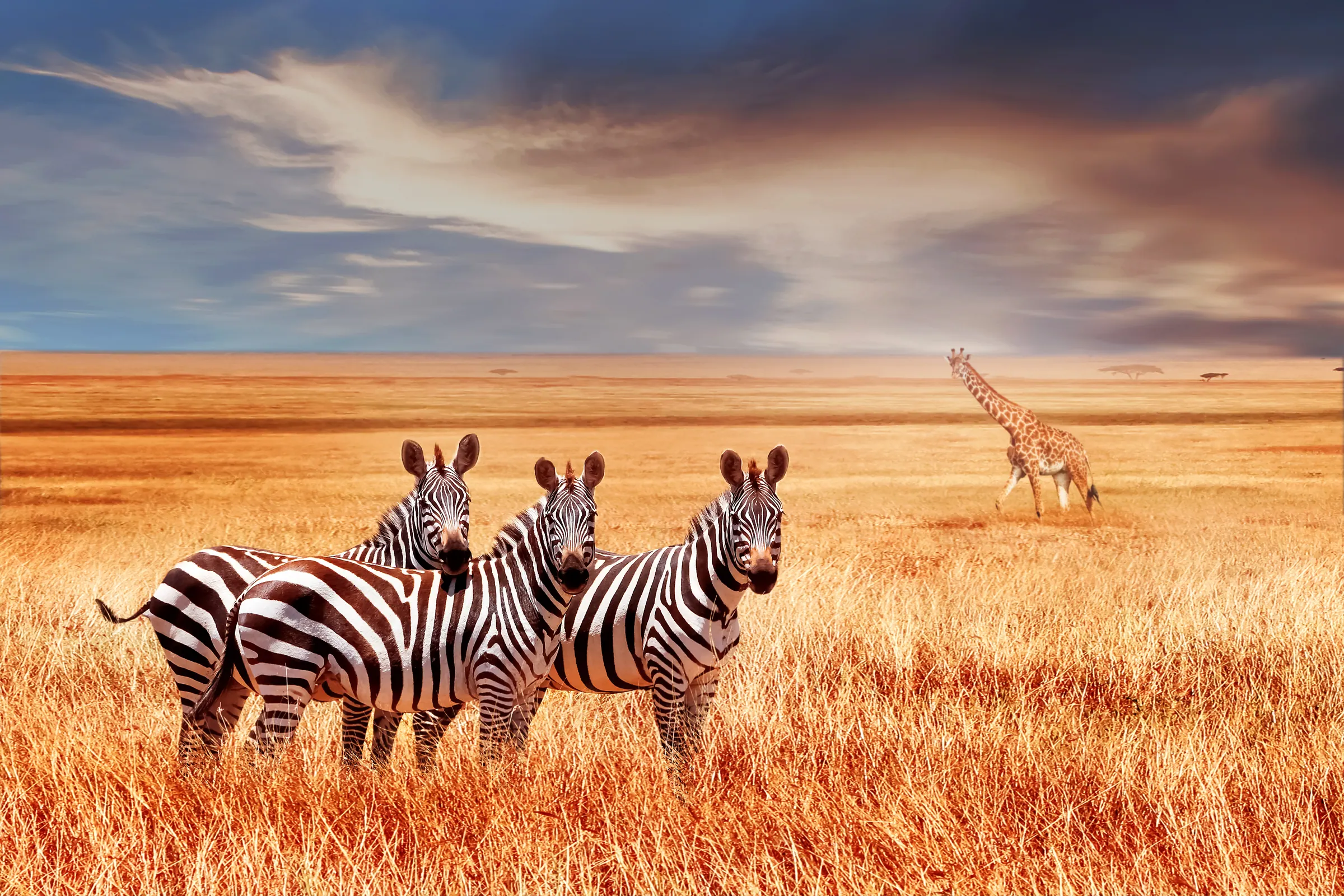
The largest wild member of the horse family, with narrow stripes, a white belly and big round ears, lives almost entirely in northern Kenya. The 2025 census counted about 2,500. You see them easily in Samburu, Buffalo Springs and Shaba, at Lewa and in the northern Laikipia conservancies, often beside plains zebras for comparison. Our zebra page and our Samburu Special Five page cover them in detail.
Mountain bongo
A striped, chestnut forest antelope of the Aberdares and Mount Kenya, the mountain bongo was close to vanishing in the wild. The census counted 179. It is shy, nocturnal and lives in dense forest, so wild sightings are vanishingly rare even for guides. The Mount Kenya Wildlife Conservancy near Nanyuki breeds bongo for release back into protected forest, and it is the most realistic place to see one and learn how rewilding works.
Rothschild's giraffe, sitatunga, roan and sable
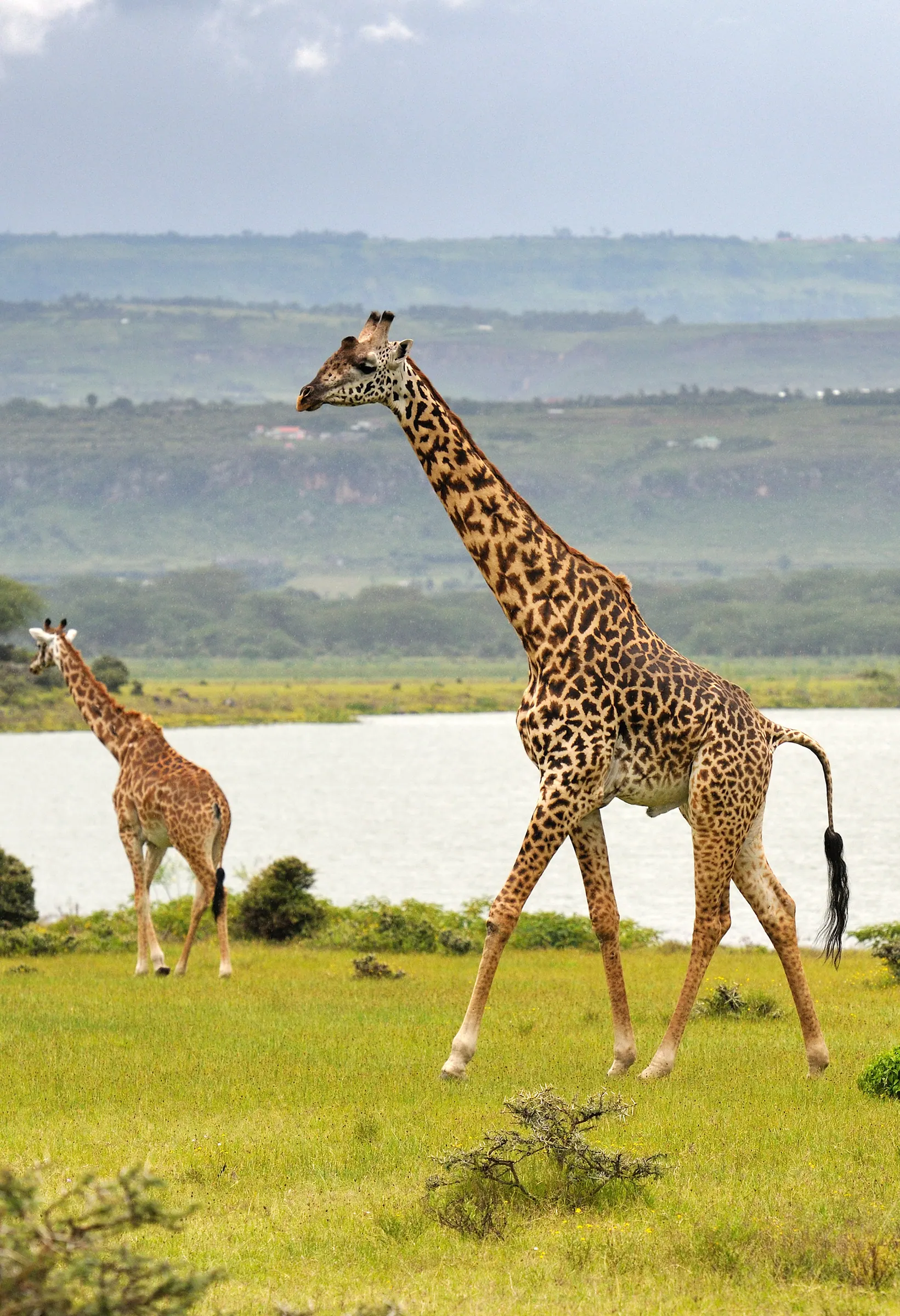
- Rothschild's giraffe: a form of the northern giraffe, the rarest of the four giraffe species the IUCN now recognizes. The Giraffe Centre in Nairobi began as an effort to save a small herd, and you can see them at Lake Nakuru, Soysambu and Ruma.
- Sitatunga: a swamp antelope with splayed hooves, widespread in central Africa but rare in Kenya. Saiwa Swamp National Park, near Kitale, was created to protect it, and you watch from wooden platforms.
- Roan antelope: in Kenya found only in Ruma National Park, near Lake Victoria, in very small numbers.
- Sable antelope: in Kenya found only in Shimba Hills, above Diani, where the black, scimitar-horned males are a proud local sight.
The lower Tana River primates
Two of Kenya's rarest primates live nowhere else on Earth. The Tana River red colobus and the Tana River mangabey, both Endangered, survive in a few patches of riverine forest on the lower Tana River, much of it inside the Tana River Primate National Reserve. It is a remote reserve with simple facilities, best reached as a detour from the north coast around Malindi, and walking the forest with a local guide is the way to find both monkeys. The hirola's stronghold is next door, across the river in Garissa County. Our Tana River primate reserve page explains the visit.
Small, rare and easy to overlook
- Pancake tortoise: a flat, soft-shelled tortoise that hides in rock crevices in dry country, listed as Critically Endangered because of collection for the pet trade.
- Taita apalis: a tiny warbler of the cloud-forest fragments of the Taita Hills, Critically Endangered, with a world range smaller than many U.S. cities.
- Sokoke scops owl, Clarke's weaver and the golden-rumped sengi: coastal forest specialists of Arabuko-Sokoke near Watamu.
- Hawksbill turtle: Critically Endangered, feeding on the reefs of the Kenyan coast and nesting on some of its beaches.
- Vultures: several species, including white-backed and Rüppell's, listed as Critically Endangered after steep declines from poisoning.
- African wild dog: Endangered, with a recovery in Laikipia and the north.
Where your visit helps
Tourism pays for a large share of conservation in Kenya. Kenya Wildlife Service fees fund rangers, vehicles and park management. Conservancy fees, usually built into camp rates, go to the Maasai, Samburu and other landowners who lease their land for wildlife instead of fencing or farming it, which is how the space for rhinos, Grevy's zebra and lions keeps growing. Models such as the Big Life Foundation, whose community rangers patrol the Amboseli, Chyulu and Tsavo landscape, and the Sheldrick Wildlife Trust, which rescues orphaned elephants and supports anti-poaching teams, show what sustained funding can do.
- Pay your park and conservancy fees in full, through official channels.
- Spend at least part of your trip in a community conservancy.
- Visit the places doing the work: Ol Pejeta, Lewa, the Giraffe Centre, the Sheldrick nursery, Saiwa Swamp.
- Never buy ivory, tortoise shell, horn, skins, coral or shells. It is illegal and it drives poaching.
- Report anything that looks wrong, such as animals for sale or snares, to your guide, who can alert KWS.
- If you want to give, give to established Kenyan organizations with a track record, not to roadside appeals.
Kenya's wildlife story is not finished, and visitors are part of it. Tell us which of these animals you would most like to see, and we will build a route through the places protecting them.