Wildlife. Updated November 2026. 4 min read.
Most first safaris to Kenya chase the Big Five. Guides in the north have their own list, and none of its animals live in the Maasai Mara. The Samburu Special Five are the Grevy's zebra, the reticulated giraffe, the Somali ostrich, the beisa oryx and the gerenuk, all adapted to the hot, dry country north of Mount Kenya. See all five in two or three days and you will have seen animals that most visitors to Africa never do.
The best places are Samburu, Buffalo Springs and Shaba national reserves, which share the banks of the Ewaso Ng'iro river, plus Lewa Wildlife Conservancy, Meru National Park and the conservancies of northern Laikipia. All five are resident, so any month works, and the dry seasons make them easiest to find as animals come to the river.
The five at a glance
| Animal | How to recognize it | Why it is special | IUCN status |
|---|---|---|---|
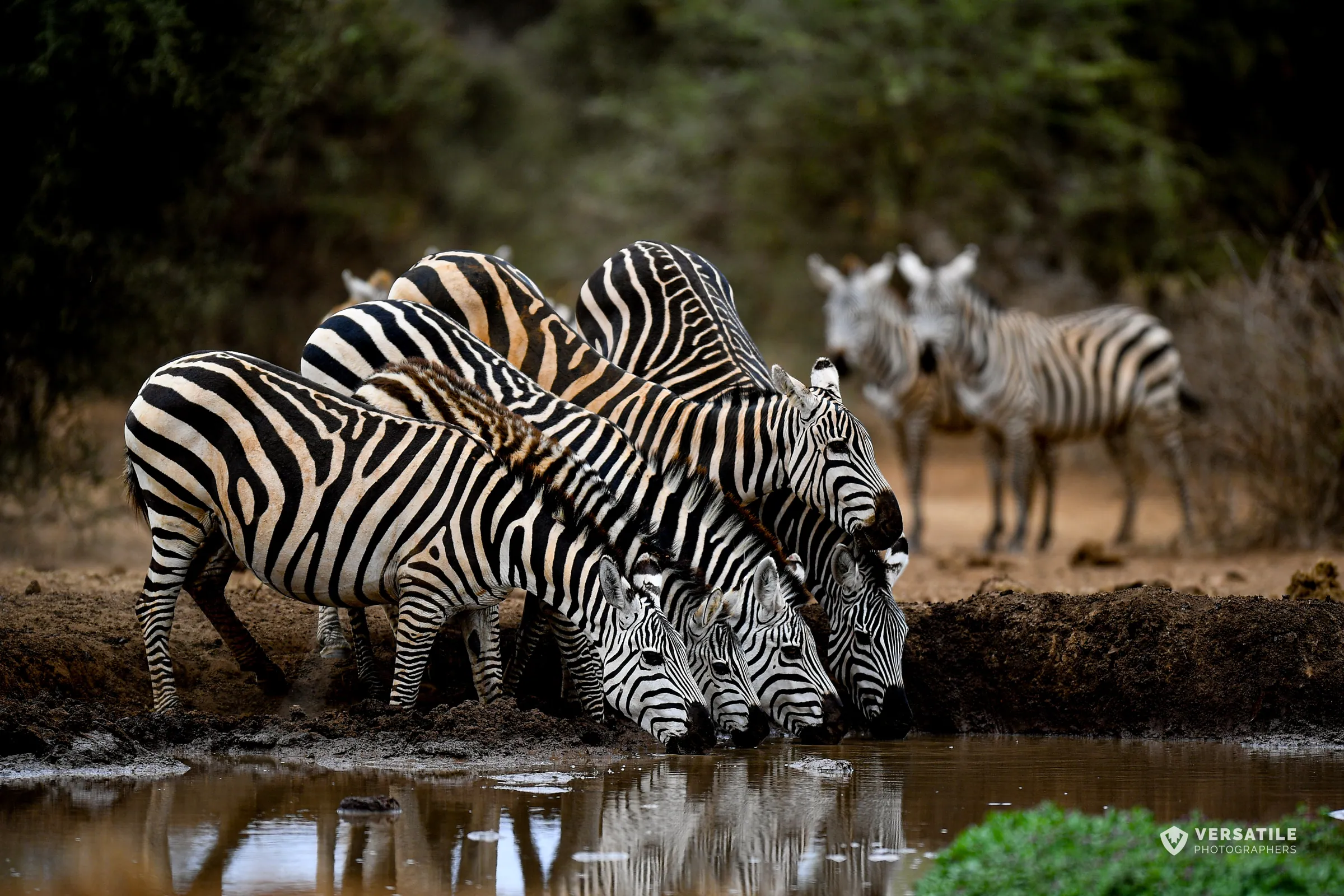
| Grevy's zebra | Narrow stripes, white belly, big round ears | The largest wild member of the horse family; most of the world's population lives in northern Kenya | Endangered |
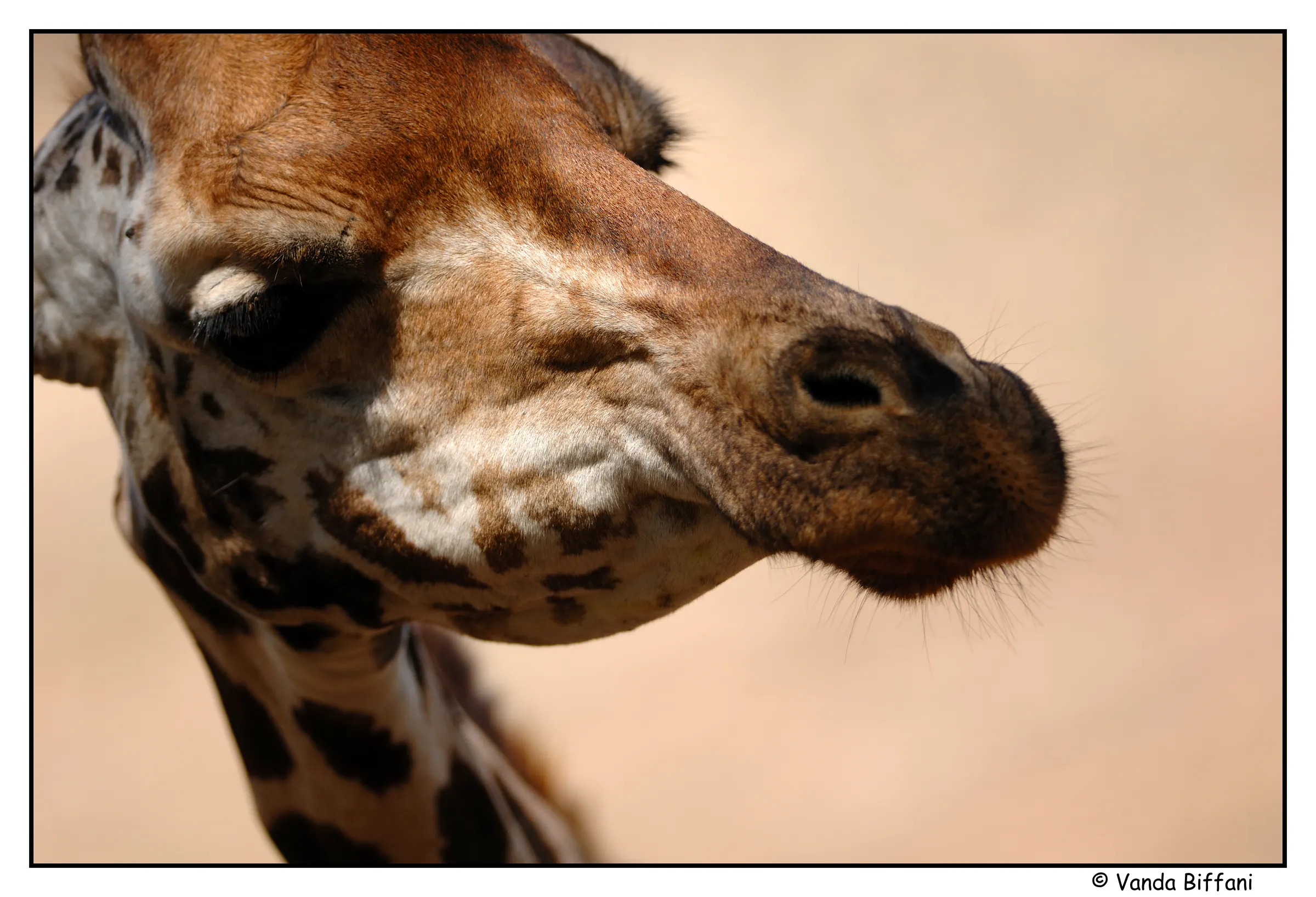
| Reticulated giraffe | Neat liver-red patches divided by clean white lines | Found only in northern Kenya and nearby parts of Ethiopia and Somalia | Endangered |
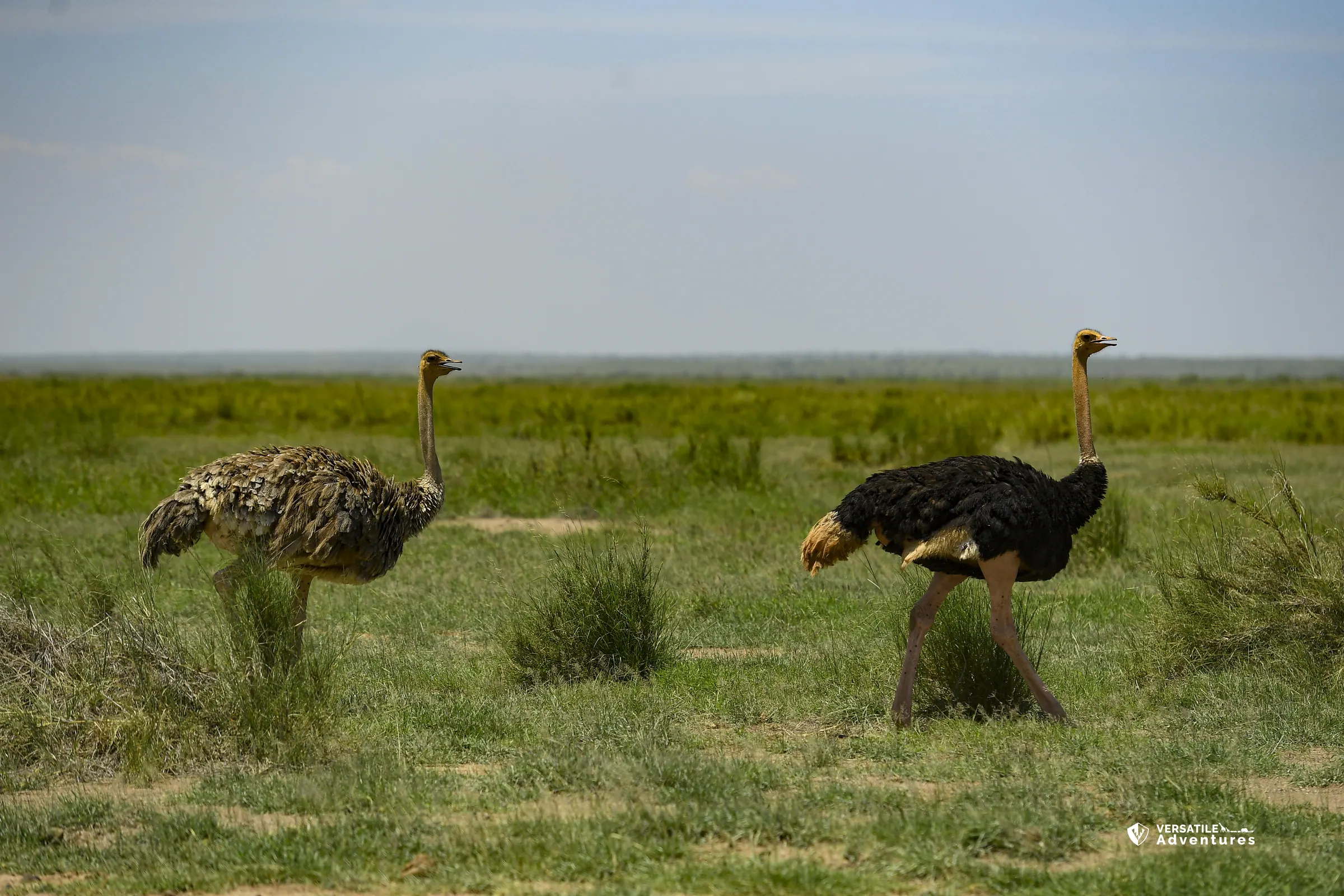
| Somali ostrich | Males have blue-gray necks and legs | A separate species from the pink-legged common ostrich of the south | Vulnerable |
| Beisa oryx | Long straight horns, bold black-and-white face | Can go a long time without drinking | Endangered |
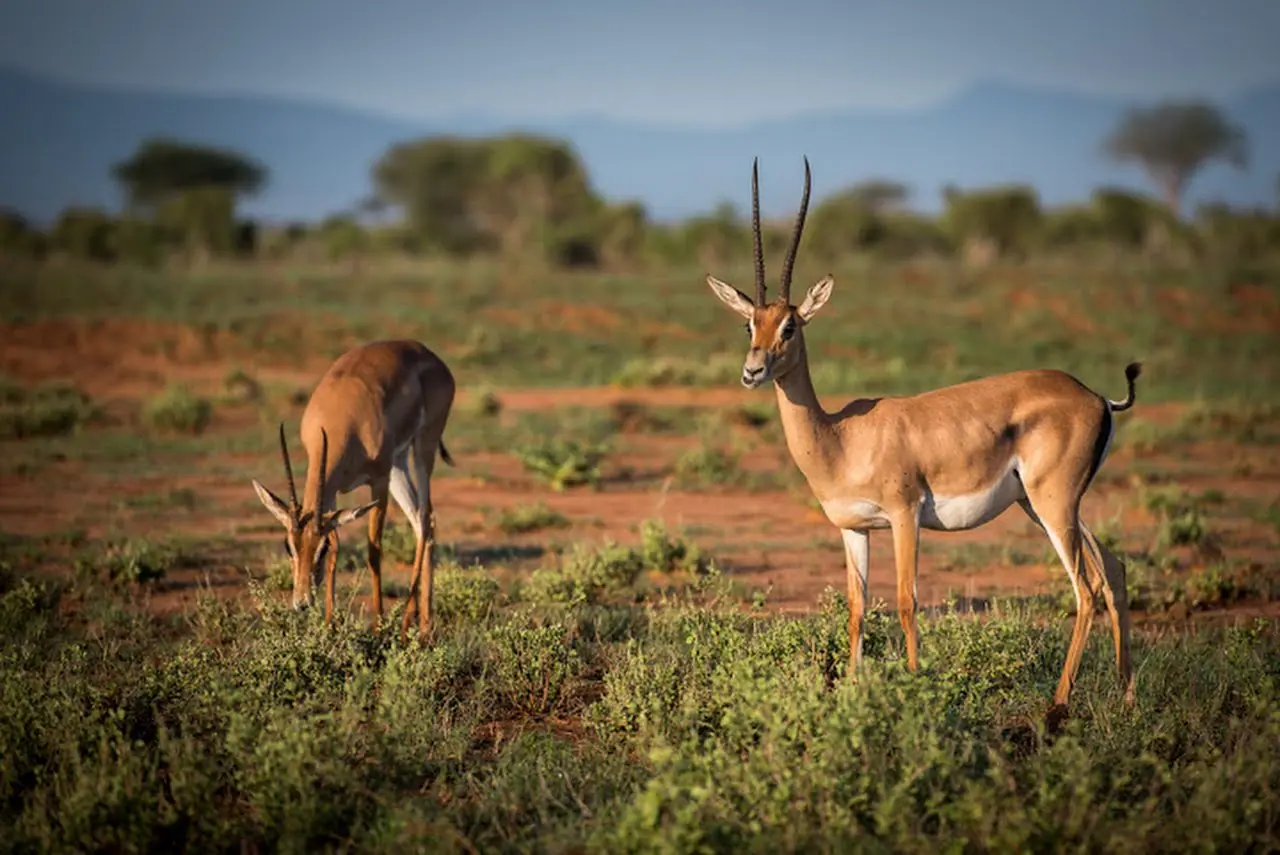
| Gerenuk | Very long neck; stands on its hind legs to feed | Gets most of its water from leaves | Near Threatened |
Statuses are from the IUCN Red List at the time of writing; check the Red List for current listings.
Why the north is different
Samburu sits on the edge of Kenya's arid north, where rain is low and unreliable and the land is thorn bush, lava ridges and red sand. The Ewaso Ng'iro river, lined with doum palms and acacia, is the lifeline that draws animals in from far around in the dry months. Animals that live here have to cope with heat and long gaps between drinks, and that is exactly what the Special Five do well. The gerenuk browses high where other antelopes cannot reach, the oryx saves water by letting its body heat rise during the day, and Grevy's zebras can go several days without drinking. Their southern cousins, the plains zebra, Maasai giraffe and common ostrich, take over as you drive south.
Where to find each one
- Samburu National Reserve, on the north bank of the Ewaso Ng'iro: all five, with reticulated giraffe and gerenuk in the bush near the river and Grevy's zebra on the open plains.
- Buffalo Springs National Reserve, across the river: oryx and Grevy's zebra on the open plains, and springs that draw animals in.
- Shaba National Reserve, to the east: rougher, quieter country with all five and very few vehicles.
- Lewa Wildlife Conservancy and neighboring Borana: one of the strongholds for Grevy's zebra, with reticulated giraffe and rhinos too.
- Meru National Park: reticulated giraffe, oryx and gerenuk in a green, river-laced park, usually with the place to yourselves.
- Northern Laikipia conservancies such as Loisaba: reticulated giraffe, Grevy's zebra and gerenuk, with walks, camel treks and night drives.
When to go and getting there
The Special Five are resident all year. In the dry seasons, roughly June to October and January to March, the river concentrates animals and sightings are easiest. The long rains of April and May and the short rains around November turn the bush green, and some roads get muddy, but the north is dry country and rain often passes quickly. Scheduled light aircraft from Wilson Airport in Nairobi reach the Samburu airstrips in about an hour. By road it is about 5 to 6 hours on tarmac through Nanyuki and Isiolo, so many travelers drive up, stop at Ol Pejeta or Lewa on the way, and fly out.
More than five
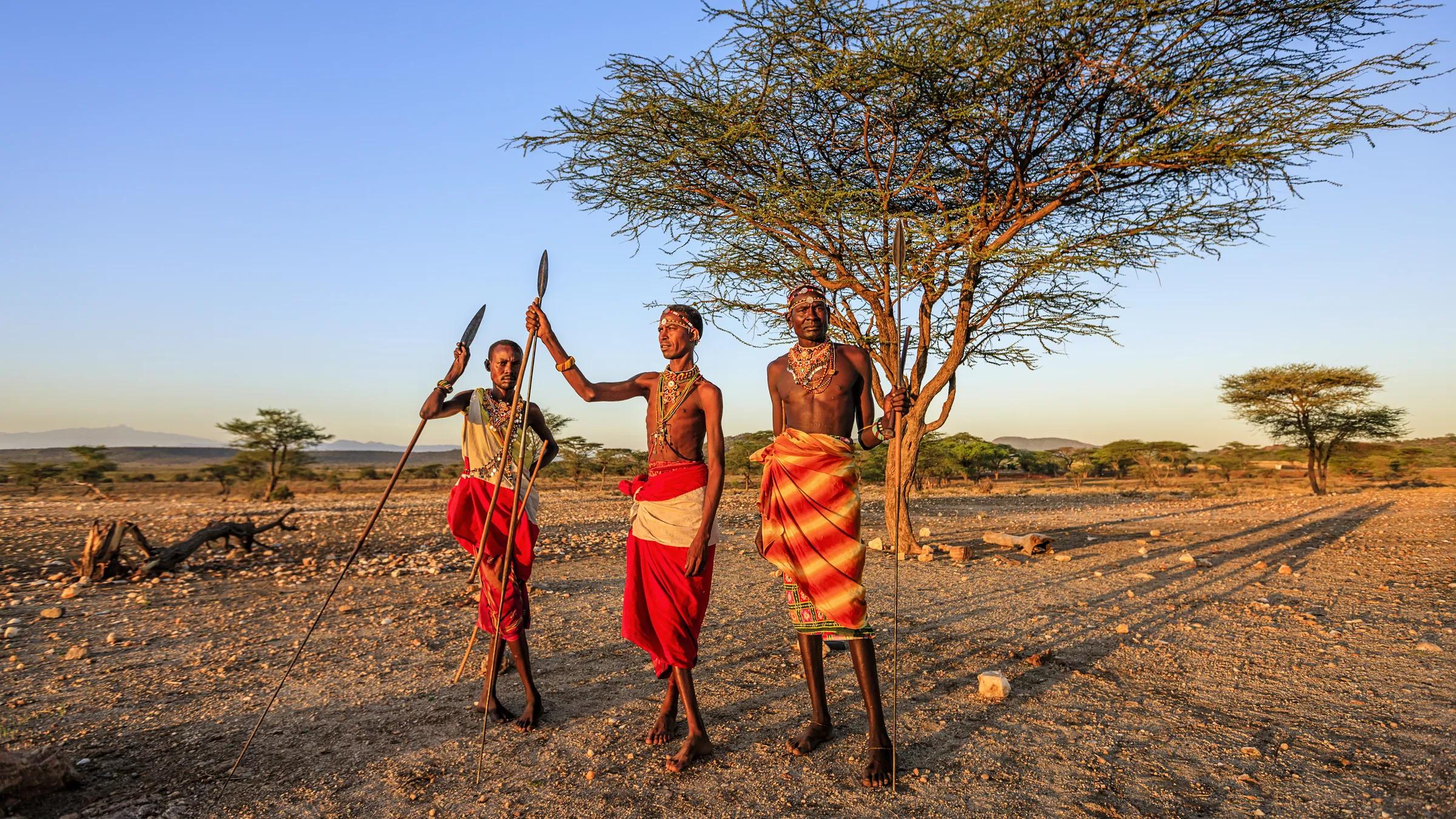
The north rewards birders with the vulturine guineafowl, a cobalt-blue bird with a bare head, and with golden-breasted starlings and the Somali bee-eater. Samburu's elephants are among the best studied in Africa, thanks to research based on the river since the 1990s, and its leopards are seen often along the river. In 2002 a lioness in Samburu became famous for adopting a series of oryx calves, a story that still makes guides shake their heads. The Samburu people, cousins of the Maasai, graze their herds here, and many of the best camps sit on community land.
Three things most people do not know
- Most of the world's Grevy's zebras live in northern Kenya, and the population is counted every few years by volunteers photographing stripe patterns in the Great Grevy's Rally.
- A male Somali ostrich's blue legs and neck turn brighter in the breeding season; females of both ostrich species are a dull brown-gray.
- Beisa oryx let their body temperature climb during the heat of the day instead of sweating, which saves water, and release the heat at night.
How to photograph the north
Light is harsh by mid-morning, so make the most of the first and last two hours of the day. Red earth, doum palms and blue mountains make better backgrounds than the Mara's plain grass, so step back and include them. A gerenuk standing on its hind legs is the classic shot: pre-focus on a browsing animal and wait. Heat shimmer ruins long-lens shots at midday; get closer rather than zooming further.
Conservation
The Special Five share their range with pastoralist herds and depend on community land as much as on the reserves. Kenya's 2025 national wildlife census counted about 2,500 Grevy's zebras, and groups such as the Grevy's Zebra Trust work with herders on grazing and water. Community conservancies supported by the Northern Rangelands Trust now cover large parts of the north. Reticulated giraffe numbers have recovered somewhat in recent counts but remain far below their past. Your conservancy fees go straight into this work.