Wildlife. Updated November 2026. 4 min read.
Most visitors to Kenya never hear of these two, and that is part of their appeal. The sable antelope, palahala in Kiswahili, and the roan, korongo, are big, proud antelopes with swept-back horns, common enough in southern and central Africa but each down to a single population in Kenya. The sable lives in Shimba Hills, in the green hills above the south coast. The roan lives in Ruma National Park, near the shore of Lake Victoria. One is a morning out from a beach hotel; the other is a proper detour. Both are worth it, as long as you know that seeing them is never guaranteed.
If you are staying in Diani, Shimba Hills National Reserve is about an hour's drive inland, and sable are usually found on its open grasslands in the early morning. Ruma is a small, rarely visited park in Homa Bay County, a few hours by road from Kisumu, where a very small population of roan survives under the protection of the Kenya Wildlife Service.
Sable or roan? How to tell them apart
| Feature | Sable | Roan |
|---|---|---|
| Kiswahili | Palahala | Korongo |
| Coat | Males glossy black, females chestnut, both with white bellies | Grayish-brown with a faint strawberry tint |
| Face | Bold white stripes on a dark face | A black-and-white mask, like a clown's face paint |
| Ears | Medium, neat | Long, with a tassel at each tip |
| Horns | Long, ringed scimitars sweeping far back, longest in males | Shorter, thick and curved back |
| Where in Kenya | Shimba Hills only | Ruma only |
The sable of Shimba Hills
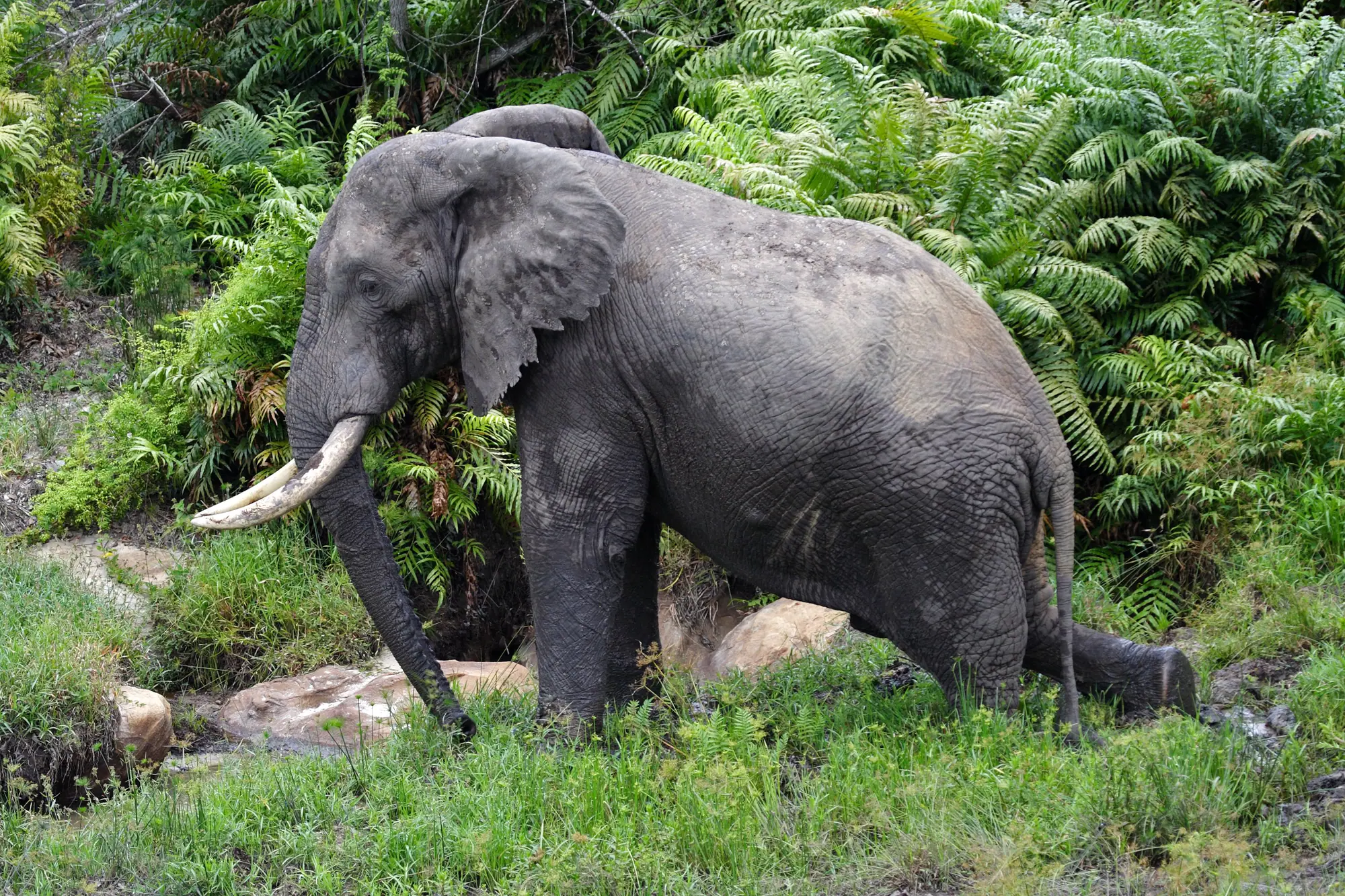
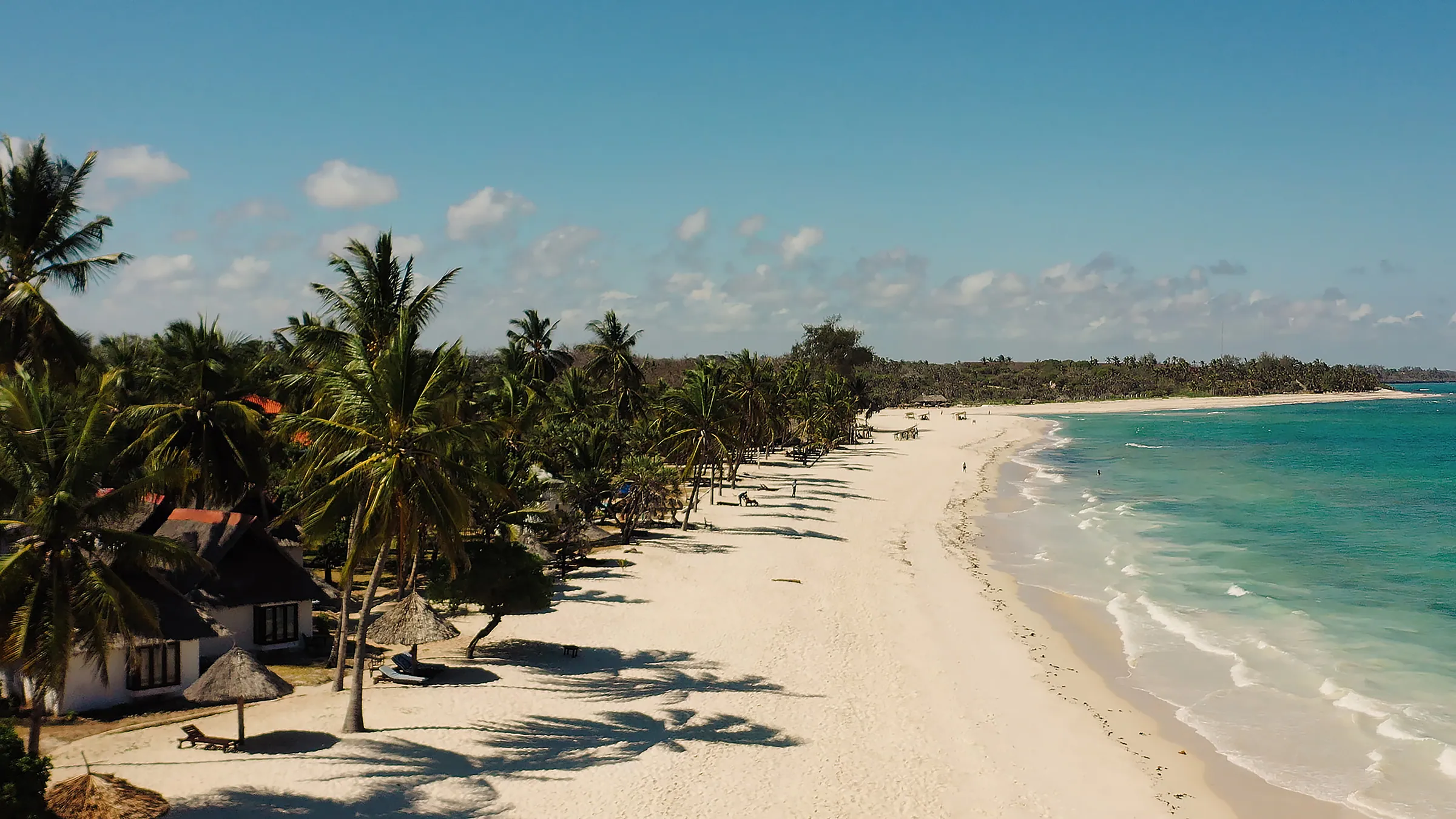
Shimba Hills National Reserve is a patch of coastal forest and rolling grassland a short drive from the beaches of the south coast, and it was set aside in large part to protect Kenya's only sable. The Kenyan sable is usually treated as its own subspecies, named in 1910 for Theodore Roosevelt after his Smithsonian expedition through East Africa. Look on the open grassy hillsides in the first hours after sunrise, before the animals move into the shade of the forest edge. Shimba is also known for its elephants, many of which move through the Mwaluganje sanctuary next door, and for the ranger-led walk down to Sheldrick Falls. The reserve is green and gets heavy coastal rain, so roads can be muddy in the wet months, roughly April to June and around November.
The roan of Ruma
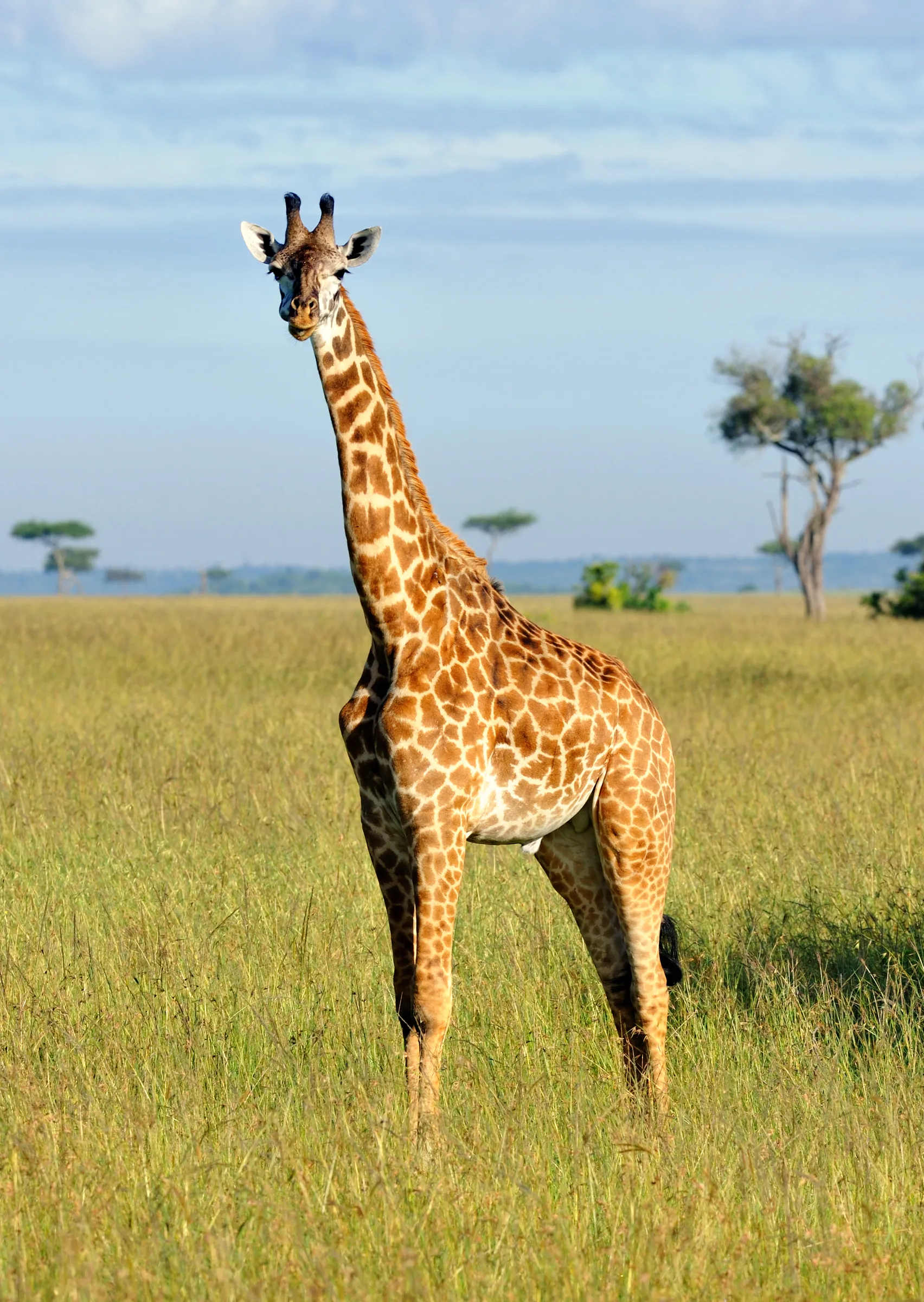
Ruma National Park, in the Lambwe Valley near Homa Bay, covers about 120 square kilometers of grassland, woodland and escarpment, and it is the last place in Kenya with roan antelope. The roan population here is very small and closely watched by KWS rangers, so even in the right place a sighting takes luck and a good guide. Ruma also has Rothschild's giraffe, oribi and Jackson's hartebeest, and very few visitors: you may have the park to yourself. It is tsetse country, so wear light, neutral colors rather than dark blue or black, and use repellent. Accommodation in and near the park is simple, with KWS bandas the usual option, and Ruma pairs well with Rusinga Island and the stone ruins of Thimlich Ohinga on a western Kenya trip.
Behavior to watch for
- Herds: both live in small herds of females and young, with a dominant bull and bachelor groups of young males nearby.
- Standing their ground: sable bulls are famous for turning on predators with those long horns; lions and hyenas treat a grown sable with respect.
- Kneeling fights: rival males of both species drop to their knees and wrestle with locked horns.
- Hidden calves: newborns lie hidden in long grass for their first weeks while the mother grazes nearby.
- Grassland grazers: both prefer open grass near woodland and water, so look at forest edges and valley floors.
Three things most people do not know
First, sable and roan are close cousins in the same genus, the horse antelopes, named for their upright manes and horse-like build; the roan is one of the largest antelopes in Africa. Second, in Kiswahili korongo can also mean a crane, so context matters when a guide in the west says it. Third, Ruma was created in the Lambwe Valley largely to save the roan, and Shimba Hills largely to save the sable, so in both places you are visiting a park that exists because of one antelope.
How to photograph sable and roan
Both are wary, so stay in the vehicle, switch off the engine and let your guide approach slowly. A 300 to 400 mm lens is useful, because you may be working at a distance across open grass. Side light in the early morning shows off the sable's horns and the roan's face mask. In Shimba, mist often hangs on the hills at dawn; a sable against that pale background makes a striking frame. Expose for the face, as a black sable bull against bright grass will fool the camera's meter.
Conservation status
The IUCN lists both the sable and the roan as Least Concern as species at the time of writing, because large populations survive elsewhere in Africa. In Kenya the story is very different: each survives in one small park, and their numbers are low enough that disease, drought or poaching could wipe a population out. Both are protected species under Kenyan law. Visiting matters here, because fees from very quiet parks like Ruma help justify the rangers who guard them.
Trips where you can look for them
For sable, add a morning or a full day in Shimba Hills to any south coast stay; we often combine it with Mwaluganje and lunch back on the beach in Diani. For roan, build Ruma into a western Kenya route with Kisumu, Rusinga Island and Thimlich Ohinga. Our antelopes field guide shows where both sit among Kenya's other antelopes.