Parks and reserves. Updated November 2026. 4 min read.
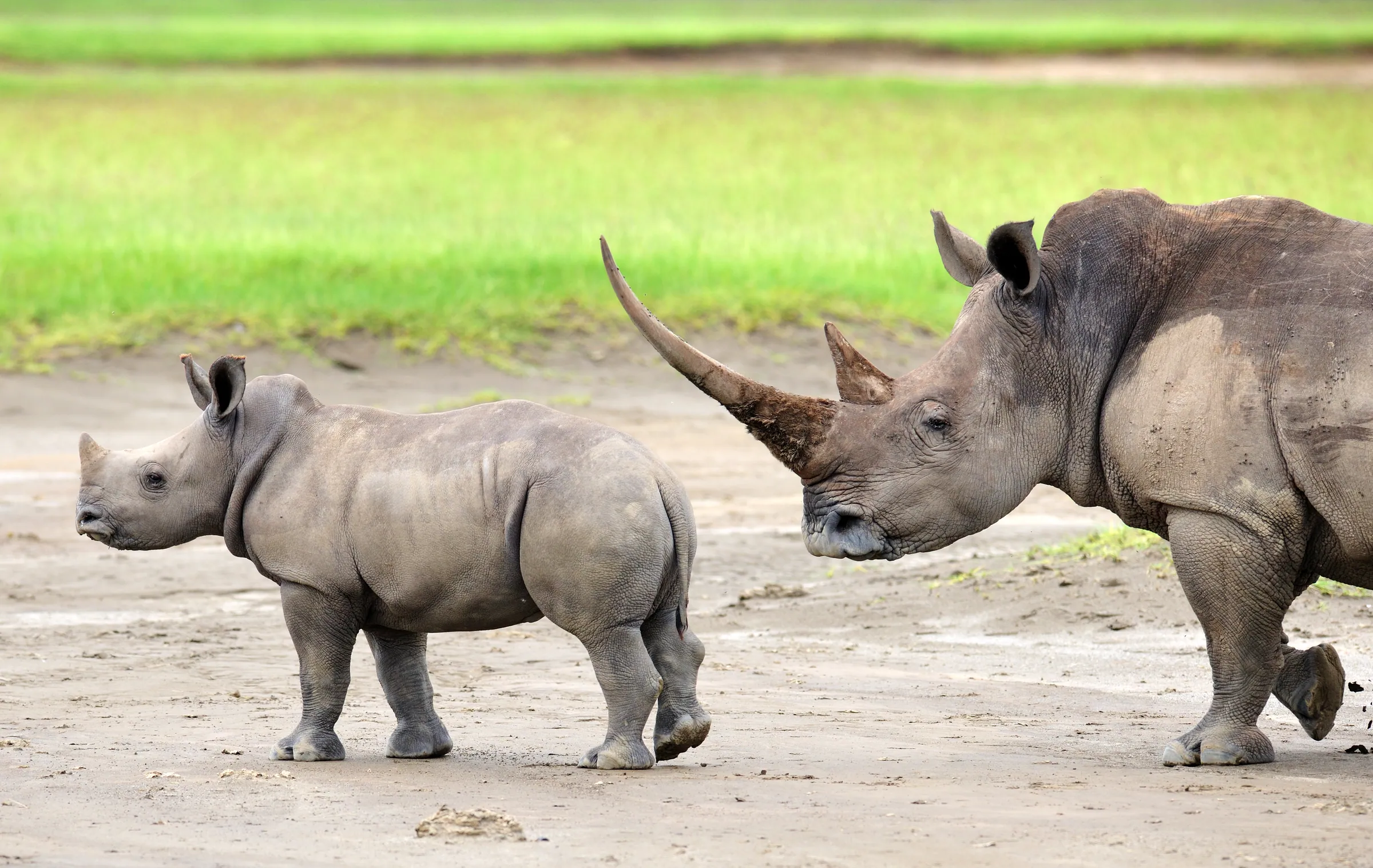
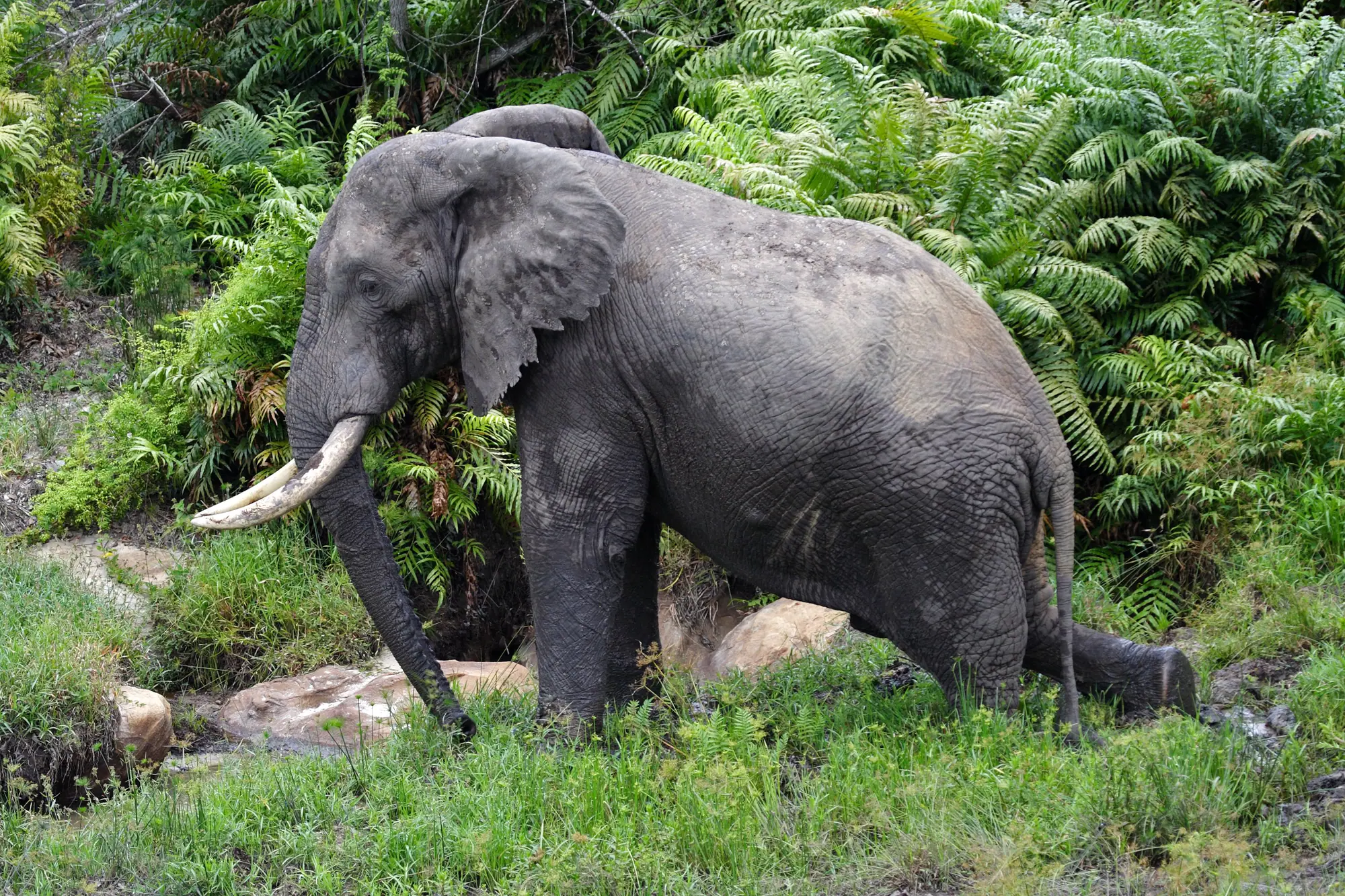
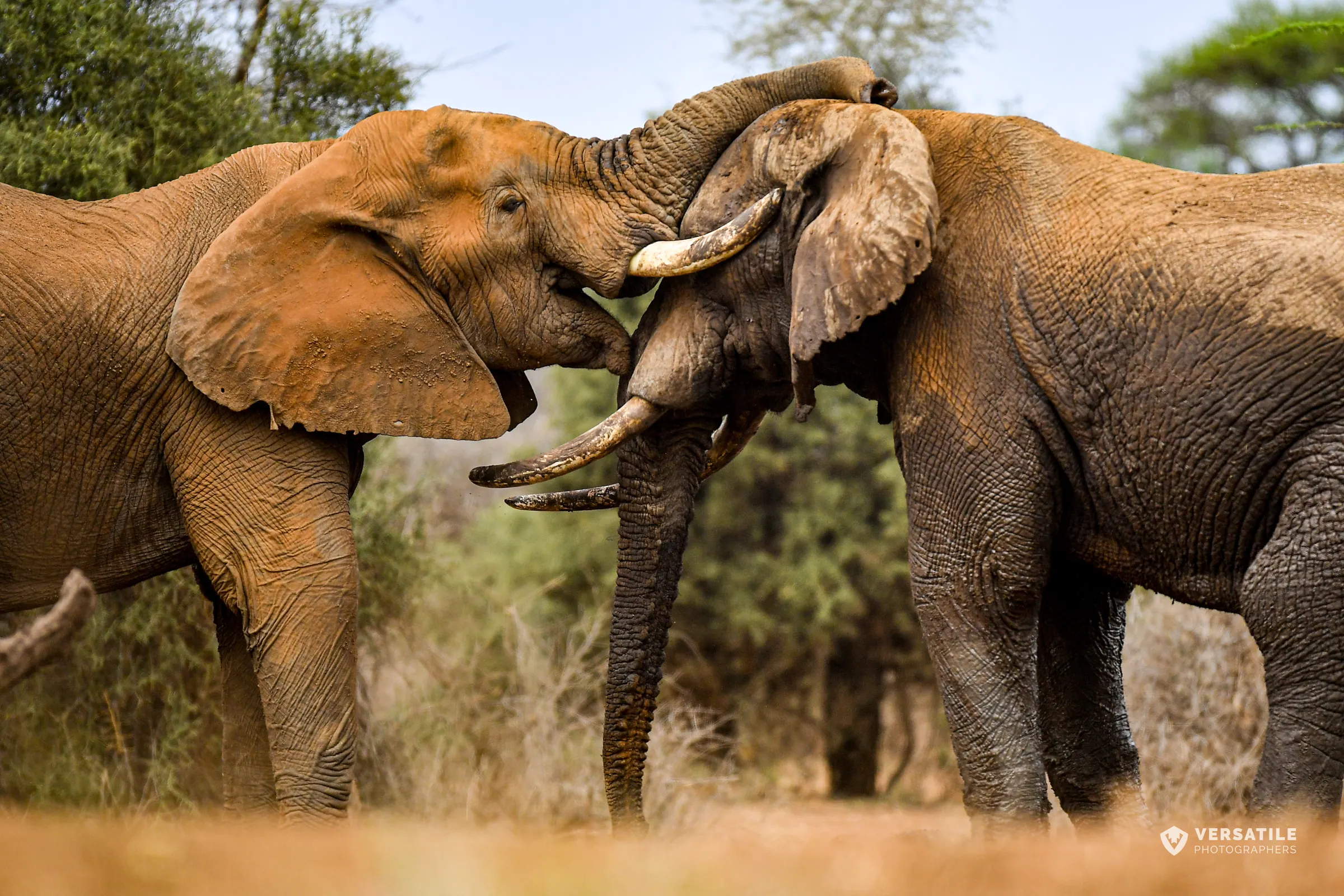
Elephants from Shimba Hills used to walk out of the forest at night and into the maize. Farmers lost harvests, sometimes lives, and elephants were shot. In the 1990s the landowners on the elephants' route tried something different: they pooled their land into a sanctuary, let the elephants have the corridor, and asked visitors to pay to watch them use it. That is Mwaluganje, a small, rough, community-owned sanctuary in Kwale County, on the northern side of Shimba Hills, about two hours inland from the beaches of Diani.
The short answer: Mwaluganje is an add-on, not a destination. It suits travelers on the south coast who are visiting Shimba Hills and want to see elephants in a landscape of baobabs and cycads, with almost nobody else around, while putting money straight into a community that lives with them. It needs a 4x4, a guide who knows the tracks, and a check that it is operating normally, because community sanctuaries can change with funding and management. We check before we put it in your plan. Our Shimba Hills page covers the reserve, its sable antelope and Sheldrick Falls; this page is about the sanctuary next door.
How the sanctuary works
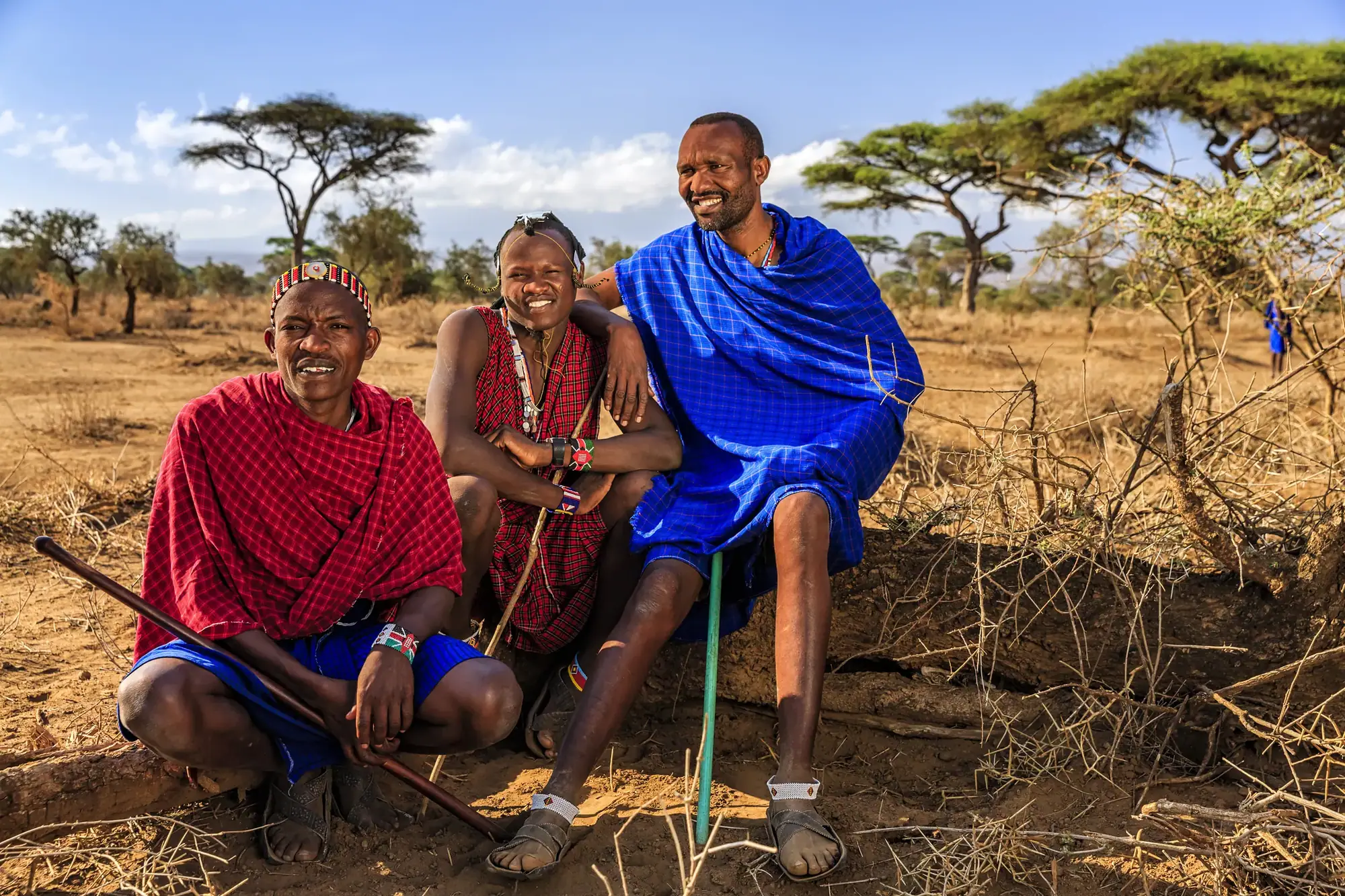
Mwaluganje belongs to the families whose farms make up the corridor. They agreed to stop farming inside it, fencing helps keep elephants off the farms around it, and gate fees go to the landowners and to running the sanctuary. It became one of the early examples on the Kenyan coast of a community earning from wildlife instead of fighting it, and it has been studied by conservationists ever since. For you, the fee at the gate is not a government park fee; it goes to people who gave up farmland so that elephants could pass.
The sanctuary has also been known for a small project making paper from elephant dung, one of several efforts to turn the elephants into income for local families. Ask whether it is running when you visit; if it is, the paper makes an unusual and honest souvenir.
What you see
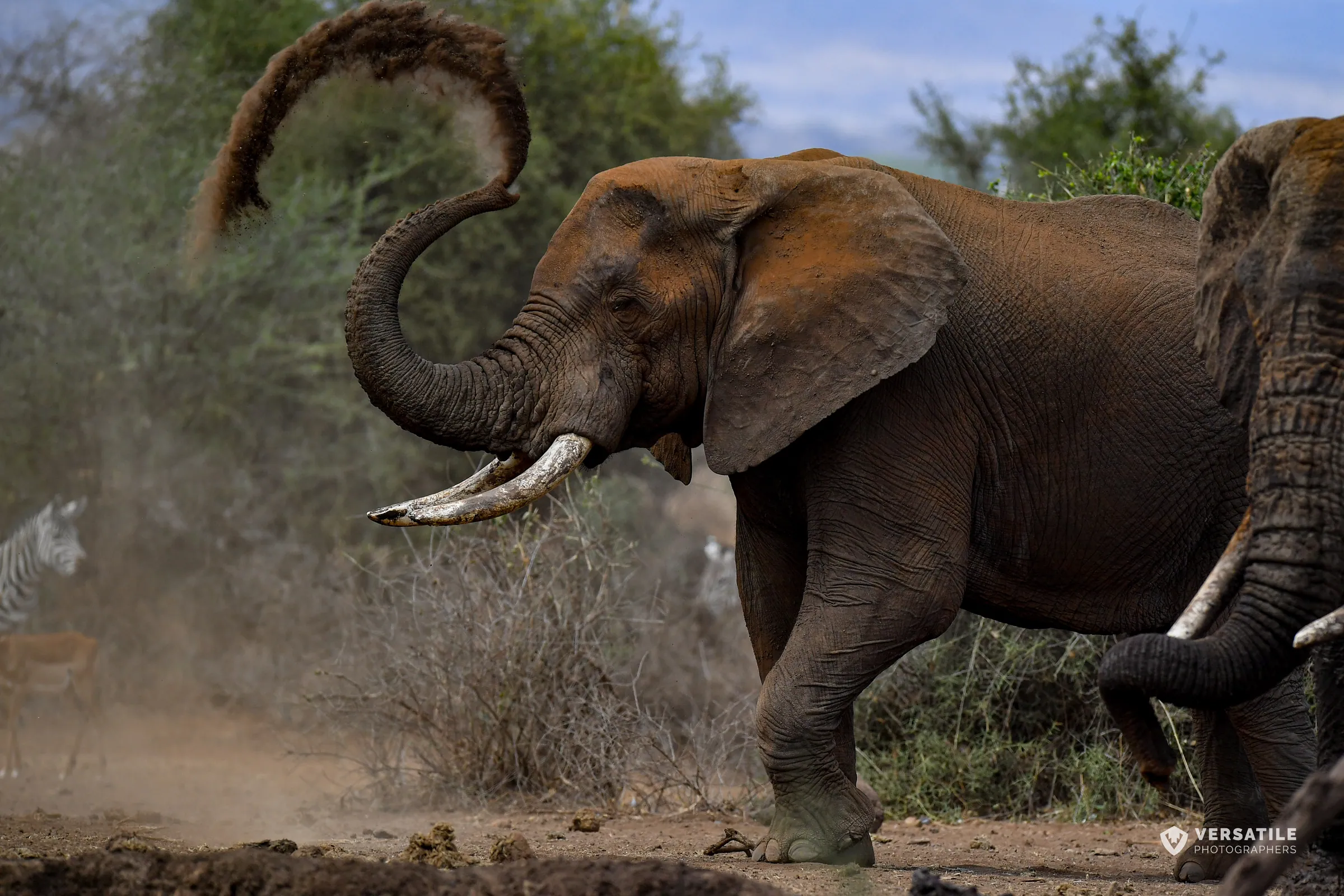
- Elephants, the reason the sanctuary exists; numbers vary with the season as they move between Shimba Hills and the forests to the north
- Baobabs, some of them huge and very old, scattered across the hills
- Cycads, palm-like plants from a family older than the dinosaurs, which grow wild here
- Baboons, vervet monkeys, bushbuck and small antelopes
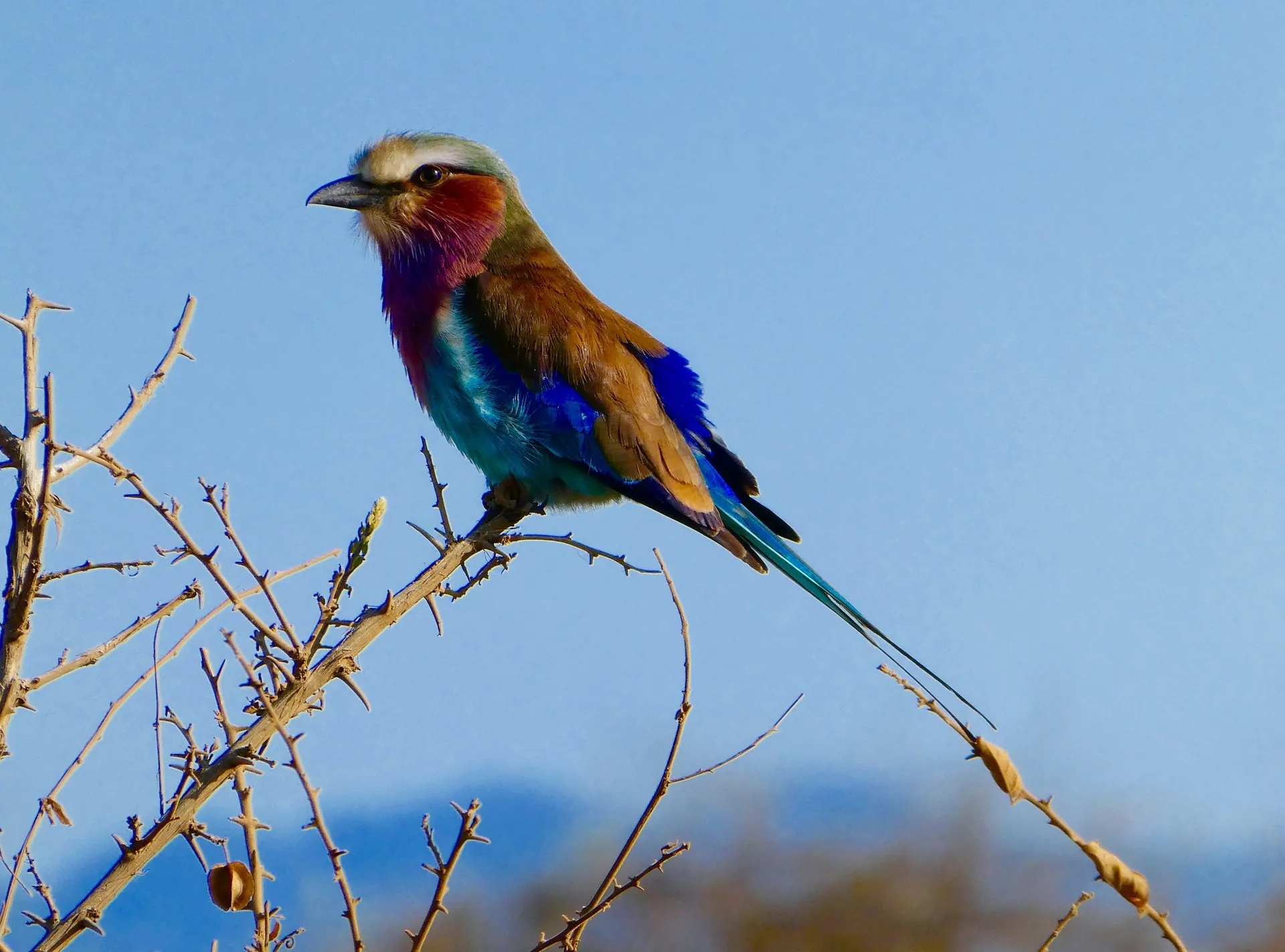
- Good birding: hornbills, rollers, raptors and coastal forest species
- Wide views over the Kwale hills toward the coast
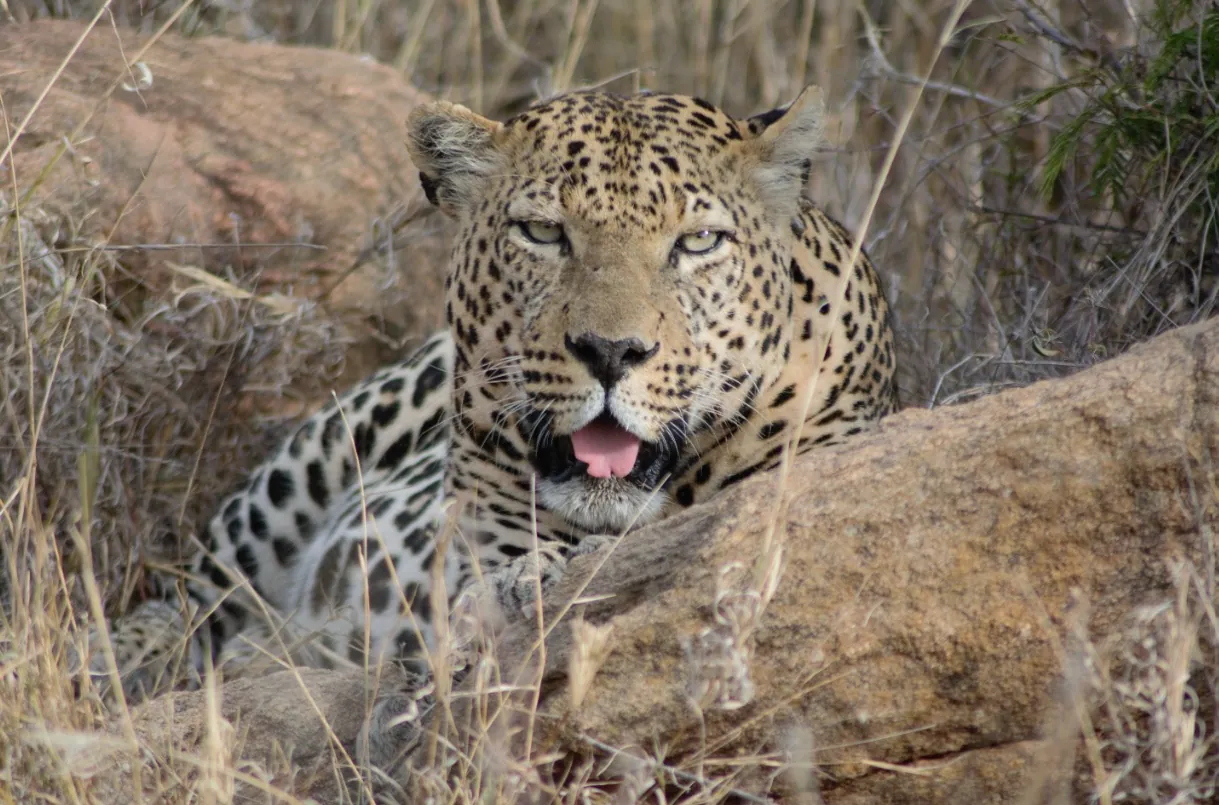
This is not a Big Five drive. Expect elephants, monkeys and good birds, and expect to work for the elephants: in thick bush or after rain, when water is everywhere, they spread out and can be hard to find. Morning is best, before the heat sends everything into the shade.
Mwaluganje and the south coast's other wild days
| Place | Who runs it | What you see | From Diani | Fee |
|---|---|---|---|---|
| Shimba Hills National Reserve | Kenya Wildlife Service | Sable antelope, elephants, Sheldrick Falls, forest | About 1 hour | KWS fee |
| Mwaluganje Elephant Sanctuary | Community landowners | Elephants, baobabs, cycads, birds | About 1.5 to 2 hours | Community fee at the gate |
| Kisite-Mpunguti Marine Park | Kenya Wildlife Service | Dolphins, reef, snorkelling from Shimoni | About 1 to 1.5 hours | KWS marine fee |
| Tsavo East National Park | Kenya Wildlife Service | Red elephants, lions, open plains | About 4 hours | KWS fee, about $80 a day |
Getting there
From Diani, most visitors drive inland past Kwale town and the Shimba Hills reserve, about 1.5 to 2 hours in all, with the last part on rough dirt tracks. From Mombasa the time is similar. A 4x4 is essential, especially after rain, when some tracks become impassable. The easiest plan is a long day: Shimba Hills in the morning for the sable and the falls walk, a picnic, and Mwaluganje in the afternoon, or the other way round. Carry lunch and plenty of water; there is little on the way.
When to go
The drier months, roughly January to March and July to October, are best: tracks are firmer and elephants are easier to find. The long rains, around April to June, and the short rains in November can close tracks. It is hot and humid at any time of year, so start early.
Before you go
- Let us confirm the sanctuary is open and the tracks are passable; conditions change
- Go in a 4x4 with a driver-guide who knows the sanctuary
- Stay in the vehicle unless your guide says otherwise; these elephants have a long history of conflict with people and can be nervous
- Give elephants plenty of room, and never block their path
- Respect the farms around the sanctuary; ask before photographing people
- Bring a hat, sunscreen and water
Mwaluganje is a small place doing something that matters: it lets farmers and elephants share a valley. A visit is one of the most direct ways to support that on the coast. Plan your south coast days with us; we are Kenyan-led, with two U.S. companies behind us, and you can pay in full or monthly with no deposit.