Parks and reserves. Updated November 2026. 4 min read.
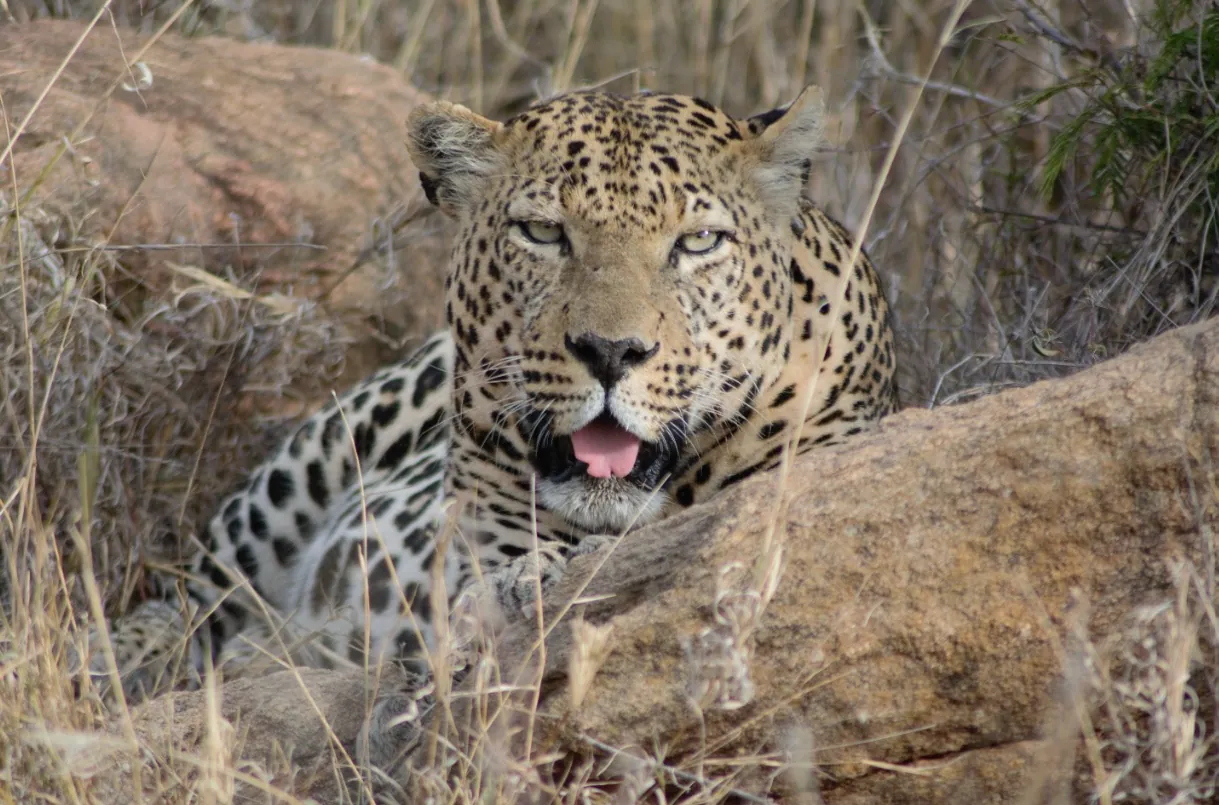
At Loisaba the bed sits on a raised wooden platform with no walls, rolled out under the sky, and the night sounds are hyenas, a lion far off and, if you are lucky, elephants moving past below. Those star beds made Loisaba famous. The conservancy around them is about 57,000 acres (some 230 square kilometers) of northern Laikipia, where the plateau begins to fall away toward the Samburu country, and it is one of the best places in Kenya for leopards and African wild dogs.
The short answer: Loisaba is for a top-end, varied safari in drier, wilder country, with night drives, walking, horse riding, camel walks and mountain biking, three Elewana-run stays to choose from, and the conservancy fee in the rate. It suits honeymooners, active families and anyone who has done the Mara and wants something different. Our Laikipia where-to-stay guide compares it with the rest of the plateau; this page covers what Loisaba is, who owns it and what you can do there.
Who owns it
Loisaba was a private cattle ranch for decades. Today it is owned by the Loisaba Community Trust, a Kenyan trust set up to keep the land as a conservancy for wildlife and for the communities around it, with The Nature Conservancy, the U.S.-based conservation organization, as a key partner in securing it. The camps are run by Elewana, which pays the conservancy for every guest night, and the conservancy works with its pastoralist neighbors on grazing, water and security. Like the rest of Laikipia, it is a landscape where people, livestock and wildlife share the land.
The star beds and the camps
| Stay | Style | Good for |
|---|---|---|
| Loisaba Star Beds | Open-air platforms on raised decks, with beds rolled out under the sky | Honeymoons, and one night of sleeping out on any stay |
| Loisaba Tented Camp | Tented camp on the edge of the escarpment, with long views | First visits, families, the base for activities |
| Lodo Springs | Small lodge in a remote part of the conservancy | Remote luxury and privacy |
Many guests split their stay: one night on the star beds and the rest at the tented camp or Lodo Springs, so they get the experience of sleeping out and the comfort of a room with walls. The star beds have mosquito nets, warm bedding and staff close by, and they can be covered if the weather turns.
Wildlife
- Leopards on the rocky ridges and in the river bush, one of Loisaba's strengths
- African wild dogs, whose packs range widely across northern Laikipia; sightings are never predictable, but this is among the best areas in Kenya
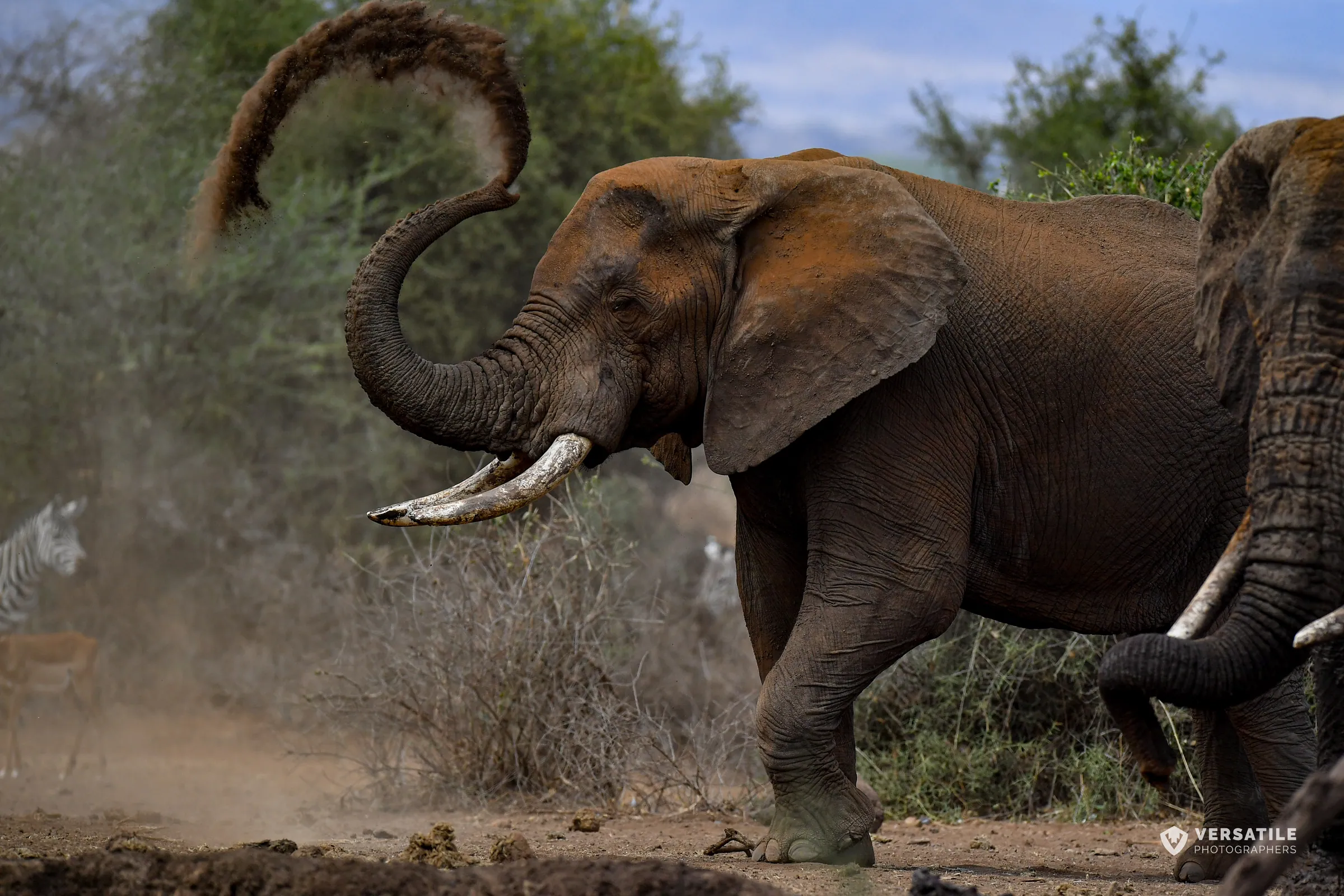
- Elephants, often in large numbers, moving between Laikipia and Samburu
- Lions, cheetahs, and spotted and striped hyenas
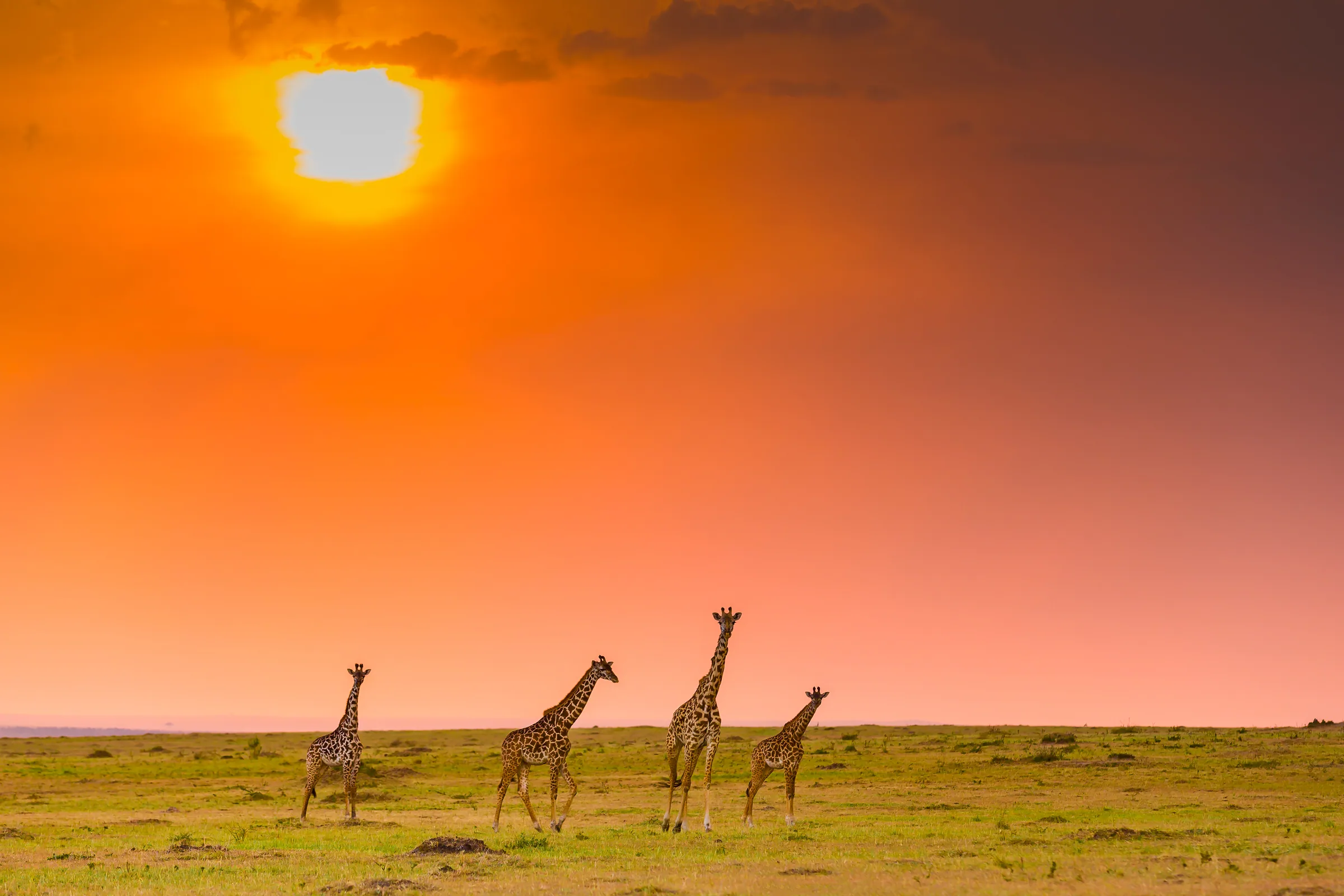
- The northern species: reticulated giraffe, Grevy's zebra, Beisa oryx and gerenuk
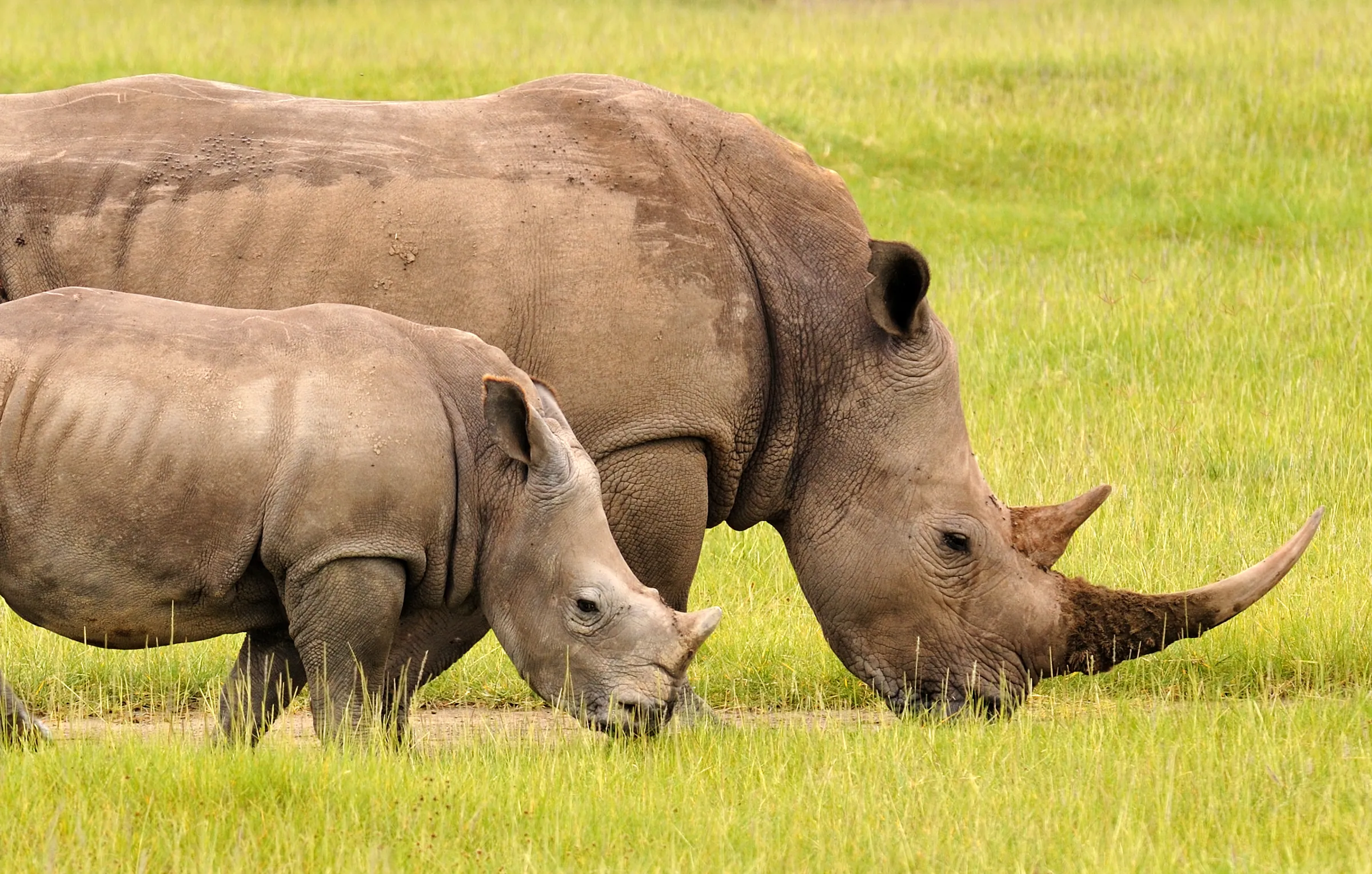
- Black rhinos, returned in 2024
In 2024 black rhinos came back to Loisaba, decades after poaching cleared them from this part of Laikipia, in a move made with Kenya Wildlife Service. They are still settling into a large, bushy landscape, so treat a sighting as a bonus. The rest of the wildlife is good all year, with the dry months the most reliable.
What you can do
- Day and night game drives, with a spotlight after dark
- Guided walks with armed rangers
- Horse riding, for beginners on short rides and for experienced riders farther out
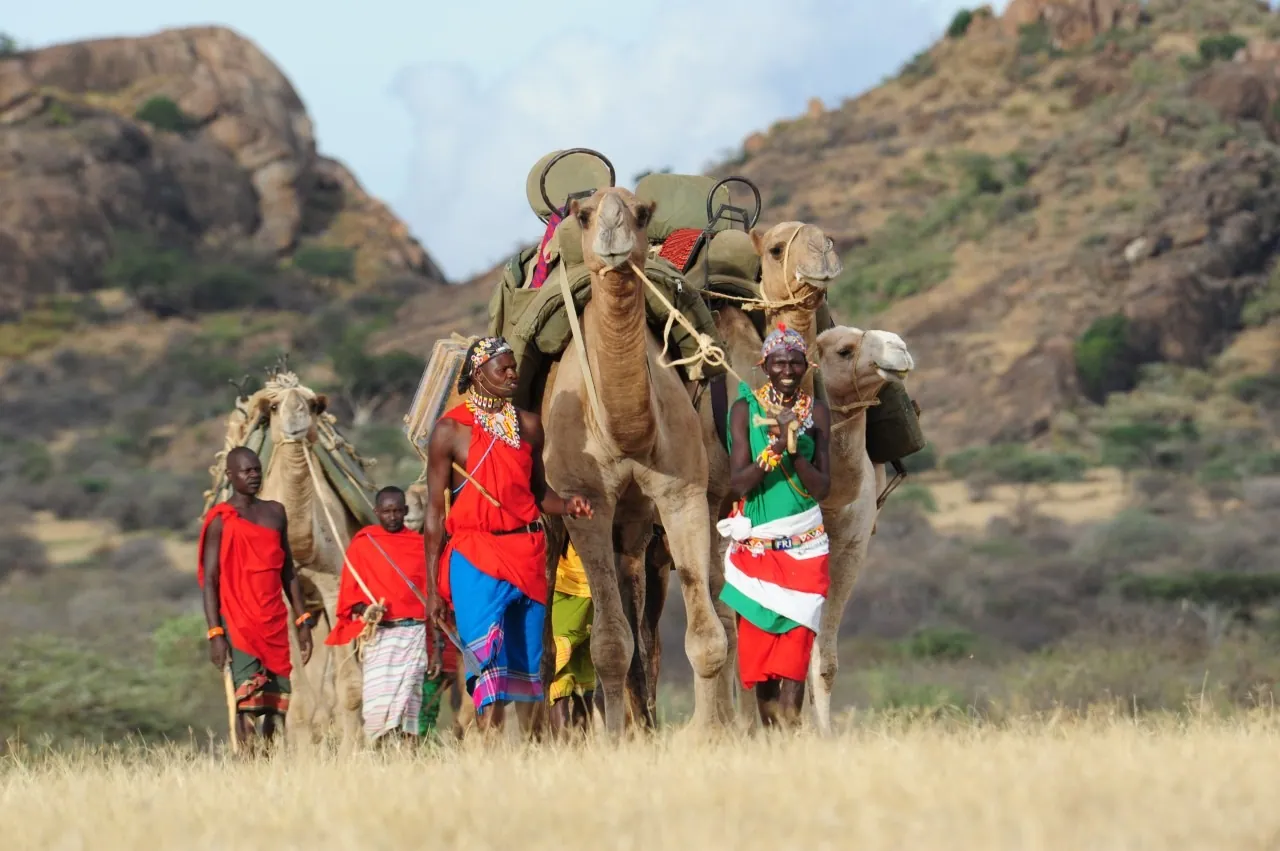
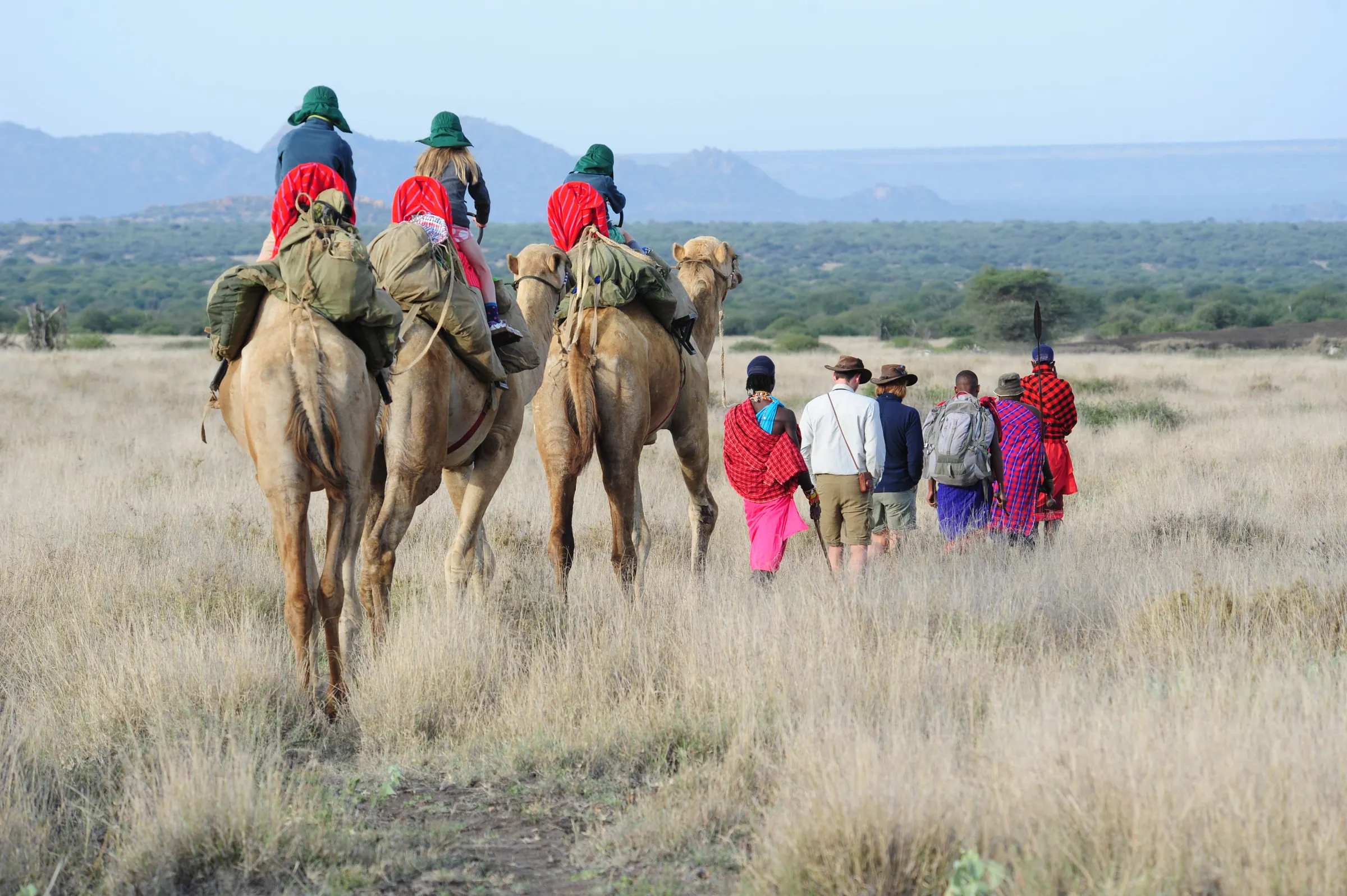
- Camel walks with local handlers, an easy way to cover ground at walking pace
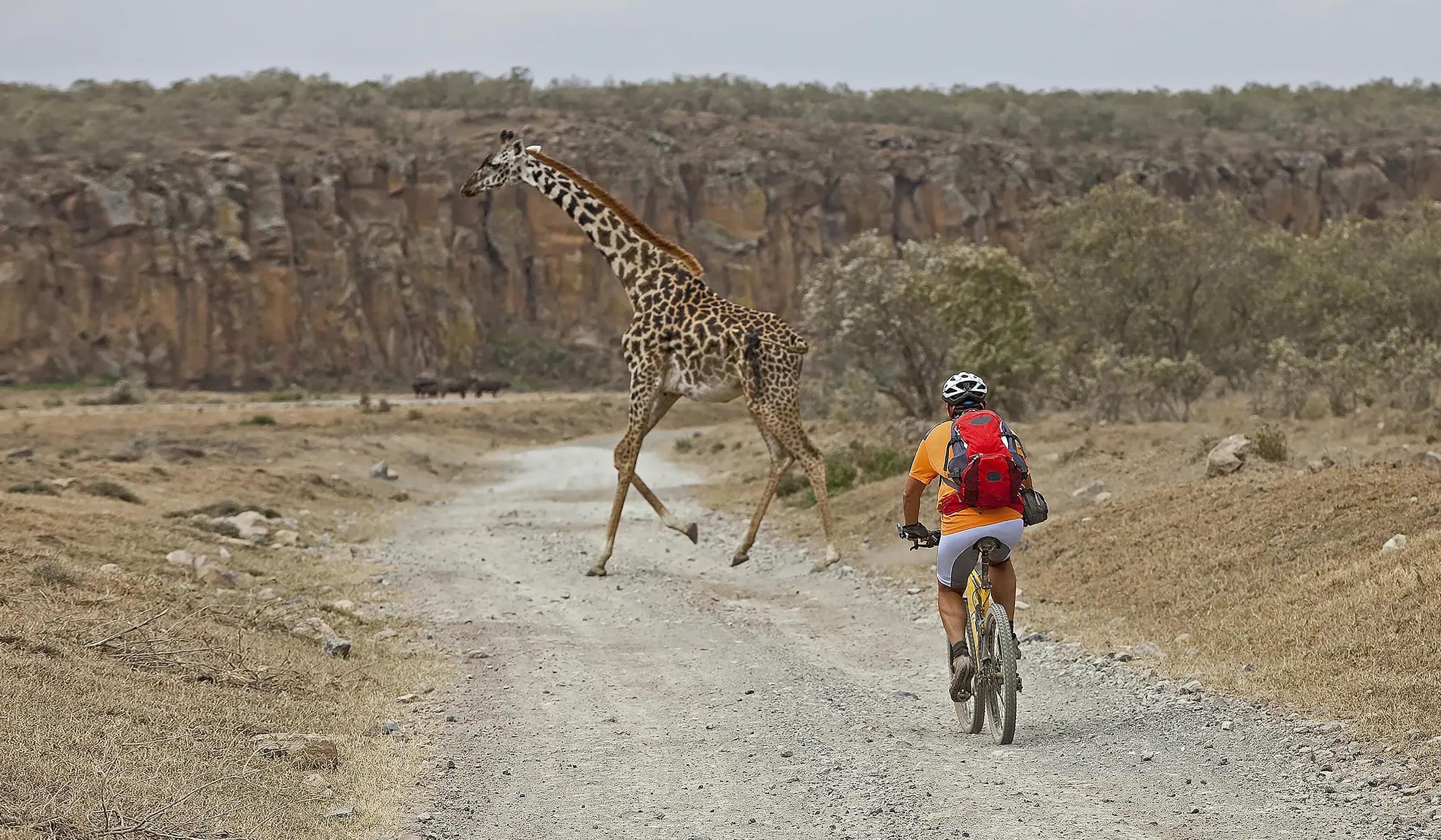
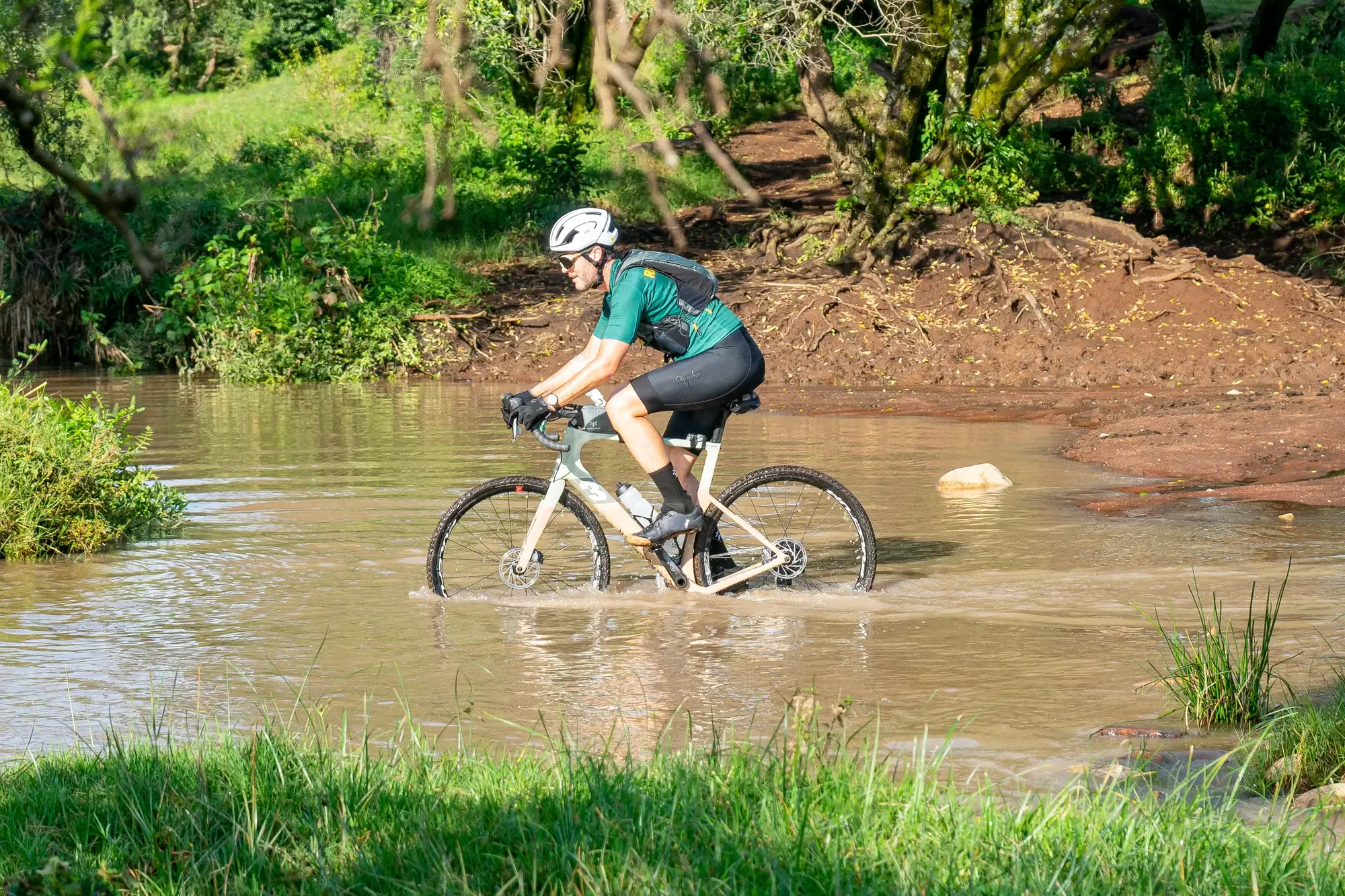
- Mountain biking on conservancy tracks
- Sundowners on the escarpment and time on the Ewaso Ng'iro river
Each activity has its own minimum age and rules, and riding has a weight limit; tell us who is traveling and we will check before you book. With children, Loisaba's range of activities makes it one of the easier Laikipia choices.
When to go
Loisaba is good most of the year. The dry months, roughly late June to October and January to March, are best for game and for clear nights on the star beds. The long rains usually fall in April and May. Many Laikipia camps close for part of November in the short rains, so check the camp's dates if you are traveling then.
Getting there
Loisaba has its own airstrip. Light aircraft from Wilson Airport in Nairobi reach it in about one to one and a half hours, sometimes with a stop, and the camp meets you there. You can also fly to Nanyuki and drive. By road it is about 5 to 6 hours from Nairobi via Nanyuki, with the last part on dirt roads, so most guests fly.
How it fits on a trip
- With Samburu: close by air or road, for the Special Five and the river
- With Ol Pejeta: rhinos and chimpanzees in the south of Laikipia
- With the Mara: fly on for big cats and, from July to October, the migration
- With the coast: fly to Diani or Watamu to end on the beach
Three nights, one of them on the star beds, is the stay we suggest most often. We are Kenyan-led, with two U.S. companies behind us; pay in full or monthly with no deposit.