Comparisons. Updated November 2026. 5 min read.
Samburu is hot, red, river country: doum palms along the Ewaso Nyiro, elephants crossing the water at midday, Samburu herders in red shukas and beads, and five animals you will not see in the Mara. Laikipia is a cool high plateau below Mount Kenya, made up of private ranches turned conservancies, with about half of Kenya's rhinos, the last two northern white rhinos on Earth, and the freedom to walk, ride and drive at night. Our verdict: first-timers on a budget, and anyone keen on the rare northern species, should pick Samburu. Travelers who want rhinos and activities beyond the game drive should pick Laikipia. And because they are only a few hours apart, the best northern week does both.
Both regions have full where to stay guides on this site, camp by camp. This page is the choice between them, and how to split the nights if you take both.
Samburu and Laikipia side by side
| Factor | Samburu | Laikipia |
|---|---|---|
| Signature wildlife | The Special Five: Grevy's zebra, reticulated giraffe, beisa oryx, gerenuk, Somali ostrich; river elephants; leopards | Black and southern white rhinos, the northern whites at Ol Pejeta, lions, wild dogs in the north, Grevy's zebra on Lewa |
| Rhinos | None to expect | About half of Kenya's rhinos live on Laikipia's conservancies |
| Landscape | Semi-desert, red earth, the Ewaso Nyiro river, rocky hills such as Shaba's | Grassland and acacia plateau with Mount Kenya on the horizon |
| Climate | Hot, often 88 to 93°F by day | About 1,500 to 2,600 m up; warm days, cool mornings |
| Activities | Game drives in the reserves; walks and night drives in conservancies such as Kalama and Westgate | Walking, horse riding, camel walks, night drives, rhino tracking, star beds |
| Who runs it | Samburu, Buffalo Springs and Shaba reserves, run by the Samburu and Isiolo county governments | Private and community conservancies such as Ol Pejeta, Lewa, Borana and Loisaba |
| Fees | About $85 per adult per day for the reserves | About $60 to $150 a night, usually inside the camp rate |
| Camps | Tented camps on the river from about $290 per person per night | From value camps on Ol Pejeta to some of Kenya's most expensive lodges |
| From Nairobi | About five to six hours by road, or about an hour by air | About 3 hours to Nanyuki by road, or about 45 minutes by air |
| Culture | Samburu communities and beadwork all around the reserves | Samburu, Maasai and Laikipiak communities on the northern conservancies |
Wildlife
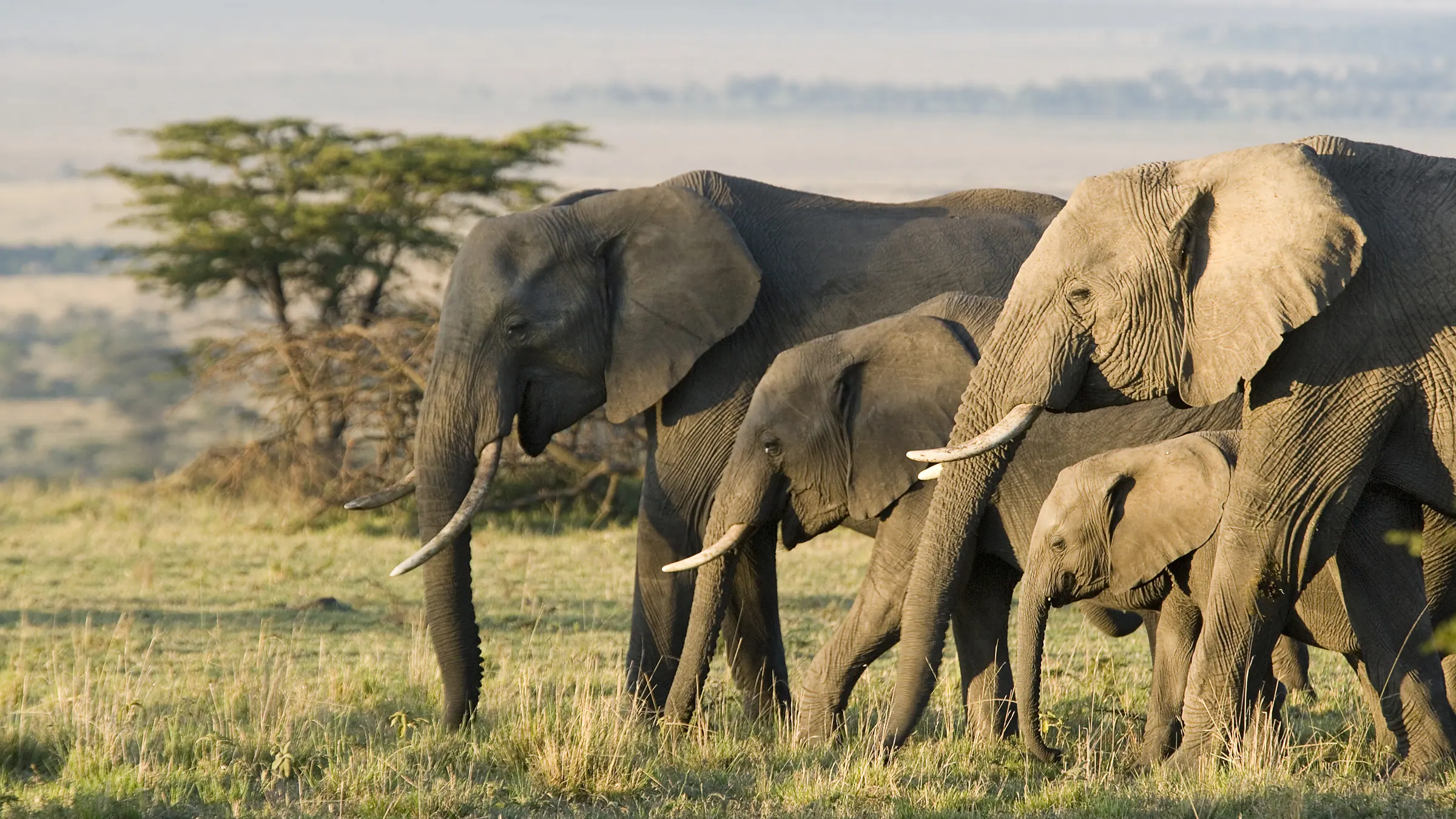
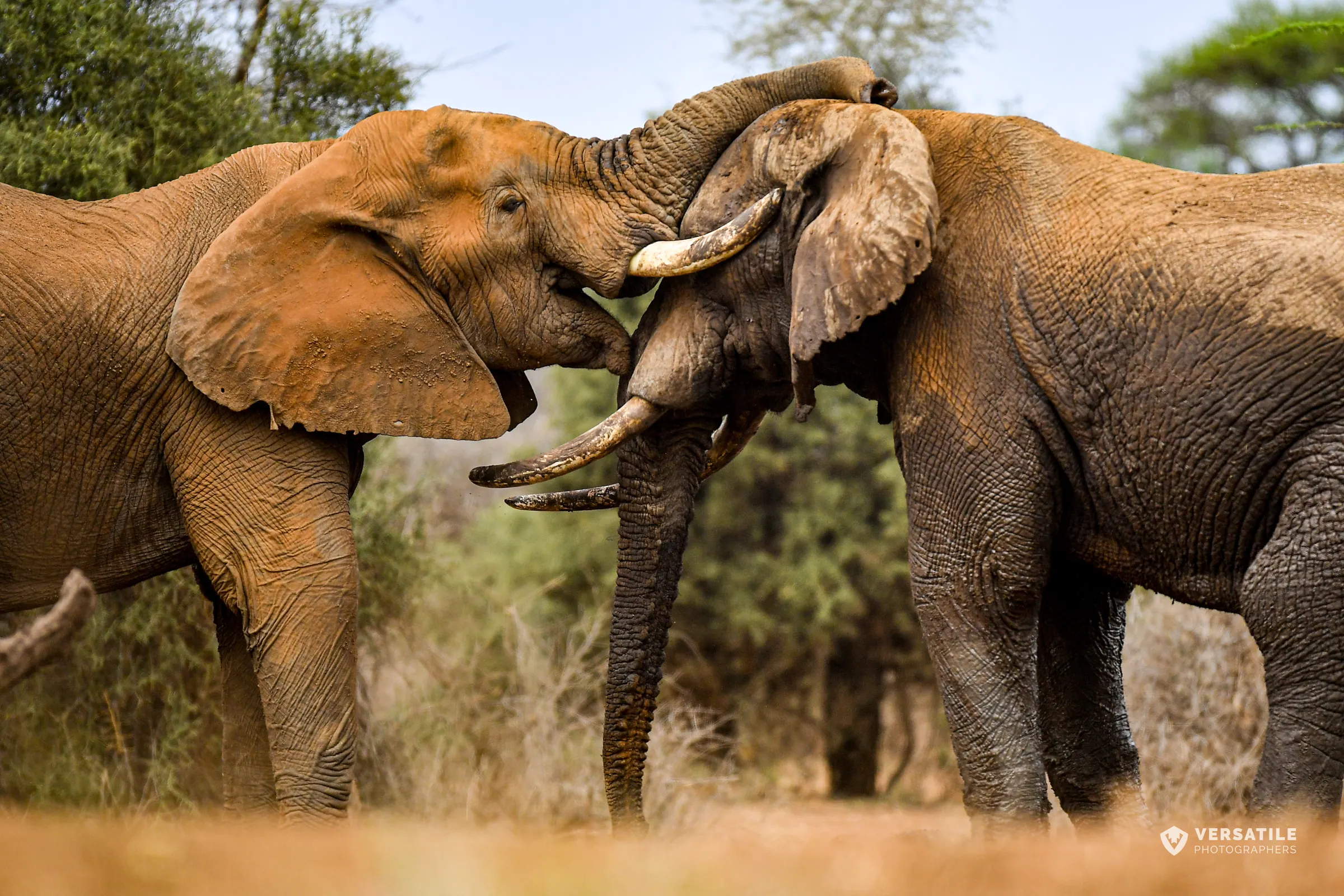
Samburu's draw is the Special Five, five dry-country animals that live north of the equator and are hard to find elsewhere in Kenya's safari circuit: Grevy's zebra, the reticulated giraffe, the beisa oryx, the long-necked gerenuk and the blue-legged Somali ostrich. The Ewaso Nyiro river pulls elephants, buffalo and big cats to its banks, Samburu is known for its leopards, and the elephant families here have been studied for years. There are no rhinos to expect.
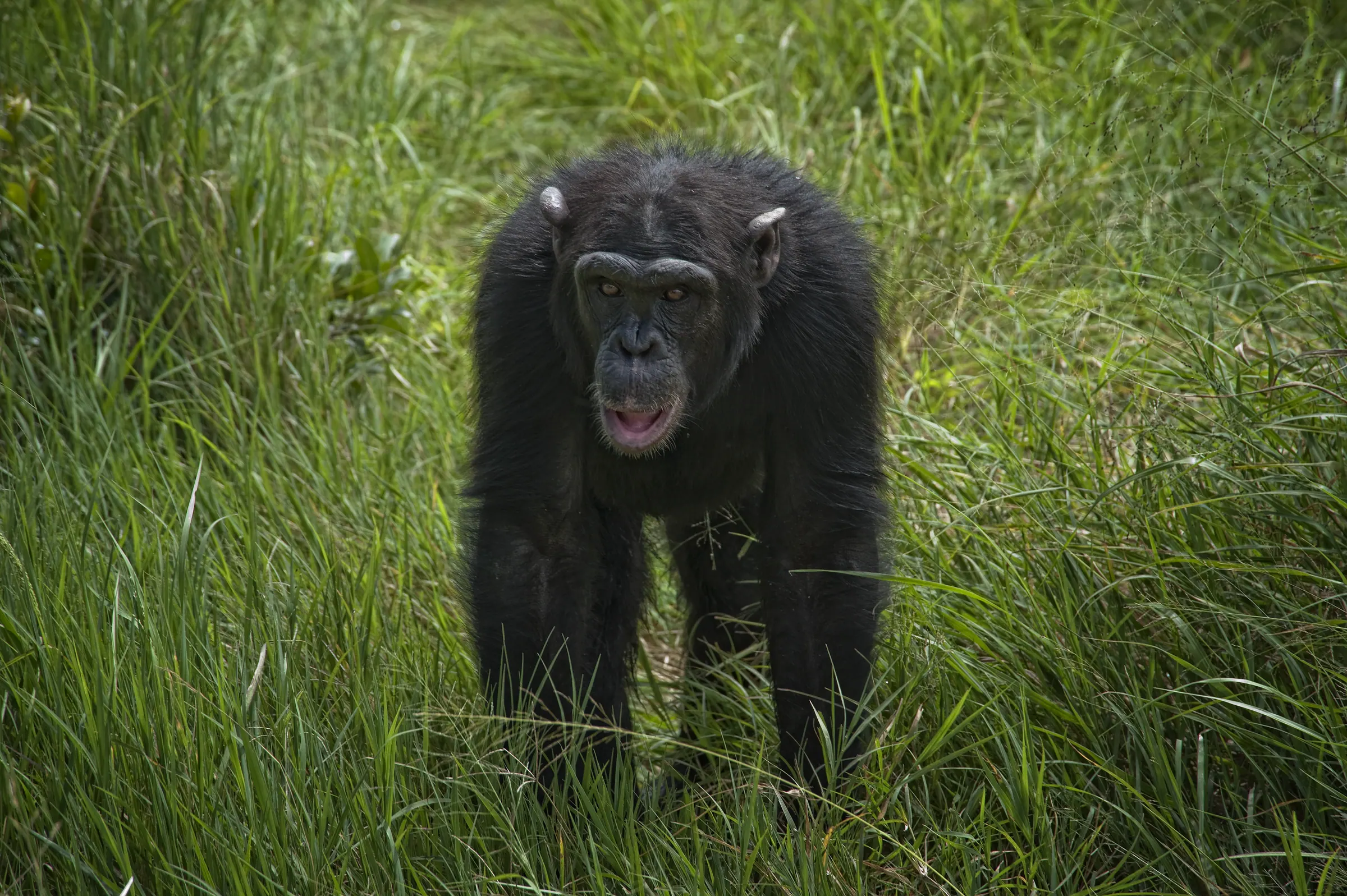
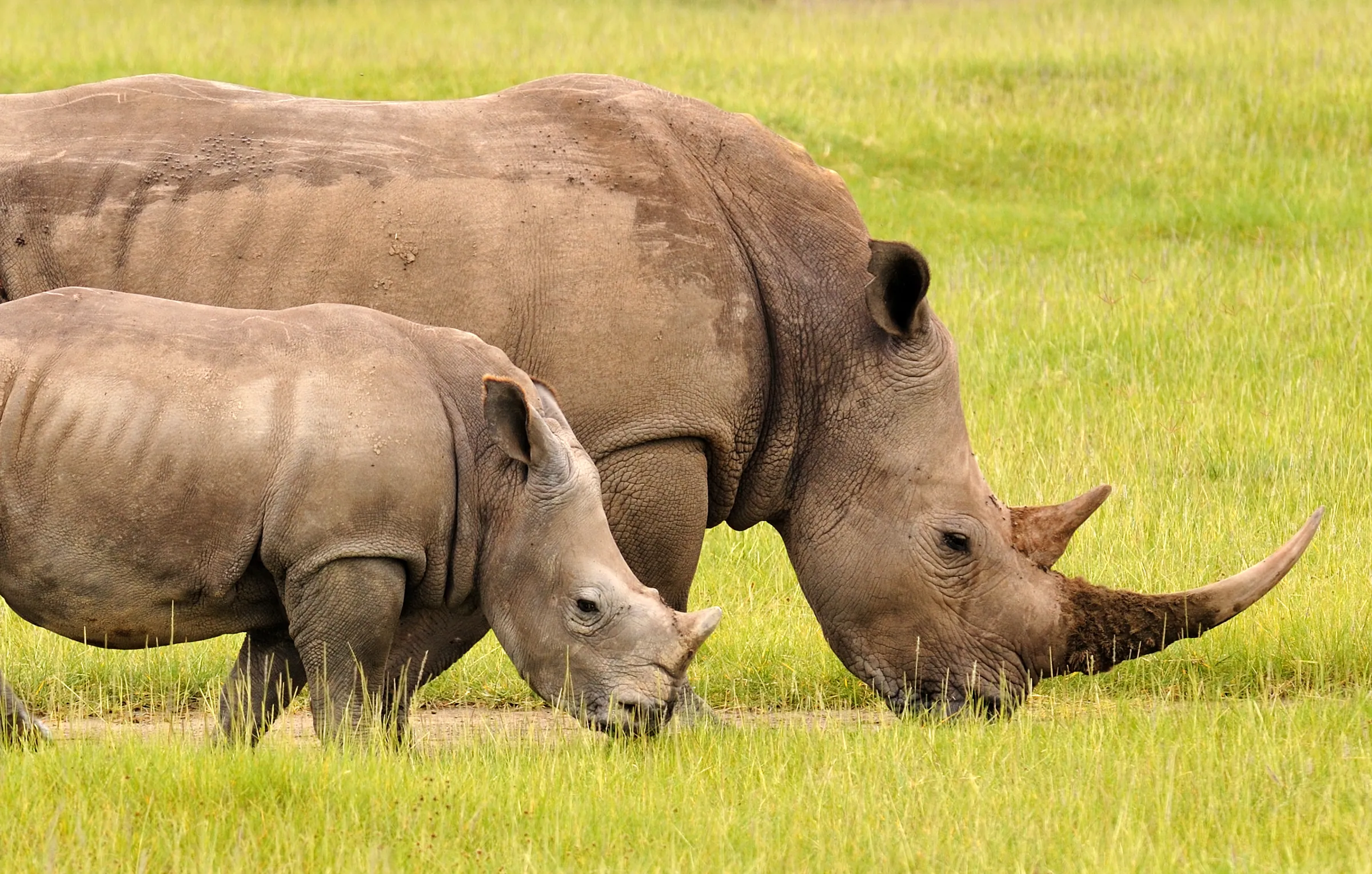
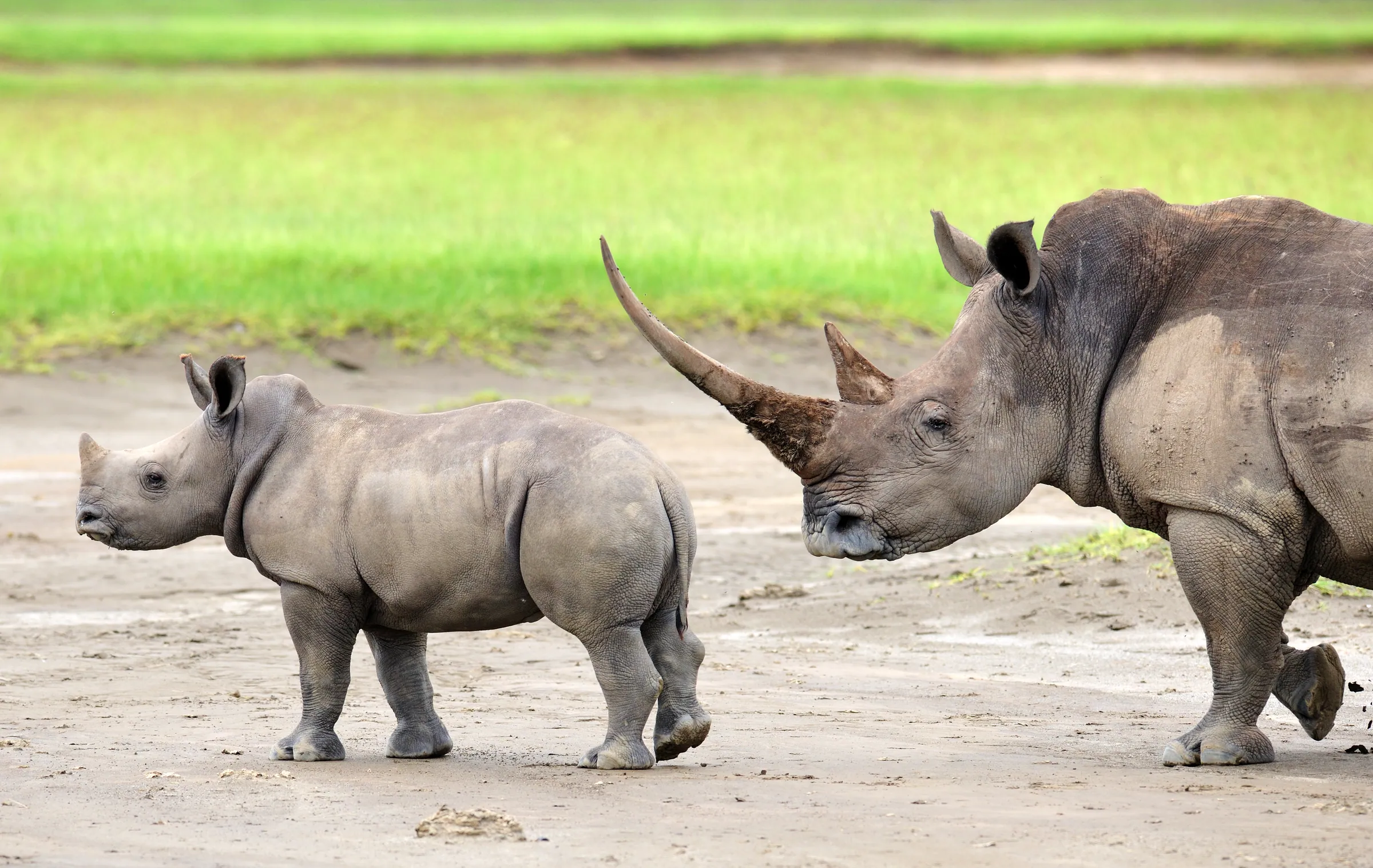
Laikipia's draw is rhinos. Ol Pejeta, about 90,000 acres near Nanyuki, has the Big Five, the Sweetwaters chimpanzee sanctuary and Najin and Fatu, the last two northern white rhinos. Lewa and Borana protect black and southern white rhinos on one of Kenya's great conservation landscapes, and Lewa is part of a UNESCO World Heritage Site with Mount Kenya. In the north of the plateau, Loisaba, Mugie and Sosian are known for leopards and wild dogs. Laikipia also has some of the Special Five, including Grevy's zebra and reticulated giraffe on Lewa, so it is not a choice between rhinos and rare species alone.
What you do all day
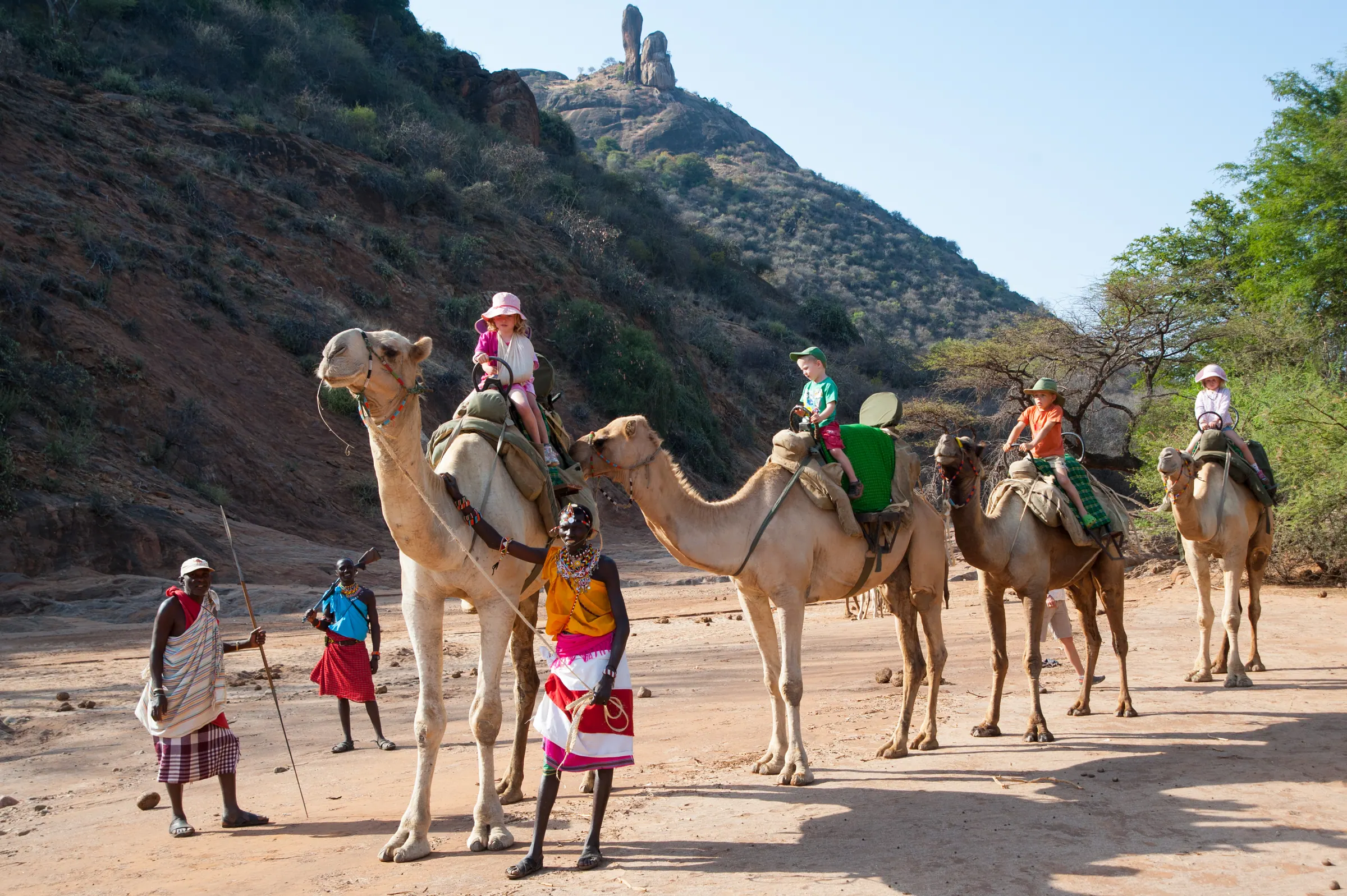
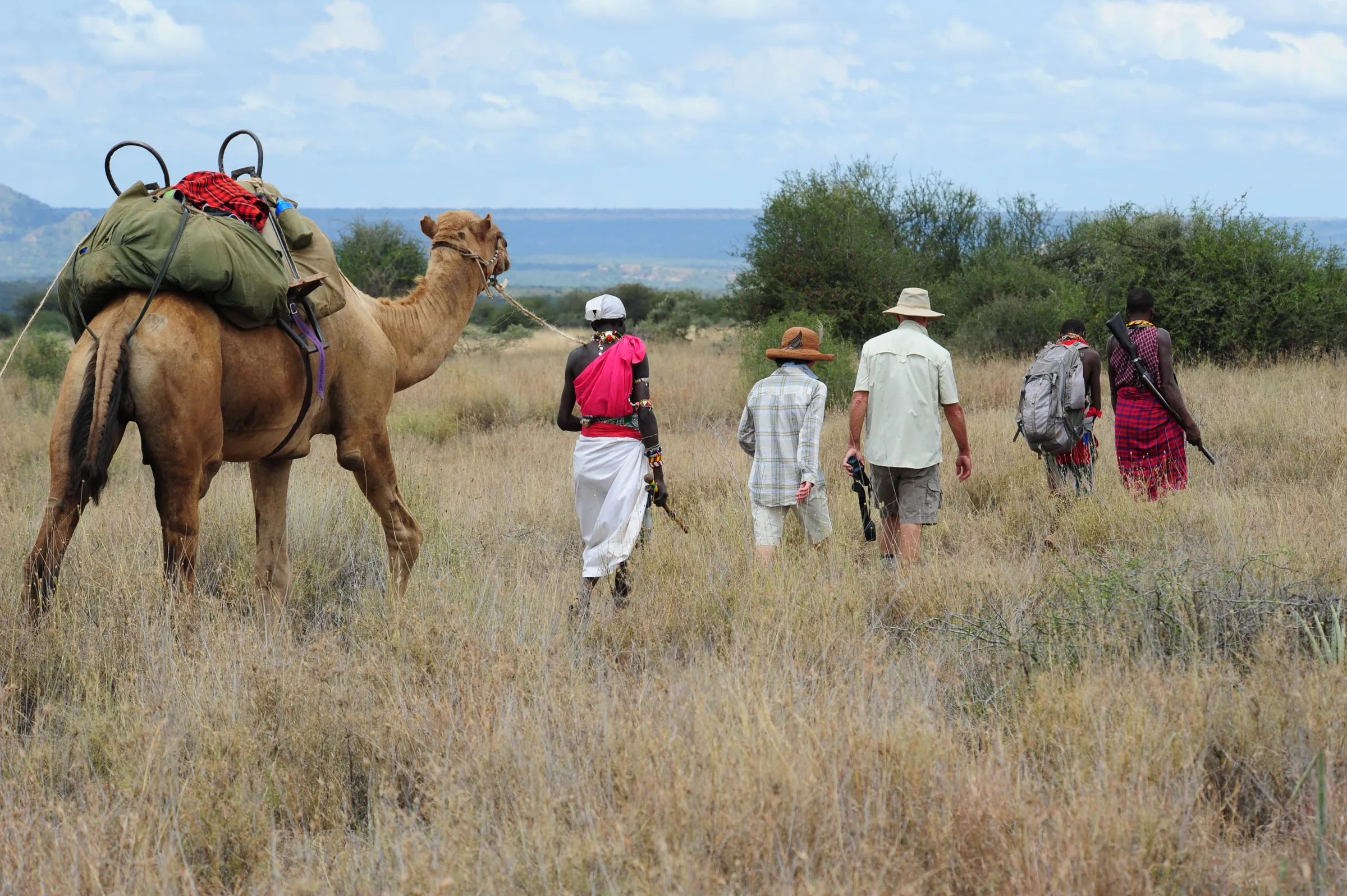
In Samburu's national reserves, the day is game drives in the cool morning and late afternoon, with a long hot siesta between; the river is the center of everything. The conservancies around the reserves, such as Kalama and Westgate, add walks with Samburu guides and night drives. In Laikipia, the conservancies are private land, so the rules are set by each one: walking safaris, horseback rides among zebras and giraffes, camel walks, tracking rhinos on foot with rangers, night drives for aardvarks and leopards, and nights under the stars on Loisaba's star beds. If you get restless sitting in a vehicle, Laikipia suits you better.
What it costs
Samburu is the better value. Tented camps on the river, such as Samburu Intrepids and Ashnil Samburu, start from about $290 per person per night, with Basecamp Samburu, Saruni Samburu and Elephant Bedroom Camp in the middle, and Sasaab and Elephant Watch Camp at the top. The reserve fee is about $85 a day at the time of writing. Laikipia runs from good-value stays on Ol Pejeta, such as Sweetwaters Serena and The Stables, to exclusive-use houses and premier lodges on Lewa, Borana and the northern ranches, and conservancy fees of about $60 to $150 a night are usually built into the rate. Many Laikipia camps close in November, during the short rains.
Weather and when to go
Both are best in the dry months, June to October and late December to March, though Laikipia is good all year. Samburu is hot, often 88 to 93°F by day, so a camp with shade and a pool matters, and the short rains turn its red earth briefly green. Laikipia's altitude brings cool mornings and evenings, and a fleece for dawn drives. Neither is a migration destination; both are at their best when the southern parks are busiest, which makes them a good way to add space to a July or August trip.
Choose Samburu if
- You want the Special Five and a landscape completely unlike the Mara
- You are on your first safari and watching the budget
- You love elephants and rivers, and do not mind the heat
- You want to meet Samburu communities and see their beadwork
Choose Laikipia if
- Rhinos are on your list, including the northern whites at Ol Pejeta
- You want to walk, ride or track animals on foot, not only drive
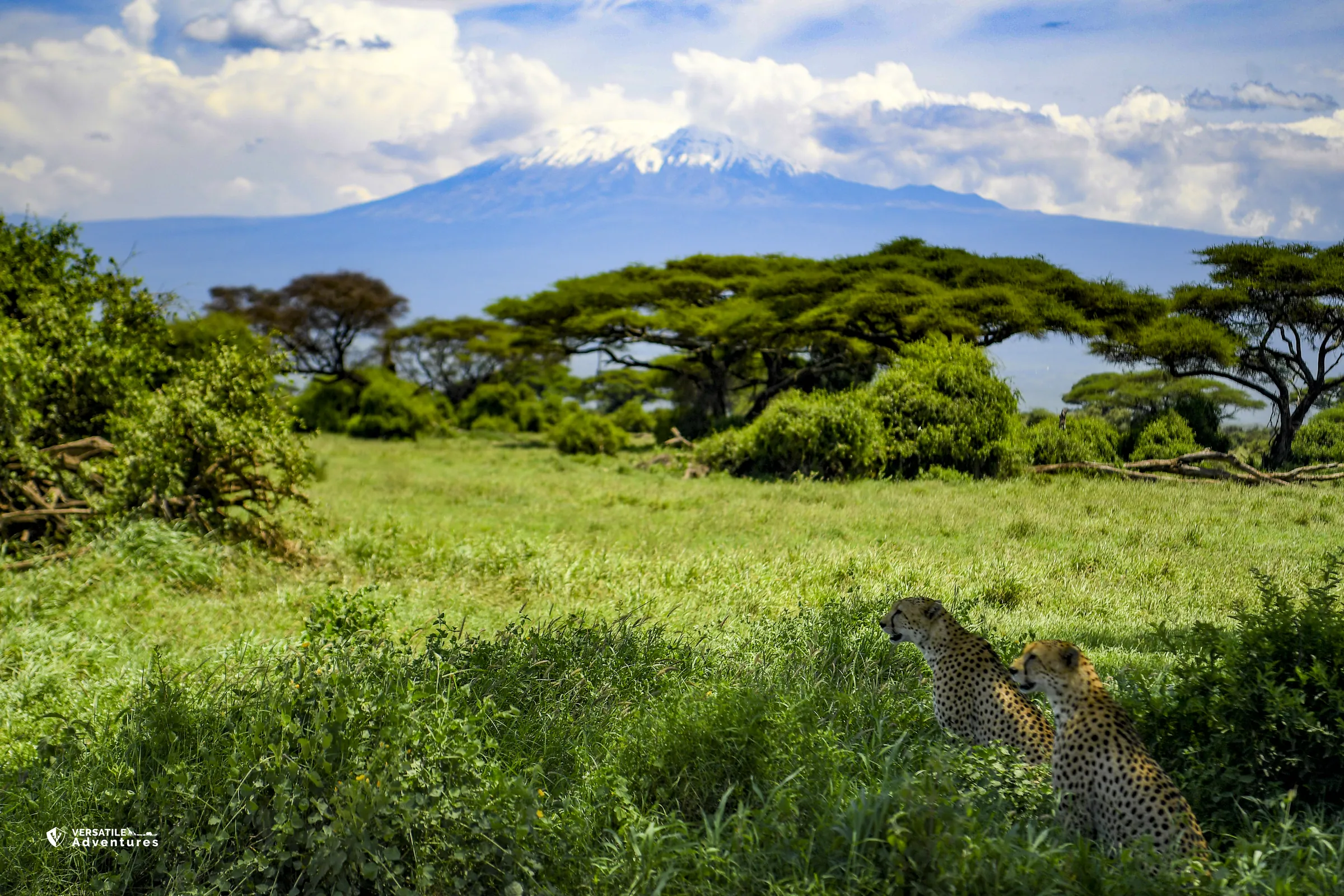
- You prefer a cooler climate and views of Mount Kenya
- You want a private, exclusive-use house for a family or group
Or both: one northern week
Laikipia and Samburu are about two to three hours apart by road via Isiolo, so a northern week combines them easily: three nights in Laikipia for rhinos and walking, then two or three in Samburu for the Special Five and the river, flying back to Nairobi or on to the Mara. Our northern Kenya route is built this way. For a first trip that also wants the migration, add the north to the Mara in July or August, when the north is dry and quiet.
Why plan with us: Kenya Experience is Kenyan-led, with two U.S. companies behind it, GCK Travel and Roundtrip Safaris, and Kenyan guides on the ground. You can pay in full or monthly with no deposit, and a specialist replies within two business days.