Comparisons. Updated November 2026. 5 min read.
If you only have time for one Kenyan park, make it the Maasai Mara: it has the most predators, the migration from about late July to October, and enough variety to fill three or four days. Amboseli does one thing better than anywhere in Africa: big elephant families walking across open plains with Kilimanjaro behind them, in a park small enough to know in two days. That is why most seven-day trips do both, and why we rarely ask anyone to choose.
The two parks sit on opposite sides of Nairobi, the Mara to the west and Amboseli to the south-east near the Tanzanian border, so they combine with one connection through the city. Here is how they compare, line by line, and how to split your nights between them.
The Mara and Amboseli side by side
| Factor | Maasai Mara | Amboseli |
|---|---|---|
| Wildlife | Lions, cheetahs, leopards and hyenas; the migration from about late July to October | Elephants above all, plus lions, hyenas, buffalo, hippos and waterbirds in the swamps |
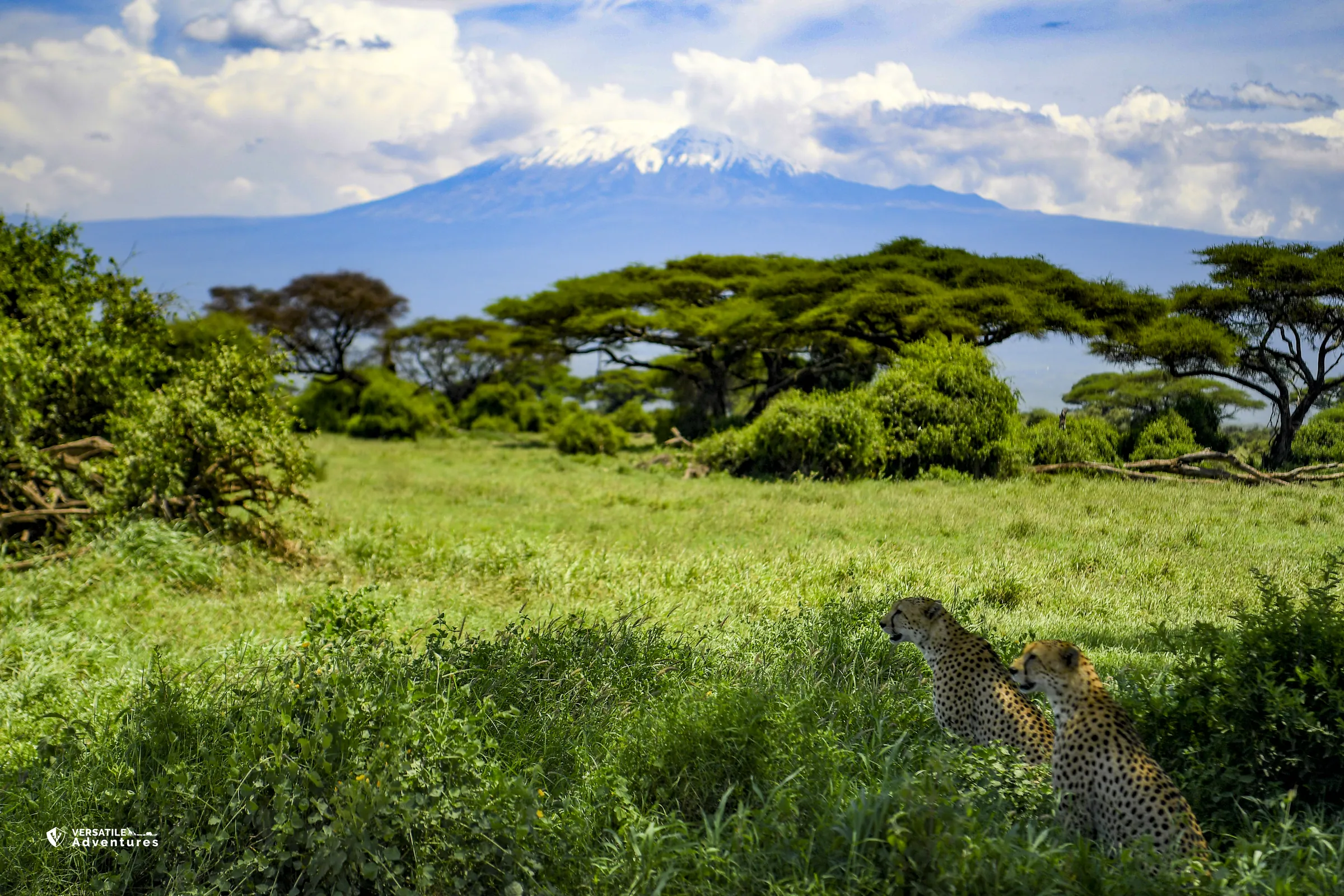
| Scenery | Rolling grassland, rivers and the Oloololo escarpment | Flat plains, a dry lakebed, green swamps and Kilimanjaro on the horizon |
| Size | Reserve about 580 sq mi, plus large conservancies | About 150 sq mi, ringed by Maasai group ranches |
| Fees | $100 a day January to June, $200 July to December | $90 a day |
| From Nairobi | About an hour by light aircraft, or 5.5 to 6.5 hours by road | About 4 to 5 hours by road, or a short flight |
| Crowds | Busy at the river crossings from July to October | Busy at the best elephant sightings in peak months, easier to spread out |
| Best months | July to October for the herds; good all year for cats | June to October and January to February, when animals gather at the swamps |
| Photography | Big cats, river crossings, balloon flights at dawn | Elephants against the mountain at dawn and late afternoon |
| Beyond game drives | Walks and night drives in the conservancies, balloon flights | Walks and night drives on the group ranches, Observation Hill, Maasai village visits |
| Nights to give it | Three, or four if crossings matter | Two |
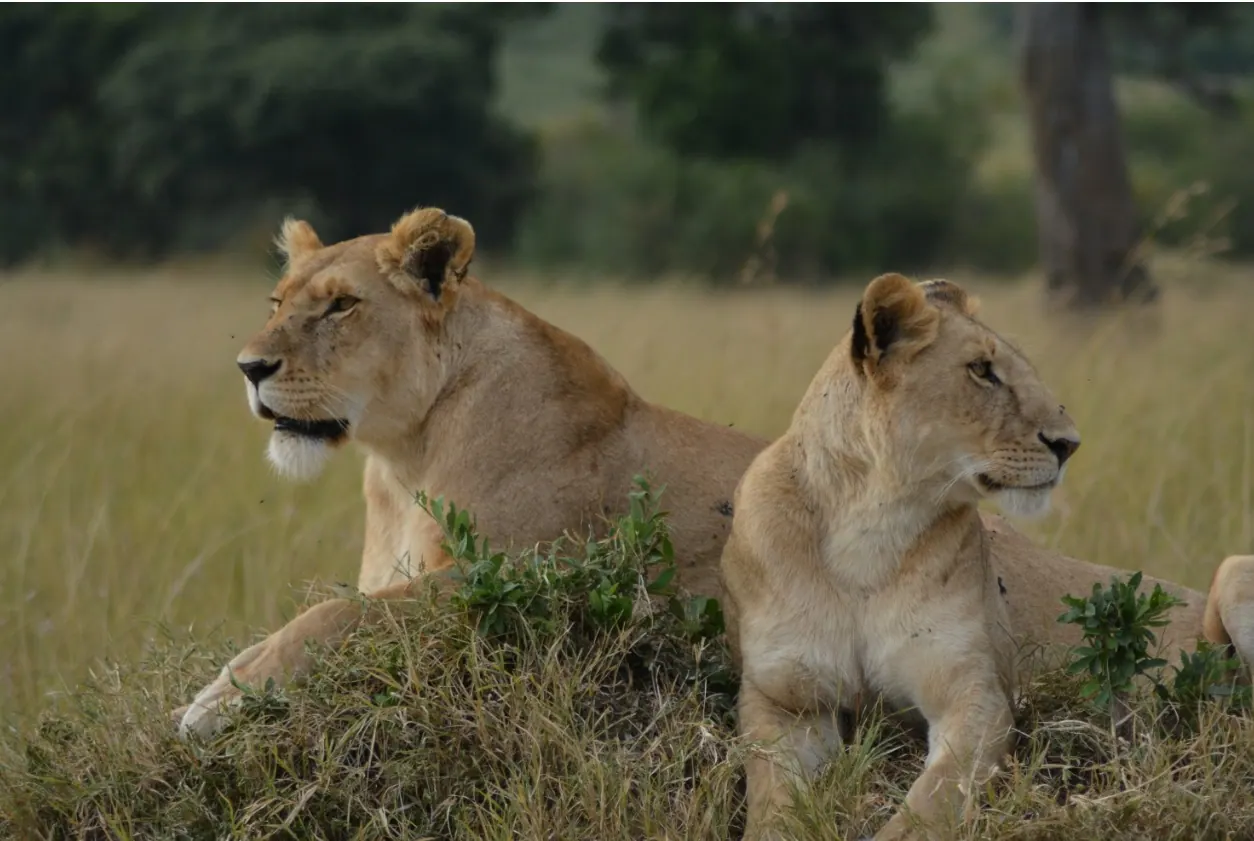
Wildlife: cats against elephants
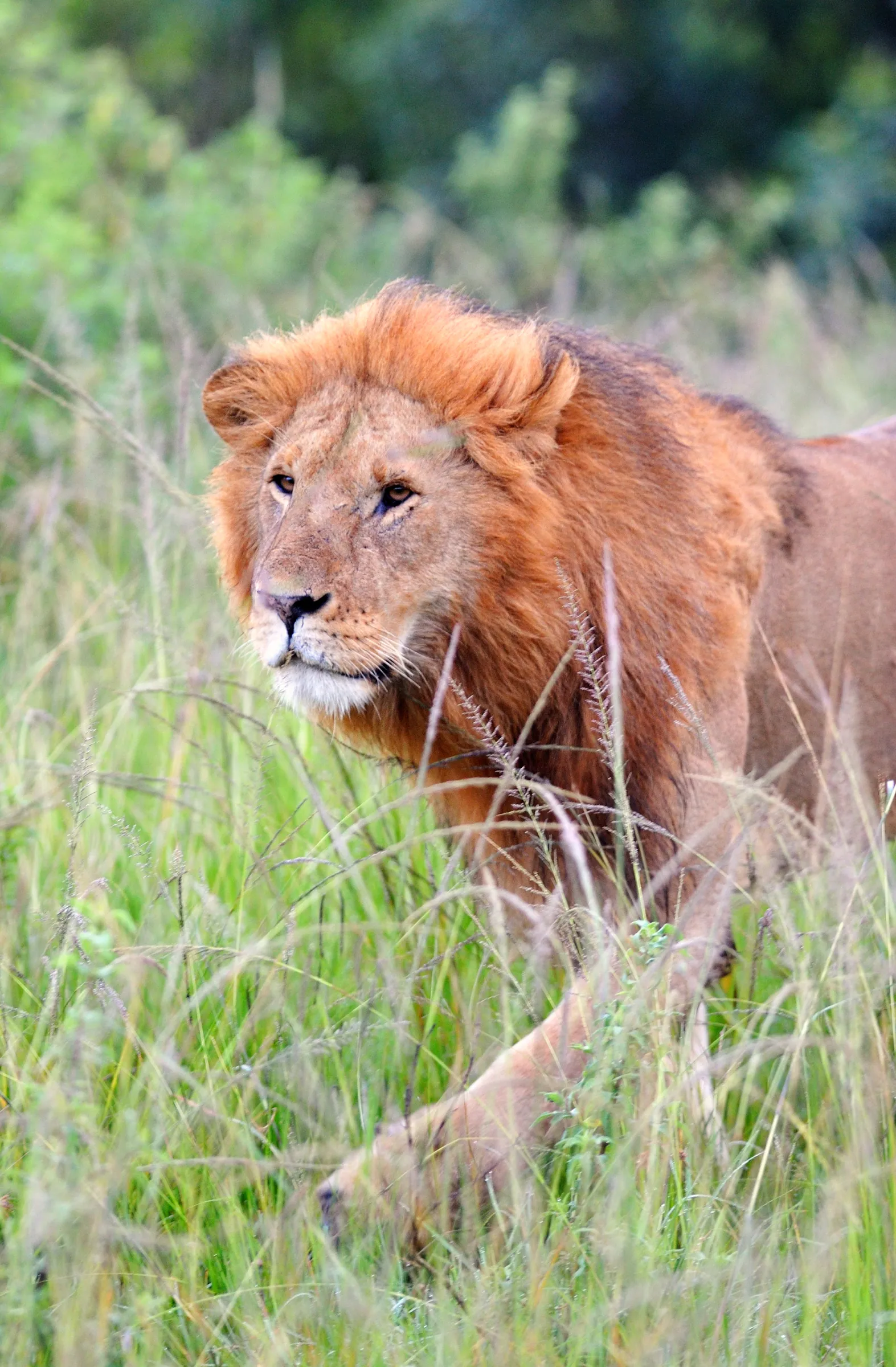
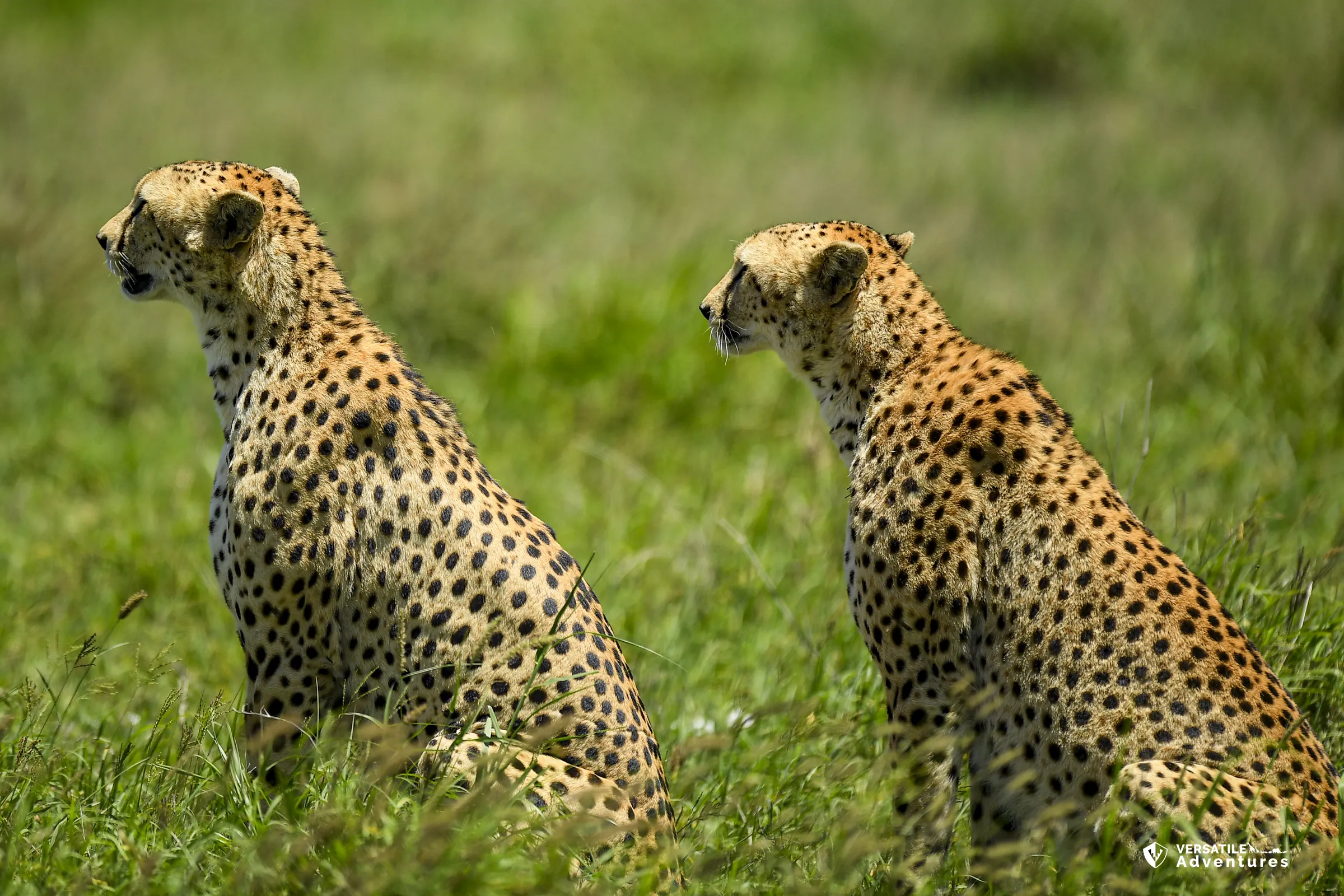
The Mara is predator country. Its open grassland supports one of Africa's densest populations of lions, along with cheetahs on the plains, leopards along the rivers and big clans of hyenas. In migration season the wildebeest and zebra from the Serengeti add huge numbers, and the crossings of the Mara River are the scenes people fly across the world for. Outside that season, the resident animals make the Mara rewarding in every month.
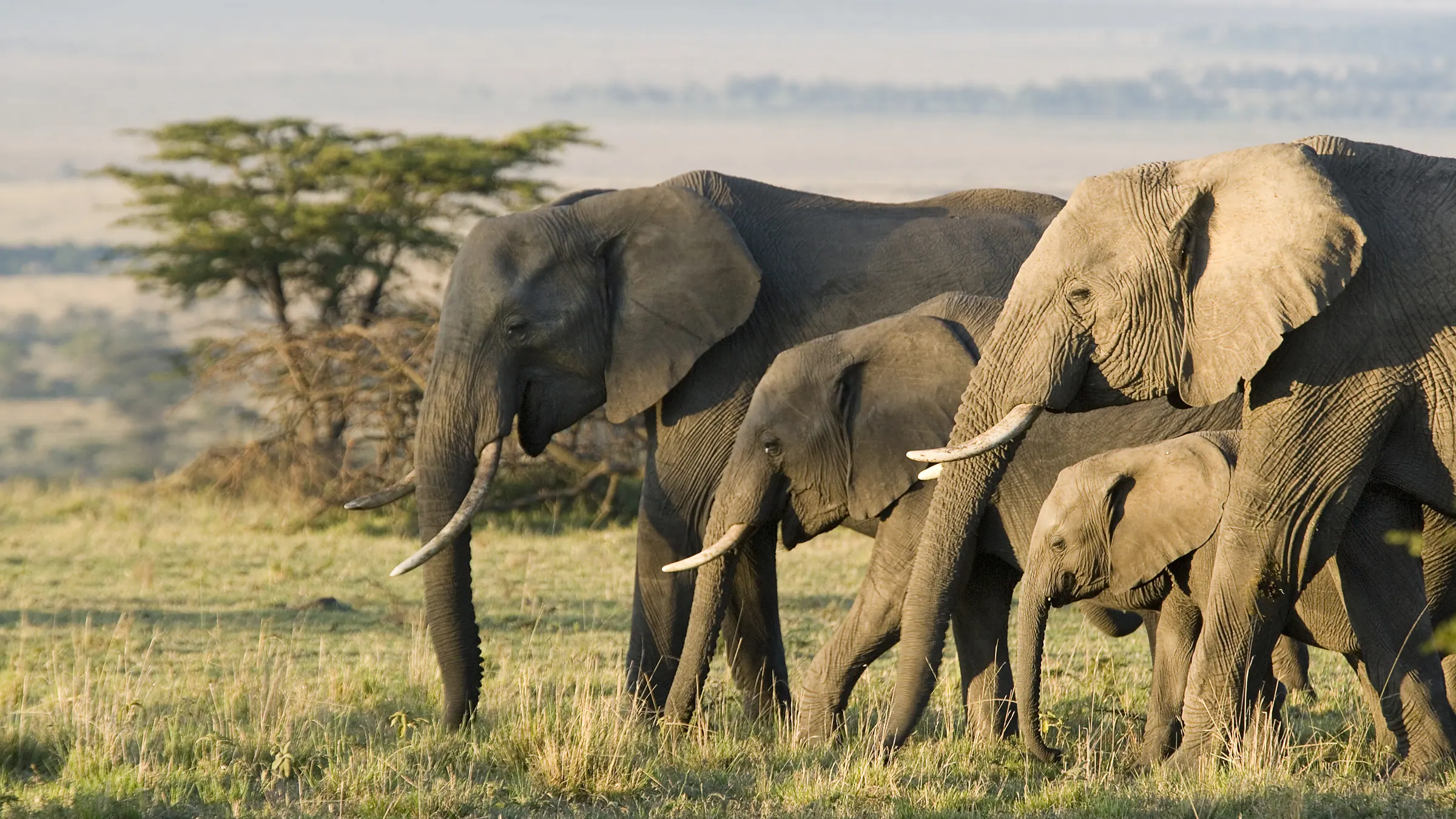
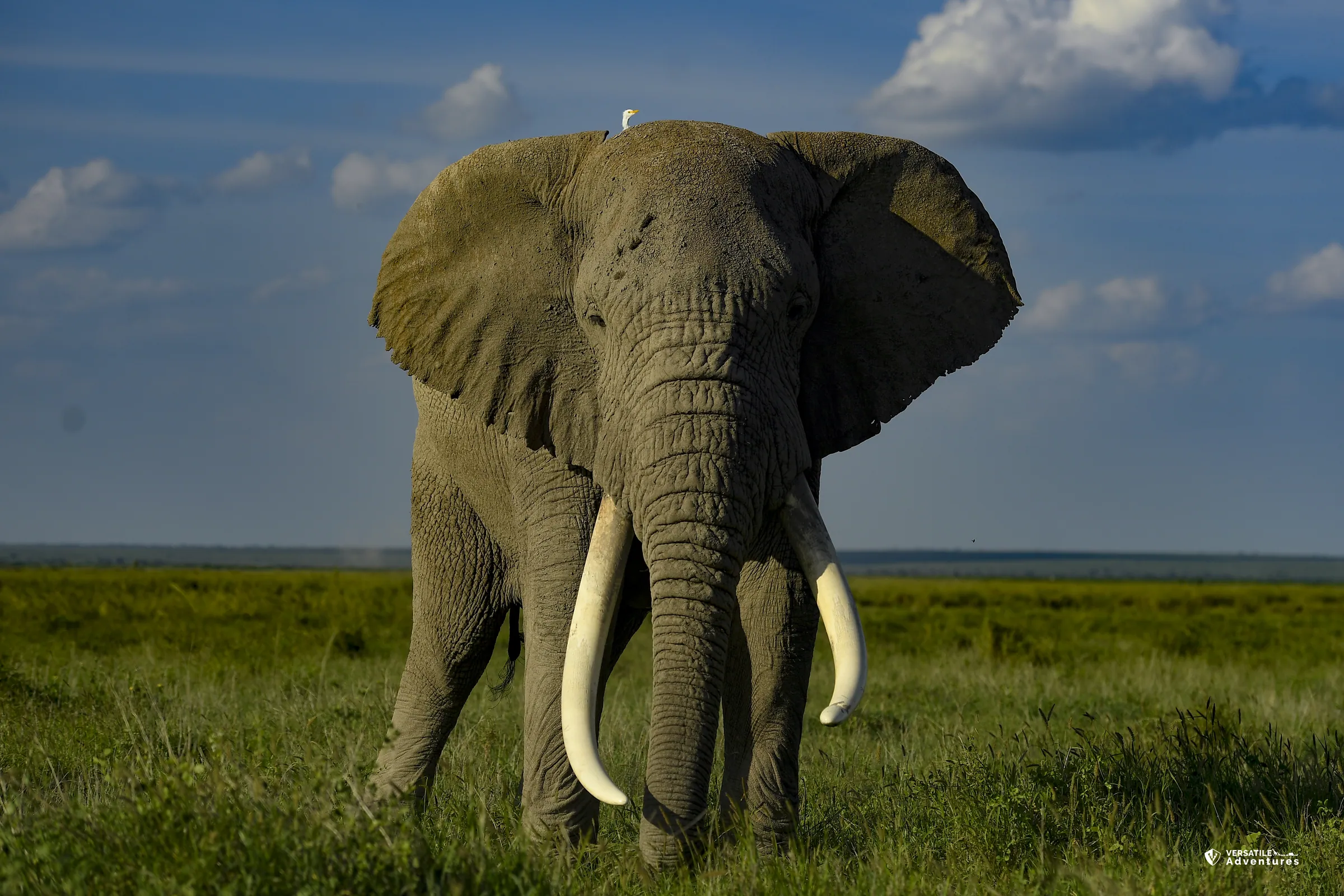
Amboseli is the elephant park. Its elephants are among the most studied in Africa, with research running since the 1970s, and they are used to vehicles, so families with small calves often walk right past you. The swamps fed by Kilimanjaro's underground water keep the park green in the dry season and draw buffalo, hippos and waterbirds. Lions and hyenas live here too, but cats are fewer than in the Mara, leopards are rare, and you are unlikely to see a rhino. For rhinos on the same trip, add Lake Nakuru or Ol Pejeta.
Fees, and what the nights cost
| Example, two adults | Fee days | Park fees for two |
|---|---|---|
| Three days in the Mara reserve in August | 3 x $200 | $1,200 |
| Three days in the Mara reserve in March | 3 x $100 | $600 |
| Two days in Amboseli, any month | 2 x $90 | $360 |
Amboseli is also usually cheaper to sleep in. Its classic lodges inside the park, such as Ol Tukai Lodge and Amboseli Serena, are mid-range, and the camps on the group ranches cost less than the top Mara conservancy camps in migration season. Our where to stay guides for both parks list camps by price.
Getting there, and getting between them
The Mara is about an hour from Wilson Airport by light aircraft, from about $200 to $250 one way, or 5.5 to 6.5 hours by road through Narok. Amboseli is about 4 to 5 hours by road from Nairobi, which most travelers drive, and it has its own airstrip. There is no quick road between the two parks: by road you go back through Nairobi, a long day, so most itineraries either fly or break the journey with a night in Nairobi or at Lake Naivasha on the way west.
Crowds, conservancies and group ranches
Both parks have quieter edges. Around the Mara, community conservancies such as Mara North, Olare Motorogi and Naboisho limit vehicles at sightings and allow walking and night drives. Around Amboseli, camps on the Maasai group ranches, on the Kimana side to the east and at Kitirua to the west, offer the same: walks, night drives and elephants passing through camp. In both cases, sleeping outside the main park and driving in for the best sightings gives you the space and the famous views.
Seasons and photography
The Mara's calendar is set by the migration: the herds usually arrive in late July and drain south in October. Amboseli is best in the dry months, June to October and January to February, when animals crowd the swamps. Kilimanjaro, which stands in Tanzania, is clearest at dawn and in the late afternoon and can hide in cloud for days, so two nights give you more chances than one. In the rains, both parks turn green and quiet, and the Mara fee falls to $100 from January to June.
Choose the Mara if
- You can only fit one park into your trip
- Big cats are your priority, or you travel between late July and October
- You want walks, night drives or a balloon flight
- You have three nights or more
Choose Amboseli if
- Elephants are your favorite animal, or Kilimanjaro is the photograph you want
- You have already seen the Mara, or you are coming back for a second safari
- You prefer to drive rather than fly, and want a park within about four hours of Nairobi
- You are pairing it with Tsavo and the coast rather than the Mara
Doing both
Our 7-day route does exactly this: two nights in Amboseli, a night in the Rift Valley at Lake Naivasha, and three nights in the Mara. If you are choosing between Amboseli and Tsavo for the southern half of the trip, our Amboseli vs Tsavo guide covers that. If you are weighing the Mara against Tanzania's Serengeti, see our Mara vs Serengeti guide.
Why plan with us: Kenya Experience is Kenyan-led, with two U.S. companies behind it, GCK Travel and Roundtrip Safaris, and Kenyan guides on the ground. You can pay in full or monthly with no deposit, and a specialist replies within two business days.