Comparisons. Updated November 2026. 7 min read.
Botswana is the safari people save up for. Kenya is the safari people come back to. Our honest verdict: pick Kenya for a first safari, for the Great Migration, for value and for variety, with a city, living culture and the Indian Ocean in the same trip. Pick Botswana if you want water and wilderness, the Okavango Delta by dugout canoe and very few other vehicles, and you can pay for it: at Botswana's classic Delta camps, $1,000 to $2,500 per person per night is normal.
We are a Kenyan company, so weigh what follows with that in mind. We have tried to be fair, and there are things Botswana does better than anyone, Kenya included. If your dates, your budget and your wish list point to Botswana, we will tell you so.
Kenya and Botswana side by side
| Factor | Kenya | Botswana |
|---|---|---|
| Wildlife | Dense plains game and big cats, the migration from about late July to October, rhinos in Laikipia, northern species in Samburu | Big elephant herds in Chobe and the north, lions, leopards and wild dogs in a mix of water and woodland |
| Scenery | Open savanna, the Rift Valley, Kilimanjaro on the horizon at Amboseli, Mount Kenya | The Okavango's channels and islands, the Kalahari, the Makgadikgadi salt pans |
| Crowds | Busy at Mara River crossings in peak months; conservancies cap vehicles | Very few vehicles; large private concessions with a handful of camps each |
| Cost per day | Budget $150 to $300, mid-range $300 to $600, luxury $600 to $1,500 per person | Classic Delta camps often $1,000 to $2,500 per person per night; cheaper mobile safaris exist |
| Best season | Late June to October, and January to March | June to October, when the floodwaters are up and the bush is dry |
| Flights from the U.S. | One nonstop: Kenya Airways, New York JFK to Nairobi | No nonstop; usually through Johannesburg to Maun or Kasane, which can add a night |
| Entry | eTA about $30, plus Kenya's inbound health insurance, about $44 plus fees | No visa for U.S. citizens on short tourist stays at the time of writing; check before you book |
| Families | Many lodges take children of all ages, with family rooms and pools | Many Delta camps set minimum ages for children, and for walks and canoe trips |
| Luxury | Excellent small camps, especially in the Mara conservancies and Laikipia | Some of the most exclusive camps in Africa |
| Beach add-on | Diani or Watamu, a short flight from the Mara or Nairobi | None at home; the sea means another country |
Wildlife: density against wilderness
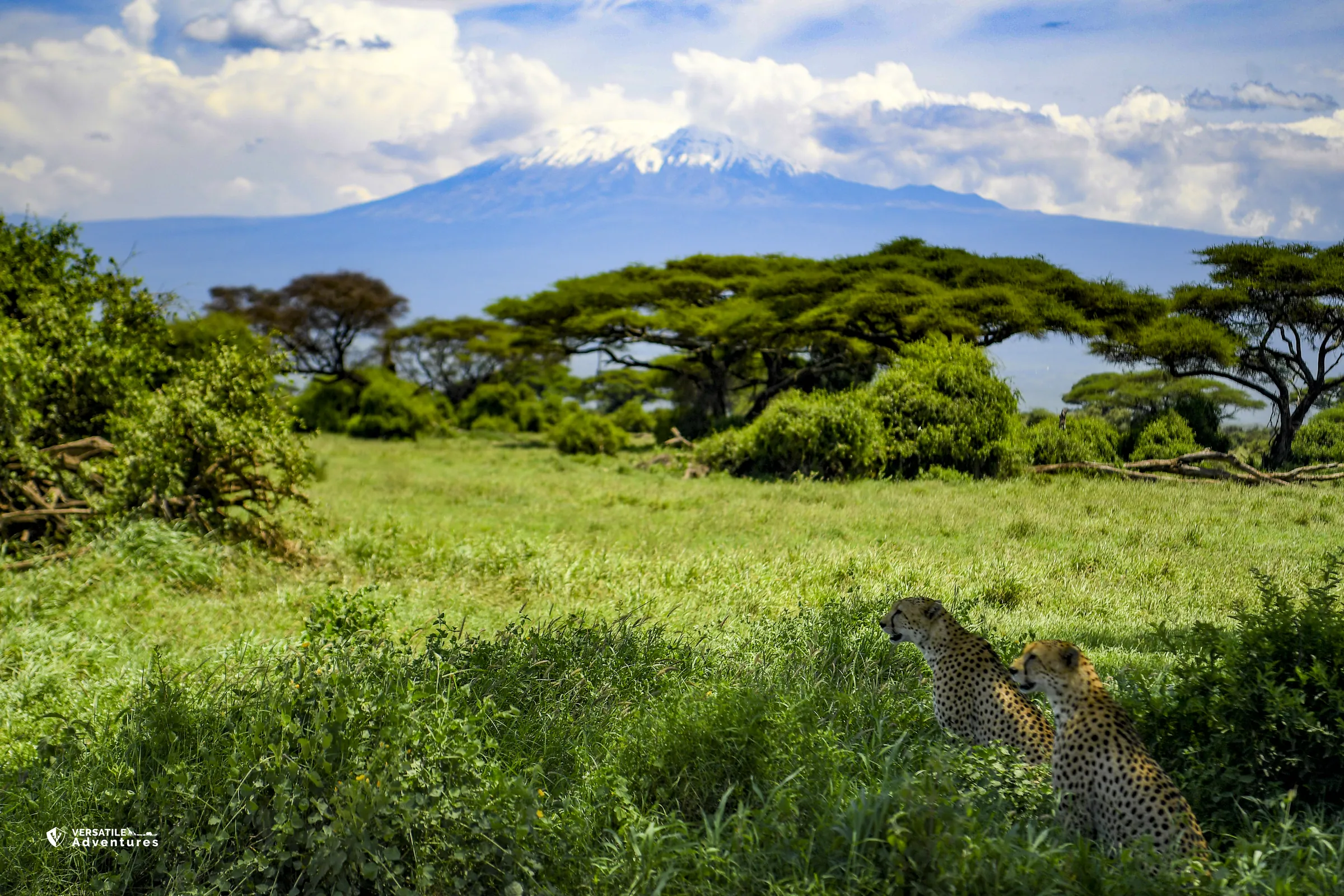
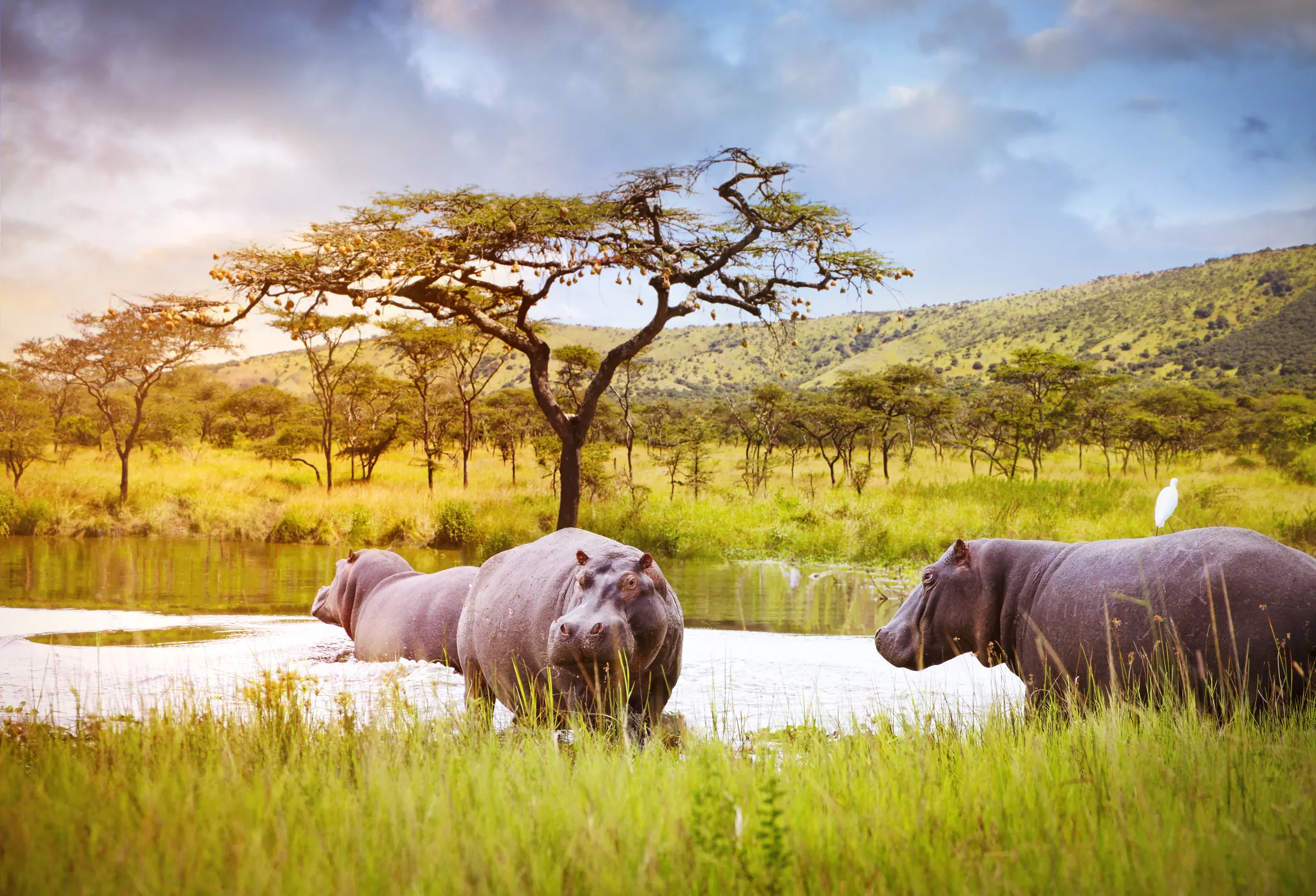
Kenya's safari country is open grassland, which makes it easy to see a great deal. The Maasai Mara's resident lions, cheetahs and leopards are there all year, and from about late July to October the wildebeest and zebra of the Serengeti spill north into the reserve and its conservancies. Add the rhinos of Ol Pejeta and Lewa, Amboseli's elephants under Kilimanjaro, and the dry-country species of Samburu, such as Grevy's zebra and the reticulated giraffe, and a ten-day Kenya trip covers a wide range of habitats and animals.
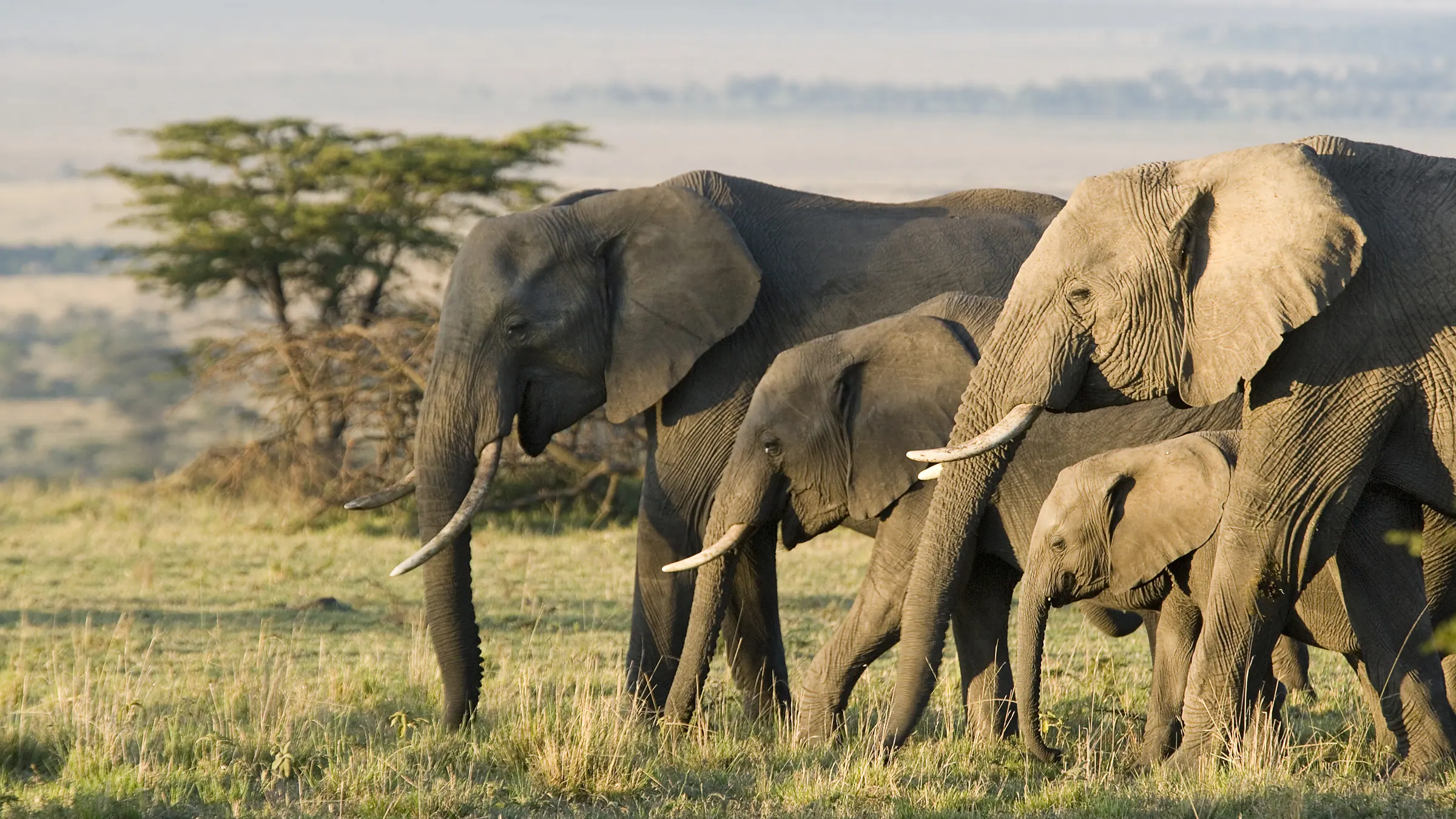
Botswana's wildlife lives in a mosaic of water, floodplain and woodland. The north is famous for elephants, with Chobe National Park the best-known place to watch big herds come down to the river, and the Okavango and Linyanti areas are strong for lions, leopards and African wild dogs. What Botswana has that Kenya does not is the Delta itself: an inland delta where floodwater from the Angolan highlands spreads into the Kalahari, listed by UNESCO in 2014. Gliding through its reed channels in a mokoro, a poled dugout canoe, is a safari Kenya cannot copy.
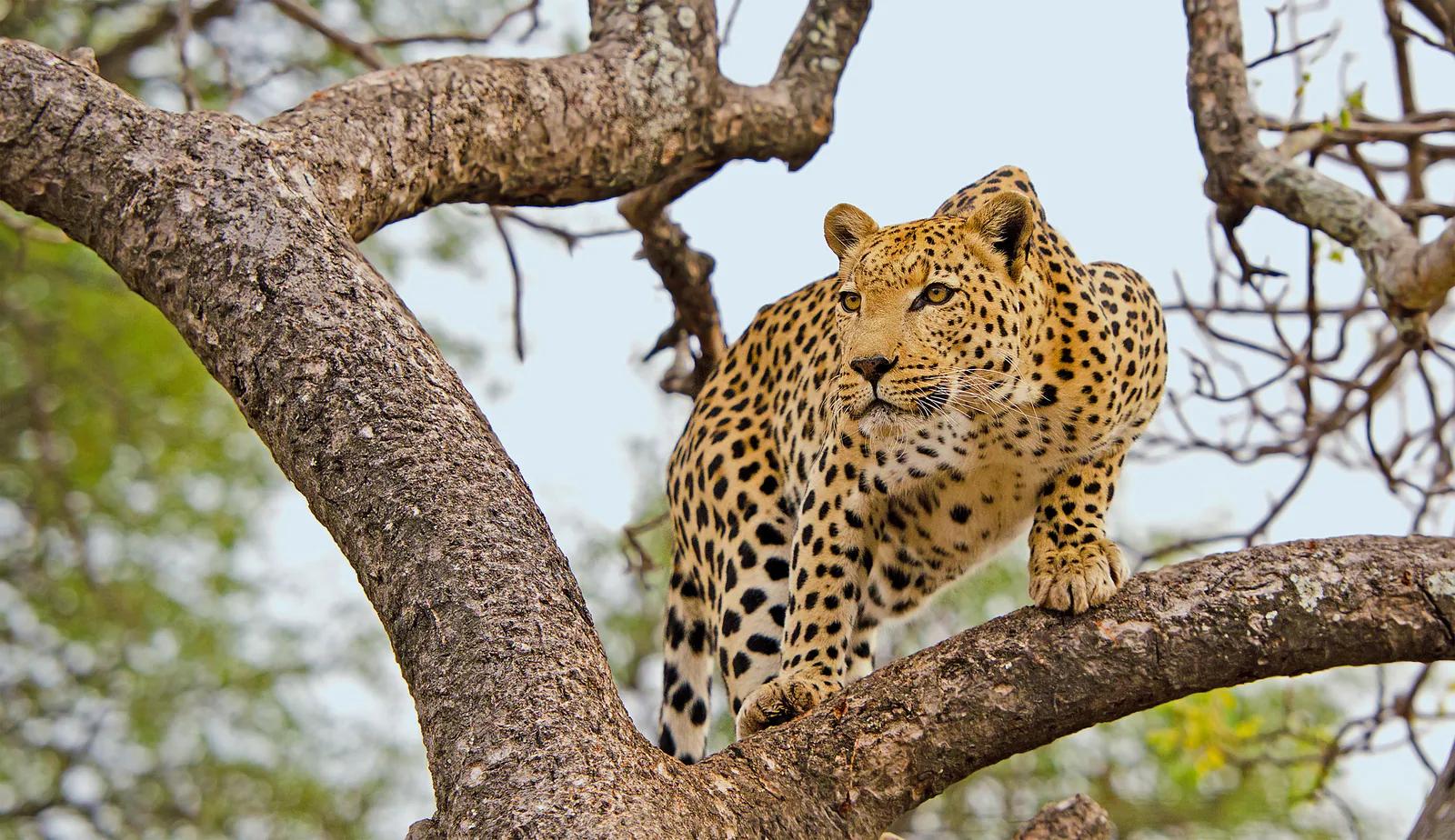
There is no wildebeest migration in Botswana on the scale of the Mara's. If the river crossings are the picture in your head, Kenya wins clearly. If your picture is a leopard on a fallen tree with no other vehicle in sight, Botswana has the edge.
Crowds and the high-value, low-volume idea
Botswana deliberately keeps tourist numbers low and prices high. Much of the Delta is divided into large private concessions with only a few camps on each, so meeting another vehicle at a sighting can be unusual. That space is the main thing you pay for. Kenya's busiest places are busy: in August, a famous crossing point on the Mara River can draw dozens of vehicles.
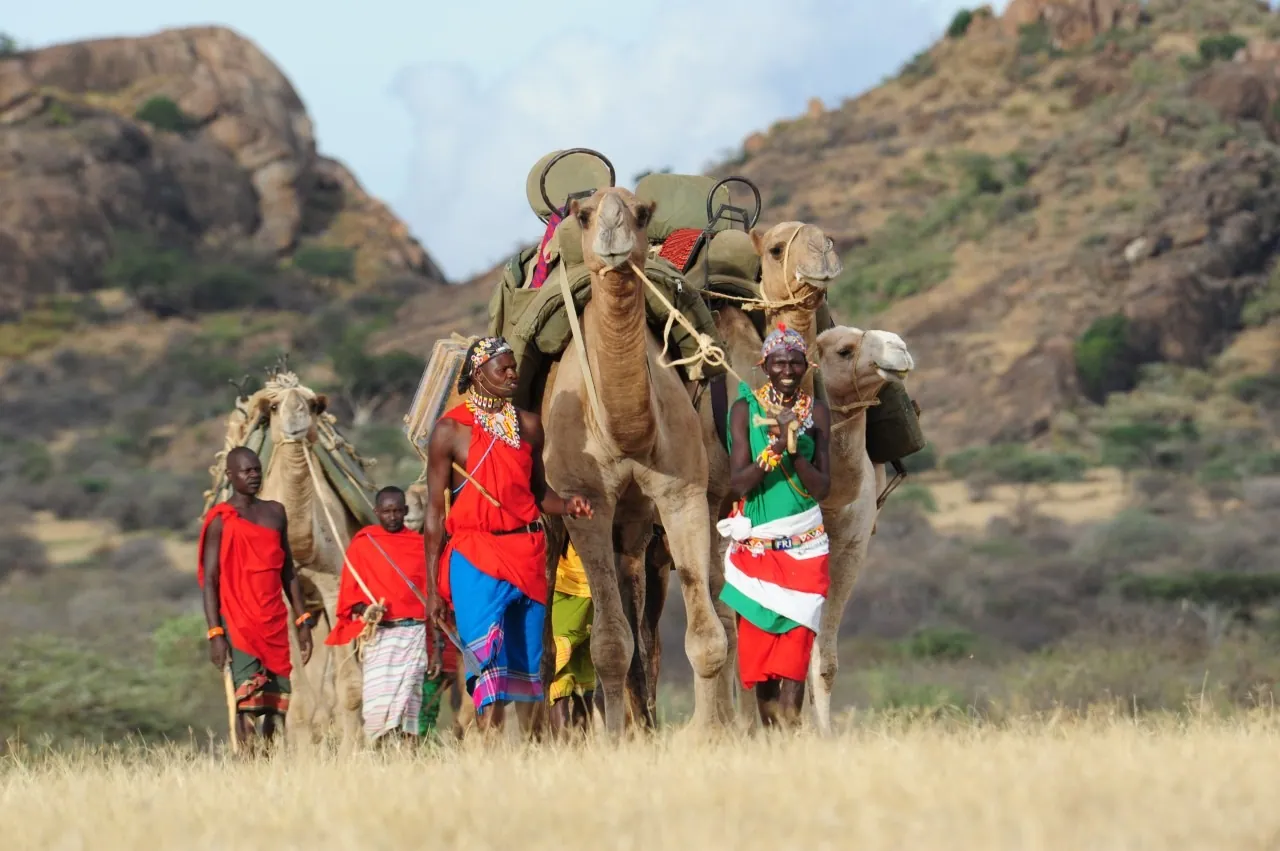
Kenya's answer is its community conservancies around the Mara and in Laikipia, where Maasai and other landowners lease their land to a small number of camps, vehicles at a sighting are capped, and guided walks and night drives are allowed. A conservancy camp is the honest middle ground: much of Botswana's sense of space, at Kenyan prices. Our conservancies guide explains how they work.
What it costs
This is where the two countries part ways. A mid-range Kenya safari costs about $300 to $600 per person per day on land, and a luxury one about $600 to $1,500. In Botswana, the classic Delta camps commonly charge $1,000 to $2,500 per person per night in high season, and you usually move between them by light aircraft. Botswana does have cheaper ways in, such as mobile camping safaris and lodges around Maun and Kasane, but the trip people picture, a private concession deep in the Delta, sits at the top of the market.
| Seven nights, per person sharing | Kenya | Botswana |
|---|---|---|
| Mid-range | About $2,100 to $4,200 | Few mid-range Delta camps; mobile safaris cost less |
| Top-end camps | About $4,200 to $10,500 | About $7,000 to $17,500 |
| Getting to the first camp | Nairobi to the Mara by light aircraft, about $200 to $250 one way | Maun or Kasane to camp by light aircraft, usually priced into the package |
Seasons
Botswana's best months are June to October, the dry season, when floodwater that fell as rain in Angola months earlier reaches the Delta and animals gather around permanent water. The rains run from about November to March, when some camps close and others drop their rates.
Kenya has two dry seasons: the long one from about late June to October, which is also migration season in the Mara, and a shorter one from January to March, when the Mara reserve fee is still at its $100 rate. That second window is one Botswana cannot match: January and February in Kenya are dry, warm and quieter. Our dry versus green season guide explains the trade-offs month by month.
Getting there from the U.S.
Neither trip is short, but Kenya's is simpler. Kenya Airways flies nonstop from New York JFK to Nairobi, about 15 hours, and good one-stop routes through the Gulf and Europe serve the rest of the country. There is no nonstop to Botswana: most Americans fly to Johannesburg, then connect to Maun for the Delta or Kasane for Chobe, and the timings often mean a night in Johannesburg on the way out. Once in Kenya, the Mara is about an hour from Nairobi's Wilson Airport by light aircraft.
Health, families, culture and the beach
- Malaria: both countries carry malaria risk in their main safari areas, so see a travel clinic about prevention whichever you choose; our malaria page covers Kenya region by region
- Families: Kenya is easier with young children, with family rooms, lodges with pools and fewer minimum-age rules; many Botswana camps limit ages for children and for canoe trips and walks
- The beach: Kenya's coast is a short flight from the Mara, so a safari and beach trip stays in one country; Botswana is landlocked
- Culture: Kenya adds Nairobi, the Swahili coast and visits with Maasai and Samburu communities; Botswana's trips are more purely about the wilderness
- Paperwork: before you book, check the current U.S. State Department advisory for Kenya and confirm your travel insurance covers your route
Choose Kenya if
- This is your first safari and you want to see a lot in a week to ten days
- You want the migration, from about late July to October
- Your budget is mid-range, or you want luxury without paying Delta prices
- You want a beach, a city or a cultural visit on the same trip
- You are traveling with children under 12
Choose Botswana if
- You have been on safari before and want something quieter and wilder
- The Okavango by mokoro is the reason you want to go
- You care more about having sightings to yourself than about seeing the most animals
- Your budget allows $1,000 or more per person per night
- You plan to pair it with Victoria Falls, Namibia or Cape Town
The trips we would build
For Kenya, our usual first safari is seven to ten days: a night in Nairobi, Amboseli or Laikipia, three nights in a Mara conservancy, and the coast if there is time. Our 10-day route ends in Diani. For travelers torn between the two, we suggest Kenya first, with a conservancy camp for the Botswana feeling of space, and Botswana for a second safari once you know what you love. We plan Kenya trips, and if Botswana is clearly the better fit for your dates and your wish list, we will say so.
Why plan with us: Kenya Experience is Kenyan-led, with two U.S. companies behind it, GCK Travel and Roundtrip Safaris, and Kenyan guides on the ground. You can pay in full or monthly with no deposit, and a specialist replies within two business days.