Comparisons. Updated November 2026. 6 min read.
Kenya is the classic safari: the Mara's big cats, the migration, Amboseli's elephants and a beach at the end. Uganda is primate country: mountain gorillas in Bwindi, chimpanzees in Kibale, and green, rainy hills where lodges often cost less but the drives take longer. Our verdict: for a first safari of a week or so, pick Kenya. If gorillas are the dream, pick Uganda. And if you have 12 days, do both, which is what most travelers who ask us this question end up doing.
The two countries are neighbors, about an hour and a quarter apart by air from Nairobi to Entebbe, so this is less a choice of country than a choice of what you most want to see. The table sets them side by side, and the sections after it explain each line honestly, including the places where Kenya loses.
Kenya and Uganda side by side
| Factor | Kenya | Uganda |
|---|---|---|
| Signature wildlife | Lions, cheetahs, leopards, the wildebeest migration, rhinos, elephants | Mountain gorillas in Bwindi and Mgahinga, chimpanzees in Kibale, tree-climbing lions in Ishasha |
| Classic savanna | World class: the Mara, Amboseli, Samburu, Laikipia | Good but quieter and less dense: Queen Elizabeth, Murchison Falls, Kidepo Valley |
| Scenery | Open plains, the Rift Valley, Kilimanjaro views | Rainforest, crater lakes, the Nile at Murchison Falls, the Rwenzori mountains |
| Crowds | Busy at Mara crossings in peak months; conservancies cap vehicles | Gorilla groups of up to eight visitors per family per day; savanna parks quiet |
| Lodge prices | Wide range; Mara camps highest from July to October | Often lower for similar comfort, except the best lodges at Bwindi |
| Getting around | Short safari flights; the Mara is about an hour from Nairobi | Long road days; Entebbe to Bwindi is most of a day by road; light aircraft save time at a price |
| Big extra cost | Park fees: the Mara is $100 to $200 a day by season | Permits: $800 per gorilla trek at the time of writing |
| Best season | Late June to October, and January to March | June to August and December to February, for drier trails |
| Entry for Americans | eTA about $30, plus inbound health insurance | e-visa about $50; yellow fever certificate asked for |
| Beach | Diani and Watamu, a short flight away | None on the ocean; Uganda is landlocked |
Wildlife: the Big Five against the great apes
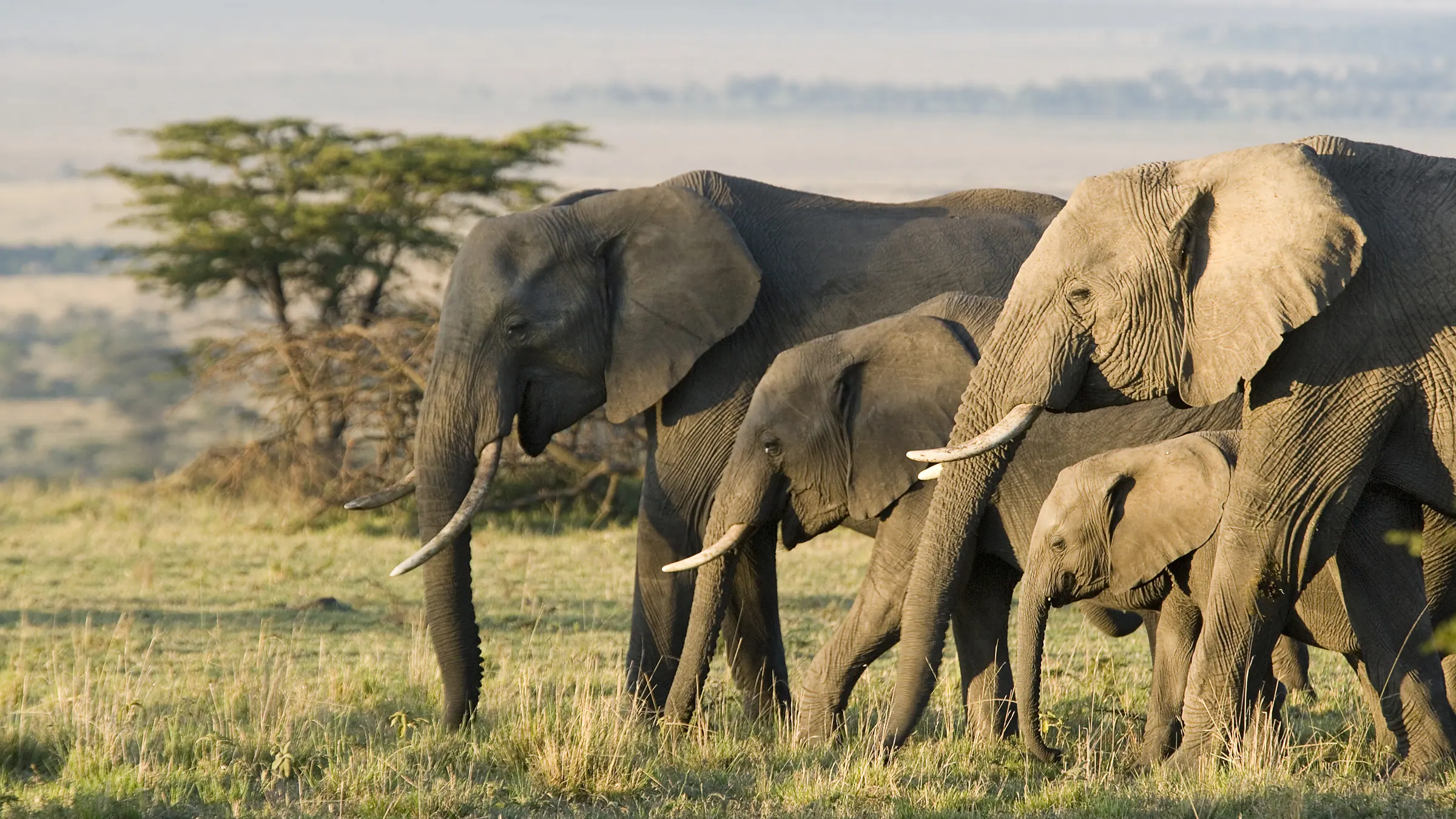
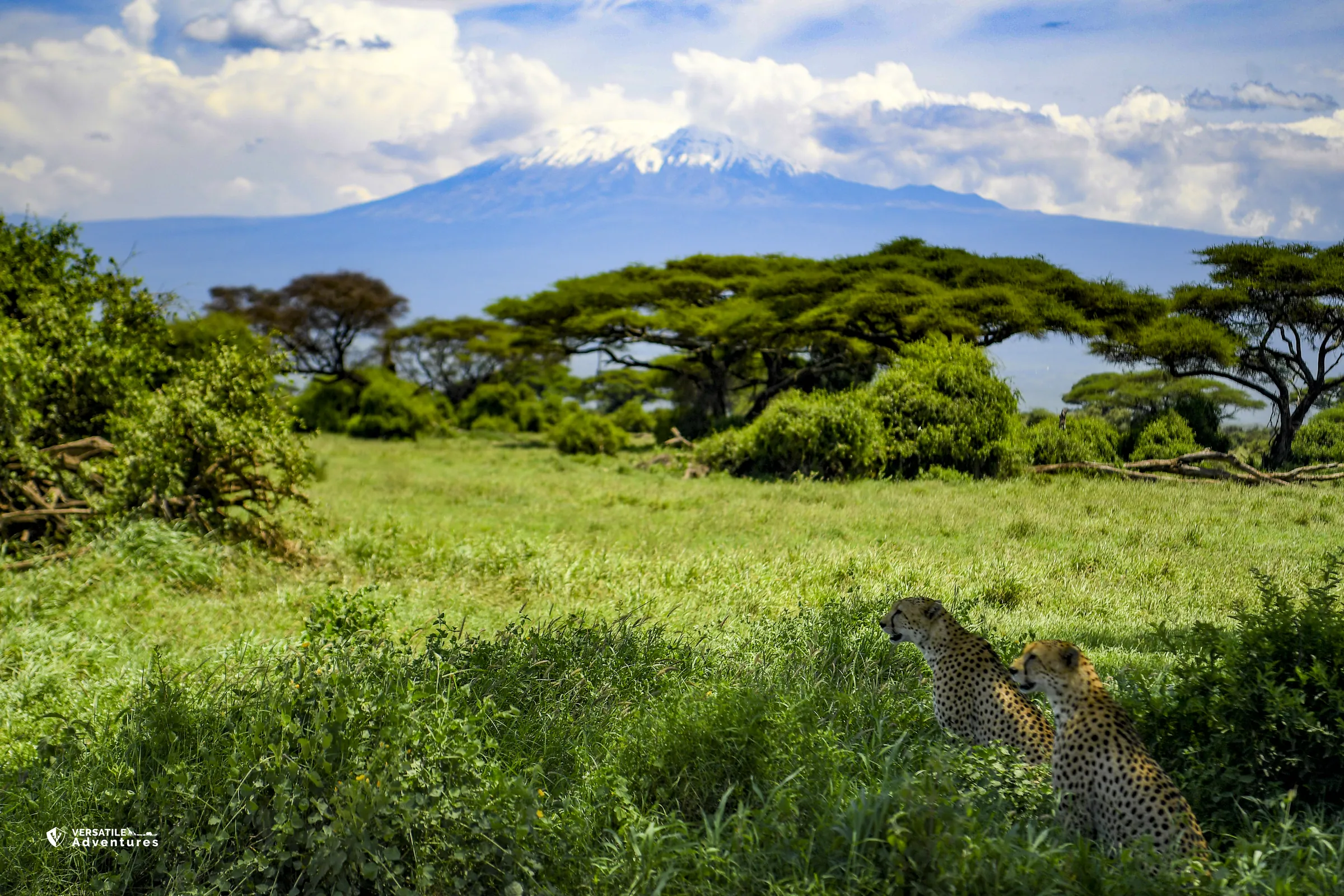
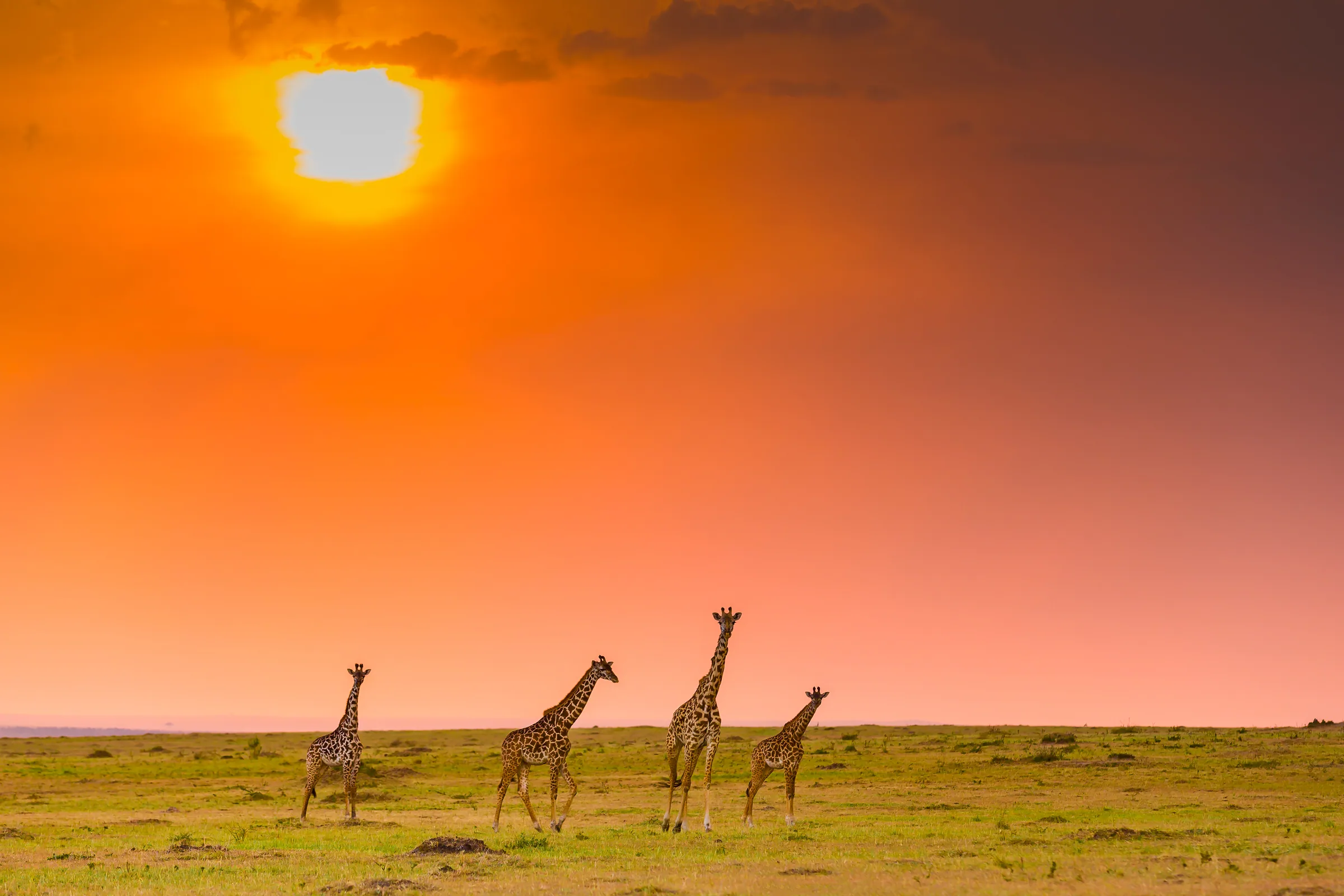
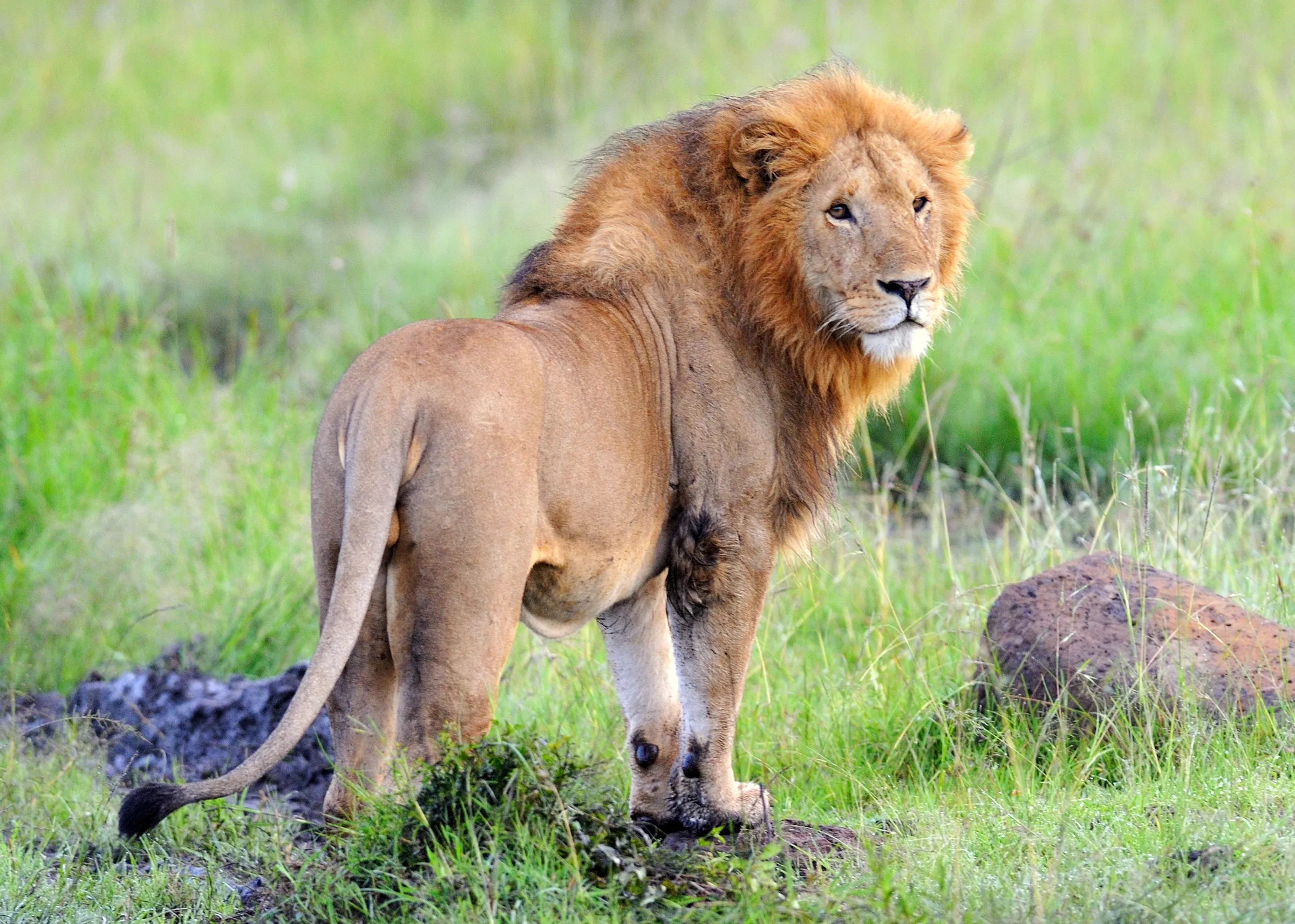
Kenya's strength is the savanna. The Mara has one of Africa's densest populations of lions, cheetahs and leopards, the migration from about late July to October, and community conservancies with walks and night drives. Rhinos live in Ol Pejeta, Lewa and Lake Nakuru, and the north adds species found in few other places, such as Grevy's zebra and the gerenuk. For a complete Big Five, Kenya is the stronger country by a distance.
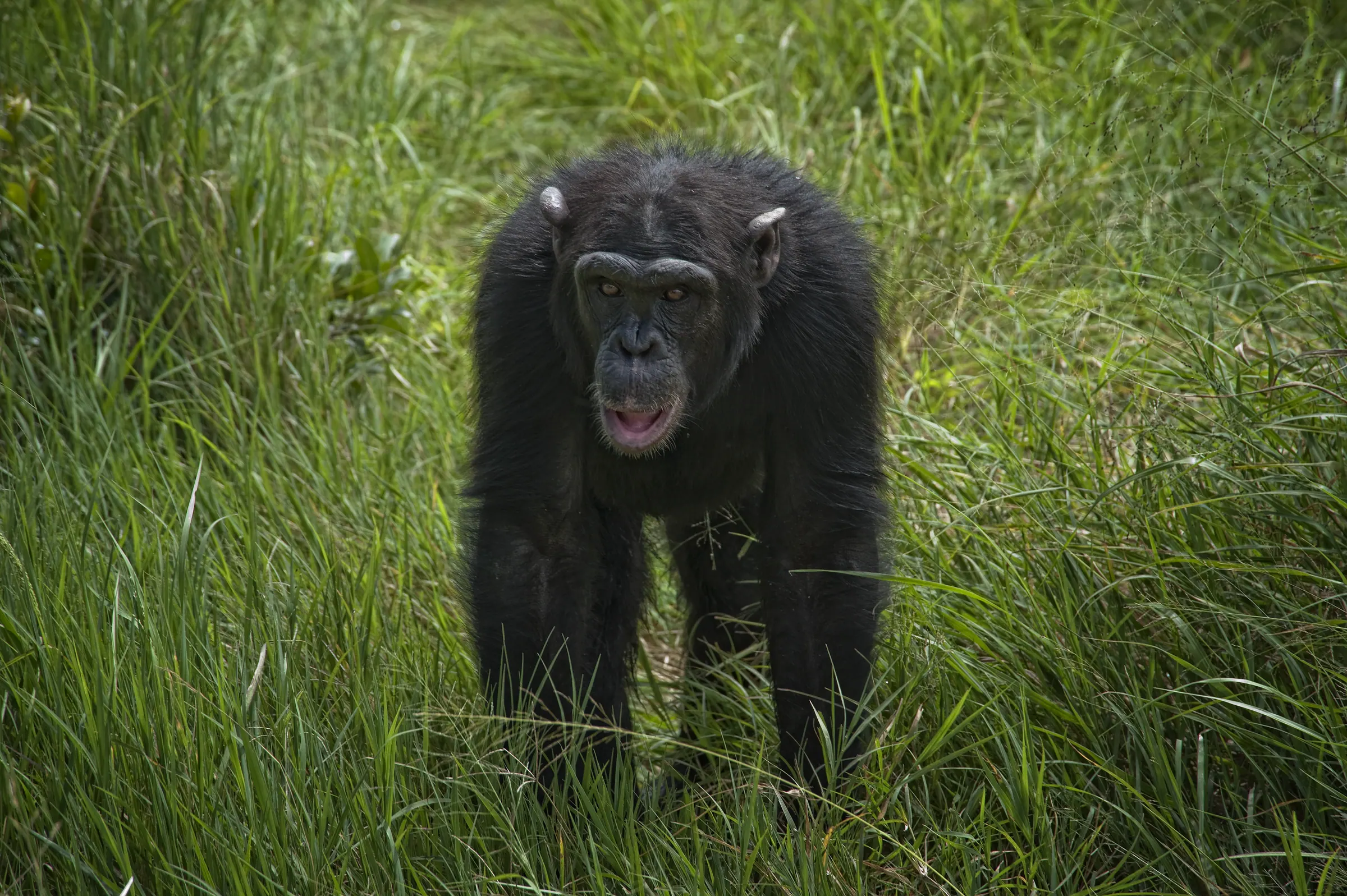
Uganda's strength is the forest. Bwindi Impenetrable National Park, a UNESCO World Heritage Site, is home to close to half the world's mountain gorillas, and an hour with a habituated family is one of the great wildlife encounters anywhere. Kibale is the place for wild chimpanzees. Kenya has no wild gorillas, and its only chimpanzees are rescued animals at the Sweetwaters sanctuary in Ol Pejeta. On the savanna side, Uganda's Queen Elizabeth and Murchison Falls parks have lions, elephants, buffalo and hippos, but in lower densities than the Mara, and Uganda's only rhinos live in a sanctuary at Ziwa, on the road to Murchison.
Parks, roads and how the days feel
A Kenya safari moves quickly. Light aircraft from Wilson Airport reach the Mara, Samburu, Laikipia and Amboseli in about an hour, and the parks are close enough to combine three in a week. Uganda's parks are spread around the edges of the country and the roads are slow and winding, so a road-based Uganda trip has more driving days. The scenery makes up for some of it: tea, banana groves and terraced hills, the crater lakes near Fort Portal, and the Nile pouring through a narrow gorge at Murchison Falls.
Gorilla days are different from game drives. Rangers brief you at the sector headquarters in the morning, trackers find the family, and the walk can take two to six hours on steep, wet slopes before you get your hour. Hire a porter; it is good local work and it makes the day far easier. Uganda's minimum age for gorilla trekking is 15, which rules it out for many young families.
What it costs
- Gorilla permit in Uganda: $800 at the time of writing; the longer habituation experience is $1,500; Rwanda's permit is $1,500
- Kenya's equivalent big line item is park fees: the Mara reserve is $100 a day from January to June and $200 from July to December
- Lodges: Uganda is often cheaper for the same comfort, except the top lodges around Bwindi; Kenya's Mara camps are at their dearest in migration season
- Flights: Uganda's light aircraft to Bwindi and Murchison save days but add cost; in Kenya, short flights are the normal way to move
- Our sample 9-day Kenya and Uganda route starts at about $5,800 per person sharing, mid-range, with one gorilla permit included
Visas and paperwork
For Kenya, Americans need an eTA, about $30, and since October 2026 Kenya's inbound travel health insurance, about $44 plus fees, bought on eCitizen. For Uganda, a single-entry e-visa is about $50 at the time of writing, and Uganda asks for a yellow fever certificate. The East Africa Tourist Visa, $100 for 90 days across Kenya, Uganda and Rwanda, looks made for this trip, but since Kenya moved to the eTA its use at Kenyan entry points has not always been clear, so our default is a Kenya eTA plus a Uganda e-visa. Our Kenya and Uganda itinerary explains the details, and the official CDC and State Department pages for both countries carry the current health and entry notes.
Seasons
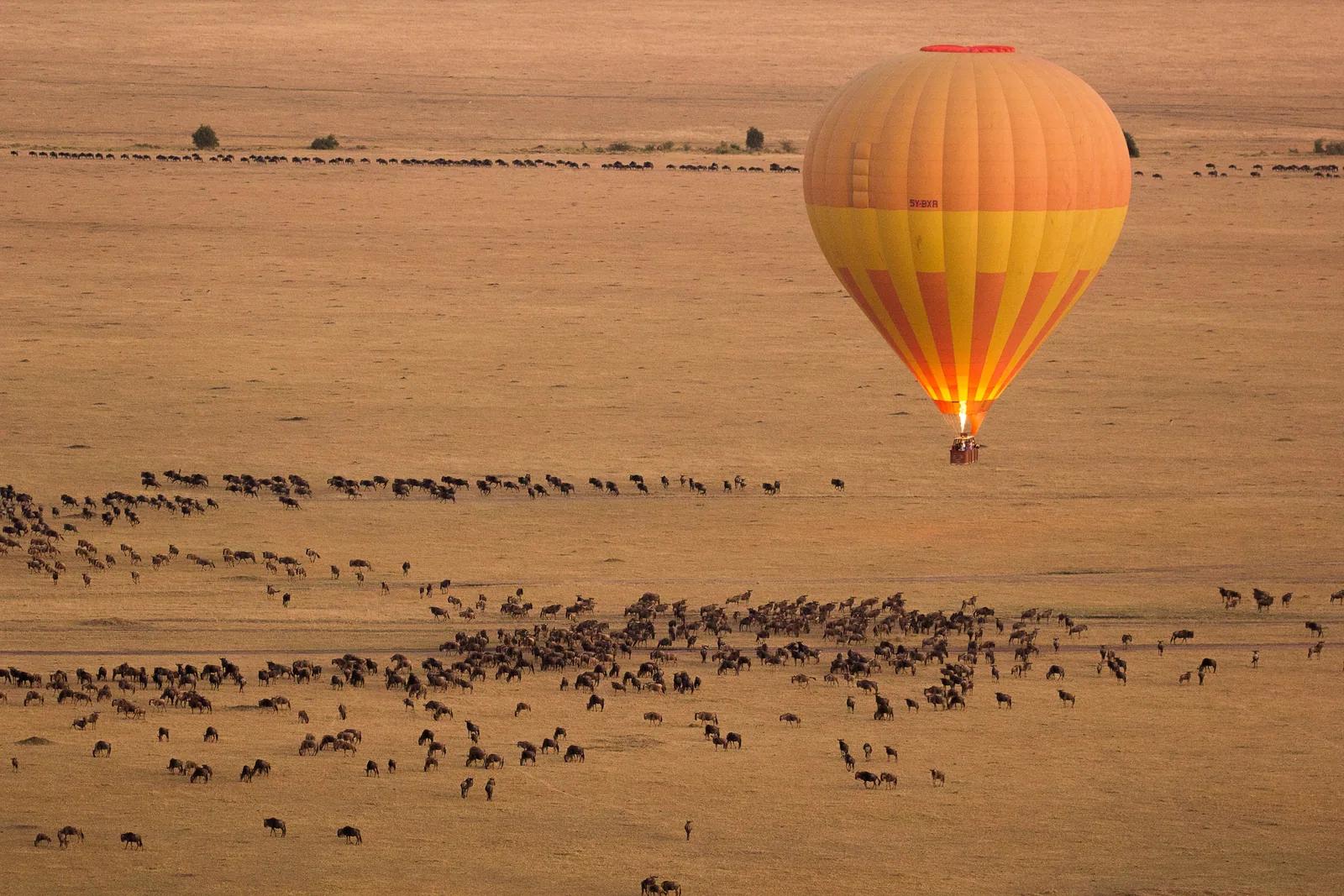
Uganda's trekking is best in the drier months, June to August and December to February, when trails are firmer; Bwindi is a rainforest, so it can rain in any month. Kenya's prime months are late June to October for the migration, and January to March for dry weather at lower Mara fees. July and August suit both countries at once, which is why that is the busiest time for the combination: book gorilla permits about six months ahead.
Choose Kenya if
- You want the classic savanna safari and the Big Five, including rhinos
- You are traveling with children under 15
- You want the migration, or a beach after the safari
- You prefer short flights to long drives
Choose Uganda if
- Gorillas and chimpanzees are the main reason for the trip
- You like green hills, forest walks and a slower, more rural feel
- You want lower lodge prices and do not mind longer road days
- You have done a Kenya or Tanzania safari before
Or both: the 12-day answer
Combining them is easy because the flight is short. Our sample route runs 9 days: a night in Nairobi, three in the Mara, a flight to Entebbe, two nights at Bwindi with one trek, and a night on Lake Bunyonyi. With 12 days, add Amboseli or Laikipia on the Kenya side, or Kibale's chimps and a second gorilla trek on the Uganda side. If you want gorillas with a shorter drive from the airport, Rwanda's Volcanoes National Park is the alternative; our Kenya and Rwanda route covers it.
Why plan with us: Kenya Experience is Kenyan-led, with two U.S. companies behind it, GCK Travel and Roundtrip Safaris, and Kenyan guides on the ground. You can pay in full or monthly with no deposit, and a specialist replies within two business days.