Comparisons. Updated November 2026. 5 min read.
Choose Kenya if the animals are the point: the Maasai Mara has more big cats and more plains game in a smaller area than almost anywhere, the migration arrives from about late July to October, and Kenyan guides find things you would drive past. Choose Namibia if the landscape is the point: the red dunes of Sossusvlei, the fog-bound Skeleton Coast, empty gravel roads you can drive yourself, and some of the darkest night skies on Earth. Namibia's wildlife is sparser, and Etosha is its one big game park; Kenya has no Sossusvlei.
At mid-range, with a guide and lodges, the two cost about the same. Namibia gets cheaper if you rent a 4x4 and drive yourself, which is how many visitors see it. Kenya gets better value the more wildlife per day you want. We are Kenyan, and we will still tell you that for a road trip through wild scenery, Namibia is very hard to beat.
Kenya and Namibia side by side
| Factor | Kenya | Namibia |
|---|---|---|
| Wildlife | Very dense: the Mara's big cats, the migration, Amboseli's elephants, rhinos in Laikipia | Sparser outside Etosha; desert-adapted elephants and black rhinos in the north-west |
| Scenery | Savanna, the Rift Valley, Kilimanjaro views, Mount Kenya, the dry north | Dunes at Sossusvlei, the Skeleton Coast, Fish River Canyon, granite and gravel plains |
| How you travel | With a driver-guide in a safari vehicle, and short flights between parks | Often self-drive on long gravel roads; guided and fly-in trips cost more |
| Crowds | Busy at Mara crossings in peak months; conservancies cap vehicles | Very few people over huge distances; Etosha's waterholes and Sossusvlei draw the most |
| Cost | Mid-range about $300 to $600 per person per day on land | Similar for guided mid-range trips; self-drive with lodges or camping costs less |
| Best season | Late June to October, and January to March | About May to October, the dry winter, when animals gather at Etosha's waterholes |
| Malaria | Risk in most safari areas; see a travel clinic | The south and the coast are generally low-risk; the north carries risk, more so in the rains |
| Flights from the U.S. | One nonstop: Kenya Airways, New York JFK to Nairobi | No nonstop; usually via Johannesburg or a European hub to Windhoek |
| Entry for Americans | eTA about $30, plus inbound health insurance | A visa is required at the time of writing; check the current rules before you book |
| Culture | Nairobi, the Swahili coast, Maasai and Samburu communities | Himba and Herero communities in the north-west, German-era towns such as Swakopmund |
| Beach | Warm Indian Ocean at Diani and Watamu | A cold Atlantic coast, beautiful but rarely for swimming |
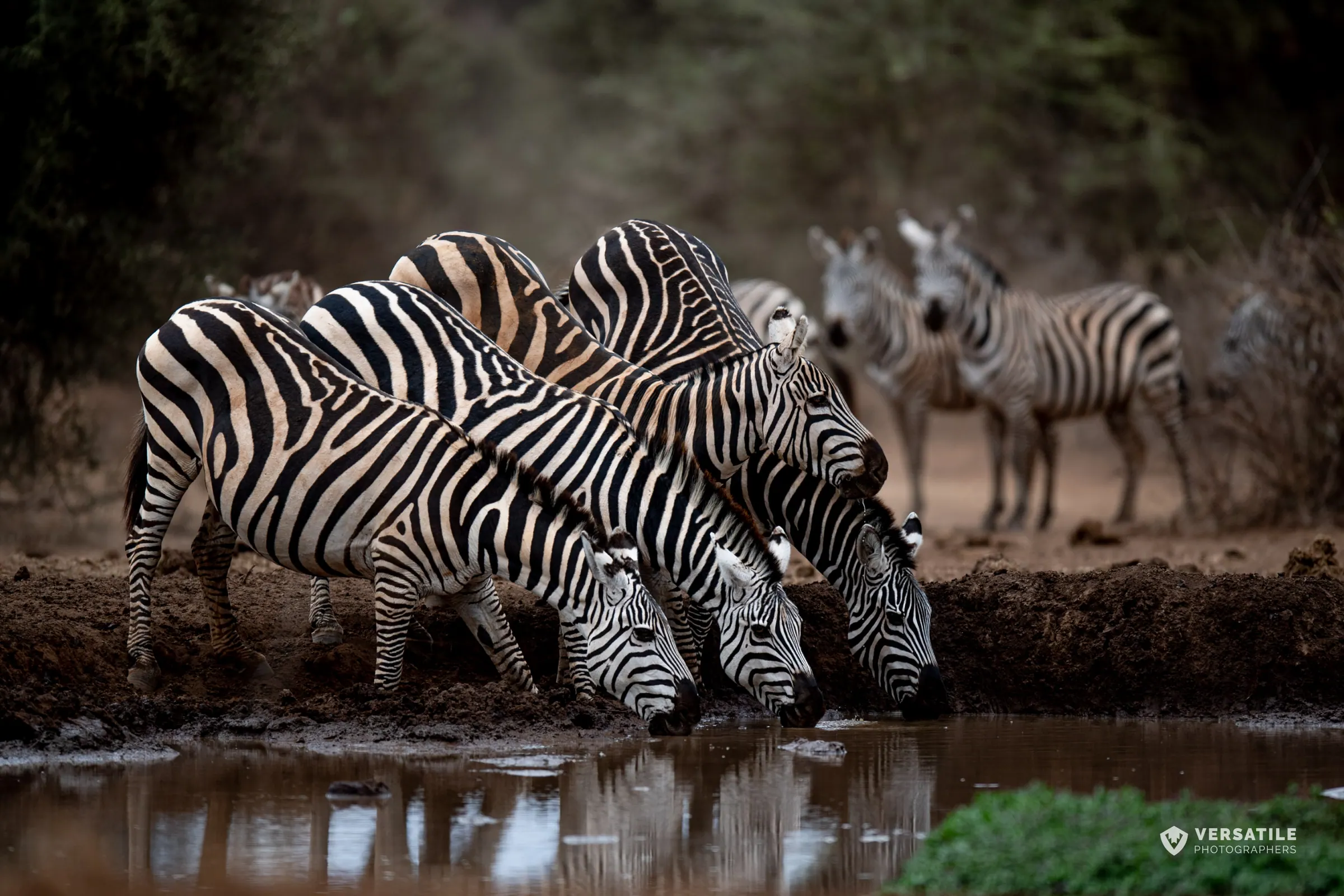
Wildlife: density against drama
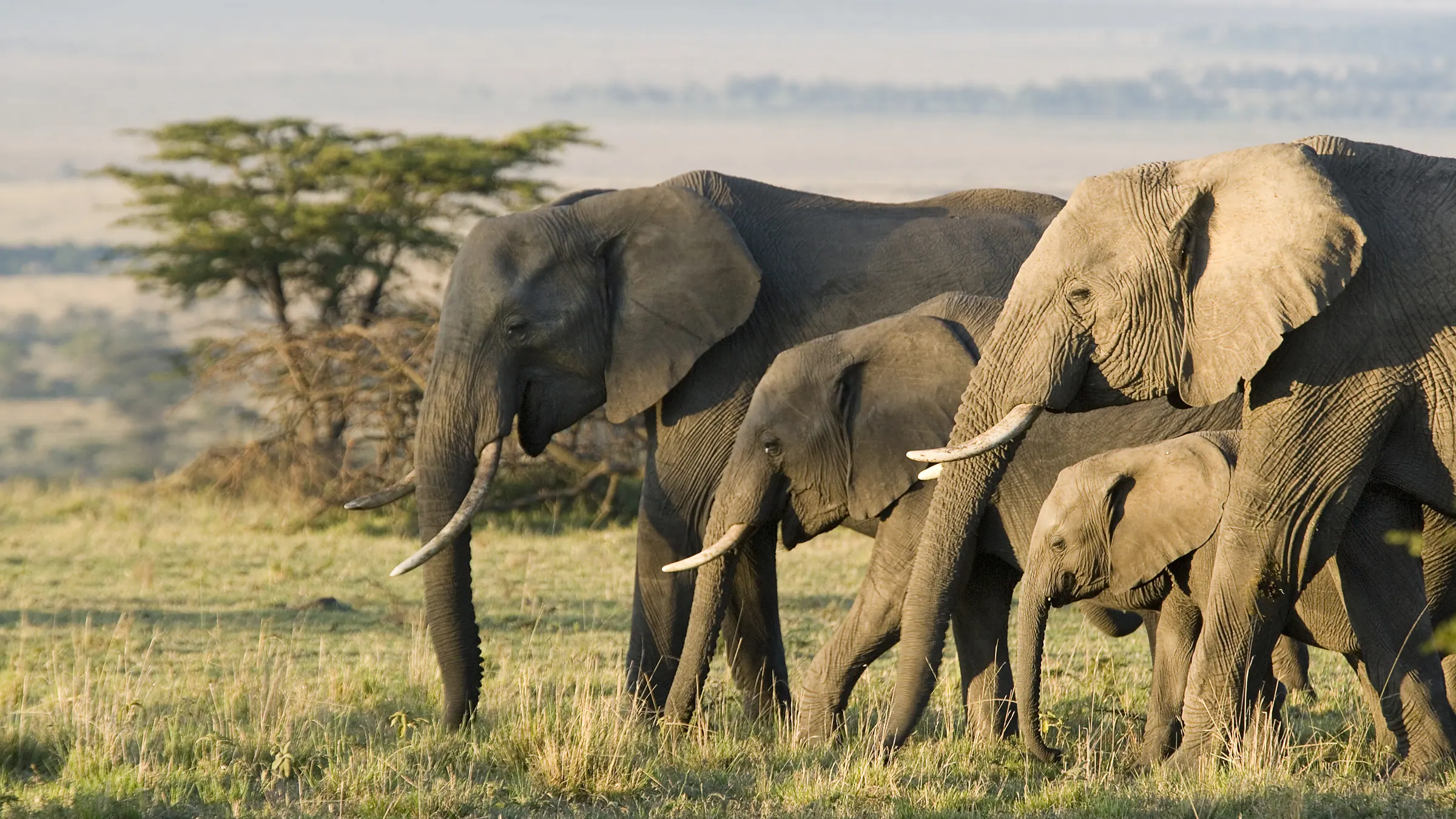
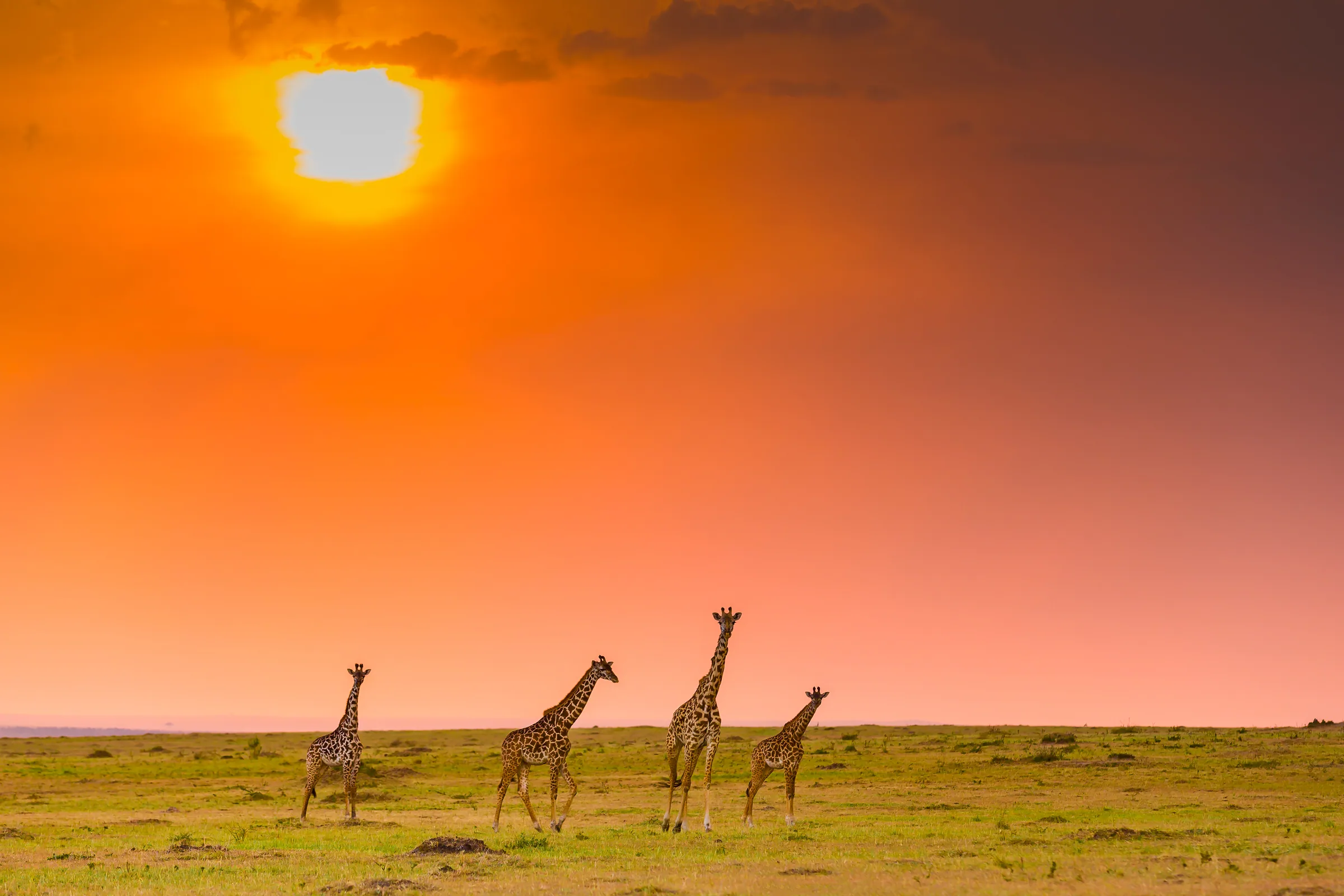
Kenya's parks are about numbers. On a good day in the Mara you can see lions, cheetahs, elephants, giraffes and thousands of wildebeest and zebra before lunch, and a week can add Amboseli's elephant families, rhinos at Ol Pejeta or Lake Nakuru, and the northern species of Samburu. That density is what most first-time safari travelers are picturing.
Namibia is about the setting. Etosha National Park, built around a vast white salt pan, is the country's one big game park, and in the dry months its waterholes put on a show: elephants, lions, black rhinos at the floodlit waterholes of the rest camps at night, and herds of springbok and oryx. Beyond Etosha, the wildlife is thinner but extraordinary in its own way: desert-adapted elephants that walk dry riverbeds in Damaraland, black rhinos tracked on foot in the north-west, and the seal colony at Cape Cross. You see fewer animals, against far bigger scenery.
Scenery, solitude and the night sky
Here Namibia wins. The red dunes around Sossusvlei and the dead camel thorn trees of Deadvlei are among the most photographed landscapes in Africa, and the Namib Sand Sea is a UNESCO World Heritage Site. The Skeleton Coast, the Fish River Canyon and the granite country of Damaraland add to it, and the population is so small that you can drive for an hour without meeting another car. The skies are famously dark; the NamibRand Nature Reserve is an International Dark Sky Reserve.
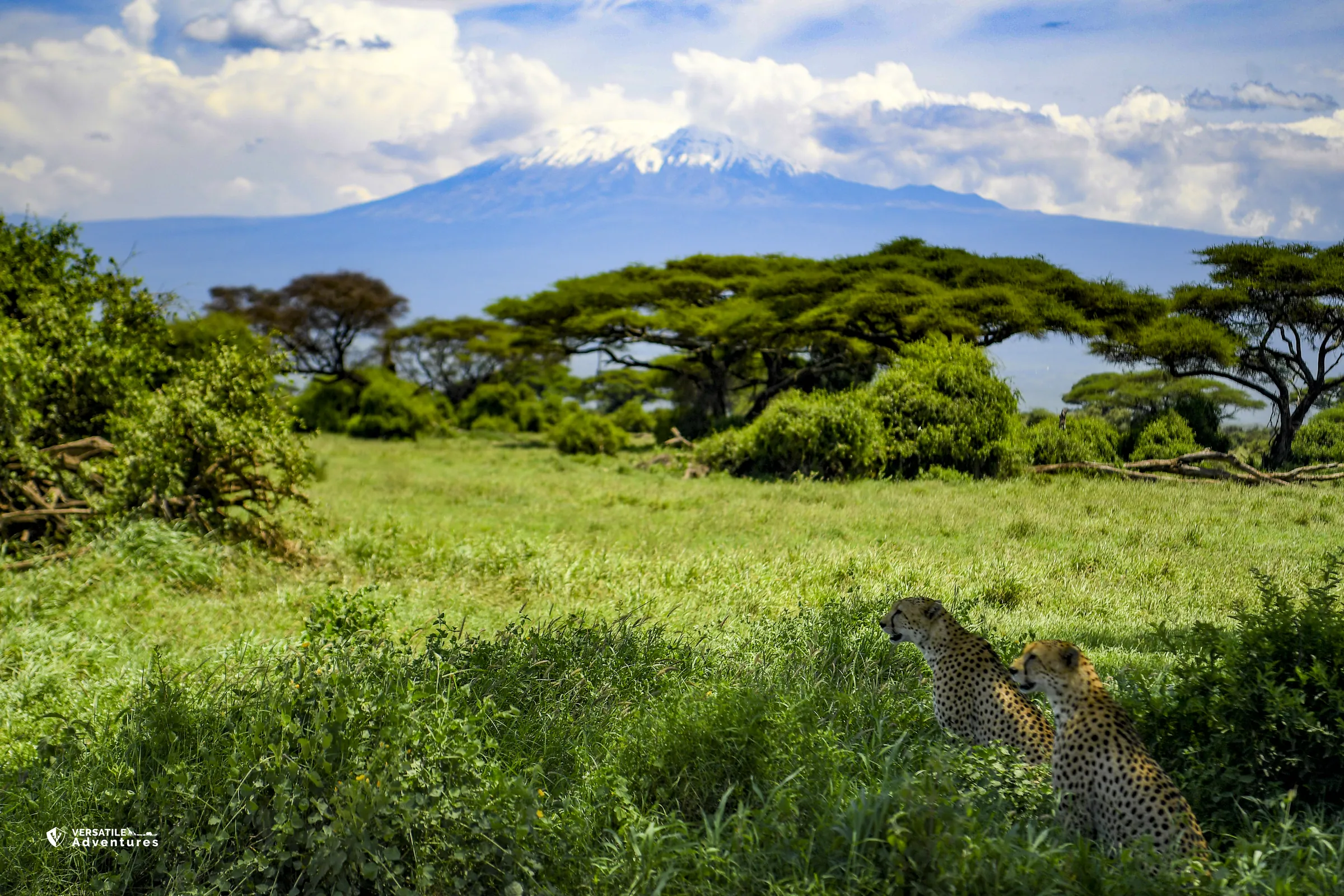
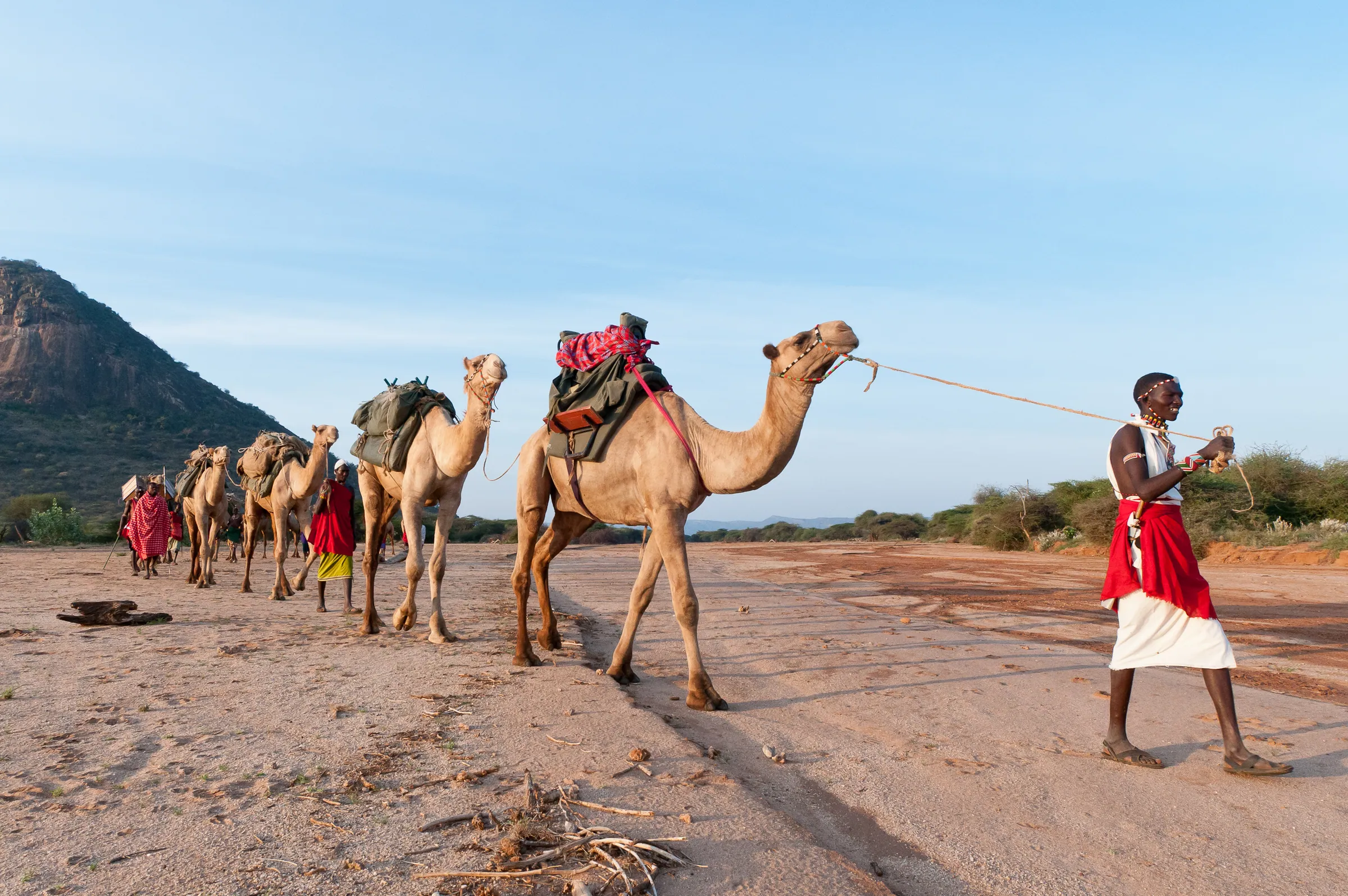
Kenya's answer is its north: Samburu's red earth and doum palms, the volcanic country around Lake Turkana and the camel caravans of the Samburu and Rendille. It is beautiful, but it is not Namibia's desert. Before you book, check the current U.S. State Department advisory for Kenya and confirm your travel insurance covers your route.
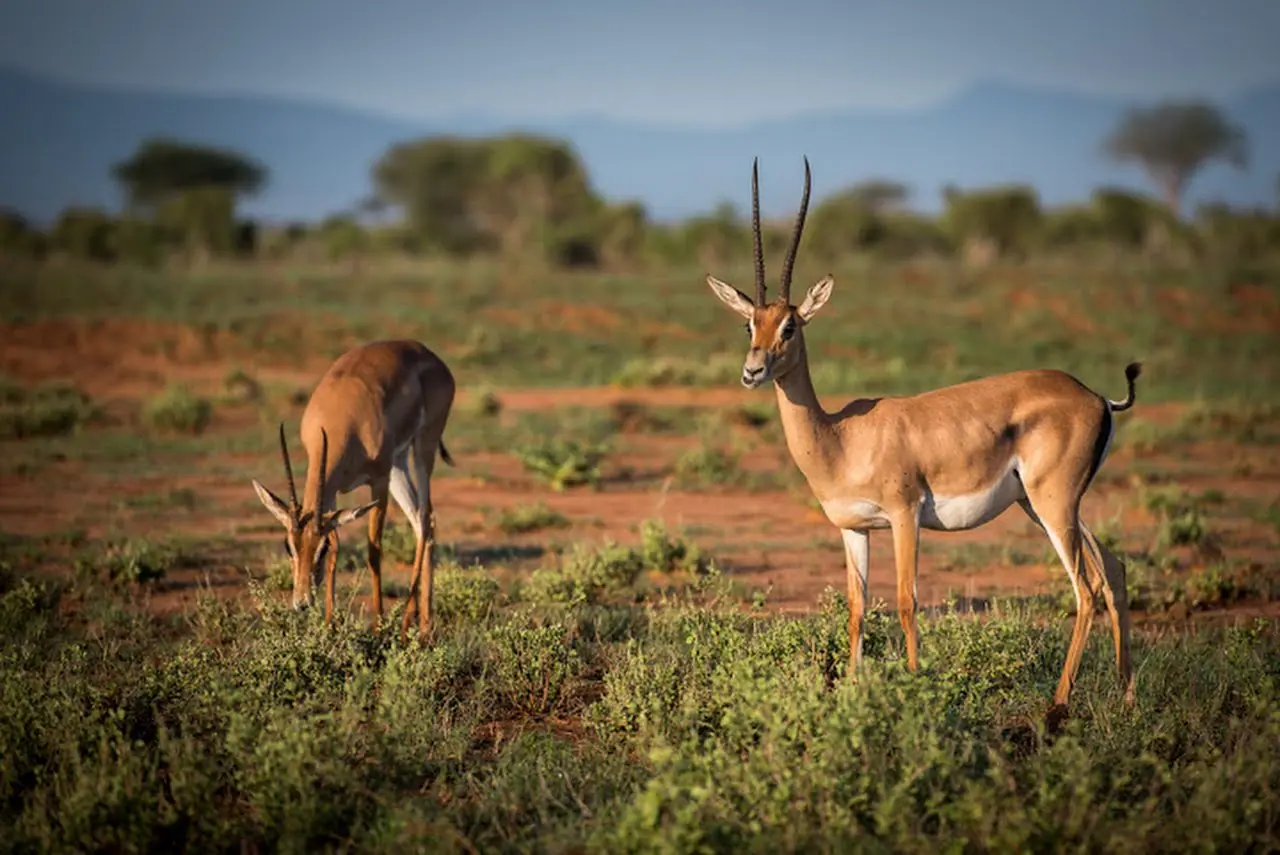
Self-drive against guided safari
Namibia is one of Africa's great self-drive countries: long, well-graded gravel roads, good signage, campsites and lodges spaced for drivers, and you drive on the left. The distances are long, often five hours or more between highlights, and gravel roads need care. Kenya is different. You can drive yourself, but traffic on the main highways, the state of park roads after rain and the value of a guide who knows the animals mean most visitors travel with a driver-guide. Our driving in Kenya page is honest about when self-drive works here and when it does not.
Costs, health and getting there
- Cost: with a guide and mid-range lodges the two are similar; Namibia is cheaper for a self-drive with camping or simple lodges, Kenya is better value per animal seen
- Park fees: the Mara reserve is $100 a day from January to June and $200 from July to December; Kenya's national parks run about $50 to $90
- Malaria: much of Namibia, including Sossusvlei and the coast, is generally considered low-risk, while the north carries risk; most of Kenya's safari areas carry some risk; ask a travel clinic for both
- Flights: Kenya has the only U.S. nonstop of the two, Kenya Airways from New York JFK; Namibia usually means a connection in Johannesburg or Europe
- Entry: Kenya needs an eTA and its inbound health insurance; Namibia requires a visa from U.S. citizens at the time of writing, so check the current process on the official sites
Choose Kenya if
- This is your first safari and you want to see as many animals as possible
- You want the migration, or big cats in numbers
- You prefer to be guided and to fly between parks
- You want warm ocean beaches and Swahili culture to finish
Choose Namibia if
- Landscapes and photography matter more to you than animal numbers
- You love road trips and are confident driving long distances on gravel
- You want a trip with lower malaria risk in much of the route
- You have done a classic East African safari and want something different
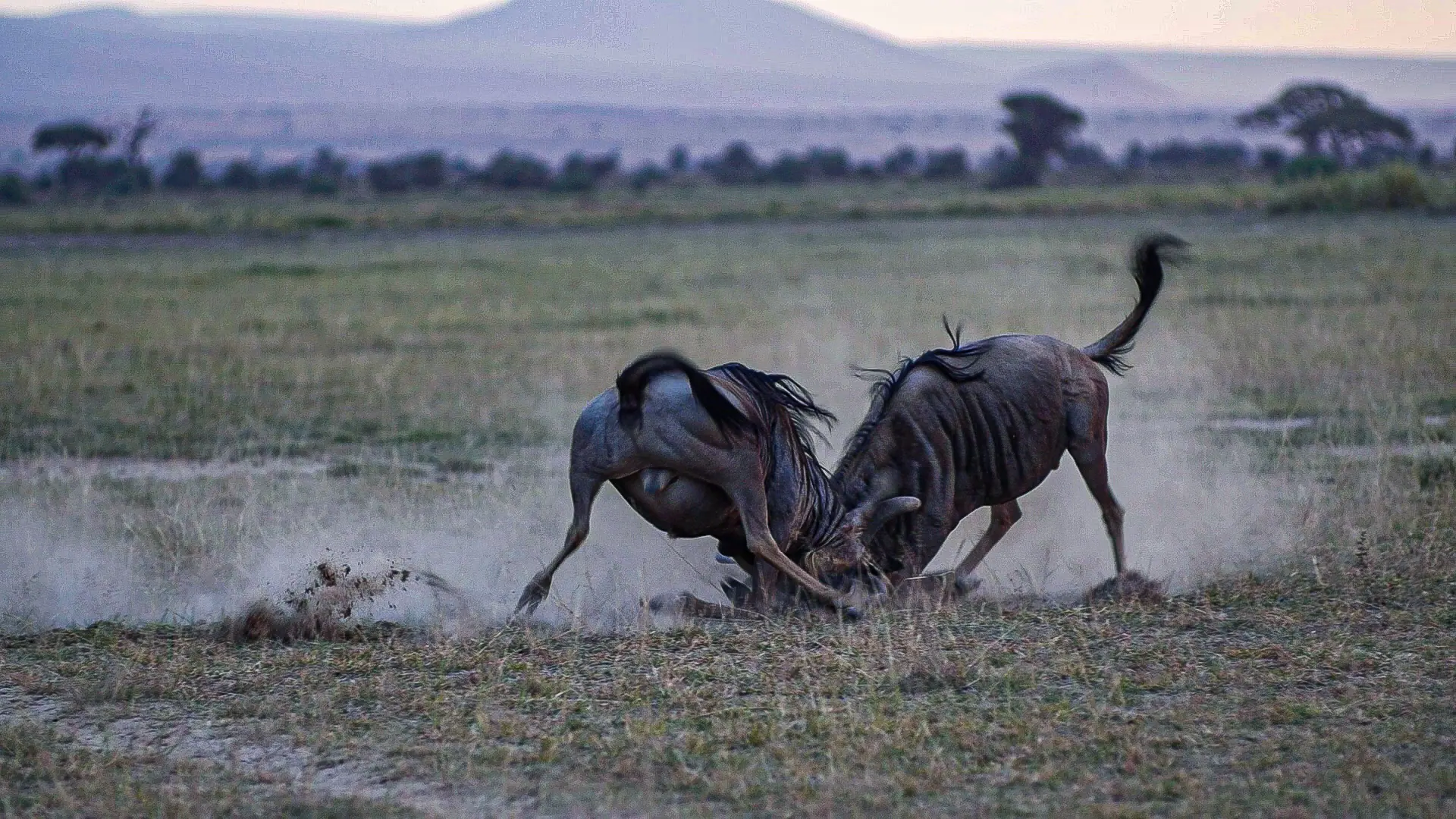
The trip we would build
For the Kenya side of this decision, our 10-day route gives you the density Namibia lacks: Nairobi, Amboseli, the Rift Valley lakes and three nights in a Mara conservancy, then Diani. If the desert pull is strong, add Samburu, where the landscape is driest and the animals are different from the south. We plan Kenya trips, so for Namibia we would point you to a specialist there, and if your heart is set on Sossusvlei we will say so.
Why plan with us: Kenya Experience is Kenyan-led, with two U.S. companies behind it, GCK Travel and Roundtrip Safaris, and Kenyan guides on the ground. You can pay in full or monthly with no deposit, and a specialist replies within two business days.