Planning a safari. Updated November 2026. 4 min read.
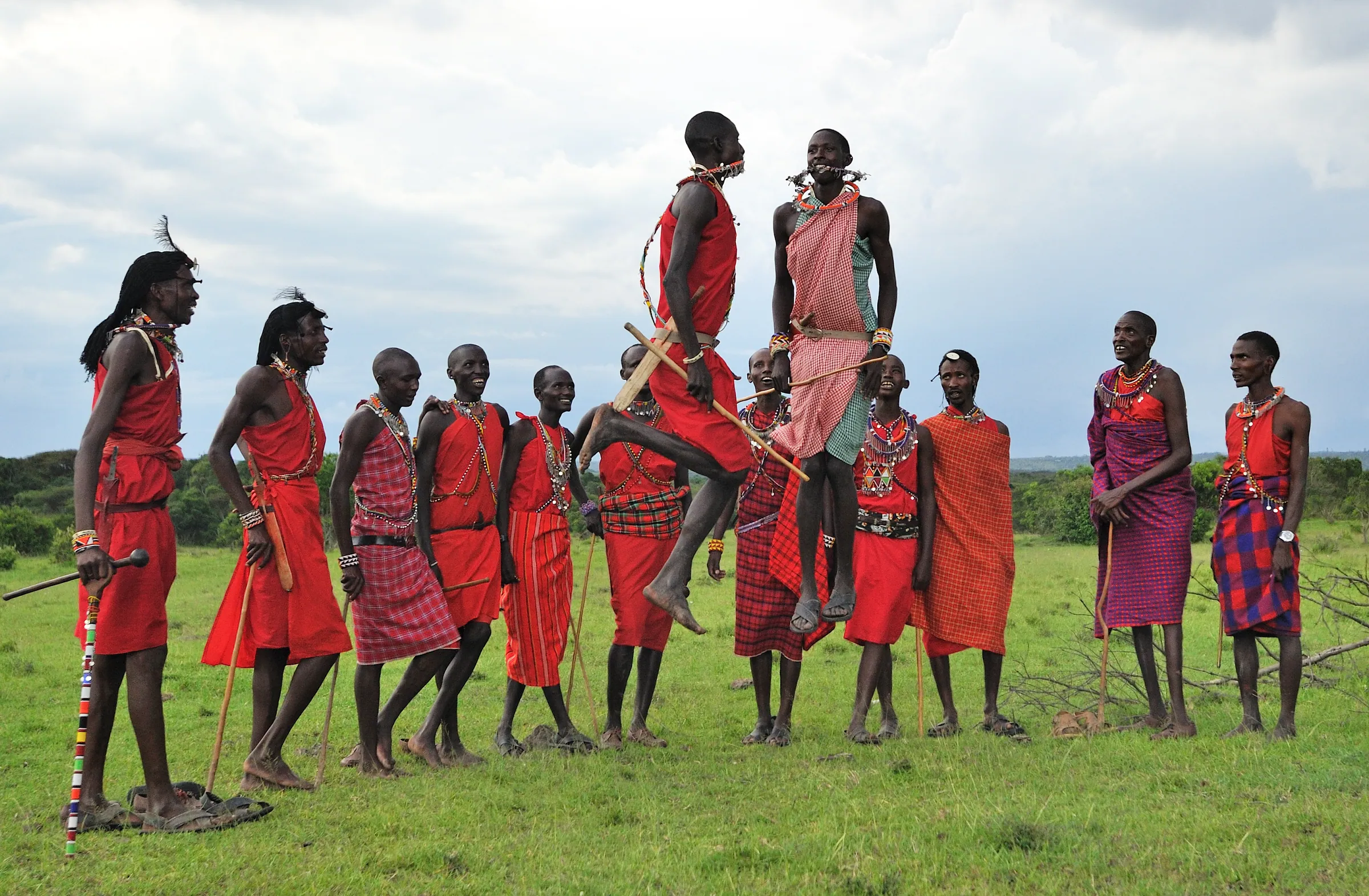
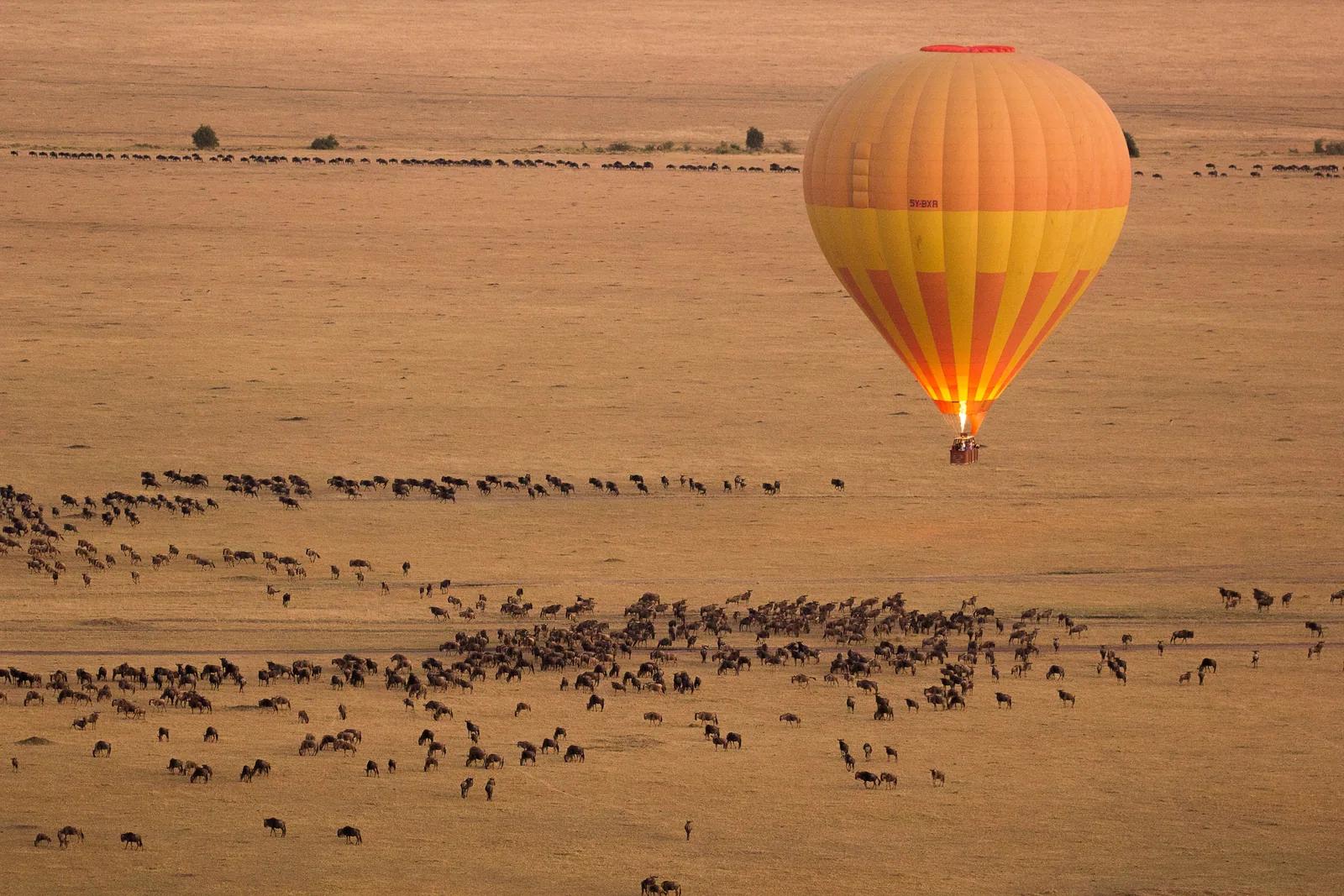
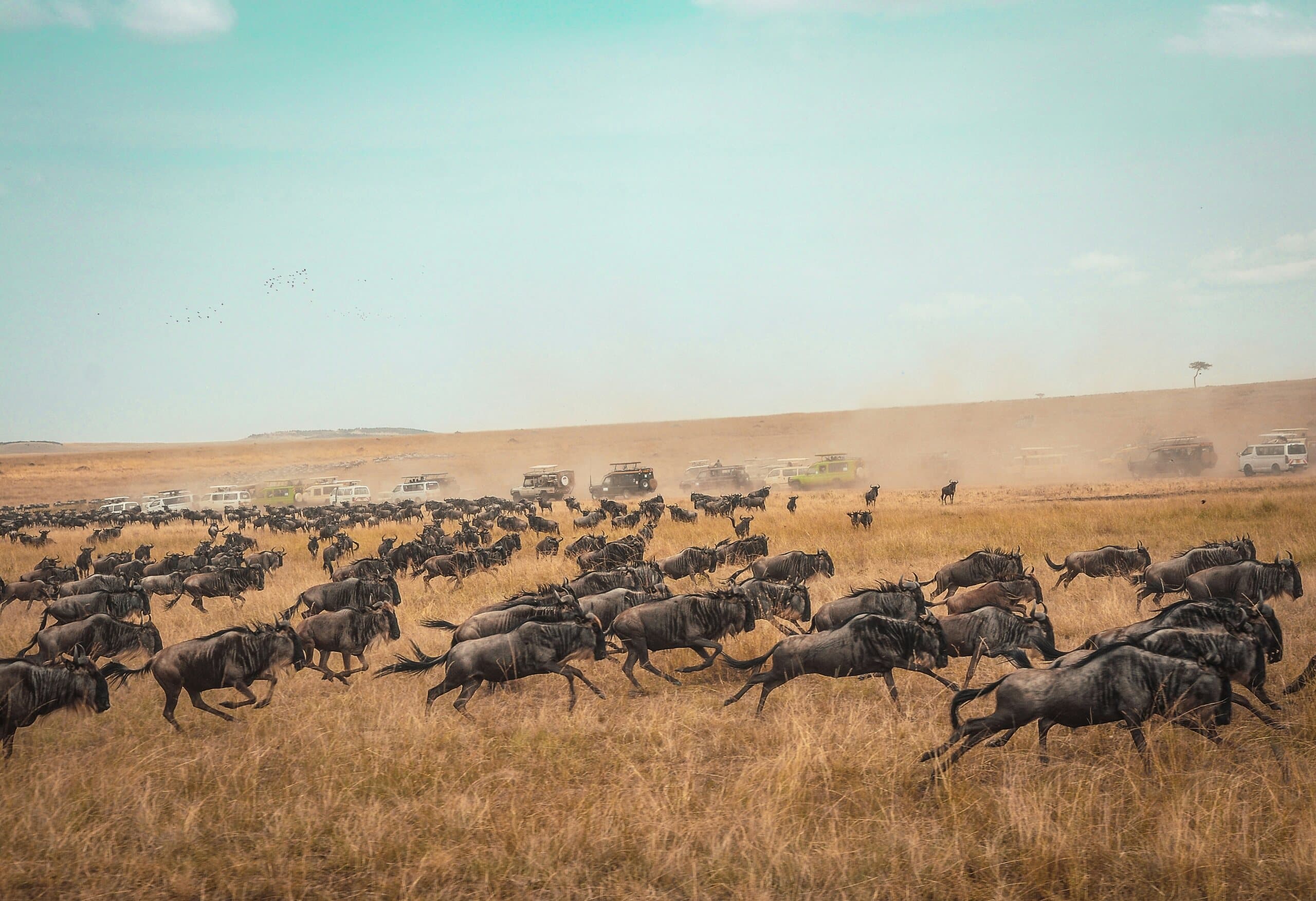
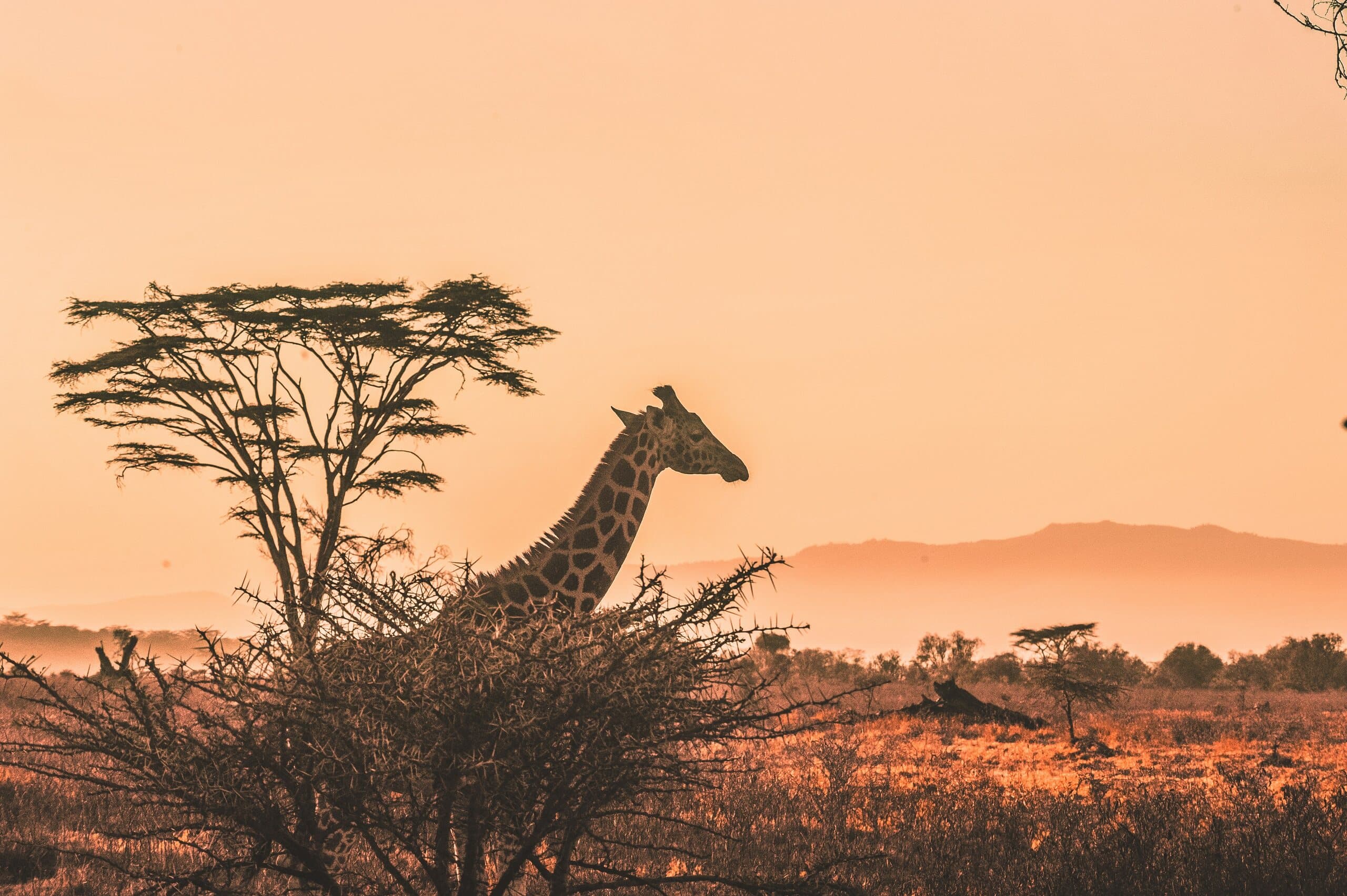
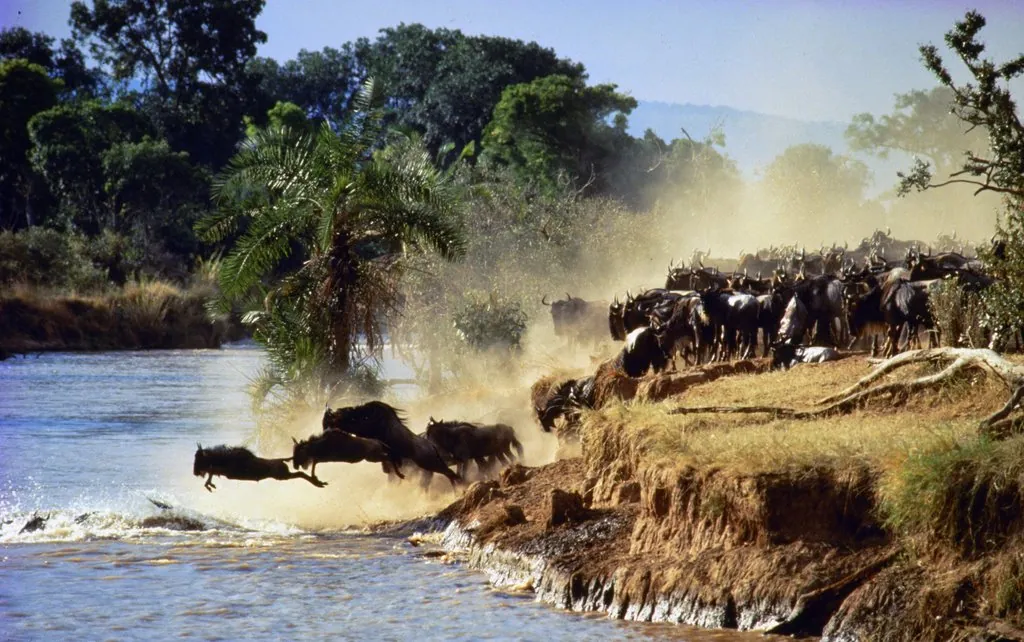
Kenya is the stronger choice for the classic East African safari: huge open plains, the Great Migration from about July to October, community conservancies where Maasai and Samburu landowners share in tourism, and Kenyan guides who read the bush for a living. Add the Indian Ocean coast and a nonstop flight from New York, and one trip covers a lot. South Africa is the stronger choice if you want to drive yourself, need a malaria-free reserve, or want to pair a safari with Cape Town and the winelands.
Who each country suits
- Kenya: first-time safari travelers who want the iconic savanna, photographers, migration seekers, and Kenyans in the U.S. traveling home with family
- South Africa: confident independent travelers who want a self-drive, families with young children who want a malaria-free reserve, and anyone who wants cities, wine and coast on one trip
- Both: Big Five seekers; each has all five, with South Africa's private reserves especially strong for leopards and the Mara for lions and cheetahs
Wildlife and landscape
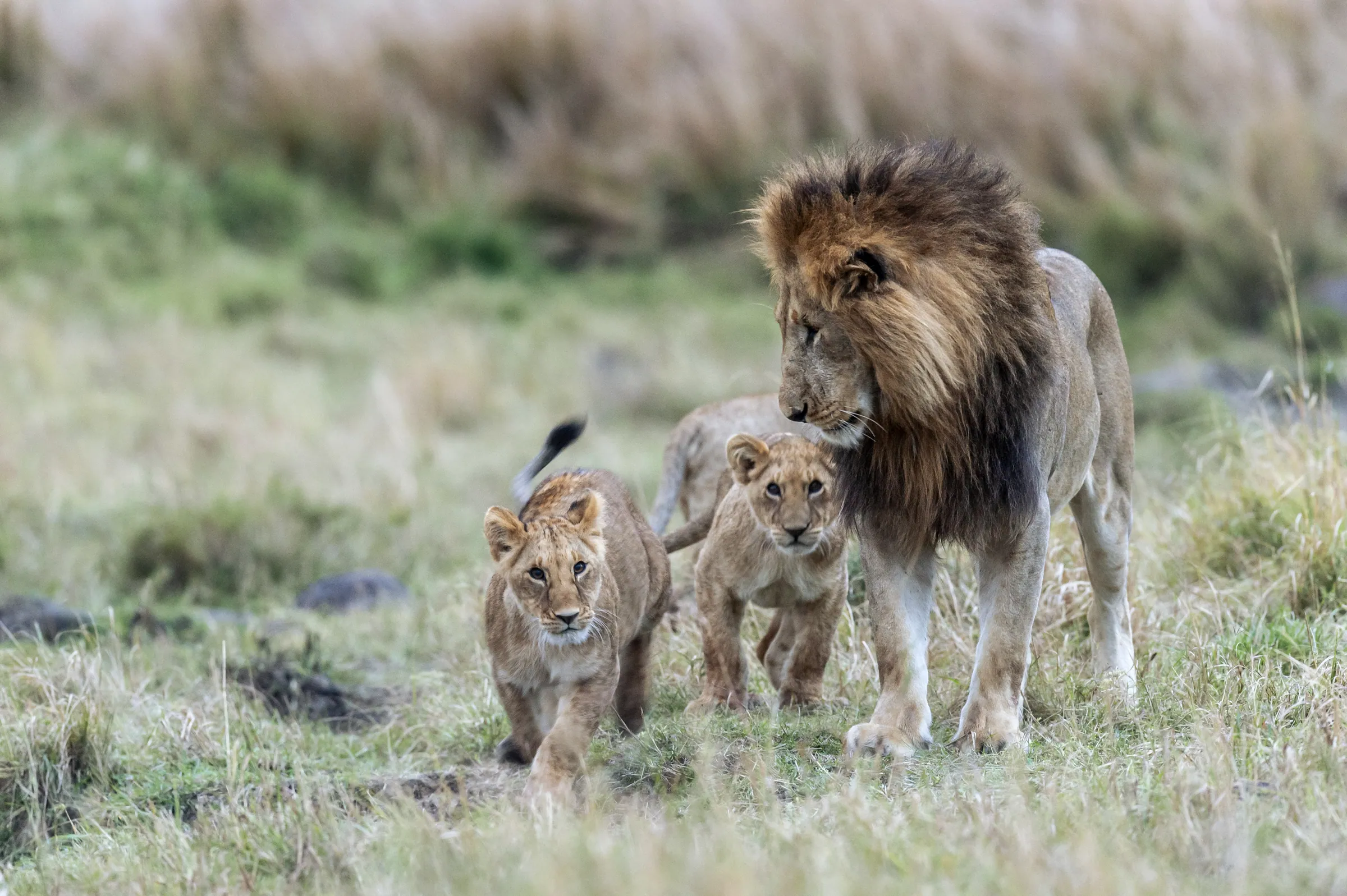
Kenya's safari country is wide and open, so animals are easy to see across long distances. The Mara has a dense population of big cats, Amboseli has its elephants under Kilimanjaro, and the north has species you won't find in South Africa's parks, such as Grevy's zebra and the reticulated giraffe. South Africa's Kruger National Park, about 7,500 square miles, is mostly bushveld: thicker woodland where guides track animals at closer range. The private reserves bordering Kruger are known for close leopard sightings.
South Africa has no wildebeest migration on the scale of the Mara's. If seeing the herds matters to you, Kenya wins clearly. If you most want a leopard at close range, South Africa's private reserves are hard to beat.
Access, crowds and how you travel
- Flights: both are long hauls; Kenya Airways flies nonstop from New York to Nairobi, and U.S. airlines fly nonstop to Johannesburg and Cape Town from hubs such as Atlanta and Newark
- Entry: Americans need an eTA for Kenya; South Africa does not require a visa for U.S. citizens on tourist trips of up to 90 days
- Getting around: South Africa has good paved roads and rental cars, so self-drive safaris in Kruger are common; in Kenya you usually travel with a driver-guide in a safari vehicle, and short flights link the parks
- Crowds: Kruger's public roads can be busy at popular sightings, as can the Mara reserve at river crossings; private reserves in South Africa and conservancies in Kenya both limit vehicles
- Health: Kruger and most of Kenya's safari areas carry malaria risk; South Africa has several malaria-free reserves, such as Madikwe and those in the Eastern Cape; ask a travel clinic about prevention
Seasons, lodges and cost drivers
Kenya's best safari months are usually the dry seasons, June to October and January to March. South Africa's main safari areas are best in the dry southern winter, roughly May to September, when mornings are cold, while Cape Town is at its best in the southern summer, about November to March.
Both have every style of stay. South Africa's national parks have simple rest camps for self-drivers, and its private reserves have polished lodges. Kenya has lodges, tented camps and small camps on community conservancies. The cost drivers are similar: lodge style, park and conservancy fees, internal flights and the season. A self-drive in South Africa can be a lower-cost way to go on safari, while guided trips in either country cost more as camps get smaller and more remote.
Can you combine them?
Yes. Nairobi and Johannesburg are about four hours apart by air, with regular flights. A good two-week plan is a week on safari in Kenya, then Cape Town and the winelands. Do the safari first, while you are fresh for early starts, and finish in the city.
Our advice
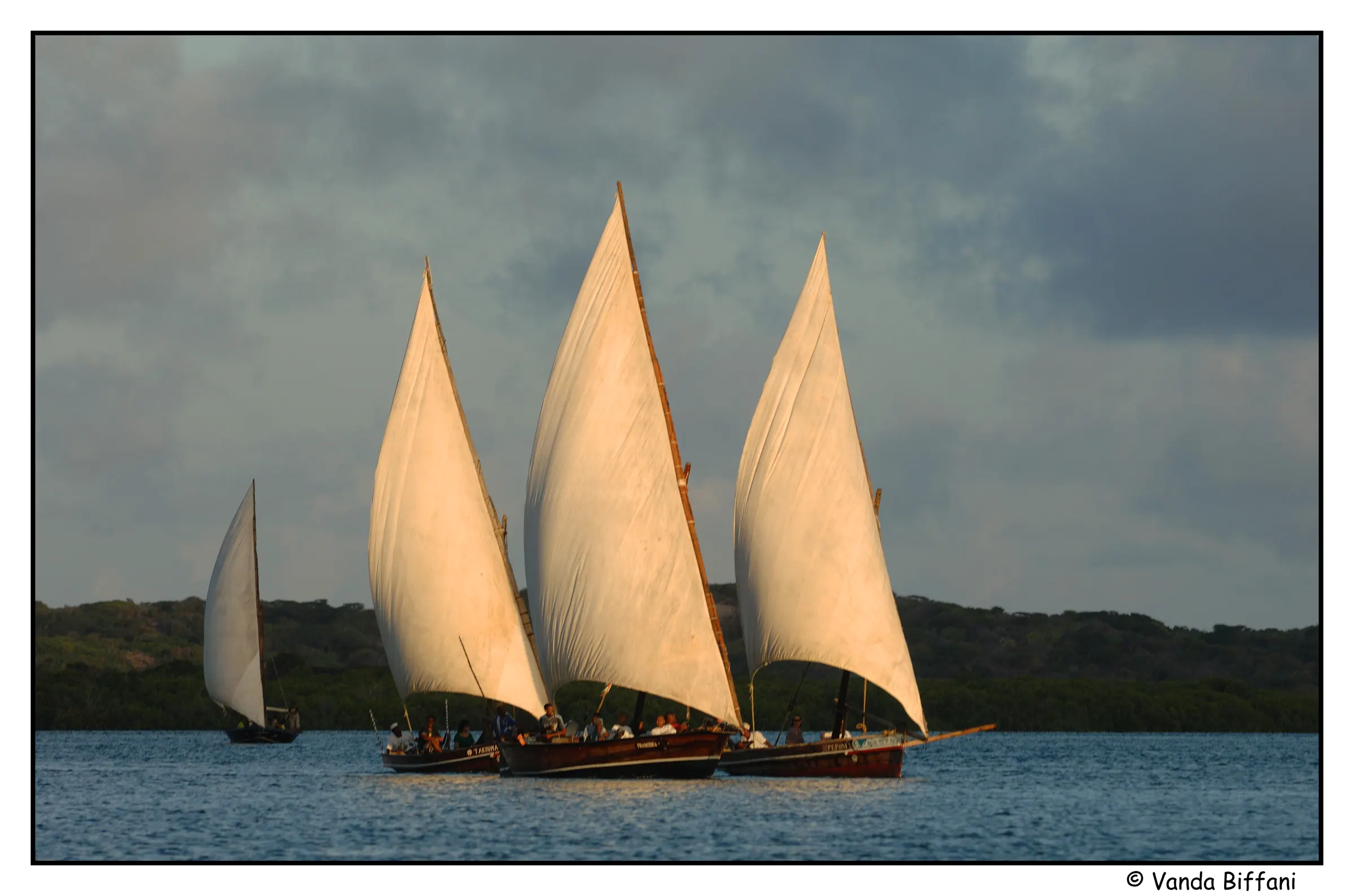
If you dream of the open savanna, the migration and meeting the people who share the land with wildlife, choose Kenya. If you want to drive yourself, need a malaria-free reserve for small children, or want a city and wine country at the heart of the trip, South Africa is a strong choice. For a first African safari with a week to spend, we think Kenya gives you the experience most people picture when they say the word safari.
To do it in Kenya, plan ten to twelve days: Nairobi, the Mara and a conservancy, Amboseli or Laikipia for elephants or rhinos, then the coast. To do both countries, give Kenya the safari and South Africa the city, and allow two weeks.
Why plan with us: Kenya Experience is Kenyan-led, with two U.S. companies behind it and Kenyan guides on the ground. Pay in full or monthly with no deposit, and a specialist replies within two business days.