Where to stay. Updated November 2026. 5 min read.
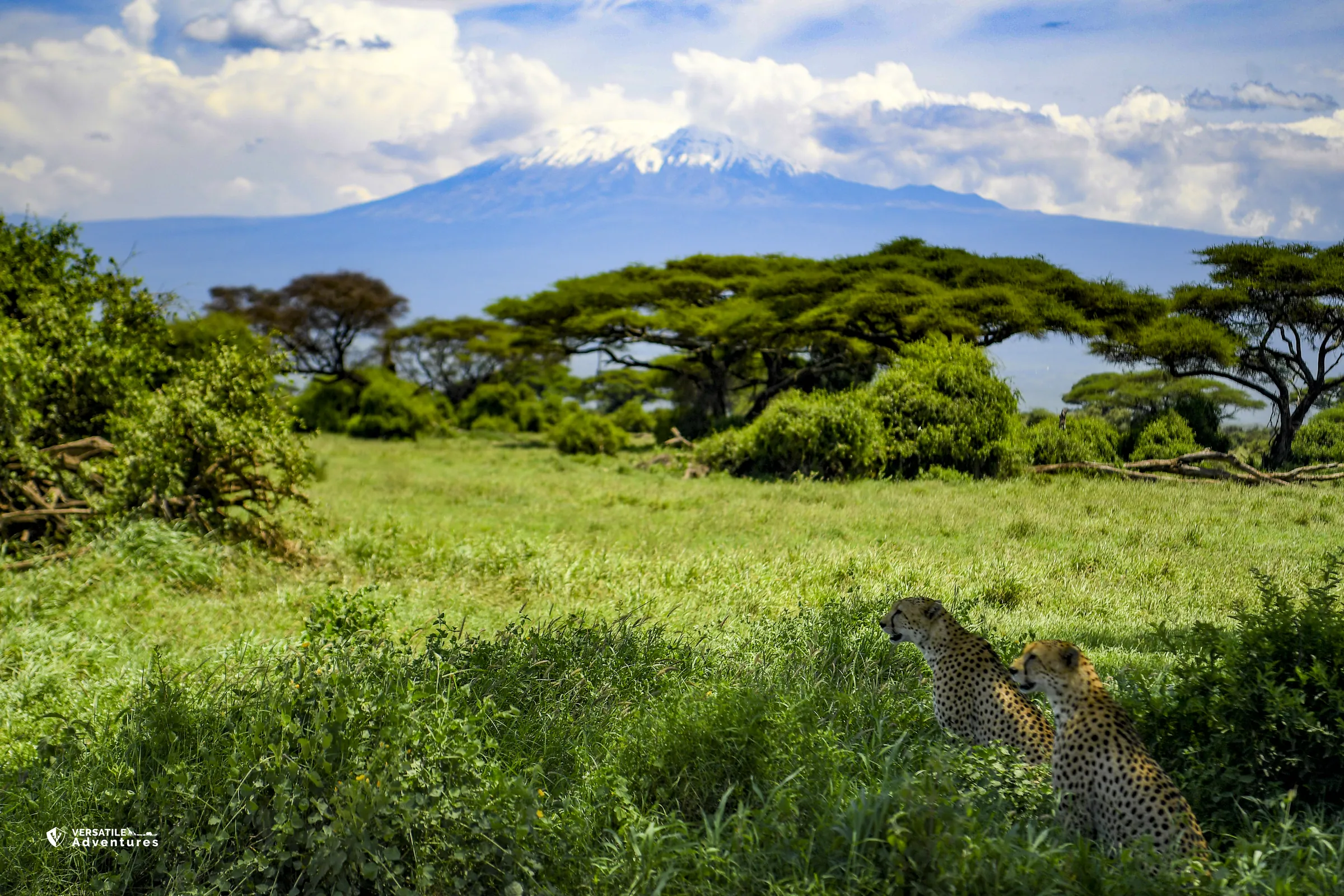
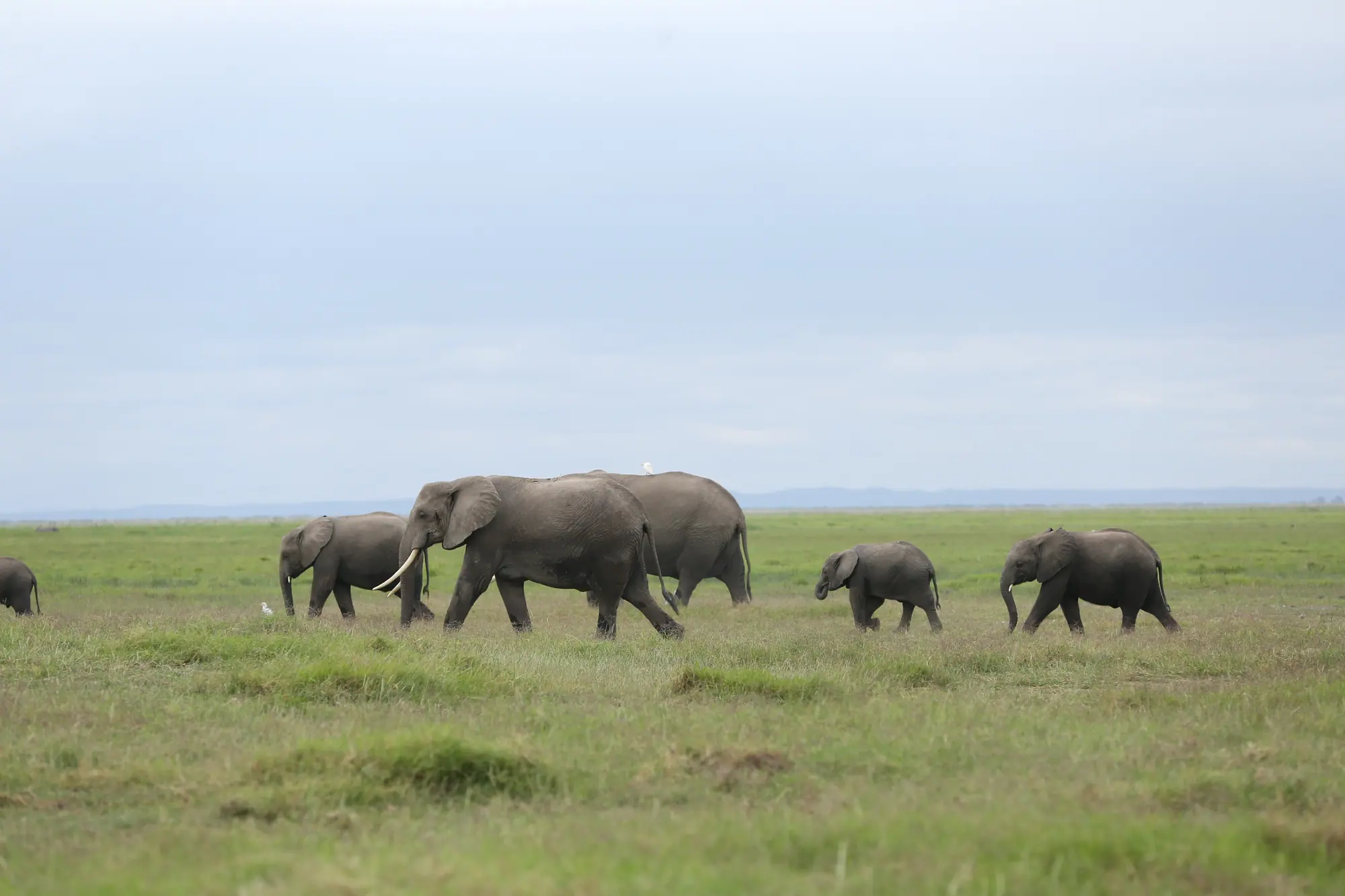
Amboseli is small, dusty and flat, which is exactly why the photographs are so good: there is nothing between you, the elephants and Kilimanjaro. Only a handful of lodges sit inside the park. The rest are on Maasai land outside the gates, and some of those have the better views and the better activities.
The short answer: stay inside the park, at Ol Tukai Lodge or Amboseli Serena, if you want the shortest drives to the elephants and the swamps. Stay in a camp on the Kimana side or the Kitirua side if you want a conservancy feel, walks and night drives, with elephants passing through camp. Add the Chyulu Hills if you want the finest Kilimanjaro views of all and can spend more. If you are still choosing between Amboseli and Tsavo, our comparison guide covers that; this page is about where to sleep once you have chosen Amboseli.
The areas
| Area | Character | Picks |
|---|---|---|
| Inside the park | Shortest game drives, lodges dating from the 1970s, the acacia grove at Ol Tukai | Ol Tukai Lodge, Amboseli Serena |
| Kimana and the eastern group ranches | Conservancy feel, night drives and walks, elephants pass through camp | Kibo Safari Camp (just outside Kimana gate), Tawi Lodge, Elerai |
| Kitirua and the west | Remote and exclusive | Tortilis Camp, private houses |
| Chyulu Hills (about 1.5 hours east) | Lava, cloud forest, the widest Kilimanjaro views | Ol Donyo Lodge, Campi ya Kanzi |
Inside the park
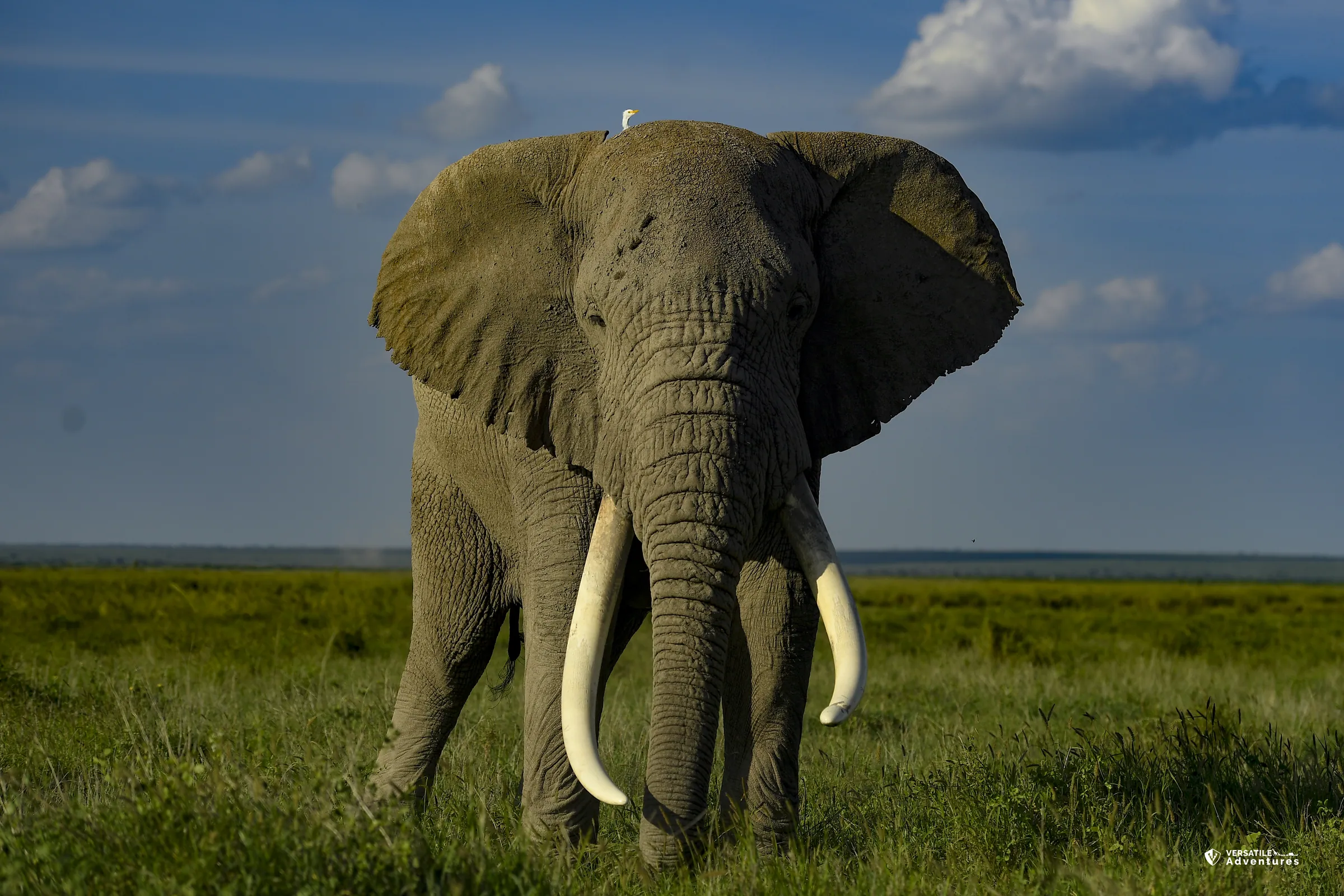
Ol Tukai Lodge stands in the acacia grove at the heart of the park, minutes from the swamps where the elephants spend their days. Amboseli Serena sits in the south of the park. Both are classic lodges rather than small camps, with pools and full-board dining, and both let you be out on the plains as the cloud lifts off the mountain at dawn, without paying for a long drive in from the gate. The trade-off is that walks and night drives are not allowed inside the national park.
Kimana and the group ranches
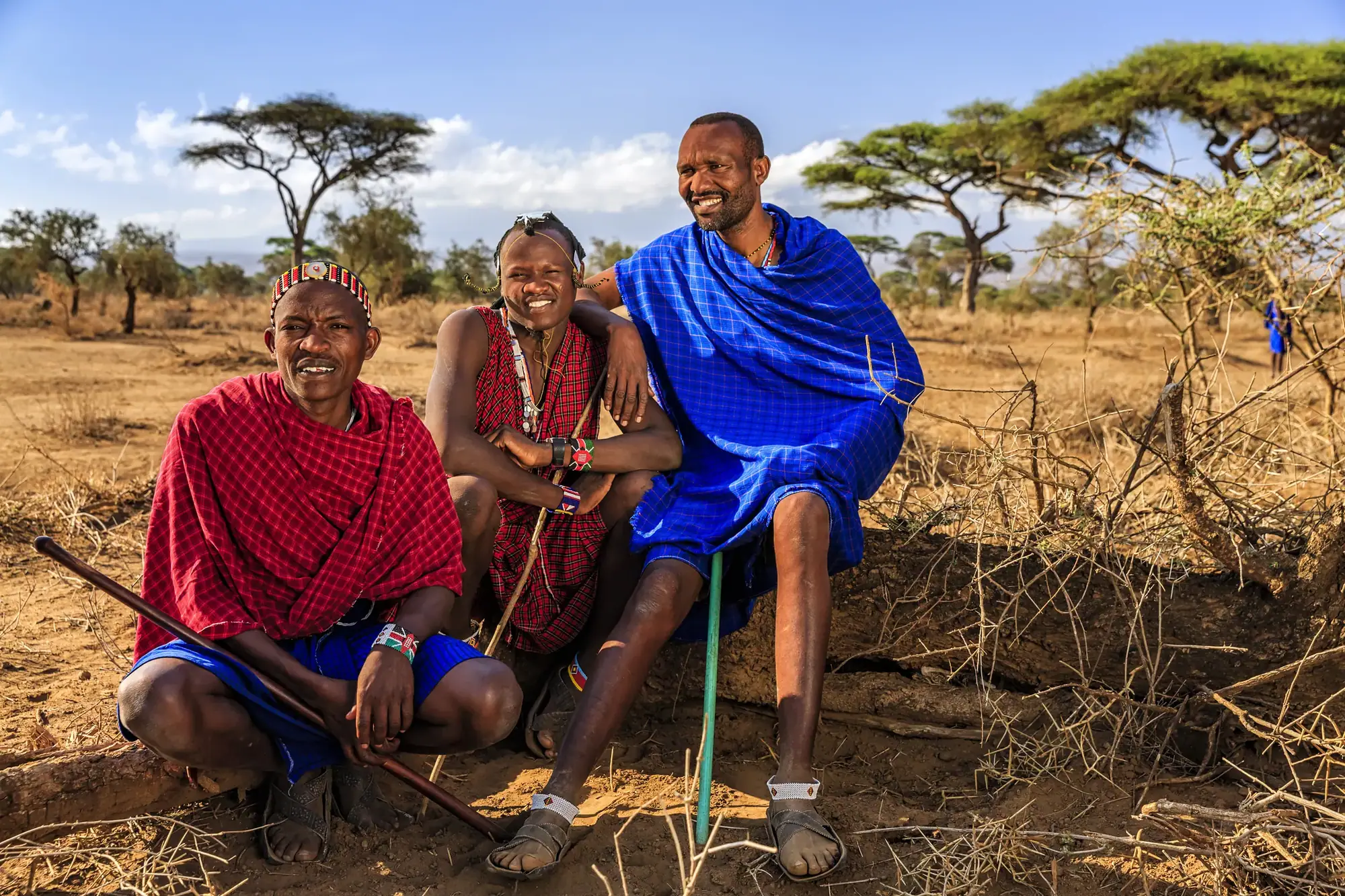
Around the park, Maasai group ranches have set land aside as conservancies, and the camps on them work much like the Mara's conservancy camps: fewer vehicles, guided walks, night drives and cultural visits with your hosts. Elephants move between the park and these ranches, so they often walk right through camp. Kibo Safari Camp, just outside Kimana gate, is the value choice. Tawi Lodge and Elerai are smaller and quieter, with mountain views from the rooms. You drive into the park for your game drives and pay the park fee on those days.
Kitirua and the Chyulu Hills
On the western side, Tortilis Camp is the classic top-end camp, looking straight at Kilimanjaro, and there are a few private houses for families and groups. East of the park, the Chyulu Hills are green volcanic hills with lava flows and cloud forest. Ol Donyo Lodge and Campi ya Kanzi sit here, with sweeping views of the mountain and activities from horse riding to walking. They are about 1.5 hours from Amboseli, so treat them as a separate stay rather than a base for daily park drives.
Lodges and camps by budget
| Lodge or camp | Area | Style | Price band | Best for |
|---|---|---|---|---|
| Kibo Safari Camp | Just outside Kimana gate | Tented camp | Value | Families and groups on a budget |
| Ol Tukai Lodge | Inside the park, Ol Tukai | Classic lodge | Mid-range | Short drives to the elephants |
| Amboseli Serena | Inside the park, south | Classic lodge | Mid-range | First safaris, families |
| Elerai | Group ranch conservancy | Tented camp | Upper mid-range | Walks and quiet |
| Tawi Lodge | Kimana side conservancy | Lodge | Upper mid-range | Couples, mountain views from the room |
| Tortilis Camp | Kitirua, west | Tented camp | Top end | Photographers and honeymoons |
| Ol Donyo Lodge | Chyulu Hills | Lodge | Top end | Views, riding, a longer stay |
| Campi ya Kanzi | Chyulu Hills | Lodge | Top end | Walking and community conservation |
The view, explained
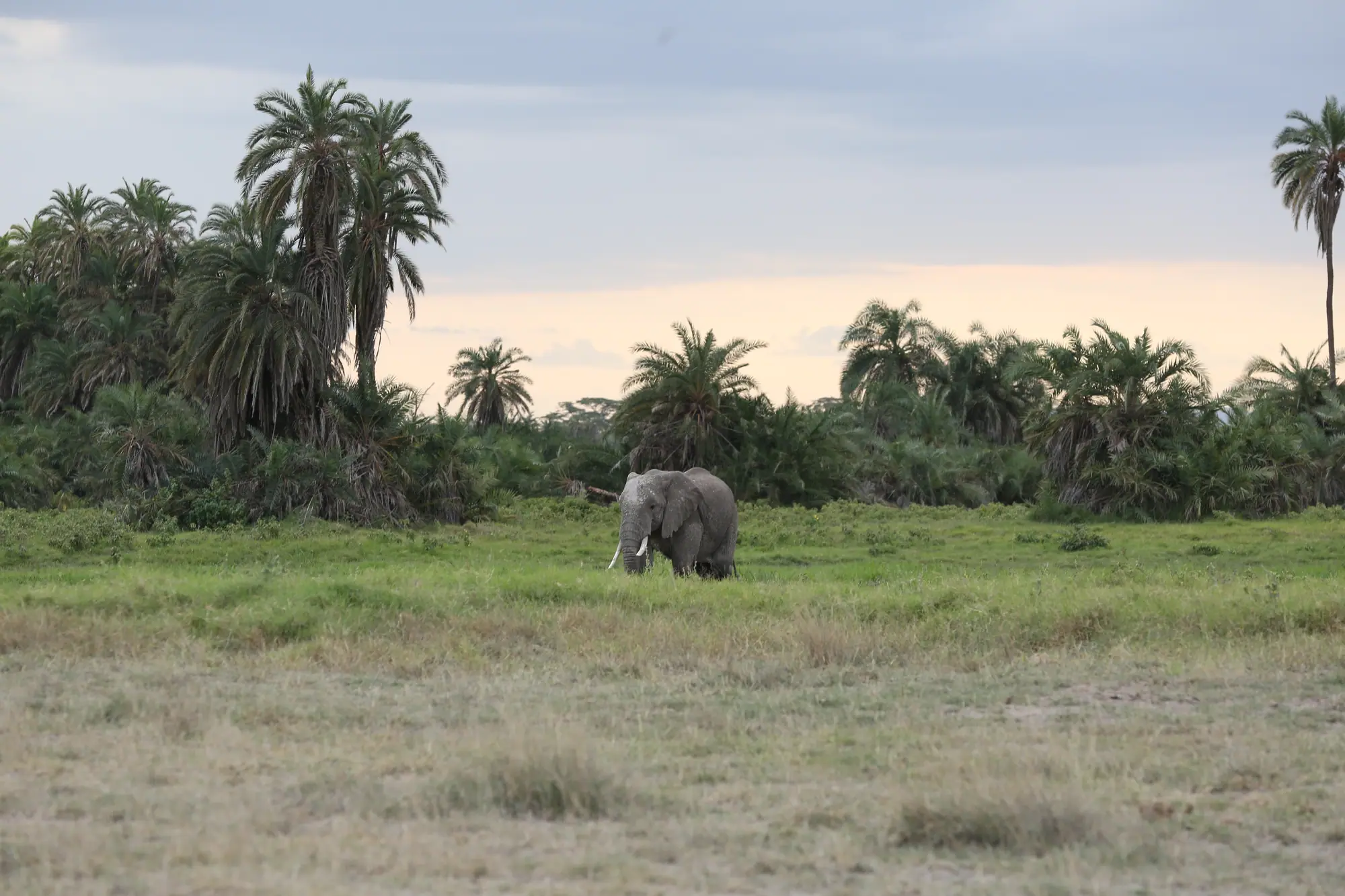
Kilimanjaro stands in Tanzania, just across the border, and fills the southern sky from almost everywhere in the park. It is clearest at dawn and just before sunset, and most often hidden by cloud from about 9am to 4pm. December to February and July to September are usually the clearest months. No lodge can guarantee the view, so plan two nights to give yourself four chances: two dawns and two sunsets. Lake Amboseli itself is usually dry; the elephants gather in the swamps, such as Enkongo Narok, where the green grass is.
Who should stay where
- Photographers: Tortilis on the western side, or Ol Tukai inside the park for the shortest drive to the swamps at first light
- Families: Amboseli Serena or Ol Tukai for pools and simple logistics, or Kibo Safari Camp for value
- Travelers who want walks and night drives: Tawi Lodge, Elerai or another conservancy camp on the group ranches
- Anyone with a bigger budget and three nights: split between the park and the Chyulu Hills
Fees, seasons and dust
The Kenya Wildlife Service park fee is about $90 per non-resident adult per day and about $45 per child at the time of writing, paid through eCitizen; the rate was being debated in 2026, so check the KWS site before you travel. Amboseli is dry and dusty for much of the year: bring a buff or scarf for the open vehicle, and a cloth for your camera. The long rains in April and May turn the plains green and make some tracks muddy.
Getting there
By road, Amboseli is 4 to 5 hours from Nairobi. By air, it is about 40 minutes from Wilson Airport, with the usual 15 kg soft-bag allowance. Many trips pair Amboseli with Tsavo West or the coast, or drive on to Nairobi and fly to the Mara.
What we recommend
For most first safaris, two nights at Ol Tukai Lodge or Amboseli Serena give you the elephants and the best chance of the mountain without long drives. If you have done a safari before, or want walks and night drives, we book a conservancy camp outside the gates instead. Pay in full or monthly with no deposit.