Itineraries. Updated November 2026. 5 min read.
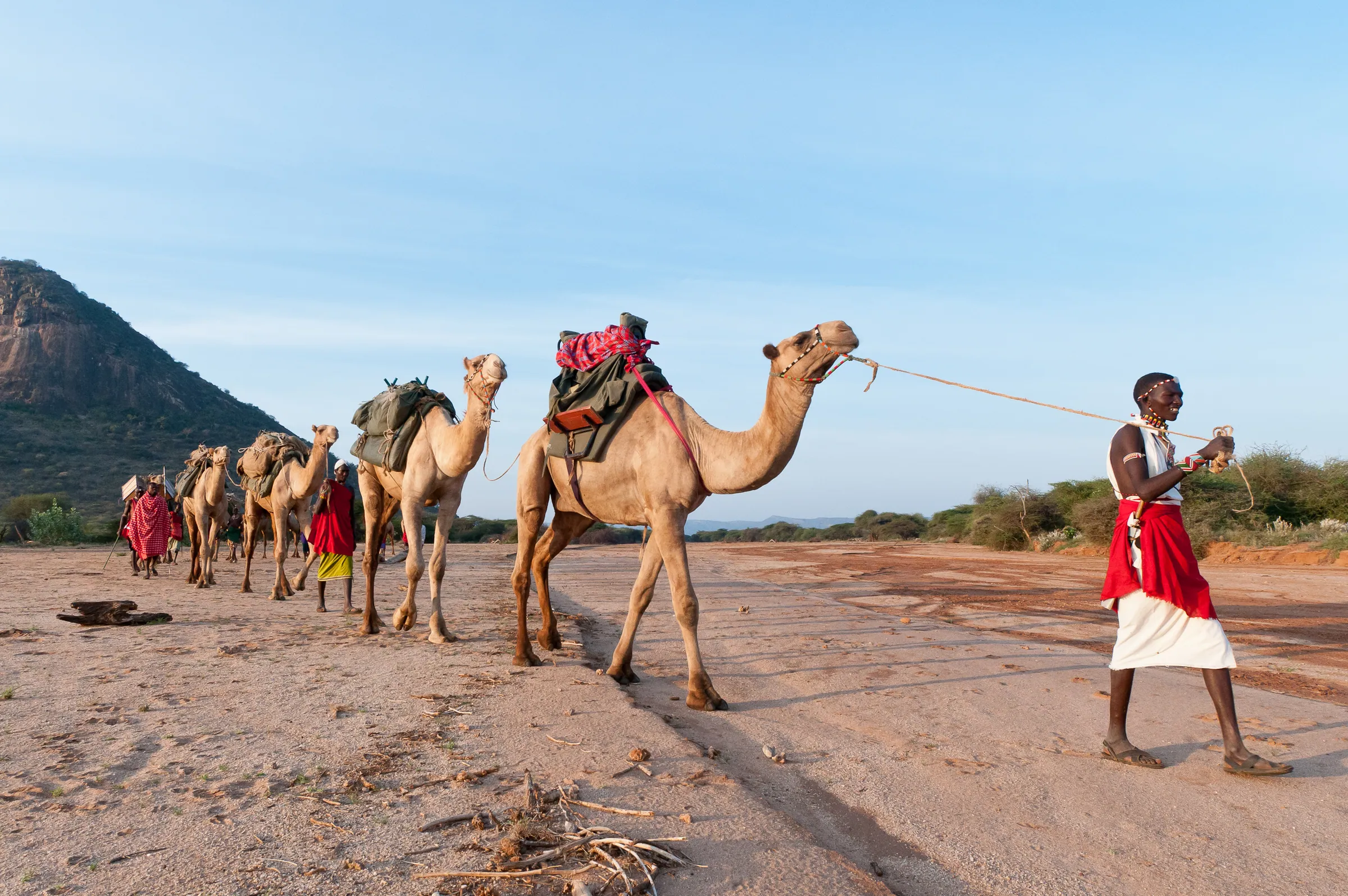
Northern Kenya is the Kenya of old explorers' books: lava deserts, camel caravans, the forest on Marsabit's volcano and at the end of it all Lake Turkana, the Jade Sea, the largest permanent desert lake in the world. Few visitors make the trip, and that is half the reason to go. It takes time, two good vehicles, careful planning and a crew who knows the roads.
The route, in short: Lewa or Ol Pejeta and Samburu for wildlife, then north on the tarmac to Marsabit, across the desert to Loiyangalani on Turkana's east shore, south through the Samburu hills to Maralal and down to Lake Baringo. Twelve days by 4x4 convoy, staying in lodges and camps, from about $4,800 per person sharing. It is a sample route we tailor, not a fixed departure.
Where the route goes, and what you can add
| Place | Why go | On this route |
|---|---|---|
| Lewa, Ol Pejeta, Samburu | Rhinos, the northern species and the best guiding in the north | Yes, four nights |
| Marsabit town and national park | A forested volcano, crater lakes and elephants above the desert | Yes, one night |
| Loiyangalani, east shore of Lake Turkana | The Jade Sea, the El Molo, the Desert Museum and Mount Kulal | Yes, two nights |
| Sibiloi National Park and Koobi Fora | The fossil beds of the cradle of humankind, a petrified forest and the Koobi Fora museum on the north-east shore | Optional: two to three extra days north from Loiyangalani by 4x4, or a charter flight |
| The west shore: Lodwar, Eliye Springs, Central Island | Turkana country, palm-fringed beaches, a volcanic island with crater lakes and crocodiles, and Nariokotome, where Turkana Boy was found | Optional: fly to Lodwar, or drive from Kitale over the Marich Pass through West Pokot |
| Maralal and Lake Baringo | The cool Samburu highlands, then birds and hippos on the way home | Yes, three nights |
Adding Sibiloi turns the trip into a journey through human history as well as landscape, and the west shore lets you see the lake from both sides, which very few visitors ever do. A full loop of the lake, up the east shore and back down the west, adds several days of hard driving, so many travelers fly one leg and drive the other. Our Lake Turkana parks page covers Sibiloi and Central Island in more detail.
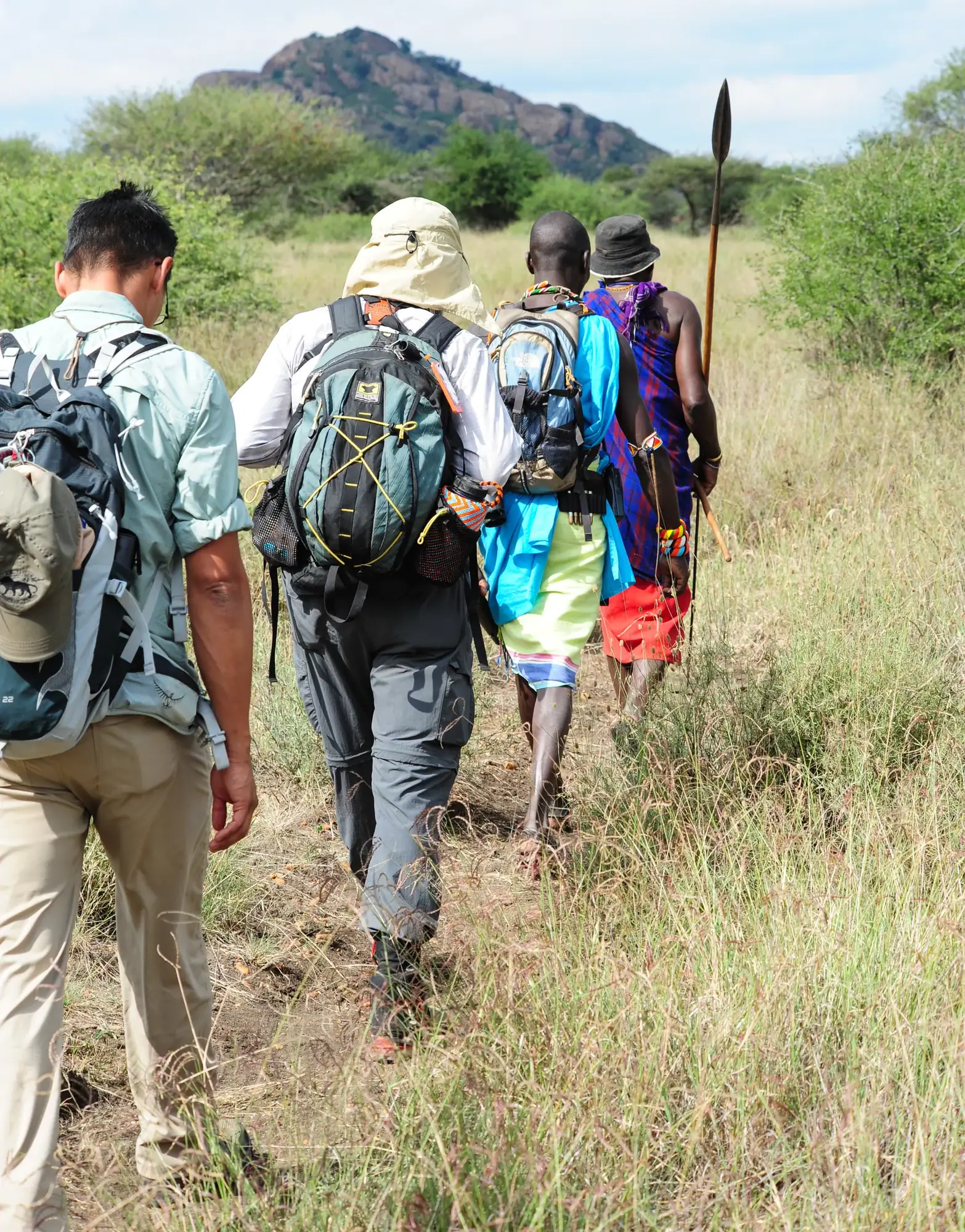
The north has its own practical demands: long distances between fuel and help, heat, and in some areas local disputes over grazing that flare and settle. We drive only in daylight, in two vehicles, with local guides who check the road ahead, and we change the route without hesitation if they advise it. Before you book, check the current U.S. State Department advisory for Kenya and confirm your travel insurance covers your route. Our safety page sets out how we run trips.
Who this suits
- Travelers who have done a classic safari and want the wild, empty Kenya
- Photographers drawn to desert light, volcanic landscapes and northern peoples
- Kenyans in the U.S. who have never seen the north of their own country
- Anyone fit, patient and relaxed about heat, dust and simple rooms
It does not suit young children, anyone with serious health conditions that need quick hospital access, or travelers short on time. Two long desert road days cannot be hurried.
Wildlife first: Lewa, Ol Pejeta and Samburu
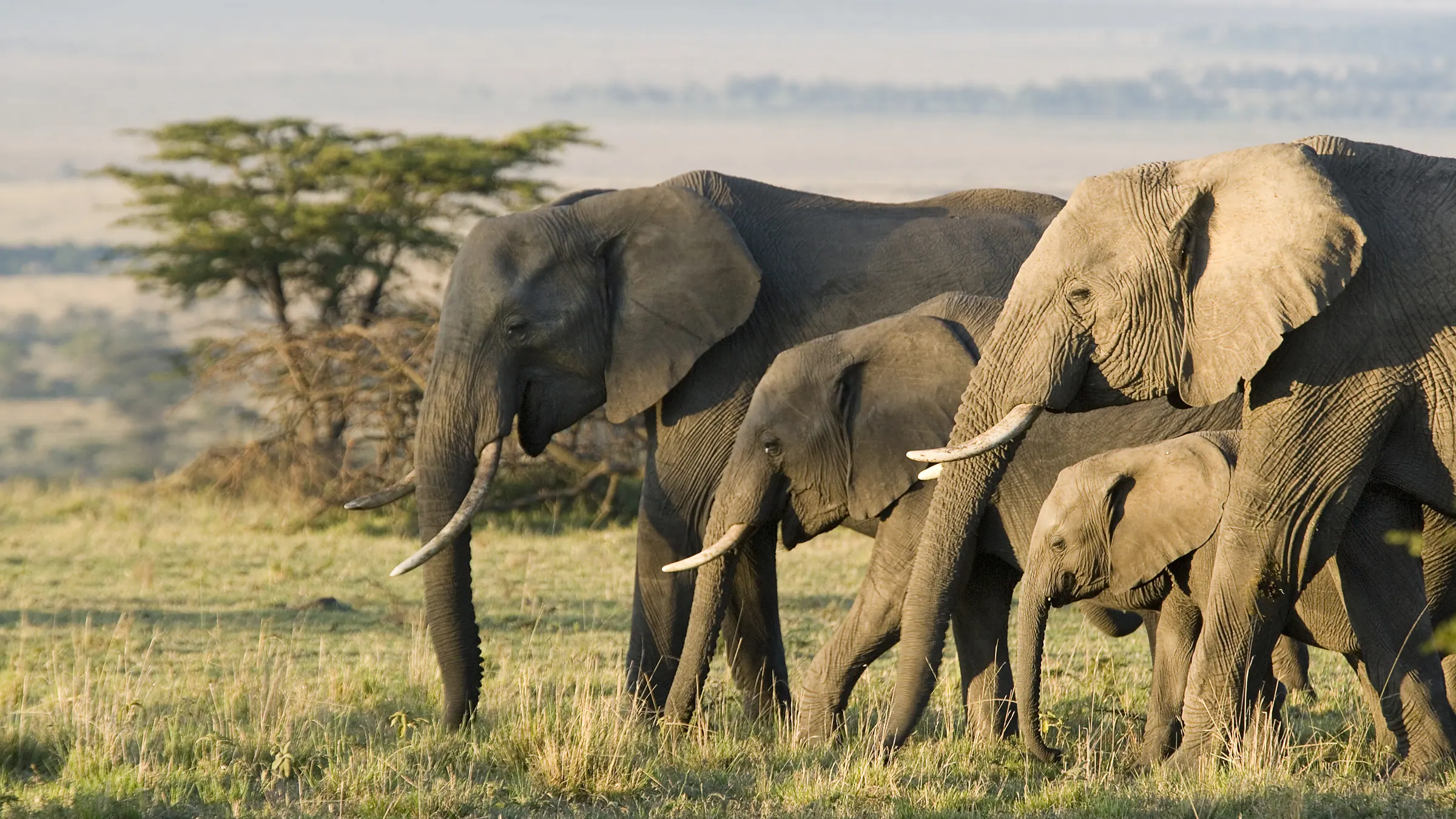
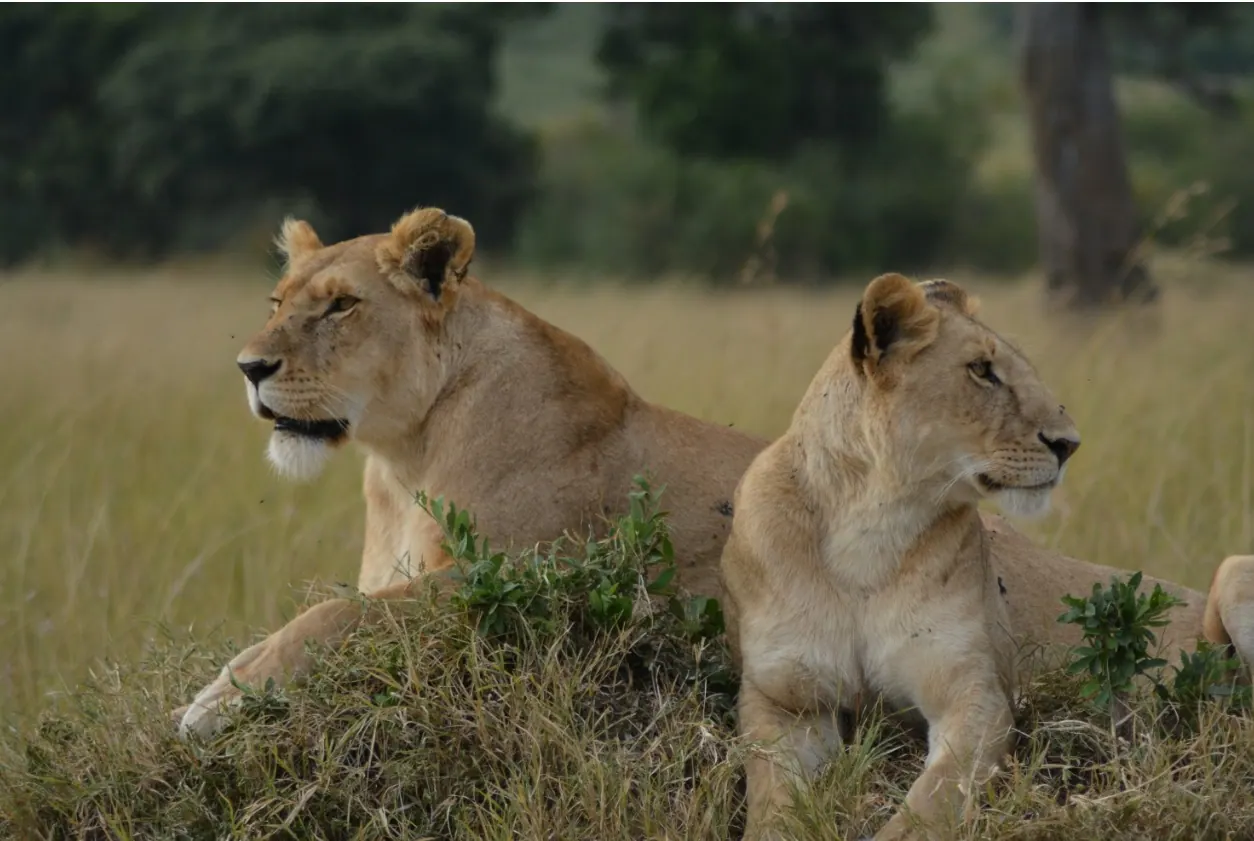
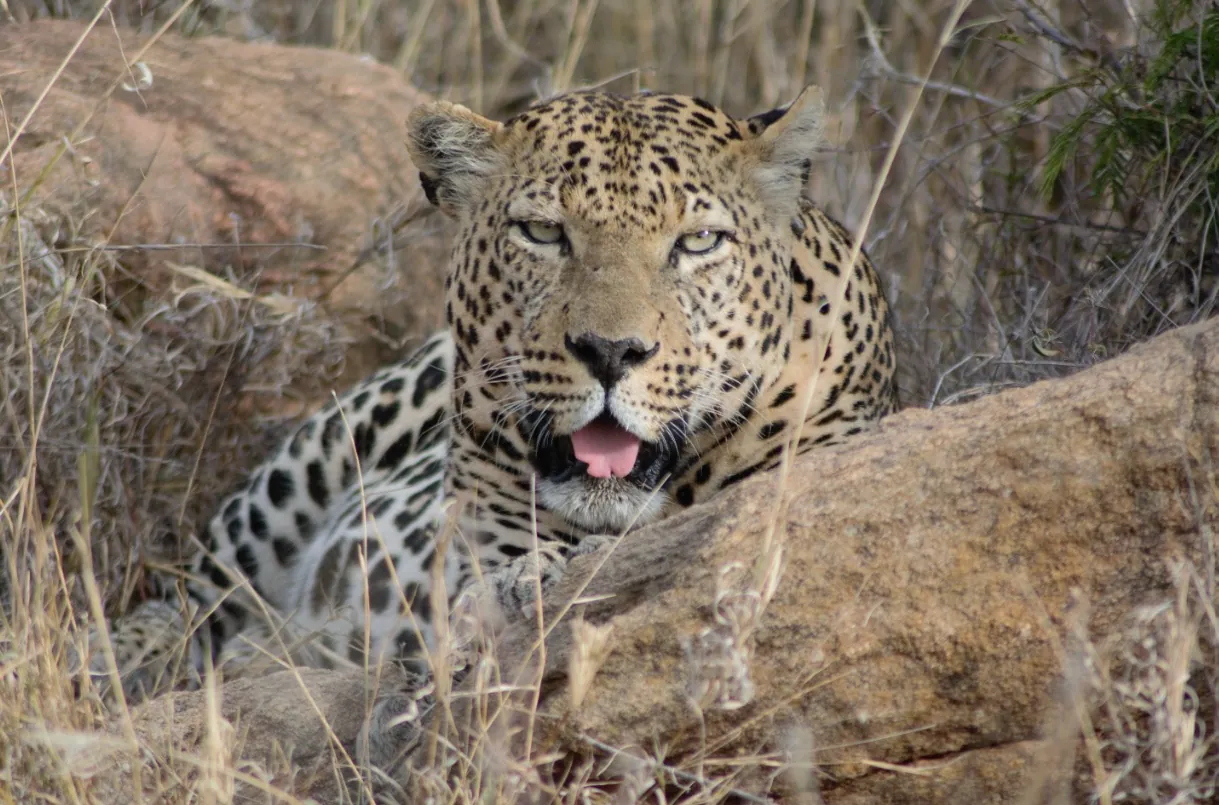
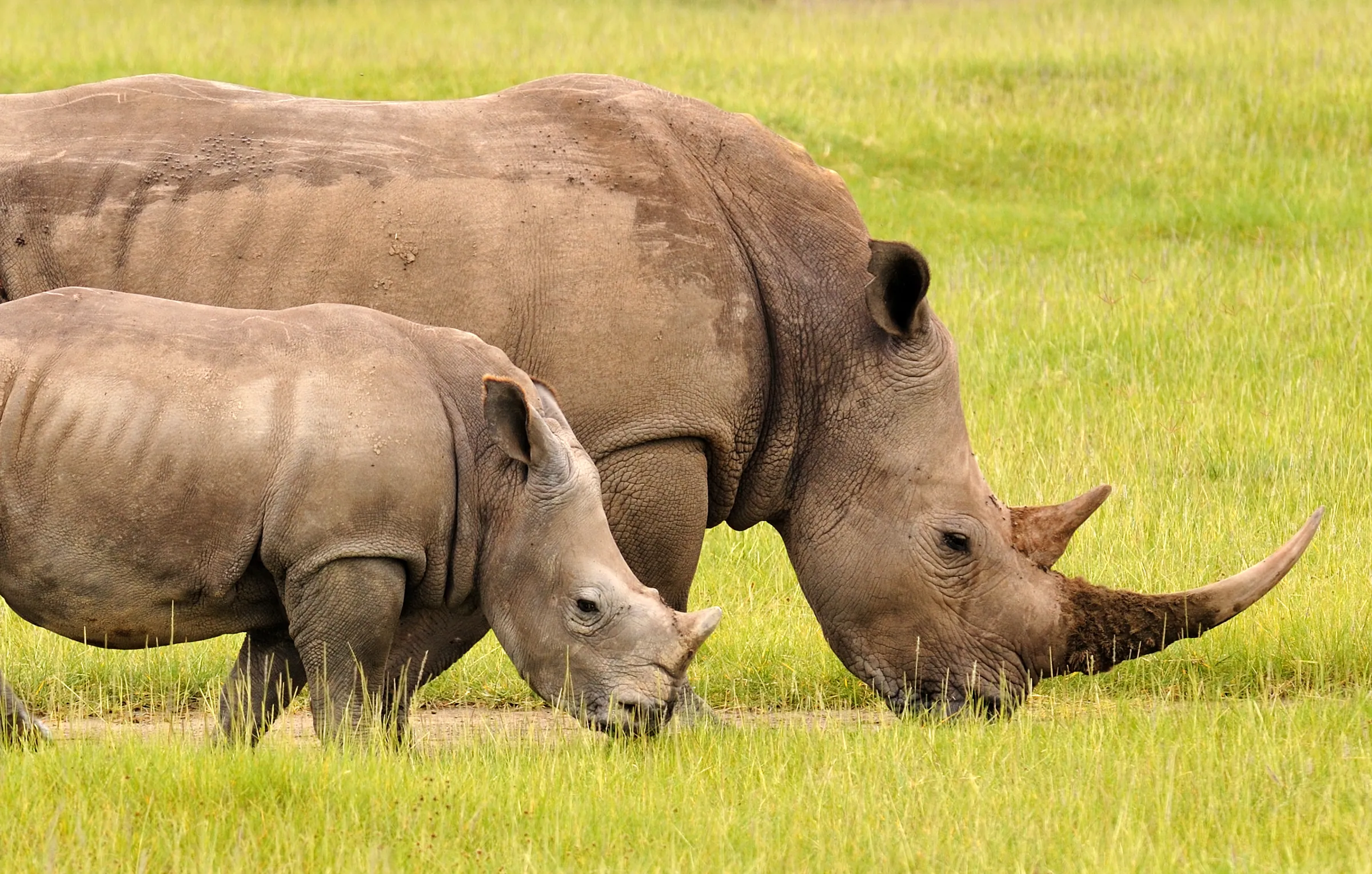
The trip begins in the best of the conservation north. Lewa Wildlife Conservancy, part of the Mount Kenya World Heritage Site, and Ol Pejeta both protect black and white rhinos. Samburu and Buffalo Springs, on the Ewaso Ng'iro river, have the northern species you will not see in the Mara: reticulated giraffe, Grevy's zebra, beisa oryx, gerenuk and the Somali ostrich, along with elephants and leopards. Four nights here make the trip worth it even before the desert.
Marsabit: a forest on a volcano
From Archer's Post the tarmac runs north across lava plains to Marsabit, a town on a forested volcano that rises out of the desert. Marsabit National Park has crater lakes, including Lake Paradise, mist in the mornings and elephants in the forest. It is the last place to fill fuel, water and supplies before Turkana.
Lake Turkana from Loiyangalani
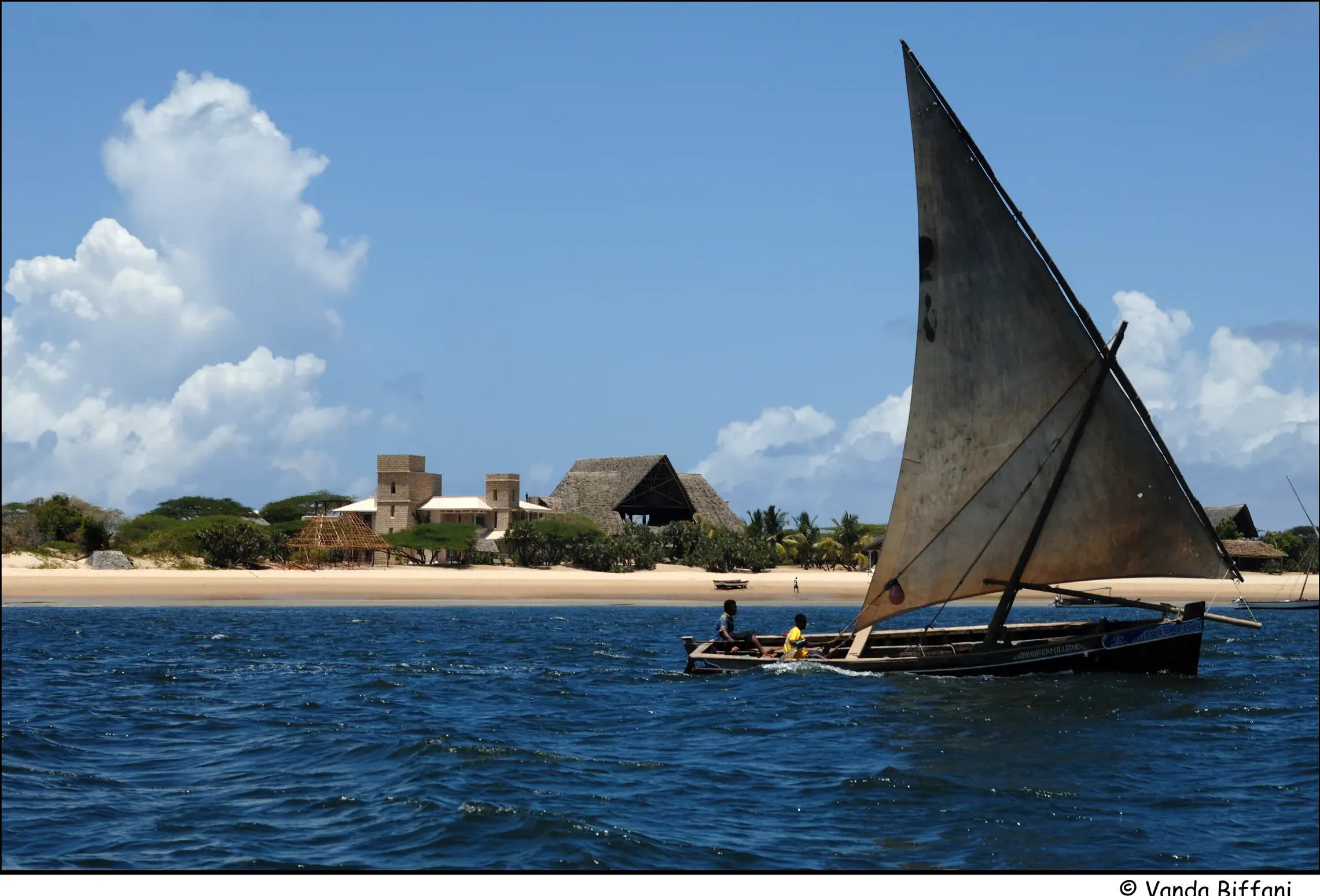
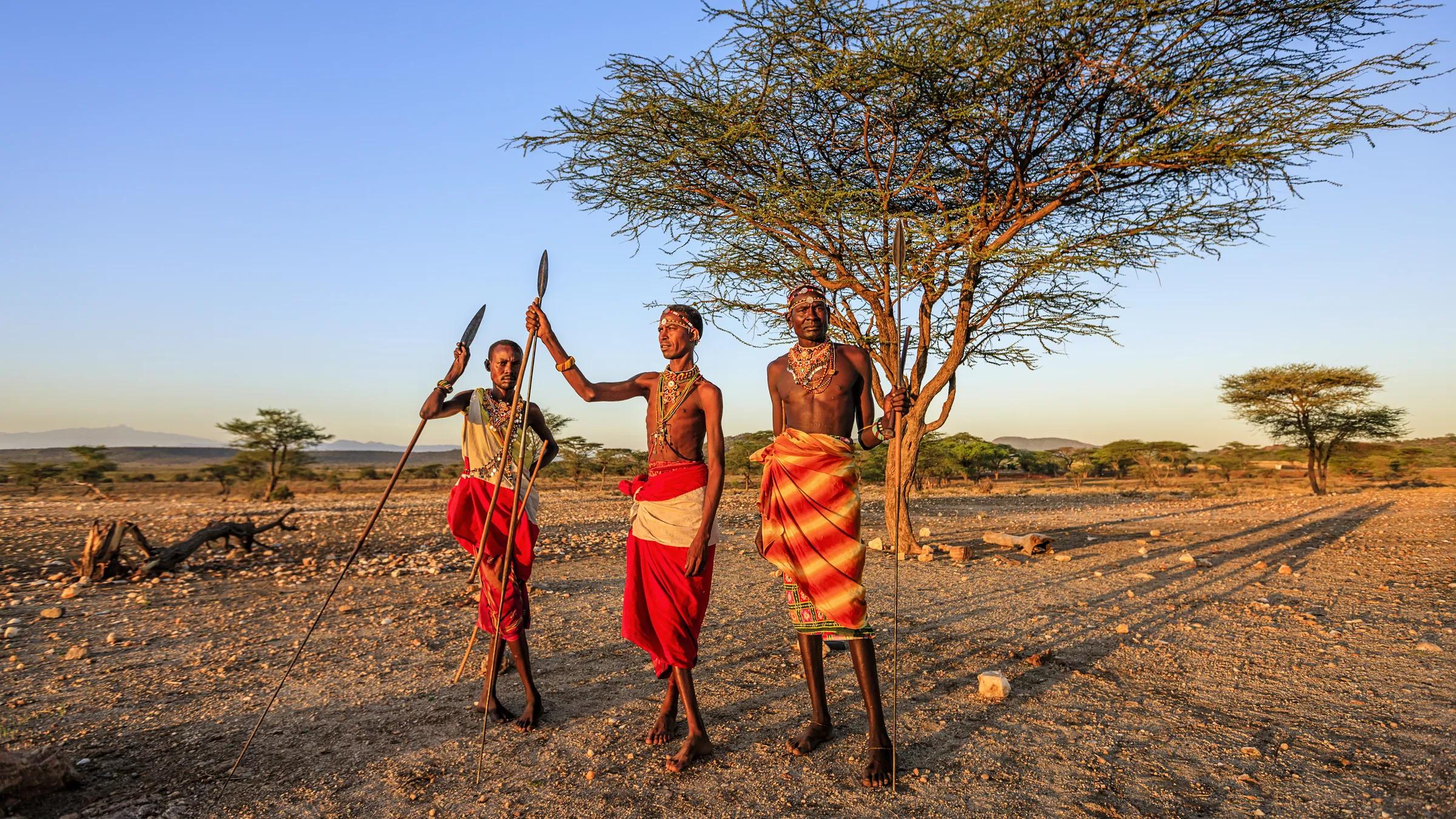
From Marsabit the road leaves the tarmac and crosses the southern edge of the Chalbi desert to Loiyangalani, a small oasis of springs and palms on the east shore of the lake. The water is jade-green, the wind is fierce, and the light is extraordinary. Turkana, Samburu, Rendille, Gabbra and the El Molo, one of Kenya's smallest communities, all live here. The Desert Museum of the National Museums of Kenya explains it, and boat trips toward South Island depend on the wind. One of Africa's largest wind farms stands on the approach, for the same reason the lake is hard to boat on.
Maralal and the road home
South from the lake, the road climbs through South Horr and Baragoi to Maralal in the Samburu highlands, cooler and green after the desert. From there we drop to Lake Baringo, with a spare day for the north's roads, which break vehicles and timetables alike.
Festivals worth timing
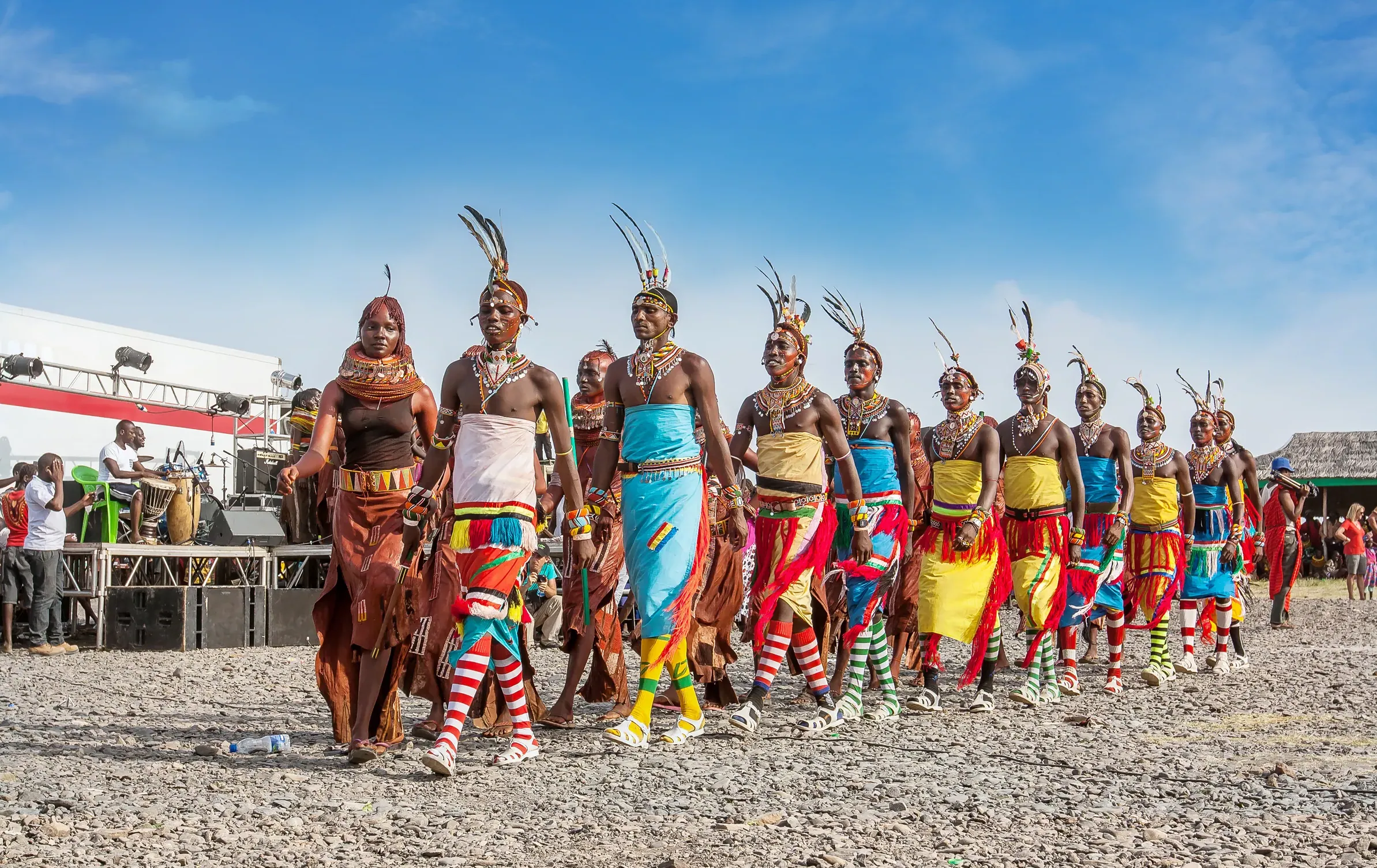
- The Lake Turkana Cultural Festival at Loiyangalani has usually been held in May or June, with dancers from the lake's communities; it has not run every year, so we confirm the dates with the organisers
- The Maralal Camel Derby has traditionally been held in August; it too has been irregular
When to go and what to expect
June to October and January to February are the best months: dry roads, and less punishing heat than March. The long rains of April and May can cut the desert roads for days. Expect daytime temperatures above 35°C at the lake, cold nights at Marsabit and Maralal, very long drives on rough tracks, and simple lodges or tented camps north of Samburu. If two long road days are too many, you can fly to Loiyangalani by charter and join the convoy there.
What is included
- Two 4x4 safari vehicles with experienced driver-guides, spare fuel, water and recovery kit
- Eleven nights in lodges and camps, full board north of Nanyuki
- Park and conservancy fees, local guides in Marsabit and Loiyangalani, and the Desert Museum
- A pre-departure briefing on the route and the roads, and our 24-hour support
What is not included
- International flights, the Kenya eTA, the inbound health insurance and travel insurance with evacuation cover, which this trip requires
- A charter flight to or from Loiyangalani, and the Sibiloi or west-shore extensions, unless you add them
- Tips, drinks and personal items
How to book
Tell us your dates, how comfortable you are with heat and simple camps, and whether Sibiloi or the west shore appeals. We check the roads, the camps and the festivals for your month, and send a written quote with every line. You can pay in full or monthly with no deposit.