Itineraries. Updated November 2026. 5 min read.
Most safari itineraries are built around beds: a lodge here, two nights there, a transfer in the middle of the morning. A photography safari is built around light. This route moves as little as possible, keeps you in the field from first light to the last, and puts you in a vehicle set up for cameras, in places where the rules let your guide position you properly.
In two sentences: two nights in Amboseli for elephants under Kilimanjaro at dawn, four nights in a Mara conservancy with a private photographic vehicle, off-road and night drives, and two nights in the Mara Triangle for the river crossings in season. It starts at about $5,500 per person sharing with a private vehicle, and it is a sample route we tailor, not a fixed departure. For settings, lenses and technique, our safari photography tips and safari gear guides are the companions to this page.
Who this suits
- Keen amateur and professional photographers who want time at sightings, not a tick-list
- Couples where one person shoots and the other is happy to sit still for an hour at a leopard tree
- Small groups of photographers sharing one vehicle, up to three so everyone has a window
- Videographers who need the engine off and the vehicle steady
What changes on a photography route
- Fewer moves: three bases in nine nights, so no morning is lost to a transfer
- Long drives: out before sunrise, a packed breakfast and lunch, back after sunset, so you are never driving home in the best light
- Your own vehicle: you decide how long to stay at a sighting, and nobody else's schedule moves you on
- Conservancy rules: off-road driving to position for light and background, within the conservancy's limits, and night drives
- Time at the river: two full days near the crossing points, with the patience a crossing needs
The vehicle
| Feature | Why it matters |
|---|---|
| Private use for your group | You set the pace and the time at each sighting |
| Bean bags on every window rail | The steadiest support for a long lens in a vehicle |
| Open or drop sides | Lower, more natural angles than shooting through a roof hatch |
| Charging points | Batteries charge between sightings; bring your own cables |
| One row per photographer | Room to swing a 600 mm lens without hitting a neighbour |
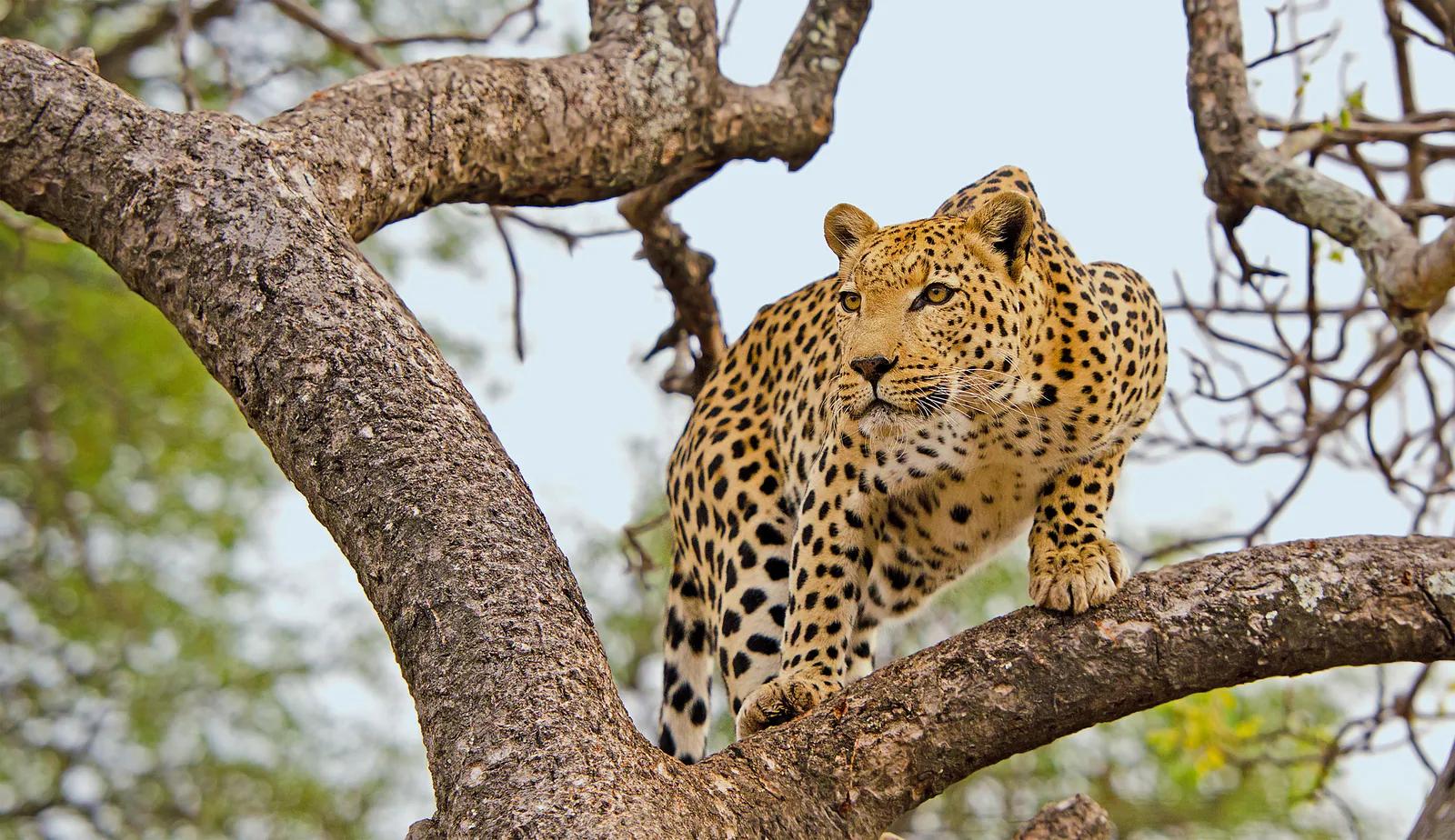
| A guide who knows photographers | He turns the engine off without being asked and positions for light, not just distance |
Why these places, in this order
| Place | The light | What to shoot |
|---|---|---|
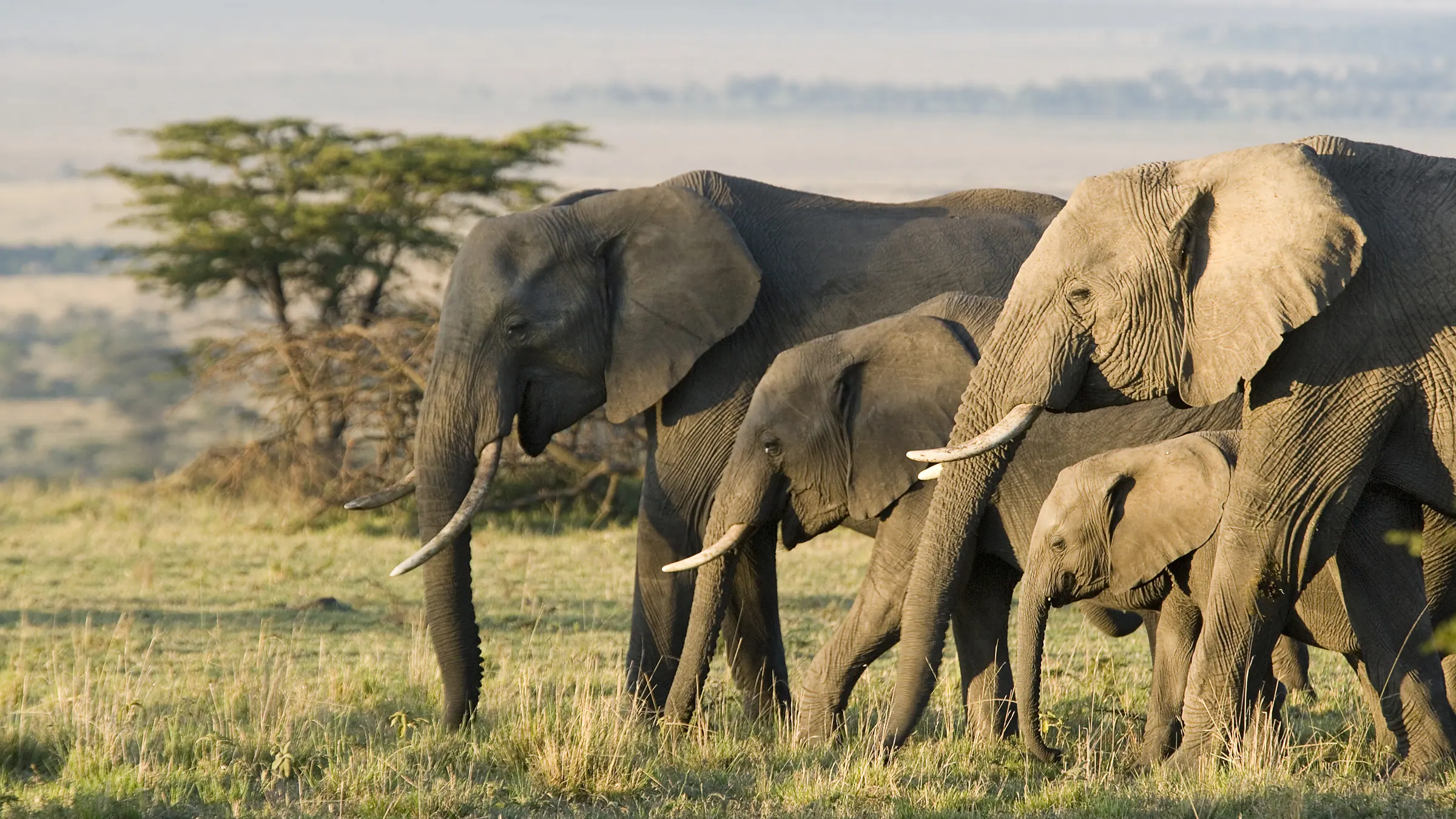
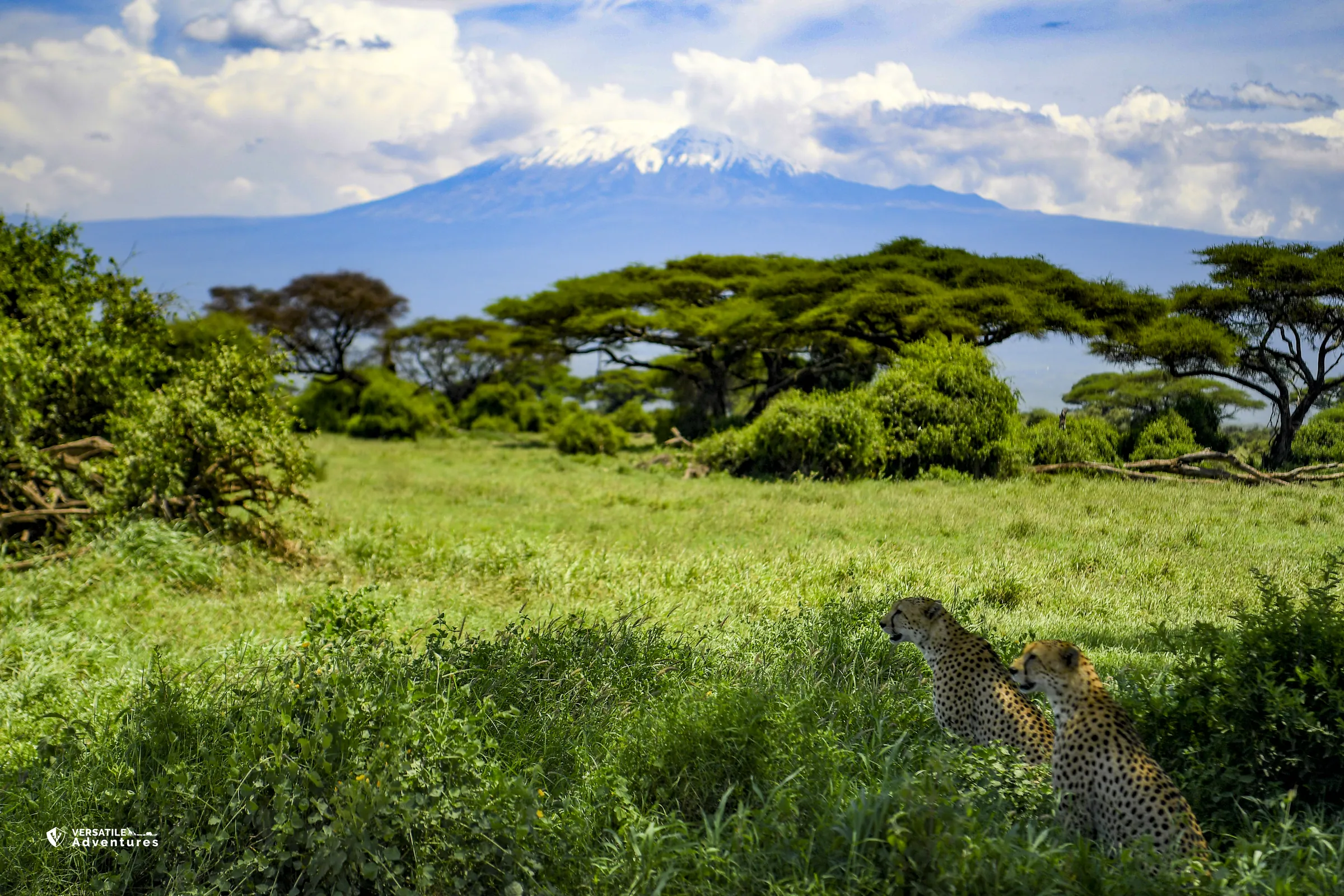
| Amboseli | Dawn and dusk, when Kilimanjaro is usually clearest | Elephant herds with the mountain behind; backlit dust in the dry months |
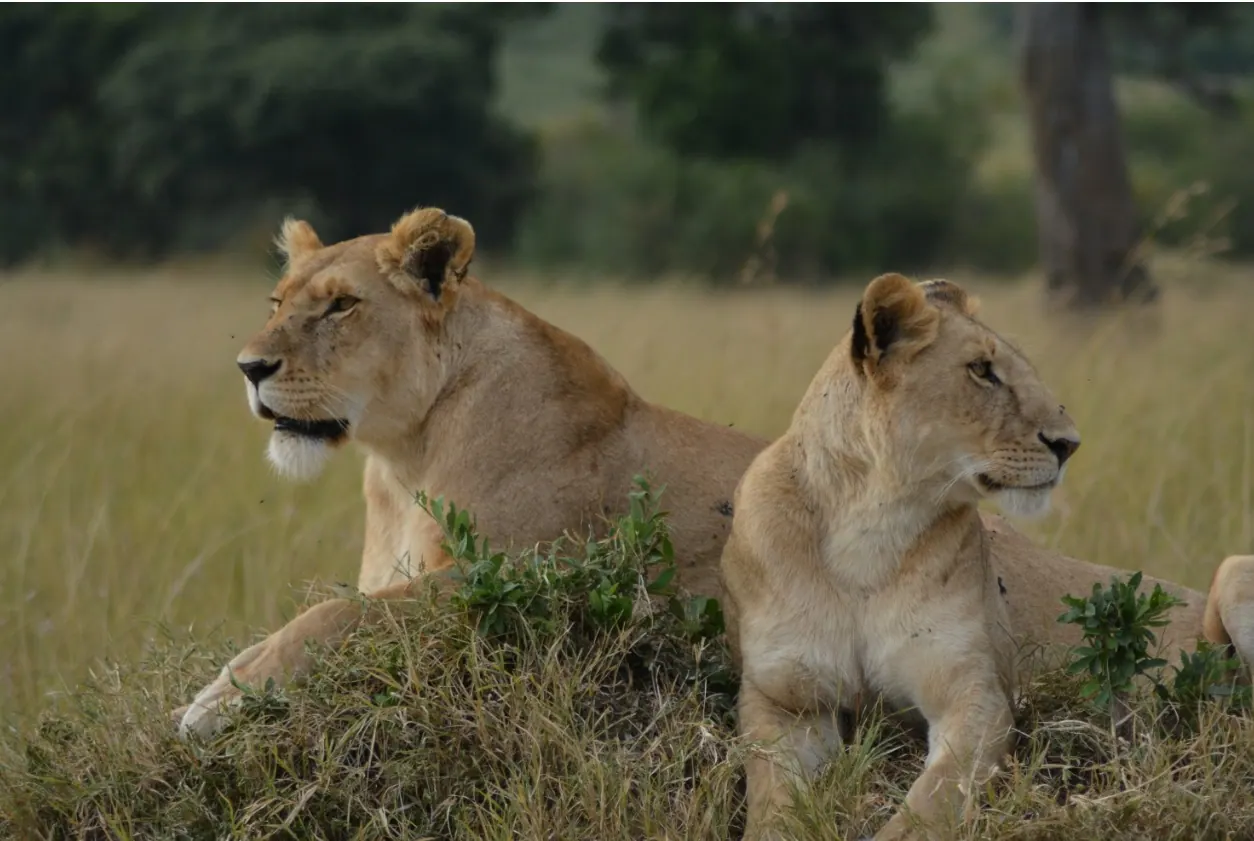
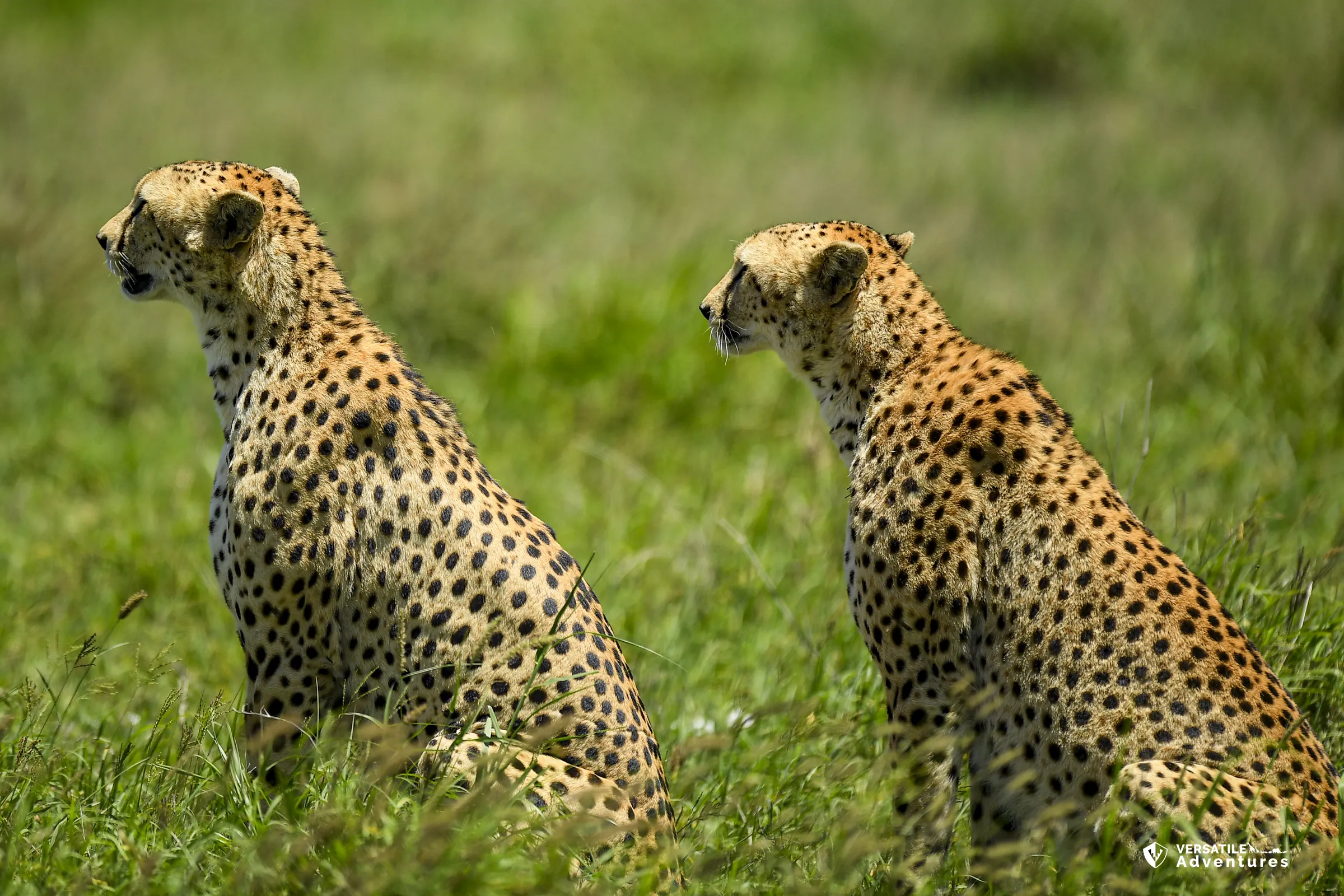
| Mara conservancy | Low golden light on open grass, and darkness for night drives | Big cats, close portraits from low angles, nocturnal animals |
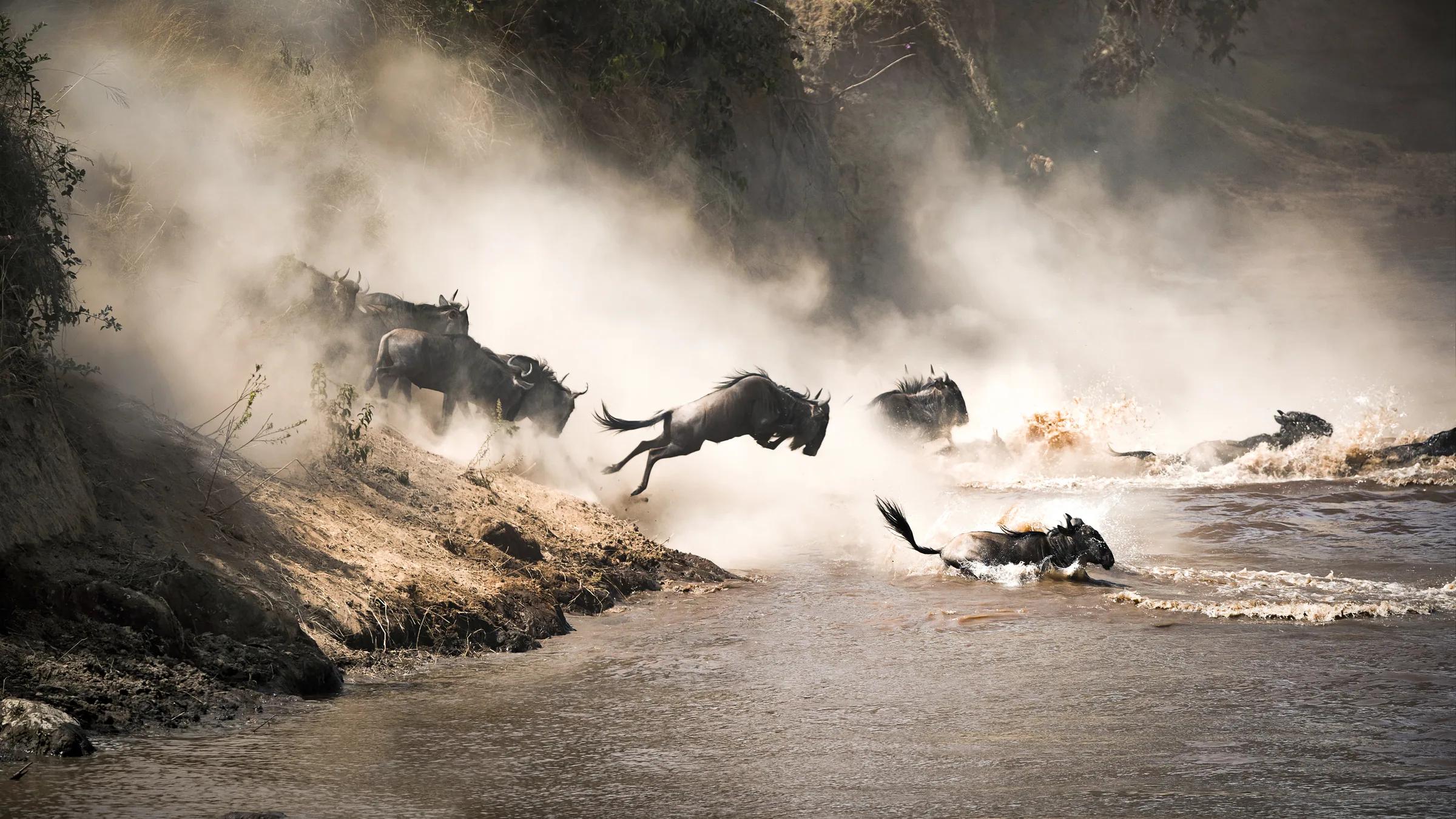
| Mara Triangle | Early morning on the river; harsh by midday | Crossings, crocodiles, and herds on the bank |
Amboseli comes first because the mountain is the hardest shot to get, and two dawns give you two chances. Amboseli is a national park, so vehicles stay on the tracks; the elephants come to you on the swamps. Then the conservancy, where four nights let you learn a territory and return to the same leopard or cheetah in different light. The Triangle comes last for the river, where vehicles stay on the tracks and rangers place them at crossings.
Birders and anyone who wants flamingos and pelicans can add a night at Lake Nakuru or Lake Naivasha between Amboseli and the Mara, which turns this into an 11-day trip.
The 15 kg problem and how we solve it
Safari flights from Wilson allow about 15 kg per person in a soft bag, camera bag included. A pro body, a 600 mm lens and a laptop can weigh most of that alone. The fixes: buy an extra seat on the scheduled flight, which some airlines sell as a freight seat for your gear, or charter the plane for longer legs. We book the extra seat as part of the trip, and our luggage page explains the rules in full.
Rules that shape your pictures
- No off-road driving in Amboseli or the Mara reserve, including the Triangle; conservancies allow it within their own rules
- Night drives only in conservancies, not in the national parks or the reserve
- Drones are banned in the national parks and need a licence anywhere else in Kenya, so leave yours at home
- Ask before photographing people, accept a no, and pay where a community sets a fee
- Keep the distances your guide sets; a good photograph is never worth pushing an animal
When to go
July to October gives you the migration and the crossings, with dust that makes dramatic backlight in Amboseli; it is also the most expensive and busiest season, which is why the conservancy matters. January and February are dry, with clean air, clearer skies over Kilimanjaro and fewer vehicles. November and December are green and fresh after the short rains, with dramatic storm skies. April and May are the long rains: muddy, with some camps closed.
A photographer-guide, if you want one
Every guide on this trip knows how to position for photographers. If you want more, we can add a professional photographer-guide who rides with you, helps with settings in the field and reviews your images in the evenings. It is the best way to improve fast, and it raises the price.
What is included
- Airport pickup and a night in Nairobi
- A private photographic vehicle and driver-guide in Amboseli and the Mara
- Flights between Wilson, Amboseli and the Mara, including one extra seat for gear per photographer
- Nine nights, full board on safari, with packed breakfasts and lunches for long drives
- Park, reserve and conservancy fees, and night drives in the conservancy
- Our 24-hour support while you travel
What is not included
- International flights, the Kenya eTA, the inbound health insurance and travel insurance with cover for your equipment
- A professional photographer-guide or a hide, unless you add them
- The balloon flight, tips, drinks and personal items
How to book
Tell us your month, how many photographers are in your group and what you most want to shoot. We pick the conservancy and the camps for that, book the extra seats and send a written quote with every line. You can pay in full or monthly with no deposit.