Planning a safari. Updated November 2026. 5 min read.
Buy the binoculars before the lens. A $150 pair of 8x42s will change every game drive. A second camera body will change about three photographs.
The short answer: bring one good pair of 8x42 binoculars per person, a camera with a 100-400 or 150-600 zoom if you want wildlife photos beyond what a phone can do, a bean bag, two batteries per camera, a power bank, a Type G adapter and something to keep the dust out. Fit it into a soft bag, because light aircraft to the parks allow 15 kg each including hand luggage. Everything else on this page is detail. For clothes and the full packing list, see what to wear in Kenya and our what to pack checklist; this page is only about optics, cameras and power.
Binoculars first
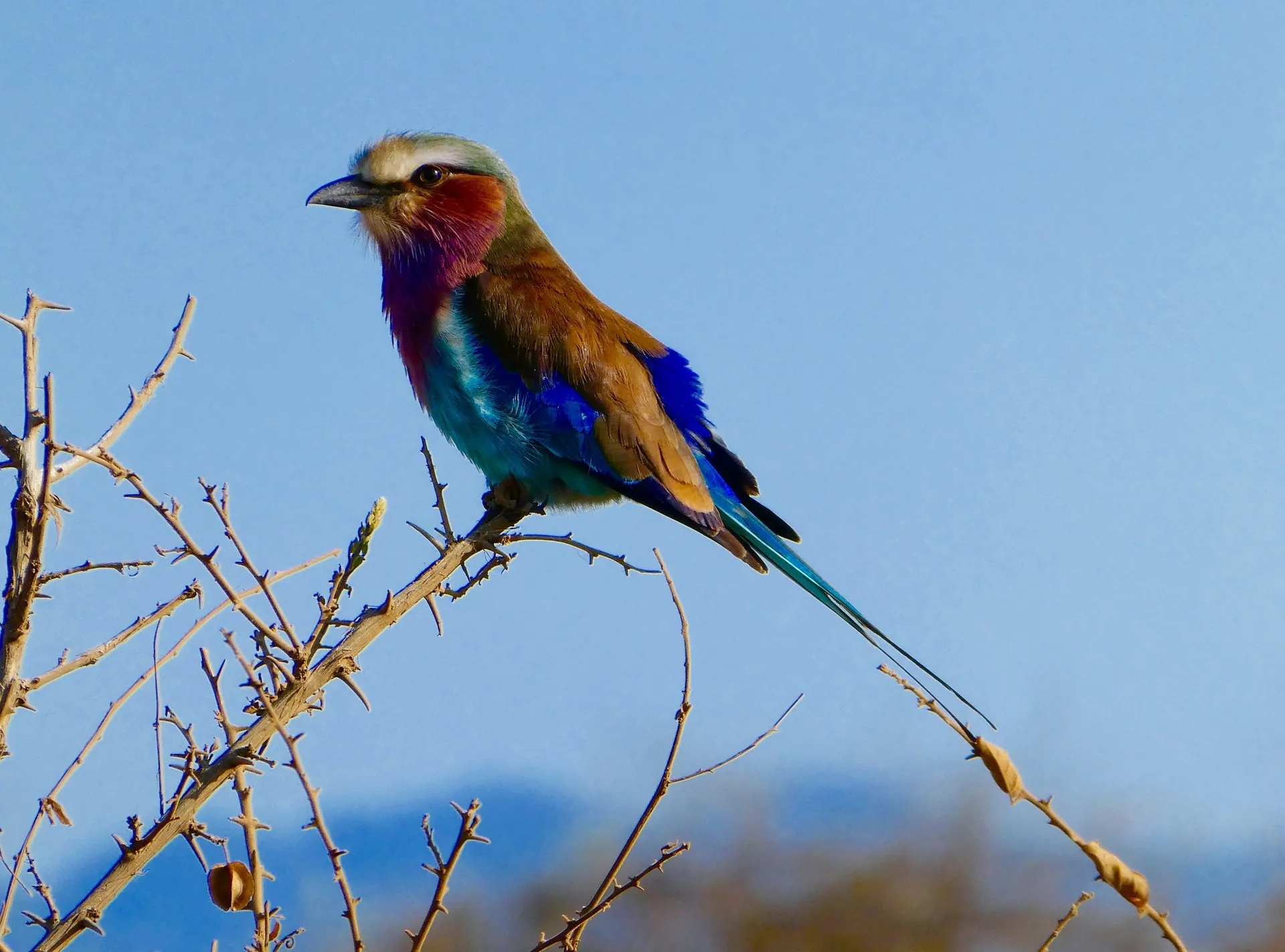
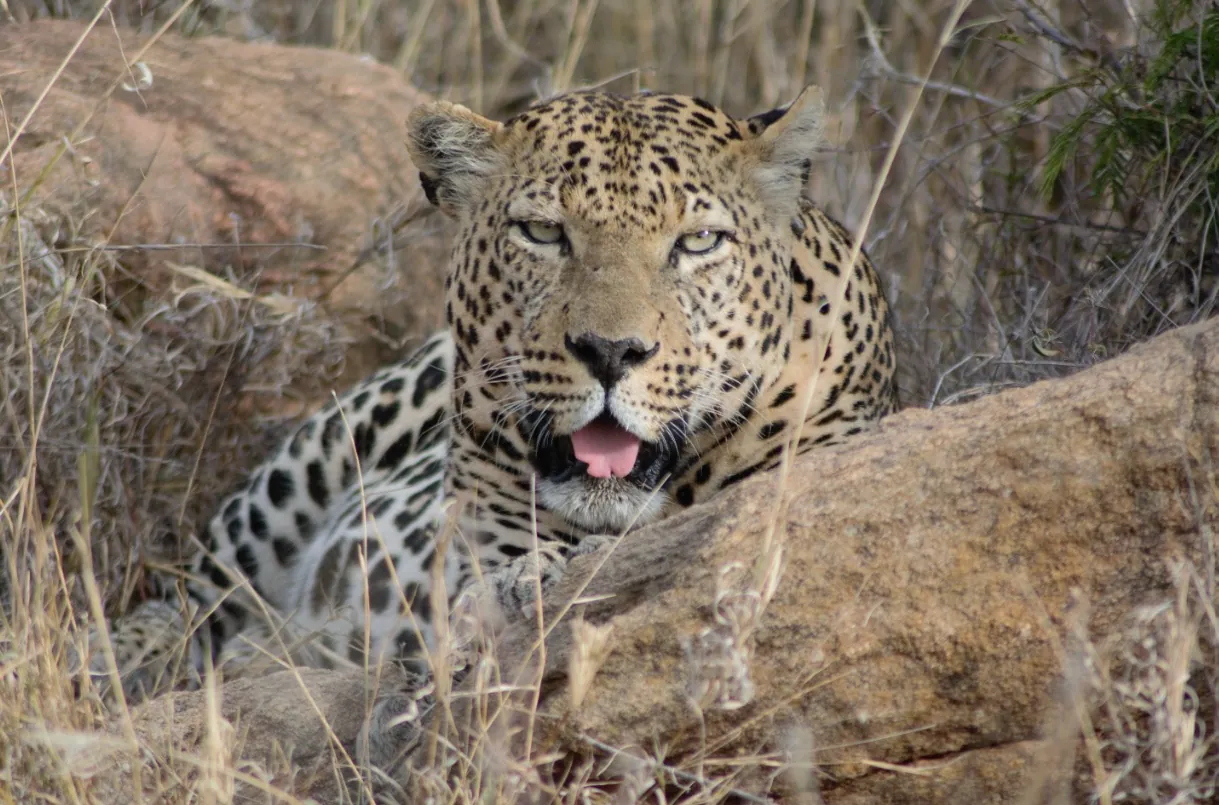
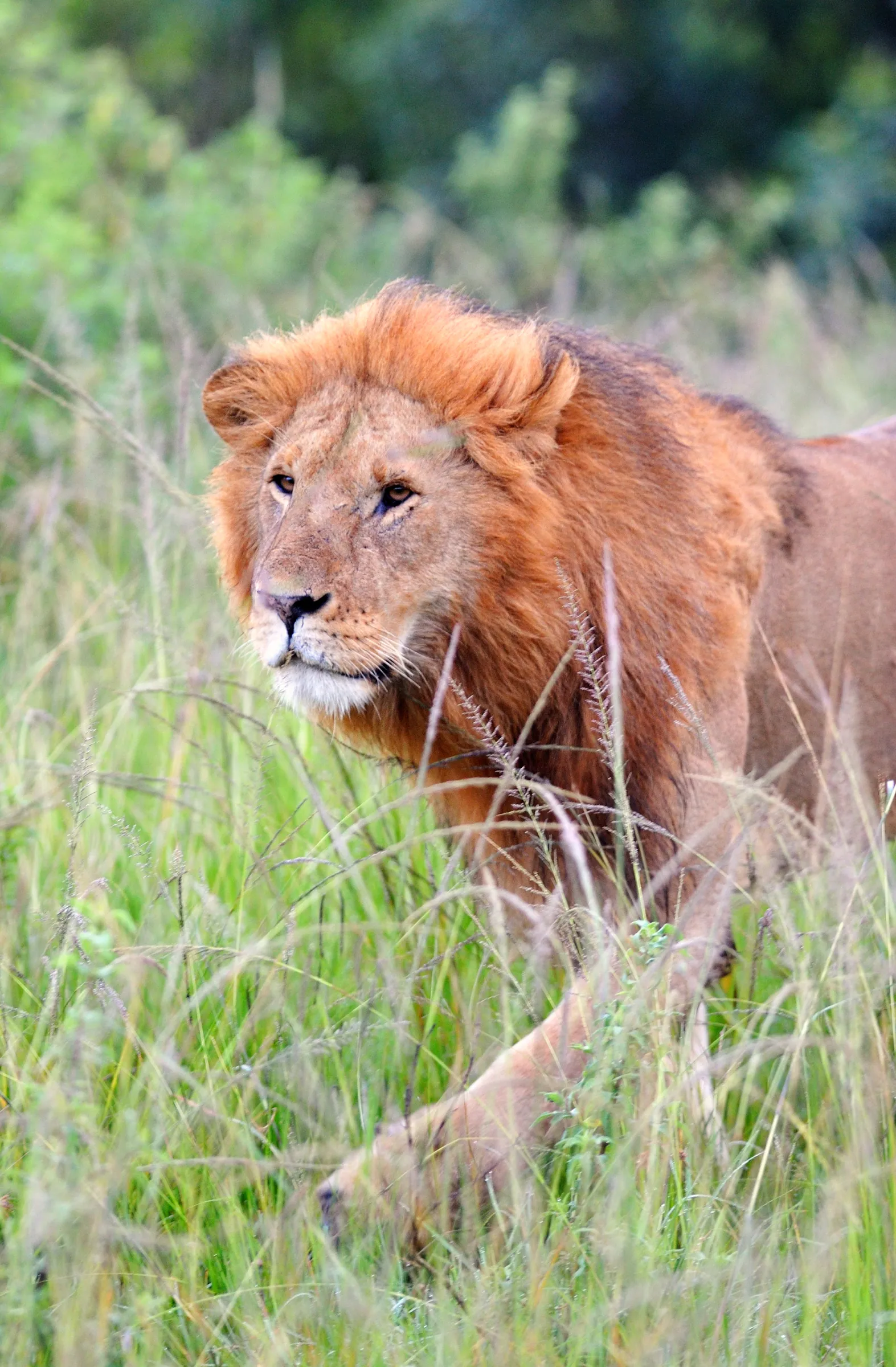
Binoculars are how you see the leopard's tail hanging from the fig tree, the lion's scar, the bee-eaters on a branch. Guides carry their own, but one pair for a whole vehicle means you see a fraction of each sighting. Camps rarely lend good ones. One pair per person, not per couple, is the single best gear decision you can make.
| Spec | What it means | Our view |
|---|---|---|
| 8x42 | 8 times magnification, 42 mm front lenses | The safari standard: a wide view, bright at dawn and dusk, steady in a moving vehicle |
| 10x42 | More magnification, the same brightness | For birders with steady hands; harder to hold still |
| 8x32 | Smaller and lighter | A good second choice if weight matters; a little dimmer at dusk |
| 12x and above | High magnification | Too shaky to hold in a vehicle; avoid |
| Under 30 mm objective, such as 10x25 | Pocket compacts | Dim, narrow and tiring for hours of use; avoid |
How much to spend depends on how much you will use them after Kenya. At the entry level, look for a waterproof, fog-proof, roof-prism 8x42 from a mainstream optics maker; around the $150 mark there are good ones. At the middle level, pay for low-dispersion (often labeled ED or HD) glass and better coatings: sharper edges and more color in poor light. At the top, the premium makers give the brightest view at dusk and are built to last decades. Try a pair in a store before you buy; comfort with your glasses on matters more than the brand.
Three camera kits
| Kit | What is in it | Who it suits |
|---|---|---|
| Phone-plus | A recent phone with optical zoom steps, a power bank, a spare charging cable and your binoculars | Most travelers. Skip the clip-on telephoto lens: it is mostly a gimmick. Your guide's binoculars held to the phone do the job better |
| Enthusiast | A mirrorless or DSLR body with a 100-400 zoom, or a 70-200 with a 1.4x converter as the lighter option, plus the phone for wide shots | Travelers who want sharp wildlife photos without a heavy bag |
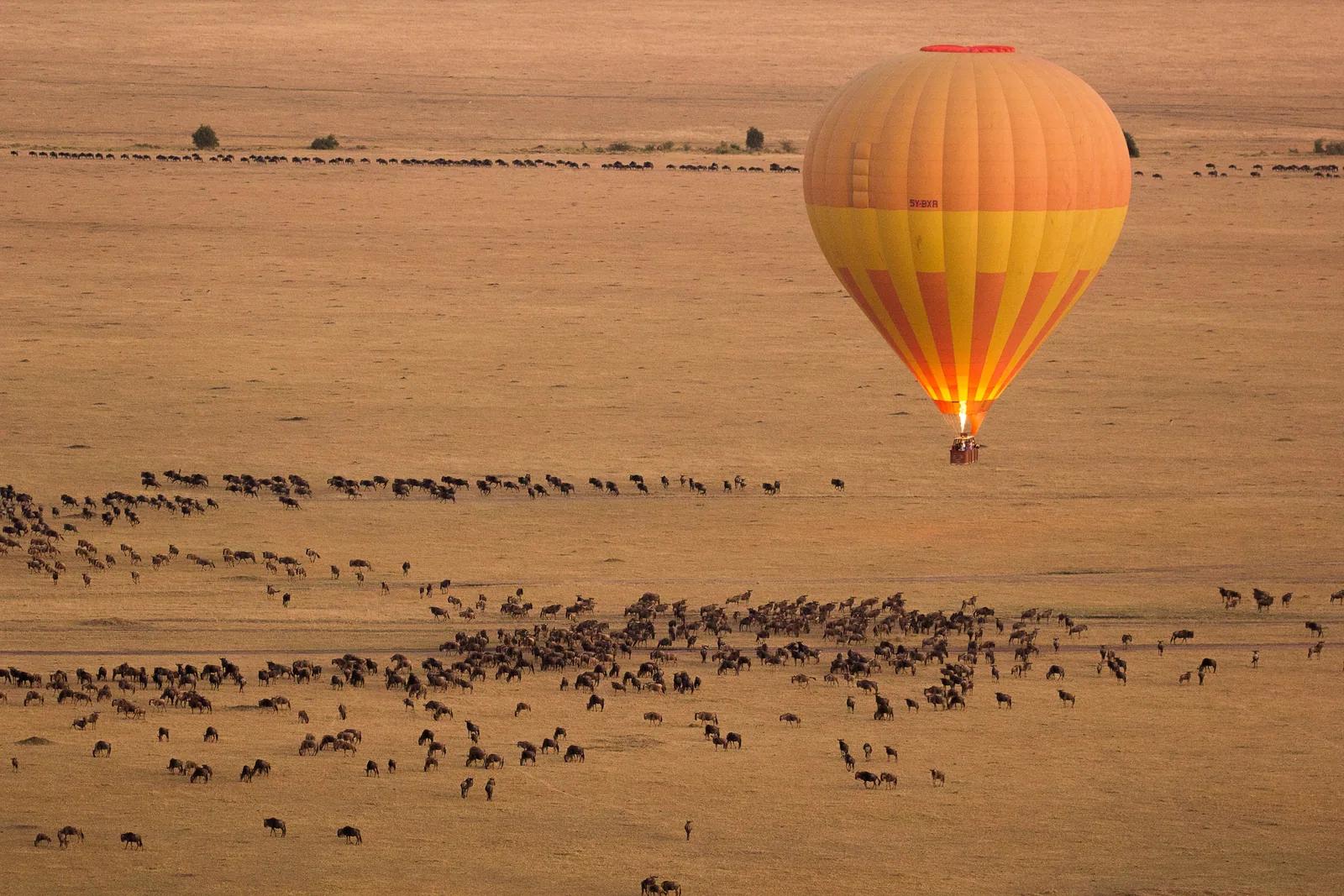
| Serious | A body with a 150-600 or 200-600, a second body or a 24-70 for wide shots, and a fast 24 to 35 mm lens for night skies and the balloon | Photographers who will shoot all day. A 150-600 and a body weigh about 3.5 kg together |
A mirrorless or DSLR body with a 100-400 or 150-600 covers about 90 percent of safari photographs. If you already own a camera, spend on the lens or the binoculars before a new body. For how to use the kit, see our safari photography tips.
Support: the bean bag beats the tripod
In a vehicle, a tripod has nowhere to stand and passes on every shudder of the engine. A bean bag laid on the window rail or the edge of the pop-top roof holds a long lens steady and molds to any angle. Bring it empty and fill it with rice or dried beans from any Nairobi supermarket on the first day, then empty it before you fly home. On a walking safari, where you cannot rest on a vehicle, a monopod is the better support.
Power and charging
- Two batteries per camera body, at least. Cold dawns and long days drain them
- A power bank for your phone, charged every night
- A multi-port USB charger, so one socket charges everything
- A Type G adapter: Kenya uses the U.K.-style three-pin plug at 240 volts. Our plugs guide has the detail
- Ask your camp where and when you can charge. Many safari vehicles also have charging points; ask your operator
Dust and weather
Dust is the enemy of every camera and lens on a Kenyan safari, especially in the dry months. It gets into zoom barrels, onto sensors and across phone lenses. Plan for it, and plan for rain in the wet season.
- A buff, scarf or pillowcase over the camera between sightings
- Lens cloths and a blower brush; clean every evening
- Change lenses inside the vehicle with the windows closed
- A rain cover for the camera and lens in the wet season, or at least a large plastic bag
- Silica gel packs in the camera bag to fight humidity, especially at the coast
- Zip-lock bags for phones, cards and batteries
The 15 kg problem
Light aircraft to the Mara, Amboseli, Samburu and Laikipia usually allow 15 kg per person in a soft bag, and that includes your hand luggage and camera bag. A body and a 150-600 lens alone weigh about 3.5 kg, close to a quarter of the allowance. Our safari flight luggage guide covers the rules and the options for extra weight. On a road safari there is more room, but soft bags still pack better in a Land Cruiser.
- Pack camera gear in a soft padded camera cube inside your duffel, not in a hard case
- Carry a small daypack in the vehicle for the camera, binoculars, a layer and water
- Choose one long lens, not two
- Leave the laptop in Nairobi if you can, and back up to a small drive or a phone
- Children get the same allowance as adults, which helps families share the load
Rent or buy?
Unless you will use a long lens again, renting usually wins. Renting a 200-600 for ten days costs less than buying one, and U.S. rental services ship nationwide, so the lens can arrive at your door the week you fly. Nairobi has camera shops that rent long lenses too, but stock is limited: ask us before you rely on one, and book ahead in July to October and December. Check that your travel insurance or the rental agreement covers the gear abroad.
A packing checklist for optics and power
- Binoculars, 8x42, one pair per person, with a comfortable strap
- Phone, with plenty of free storage
- Camera body and one long zoom, if you are bringing a camera
- A wide lens or the phone for landscapes and camp
- Two or more memory cards and a way to back up each night
- Two batteries per body, a power bank and a multi-port charger
- A Type G adapter
- An empty bean bag
- A buff or cover for dust, lens cloths, a blower and silica packs
- A rain cover in the wet season
- A soft camera cube and a small daypack
- Your headlamp, for the walk back to your tent after dark