Itineraries. Updated November 2026. 5 min read.
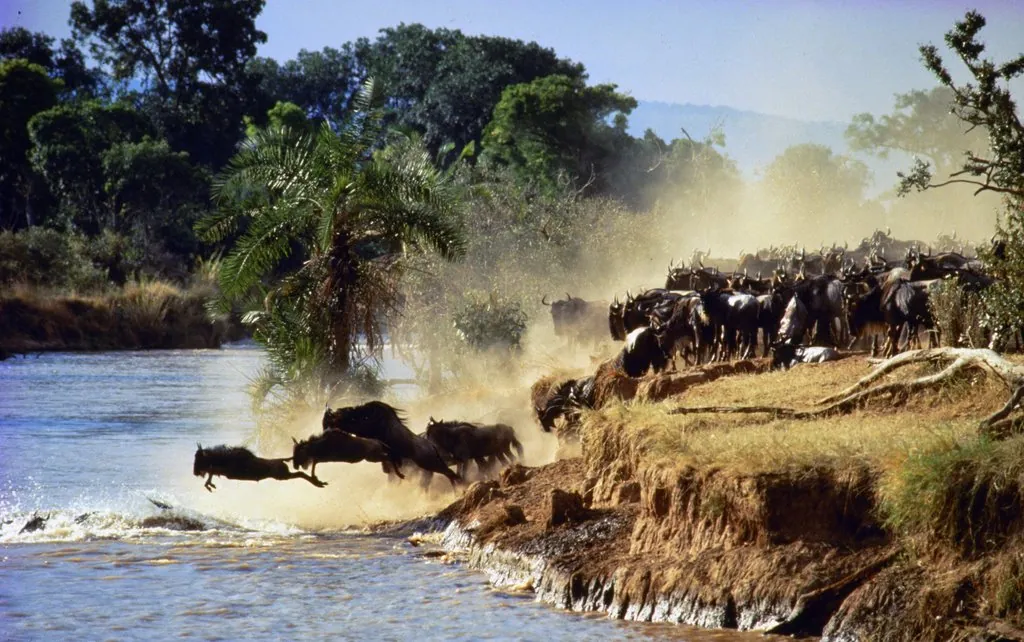
Our Great Migration guide and the Mara month pages tell you when the herds are where. This page is the route that puts you there: the bookable version, with the camps, the order and the fees. It splits six nights between two very different parts of the Maasai Mara, because the best place to watch the herds is not the best place to watch them cross.
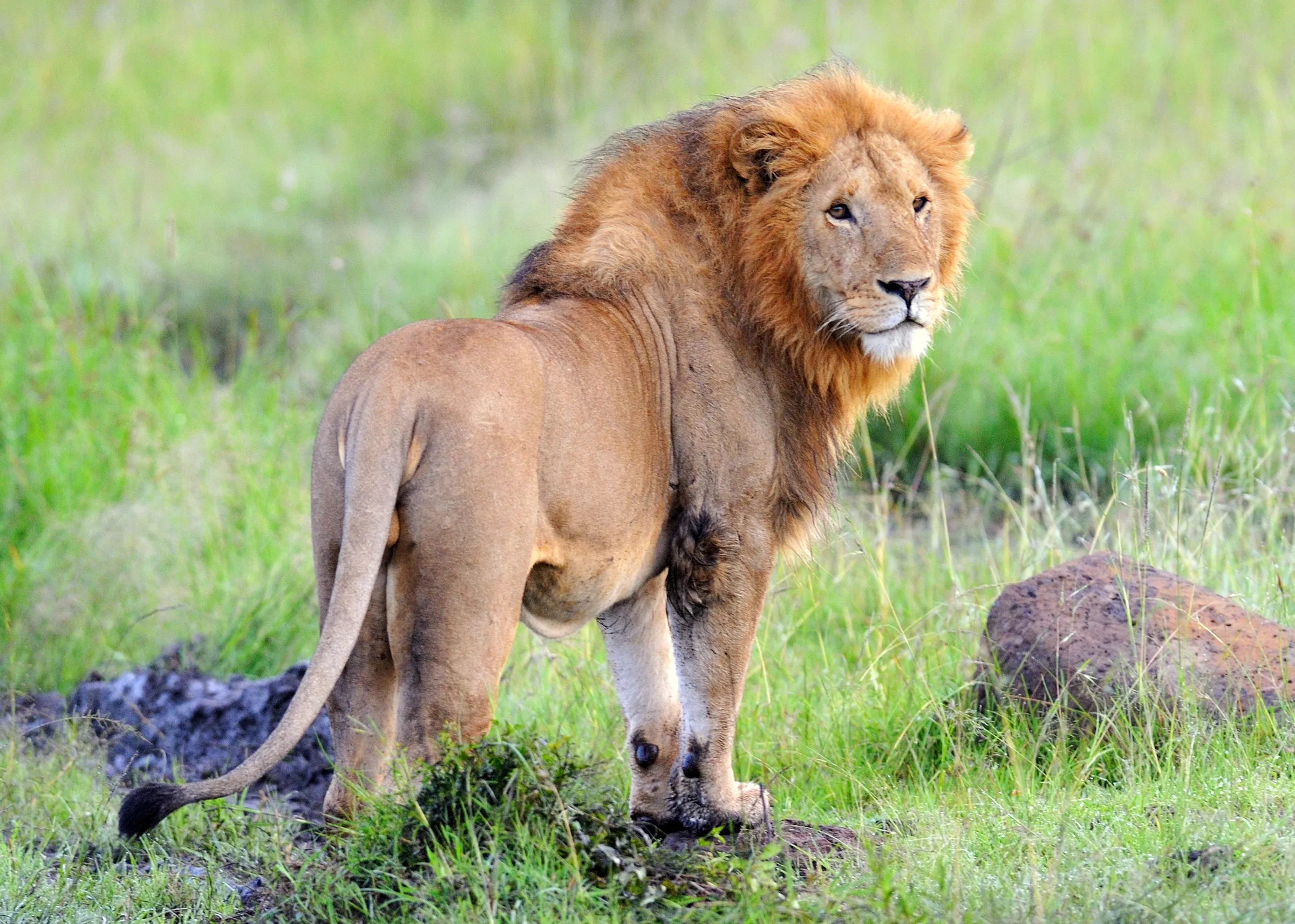
In two sentences: three nights in a private conservancy north of the reserve, such as Mara North or Olare Motorogi, for the herds on the plains with few other vehicles; then two nights in the Mara Triangle, on the river's west bank, for the crossings. It starts at about $4,200 per person sharing in mid-range camps with flights from Nairobi, and it is a sample route we tailor to your dates, not a fixed departure.
Why two stays, not one
| Mara conservancy | Mara Triangle | |
|---|---|---|
| What it is best for | Herds on the plains, big cats, walks and night drives | The Mara River crossings |
| Vehicles | Capped by the conservancy; often yours alone at a sighting | More vehicles at the river when a crossing is on; well managed by rangers |
| Off-road and night drives | Allowed under conservancy rules | Not allowed; you stay on the tracks |
| Fee | $80 to $120 per adult per night, inside the camp rate | The reserve fee, $200 per adult per day from July to December |
| Examples from our notes | Camps in Mara North or Olare Motorogi | Mara Serena in the Triangle, or Angama Mara on the escarpment above it |
The conservancy comes first so your first days are calm: long sightings, a guided walk with a Maasai guide, a night drive for hyenas and bush babies, and no queues. Then you move to the Triangle, where the crossing points are close to camp and you can be at the river at dawn. Our conservancies page explains how the model works and who gets paid.
Which month to book
| Month | What usually happens | Read more |
|---|---|---|
| July | The first herds arrive from the Serengeti, often late in the month; first crossings | The Maasai Mara in July |
| August | The herds are spread across the Mara; crossings most days somewhere; the busiest month | The Maasai Mara in August |
| September | Herds still in the Mara, crossings in both directions, dry and warm | The Maasai Mara in September |
| October | The herds start back south; crossings thin out; fewer vehicles | The Maasai Mara in October |
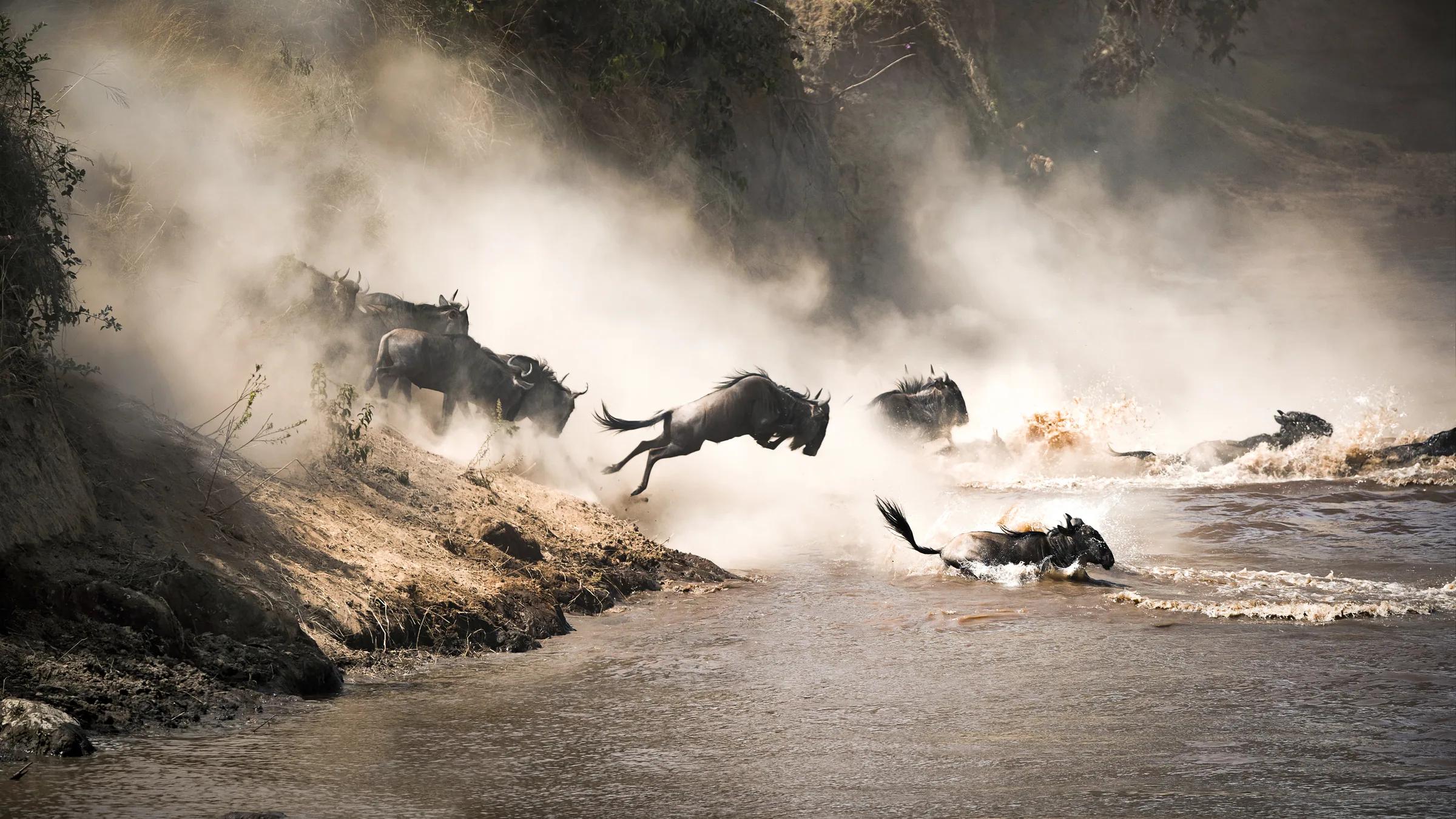
We do not promise a crossing on any given day, and nobody honest can. What we can do is put you within a short drive of the crossing points for two full days, in the months when crossings are most frequent. Our river crossings page maps the points by name, from the Lookout and Purungat crossings in the south to Serena crossing near the Triangle's camps.
How a crossing day works
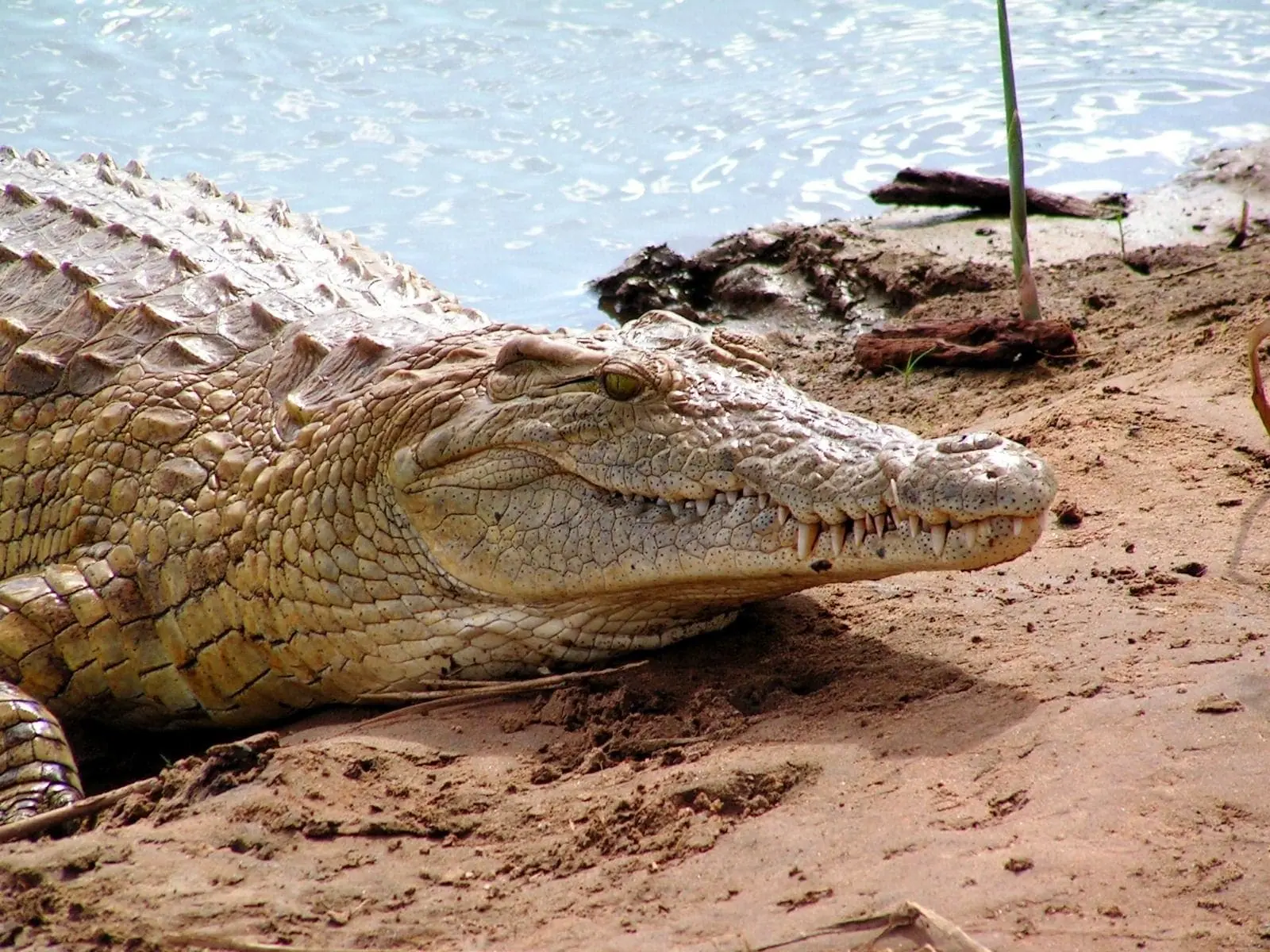
Your guide reads the herds the evening before: a long column massing near the bank is a good sign. We leave camp at dawn with breakfast and lunch in the vehicle and find the herd. Then we wait, sometimes for minutes, often for hours, parked back from the bank where the rangers place vehicles so the animals are not pushed away from the water. When the first wildebeest commits, the rest follow, and a big crossing can run for twenty minutes or more, with crocodiles in the water. Keep your engine off and your voice down, and remember that a herd that turns back is part of the show. Our game drive etiquette guide covers the rest.
Fees and what moves the price
| Item | At the time of writing | Our note |
|---|---|---|
| Maasai Mara reserve fee | $200 per adult per day, July to December | Charged on the Triangle nights; not on conservancy nights unless you drive into the reserve |
| Conservancy fee | $80 to $120 per adult per night | Usually inside your camp rate |
| Return flights, Wilson to the Mara | About $300 to $450 per person | Soft bags only, about 15 kg each |
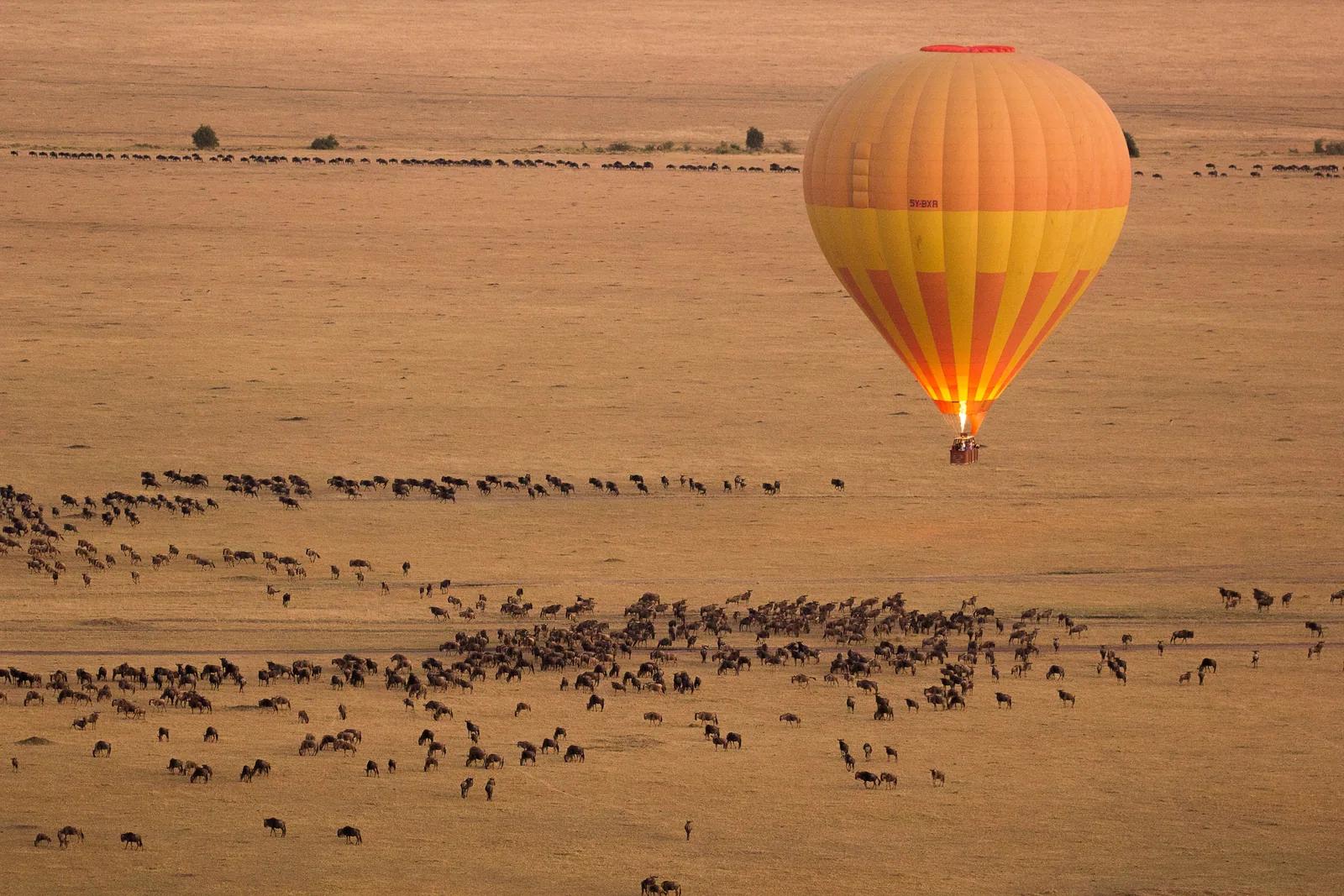
| Hot-air balloon | About $450 to $550 per person | Optional, booked ahead in peak season |
Migration season is the most expensive time in the Mara: the reserve fee doubles on July 1 and camps charge their highest rates. The single biggest saving is October, when crossings are fewer but rates and crowds both fall. Our Mara July vs October comparison weighs the two.
Book 9 to 12 months ahead
The small camps in the best conservancies and on the Triangle's river bank have few tents and fill first for August and September, often a year out. If you are reading this in the autumn for next summer, you are on time. If you are reading it in the spring, ask us now and stay flexible on the camp.
Add the Serengeti for the northern crossings
Across the border, the Serengeti's Kogatende area sees crossings of the same river in the same months. Adding it means a second country: a Tanzania visa of $100 for Americans, a yellow fever certificate when you arrive from Kenya, Tanzania's park fees, and either a road transfer through the Isebania border or flights via Arusha. It turns a 7-day trip into 10 or more. Our Mara vs Serengeti guide helps you decide whether it is worth it.
What is included
- Airport pickup and a night in Nairobi
- Flights from Wilson to the Mara and back, and the transfer between the two camps
- Six nights, full board in the Mara, with game drives in shared or private vehicles depending on the camp
- Conservancy fees and the Mara reserve fees for the Triangle nights
- Guided walks and night drives in the conservancy
- Our 24-hour support while you travel
What is not included
- International flights, the Kenya eTA, the inbound health insurance and travel insurance
- The balloon flight and a Maasai village visit, unless you add them
- Tips for guides and camp staff, premium drinks and personal items
How to book
Tell us your month, your budget and whether a private vehicle matters to you. We check which conservancy camps and Triangle camps have space, send a written quote with every fee shown, and hold the tents while you decide. You can pay in full or monthly with no deposit, which helps when you book a year ahead.