Maasai Mara. Updated November 2026. 6 min read.
August is the month the postcards are made: a million wildebeest in the Mara, crossings most days somewhere on the river, and more vehicles at them than any other month of the year. Here is how to get the first without the second.
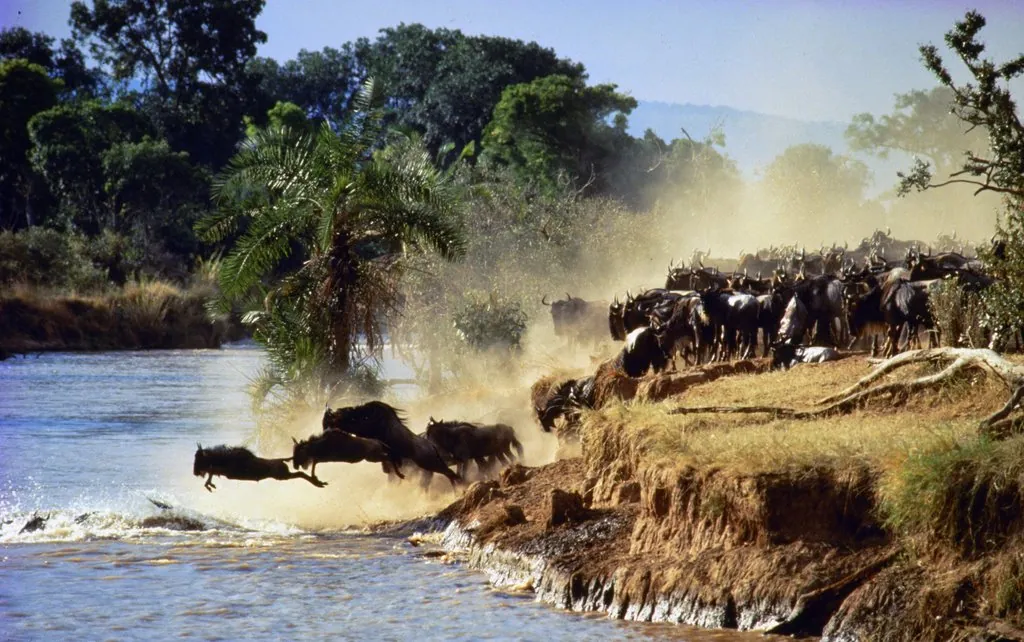
If seeing a river crossing is the reason for your trip, August is the safest month to book. In most years the main body of the herds is in Kenya by early August, spread across the reserve and spilling into the northern conservancies, and they cross the Mara River in both directions as they chase fresh grass. The cost is company. The famous crossing points can draw 50 to 100 vehicles, and the busiest camps are full. With the right base, a patient guide and a few simple tactics, August is still magnificent. As in every month, the rains set the timing, and a dry or wet year can move the herds by weeks.
This page covers the Mara only. For the rest of Kenya in August see our Kenya in August page, and for the migration's full annual loop see our Great Migration guide.
August in the Mara at a glance
| What to expect | |
|---|---|
| Weather | Dry, mild days around 77°F (25°C), cool mornings, about 2 inches (50 mm) of rain in light showers |
| Herds | The main body in the reserve, the Triangle and the northern conservancies |
| Crossings | Most days somewhere on the Mara River, in both directions, plus smaller ones on the Talek |
| Crowds | The busiest month; 50 to 100 vehicles at the best-known crossing points |
| Reserve fee | $200 per non-resident adult per day; $50 for ages 9 to 17 |
| Camp rates | The highest of the year; single supplements bite |
The herds and the crossings
In August the herds stop arriving and start living in the Mara. They graze the plains between the Talek and the Mara rivers, cross into the Mara Triangle on the west bank, and push north into Mara North and Olare Motorogi conservancies. Because the grass runs out in one place and appears in another, the herds keep moving, and the river is in the way. Crossings happen in both directions: west into the Triangle, back east into the reserve, and back again a week later. That back-and-forth is why August gives the best odds of all.
Crossings are not confined to the Mara River. The Talek River, which joins the Mara in the centre of the reserve, has smaller crossings near the Talek camps, and these can be quieter and closer. A crossing usually builds slowly: herds gather on the bank from dawn, hesitate, retreat, return, and then one animal goes and thousands follow. Our river crossings guide names the points the guides watch and how they choose where to wait.
The weather
August is dry and mild, with days around 77°F (25°C) and cool mornings that still call for a fleece. There is usually about 2 inches (50 mm) of rain over the month, spread thin, so a short shower is possible but rarely spoils a day. The plains are dusty by late August, especially on the tracks to the river, so bring a buff or scarf and a dust bag for your camera.
Crowds, fees and how to beat them
August is the peak in every sense. The reserve fee is $200 per adult per day, so a family of two adults and two teenagers pays $1,500 for three days in the reserve before a single night's accommodation. Our park fees page has the full table. The vehicles are the bigger issue. The most famous crossing points can have 50 to 100 vehicles lined up, and a leopard in a tree near Talek can draw a long queue. These are the tactics that work:
- A guide who waits rather than chases: the best crossings go to guides who park at one bank and stay, not to those who race between radio reports
- Sit at one crossing for hours: take a packed breakfast and lunch and commit to a stretch of river for the morning
- Dawn departures: be out of camp at first light to find where the herds are gathering before the crowds arrive
- Use the Triangle: the west bank is managed separately by the not-for-profit Mara Conservancy, has fewer camps and is quieter
- Sleep in a conservancy with reserve access: conservancies limit vehicles, usually to about five at a sighting, and you drive into the reserve on river days
- Avoid weekends at the river if you can: that is when day-trippers and short-stay visitors from Nairobi add to the numbers
- Know the etiquette: no engines running at the bank and no blocking the herds' path to the water; our game drive etiquette guide explains why
What else is happening in August
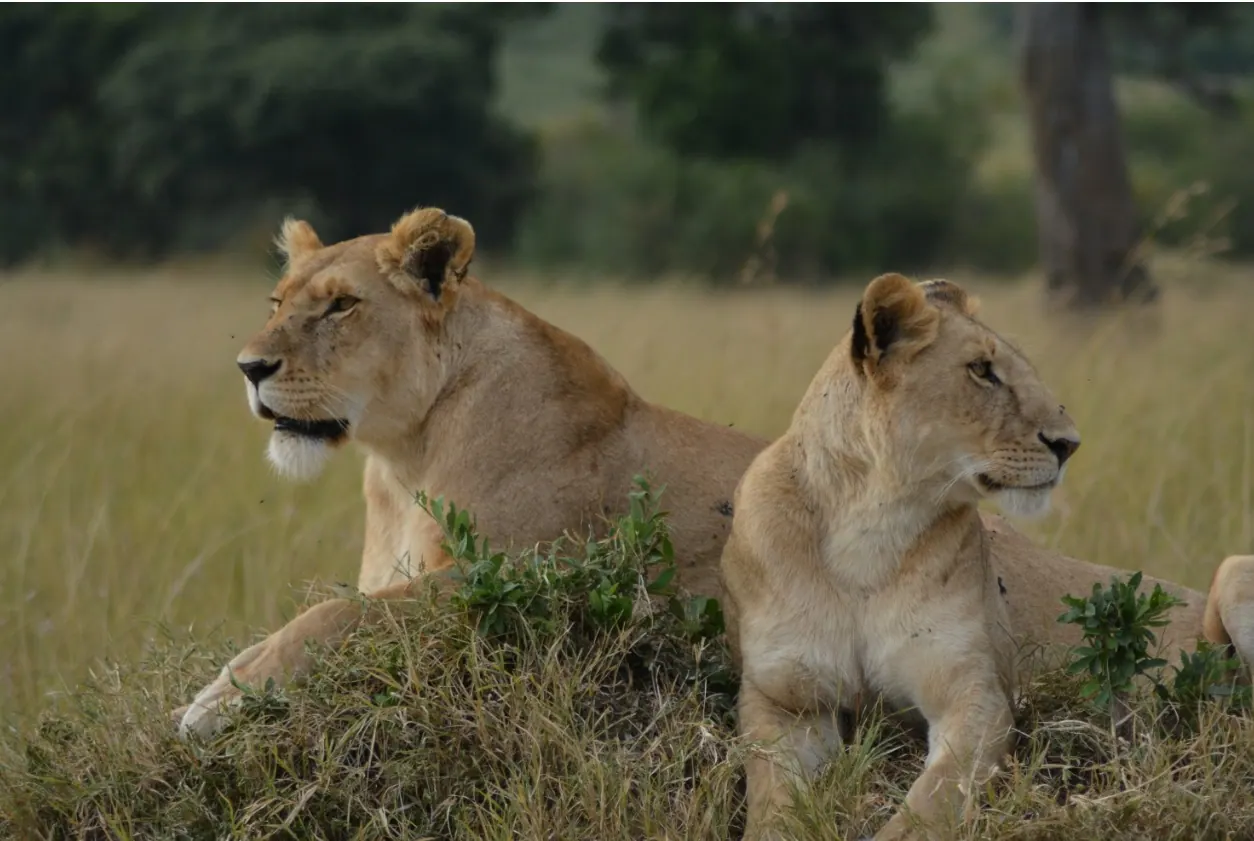
- Predators at their fattest: lions, hyenas and leopards follow the herds, and kills are common on the open plains and at the river
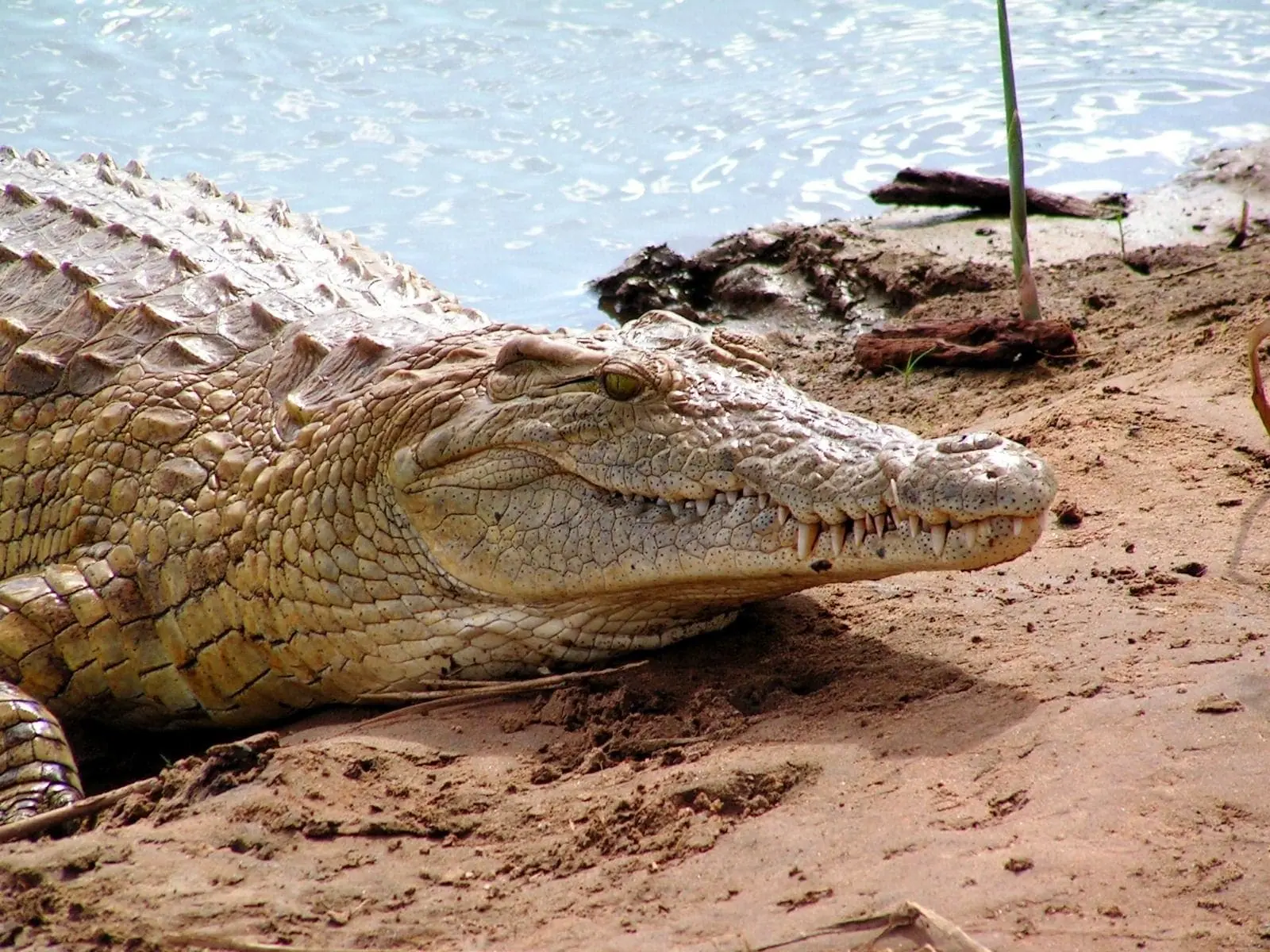
- Crocodiles: the Mara River's big crocodiles are at their most active during crossings
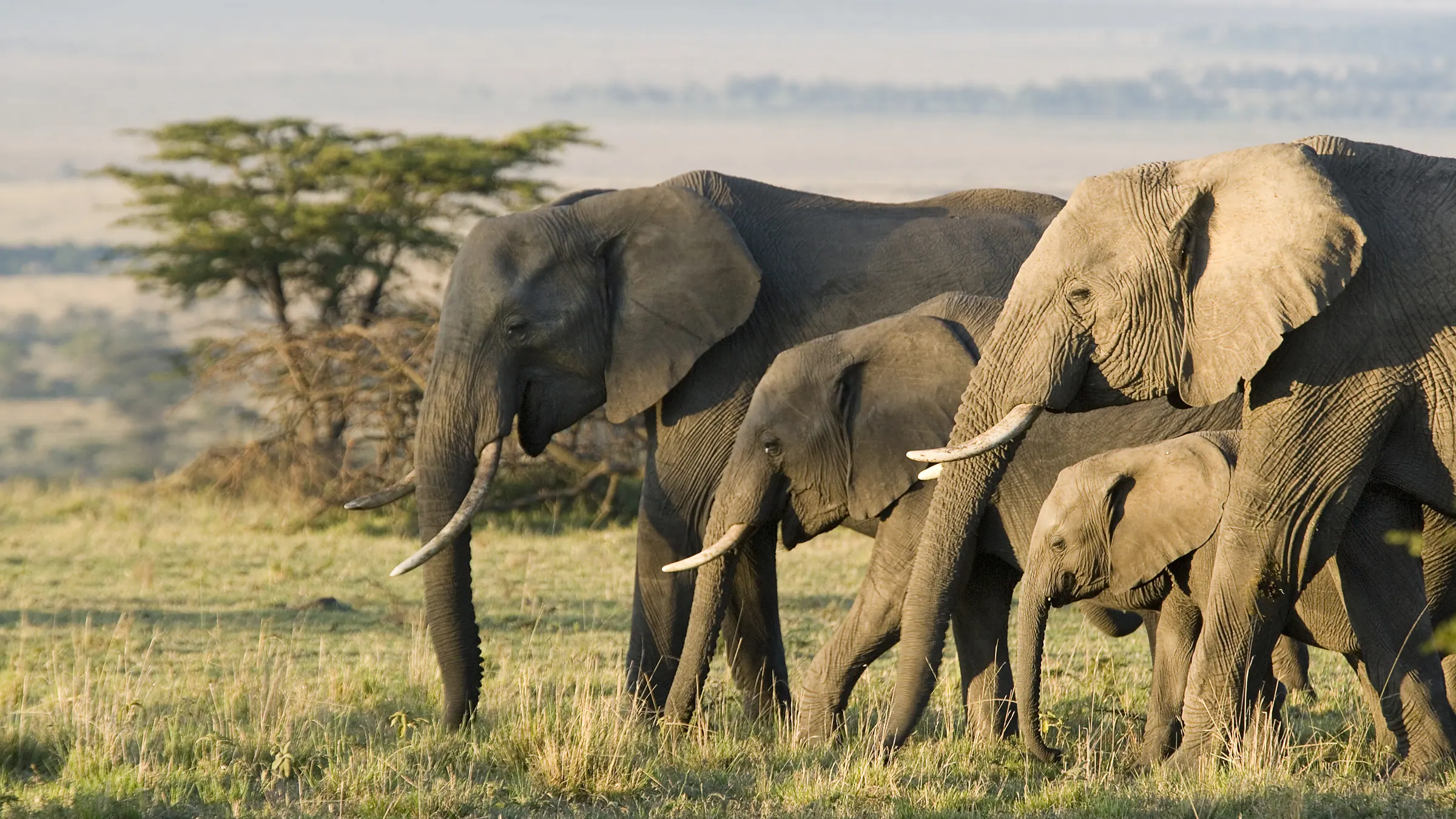
- Elephants: herds feed in the Musiara marsh in the north of the reserve, a good change of scene between river days
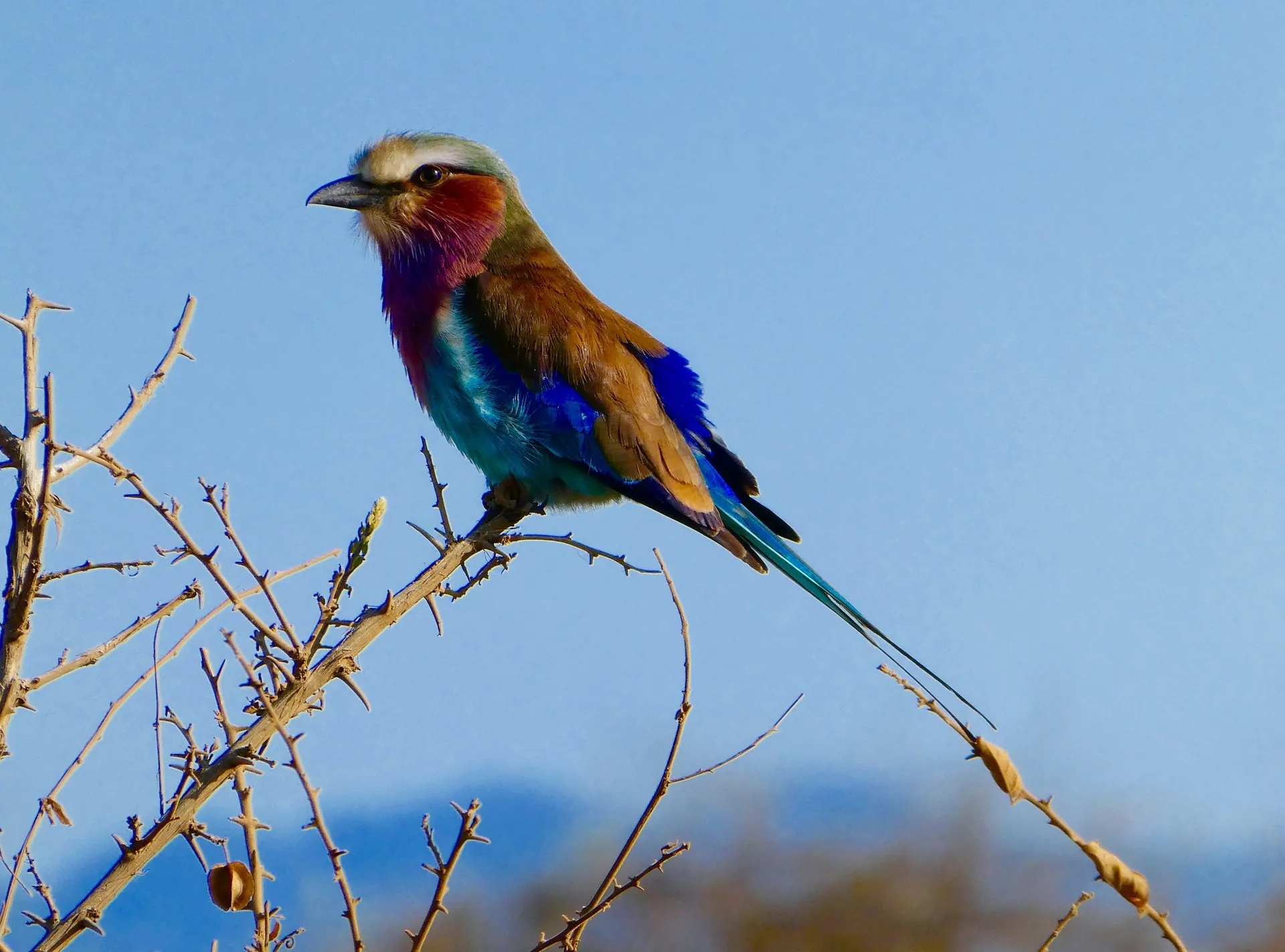
- Birding: vultures and storks follow the herds, and the riverine forest holds kingfishers, turacos and fish eagles
- Photography: the light is hazier than in September, so early mornings and late afternoons give the best pictures; our safari photography tips go further
Who August suits
- Anyone who must see a crossing: this is the month with the most of them
- Photographers with patience, who will sit at one bank for a morning and wait for the moment
- U.S. families who can travel in early August: school starts mid to late August in many states, so the first two weeks are the window
- Not ideal for: travelers who dislike crowds and cannot stay in a conservancy or the Triangle, or anyone on a tight budget
Price and booking
August camp rates are the highest of the year, and single supplements bite hardest now. The best-located camps fill 9 to 12 months ahead. If the camps you want are full, consider early September, when the herds are usually still crossing, or a conservancy camp a little further from the river, where the vehicle limits make up for the extra drive. Our where to stay guide compares the areas and their camps.
How we would plan your August
- Length: three nights at least, four to be comfortable, with two full days given entirely to the river
- Base: a conservancy with reserve access, or the Triangle; avoid choosing on price alone if it puts you in the Talek crush
- Guide: a private vehicle so you can sit at a crossing for as long as it takes, with no other guests wanting to leave
- Timing: arrive early in the week if you can, and plan your river mornings for weekdays
- Getting there: by air from Wilson to a strip near your camp, which saves a day in a short peak-season trip
The verdict
August is the sure thing for crossings, and you pay for it in money and in company. Book early, sleep away from the busiest sector, choose a guide who waits, and give it four nights if you can. Do that and you will see what the postcards show, with far fewer vehicles in your pictures.
The other months
July is the month of arrival, best in its second half. September keeps most of August's crossings with fewer vehicles and golden light, which is why many guides prefer it. October is the last chance for crossings and the start of the quiet. Each month has its own page, linked below.