Maasai Mara. Updated November 2026. 5 min read.
Ask a Mara guide for the best month and many will say September, quietly, because the herds are still here, the crossings keep coming, the kids have gone back to school and the light has turned gold.
September is our pick for the migration if you are free of the school calendar. In most years the herds are still spread through the reserve, the Mara Triangle and the northern conservancies, and they keep crossing the Mara River as they move between the two sides. The grass has been grazed short, so cats are easier to see than at any time of year, and the vehicles thin out once American and European schools go back. Late in the month the herds often begin drifting south, and in some years the first return movements start. As always, the rains set the timetable, and no month is guaranteed.
This page is about the Mara alone. For the rest of the country in September see our Kenya in September page, and for the full migration cycle see our Great Migration guide.
September in the Mara at a glance
| Early September (1 to 15) | Late September (16 to 30) | |
|---|---|---|
| Herds | Spread through the reserve, Triangle and conservancies | Still present; some begin drifting south |
| Crossings | Frequent, in both directions | Continuing; some years the first return crossings toward Tanzania |
| Grass and light | Short and golden; best visibility of the year | Short, dry and gold; warm afternoon haze |
| Crowds | Busier in the first week, then easing | Noticeably quieter than August |
| Camp rates | Peak at most camps | Peak at most; some camps drop late in the month |
The herds and the crossings
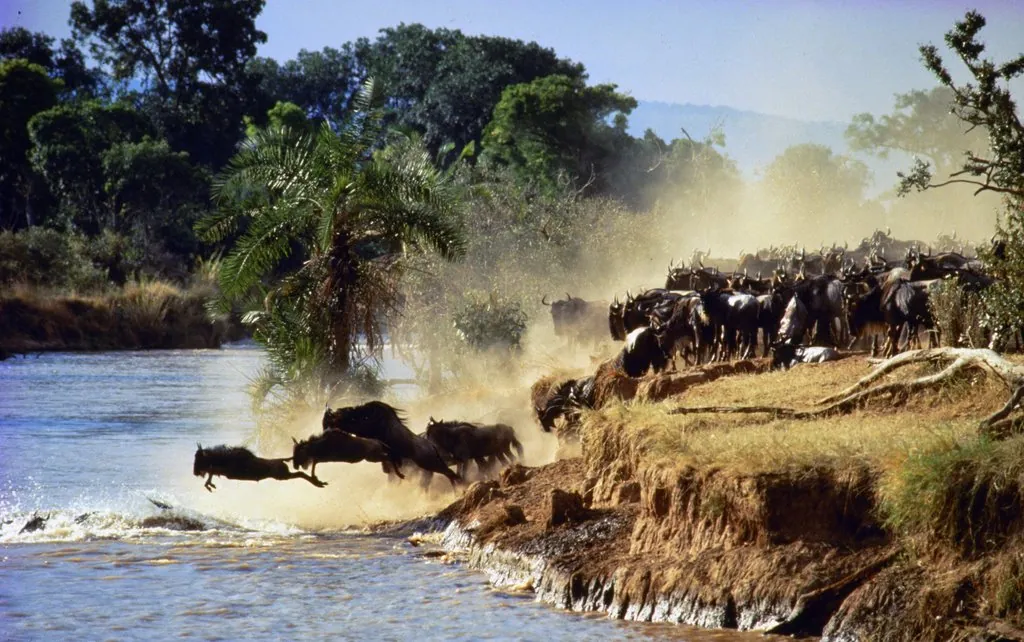
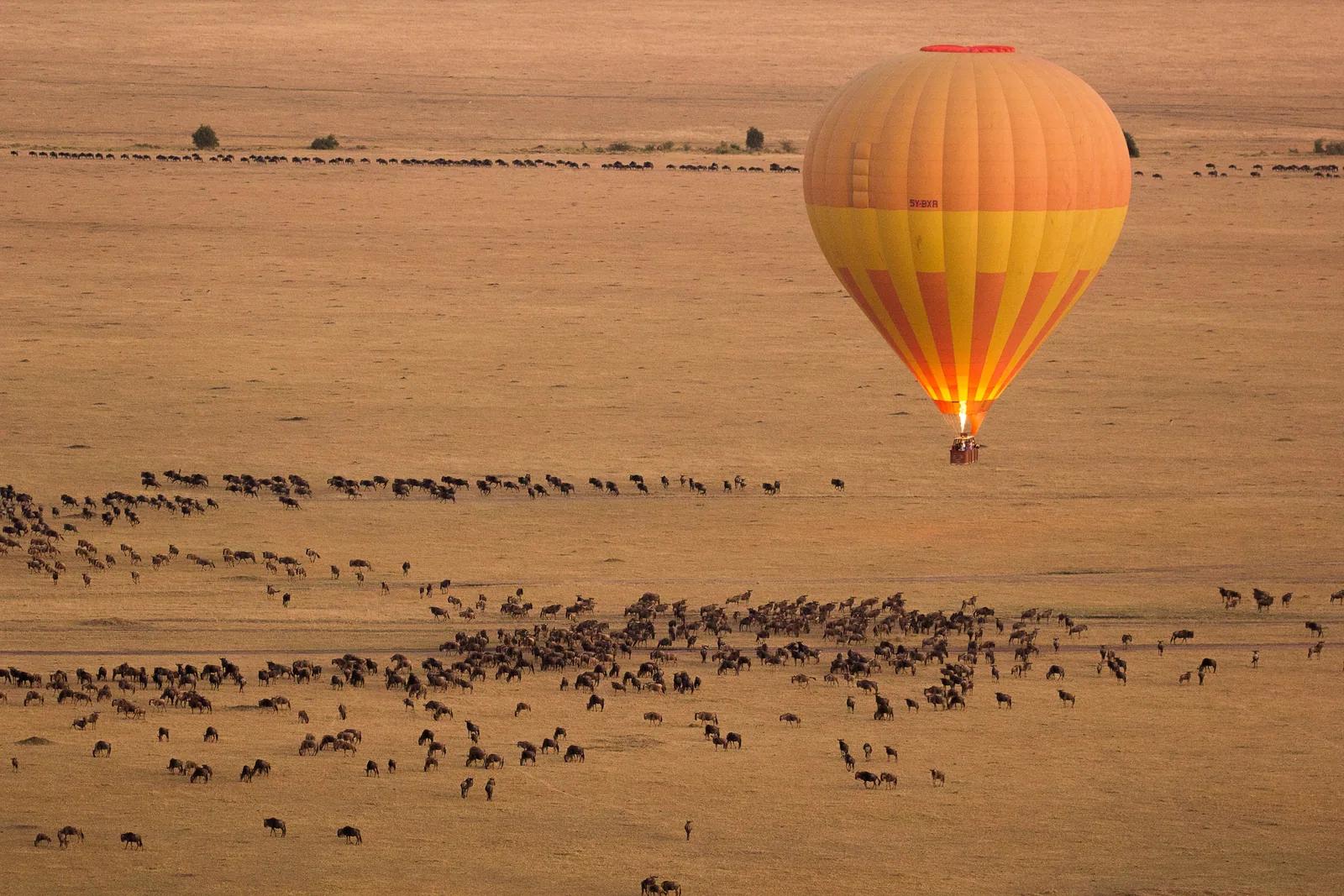
By September the herds have grazed much of the central reserve and are moving in search of what is left. That sends them back and forth across the Mara River between the Triangle and the reserve, and north into the conservancies, so crossings continue through the month. In many years, September crossings are as frequent as August's, with fewer vehicles at each one.
Late in the month, the direction starts to change. Herds begin drifting south toward the Sand River and the Tanzania border, and in some years the first big return movements start before October. That makes the second half of September a sweet spot: the herds are still here, the crossings keep coming, and the camps and tracks are quieter. Our river crossings guide explains where guides wait and why the herds choose one point over another.
The weather
September is dry and warming, with days around 77°F to 81°F (25°C to 27°C) and dawns near 55°F (13°C). There is usually around 2 inches (50 mm) of rain over the month, mostly in short showers. The grass is short and golden after weeks of grazing, which gives the best visibility of the year: you can see a cheetah's head from a long way off, and the plains glow in the early and late light. Pack lighter layers than in July, but keep a fleece for the first hour of the morning.
Crowds and fees
Once U.S. and European schools resume in late August and early September, vehicle numbers fall noticeably. The main crossing points are still busy when a crossing is on, but the queues are shorter and the rest of the reserve is calmer. The reserve fee is still $200 per adult per day, and $50 for children aged 9 to 17, so there is no saving on fees yet. Our park fees page has the full table. For the quietest viewing, the Mara Triangle and the conservancies remain the better bases, and conservancy camps add walking and night drives.
What else is happening in September
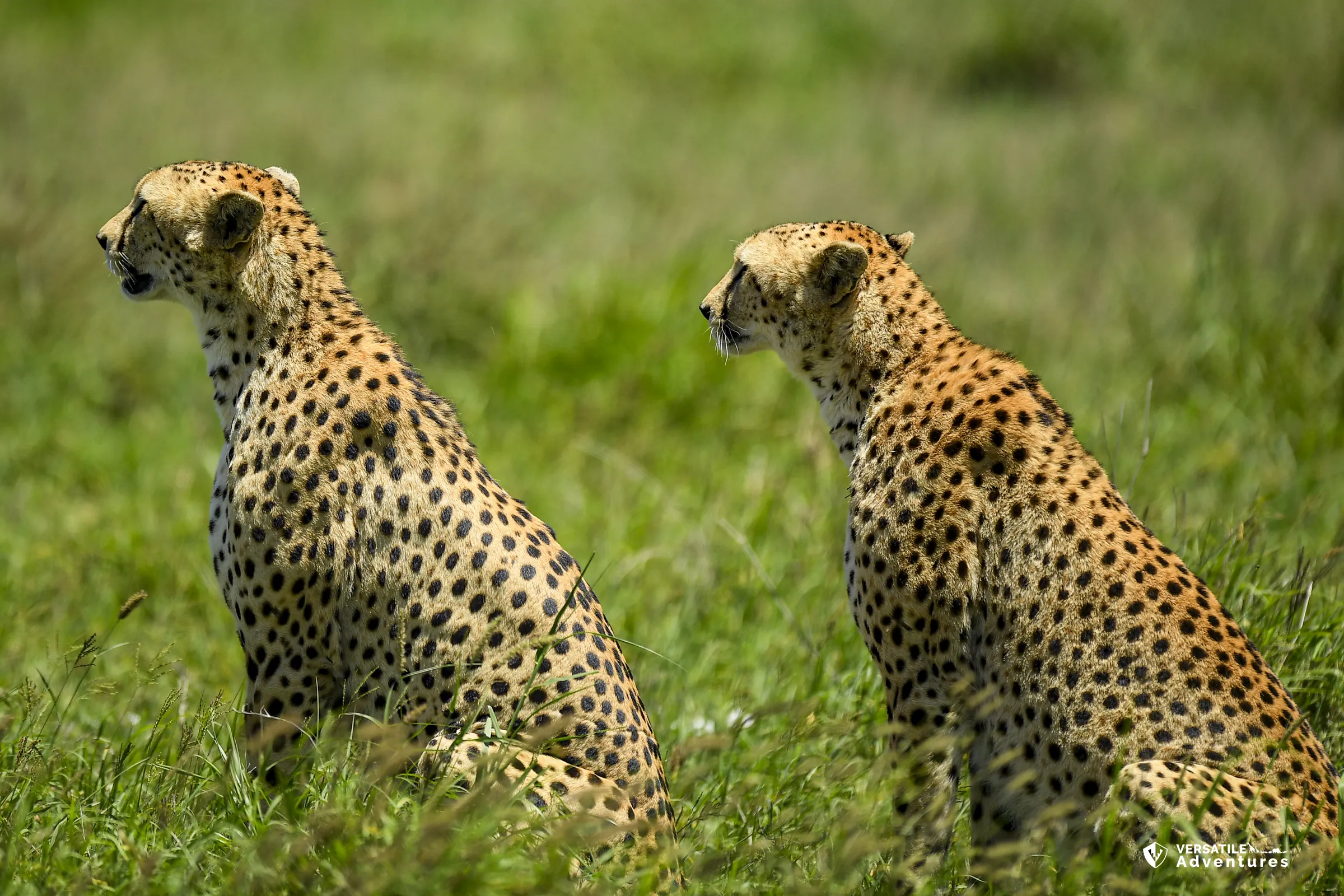
- Cheetahs hunting on the short grass: September's open plains suit them, and this is one of the best months to watch a hunt
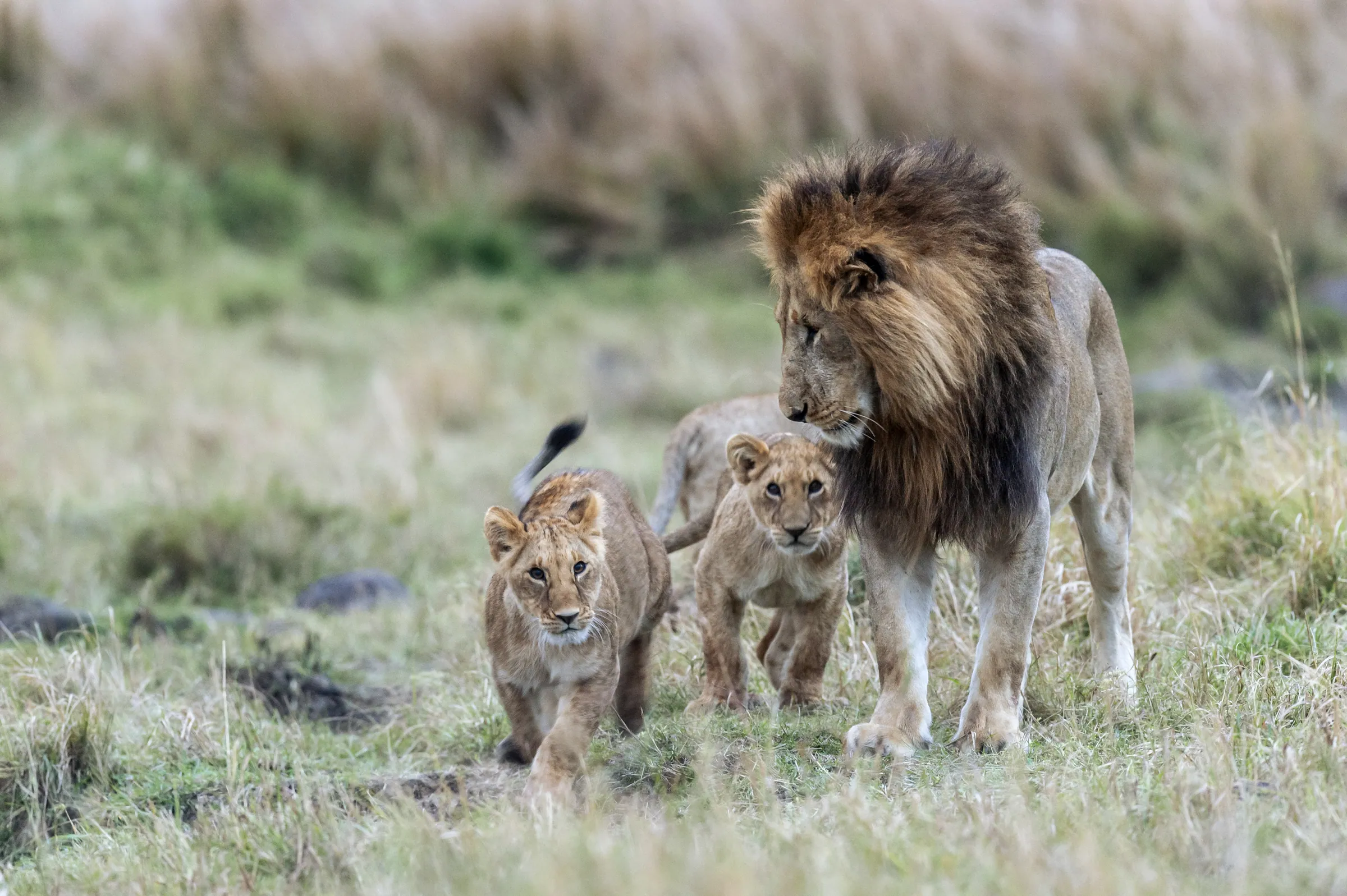
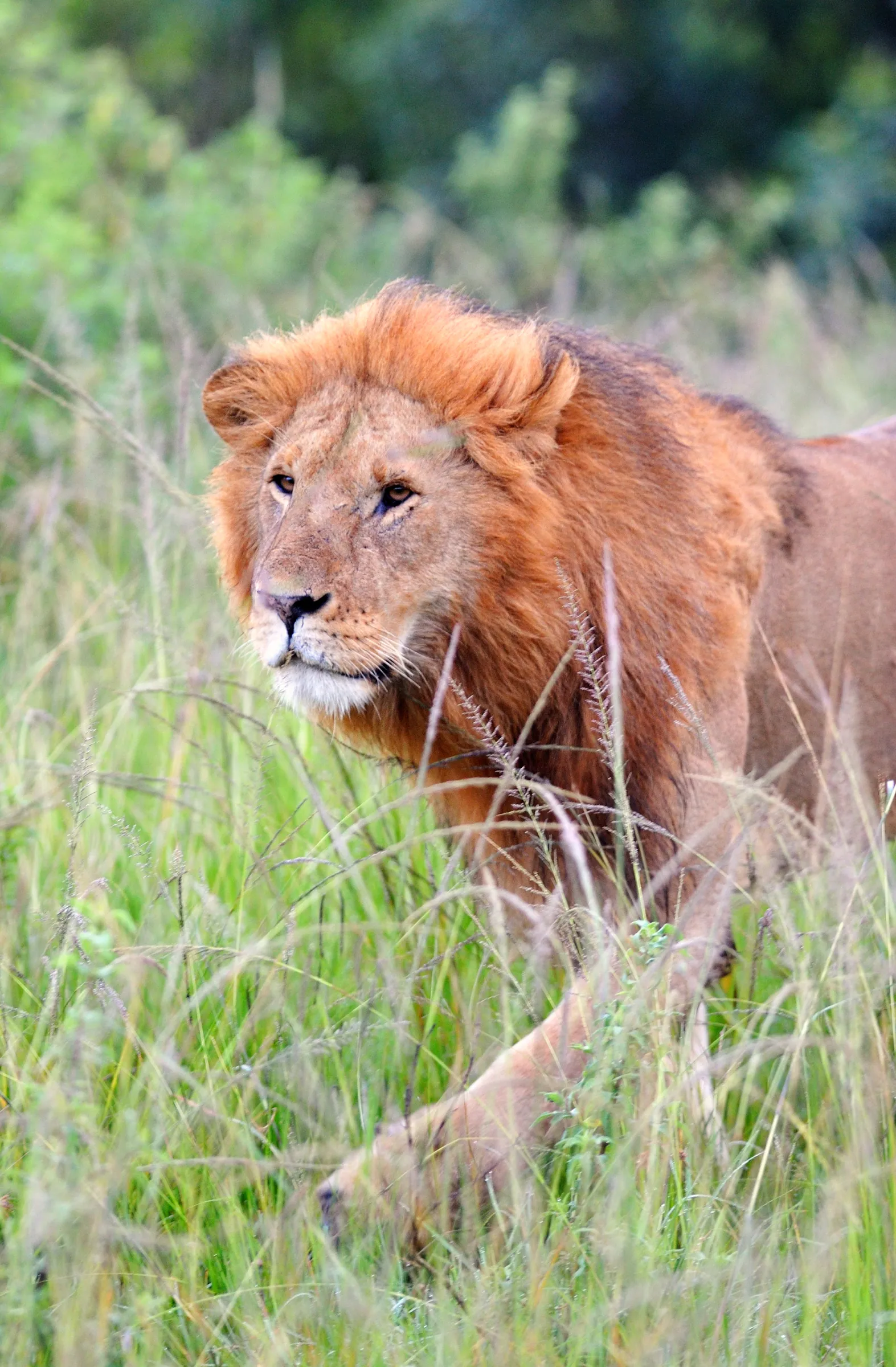
- Lion prides following the herds: prides on the edges of the migration eat well and are often found close to the herds and the river
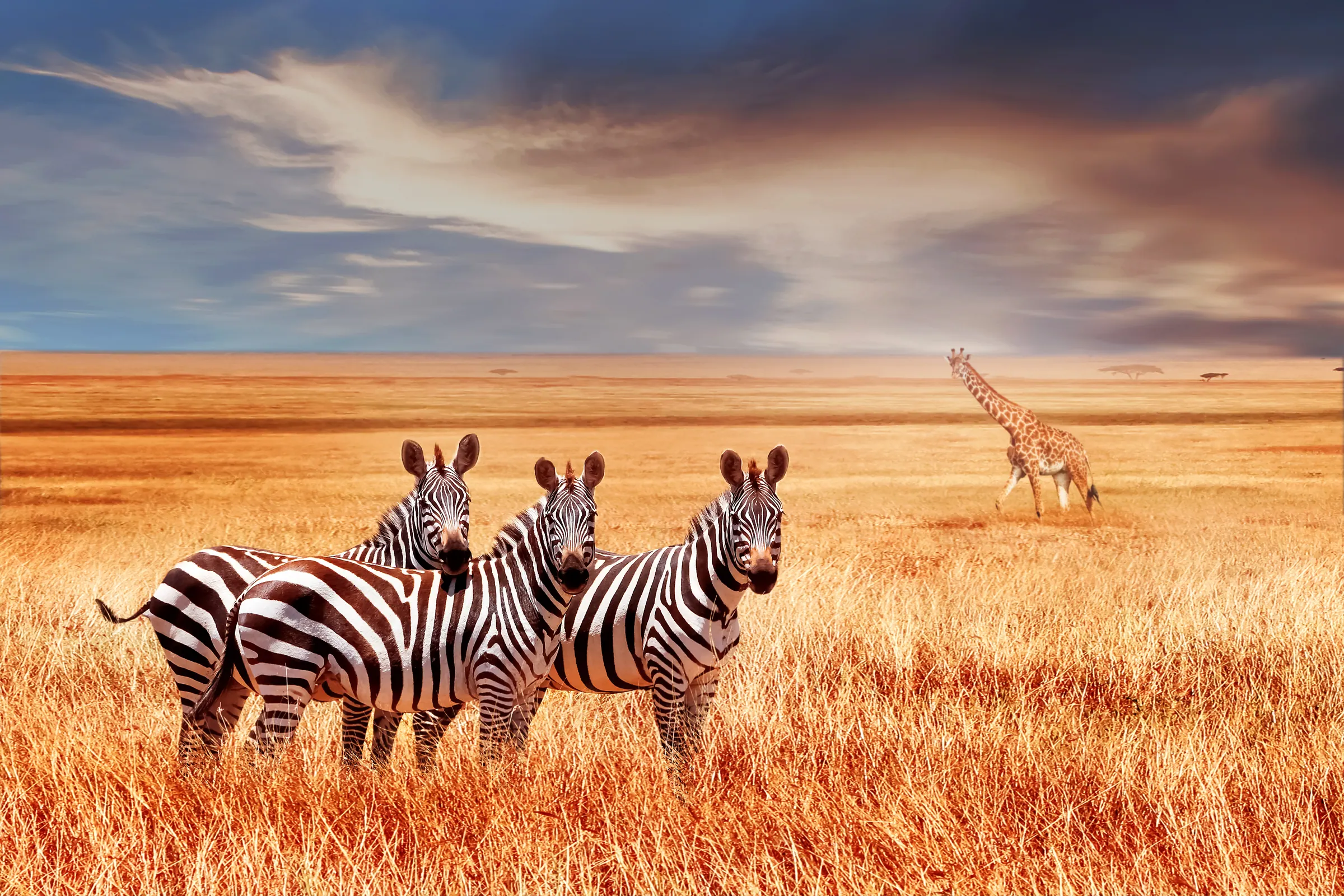
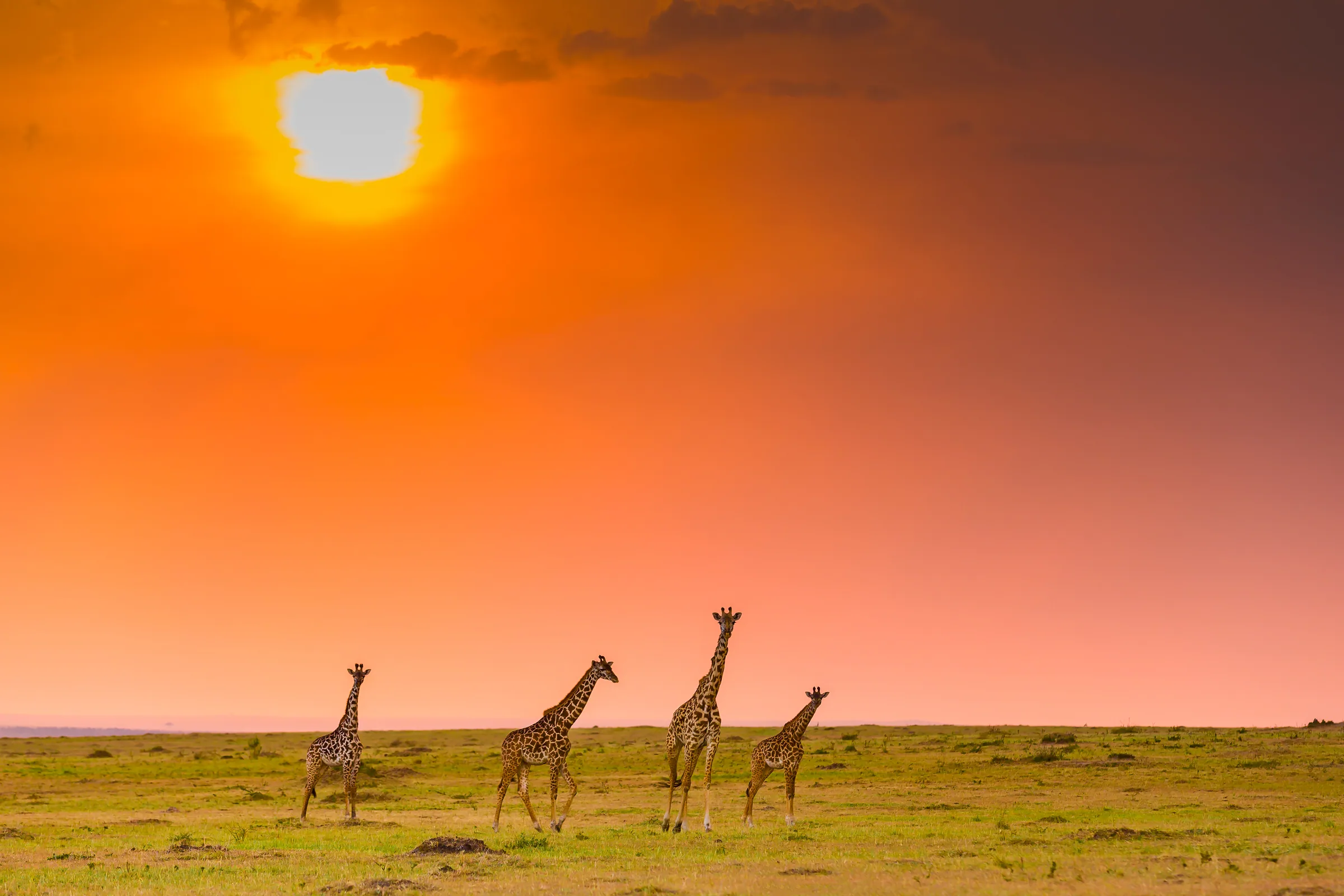
- Elephants and giraffes everywhere: with the grass short, they are easy to spot across the plains and along the riverine forest
- Balloon flights over a golden landscape, at about $450 to $550 per person
- The best photographic light of the season: clean mornings, low sun and gold grass
Who September suits
- Couples and honeymooners: a June wedding and a September safari is a classic pairing, and the camps feel more intimate after the August rush
- Photographers: short grass, clear sightlines and warm light
- Anyone flexible on dates: you get migration odds close to August's without the school-holiday crowds
- Second-time visitors who saw the reserve in a busy month and want to see it calmer
- Not ideal for: families tied to the U.S. school calendar, who will find July or early August easier
Price and booking
September is still peak season at most camps, and the best ones sell out many months ahead, so book 9 to 12 months out for the second half of the month. Some camps lower their rates late in September, which can make the last ten days the best value of the migration season. Ask us which of the camps we use change rates when. Our where to stay guide compares the reserve, the Triangle and the conservancies.
How we would plan your September
- Dates: the second half of September, ideally from about the 15th, for fewer vehicles and still-frequent crossings
- Base: split three or four nights between a conservancy and the Triangle, or choose one camp with reserve access
- Days: one full day at the river, one in the conservancy on foot and by night, and one on the plains for cats
- Getting there: a flight from Wilson in about an hour saves the six-hour drive and gives you an extra afternoon drive
- Add-on: the coast in late September is dry and uncrowded, an easy flight from the Mara
The verdict
September is our pick for the migration if you can avoid the school holidays. You keep most of August's crossings, gain the best light and visibility of the year, and lose some of the crowds. The second half of the month is the sweet spot.
The other months
July is the month the herds arrive. August has the most crossings and the most vehicles. October has the last crossings, the first storms and the emptiest plains. Each month has its own page, linked below.