Maasai Mara. Updated November 2026. 6 min read.
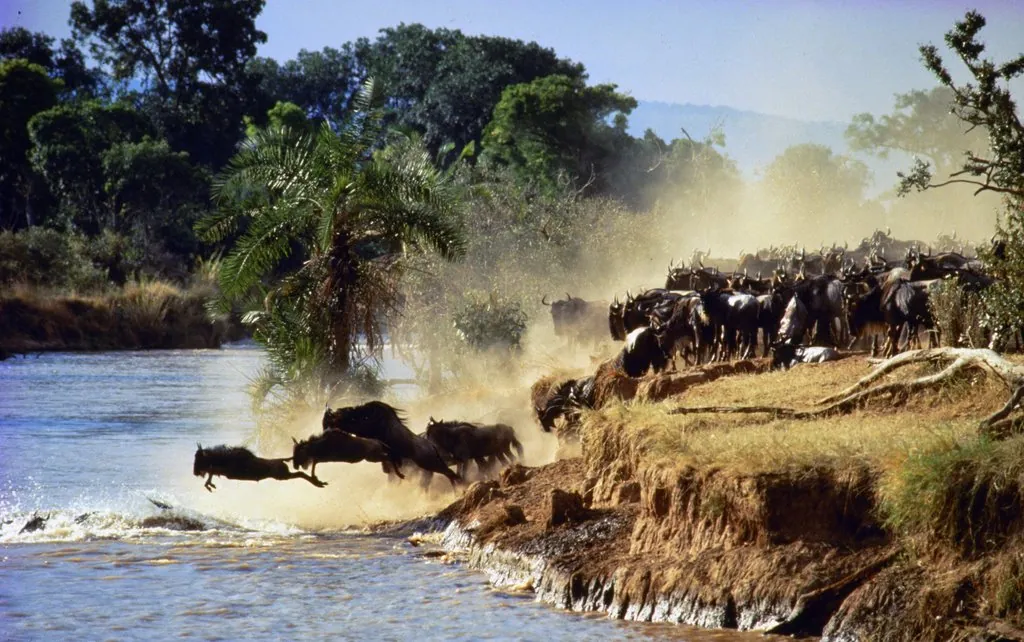
July is when the first wildebeest reach the Mara River and stand on the bank for hours deciding whether to jump. It is also the month the reserve fee doubles and the camps fill. The trick is the second half of the month.
So is July a good month for the Maasai Mara? Yes, with one condition: go late. In most years the herds cross the border from Tanzania's Serengeti through July, reaching the south of the reserve first and the big rivers later, and the first Mara River crossings tend to come in the last ten days of the month. Book from about July 18 onwards, stay at least three nights, and base yourself in the Mara Triangle or a conservancy rather than the busiest corner of the reserve. Every source we trust, and every guide we work with, says the same thing about timing: the rains decide it, and they shift it by weeks from one year to the next.
This page is about the Mara alone, in depth. For the whole country in July, from the coast to Samburu, see our Kenya in July page, and for the full year-long cycle of the herds see our Great Migration guide.
July in the Mara at a glance
| Early July (1 to 15) | Late July (16 to 31) | |
|---|---|---|
| Herds | Vanguard columns in the south, around the Sand River and Keekorok; many still in the Serengeti | Larger herds moving north toward the Talek and Mara rivers |
| Crossings | Unusual; a few on the Sand River | First Mara River crossings in many years, not all |
| Grass | Long after the rains, harder for spotting cats | Starting to be grazed down |
| Crowds | Busy, but below the late-month peak | Busy, building toward August |
| Reserve fee | $200 per adult per day | $200 per adult per day |
The herds and the first crossings
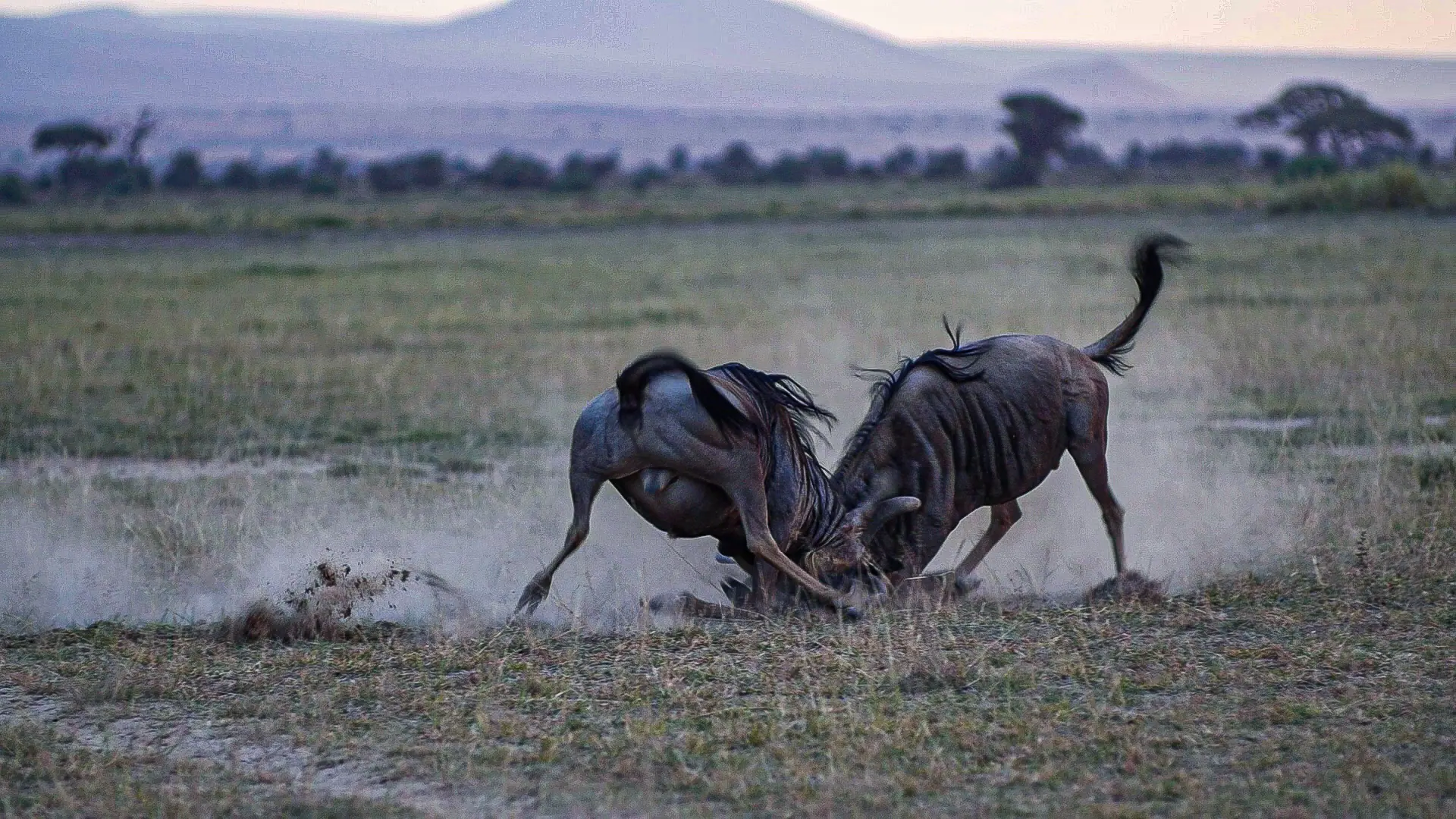
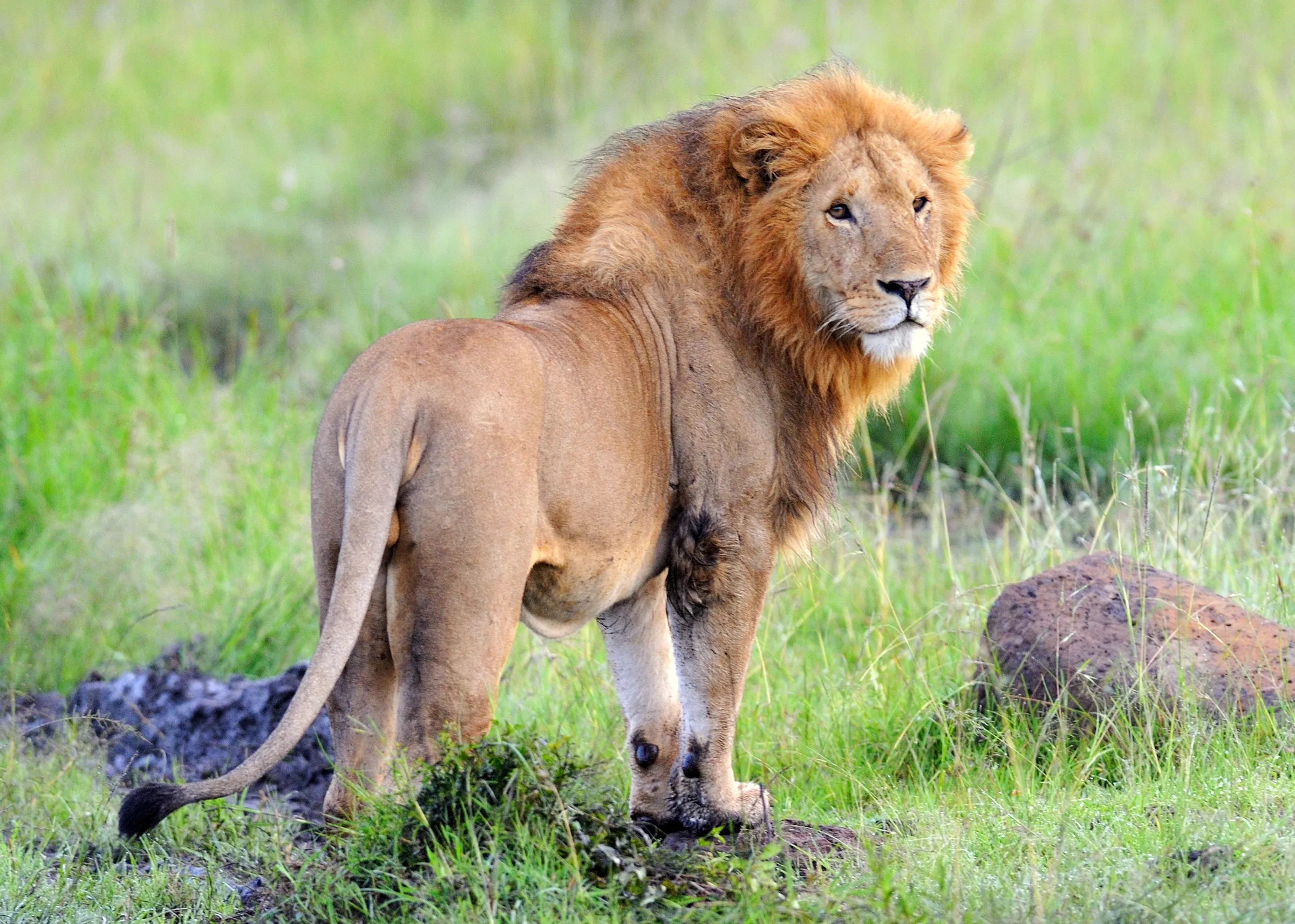
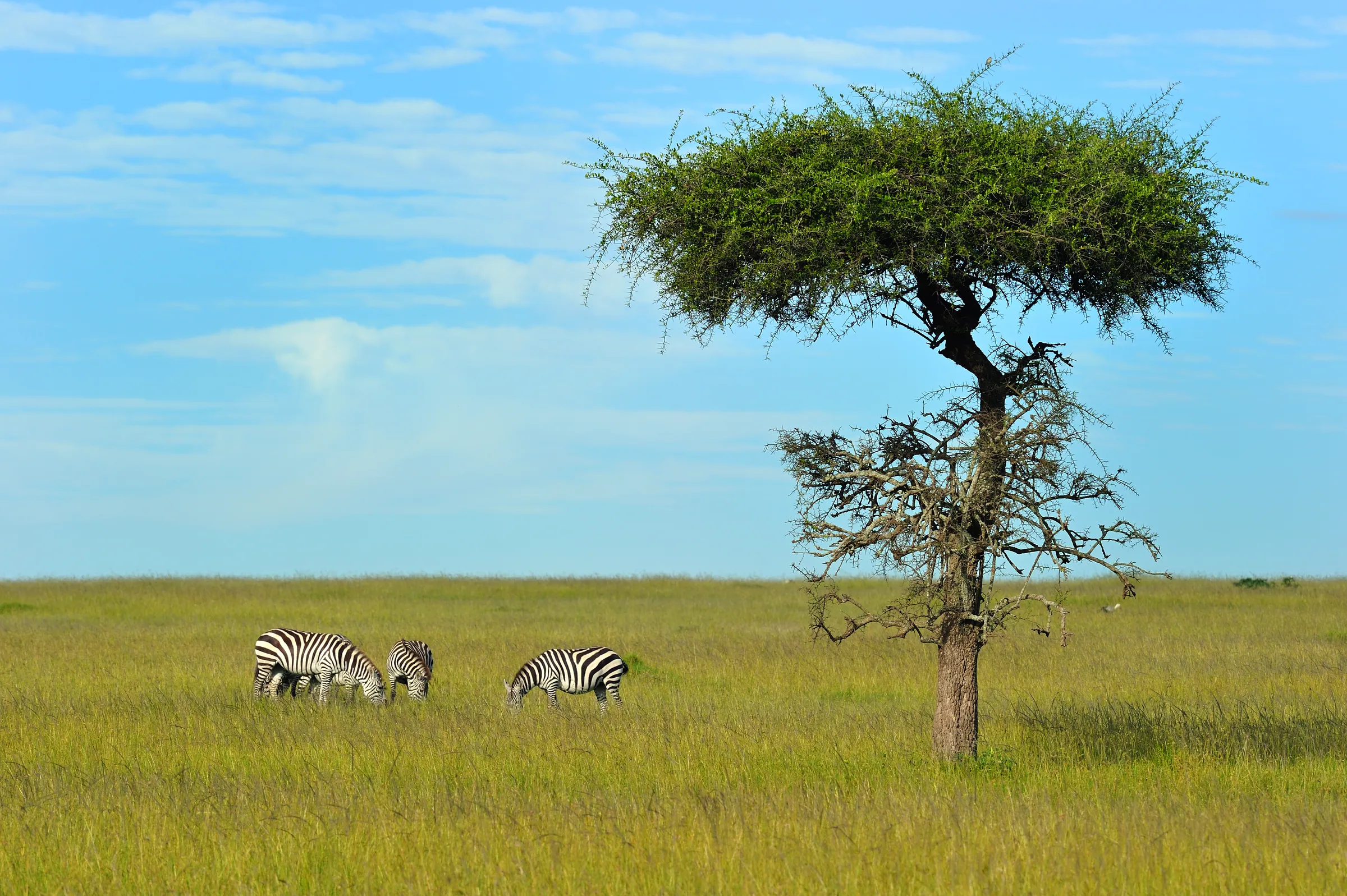
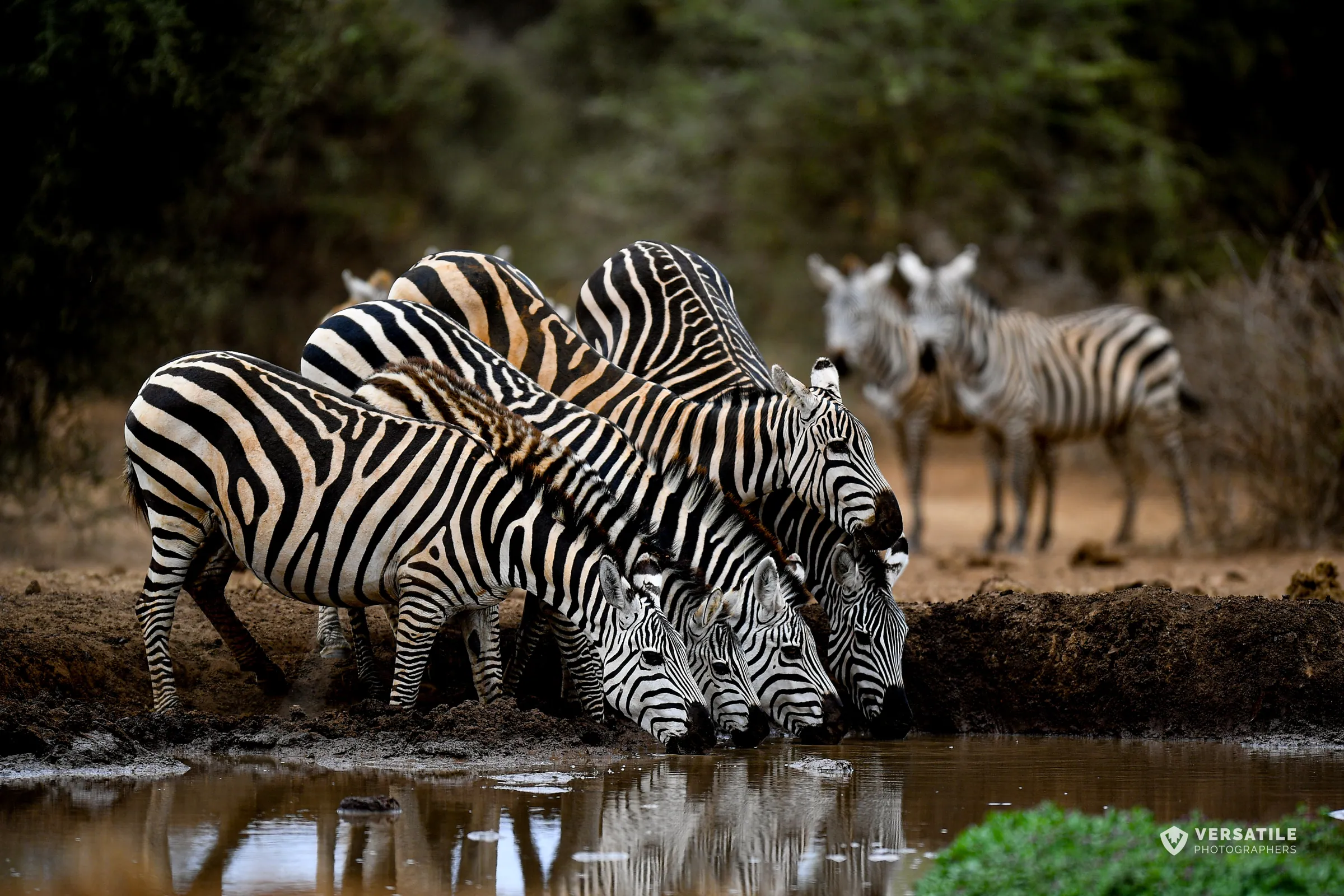
The wildebeest and zebra come north out of the Serengeti in long columns, and in most years they enter the Mara through the southern part of the reserve. That is why July game drives often head south, toward the Sand River on the Tanzania border and the plains around Keekorok, where the first herds spread out to graze. As July goes on, the columns push north toward the Talek River and the Mara River itself, and the animals begin to mass on the banks.
The first true Mara River crossings are often late in July, but this is the month of greatest uncertainty. In a year when the long rains end early in the Serengeti, the herds can arrive in the first week and cross by mid-month. In a year with late rain to the south, there may be little to see on the river until August. July visitors also see something later visitors miss: the arrival itself, with new herds streaming in across open plains, and zebra often leading the wildebeest. Our river crossings guide names the crossing points and explains how guides decide where to wait.
The weather
July is the coolest month of the Mara's dry season. Expect days around 75°F (24°C) and dawns around 54°F (12°C), sometimes colder in an open vehicle at 6am with the wind behind you. The month brings only about an inch (25 mm) of rain in total, usually as a brief shower rather than a wet day. Bring a fleece and a warm hat for morning drives and peel down to a T-shirt by 10am. Early in the month the grass can still be long after the rains, which makes cats harder to see; by late July the arriving herds have started grazing it down.
Crowds and fees
July is one of the busiest months of the year. The reserve fee rises on July 1 from $100 to $200 per non-resident adult per day, so the same three days in the reserve cost a couple $1,200 in fees in July, against $600 in June. Children aged 9 to 17 pay $50. A reserve ticket runs from 6am to 6pm. Our park fees page has the full table and how payment works at each gate.
The crowds concentrate in two sectors: around Talek, where many reserve camps cluster along the Talek River, and around Musiara in the north, close to the Mara River. The escape routes are the Mara Triangle, west of the river, which has fewer camps and its own management, and the conservancies to the north and east, which cap vehicles at sightings. In a conservancy you also gain walking and night drives, which the reserve does not allow.
What else is happening in July
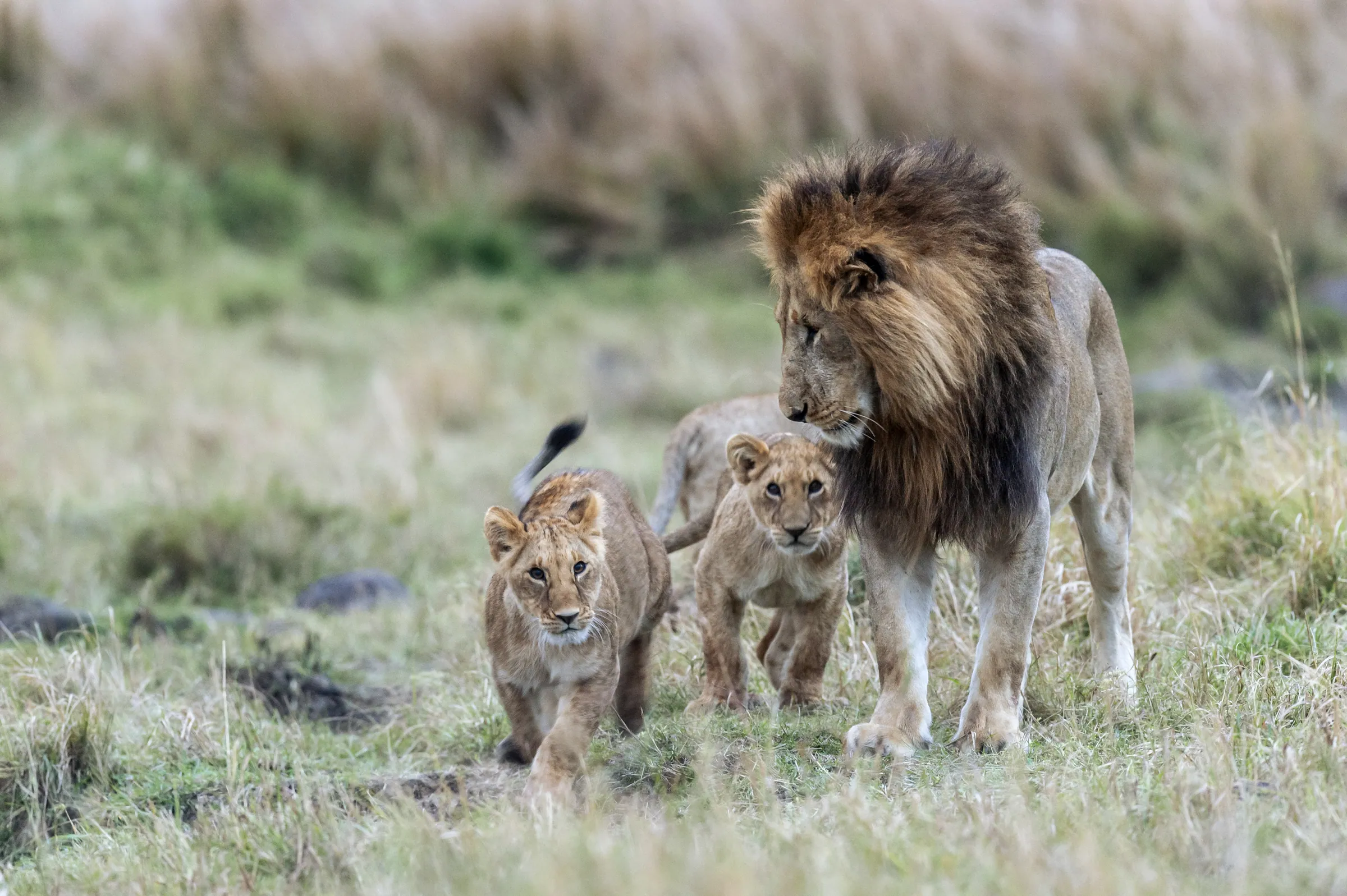
- Lions: the resident prides are in peak condition after the rains, and the arriving herds give them easy hunting
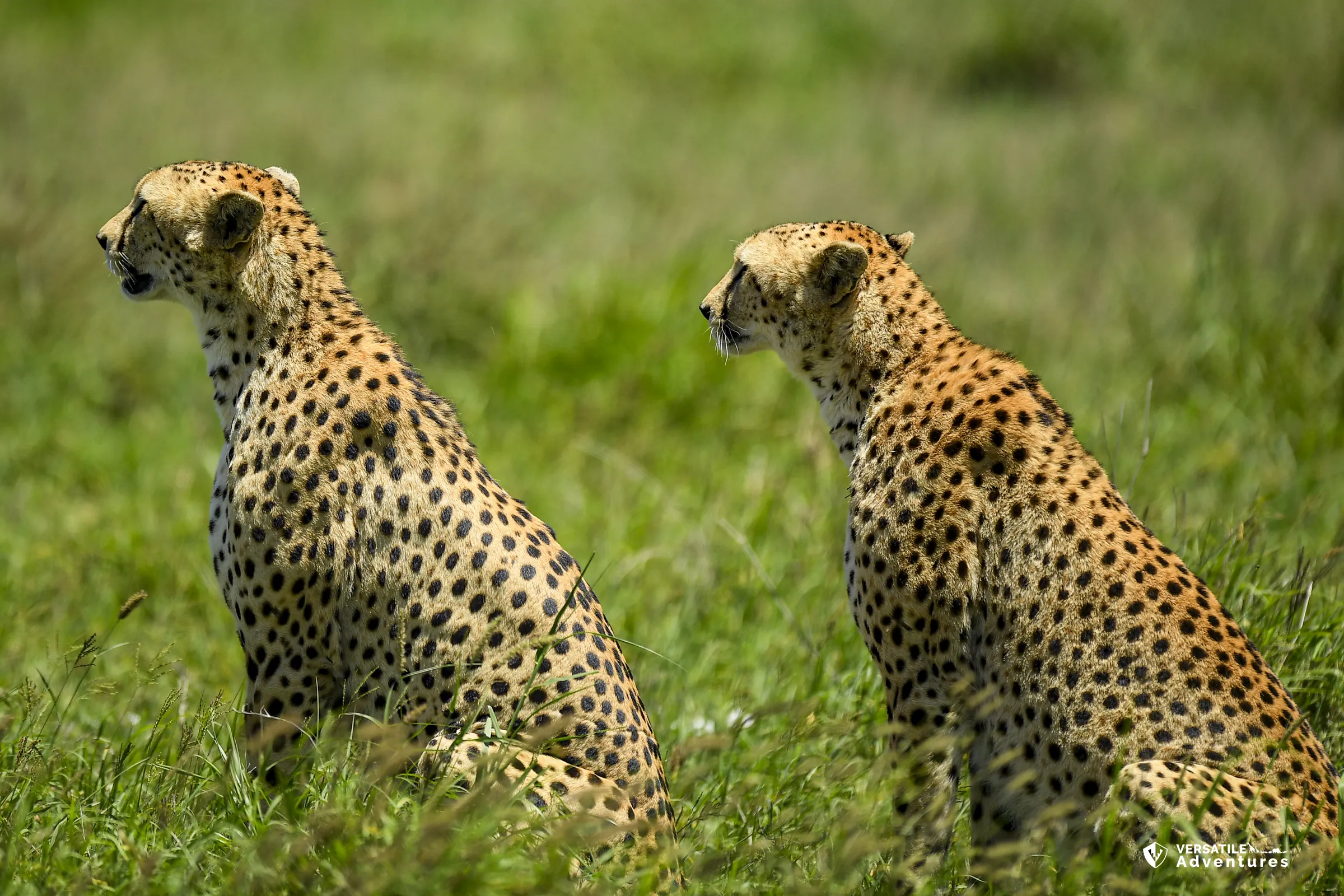
- Cheetahs: out on the open plains, where they can see their prey coming; the southern and eastern plains are good places to look
- Long grass early in the month: beautiful, but it hides cats, so patient, slow drives work better than racing between sightings
- Balloon flights: dawn flights run all season and give a sense of the scale of the arriving herds, at about $450 to $550 per person
- Cool, clear evenings: good for sundowners and stargazing in the conservancies, where night drives are allowed
Who July suits
- U.S. families on summer break: July is the one migration month that sits wholly inside the American school vacation, so you are not choosing between the herds and the school calendar
- First-time safari travelers who want the migration without September's peak prices at the camps that drop later, and without August's crowds at the river
- Travelers who like to see the beginning of a story: the arrival of the herds is a spectacle in itself
- Not ideal for: anyone who must see a crossing on a short stay in the first half of the month, or anyone on a tight budget, since fees and camp rates are both at peak level
Price and booking
July is peak season. Camp rates are at their high-season level from July 1, and the best-located camps, the small ones in the Triangle and the conservancies, often sell out 9 to 12 months ahead for the second half of the month. Single supplements apply at most camps. If you are reading this in spring for the same July, it is not too late, but you will have less choice: be flexible on the camp and firm on the dates. Our where to stay guide compares the reserve, the Triangle and the conservancies, camp by camp.
How we would plan your July
- Dates: arrive in the Mara on or after July 18 if crossings are the priority; early July works if you mainly want the arriving herds and the predators
- Base: the Mara Triangle for the river, or a conservancy with easy access to the reserve for space and walking
- Length: three nights minimum, four if crossings matter, so you have at least two full days near the river
- Getting there: fly from Wilson Airport in about an hour, or drive in around six hours with a stop in Narok; our getting there guide covers both
- With children: plan midday rest, a camp with a pool, and a family vehicle so you set the pace
The verdict
Late July beats early July. Stay in the Triangle or a conservancy rather than the Talek sector. Give it three nights at least. If your family can only travel in the summer vacation, this is your migration month, and the second half of it is the part to book.
The other months
In August the herds are at their densest and crossings come most days somewhere on the river, with the most vehicles of the year. September keeps the crossings and loses some of the crowds. October brings the last crossings and the first storms. Each has its own page, linked below.