Maasai Mara. Updated November 2026. 5 min read.
In October the Mara exhales. The herds start walking south, the first storms build in the afternoons, the vehicles thin out, and the resident animals, which never left, have the plains to themselves again.
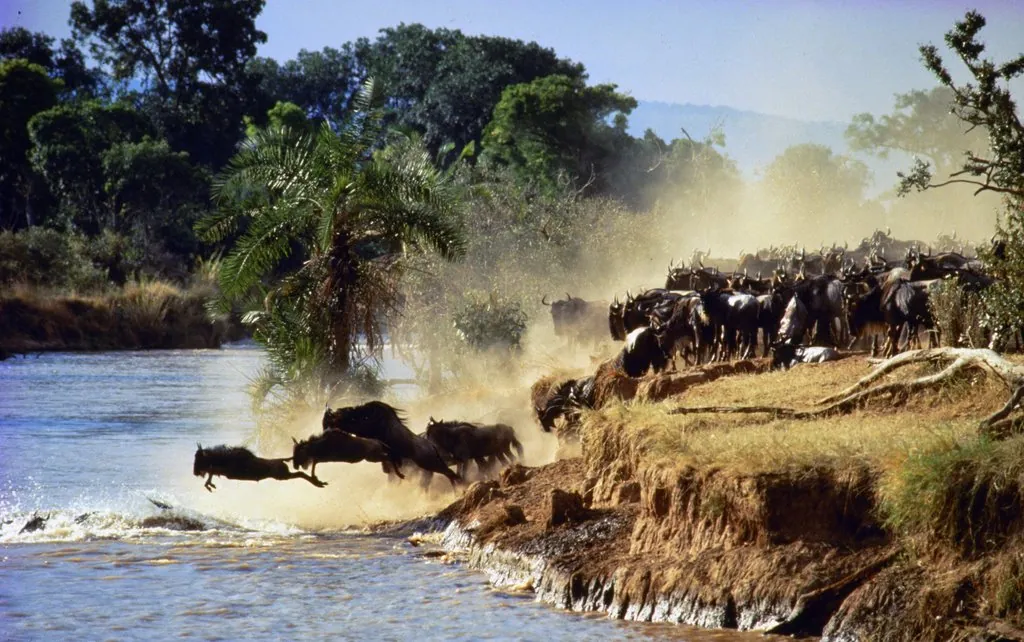
October is two months in one. In the first half, in most years, there are still herds in the reserve and the chance of crossings as they recross the Mara River on their way back to Tanzania. In the second half, most of the herds have gone, the short rains may begin, and the reserve becomes a quieter, greener and cheaper place, with the Mara's resident predators at the centre of the show. Choose early October for a last chance at the river, and late October for space, storm light and value. The timing depends on the rains, as it does every month, and in some years herds linger into November.
This page covers the Mara alone. For the whole of Kenya in October see our Kenya in October page, and for the migration's full annual loop see our Great Migration guide.
October in the Mara at a glance
| Early October (1 to 15) | Late October (16 to 31) | |
|---|---|---|
| Herds | Thinning; groups still in the reserve and Triangle | Most gone south; the resident Loita herds remain in the conservancies |
| Crossings | Possible, as herds recross on the way out | Rare |
| Weather | Warm and dry, dusty | Afternoon storms possible as the short rains begin; turning green |
| Crowds | Moderate | Quiet; a different park |
| Camp rates | Peak at many camps | Often lower from mid to late October |
The herds and the last crossings
Through October the migration drains south. Herds that spent August and September in the Triangle and the central reserve move back toward the Sand River and the Serengeti, and some have to recross the Mara River to do it. That gives early October a real, if smaller, chance of crossings, often with only a handful of vehicles at the bank. By late October most of the Serengeti herds have gone, though in some years large groups linger into November if the rains in the south are late.
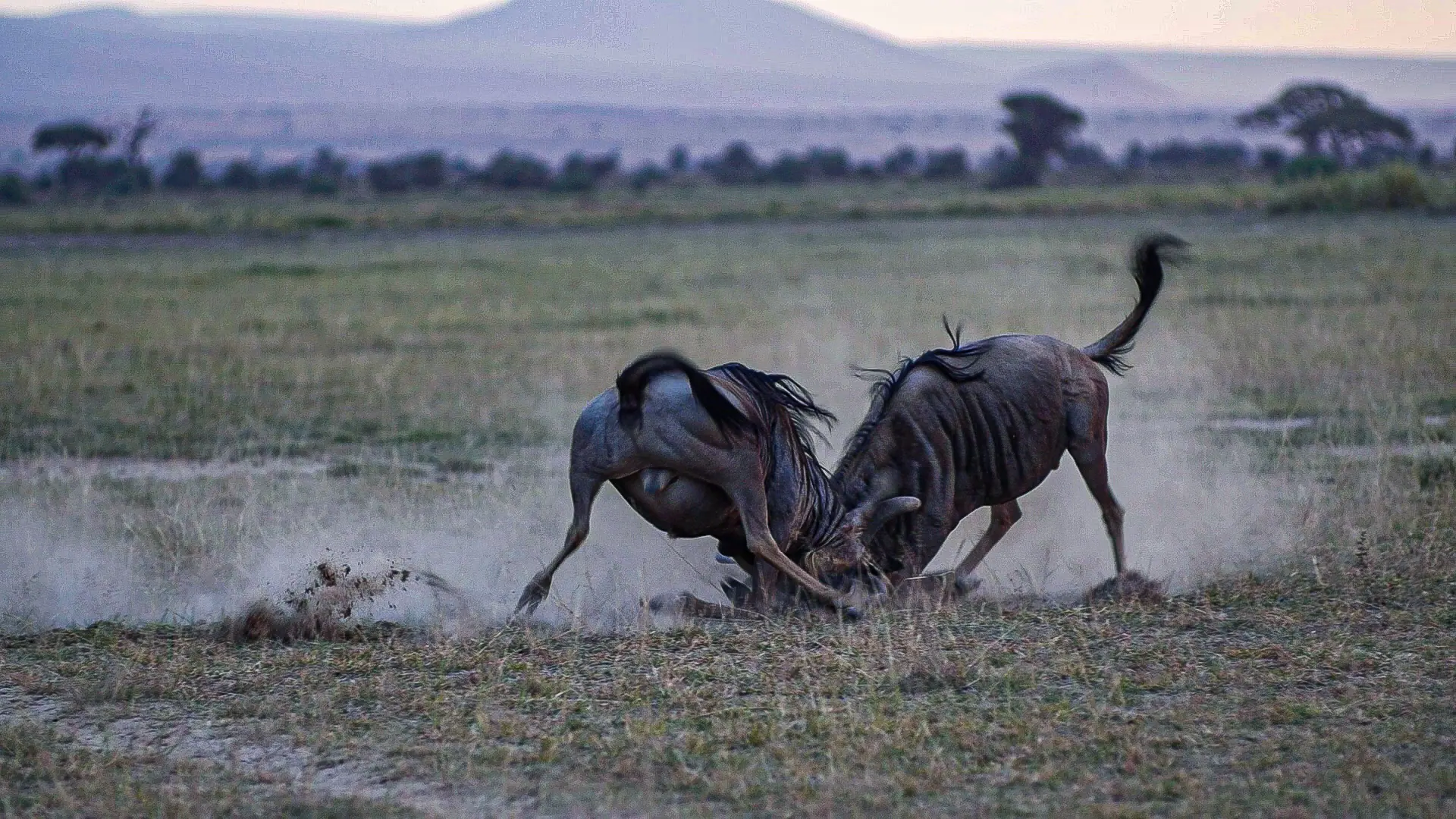
When the big herds leave, the Mara does not empty. The Loita wildebeest, a smaller migration that lives in the conservancies north and east of the reserve all year, stay behind, and so do the zebra, topi, gazelle and buffalo that never left. Our river crossings guide names the points to watch in early October.
The weather
October is the end of the dry season and the warmest of the four migration months, with days around 79°F to 82°F (26°C to 28°C) and dawns near 57°F (14°C). The first half is usually dry and dusty. The short rains can start late in the month, bringing big afternoon cloud, dramatic skies and short, heavy showers, usually after the morning drive. By the end of the month the plains can be turning green. A light rain jacket earns its place in your bag.
Crowds and fees
The Mara gets quieter every week of October. From mid-month onwards it is a different park: sightings with two or three vehicles, empty tracks, and camps with space. The reserve fee does not follow the crowds, though. It stays at $200 per adult per day through December, with the $100 rate returning in January, so there is no saving on fees in October. Our park fees page has the full table.
What else is happening in October
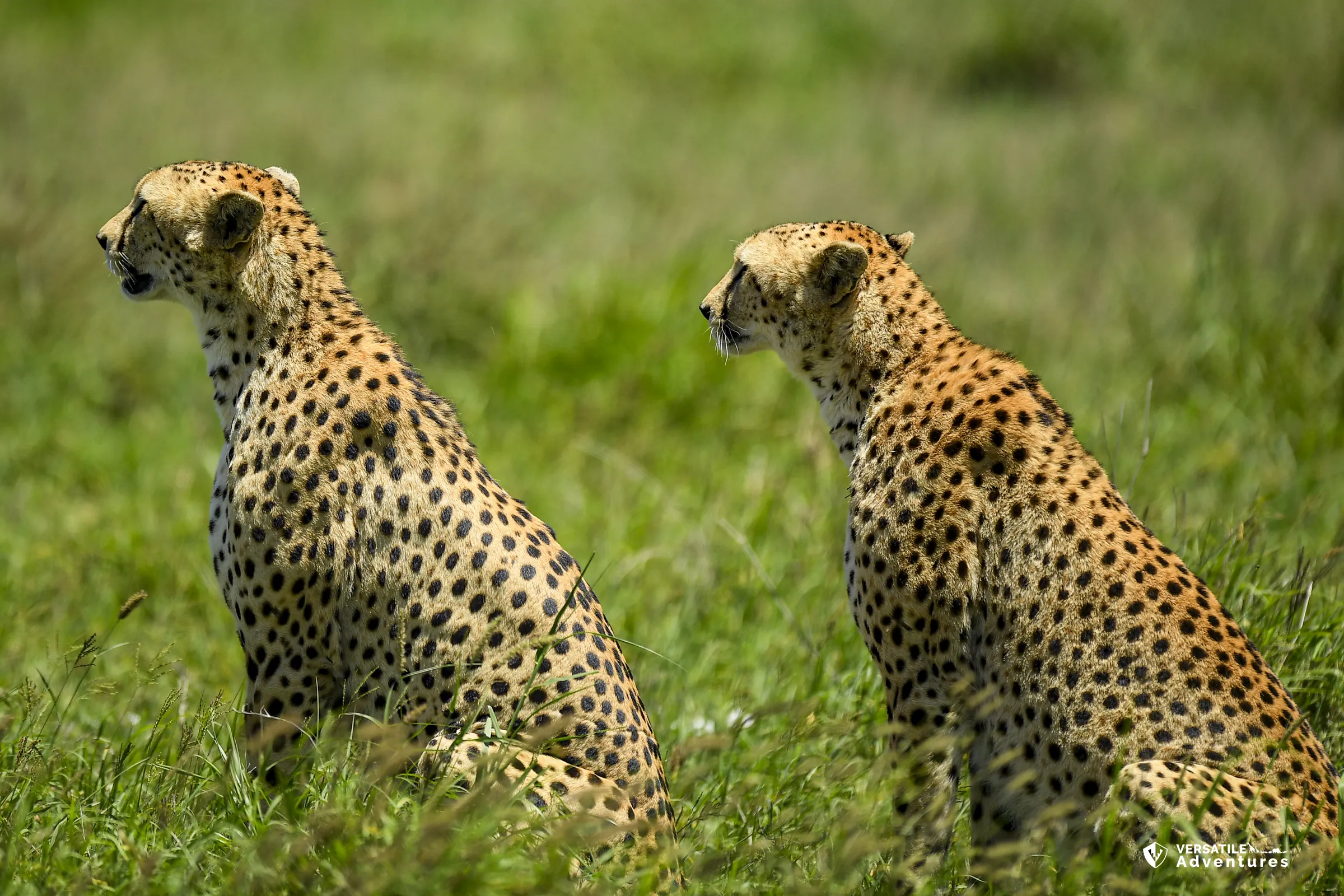
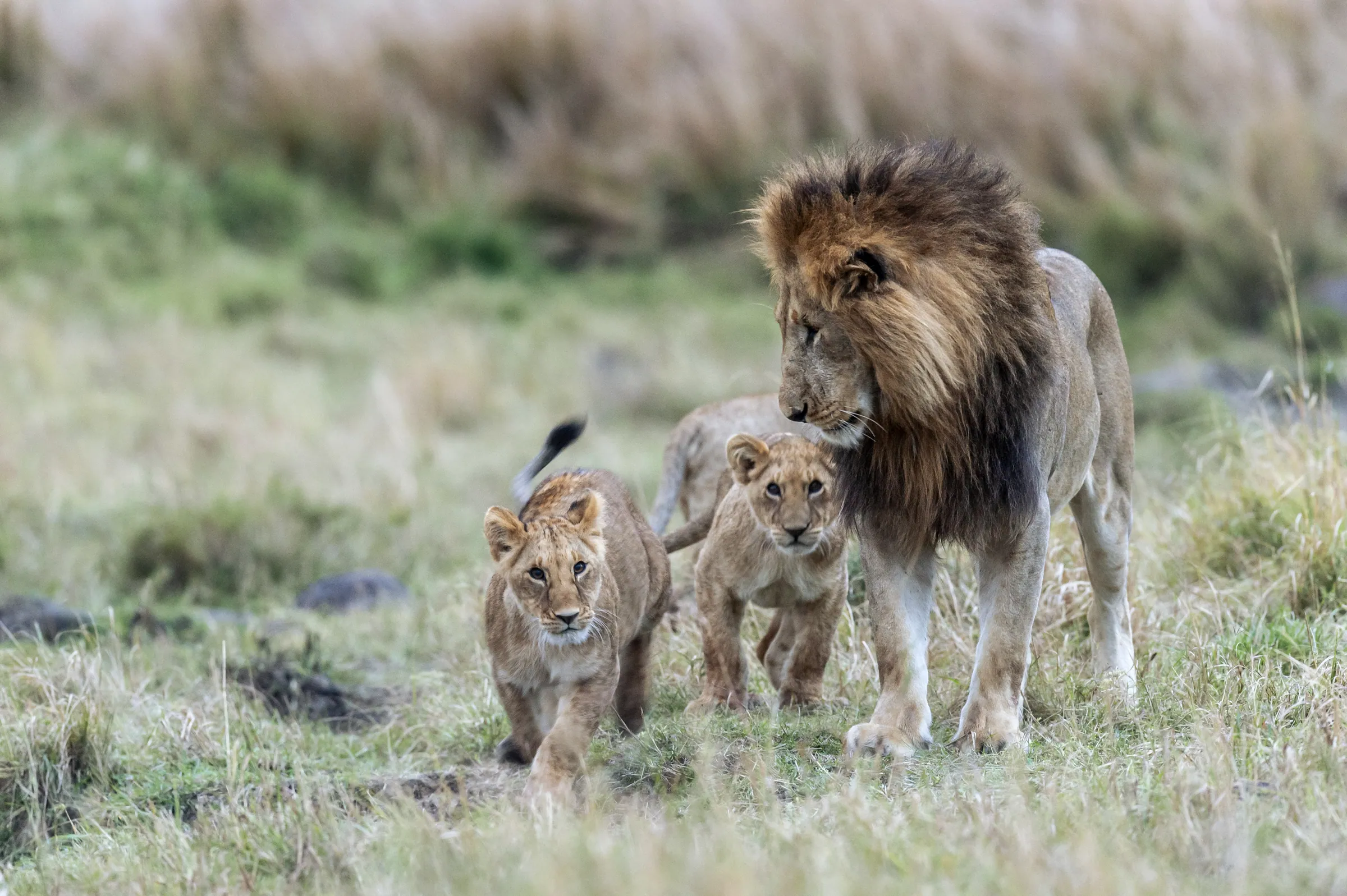
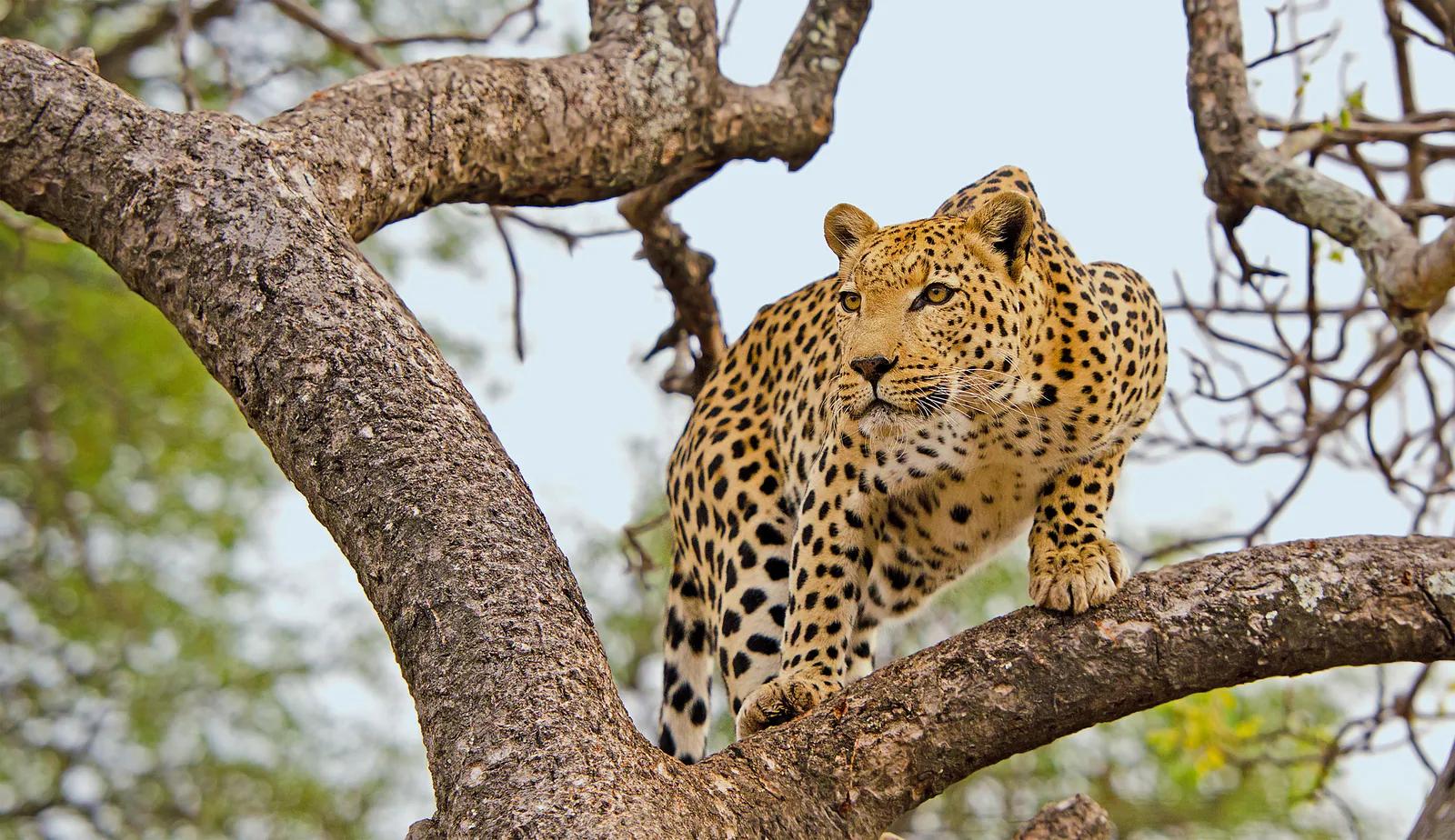
- The resident predators: lion, leopard and cheetah stay all year, and with fewer vehicles you can spend longer with each sighting
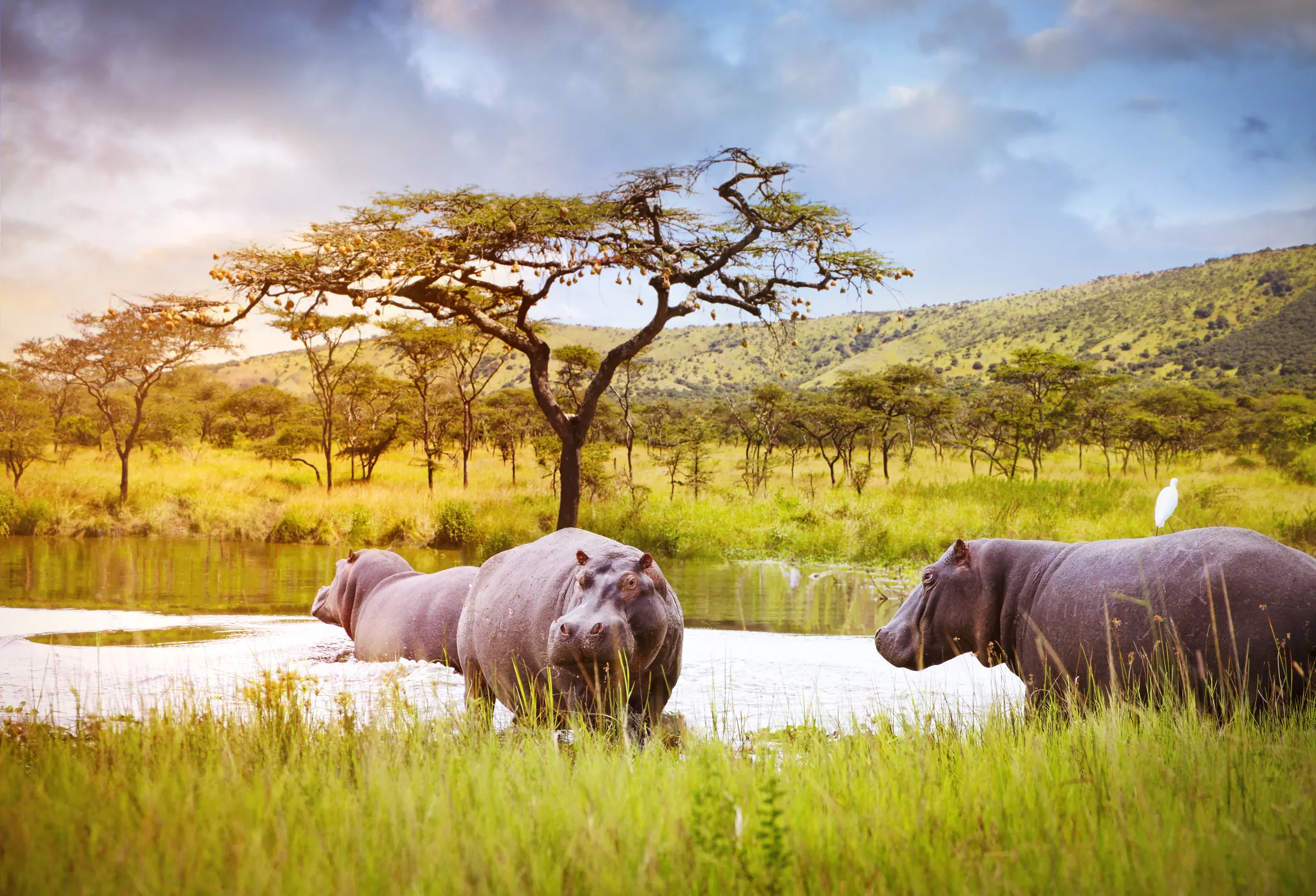
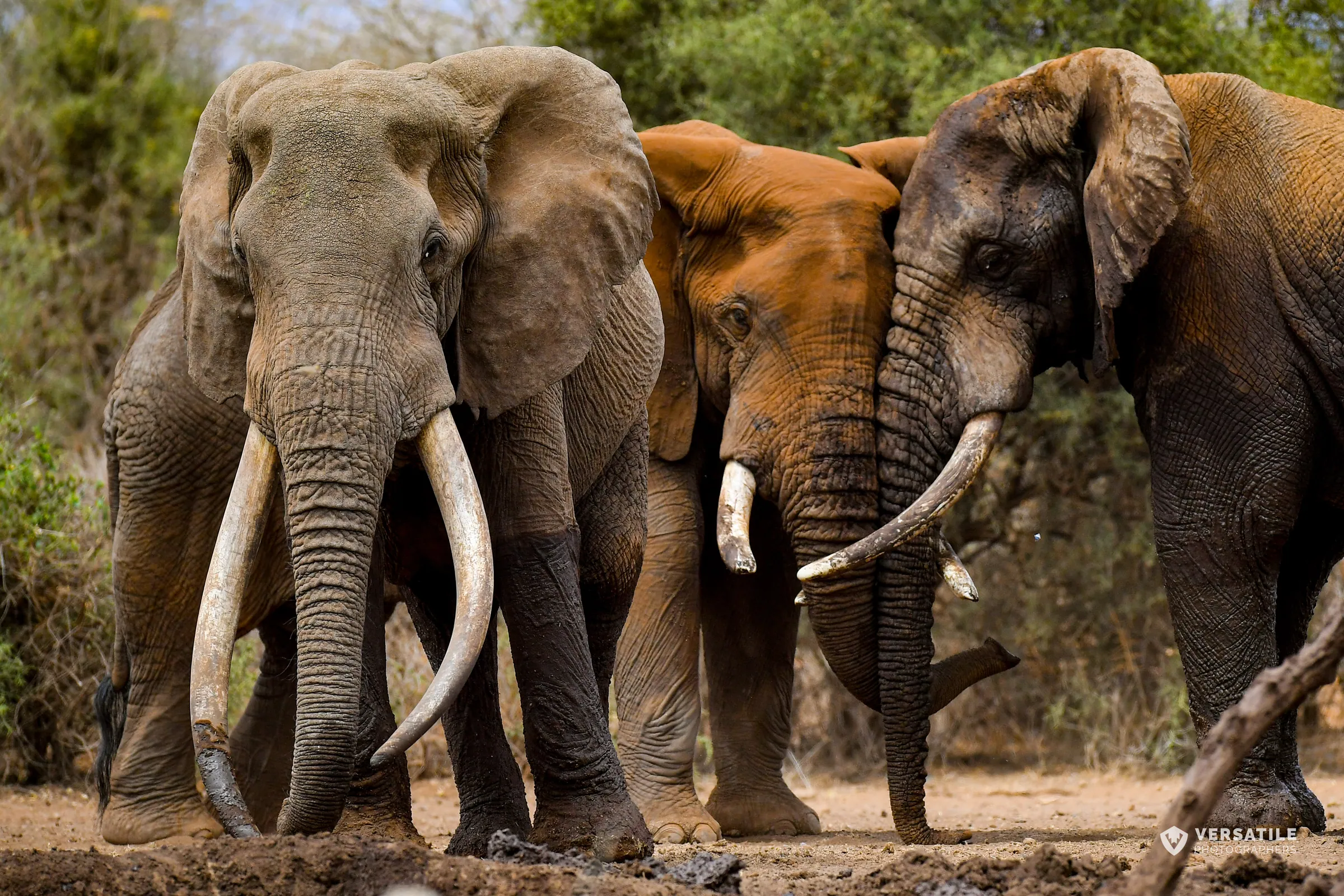
- Elephants and hippos: hippos crowd the rivers and pools, and elephant herds move through the riverine forest and the Musiara marsh
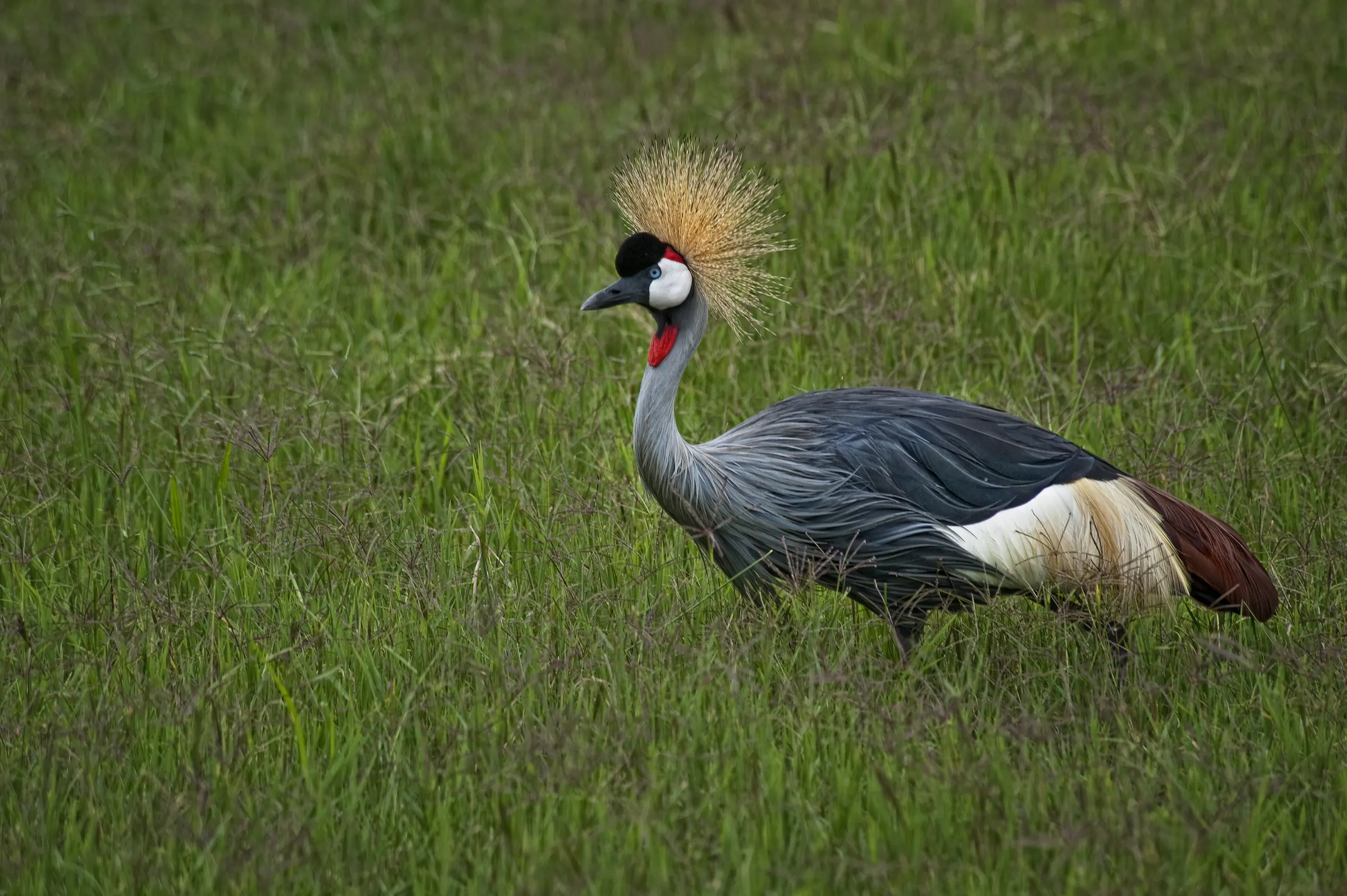
- Birding picks up: migrant birds start to arrive from the north, and the first rains bring insects and the birds that follow them
- Babies begin: some of the plains game start to drop their young as the grass greens
- Storm light: towering clouds over gold grass make October afternoons the most dramatic of the year for photographers
Who October suits
- Value seekers: camp rates often drop from mid to late October, while the wildlife stays excellent
- Photographers who want storm light and empty foregrounds
- Second-time visitors who hate crowds and want to see the Mara's resident animals properly
- Anyone combining the Mara with the coast before the November rains reach it
- Not ideal for: first-timers who must see a crossing, who should book August or September instead
Price and booking
October is shoulder season. Early October is still priced as peak at many camps; from mid to late October rates often ease, and availability opens up, so you can book a few months ahead rather than a year. Conservancy camps are often the best value now, since their vehicle limits and night drives matter more than proximity to the river. Our conservancies guide explains how they work, and our where to stay guide compares the camps.
How we would plan your October
- For crossings: the first ten days of October, based in the Triangle or near the central river, four nights to give the herds time
- For space and value: the second half, in a conservancy, with walking, a night drive and one day in the reserve
- Daily rhythm: long morning drives, a siesta while the clouds build, and a short evening drive
- Add-on: three or four nights on the coast at Diani or Watamu, an easy flight from the Mara
What about November?
November brings the short rains to most of Kenya, usually as afternoon showers rather than all-day rain. The herds are mostly gone from the Mara, the landscape turns green, the camps are at their quietest and many offer their lowest rates of the year, though the reserve fee is still $200 until January. Our Kenya in November page and the seasons overview explain what the green season is like across the country.
The verdict
Book early October if you want a last chance at crossings with fewer vehicles. Book late October if you want space, storm light and better rates, and are happy to trade the herds for the Mara's residents. Either way, October is the month the Mara feels most like it did before the crowds found it.
The other months
July is the arrival, August the peak and September the guides' favorite. Each month has its own page, linked below.