Parks and reserves. Updated November 2026. 4 min read.
On Borana you can ride a horse across a plain where black rhinos graze, with the snow on Mount Kenya's peaks on the horizon, and come back to a fire and a handful of other guests. Borana is a ranch and conservancy of about 32,000 acres (some 130 square kilometers) in eastern Laikipia, right beside Lewa, and since the fence between the two came down they have worked as one large, open rhino landscape.
The short answer: Borana is for travelers who want an active, small-scale safari, on horseback, on a mountain bike or on foot, with a real chance of black rhino and very few other vehicles. It is top-end. The lodges are small, often booked whole by families, and the conservancy fee is inside the rate. If you want rhinos and Grevy's zebra at a larger, better-known address, read our Lewa page; for every Laikipia conservancy and its lodges by budget, see our Laikipia where-to-stay guide. This page is about what Borana itself is like.
A working ranch that became a rhino sanctuary
Borana is still a working cattle ranch, and the cattle are part of how the land is managed: grazing is planned so the grass recovers and wildlife has room. Over the years more of the ranch was turned over to conservation, and in 2013 black rhinos were moved onto Borana and the fence with Lewa was taken down, giving the rhinos a much larger range across both properties. Armed monitoring teams check on the rhinos every day, and the two conservancies coordinate their security. Like every private conservancy in Kenya, Borana answers to Kenya Wildlife Service on wildlife matters but manages its own land.
The country is more varied than most of Laikipia: rolling grassland, rocky ridges and forested valleys, climbing toward Mount Kenya's foothills. Mornings are cool, even cold in July, and the light is clear. The Ngare Ndare Forest, on the boundary, adds an indigenous forest with a canopy walkway and clear pools for swimming.
What lives here
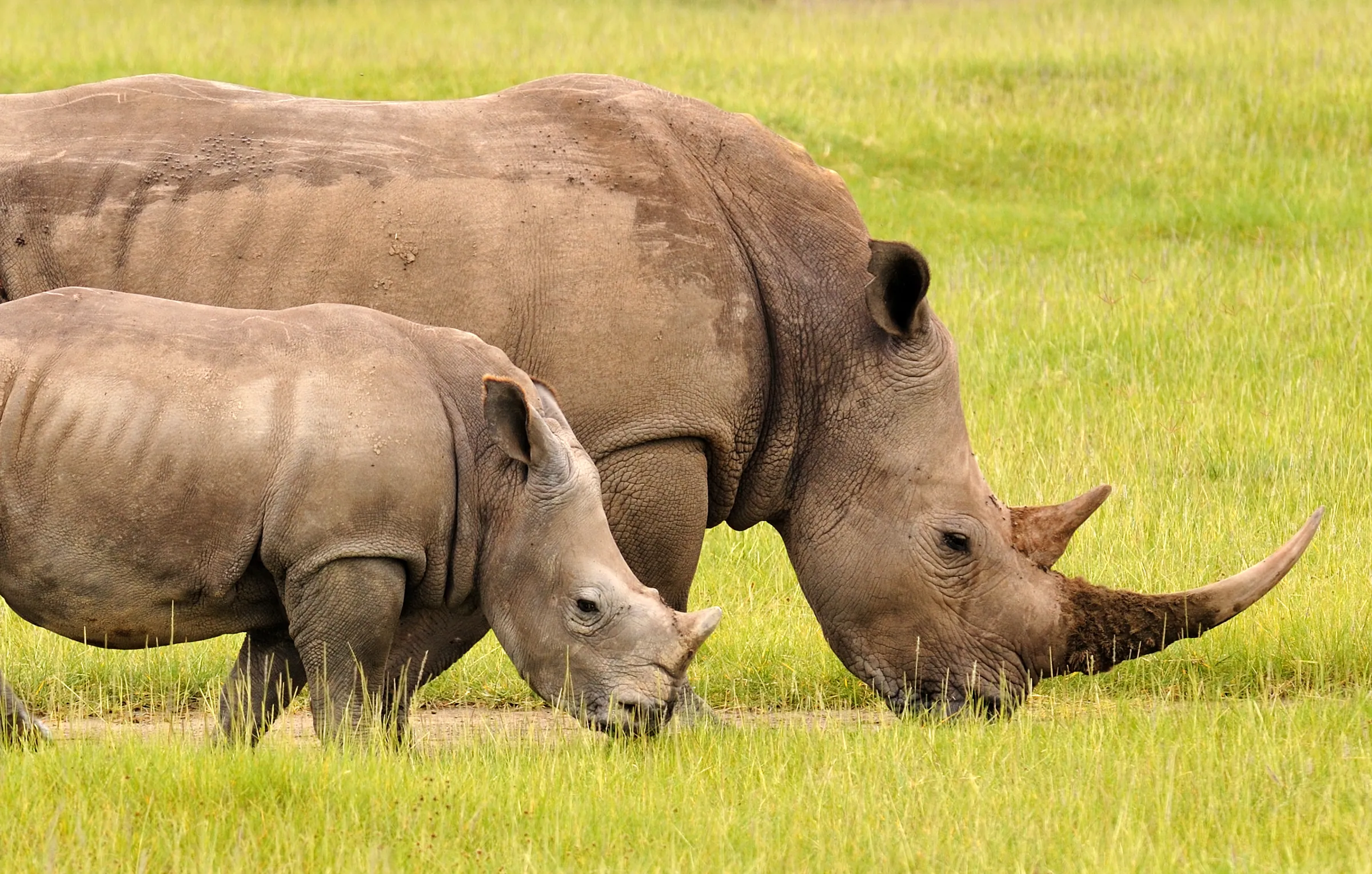
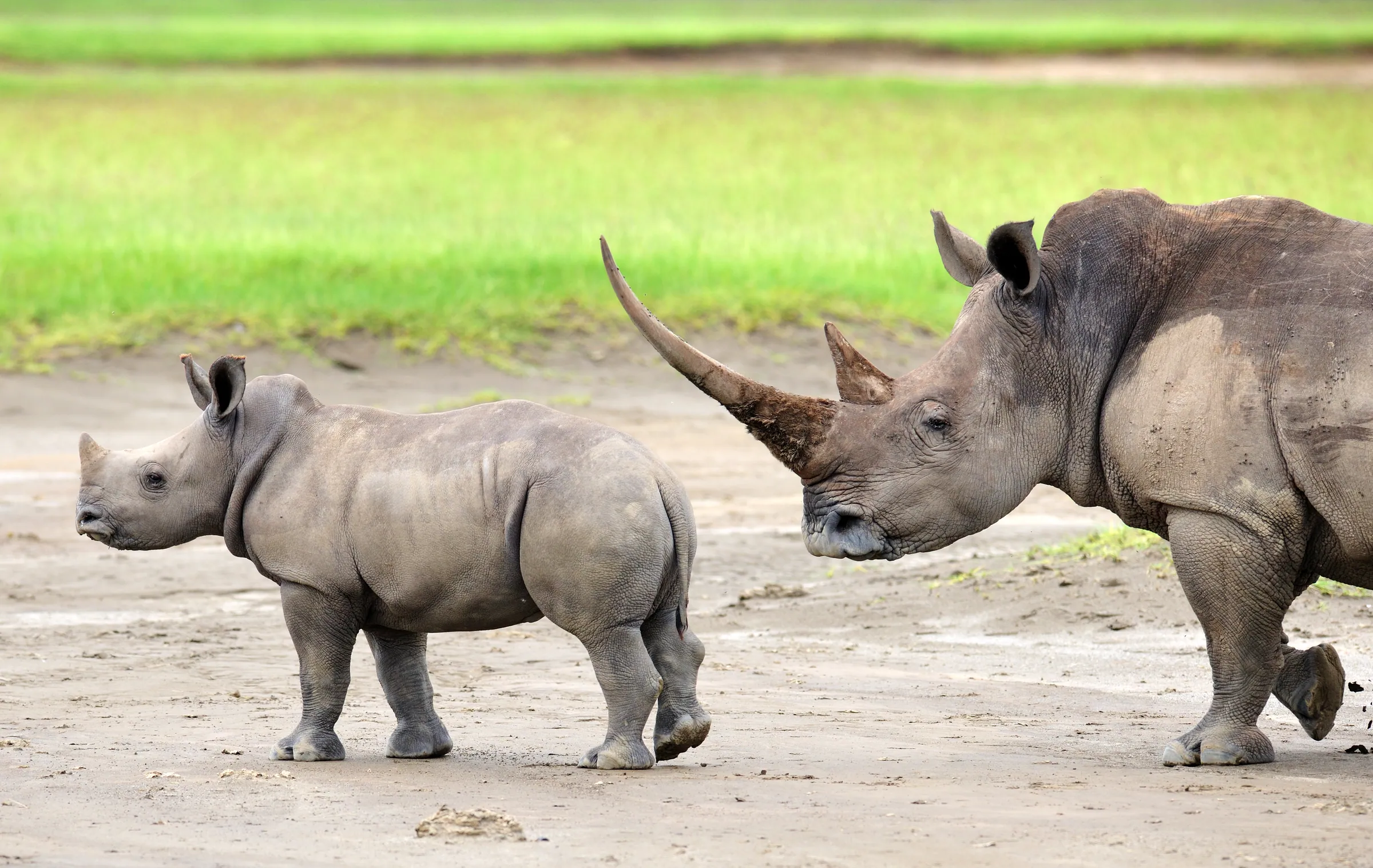
- Black rhinos, the reason the landscape is protected, with white rhinos in the wider Lewa landscape
- Elephants, which move through on the old routes between Mount Kenya and the northern rangelands
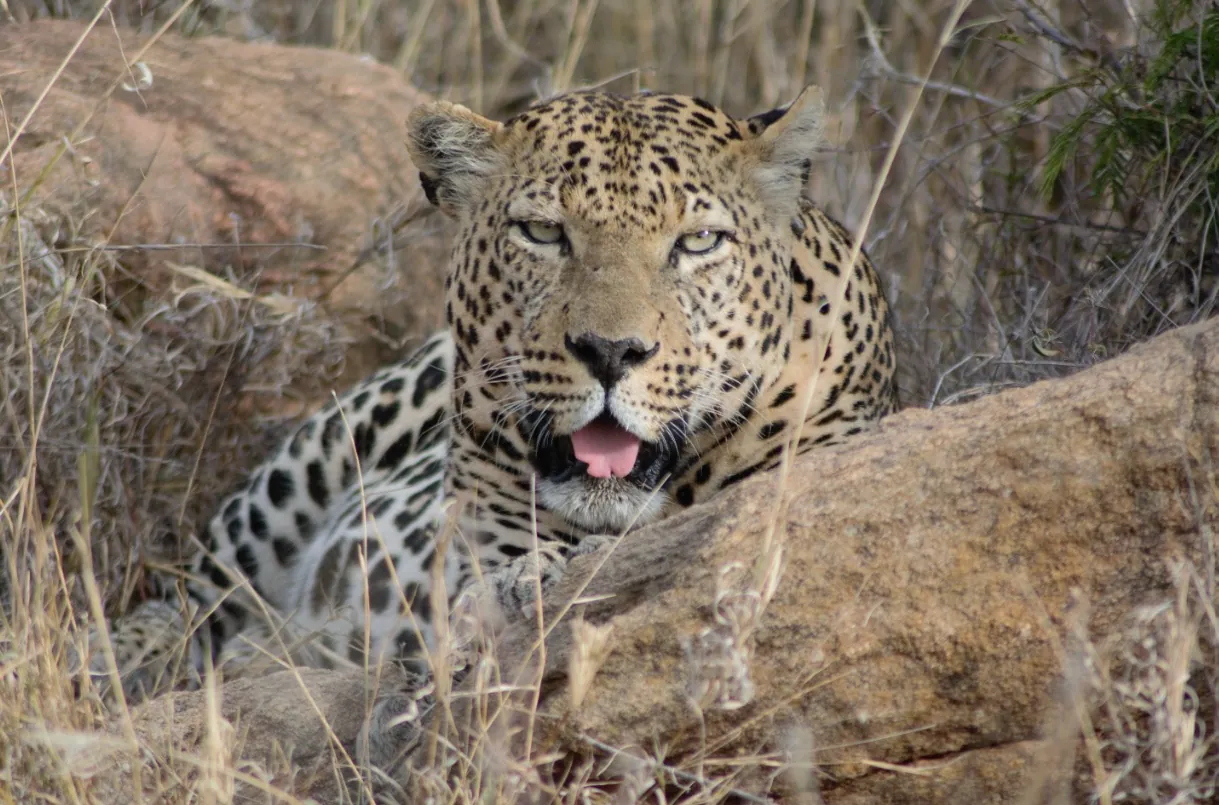
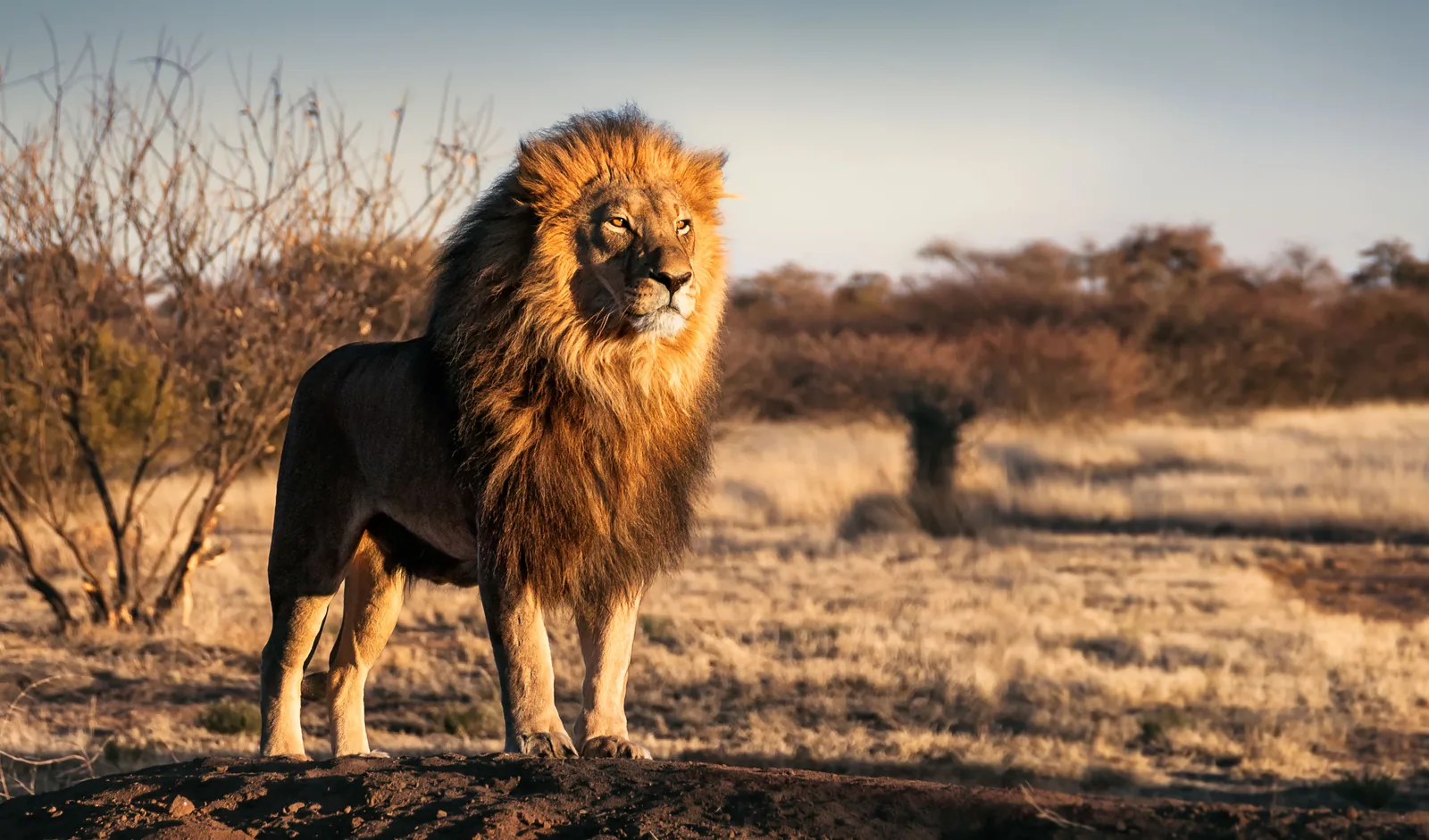
- Lions and leopards, with cheetahs and hyenas seen at times
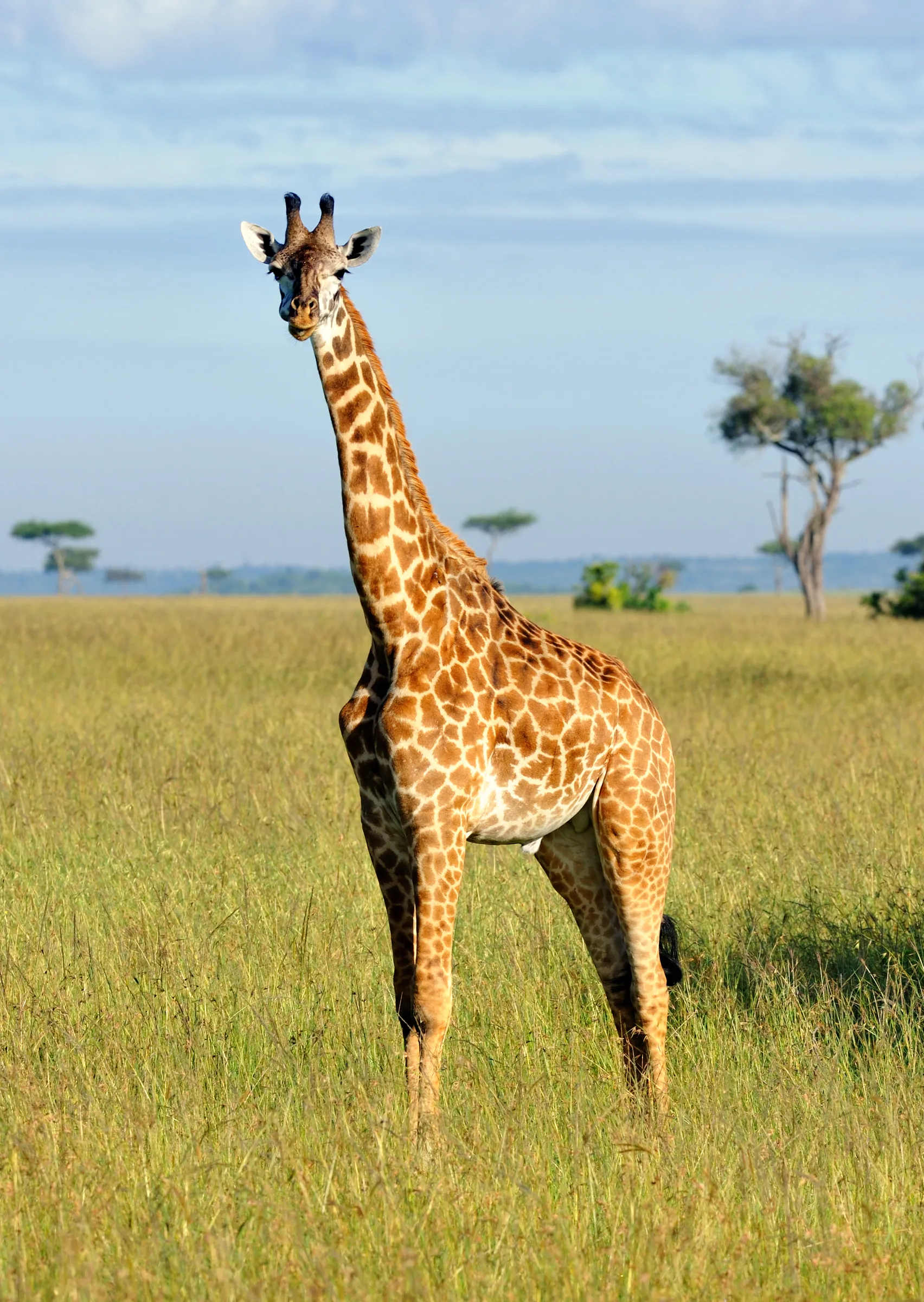
- Grevy's and plains zebra, reticulated giraffe and Beisa oryx, the dry-country species of the Lewa landscape
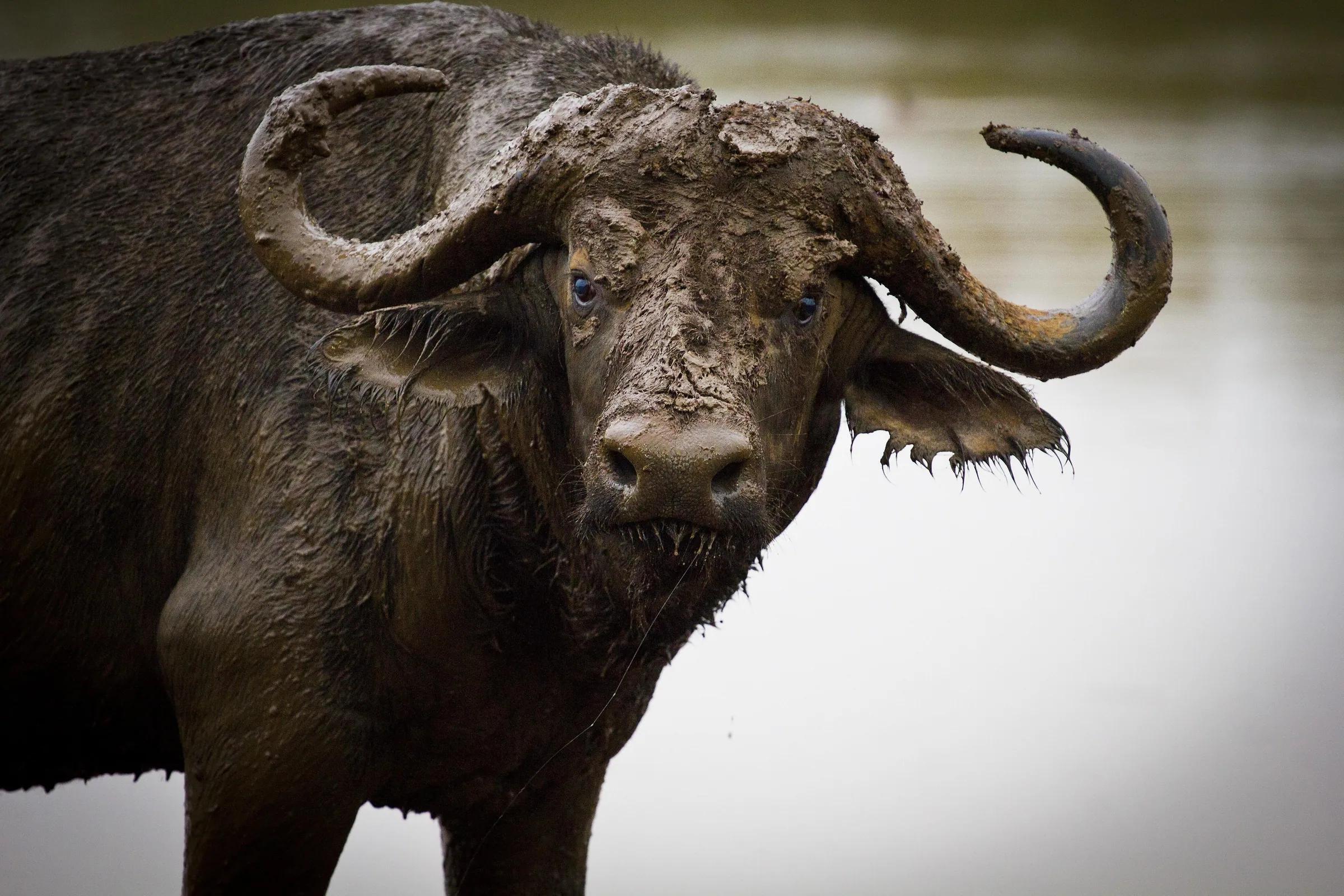
- Buffalo, eland and Jackson's hartebeest
- Birds of the highlands and the plains, from augur buzzards to sunbirds
Riding, biking and walking
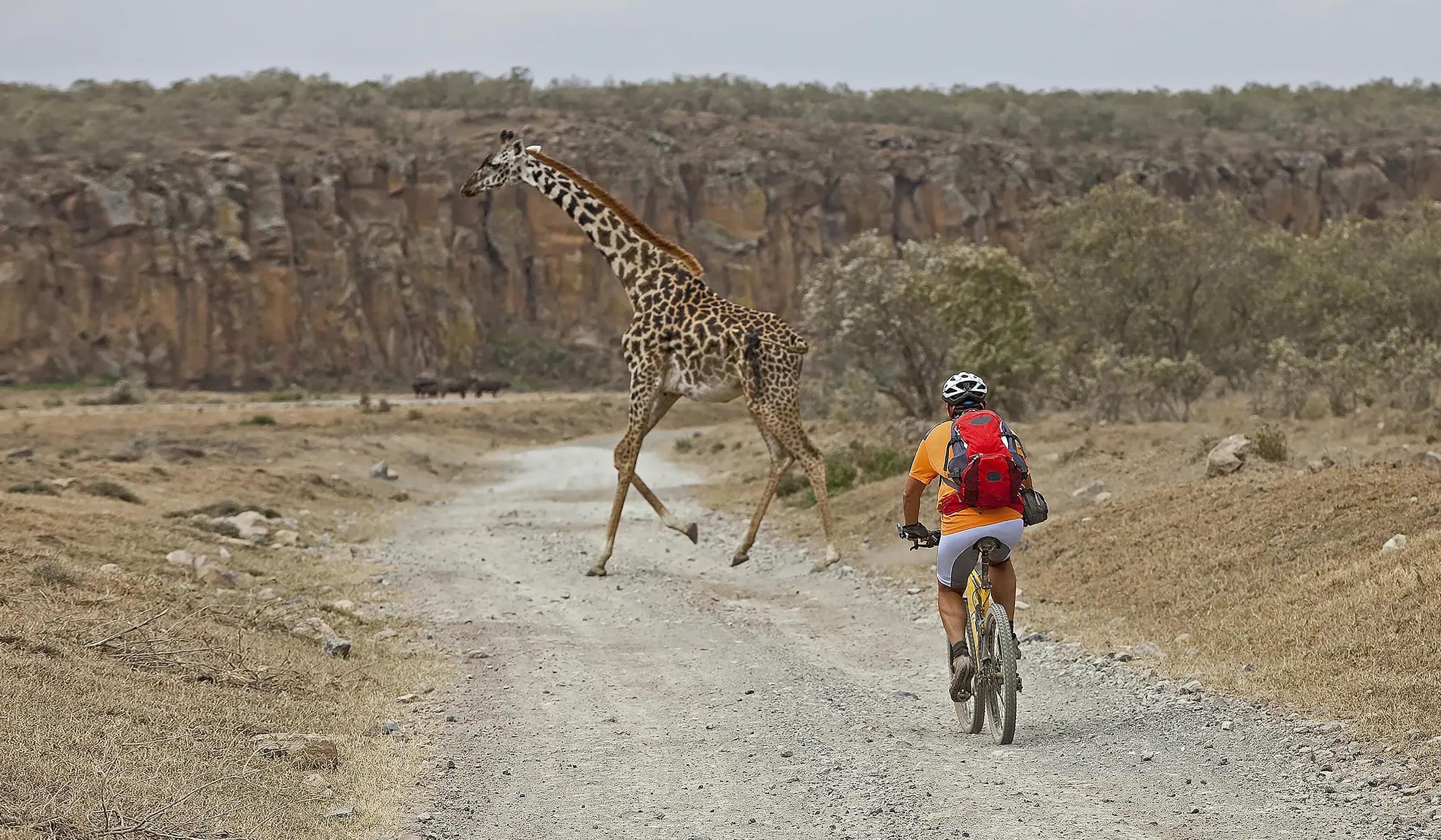
Activities are where Borana stands out. Because it is private land, you can leave the vehicle behind, and you are often among wildlife on horseback, which most animals treat as just another grazer. Each lodge runs its own program, so tell us what matters most and we will match the stay.
- Horse riding among plains game, with experienced guides, for confident riders; short guided rides for beginners in safe areas
- Mountain biking on ranch tracks, from gentle loops to long climbs
- Guided walks with armed rangers, including tracking with the rhino monitoring teams when it is offered
- Day and night game drives
- A day in Ngare Ndare Forest for the canopy walk and the pools
Riding on Borana is best for people who are comfortable at a walk, trot and canter. Expect to be asked about your experience and your weight, and each lodge sets its own minimum ages for riding, biking and walking. Ask us before you book if this is the main reason you are coming.
The lodges
| Lodge | Style | Price band | Good for |
|---|---|---|---|
| Borana Lodge | The main lodge, with cottages | Top end (premier) | Couples and families, rhinos and mountain views |
| Laragai House | Exclusive-use house | Top end | Groups of friends and extended families |
| Lengishu | Exclusive-use house | Top end | Families who want a whole house and their own guides |
Borana, Lewa or Ol Pejeta?
| Conservancy | Size | Character | Best for |
|---|---|---|---|
| Ol Pejeta | About 90,000 acres | Not-for-profit, Big Five, chimpanzees, widest range of stays | First visits, rhinos at every budget |
| Lewa | About 62,000 acres | Non-profit, rhinos and Grevy's zebra, UNESCO listed | Classic top-end rhino safari |
| Borana | About 32,000 acres | Working ranch, varied hills, riding and biking | Active travelers and families |
| Loisaba | About 57,000 acres | Drier north, star beds, wild dogs | Honeymoons and a wilder feel |
When to go
The dry months, roughly late June to October and January to March, are best for game and for the clearest views of Mount Kenya at dawn. The long rains usually fall in April and May. Many Laikipia camps close for part of November during the short rains, so check the lodge's dates if you plan to travel then.
Getting there
Most guests fly. Scheduled flights from Wilson Airport in Nairobi reach Lewa or Nanyuki in about an hour, and your lodge meets you at the airstrip; charter flights can land on the conservancy. By road, Borana is about 4 to 5 hours from Nairobi via Nanyuki and Timau, with the last stretch on ranch tracks.
How long and how it fits
Three nights lets you ride, walk and drive without rushing. Borana pairs naturally with Samburu, a few hours north, with Ol Pejeta for the chimpanzees, or with a flight to the Mara for big cats. We are Kenyan-led, with two U.S. companies behind us; pay in full or monthly with no deposit.