Things to do. Updated November 2026. 6 min read.
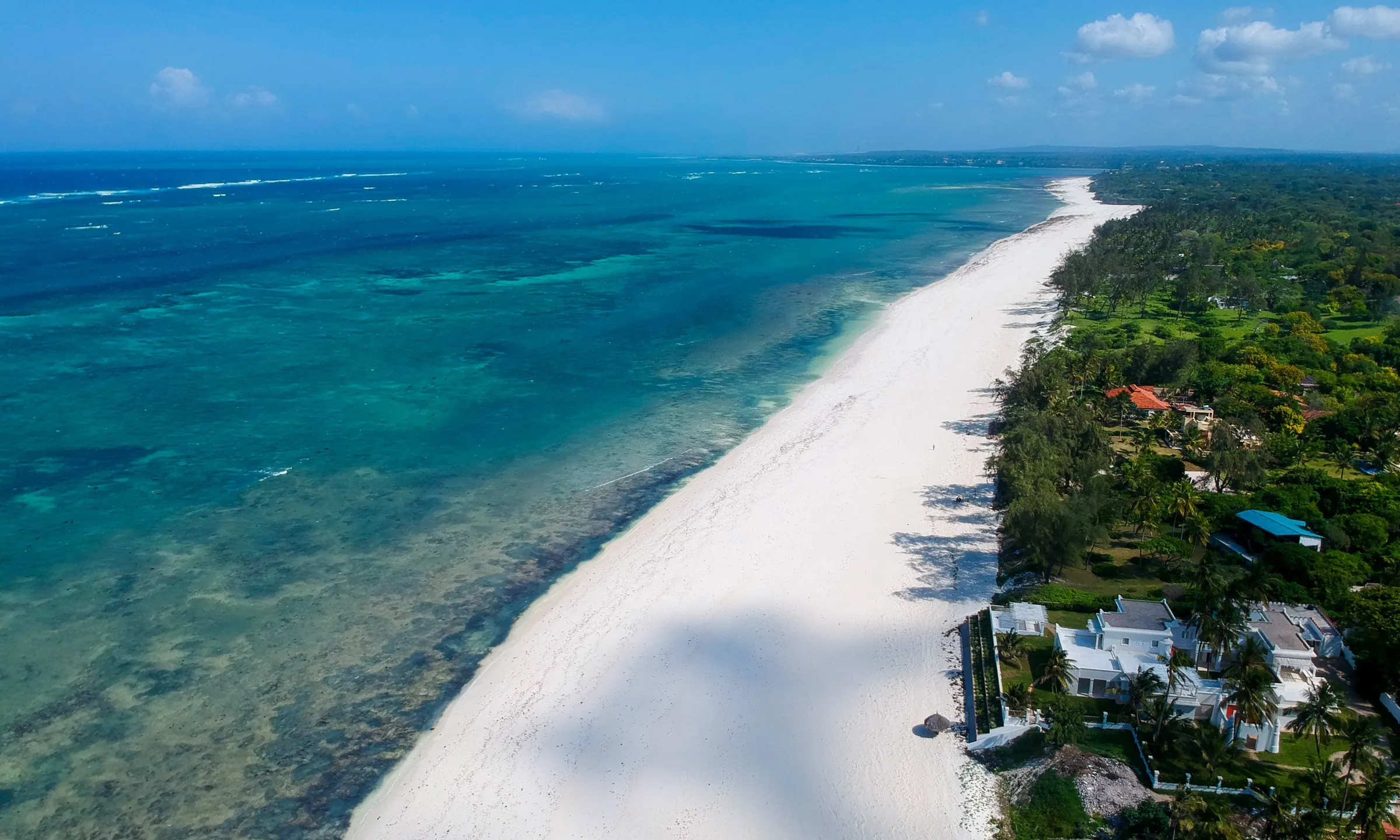
Diani's beach is the reason people come, and the reason most of them never see the rest of it. Within an hour of your sun lounger there are dolphins in the Kisite channel, a sacred forest where Digo elders still keep the old rules, Kenya's only sable antelope and a restaurant inside a coral cave. Here are 16 things to do beyond the beach, ranked best first, with how long each takes, when to go and roughly what it costs.
With four nights, our order is: one full day at Kisite-Mpunguti with lunch on Wasini Island, one morning split between Colobus Conservation and the Kaya Kinondo forest, a low-tide reef walk, and either Shimba Hills or a dhow to Funzi. The rest is the beach. Our Diani destination guide explains the beach itself, the tides, the stretches, getting there and where to stay; this page is the list of what to do once you are there.
The ranking at a glance
Cost bands are per person at the time of writing: $ is under about $20, $$ about $20 to $100 and $$$ over $100. Kenya Wildlife Service fees for the marine park and Shimba Hills change from time to time; ask whether a trip price includes them.
| Rank and activity | Best time | Time needed | Cost |
|---|---|---|---|
| 1. Kisite-Mpunguti dhow, dolphins and Wasini lunch | October to March, an early start | Full day | $$ to $$$ |
| 2. Colobus Conservation | Morning | 1 to 1.5 hours | $ |
| 3. Kaya Kinondo sacred forest | Morning | 1.5 to 2 hours | $ |
| 4. Shimba Hills and Sheldrick Falls | Early morning | Most of a day | $$ |
| 5. The reef at low tide | Spring low tides | 1 to 2 hours | Free, or a small tip for a guide |
| 6. Kitesurfing at Galu | December to March, June to September | A lesson, or a course over several days | $$ to $$$ |
| 7. Chale and Funzi by boat | Calm days, with the tide | Half or full day | $$ to $$$ |
| 8. Bushbabies at dusk | Just after sunset | 30 minutes | Free |
| 9. Paddleboard or kayak inside the reef | Calm mornings, mid to high tide | 1 to 2 hours | $$ |
| 10. Snorkel or dive the reef | October to March for visibility | Half a day | $$ to $$$ |
| 11. Dinner at Ali Barbour's Cave | Evening | An evening | $$$ |
| 12. The Kongo Mosque | Outside prayer times | 30 minutes | Free |
| 13. Swahili cooking class | Morning | Half a day | $$ |
| 14. Tandem skydive | Clear mornings in season | Half a day | $$$ |
| 15. A camel ride on the sand | Low tide | 30 to 60 minutes | $ to $$ |
| 16. Diani Beach Art Gallery | A hot afternoon | About 1 hour | Free to browse |
1 to 4: the four days worth planning
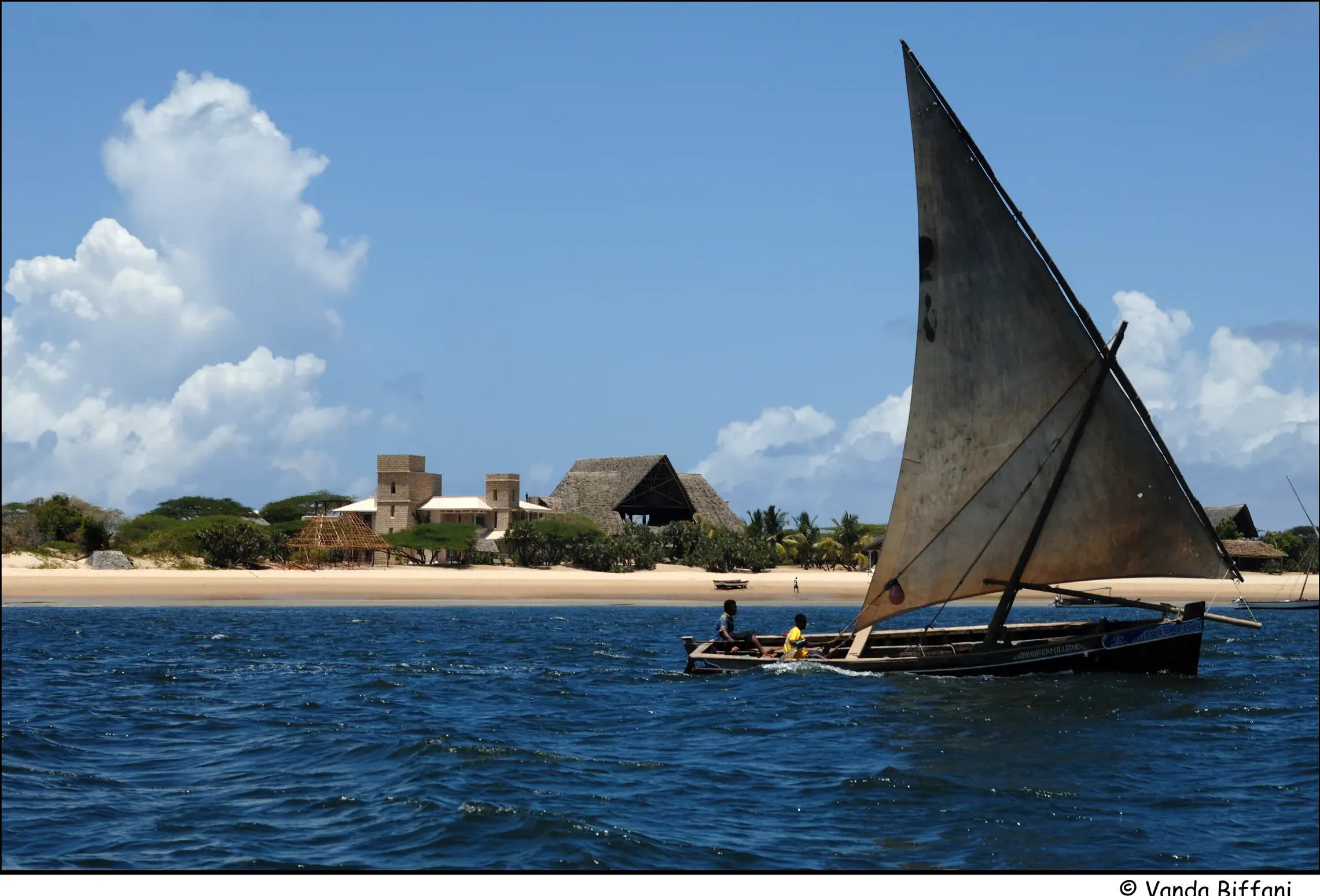
- Kisite-Mpunguti: leave Diani around 7am for the 1 to 1.5 hour drive to Shimoni, board a dhow and head for the channel, where bottlenose and Indo-Pacific humpback dolphins are seen year-round. Good crews keep their distance and never chase a pod; skip any boat that does. Snorkel the coral at Kisite, then land on Wasini Island for a Swahili seafood lunch and the coral garden boardwalk. Back on the mainland, the Shimoni caves, once used to hold captives during the slave trade, are a sober, worthwhile stop. We run this day with the boat crews we trust.
- Colobus Conservation: the rescue center on the Diani road that cares for injured Angolan colobus, Sykes' monkeys and other primates, and built the rope 'colobridges' you will see over the road. The guided primate walk explains why power lines and traffic are the monkeys' biggest threats. At the time of our research entry was by donation; check before you go.
- Kaya Kinondo: one of the sacred Mijikenda kaya forests, a UNESCO World Heritage Site since 2008, and the one visitors can enter, always with a Digo guide. You wrap a kikoi over your clothes, keep to the path, take no photos of the shrines and leave nothing behind. The guide explains which trees are medicine, where the elders meet and why the forest still stands when so much of the coast was cleared. Our kaya forests page has the background.
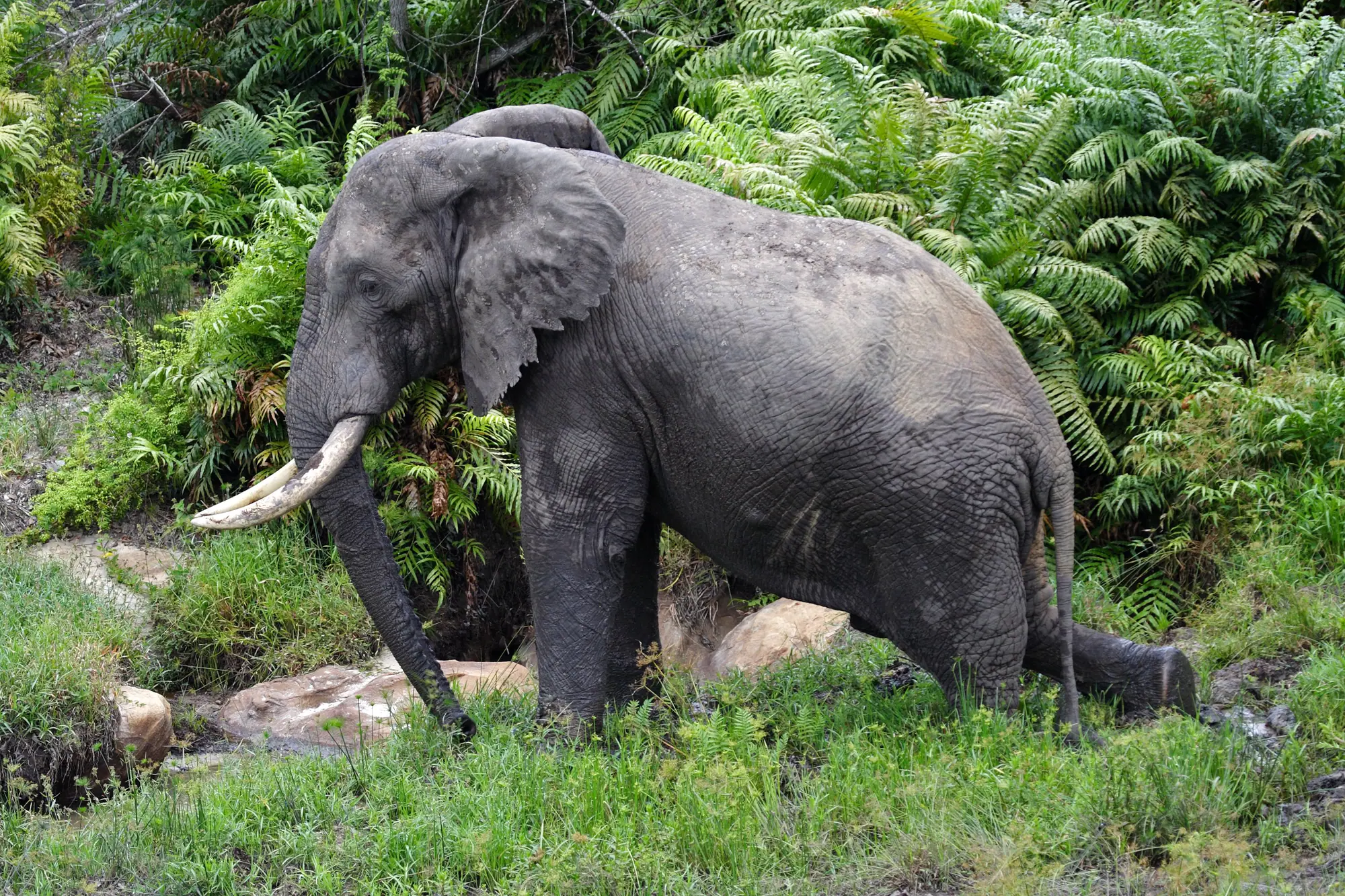
- Shimba Hills: the green ridge above the coast, about an hour from Diani, with Kenya's only sable antelope, forest elephants and the walk down to Sheldrick Falls with a Kenya Wildlife Service ranger. Leave early, when the animals are out and the hills are cool, and wear shoes you can get wet. We combine it with a picnic and a stop at a viewpoint over the coast.
5 to 10: on and in the water
- The reef at low tide: the biggest low tides, the spring tides, come around the full and new moon, and they expose rock pools full of starfish, sea cucumbers, octopus and small reef fish. Wear reef shoes for the sea urchins, step on sand, not coral, and leave every shell where it is. A beach guide who knows the pools will show you more for a small tip.
- Kitesurfing at Galu: the wider, quieter sand south of Diani is where the kite schools are, and the trade winds blow roughly from December to March and June to September. A first lesson tells you whether you want a course; a beginner course runs over several days.
- Chale and Funzi: south of Diani, Chale Island is reached on foot or by tractor at low tide and by boat at high tide, and whale sharks pass offshore from November to February. Further south, Funzi is all mangroves, sandbanks and quiet channels, with crocodiles in the Ramisi river and visits to a Shirazi fishing village. A half day for Chale, a full day for Funzi.
- Bushbabies at dusk: in hotels with old trees, the galagos come out just after sunset. Sit quietly with a red or dim light, never feed them, and listen for their calls.
- Paddleboard or kayak: inside the reef at mid to high tide, the lagoon is flat in the early morning before the wind picks up. Hire boards on the beach and stay inside the reef line.
- Snorkel or dive: dive centers along the beach run PADI courses and reef dives, with the best visibility from October to March. Experienced divers can visit the wreck of the MV Alpha Funguo. Do not fly, or skydive, within 24 hours of a dive.

11 to 16: an evening, a mosque, a kitchen and the sky
- Ali Barbour's Cave: dinner in a natural coral cave, open to the stars, lit by candles. Reserve ahead in high season and dress smart casual.
- The Kongo Mosque: at the north end of Diani, where the Mwachema river meets the sea, among baobabs, one of the oldest mosques on this stretch of coast and still used for prayer. Visit outside prayer times, dress modestly and ask before going near the door.
- Swahili cooking class: coconut rice, fish in coconut sauce and chapati, taught in a home or a hotel kitchen, at about $40 to $90 per person at the time of writing. See our cooking class page.
- Tandem skydive: Diani is a well-known drop zone in season, with landings on the beach. It depends on the weather, so leave a spare day.
- A camel ride: handlers walk camels along the sand at low tide. Agree the price and the time first.
- Diani Beach Art Gallery: Kenyan and East African painting and sculpture, and a cool hour out of the sun.
Four nights or seven: a plan
| Stay | Days out | Beach and easy days |
|---|---|---|
| Four nights | Kisite-Mpunguti and Wasini; Colobus Conservation and Kaya Kinondo in one morning | A reef walk on the lowest tide, bushbabies, Ali Barbour's |
| Seven nights | Add Shimba Hills, Funzi or Chale, and a cooking class | A kite lesson or a paddleboard morning, the art gallery, a camel ride |
Timing, tides and practical notes
- Best months: January to March and July to October. April and May are the long rains, and some hotels and operators close for part of May.
- Tides rule the day: reef walks, Chale's crossing and swimming all depend on them. We send a tide table with your plan.
- Getting around: tuk-tuks for the beach road, a driver for Shimoni, Shimba Hills and Funzi.
- Beach sellers will offer every trip on this page. Some are fine; many are not licensed. Ask to see who runs the boat and whether life jackets and park fees are included.
- Before you book, check the current U.S. State Department advisory for Kenya and confirm your travel insurance covers your route.
- Want the old Swahili town as well as the beach? Add a few nights in Lamu after Diani; our things to do in Lamu page has the list.