History. Updated November 2026. 5 min read.
Drive south from Diani and you pass a block of tall, dark forest between the beach hotels and the farms. It looks like any other patch of coastal woodland. It is not. It is Kaya Kinondo, one of the sacred forests of the Mijikenda, where generations of Digo elders have prayed, buried their leaders and made the rules about who may cut a branch. It is part of a World Heritage Site, and it is one of the few in Kenya where the heritage is not a ruin but a living practice.
UNESCO listed the Sacred Mijikenda Kaya Forests in 2008: eleven separate forest sites spread over about 200 kilometers of the coast, from Kilifi County in the north to Kwale County in the south. Most are closed to outsiders. Kaya Kinondo is the one set up for respectful visits, with a guide from the community, and it is an easy half day from any Diani hotel.
What a kaya is
The Mijikenda are nine related Bantu-speaking peoples of the coast and its hinterland: the Giriama, Digo, Duruma, Rabai, Ribe, Kambe, Jibana, Chonyi and Kauma. Their oral histories describe a migration south from a homeland called Shungwaya, in what is now southern Somalia, from about the 16th century. In their new country each people built a kaya: a fortified village in a clearing deep in the forest, reached by paths through protective gates, with the forest itself as the wall.
Over time, as the region grew safer, people moved out to farm the surrounding land, and by the middle of the 20th century the kayas were no longer lived in. But they did not lose their meaning. The clearings remained the spiritual center of each community: places of prayer, burial grounds for elders, and the seat of the councils of elders who govern ritual life. The forest around them was protected by taboos. You did not cut trees, take animals or even pick plants without the elders' permission. That is why these forests survive while much of the coastal forest around them has been cleared.
Why UNESCO listed them
The kayas were inscribed on three cultural criteria. Under (iii) they bear unique testimony to a cultural tradition that is still alive. Under (v) they are an outstanding example of traditional settlement and land use, and of how a community's beliefs protected its environment. Under (vi) they are directly linked to beliefs and practices of the Mijikenda that remain important today. UNESCO also notes that the forests are threatened by the erosion of traditional values, by the pressure of farming and building around them, and by the value of the timber and land they hold.
A timeline
| When | What happened |
|---|---|
| From about the 1500s | Mijikenda communities settle in fortified forest villages, according to their oral history |
| 1800s | Trade with the Swahili towns and inland caravans grows; some people begin to live outside the kayas |
| 1913 to 1914 | Giriama resistance to British rule, rallied by Mekatilili wa Menza, draws on oaths taken at Kaya Fungo |
| Mid-1900s | The kayas are no longer lived in but remain sacred places |
| 1990s | National Museums of Kenya starts working with elders to protect the forests as national monuments |
| 2008 | UNESCO inscribes the Sacred Mijikenda Kaya Forests |
Visiting Kaya Kinondo
Kaya Kinondo belongs to the Digo, and its visits are run by the community so that fees go to the people who guard the forest. You arrive at a small office at the forest edge, meet your guide, and are given a dark cloth to wrap around your waist, as tradition requires of everyone who enters. The walk lasts about an hour and a half on narrow paths under tall trees, past sacred trees, a former gateway and, at a distance, the places where elders pray. Guides explain the plants used for medicine, the forest's monkeys and birds, and the rules the elders keep.
| Practical | Details |
|---|---|
| Where | South of Diani, near Kinondo village, Kwale County |
| From Diani | About 15 to 30 minutes by road, depending on your hotel |
| Time needed | Two hours including the walk |
| Best time | Early morning, before the heat |
| Fee | A community entrance fee; ask us or the office for the current rate |
| Bring | Closed shoes, insect repellent, water |
The rules, and why they matter
- Cover your shoulders and knees, and wear the cloth wrap you are given.
- Do not photograph shrines, graves or the elders' places of prayer. Ask your guide before any photo.
- Take nothing from the forest: no leaves, seeds, stones or sticks.
- Keep your voice down and stay on the path.
- Follow your guide's instructions. Some areas are closed to visitors at all times, and some days are reserved for ceremonies.
These rules are not a show for tourists. They are the same taboos that have kept the forest standing for centuries. Following them is the most useful thing a visitor can do for the kaya.
The forest itself
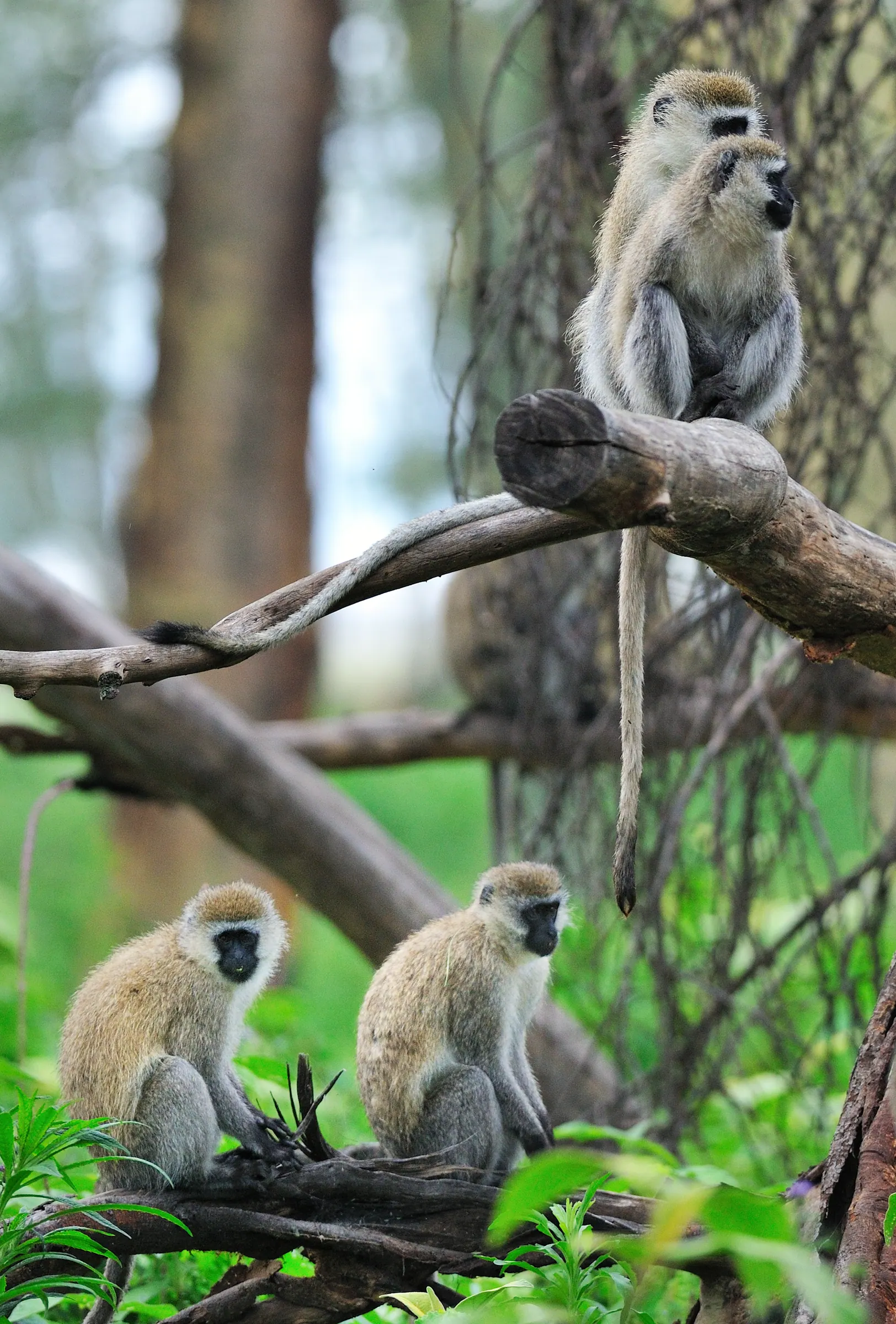
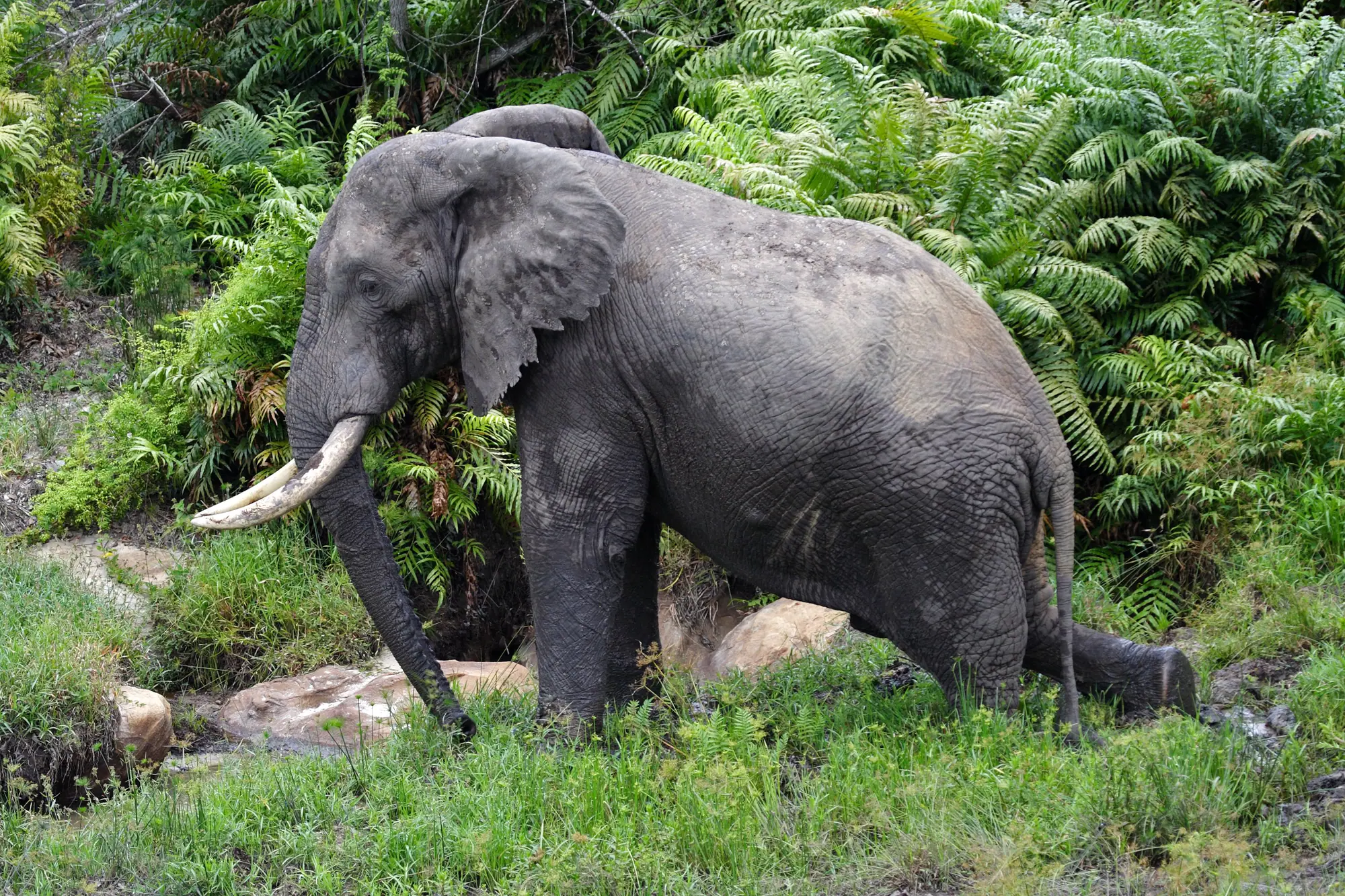
The kayas are fragments of the coastal forests of East Africa, a global hotspot for plants and animals found nowhere else. Even a small kaya holds rare trees, butterflies and birds. At Kaya Kinondo you may see colobus and vervet monkeys and forest birds, and your guide will point out trees used in traditional medicine. Combined with the Colobus Conservation center in Diani and the forest at Shimba Hills, a Kaya visit makes a good nature morning away from the beach.
The other kayas
The other listed forests lie inland from Mombasa and Kilifi, in Rabai, Kambe, Ribe, Jibana, Kauma, Chonyi and Giriama country. They are not set up for tourism and you should not walk into one uninvited. If your trip has a cultural or academic purpose, for example a university course on heritage, religion or conservation, we can ask National Museums of Kenya and the elders whether a visit is possible. Allow weeks for that, and accept a no. For the Mijikenda story at the table, try a home-cooked meal of coconut fish and cassava on the south coast; our Mijikenda food page explains the dishes.