History. Updated November 2026. 4 min read.
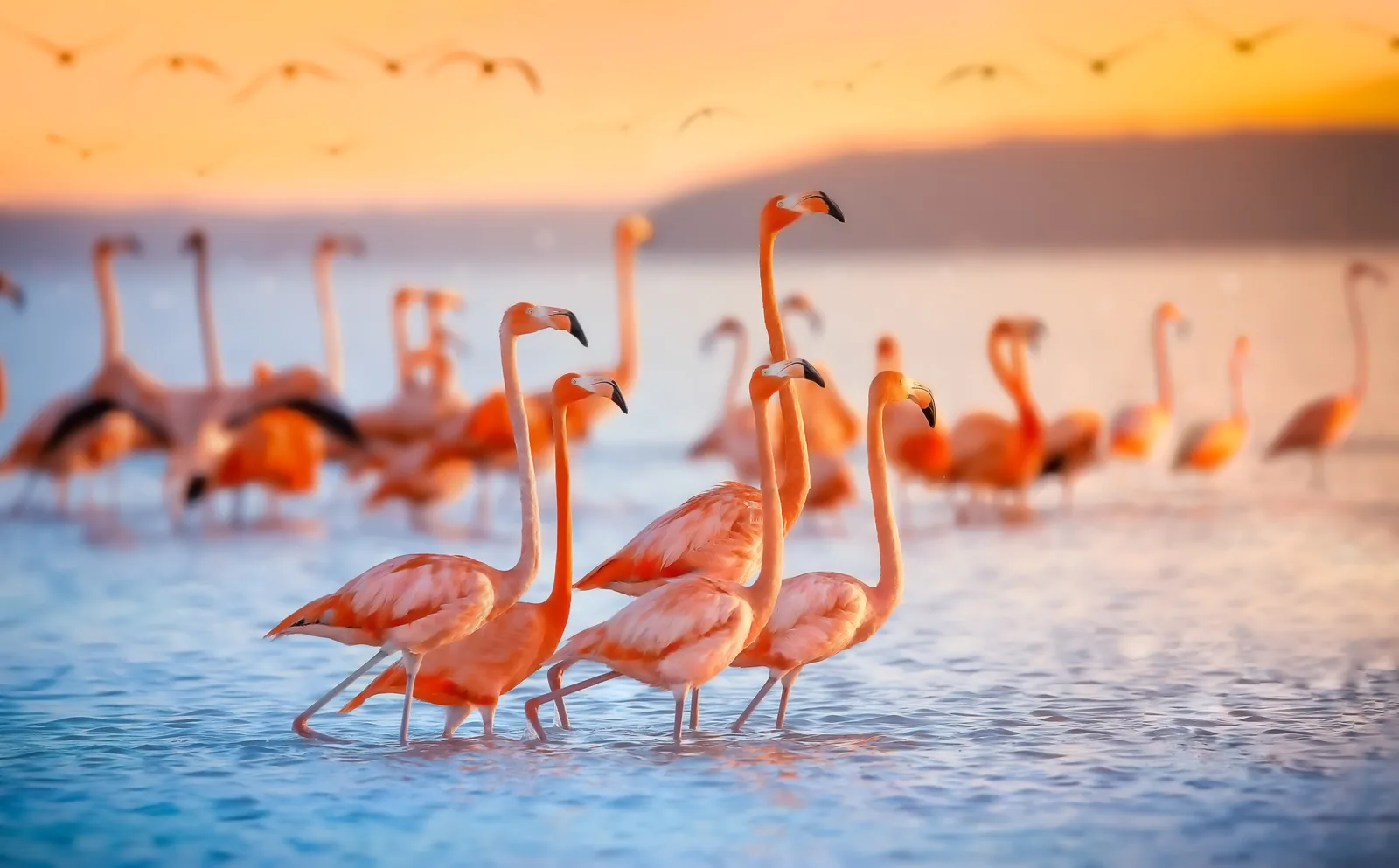
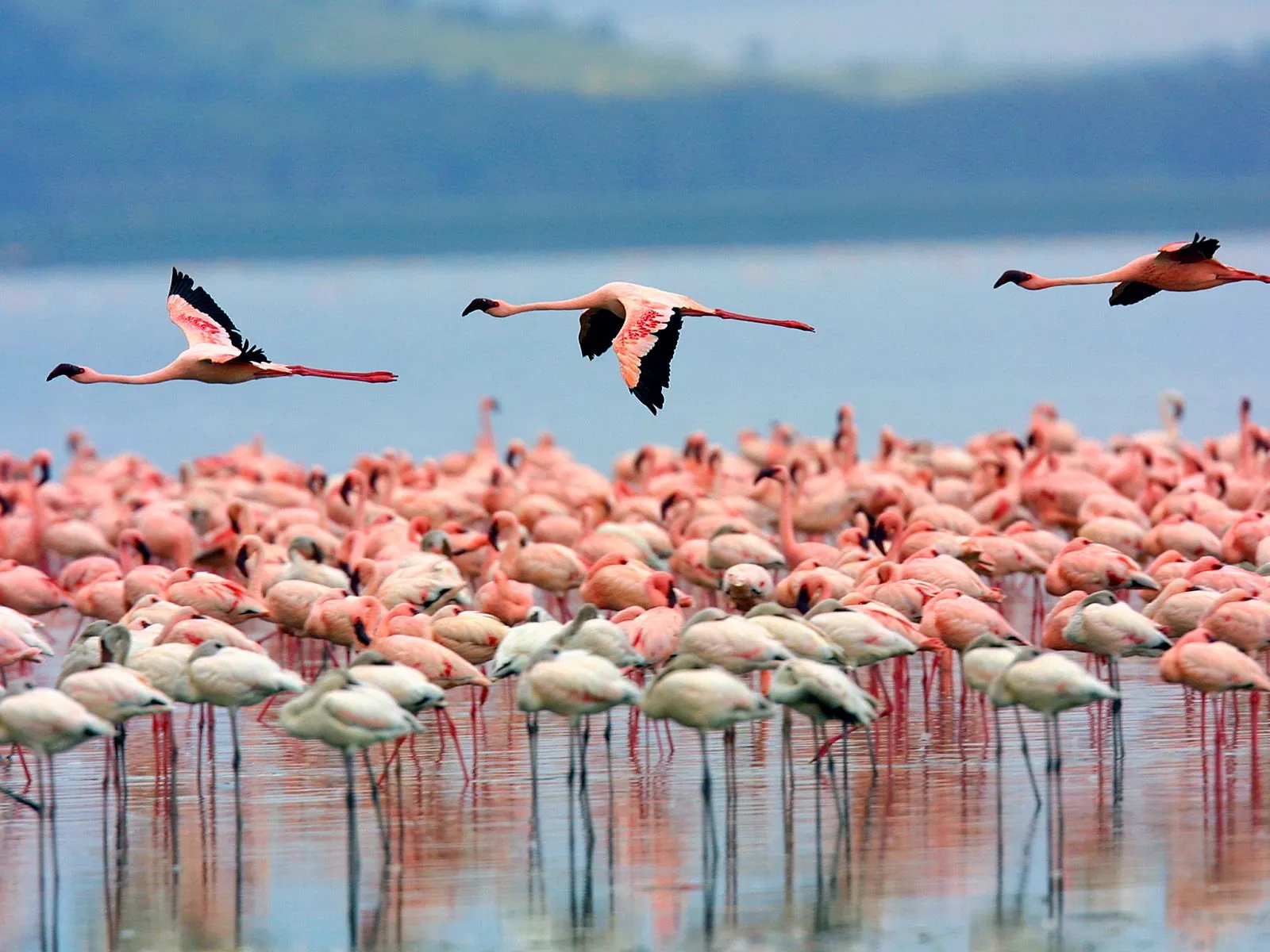
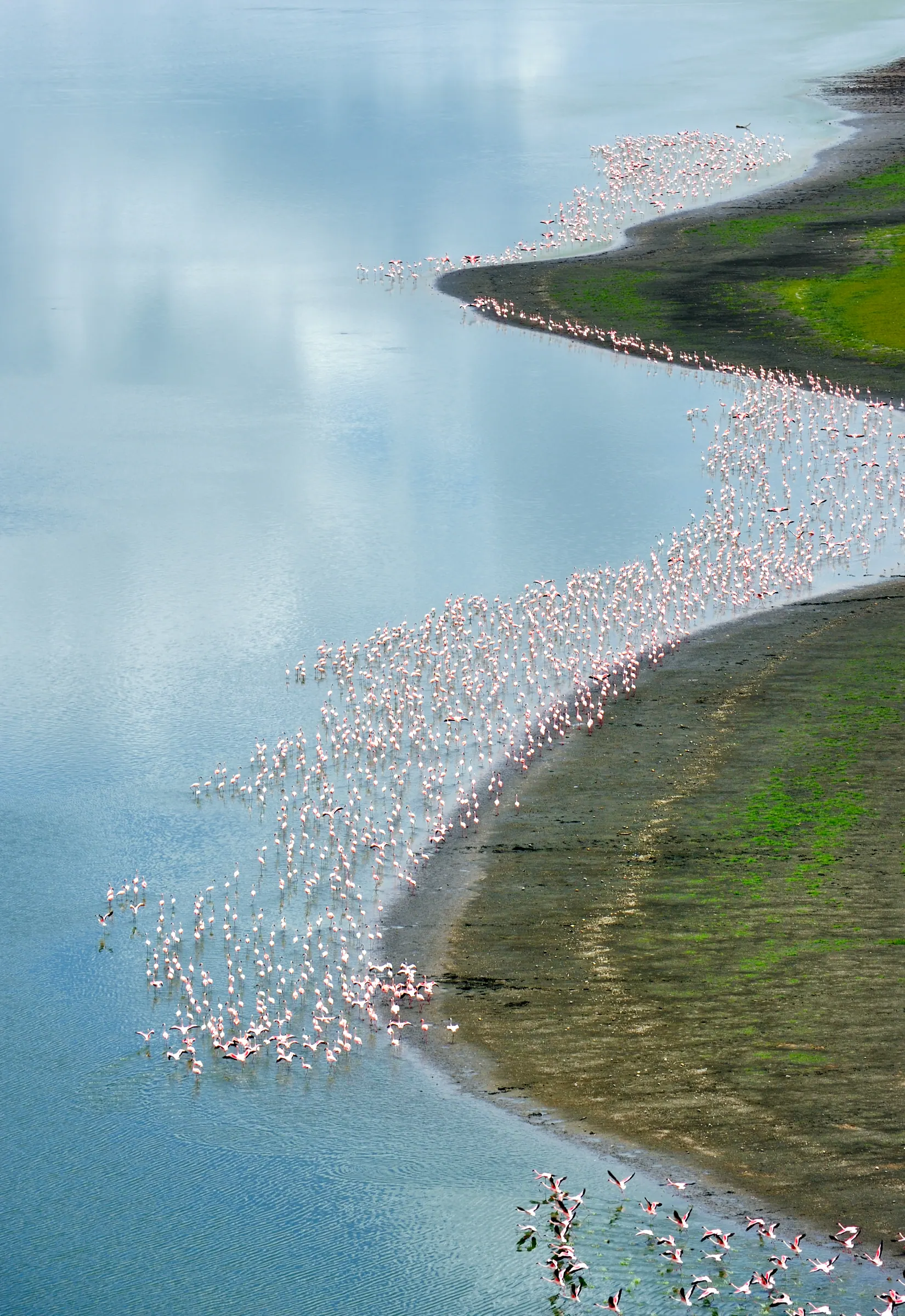
On a good day, Lake Bogoria's shore is pink for kilometers, steam rises from boiling springs at the water's edge, and the escarpment behind it drops straight into the lake. A few hours south, Lake Nakuru's rhinos graze below the same pink line, and Lake Elementaita's pelicans nest on its rocky islands. These three lakes are one World Heritage Site, and most safari travelers visit at least one of them without knowing it.
UNESCO inscribed the Kenya Lake System in the Great Rift Valley in 2011 as a natural site. It covers about 32,000 hectares across Lakes Bogoria, Nakuru and Elementaita. It was listed for its scenery, its importance to birds, above all the lesser flamingo, and the threatened species it supports. This page explains why the lakes matter, why their flamingos come and go, and how to see all three in one loop.
Why UNESCO listed it
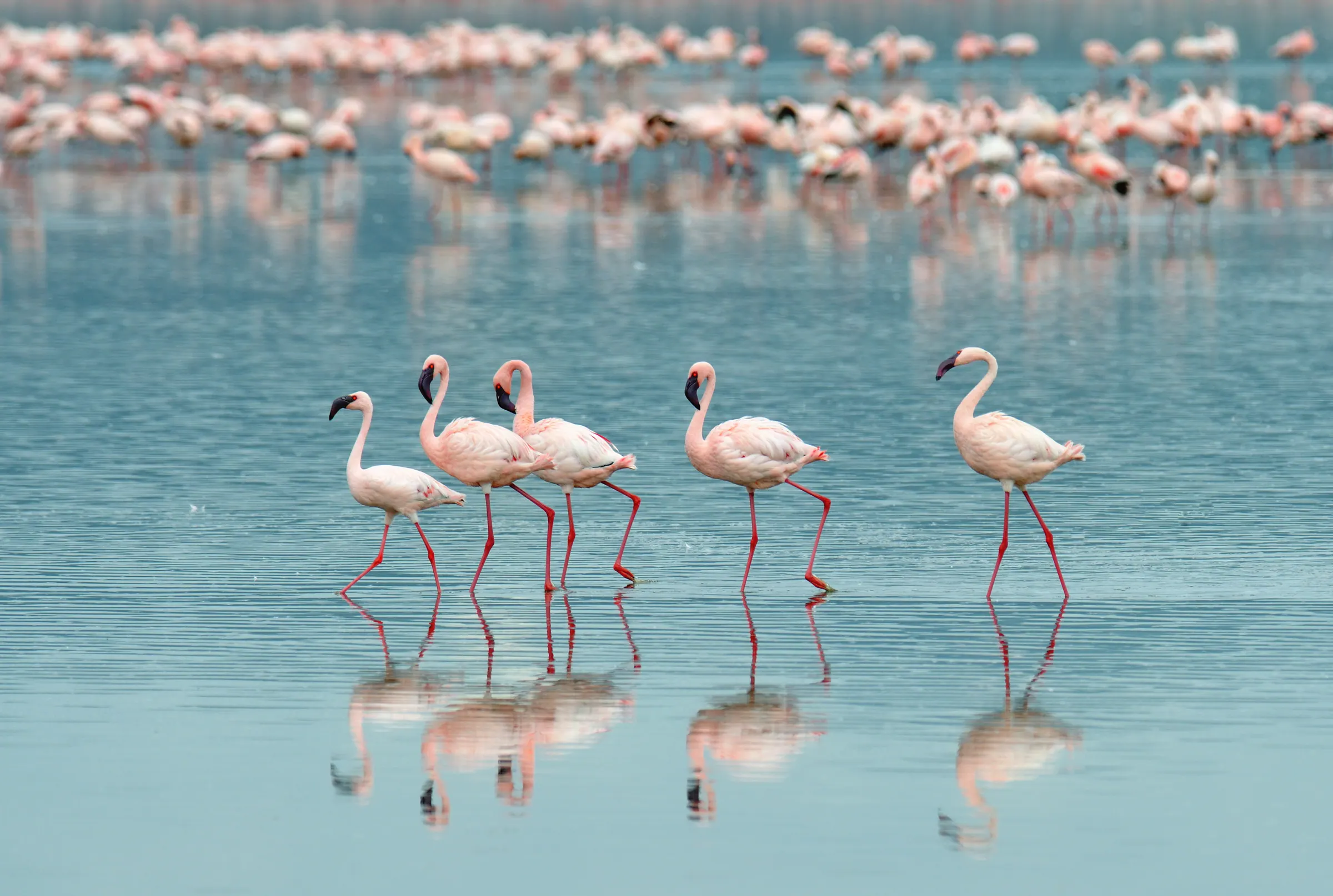
The three lakes are shallow, alkaline soda lakes on the floor of the Rift Valley, fed by rivers, springs and runoff with no outlet to the sea. Evaporation concentrates salts and minerals, and in the warm, alkaline water a blue-green alga, spirulina, blooms. Lesser flamingos filter it from the water with their bent beaks, and when conditions are right the lakes support some of the largest flamingo gatherings on earth.
- Criterion (vii), natural beauty: the lakes, the escarpments, the hot springs and geysers, and the sight of a lake shore turned pink.
- Criterion (ix), ecological processes: UNESCO calls the system the single most important foraging site for the lesser flamingo anywhere, and a major nesting and breeding ground for great white pelicans.
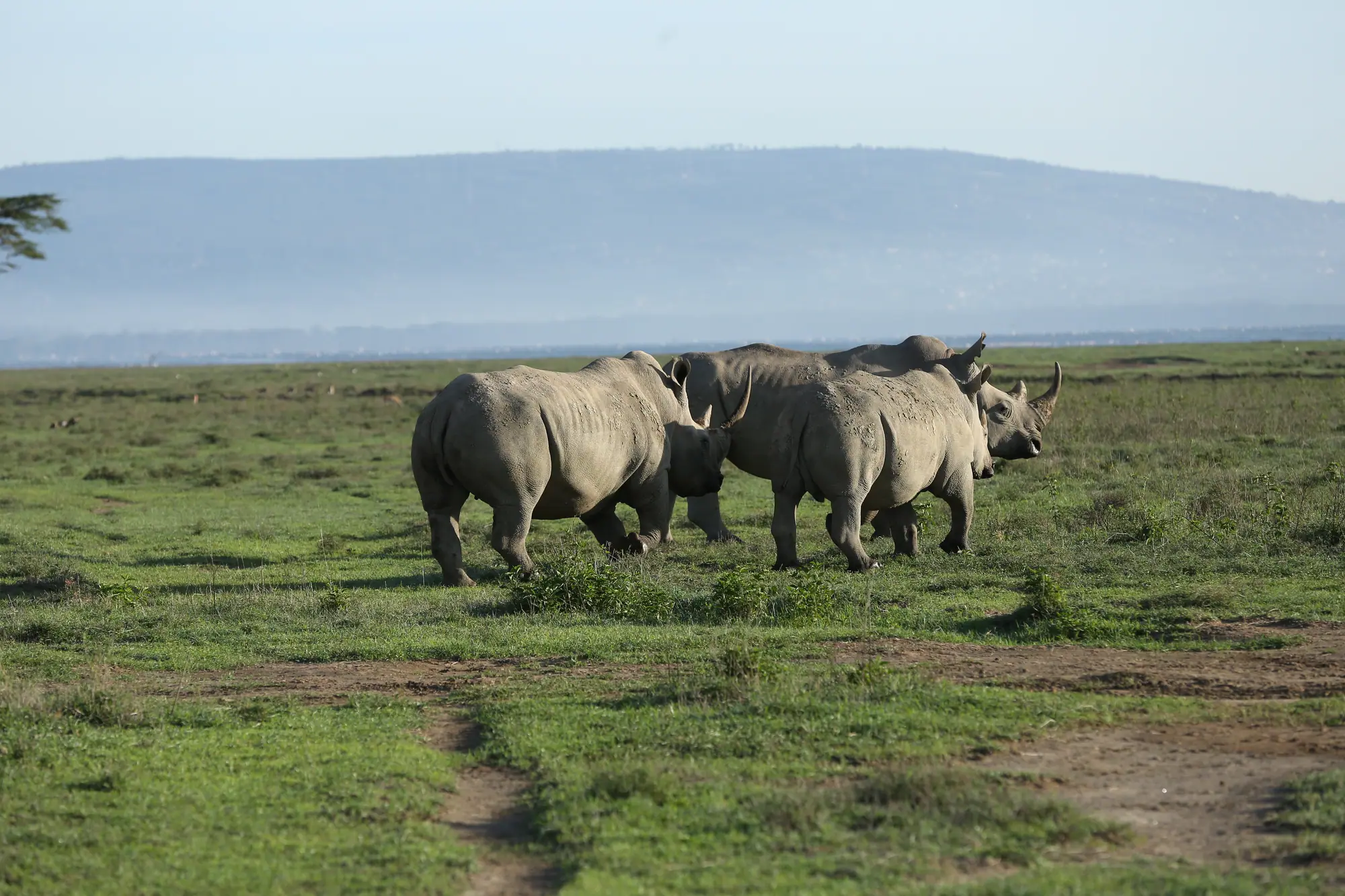
- Criterion (x), biodiversity: the lakes and their shores support more than a dozen globally threatened bird species and mammals including black rhino, Rothschild's giraffe, greater kudu, lion and cheetah.
The three lakes
| Lake | What it is like | What to see | Base |
|---|---|---|---|
| Bogoria | Narrow, deep-blue lake under a sheer escarpment, in Baringo County | Hot springs and geysers, flamingos, greater kudu on the western shore | Lake Bogoria or Baringo |
| Nakuru | A national park ringed by forest and cliffs, beside Nakuru city | Black and white rhino, Rothschild's giraffe, lions, flamingos and pelicans | Nakuru, inside or outside the park |
| Elementaita | The smallest, shallowest lake, mostly within private ranch land | Pelican colonies, flamingos, hot springs at the southern end, views of the Sleeping Warrior hill | Lodges on the lake shore |
Why the flamingos move
The most common complaint we hear is: we went to Nakuru and there were no flamingos. The flamingos are not lost. They are nomadic, moving between Bogoria, Nakuru, Elementaita, Lake Natron in Tanzania and other soda lakes as the water and its algae change. A flock can leave in days.
Since about 2010 the Rift Valley lakes have been rising, in some years dramatically. Heavier rains, changes in the catchment and possibly shifts in groundwater have pushed Lake Nakuru and Lake Bogoria well beyond their old shorelines, flooding roads, park buildings and, at Bogoria, some of the hot springs. More fresh water means less salty, less alkaline lakes and less spirulina, and the flamingos have spread out in response. In recent years Bogoria has often held more flamingos than Nakuru. Ask us before you travel: our guides know which lake is pinkest that month.
A timeline
| When | What happened |
|---|---|
| Millions of years ago | The Rift Valley opens and its volcanic floor forms closed basins |
| Thousands of years ago | People live and make tools around the lakes; Hyrax Hill and Kariandusi preserve their traces |
| 1961 | Lake Nakuru becomes a bird sanctuary, later a national park |
| 1973 | Lake Bogoria becomes a national reserve |
| 2011 | UNESCO inscribes the Kenya Lake System |
| 2010s to 2020s | Lake levels rise sharply and flamingo numbers shift between lakes |
The people who lived here first
The lakes' human history is older than the parks. Hyrax Hill, a prehistoric site on the edge of Nakuru city run by National Museums of Kenya, has Neolithic and Iron Age settlements, a stone game board cut into the rock and a small museum. Kariandusi, near Lake Elementaita, preserves hand axes made by early humans hundreds of thousands of years ago, lying where they were found. Both were first excavated by the Leakeys and both take about an hour. Around Lake Bogoria, the Endorois community has lived beside the lake for generations, and its long legal fight over access to the reserve and a share of its income is part of the lake's story.
Seeing all three
Most travelers see Lake Nakuru on the way between Nairobi and the Maasai Mara, with one night nearby and a full game drive. To see the whole World Heritage Site, add one night at Bogoria or Baringo and an hour at Elementaita on the way back south.
| Day | Plan |
|---|---|
| Day 1 | Nairobi to Elementaita, about 2.5 hours; lunch on the lake and a walk to the pelican shore; on to Nakuru |
| Day 2 | Full day in Lake Nakuru National Park: rhinos, giraffes, flamingos at the shore, the Baboon Cliff viewpoint |
| Day 3 | Nakuru to Lake Bogoria, about 2 hours; hot springs and the flamingo shore; night at Bogoria or Baringo |
| Day 4 | Back south to Nairobi, or west to the Mara via Nakuru and Narok |
When to go: the lakes are good all year. The dry months, roughly January to March and June to October, give the easiest driving and the clearest views; the long rains of April and May can make the Bogoria and Baringo roads slow. Flamingo numbers depend more on water chemistry than on the calendar, so the honest advice is to stay flexible and let your guide choose the lake on the day.
Keep to the boardwalks and marked paths at Bogoria's hot springs. The water is close to boiling, the ground near the springs is thin, and every year someone gets hurt stepping off the path for a photo.