History. Updated November 2026. 4 min read.
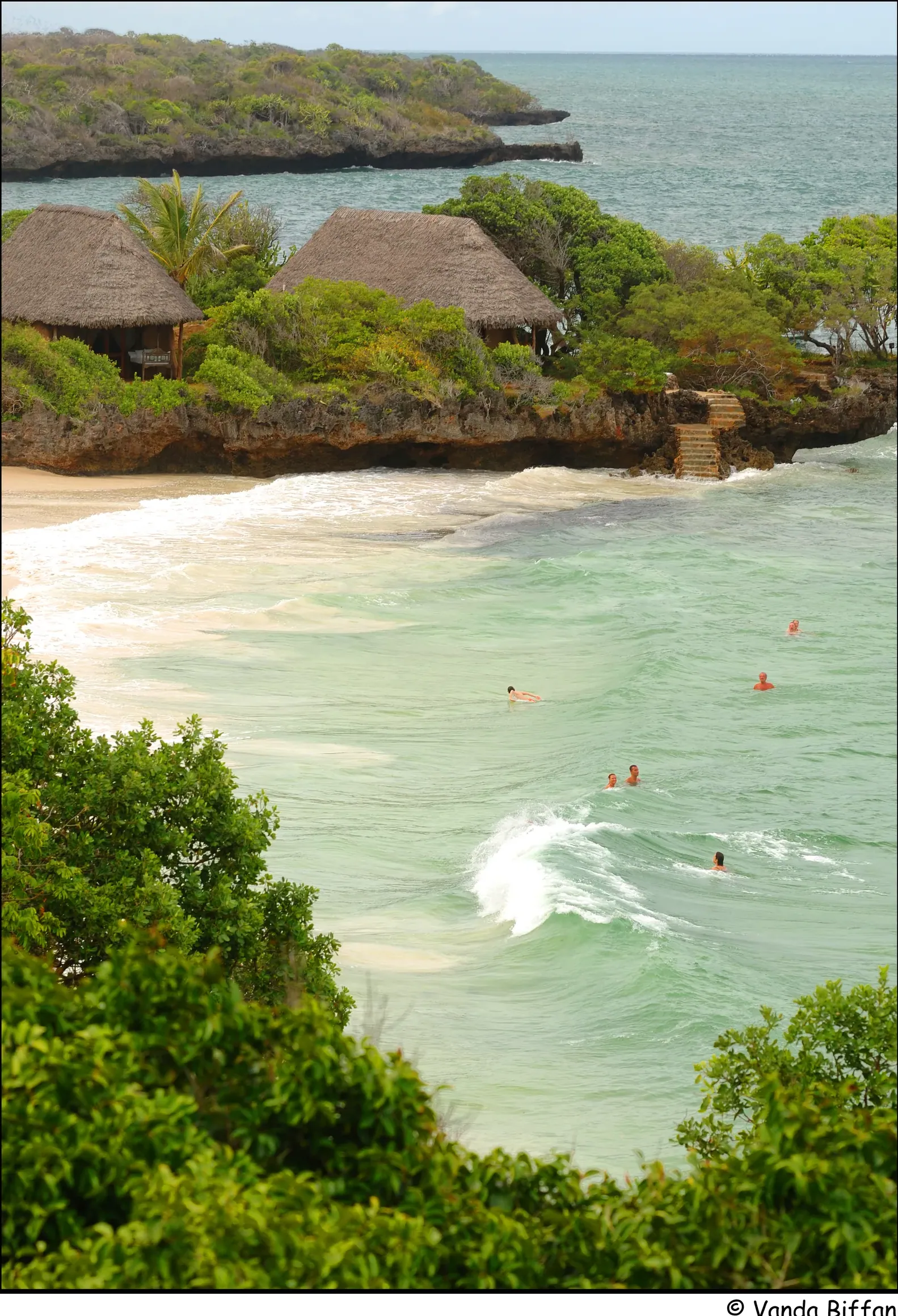
Most ruins make you work for the view. At Jumba la Mtwana you walk out of a mosque built six hundred years ago and the Indian Ocean is right there, at the bottom of a short path through the baobabs. It is the most beautiful small ruin on the Kenyan coast, it is a twenty to forty-minute drive from the Nyali and Bamburi hotels, and it is almost always quiet.
Jumba la Mtwana is the remains of a Swahili stone town of the 14th and 15th centuries, just north of Mtwapa Creek in Kilifi County. Unlike Fort Jesus or Gedi, it is not a World Heritage Site, but it is a gazetted national monument run by National Museums of Kenya, and it shows you in an hour and a half what a small Swahili trading town looked like: its mosques, its houses, its tombs and its well, all within sight of the sea.
The name
In Kiswahili, jumba means a large house and mtwana a male slave, so the name is usually translated as the large house of the slave. Nobody knows what the town's residents called it. The name may have come much later, and some historians think it reflects a local tradition rather than any evidence that the town was a slave market. Treat it as a puzzle, not a fact, and ask your guide for the stories people tell.
A short history
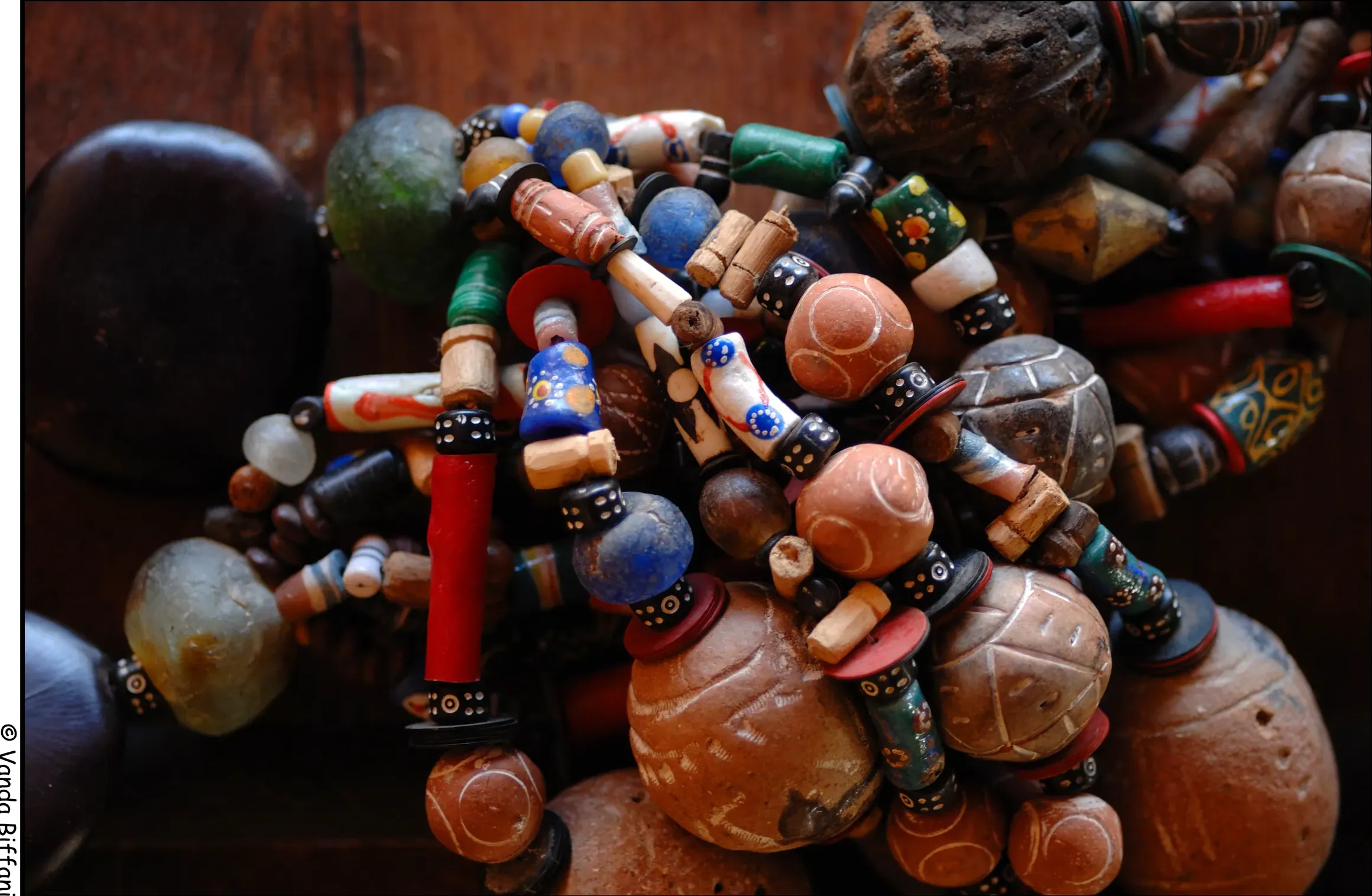
Jumba la Mtwana was one of dozens of Swahili towns that grew along the coast as trade across the Indian Ocean expanded. Its people were Muslim, built in coral stone, and traded with the interior and with ships that came on the monsoon winds from Arabia, Persia and India. Archaeologists have found Chinese porcelain, glass beads and Islamic pottery on the site. The town seems to have been abandoned in the 15th century, before the Portuguese arrived, perhaps because its water ran short or its trade moved elsewhere.
| When | What happened |
|---|---|
| Mid-1300s | The stone town is built on the shore north of Mtwapa Creek |
| 1400s | It trades as a small Swahili town; then it is abandoned |
| 1498 | The Portuguese reach the Kenyan coast; Jumba is already empty |
| 20th century | Archaeologists clear and excavate the site |
| Today | A national monument with a small museum at the gate |
Life in a small Swahili town
Jumba was a small town, not a city like Gedi or Mombasa. Its people were probably merchants, fishermen and farmers, linked by marriage, faith and trade to the larger towns along the coast. Four mosques suggest a devout and reasonably prosperous community, and the cistern and wells show how much a coral town depended on careful water management. Wealthier families lived in the stone houses near the mosques; most people probably lived in houses of mud, poles and thatch that have left no trace. It is worth remembering at every Swahili ruin: the stone you see is the house of the few.
What to see
- The Mosque by the Sea, on the shore, with its mihrab facing north toward Mecca and a view straight out to the ocean.
- The Great Mosque, the largest building on the site, with a washing area and a cistern.
- Two smaller mosques among the houses, which tell you how many people once lived here.
- Houses with names archaeologists gave them after what they found inside, with doorways, wall niches and latrines still visible.
- Tombs near the mosques, where the town's leading families were buried.
- The baobabs, some of them centuries old, growing among the walls.
- A small site museum at the entrance with finds from the excavations.
Walk the site with a guide from the gate if one is available. The ruins are low, and without someone to point out the prayer niche, the latrine or the step where a door once stood, it is easy to see only walls.
How it compares
| Site | Best for | Time needed | From Mombasa |
|---|---|---|---|
| Fort Jesus and Old Town | The big story: Portuguese, Omani and British Mombasa | A full day | In the city |
| Jumba la Mtwana | A quiet, small Swahili town by the sea | 1.5 to 2 hours | About 30 to 45 minutes |
| Gedi | A larger Swahili town in the forest, now a World Heritage Site | 2 to 3 hours | About 2 hours |
If you only have time for one ruin and you are staying near Mombasa, choose Jumba la Mtwana. If you are staying at Watamu or Malindi, choose Gedi. If you have a week on the coast, see all three, in the order Jumba, Fort Jesus, Gedi, and the story makes more sense with each.
Visiting
Jumba la Mtwana is on the coast road north of Mtwapa; the turning is signposted and a short track leads to the gate. There is a small entrance fee, set by National Museums of Kenya and higher for non-residents than for citizens and residents; bring Kenyan shillings or ask whether M-Pesa is accepted. The site is open daily. Go early or after 3 p.m., when it is cooler and the light is soft on the coral stone.
- Wear light clothes, a hat and sandals or shoes you can walk in on sand and stone.
- Bring water: there is little shade between the mosques.
- Swim only where your guide says it is safe; the beach is beautiful, but currents and tides change.
- Dress modestly, as you would at any mosque, even though these are ruins.
- Leave the coral, pottery fragments and shells where they are.
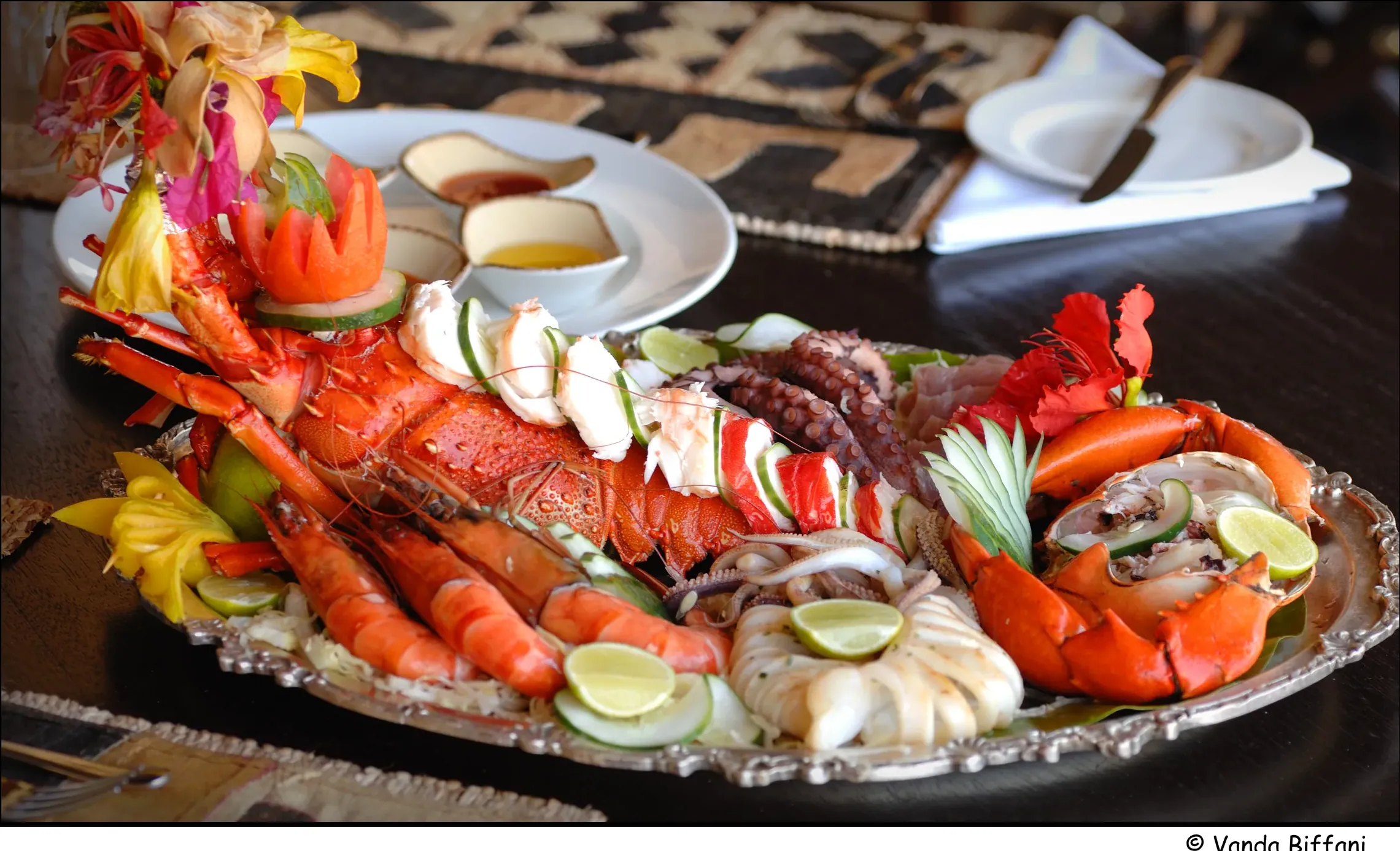
Pair it with lunch at one of the seafood places on Mtwapa Creek, or with Haller Park and the Bamburi beach on the way back. From Nyali it makes an easy half day; from Diani it is a long day, best combined with Fort Jesus and the Old Town.