History. Updated November 2026. 6 min read.
Gedi had a Great Mosque, a palace with a courtroom, houses with washrooms and latrines, deep wells, Ming porcelain on its tables and tombs topped with tall stone pillars. Then, around 1600, its people left. No surviving document from the time mentions the town at all, so archaeologists have had to work out its story from the stones.
Today the ruins stand in shady coastal forest a few minutes inland from Watamu, with Sykes' monkeys in the trees and a butterfly farm at the gate. UNESCO listed the site in 2024 as Kenya's newest World Heritage Site. It is one of the easiest and most atmospheric history visits in the country: two hours, a good guide, and you will understand the Swahili coast far better than any book can explain it. If you want the wider story of the coast's trade, its towns and its language, read our Swahili coast page first; this one is about Gedi itself.
A town without a written history
Most Swahili towns appear somewhere in the record: in Portuguese letters, Arabic chronicles or local histories. Gedi does not, which is part of its mystery. The earliest settlement dates to roughly the 11th or 12th century. By the 15th century it was a walled town of stone houses for a wealthy merchant class, surrounded by a much larger area of mud-and-thatch homes where most people lived. It sat a few miles from the sea, probably linked to the coast by Mida Creek, and traded with Malindi and Mombasa.
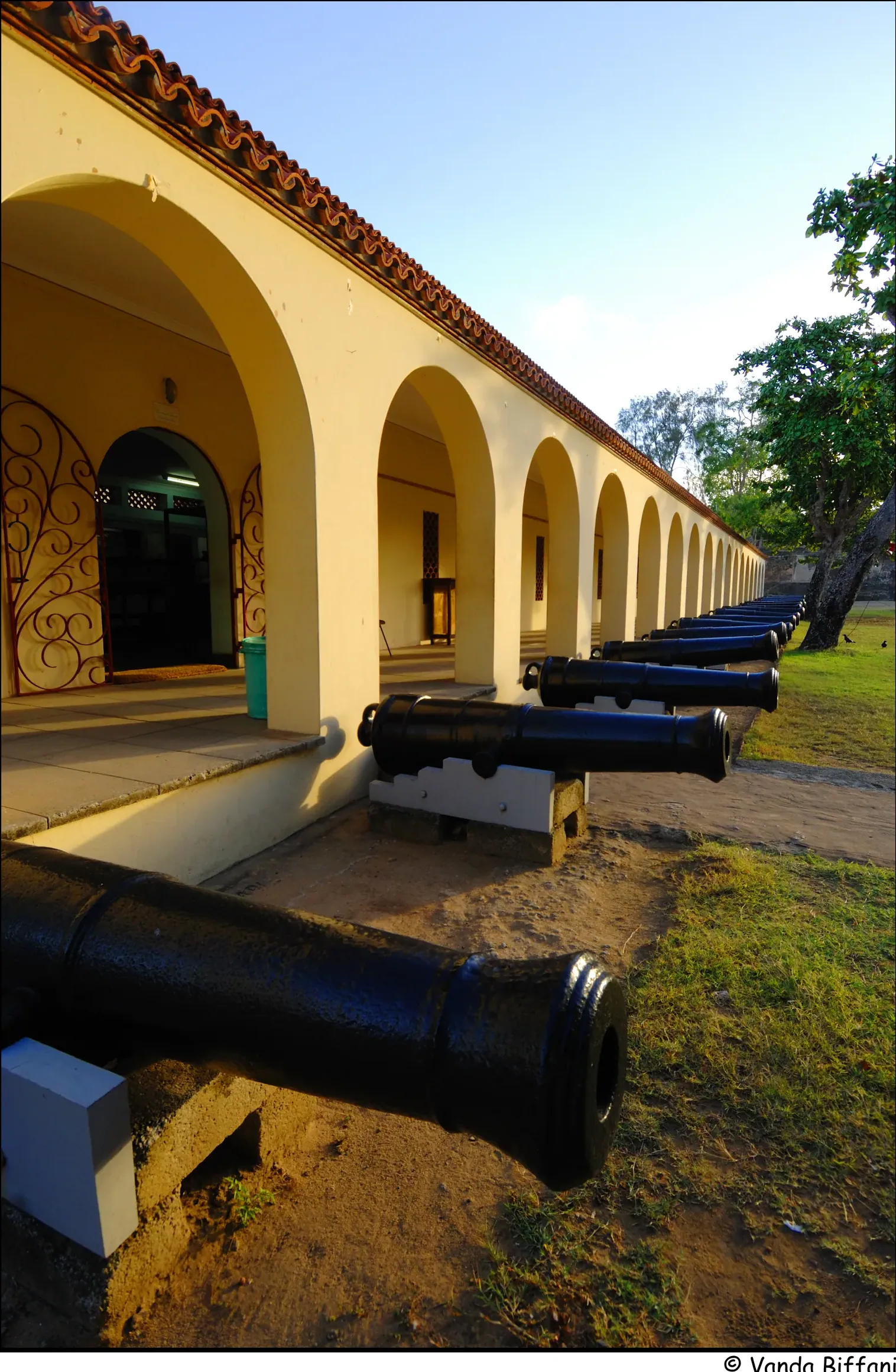
The town was rebuilt and changed several times. Archaeologists believe it was partly abandoned and reoccupied in the 16th century, and finally emptied in the early 1600s. The forest grew over it. In 1927 the colonial government declared it a historical monument, and from 1948 the archaeologist James Kirkman excavated it over a decade, uncovering the plan you walk through today. National Museums of Kenya now runs the site.
What you walk through
- The Great Mosque: the town's Friday mosque, rebuilt in the 15th and 16th centuries, with its prayer niche facing Mecca and a well and washing area at the entrance
- The palace: a large complex with a reception court, private apartments, storerooms and what appears to have been an audience hall where the ruler heard disputes
- The Dated Tomb: a pillar tomb carrying an Arabic inscription equivalent to about 1399, which helped date the town
- The Tomb of the Fluted Pillar: the most striking of Gedi's pillar tombs, a tall column with carved grooves
- The houses: dozens of stone houses with courtyards, reception rooms, washrooms and latrines, some named by the excavators after what they found inside, such as the House of the Venetian Bead
- The wells: very deep shafts cut through coral rock, some still holding water, and home to bats
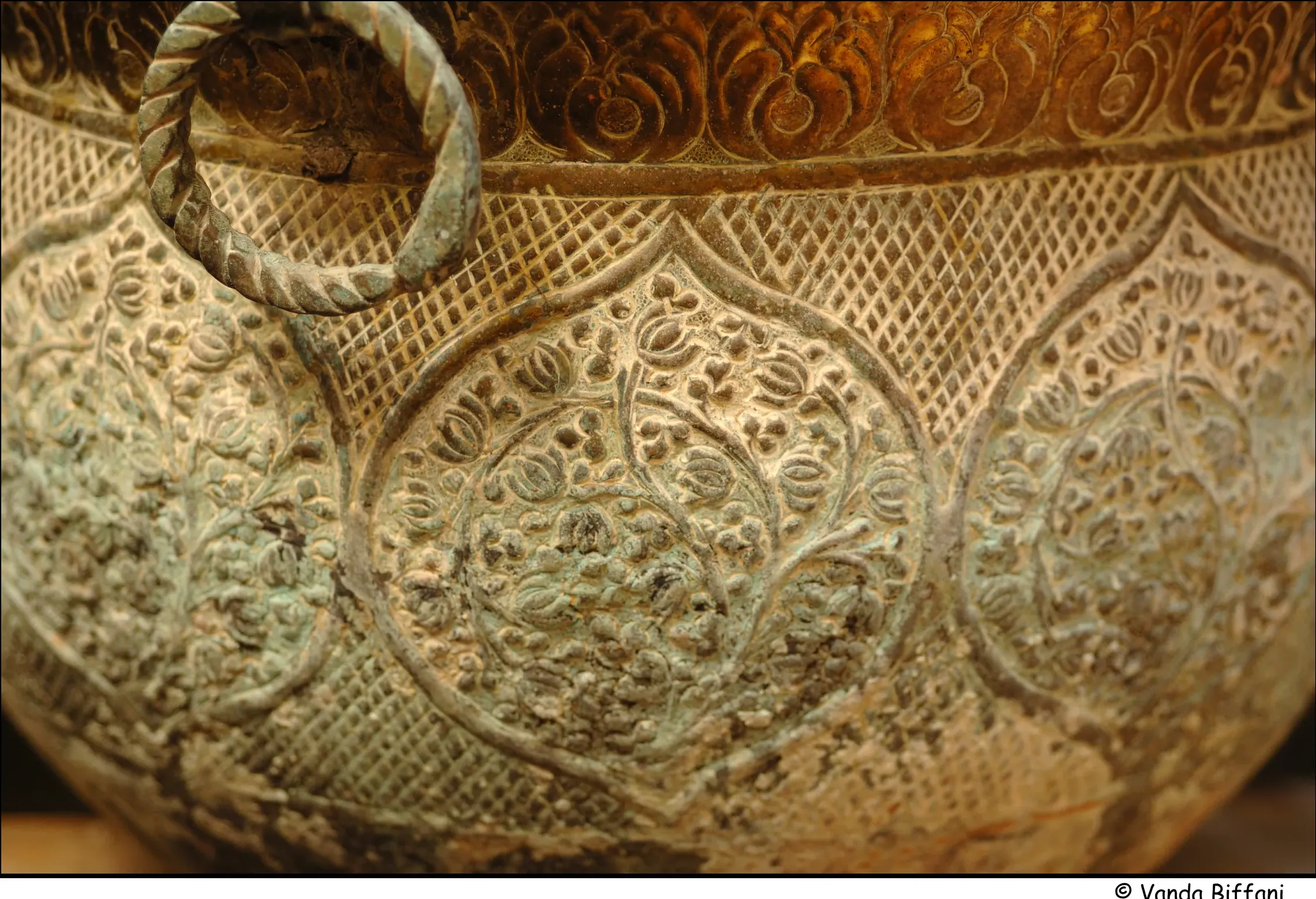
- The site museum: Chinese porcelain, Islamic glazed pottery, glass beads, iron tools and other everyday finds
Look closely at the walls for the small square niches and decoration in the plaster, and at the tombs for the hollows where porcelain bowls were once set. Your guide will point out how water was drawn, stored and drained, which is one of the things that surprises visitors most about Swahili towns.
Why did everyone leave?
Nobody knows for certain, and a good guide will give you the theories rather than one answer. The likeliest explanations, possibly working together:
- Water: the wells may have become harder to use as the water table fell, which would make a stone town of this size difficult to sustain
- Trade: after the Portuguese arrived in 1498 and took control of coastal trade, smaller towns lost the commerce that paid for their stone houses
- Raids: in the 16th century Oromo herders were expanding south along the coast and inland, and several Swahili towns north of Mombasa were abandoned around the same time
- Conflict between the coastal city-states themselves, including Malindi and Mombasa, which fought each other and sided with different outside powers
Gedi in the coast's timeline
| When | At Gedi and on the coast |
|---|---|
| About 1000s to 1100s | First settlement at Gedi |
| About 1399 | The Dated Tomb is built |
| 1400s | Gedi at its height: town wall, Great Mosque and palace |
| 1498 | Vasco da Gama reaches Malindi, about 16 km to the north |
| 1500s | Partial abandonment and reoccupation |
| Early 1600s | Gedi is finally abandoned |
| 1927 | Declared a historical monument |
| 1948 to about 1958 | Excavations by James Kirkman |
| 2024 | Inscribed as a UNESCO World Heritage Site |
The forest and its animals
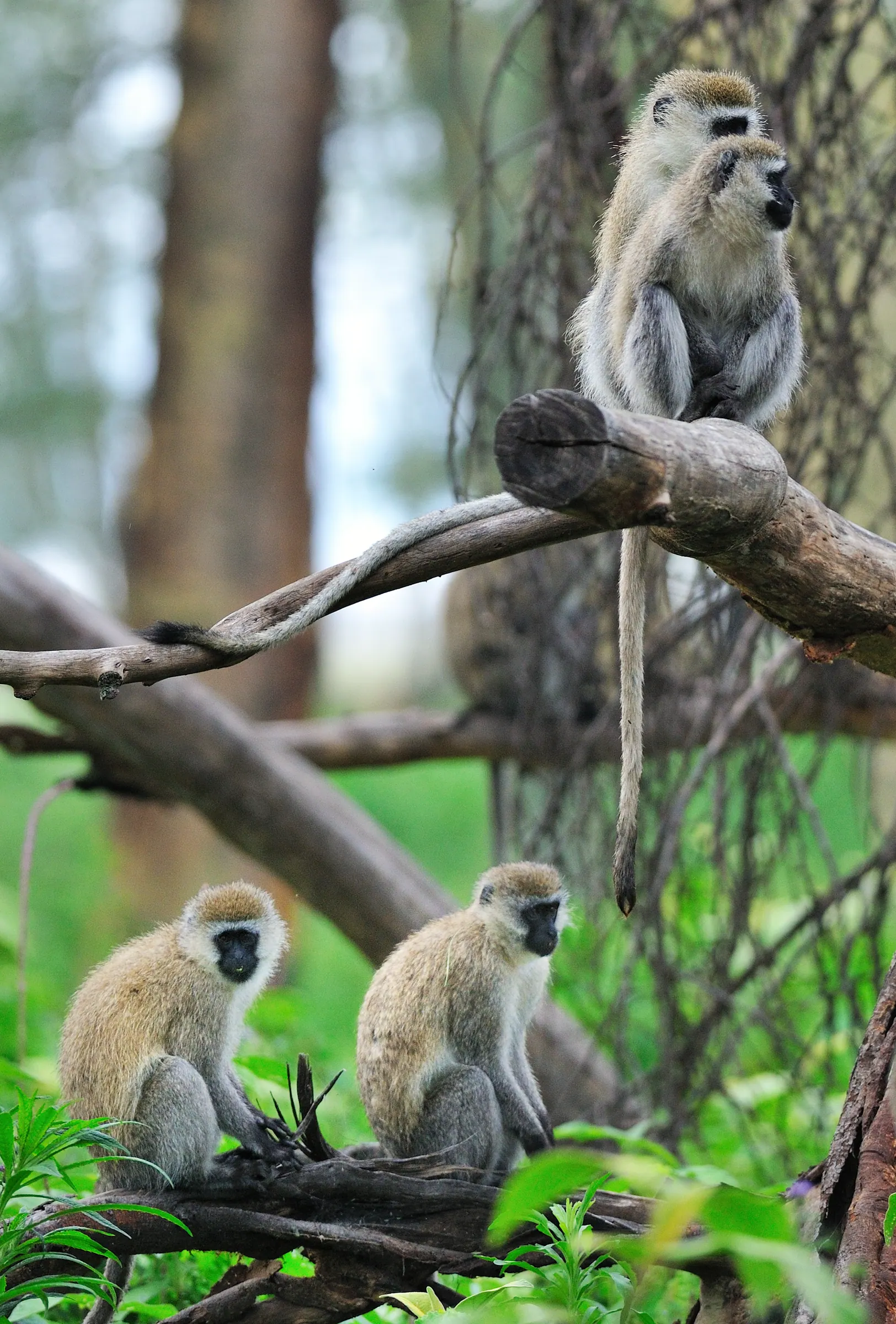
Gedi is as much a nature walk as a history visit. The ruins sit in a patch of coastal forest connected to the wider Arabuko-Sokoke forest system, with huge baobabs and tamarind trees growing out of the walls. Sykes' monkeys are almost always around and used to people; do not feed them, and keep snacks in a closed bag. Look for hornbills and other forest birds, and ask your guide about the golden-rumped elephant shrew, a small forest mammal found in this part of the coast. Bring insect repellent, especially after rain.
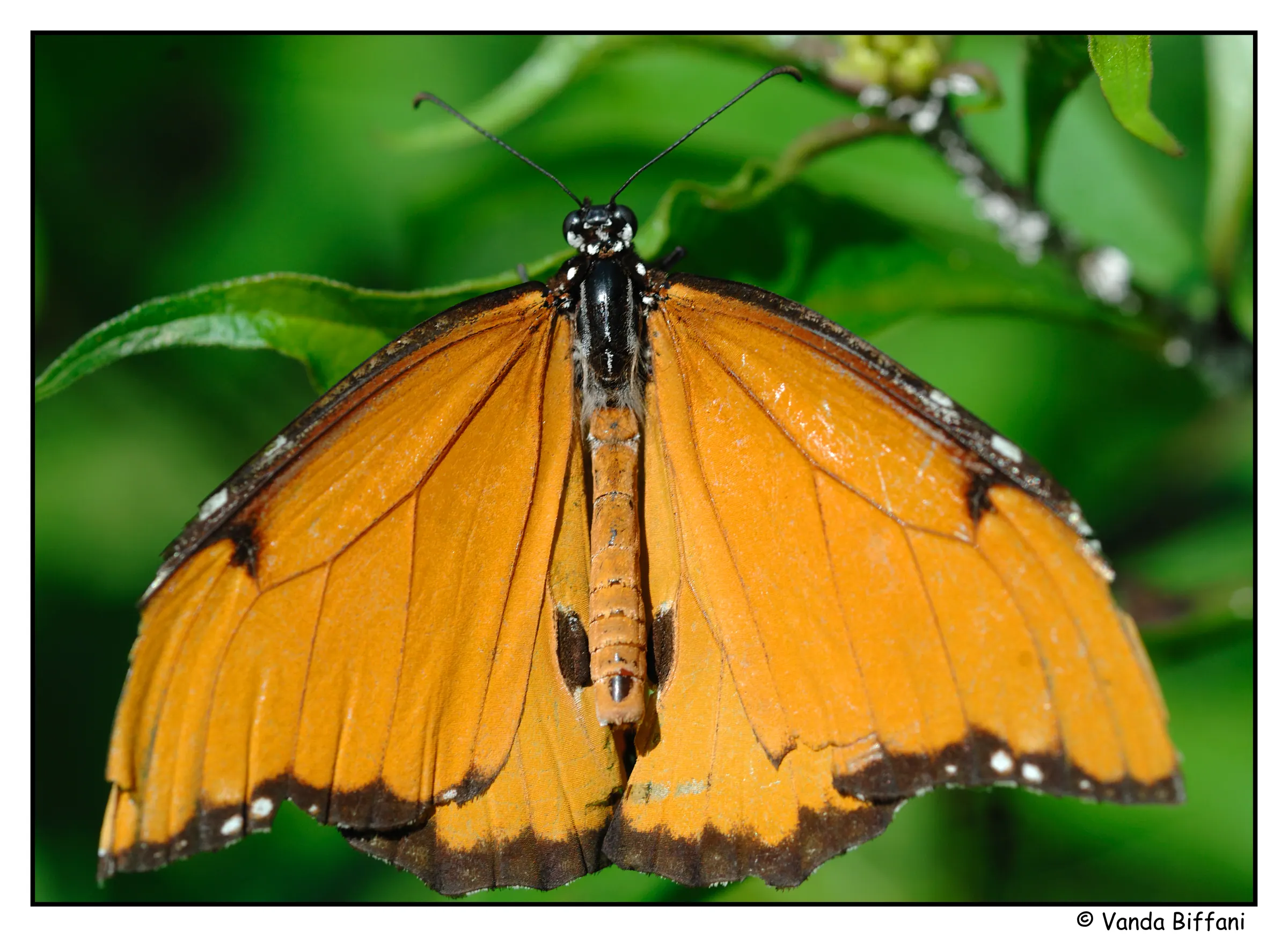
At the entrance, the Kipepeo Butterfly Project, which began in the 1990s, pays families living around Arabuko-Sokoke to raise butterflies for live exhibits overseas, giving them a reason to protect the forest. You can see the butterfly house in a few minutes, and it is a good example of conservation that pays the people who live with it.
Planning your visit
| What | Details |
|---|---|
| Location | Gede village, just off the Mombasa to Malindi road, about 6 km from Watamu |
| From Watamu | About 15 minutes by car or tuk-tuk |
| From Malindi | About 25 minutes, 16 km south |
| From Mombasa | About two to two and a half hours by road |
| Entry | A modest non-resident fee set by National Museums of Kenya; check the current rate before you go |
| Guides | Official guides at the gate; agree the fee first, and tip if they are good |
| Time needed | Two hours for the ruins, museum and butterfly house |
| What to wear | Closed shoes, light long trousers or a long skirt, a hat and repellent |
Go at opening time or in the last two hours before closing, when it is cooler and the light under the trees is beautiful. Gedi fits easily into a Watamu stay: ruins in the morning, Watamu Marine Park or Mida Creek in the afternoon. With an extra hour you can add Malindi's Vasco da Gama pillar on the same day. For a longer Swahili history trail, combine Gedi with Jumba la Mtwana near Mtwapa, Mnarani at Kilifi Creek and Fort Jesus in Mombasa.
Gedi's sister towns
Gedi is the best preserved of the lost Swahili towns you can easily visit in Kenya, but not the only one. Jumba la Mtwana, about 15 km north of Mombasa, is a smaller 14th-century town by the beach with four mosques and a set of tombs. The Mnarani ruins above Kilifi Creek have mosques and pillar tombs looking across the water. Further north, Takwa on Manda Island and Shanga on Pate Island are in Lamu County, where the U.S. State Department advises against all travel at the time of writing.
Further reading
- James Kirkman, Gedi: The Palace (1963), the excavator's own account
- UNESCO's listing for Gedi, through the Kenya page linked in our sources
- Our Swahili coast page, for the trade, language and towns around Gedi