History. Updated November 2026. 6 min read.
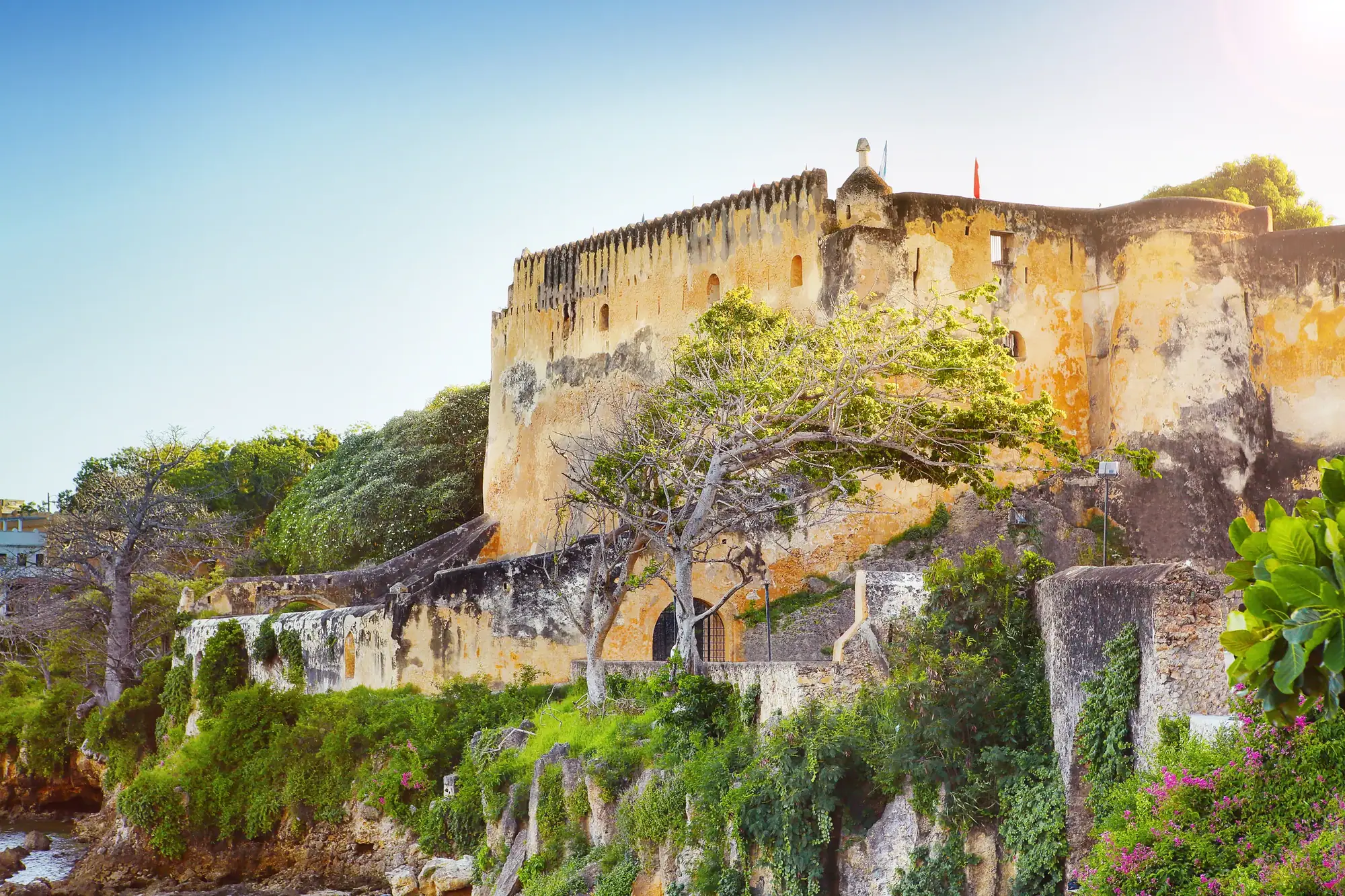
Fort Jesus changed hands, by the usual count, nine times between 1631 and 1875. The Portuguese built it, a sultan raised by Portuguese priests seized it, the Omanis starved it out over 33 months, the Mazrui governors made it their own, the British turned it into a prison, and independent Kenya made it a museum. It is the best-preserved Portuguese fort of its age on the East African coast, and the single best history stop in the country.
If you have one day in Mombasa, spend the first two hours of it here. Walk the ramparts, read the graffiti left by bored Portuguese soldiers, look at the finds from a frigate that sank in the harbor during the great siege, and then walk out of the gate into Old Town. Our Mombasa page covers the city as a whole; this page is the fort's own story and how to see it well.
Why the Portuguese built it
After Vasco da Gama's voyage of 1498, Portugal set out to control the Indian Ocean trade by force: forts at the key ports, licences for every ship, and punishment for towns that resisted. Mombasa resisted, and was sacked three times. In 1593, worried by Ottoman raids along the coast, the Portuguese began a permanent fortress on the coral ridge at the entrance to Mombasa's old harbor. It was finished in 1596 and named for Jesus.
The designer, Giovanni Battista Cairati, was an Italian architect working for the Portuguese crown, and the fort is a textbook piece of late Renaissance military design: high walls built of coral stone, four angled bastions at the corners so that defenders could cover every face of the wall with crossfire, and a sea gate down to the water. Its plan is often said to follow the proportions of a human figure lying on its back, a Renaissance idea. UNESCO cites it as one of the most outstanding and well-preserved examples of 16th-century Portuguese military fortification.
1631: the sultan who turned on his teachers
The first time the fort changed hands, it was from the inside. Yusuf bin Hasan, heir to the Malindi and Mombasa dynasty, had been sent to Goa as a boy and raised a Christian by Portuguese priests, taking the name Dom Jeronimo Chingulia. Installed as sultan of Mombasa, he returned to Islam and in August 1631 led his followers into the fort and killed the Portuguese garrison. He could not hold it against the Portuguese response and abandoned it the following year, but the episode showed how fragile Portuguese rule on the coast was.
The great siege, 1696 to 1698
By the late 1600s Oman had driven the Portuguese out of Muscat and was building a navy to take the rest of their Indian Ocean ports. In March 1696 an Omani fleet arrived off Mombasa and laid siege to Fort Jesus. Inside were a small Portuguese garrison, Swahili allies and their families. Disease, probably plague, killed most of them over the following months. Relief ships came from Goa now and then, but never enough. In 1697 the Portuguese frigate Santo Antonio de Tanna sank in the harbor below the fort. When the Omanis finally stormed the walls on December 13, 1698, after about 33 months, only a handful of defenders were left alive.
Portugal's hold on the coast north of Mozambique effectively ended that day. The Portuguese came back once, briefly, in 1728 and 1729, after a mutiny in the Omani garrison, and then were gone for good.
The Mazrui, the Busaidi and the British
Oman ruled Mombasa through governors from the Mazrui family, who by the 1740s had made themselves effectively independent and ruled the town and much of the coast from the fort for nearly a century. In 1824, under threat from Oman, they accepted a short-lived British protectorate declared by a Royal Navy captain, William Owen, which London never approved and which ended in 1826. Seyyid Said of the Busaidi dynasty, who later moved his court to Zanzibar, took Mombasa and the fort in 1837. In 1875 a rebel faction seized the fort and British ships shelled them out on the Sultan of Zanzibar's behalf.
When Britain declared its East Africa Protectorate in 1895, the fort became a prison, and it stayed one until 1958. That year it was declared a national monument. Excavation by the archaeologist James Kirkman, funded by the Gulbenkian Foundation, followed, and the museum opened in 1962. UNESCO listed it as a World Heritage Site in 2011. Our Omani Mombasa page tells the Busaidi and Mazrui story in full.
| Year | Who held Fort Jesus |
|---|---|
| 1593 to 1596 | Built by the Portuguese |
| 1631 | Seized by Sultan Yusuf bin Hasan; the Portuguese return in 1632 |
| 1696 to 1698 | Besieged by Oman for about 33 months; falls December 13, 1698 |
| 1728 to 1729 | Briefly back in Portuguese hands |
| 1740s to 1837 | Mazrui governors, effectively independent of Oman |
| 1824 to 1826 | An unofficial British protectorate |
| 1837 | Taken by Seyyid Said of Oman and Zanzibar |
| 1875 | Rebel garrison shelled out by British ships |
| 1895 to 1958 | Colonial prison |
| 1958 to 1962 | National monument, excavation and museum |
| 2011 | UNESCO World Heritage Site |
What to see inside
- The ramparts: walk the top of the walls for views over the old harbor, the Indian Ocean and the rooftops of Old Town
- The Portuguese graffiti: drawings of ships, figures and animals scratched and painted on the walls of a bastion room by soldiers of the garrison
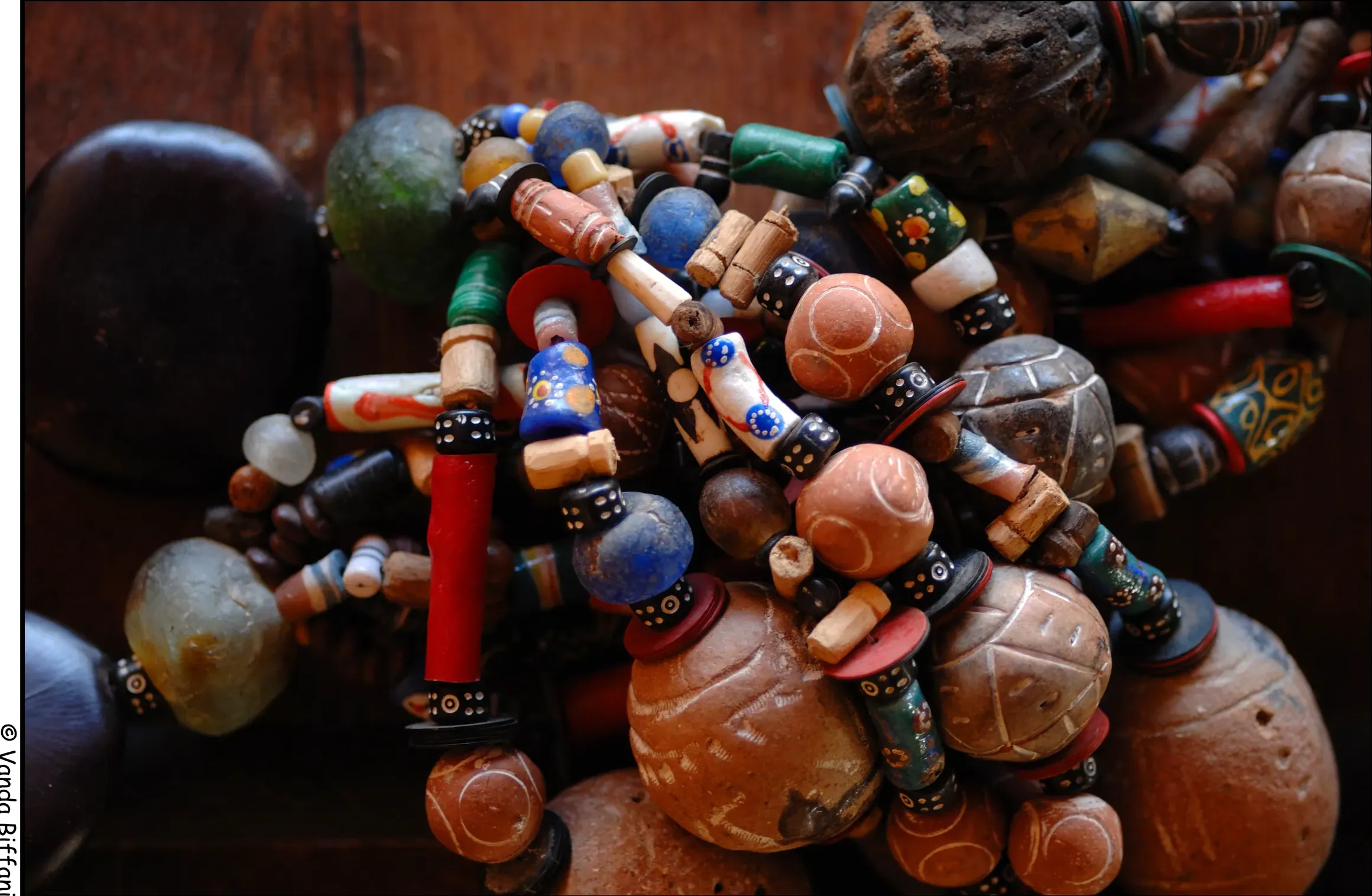
- The museum: finds from the fort and from the Swahili towns of the coast, including Chinese porcelain and Persian and Islamic ceramics
- The Santo Antonio de Tanna finds: objects recovered from the frigate that sank below the fort during the great siege
- The Omani House: an 18th-century house built inside the walls, with displays on Omani and Swahili life
- The passage to the sea gate: a steep cut through the coral down toward the water, used to bring in supplies by boat
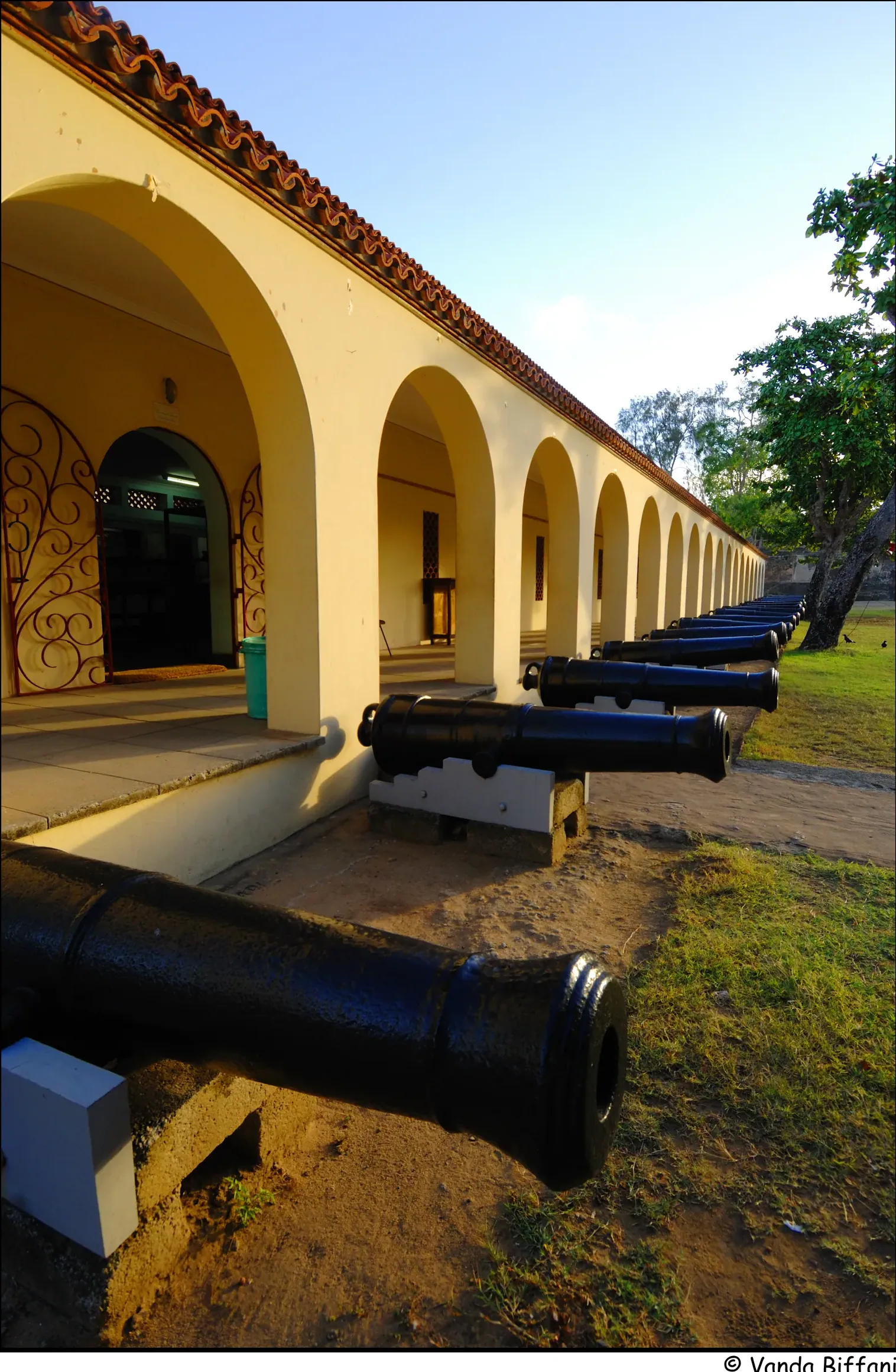
- The guns and the gate: old cannon on the walls and the main gate, still the way in
How to visit
| What | Details |
|---|---|
| Where | The seaward end of Nkrumah Road, at the edge of Mombasa Old Town |
| Hours | Opens at 8am daily; check closing time on the day |
| Entry | About KSh 1,200 for a non-resident adult at the time of writing, roughly $9; set by National Museums of Kenya |
| Guides | Official guides at the gate; agree the fee first |
| Time needed | About two hours, then two to three hours for Old Town on foot |
| From Diani | About one to one and a half hours, including the Likoni ferry or the bypass, depending on traffic |
| From Nyali | About 20 to 30 minutes |
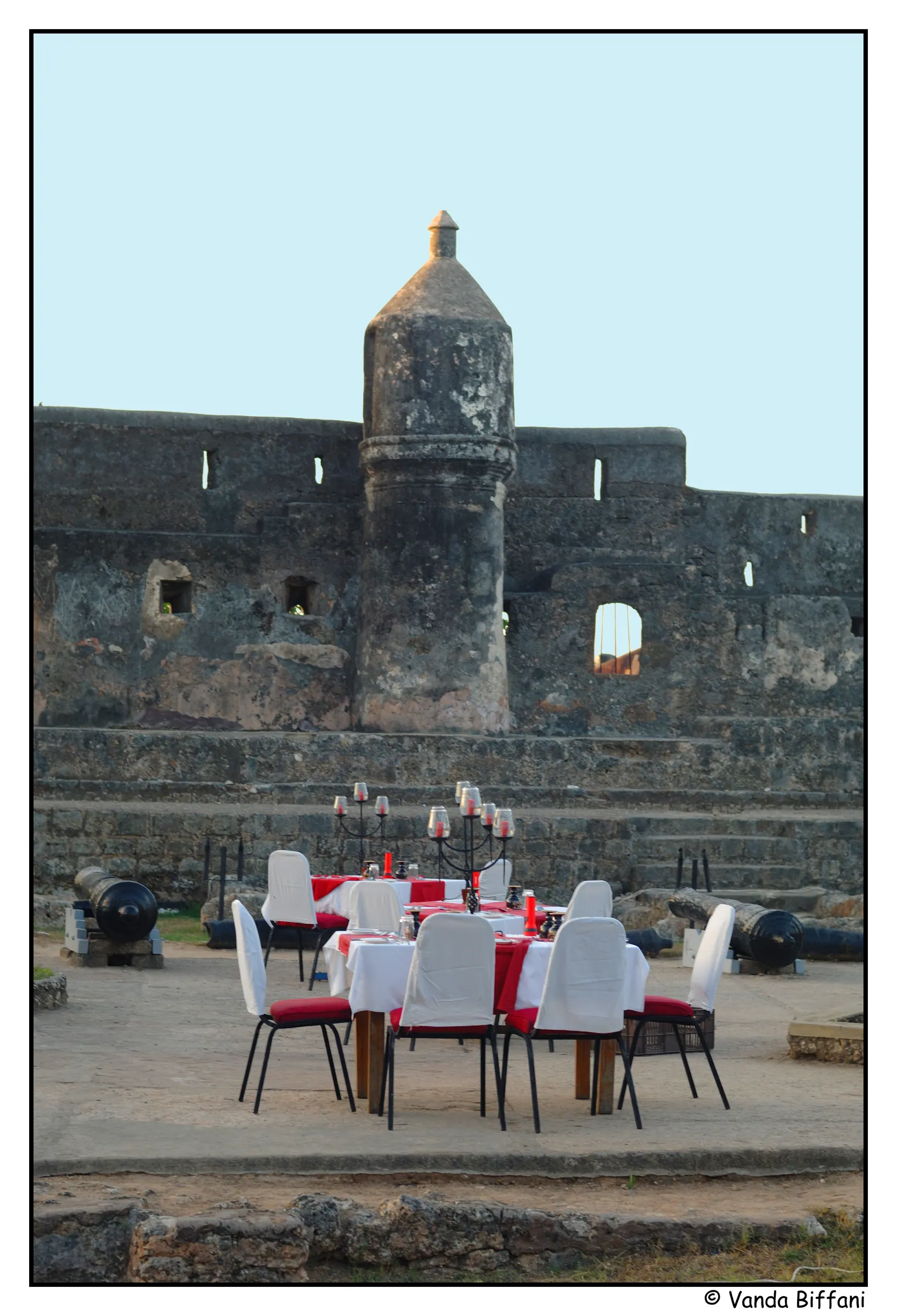
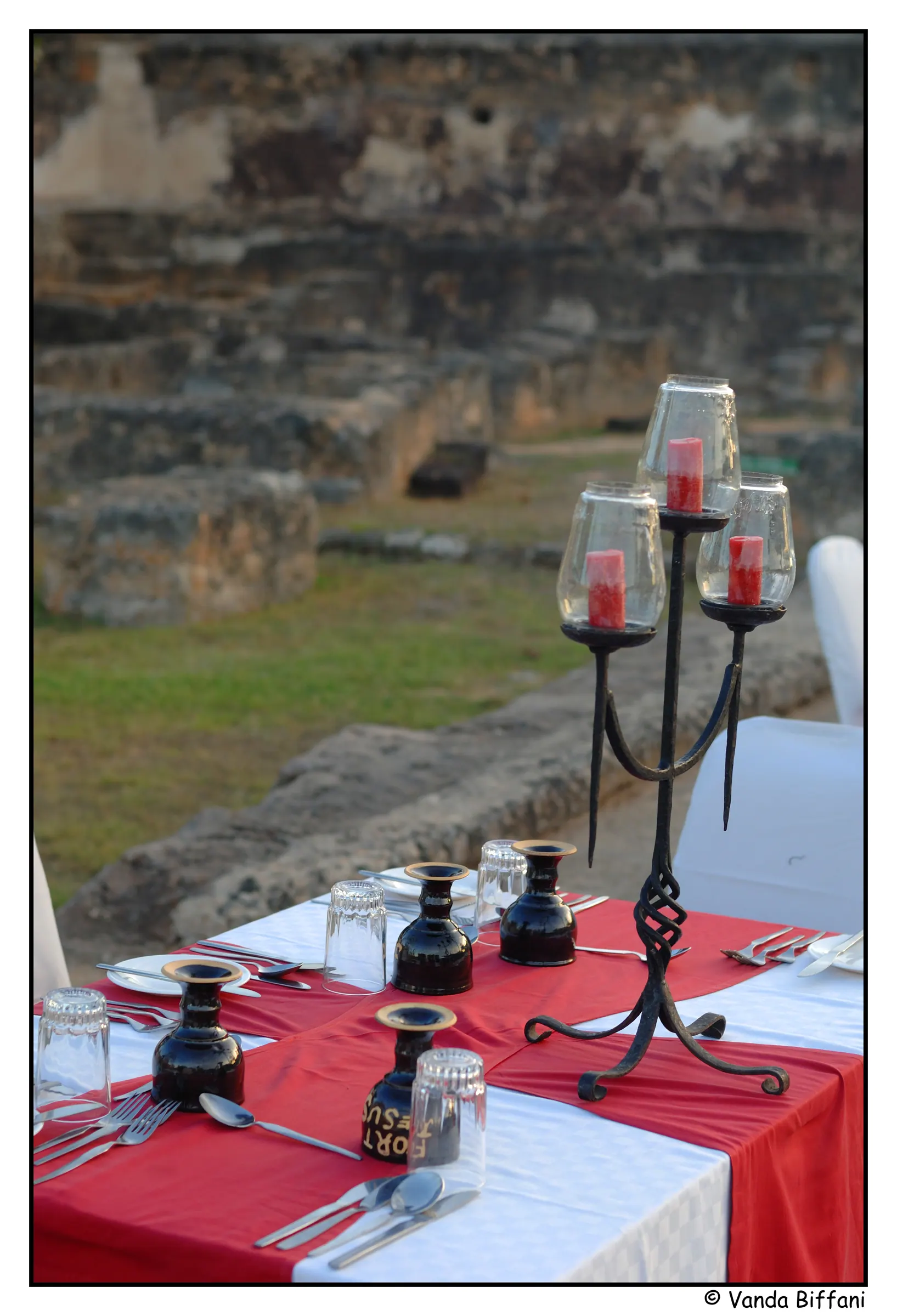
| Evenings | On some nights a sound-and-light show and dinner are held inside the walls |
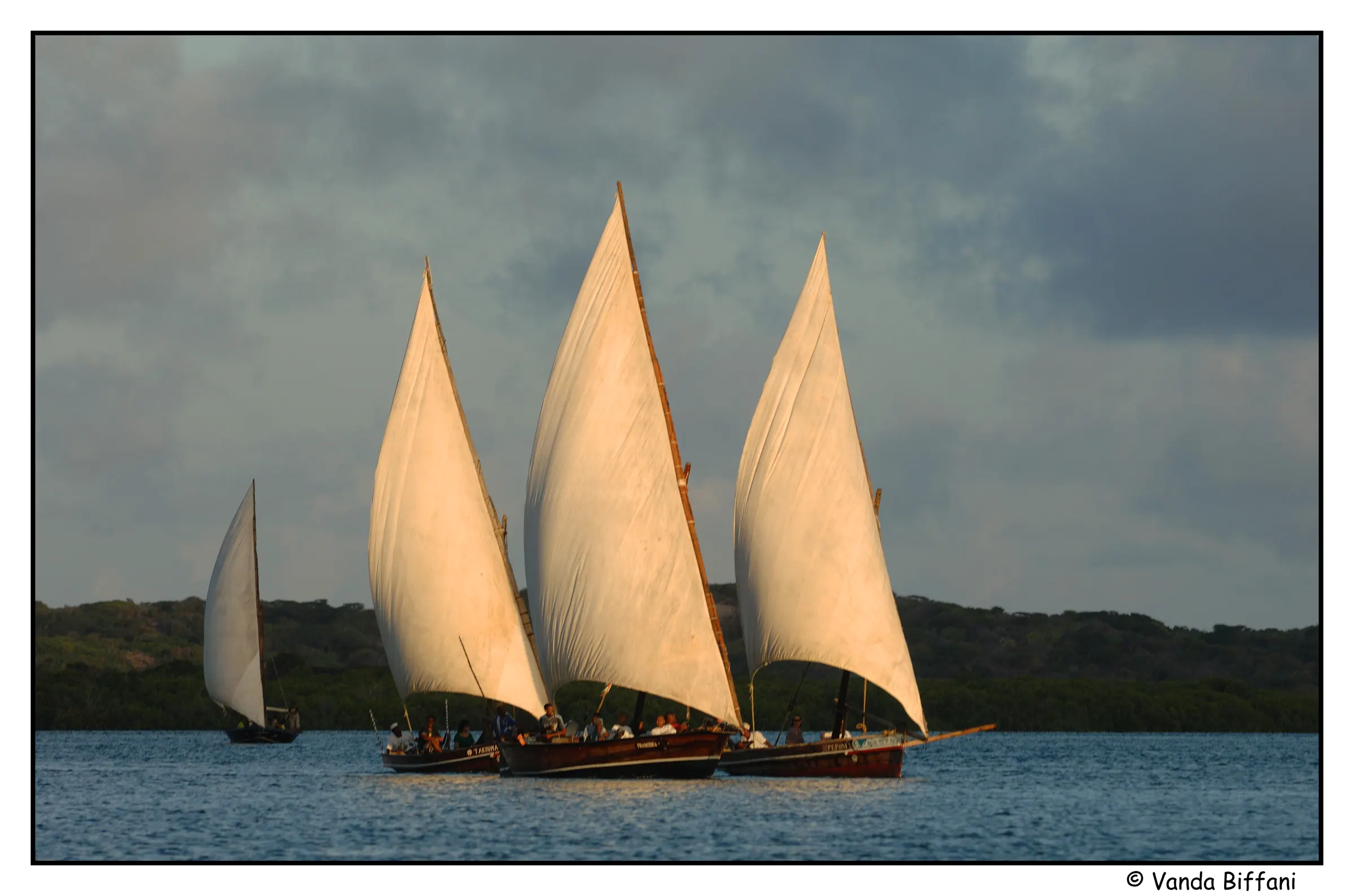
Arrive at 8am. It is cooler, the light on the coral walls is warm, and you will beat the tour buses from the beach hotels. Wear comfortable shoes for the uneven stone steps and bring water. Photography is allowed for personal use; drones are not, as everywhere in Kenya without a permit. After the fort, walk into Old Town past the Mandhry Mosque and the old port, where dhows still tie up, and stop for coffee from a street seller's brass pot.
For an evening that people remember, book a dinner inside the fort. A few operators run candlelit dinners and sound-and-light shows within the walls on some nights; ask us which nights fall during your trip. School and university groups can ask us to request a talk with museum staff, which turns the fort into a classroom.
Further reading
- James Kirkman, Fort Jesus: A Portuguese Fortress on the East African Coast (1974)
- UNESCO's listing for Fort Jesus, Mombasa, linked in our sources
- Our Swahili coast page, for the towns and trade the fort was built to control