History. Updated November 2026. 5 min read.
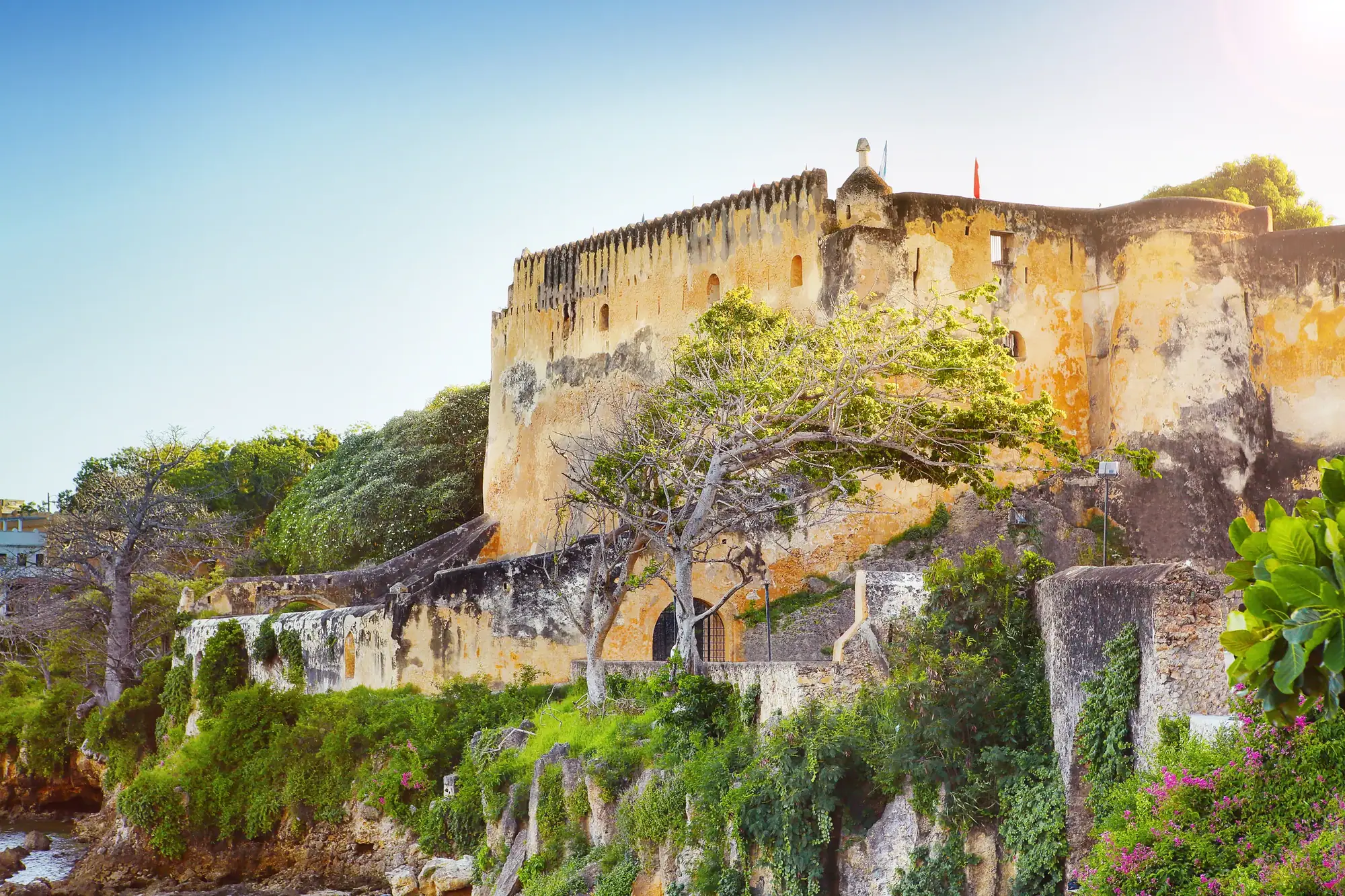
For 33 months, from March 1696 to December 1698, a dwindling garrison of Portuguese soldiers and loyal Swahili held Fort Jesus against an Omani army, while disease killed most of them. When the Omanis finally climbed the walls, Portugal's century on the Kenyan coast was over. An Arab century and more began, and its doors, mosques and family names are still part of Mombasa's Old Town.
The short version: Oman's Ya'rubi imams took Fort Jesus in 1698 and ruled Mombasa through governors. From the 1730s those governors came from the Mazrui family, who broke with Oman when the Busaidi dynasty took power there in the 1740s and ran Mombasa as their own state for about a century. The Busaidi ruler Seyyid Said took Mombasa in 1837 and soon made Zanzibar his capital. When the British arrived, they left the Sultan of Zanzibar as nominal owner of a ten-mile coastal strip, and Kenya only absorbed it at independence in 1963.
Timeline
| Date | What happened |
|---|---|
| 1593 to 1596 | The Portuguese build Fort Jesus |
| 1650 | Oman drives the Portuguese out of Muscat and begins raiding the Swahili coast |
| March 1696 to December 1698 | The Omani siege; Fort Jesus falls |
| 1728 to 1729 | The Portuguese briefly retake Mombasa, then lose it for good |
| 1740s | The Mazrui governors break with Oman's new Busaidi rulers |
| 1812 | Lamu defeats Mombasa and Pate at the battle of Shela, then turns to Oman for protection |
| 1824 to 1826 | A short-lived British protectorate over Mombasa, requested by the Mazrui |
| 1837 | Seyyid Said takes Mombasa; the Mazrui leaders are exiled |
| About 1840 | Said settles his court at Zanzibar |
| 1887 to 1888 | The Sultan leases the mainland strip to the British East Africa Company |
| 1895 to 1896 | British protectorate declared; the Mazrui rising under Mbaruk bin Rashid |
| 1920 | The interior becomes Kenya Colony; the strip becomes the Kenya Protectorate |
| October 1963 | The Sultan gives up the strip to Kenya ahead of independence |
The siege, in brief
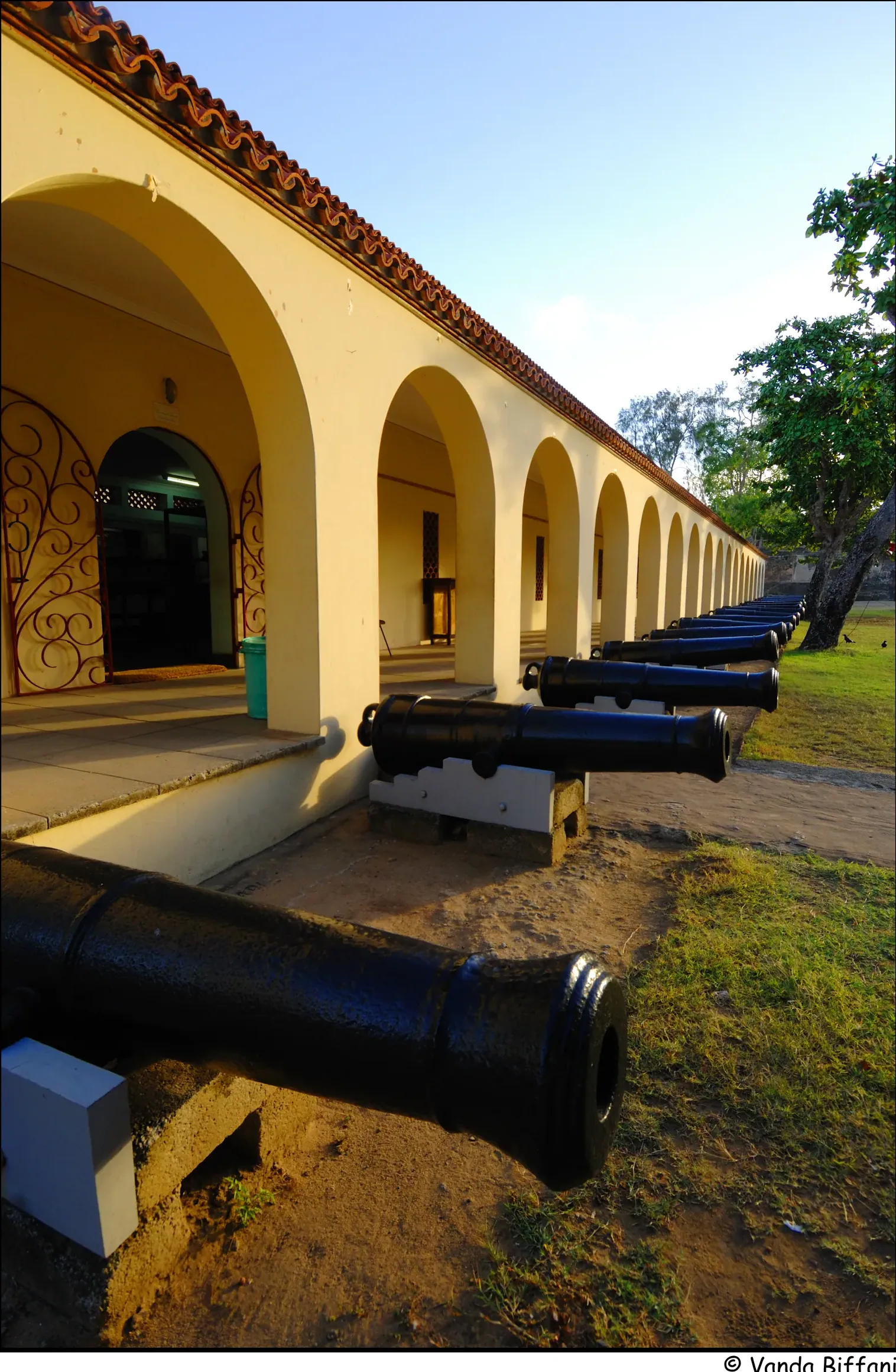
Oman had become a sea power after expelling the Portuguese from Muscat in 1650, and its fleets raided the Swahili towns for decades. The siege of Fort Jesus was the decisive blow: relief ships from Goa came too little and too late, and plague did much of the Omanis' work. The full story of the fort, its builders and its later life as a prison and museum is on our Fort Jesus page; this page is about what came after.
The Mazrui century
The Mazrui were an Omani family who governed Mombasa for the Ya'rubi imams. When the Busaidi family overthrew the Ya'rubi in Oman in the 1740s, the Mazrui refused to recognise them and ruled Mombasa, and at times Pemba and parts of the mainland coast, on their own account. They allied with some coastal towns and fought others. In 1812 they and Pate lost to Lamu at the battle of Shela, and Lamu then asked Oman's Busaidi ruler for protection, which brought Oman's power back to the coast.
Under pressure, the Mazrui asked a passing British naval officer, Captain William Owen, for protection in 1824. London never ratified it, and the arrangement ended in 1826. After 1837 the Mazrui retreated to Takaungu, near Kilifi, and Gazi, on the south coast, and in 1895 Mbaruk bin Rashid Mazrui led a rising against the new British protectorate. The family remains prominent in Mombasa: the political scientist Ali Mazrui, born in the city in 1933, was buried in the family cemetery near Fort Jesus in 2014.
Seyyid Said and the move to Zanzibar
Seyyid Said bin Sultan, who ruled Oman from 1806, saw that the wealth of his empire lay in East Africa. He took Mombasa in 1837 and by about 1840 had settled his court at Zanzibar. Clove plantations on Zanzibar and Pemba and grain plantations on the Kenyan mainland were worked by enslaved people, and caravans from the coast reached deep into the interior for ivory and captives. This is the hard side of the Omani story and should be told plainly. Under British pressure the Zanzibar slave market closed in 1873, and in 1875 missionaries founded Frere Town, across the creek from Mombasa island, as a settlement for freed slaves. The Krapf Memorial Museum at Rabai, inland from Mombasa, marks the first mission station in Kenya, founded in 1846.
The ten-mile strip
When the British moved inland they did not take the coast outright. The Sultan of Zanzibar leased his mainland strip, ten miles deep, to the British East Africa Company in 1887 and 1888, and the arrangement passed to the British government with the protectorate in 1895. In 1920, when the interior became Kenya Colony, the strip became the Kenya Protectorate, still nominally the Sultan's. That is why the Sultan's red flag flew over parts of the coast into the 1960s.
As independence approached, some coastal leaders, organised as the Mwambao movement, wanted autonomy or union with Zanzibar. A British-appointed commission under Sir James Robertson recommended in 1961 that the strip join Kenya with guarantees for Muslim courts, land and religion, and the Sultan gave up the strip by agreement in October 1963. Debates about the coast's place in Kenya have never fully gone away, which is one reason Mombasa feels distinct from Nairobi.
Where to see Omani Mombasa today
- Fort Jesus: the Omani House inside the walls shows how the fort was lived in after 1698, and the museum covers the Omani and Mazrui years
- The carved doors of Old Town: heavy square-framed Arab doors and Indian-style doors with brass studs, many dating from the 19th century
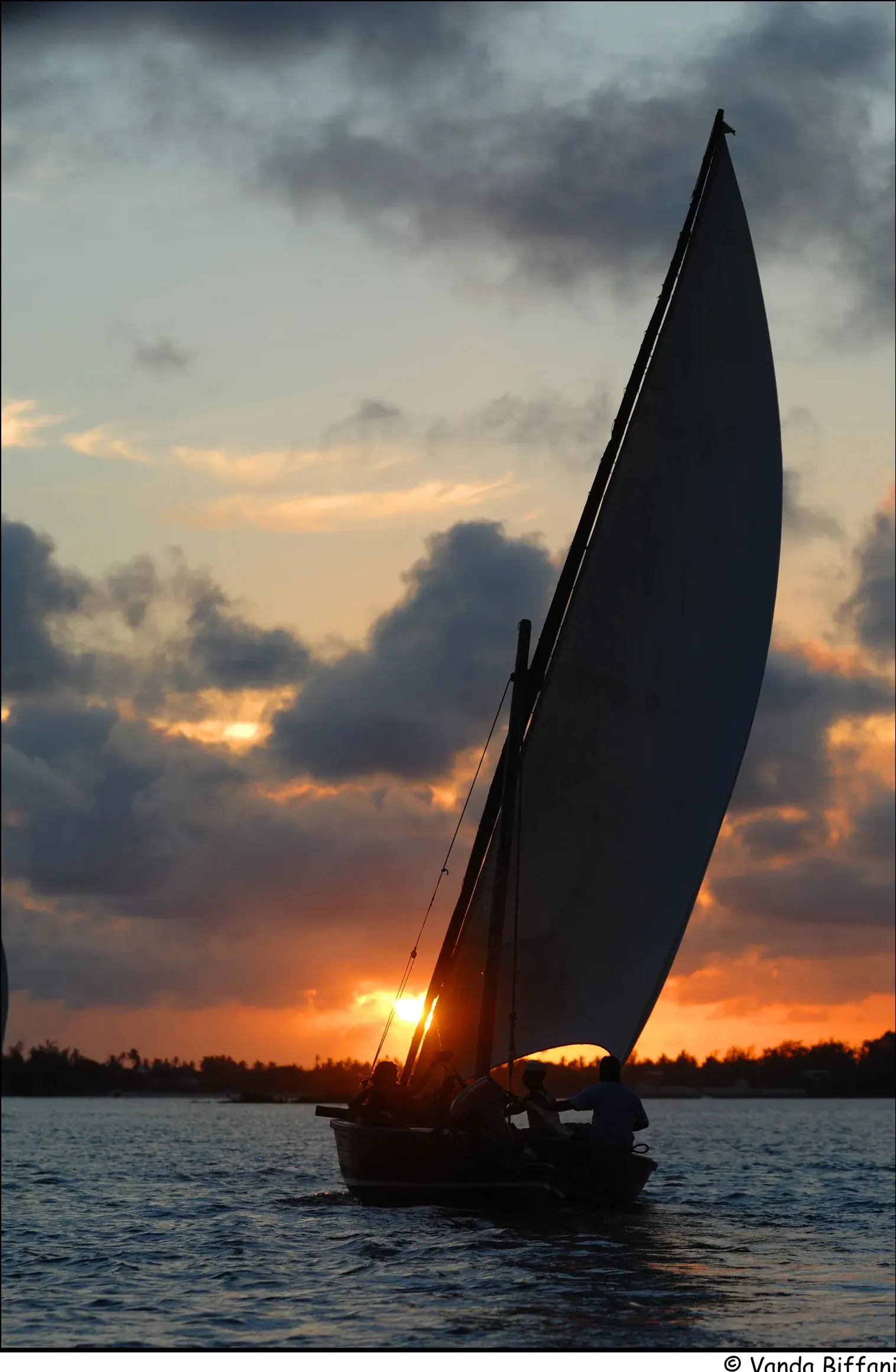
- The Old Port: the waterfront where dhows from Arabia and the Gulf once tied up on the monsoon
- Mandhry Mosque: older than the Omanis, a reminder that Mombasa was Swahili before it was anyone's colony
- The Krapf Memorial Museum at Rabai and Frere Town: the missionary and freed-slave side of the 19th century
- Takaungu and Gazi: quiet Mazrui towns north and south of Mombasa, for travellers with a car and a curious guide
| Stop | Time | Notes |
|---|---|---|
| Fort Jesus and museum | 1.5 to 2 hours | National Museums of Kenya fee; check current rates |
| Old Town walk | 2 hours | Go with a licensed guide; morning or late afternoon |
| Rabai museum | Half day | About an hour inland from Mombasa island |
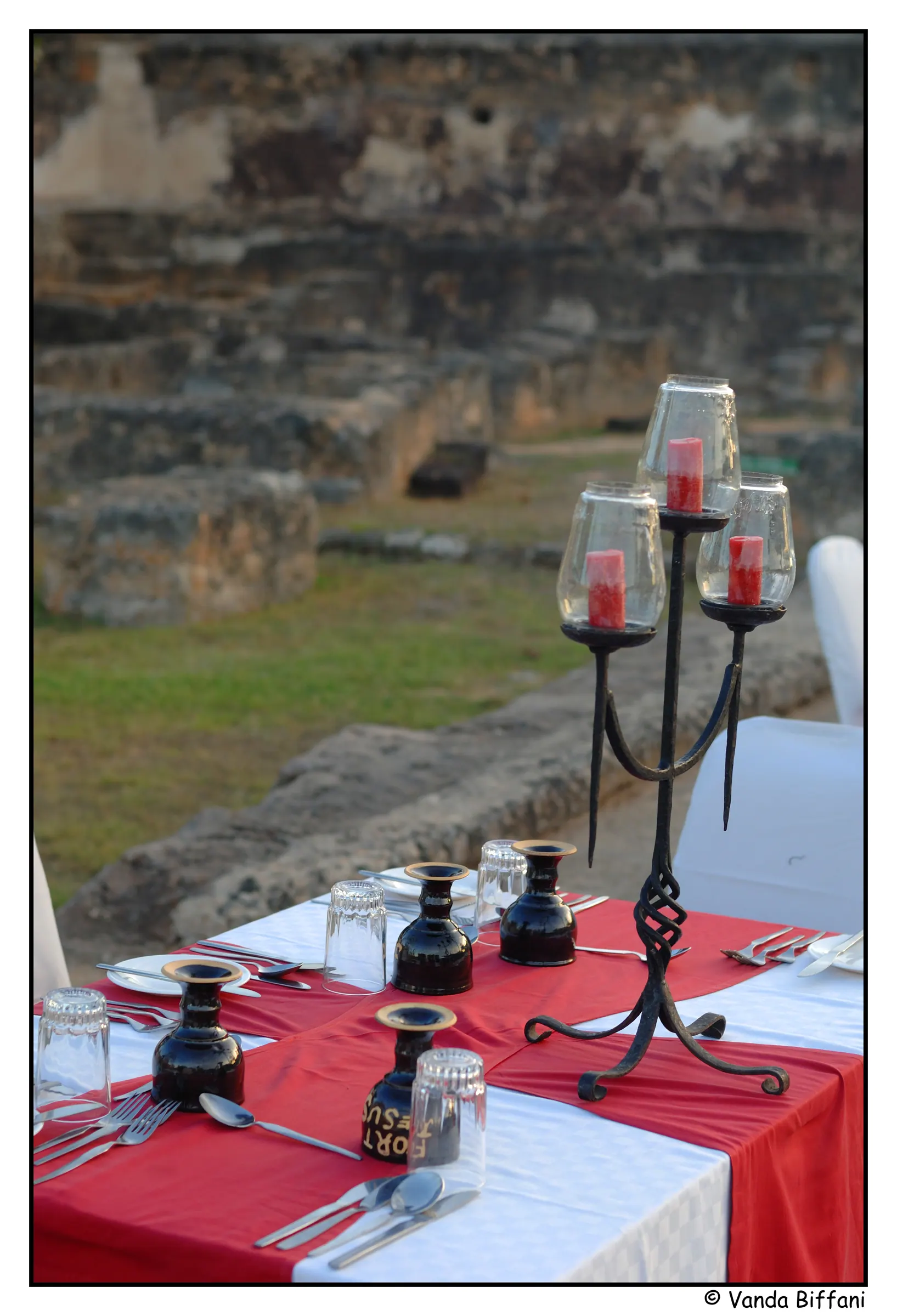
| Fort Jesus sound and light show | Evening | Runs on selected nights; ask us to book |
Dress modestly in Old Town, with shoulders and knees covered, and ask before photographing people or the inside of mosques. Fort Jesus fees for non-residents are set by the National Museums of Kenya and change from time to time, so check before you go. Our Old Town page has the walking route; this history fits into any Mombasa or Diani stay as a half day.