History. Updated November 2026. 5 min read.
Before the Uganda Railway could reach Lake Victoria, it had to climb through Nandi country on the western highlands, and for about ten years the Nandi made the British pay for every mile. Their leader was Koitalel arap Samoei, the orkoiyot. On October 19, 1905, a British officer shot him dead at a meeting called to talk peace, and the longest armed resistance to the building of colonial Kenya came to an end.
Koitalel led the Nandi from about 1890 until his death, and under him they raided caravans, cut telegraph wire, took railway iron and fought off several British expeditions between 1895 and 1905. He was killed by Captain Richard Meinertzhagen of the King's African Rifles, and the Nandi were pushed into a reserve that left much of their best land to settlers and, later, tea estates. Today his museum and mausoleum stand near Nandi Hills town, a short drive from Eldoret and Kapsabet.
Timeline
| Date | What happened |
|---|---|
| 1880s to 1890 | Koitalel's father, the orkoiyot Kimnyole, is remembered for prophesying an iron snake that would cross the land |
| About 1890 | Koitalel becomes orkoiyot |
| 1895 | The British East Africa Protectorate is declared; the first clashes with British caravans and officials |
| 1896 to 1901 | The railway is built from Mombasa toward Lake Victoria; Nandi warriors raid survey parties, supply lines and the telegraph |
| 1895 to 1905 | Several British punitive expeditions against the Nandi |
| October 19, 1905 | Koitalel is shot at a meeting with Meinertzhagen |
| 1905 to 1906 | The Nandi Field Force campaign; the Nandi are confined to a reserve |
| 1930s | Colonial officials exile members of the orkoiyot's Talai clan to Gwassi, near Lake Victoria |
| 2006 | Some of his belongings, taken after his death, are returned from Britain |

Who the orkoiyot was
The Nandi are one of the Kalenjin peoples of the western highlands. They had no king. Authority lay with councils of elders and with the age sets of warriors, but the orkoiyot (plural orkoik) held a special place: a diviner and ritual expert whose blessing was sought before raids, whose prophecies were taken seriously, and who over the 19th century gathered real political power. The orkoik came from the Talai clan, whose own traditions link them with Maasai ritual experts, the laibon.
Koitalel's father Kimnyole is remembered in Nandi tradition for a prophecy of a long iron snake that would cross the country, spitting fire and smoke, and of strangers who would take the land. When surveyors and the railway arrived, many Nandi saw the prophecy coming true.
A decade of resistance
The Nandi were good at this kind of war. They knew the forests and escarpments, they struck quickly and withdrew, and they hit the things the British most needed: the telegraph line, the supply caravans and the railway itself. Copper telegraph wire and iron from the line were prized for jewellery and weapons. Several British expeditions in the late 1890s and early 1900s burned homes and seized cattle, but none ended the resistance.
For the Protectorate, the Nandi were a direct threat to the railway on which the whole colonial project depended. For the Nandi, the railway and the soldiers who guarded it were a threat to their land, their cattle and their independence. Both sides understood exactly what was at stake.
The meeting of October 19, 1905
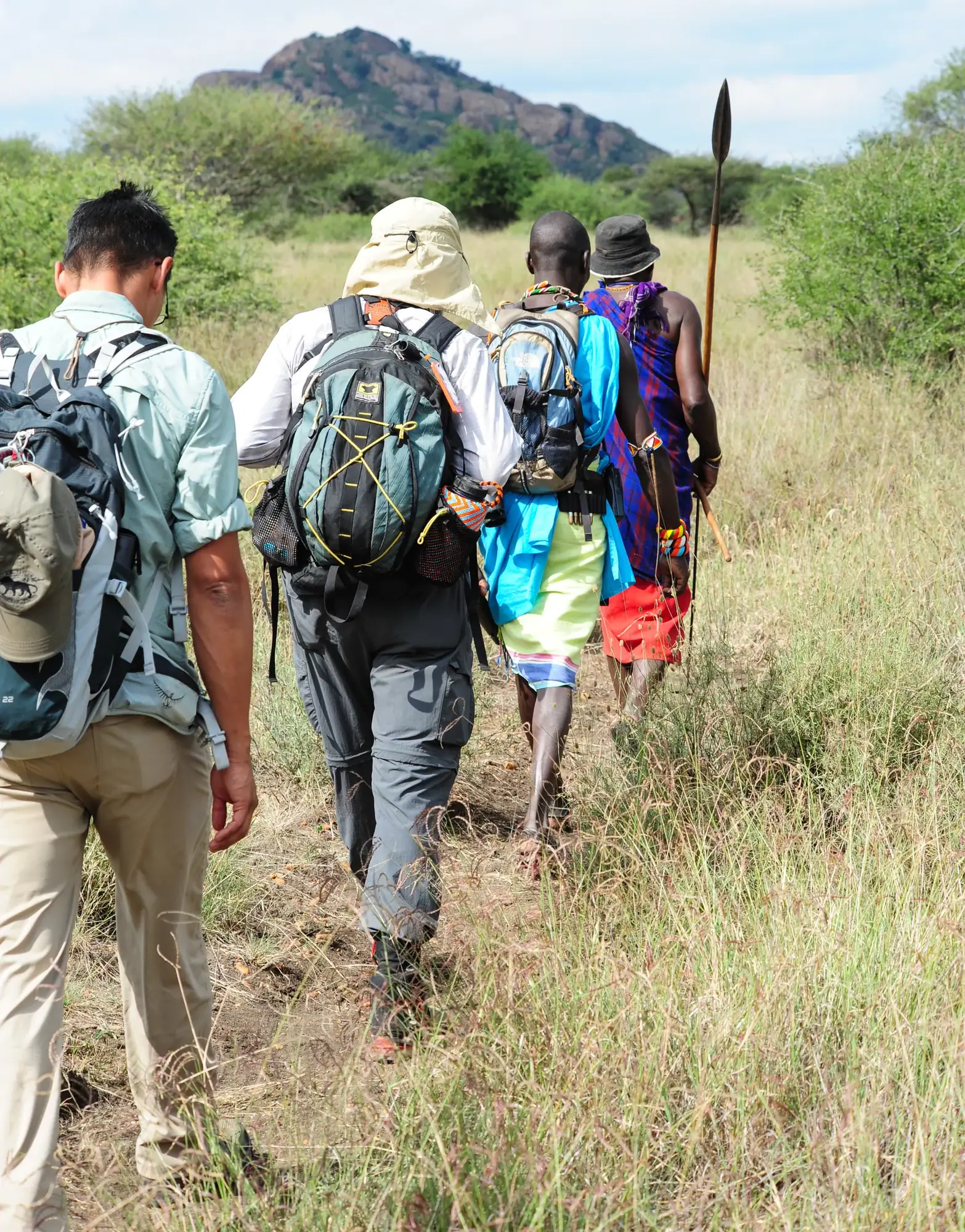
In October 1905, Captain Richard Meinertzhagen arranged to meet Koitalel, ostensibly to negotiate. At the meeting, near the present town of Nandi Hills, Koitalel and members of his party were shot dead. Meinertzhagen claimed the Nandi had attacked first. Military inquiries cleared him, but he was sent away from East Africa soon after. Nandi accounts, and the historians who have studied the evidence since, describe the meeting as a trap. His death broke the resistance: the Nandi Field Force campaign that followed pushed the Nandi into a reserve and opened their grazing lands, including much of the Uasin Gishu plateau around today's Eldoret, to European settlement.
Koitalel's head and several of his belongings were taken from the site. In 2006 some of those belongings were returned from Britain and handed back to his descendants and the Nandi community, an event that brought his story back into the national conversation.
How Kenya remembers him
Koitalel arap Samoei is now remembered as one of Kenya's first freedom fighters, honoured on Mashujaa Day alongside later leaders. His name is on streets, schools and institutions across the Rift Valley, and the Koitalel Samoei museum and mausoleum near Nandi Hills town tell his story and the story of Nandi resistance. For Kalenjin visitors, and for the many Kenyan-Americans with roots in Nandi and Uasin Gishu, it is a place to bring children.
Visiting Nandi country
- Koitalel Samoei museum and mausoleum: near Nandi Hills town, close to where he was killed; allow an hour, and ask the attendant to talk you through the displays
- Nandi Hills tea estates: rolling green estates on land that was Nandi grazing before 1905; some estates can arrange visits
- The Nandi escarpment: views over the Kano plains toward Lake Victoria, the country the warriors watched the railway climb
- Kapsabet and Eldoret: the county town and the city that grew on Nandi and Uasin Gishu land, now the heart of Kenya's running country
- Iten: about two hours north, where Kalenjin runners train at altitude; see our running history page
| From | To Nandi Hills | Notes |
|---|---|---|
| Eldoret | About 1.5 hours by road | Eldoret has daily flights from Nairobi |
| Kisumu | About 1.5 to 2 hours by road | Up the escarpment from the lake |
| Kericho | About 2 hours by road | Combine two tea regions in a day |
| Nairobi | A full day by road, or fly to Eldoret or Kisumu | Best as part of a western Kenya circuit |
Entry to the museum carries a small fee; check current rates locally or with us, since they change. Bring a warm layer: Nandi Hills sits around 2,000 metres and is cool and often wet. We fold this stop into western Kenya trips that take in Kakamega Forest, Kisumu and Iten, and into heritage trips for Kalenjin families.