The coast. Updated November 2026. 5 min read.
Stand on Ndia Kuu at five in the afternoon and listen. The call to prayer starts from one minaret, then another; bells ring in a Hindu temple a few lanes away; a ship's horn sounds from the port on the far side of the island. Mombasa Old Town is a small district of carved doors, wooden balconies and spice shops, and it has been a lived-in town, not a museum, for five centuries and more.
The short answer: give Old Town two to three hours on foot with a local guide. Start at Fort Jesus when it opens at 8am, walk north along Ndia Kuu to the Mandhry Mosque and the Old Port, and finish with Swahili coffee before the midday heat. Our Mombasa page covers the city as a whole and how to get here, and our Fort Jesus page covers the fort in depth. This page is the walk itself: what you are looking at, in what order, and how to behave in a neighborhood where people live, pray and work.
What Old Town is
Old Town fills the south-east corner of Mombasa Island, between Fort Jesus and the Old Port on the creek. The lanes are too narrow for most cars. Houses of coral stone and lime rise three and four stories, with carved wooden balconies that let families watch the street without being seen, and small mosques stand on the corners. The town grew on trade: the houses near the water belonged to merchants whose dhows sailed with the monsoon winds to Arabia, the Gulf and India, and Swahili, Arab and Indian families still live side by side here. Most of the buildings you see date from the 18th and 19th centuries, on a street plan far older. Old Town is a designated conservation area, which is why the facades look much as they did a century ago.
The doors
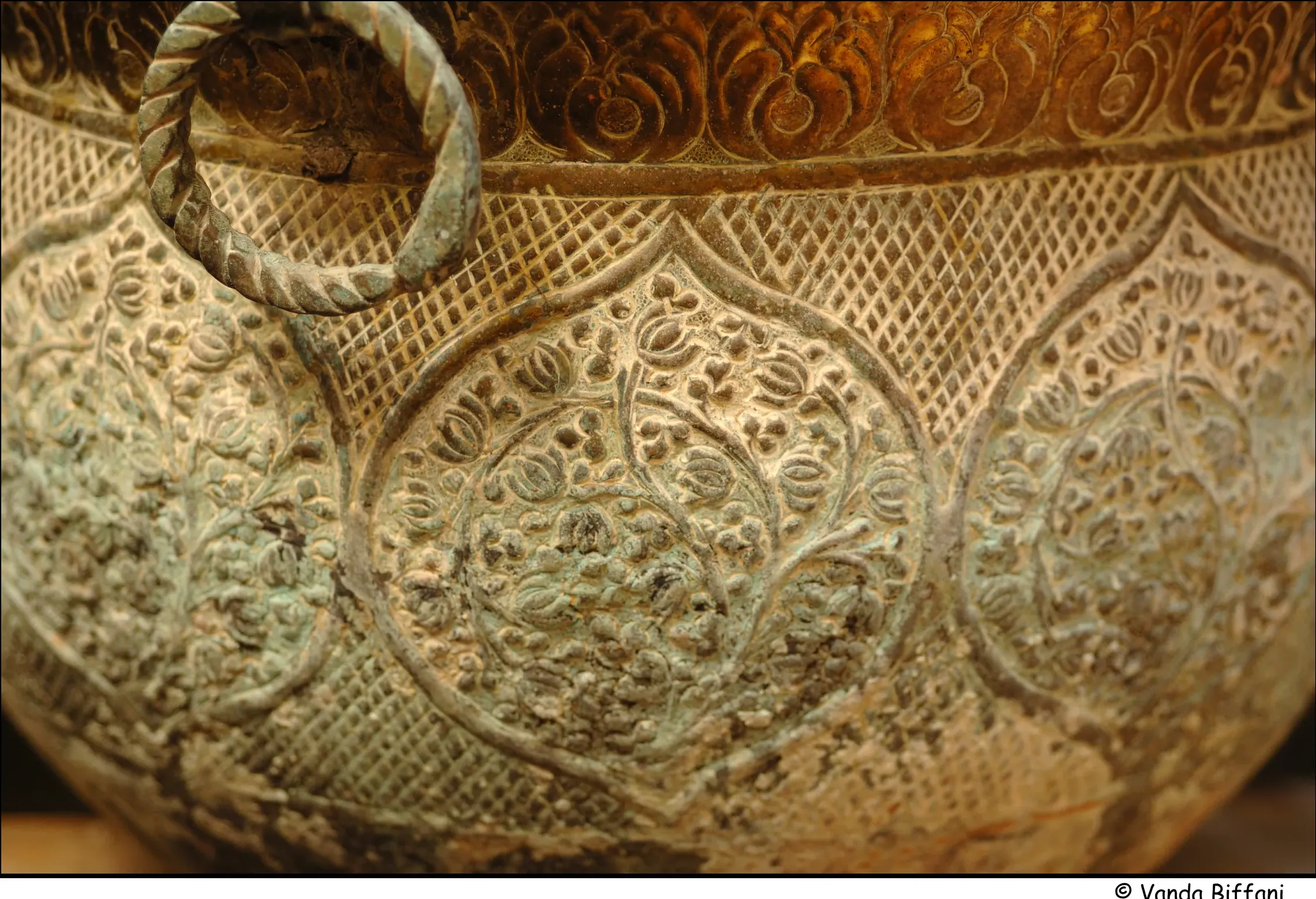
The doors are why most people come. Older Swahili doors have a heavy square frame carved with chains, rosettes, fish and lotus flowers, around two leaves of solid hardwood. Doors in the Indian style, brought by Gujarati craftsmen in the 19th century, often have a rounded or arched top and rows of brass studs; your guide will tell you the story that the studs began in India as protection against war elephants. Many doors were sold off or replaced in the 20th century, so the ones still in place are precious. Look, photograph the wood, and do not lean on them or knock: someone lives behind every one.
The walk, stop by stop
| Stop | What it is | Time |
|---|---|---|
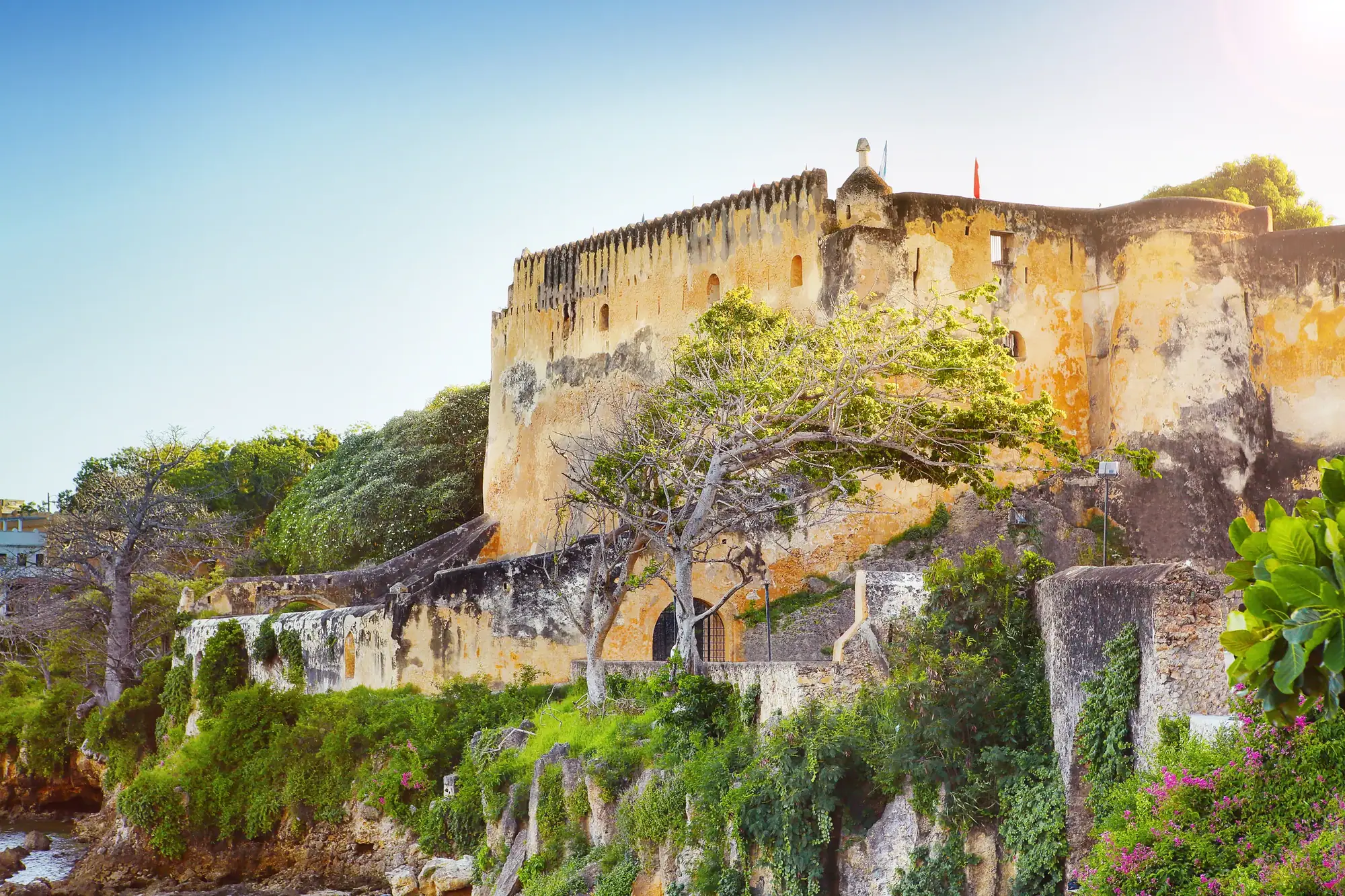
| Fort Jesus | The Portuguese fort, built 1593 to 1596 and a UNESCO World Heritage Site since 2011, with a museum and ramparts | 60 to 90 minutes |
| The Mombasa Club | A private members' club in an old colonial building beside the fort; look from the street | 5 minutes |
| Leven House and the Leven Steps | Named for HMS Leven, whose captain, William Owen, placed Mombasa under a short-lived British protection in 1824; the steps lead down to the water | 10 minutes |
| Ndia Kuu | The 'great road', Old Town's main lane, with the finest balconies and doors | 30 minutes |
| Mandhry Mosque | Traditionally dated to 1570, the oldest mosque in the city, with a tapering white minaret; admire it from the lane | 10 minutes |
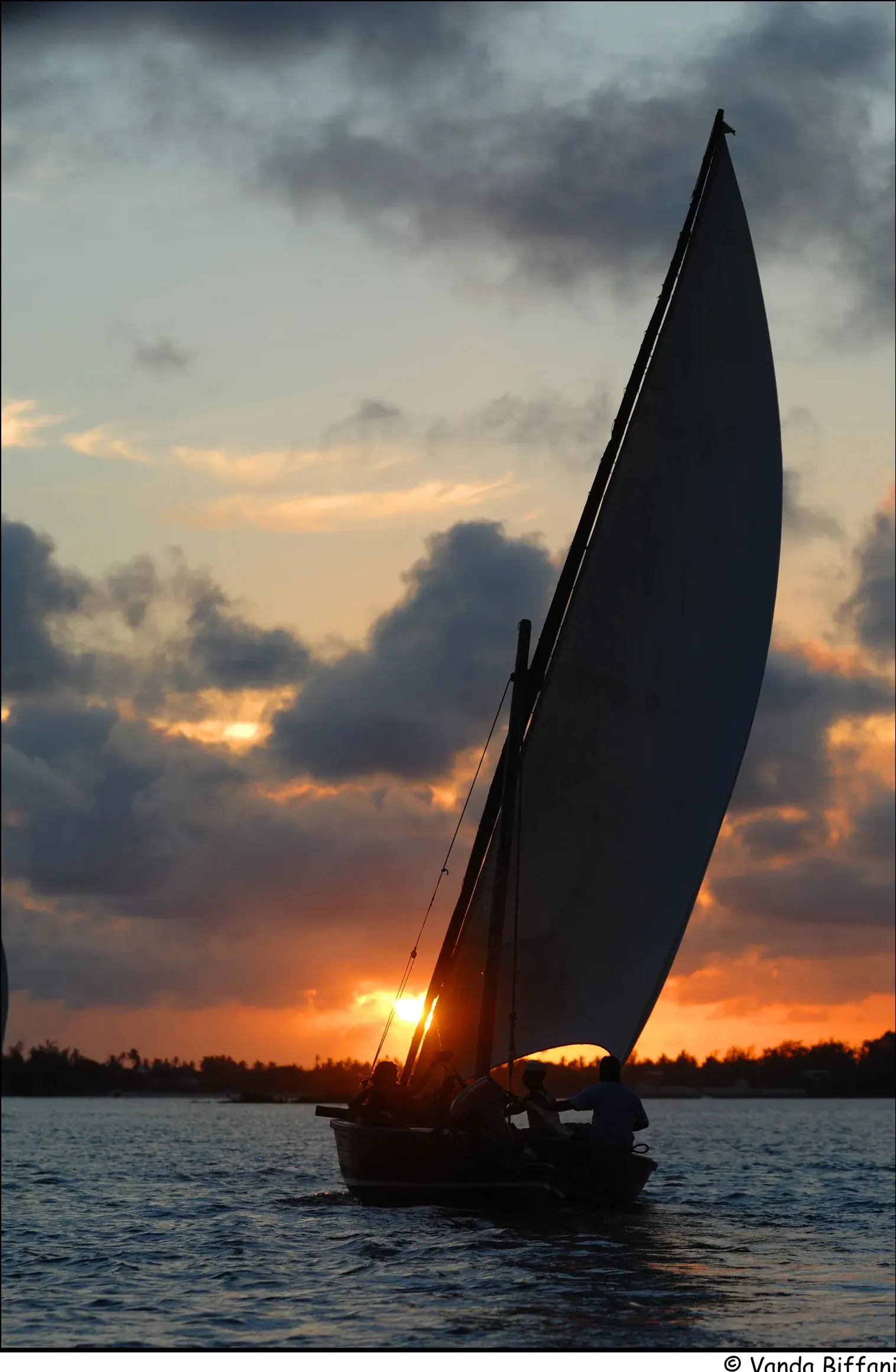
| The Old Port | The dhow harbor on the creek, where a few wooden boats still tie up below the old town | 15 minutes |
| Coffee stop | Jahazi Coffee House, or a street seller pouring kahawa chungu from a brass pot | 20 to 30 minutes |

Mosques, temples and the town's many faiths
Old Town is mostly Muslim, but not only. Within a few hundred yards you pass the Mandhry Mosque, the Bohra mosque of the Dawoodi Bohra, an Indian Muslim community settled on this coast for generations, and, at the edge of the old town, the Jain temple and Hindu temples whose bells you hear in the evening. Non-Muslim visitors do not usually go inside the mosques here: admire them from the lane and never photograph worshippers. Some temples welcome visitors at set hours with shoes off and heads covered; a good guide knows which, and when.
Eating on the walk
- Kahawa chungu: bitter Swahili coffee, spiced with cardamom and served in thimble-sized cups, often with a sweet sesame or peanut brittle called kashata
- Mahamri and chai for breakfast: the coast's cardamom doughnuts, best warm from a small cafe near the port
- Viazi karai: potatoes in spiced batter, a late-afternoon snack from street stalls
- Biryani for lunch at a family restaurant; ask your guide where they eat
- Madafu: green coconuts cut open for their water, the best cure for the midday heat
Our Swahili cuisine guide explains the dishes and the spices behind them.
Photography and conduct
- Ask before you photograph anyone, women especially, and accept a no with a smile
- Do not photograph police, military or port installations, or government buildings; your guide will tell you where cameras are fine
- Drones need a permit in Kenya and are not appropriate in a residential old town
- Cover shoulders and knees, men and women; a light scarf helps if you visit a temple
- Friday midday prayers fill the lanes near the mosques; plan your walk around them
- During Ramadan, eat and drink discreetly in daylight; the town comes alive after sunset
- Use a guide with identification: official guides wait at the Fort Jesus gate; agree the route and price before you start
Our pages on photographing people and on drone and photography rules go further.
When to go, and safety
Go early or late. From January to March the island is hot and humid by 11am, and the lanes hold the heat. The long rains, roughly April to June, bring short heavy showers but a quieter town. Old Town by day, with a guide, is an ordinary city walk: keep your phone in a front pocket, carry small notes, and ignore anyone who attaches himself as an unofficial guide. After dark, take a car between Old Town and your hotel. Before you book, check the current U.S. State Department advisory for Kenya and confirm your travel insurance covers your route.
Staying near Old Town
A night or two in a restored house in Old Town lets you see the lanes at dawn, before the day trippers arrive. Tamarind Village, across the creek, faces the old town, and PrideInn is in the city center. Our guide to where to stay in Mombasa compares them with the beach hotels at Nyali and Bamburi, 20 to 30 minutes away.
Why plan with us: Kenya Experience is Kenyan-led, with two U.S. companies behind it and Kenyan guides on the ground. You can pay in full or monthly with no deposit, and a specialist replies within two business days.