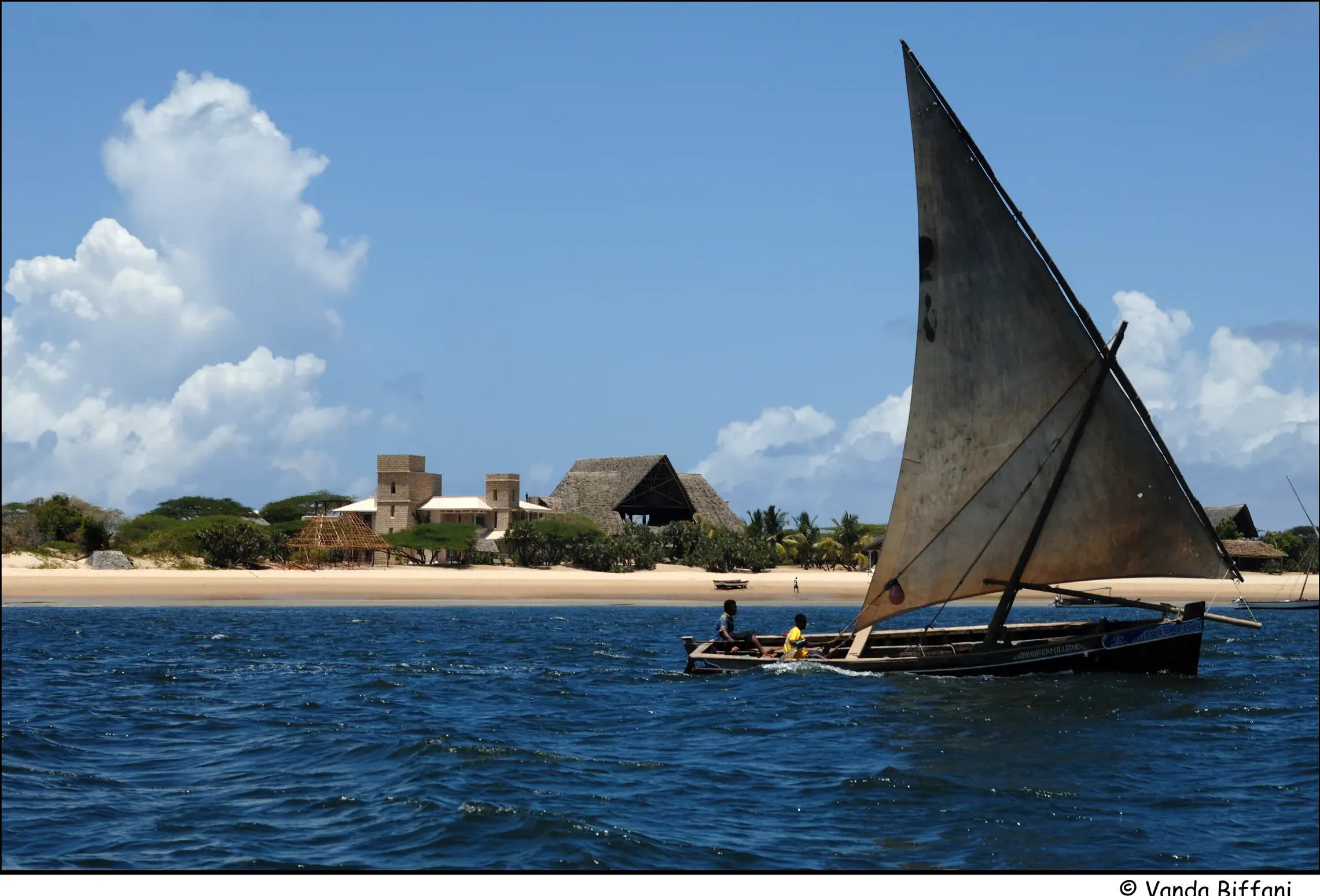
History. Updated November 2026. 5 min read.
In mid-April 1498, three Portuguese ships anchored off a Swahili town that had been trading with India for centuries. Ten days later they sailed for India with a pilot from that town, and the sea route between Europe and Asia was open. The town was Malindi, and the stone pillar the Portuguese left on its headland still stands above the reef.
Vasco da Gama reached Malindi on April 14, 1498, a week after a hostile reception at Mombasa. The ruler of Malindi, a rival of Mombasa, saw an ally in the newcomers and gave him a pilot who knew the monsoon crossing of the Arabian Sea. Da Gama left on April 24 and reached Calicut, on India's Malabar coast, on May 20. Malindi became Portugal's friend on a coast that mostly fought it. Today you can see the pillar, a tiny Portuguese chapel and the town's museum in a single morning.
Timeline
| Date | What happened |
|---|---|
| 1415 | Envoys from Malindi present a giraffe at the Ming court in China, part of the century of Chinese contact we cover on our Swahili coast page |
| July 8, 1497 | Da Gama's fleet leaves Lisbon |
| November 1497 | The fleet rounds the Cape of Good Hope |
| March 1498 | Mozambique Island, where relations with the local ruler turn sour |
| April 7, 1498 | Mombasa: the fleet is refused and slips away after a failed attempt to seize the ships |
| April 14 to 24, 1498 | Malindi: gifts, hostages exchanged, a pilot found |
| May 20, 1498 | Arrival near Calicut, India |
| January 1499 | On the way home the fleet calls at Malindi again |
| 1505 | Portuguese forces sack Kilwa and Mombasa; Malindi stays allied |
| 1542 | Francis Xavier stops at Malindi on his way to India |
| 1593 | The Portuguese move their base to Mombasa and begin Fort Jesus |
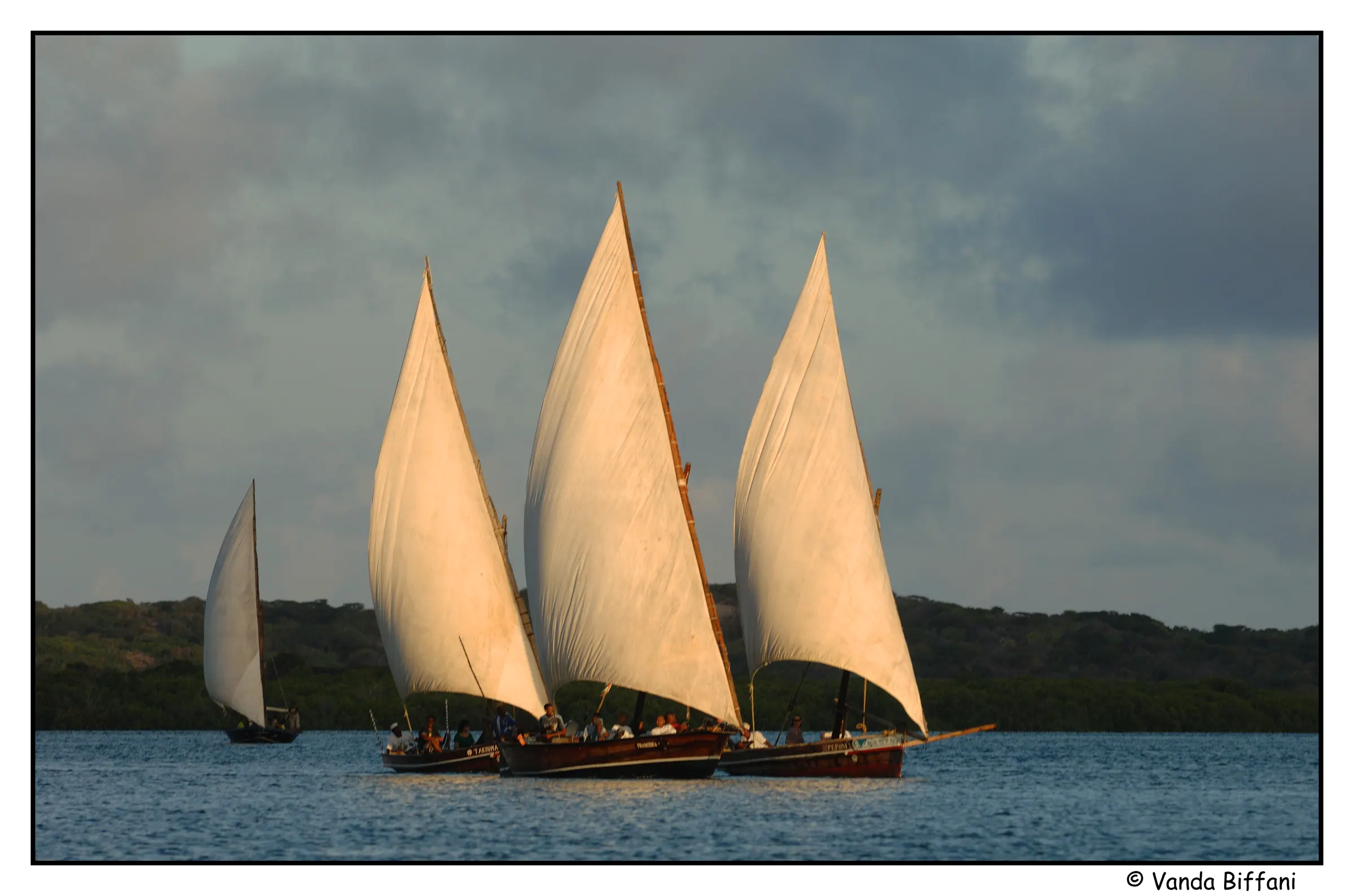
Why Mombasa said no and Malindi said yes
The Swahili coast was not one country but a string of independent city-states that competed for trade. News of Portuguese violence at Mozambique had travelled up the coast ahead of the fleet. At Mombasa, men tried to board the ships and cut their cables, and da Gama's crew tortured two captives to learn what was planned. He sailed north.
Malindi saw it differently. Its ruler needed allies against Mombasa, and the Portuguese needed water, food and someone who knew the way to India. The two sides exchanged hostages and gifts, and the visitors were struck by Indian merchant ships already in the harbour. It was the start of an alliance that lasted a century.
Who was the pilot?
Coastal tradition, and much writing in the Arab world, names the pilot as Ahmad ibn Majid, the great navigator and author of sailing manuals. Many historians now doubt it. Portuguese chroniclers describe him as a Gujarati, and ibn Majid was probably an old man by 1498. What is not in doubt is the larger point: the route da Gama is credited with finding was one Indian Ocean sailors had used for centuries. He was shown the way.
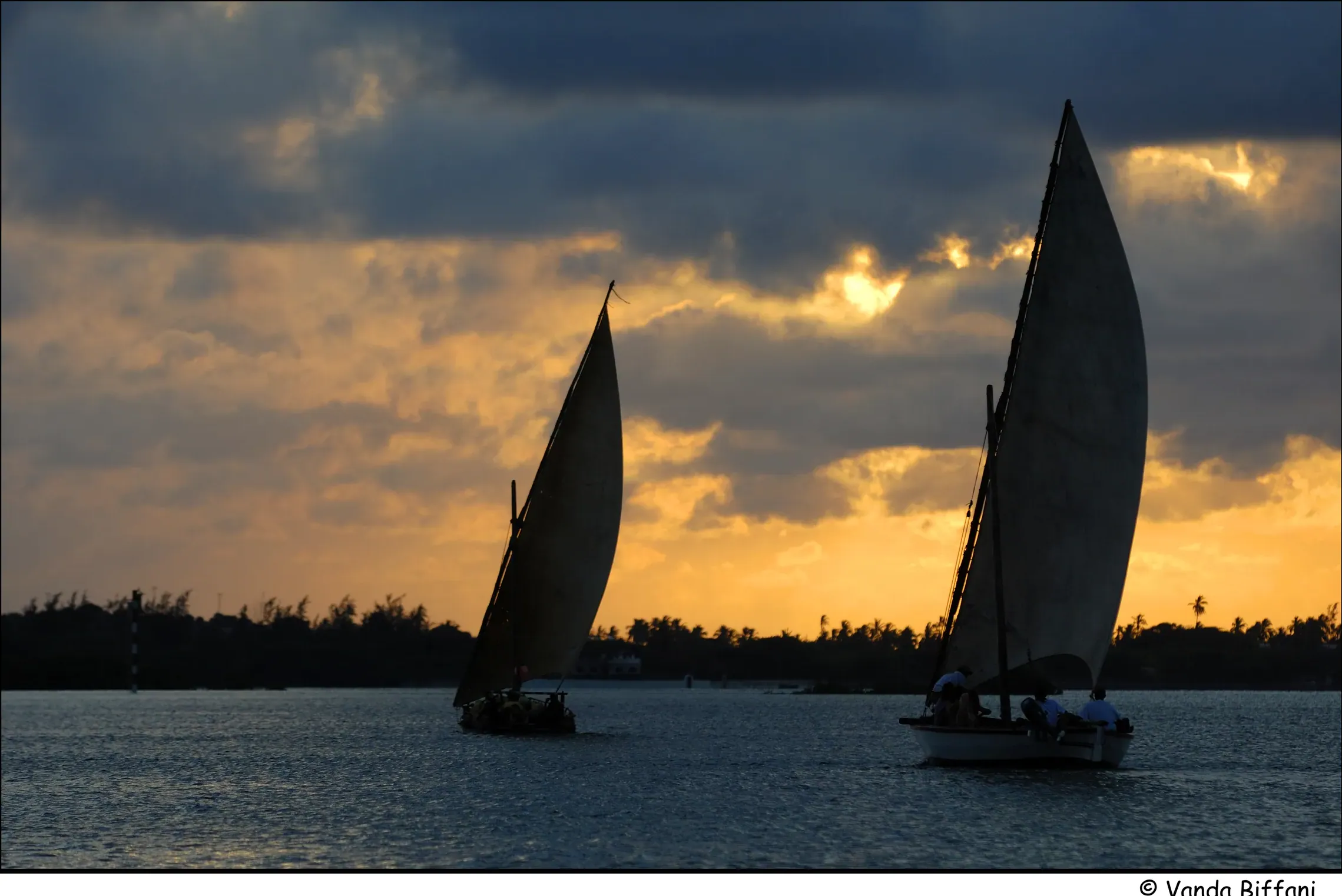
The pillar
The Vasco da Gama Pillar stands on a rocky point at the southern end of Malindi's seafront. A padrao was a stone marker the Portuguese planted along their routes, topped with a cross and the royal arms. The cross on Malindi's pillar is believed to be the original, carried from Portugal; the column beneath it is local coral and has been repaired over the centuries. It is often described as one of the oldest European monuments in Africa south of the Sahara.
There is a National Museums of Kenya ticket point on site and a small fee for non-residents. Come early in the morning or late in the afternoon, when the light on the reef is softest and the coral is not too hot underfoot, and wear sandals with grip.
The Portuguese Chapel and the old town
A short walk along the seafront, the Portuguese Chapel is a tiny whitewashed building with a thatched roof, among the oldest Christian churches in East Africa. Tradition links it with Francis Xavier, who stopped at Malindi in 1542 and is said to have buried Portuguese sailors here. Graves from later centuries surround it.
Between the pillar and the chapel, the Malindi Museum occupies the House of Columns, an old merchant house on the seafront, with displays on the town's history, the Portuguese years and the cultures of the coast. On the waterfront nearby, two pillar tombs beside the Jumaa Mosque belong to the Swahili town that welcomed da Gama. Non-Muslim visitors view the mosque from outside unless invited in.
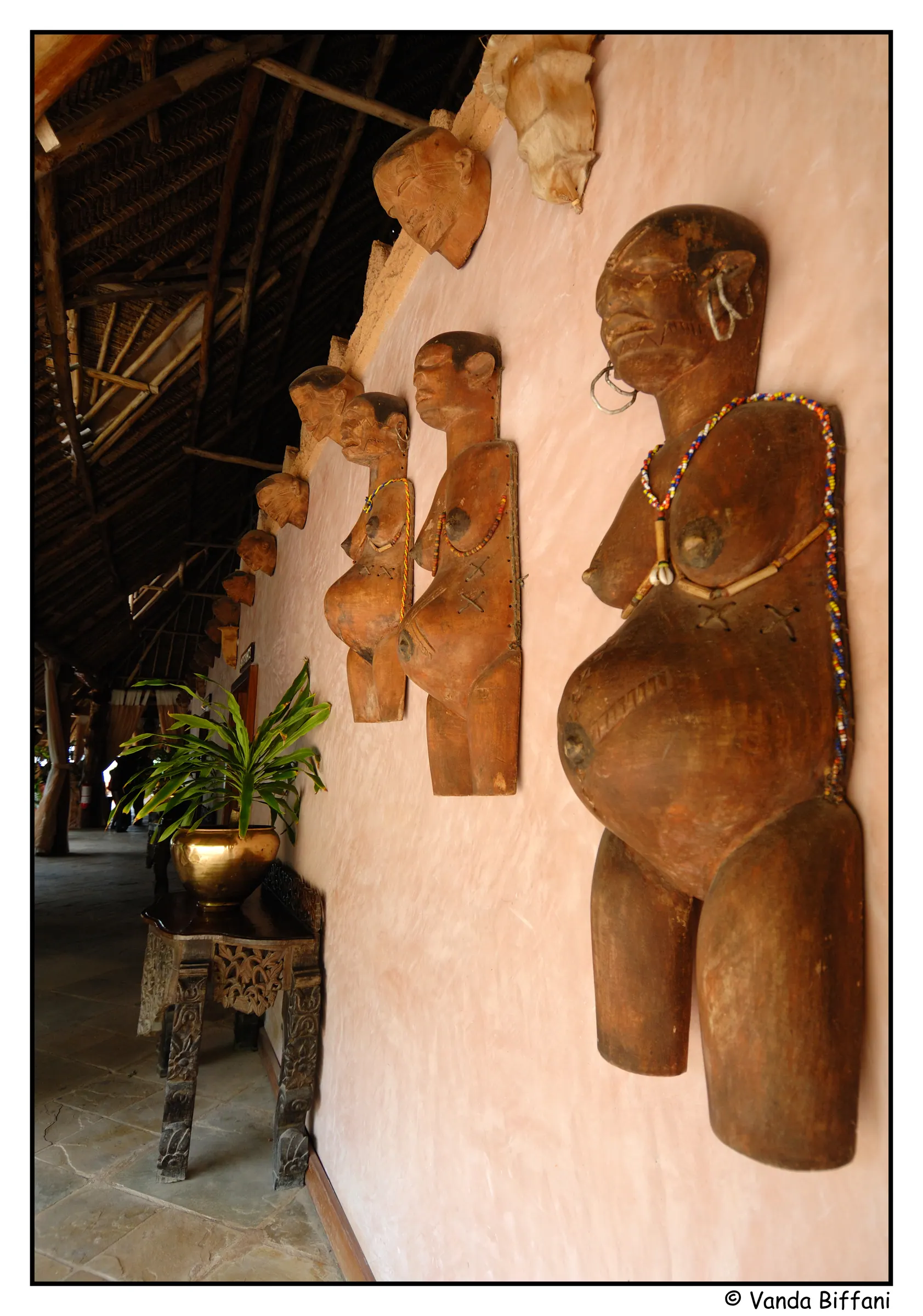
What the Portuguese century meant for the coast
For Malindi, friendship with Portugal brought a century of favour. The Portuguese used it as their base until 1593, when they moved to Mombasa, built Fort Jesus and installed Malindi's ruling family in Mombasa. Malindi then declined, and parts of the town were abandoned. It revived in the 19th century under the Sultans of Zanzibar, with grain plantations worked by enslaved people, and again in the 20th century as a beach town.
For the coast as a whole, the Portuguese era was violent. Mombasa was sacked in 1505, 1528 and 1589, and the Portuguese tried to control the ocean trade with forts and licences. Their century ended with the Omani siege of Fort Jesus from 1696 to 1698, the story we tell in Omani Mombasa.
Visiting Malindi's Portuguese sites
| Site | What it is | Time | Tip |
|---|---|---|---|
| Vasco da Gama Pillar | Portuguese padrao on the headland | 30 minutes | Go early; wear sandals with grip |
| Portuguese Chapel | Small 16th-century chapel and graves | 15 minutes | Cover shoulders and knees |
| Malindi Museum | House of Columns, history displays | 45 minutes | Ask about tickets that cover several sites |
| Jumaa Mosque pillar tombs | Swahili tombs on the waterfront | 15 minutes | View from outside unless invited |
| Gedi Ruins | Swahili town abandoned around 1600 | 2 hours | About 20 minutes south, toward Watamu |
Malindi has its own airport, with daily flights from Nairobi of about an hour, and lies about 120 km north of Mombasa, roughly two and a half to three hours by road. Most of our guests stay in Watamu, about 30 minutes south, and see Malindi's Portuguese sites and Gedi in one morning, back at the beach by lunch. National Museums of Kenya fees change, so check current rates on the NMK site; we include them in our quotes.