History. Updated November 2026. 4 min read.
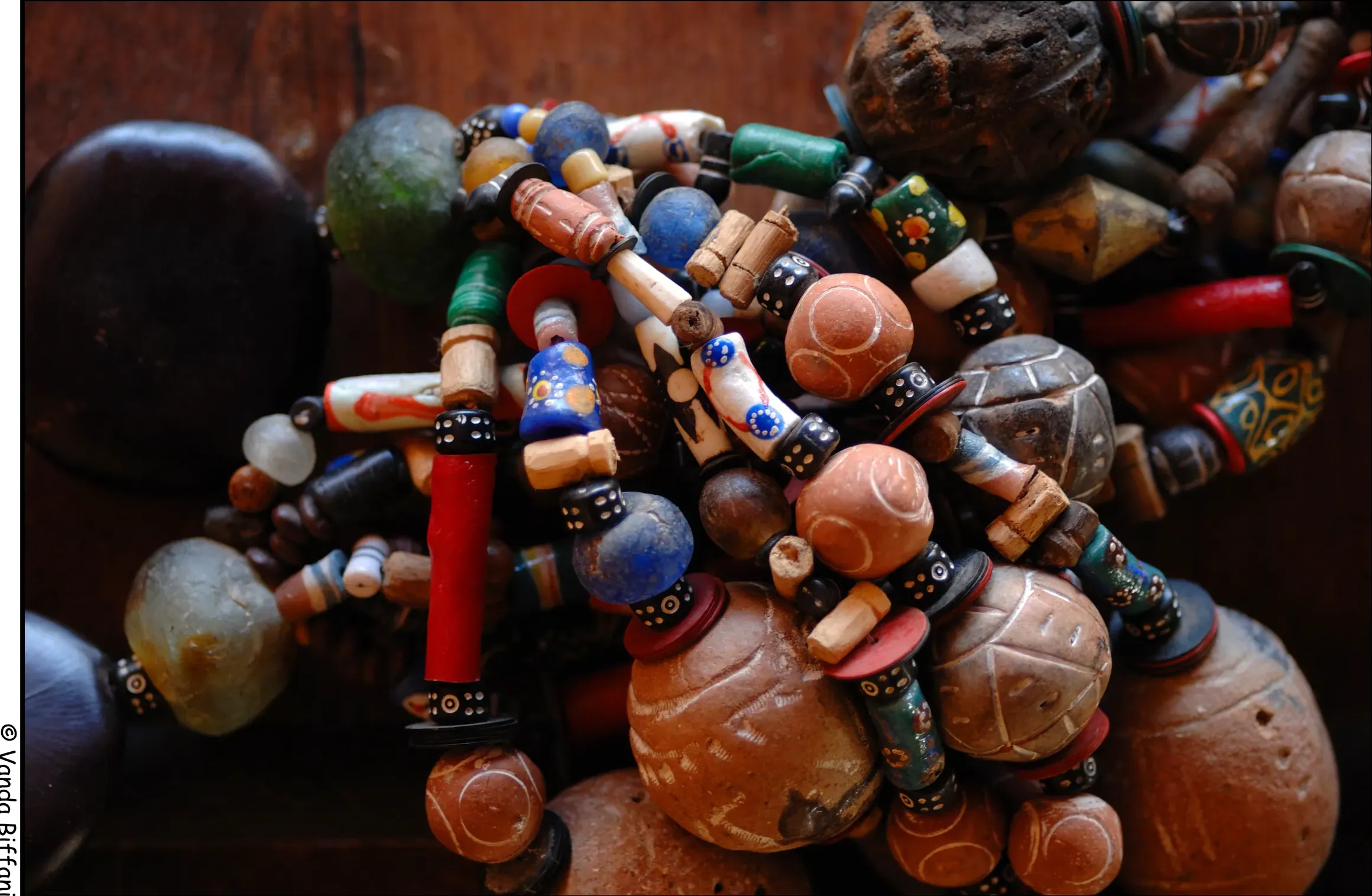
If you have one free morning in Nairobi, spend it here. The Nairobi National Museum tells Kenya's story from the first humans to the 2010 constitution, and it does it with real objects: fossils from the shores of Lake Turkana, the beadwork of a dozen communities, the birds you will see on safari and the paintings of a woman who spent years recording Kenya's peoples and plants. It is the best rainy-day activity in the city and a very good first stop before a safari.
The museum sits on Museum Hill, just north of the city center off Museum Hill Road, about ten minutes by car from most hotels outside rush hour. It is run by National Museums of Kenya and is open every day. Two hours covers the highlights below; three lets you add the snake park and the gardens. At the time of writing, entry for non-resident adults was about KSh 1,500, with lower rates for residents, citizens and children. Check the NMK site before you go.
A short history of the museum
| When | What happened |
|---|---|
| 1910 | The East Africa and Uganda Natural History Society opens a small museum in Nairobi |
| 1930 | A new building on Museum Hill opens as the Coryndon Museum, named after a colonial governor |
| 1964 | After independence it becomes the National Museum of Kenya |
| 2005 to 2008 | A major renovation rebuilds the galleries; the museum reopens in 2008 |
| Today | The headquarters of National Museums of Kenya and its research collections |
The two-hour route
- Start in the Cradle of Humankind gallery (30 minutes). It tells the story of human evolution in Kenya with fossils and casts, including Turkana Boy, the near-complete skeleton about 1.5 million years old found at Nariokotome in 1984. This is the gallery no other museum in the world can match.
- The Hall of Kenya (10 minutes), a short introduction to the country's landscapes and peoples.
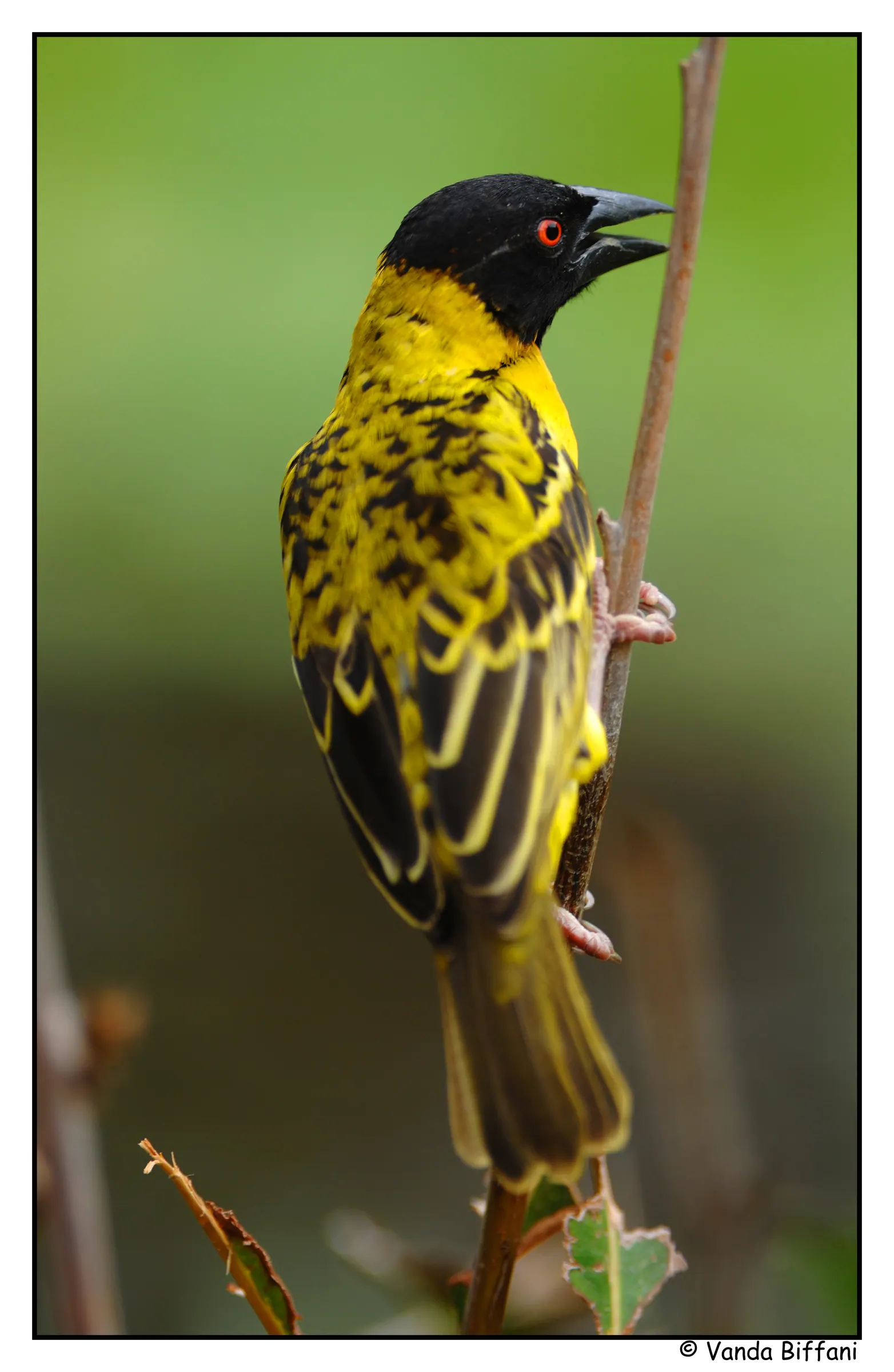
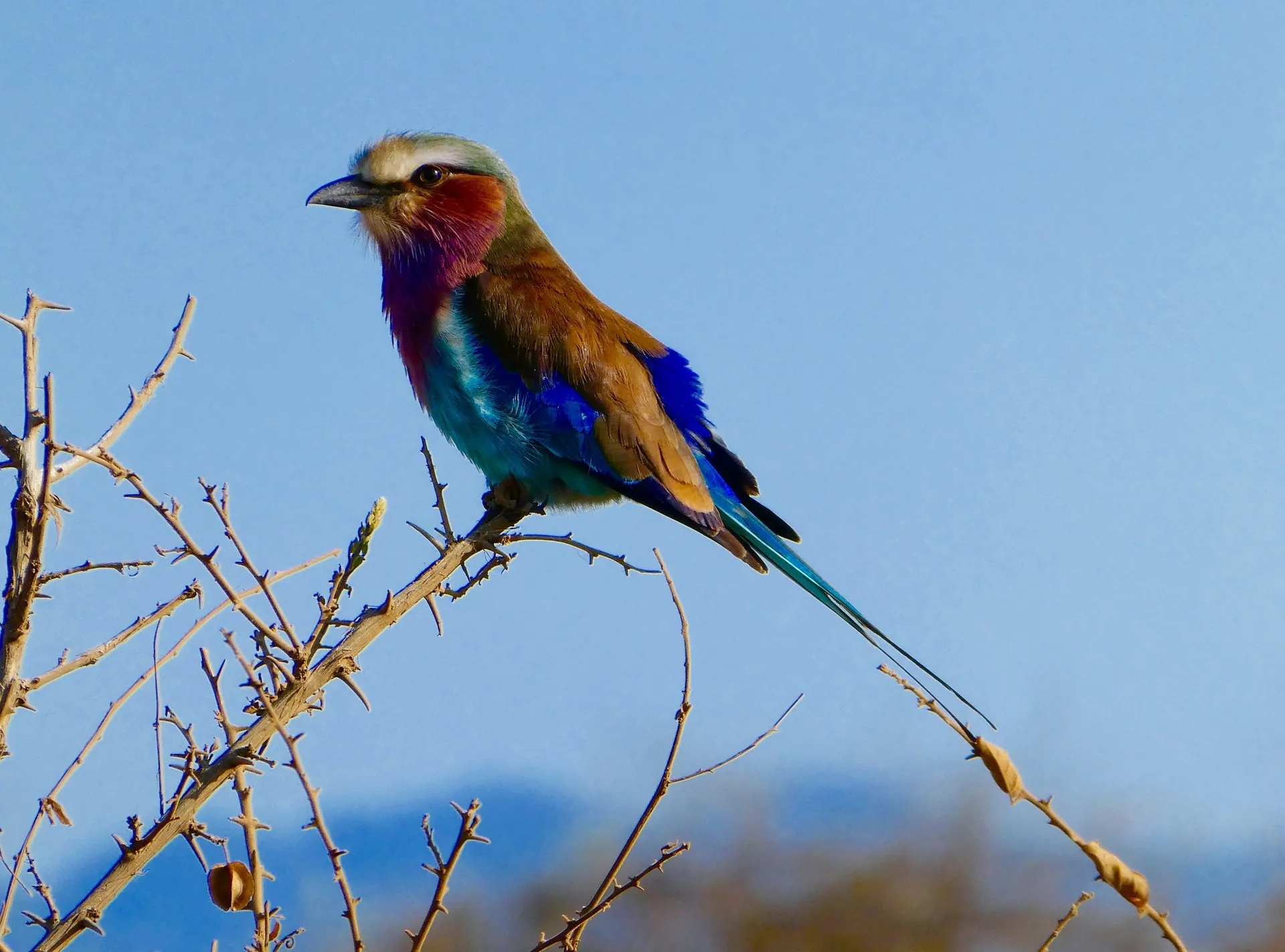
- The Great Hall of Mammals and the bird gallery (25 minutes). Hundreds of mounted birds, laid out by family, are the best field guide you will find before a safari. Look for the birds you hope to see.
- Joy Adamson's paintings (15 minutes). Best known for Born Free, Adamson also painted hundreds of portraits of people from Kenya's communities in the 1940s and 1950s, as well as detailed botanical studies. They are a remarkable record, made in the colonial era and worth reading with that in mind.
- The history of Kenya gallery, Historia ya Kenya (25 minutes). From the coast trade and colonial rule to the Mau Mau war, independence and the modern state. Read the panels on the Emergency and the struggle for independence slowly.
- Finish in the courtyard with Ahmed (5 minutes), a life-size model of the great tusker of Marsabit, the elephant Jomo Kenyatta placed under presidential protection in the early 1970s.
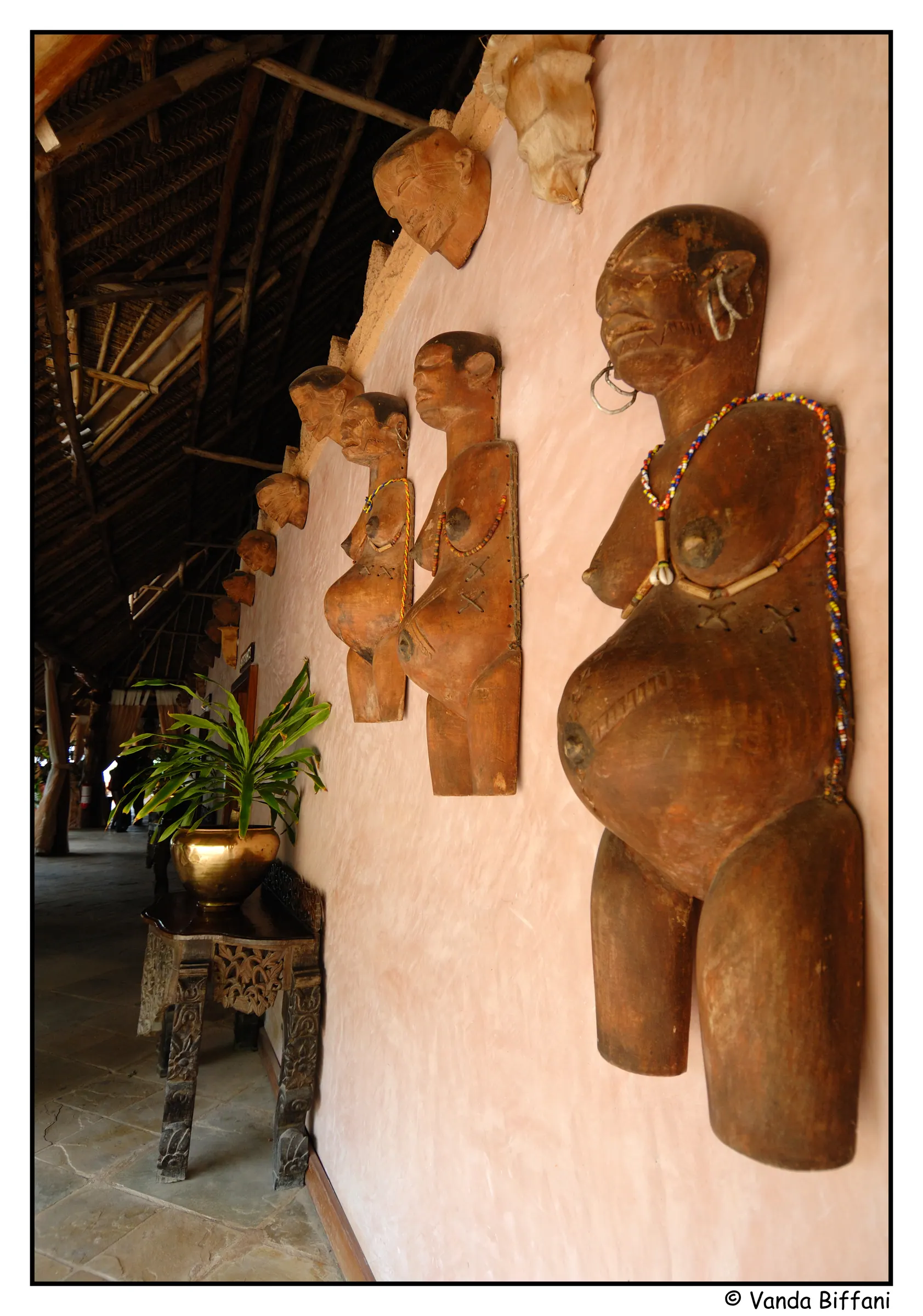
If you have more time, the contemporary art gallery shows changing exhibitions by Kenyan artists, and the museum's cultural galleries hold musical instruments, beadwork, carvings and everyday objects from across the country.
Next door: the snake park and gardens
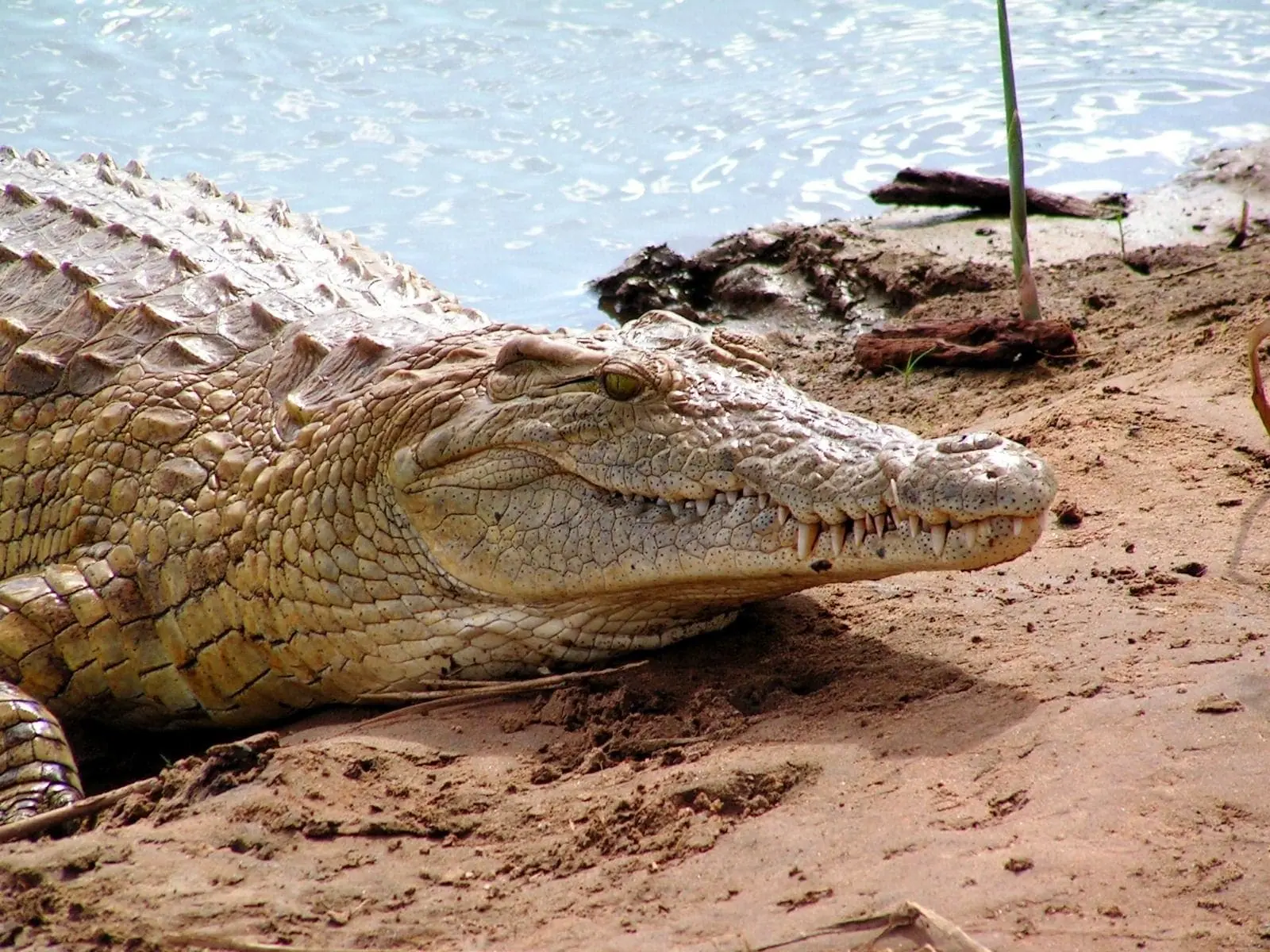
The Nairobi Snake Park, on the same grounds, has Kenyan snakes, including black mambas, puff adders and cobras, plus crocodiles, tortoises and lizards. It is small and dated in places, but children love it, and it is a useful lesson in which snakes to respect before you head into the bush. A separate fee applies. The botanic garden and nature trail behind the museum are a quiet place for a walk after the galleries.
Why go before a safari
The bird gallery and the mammal hall are a field guide in three dimensions. Spend ten minutes learning to tell a lilac-breasted roller from a superb starling, or a Thomson's gazelle from a Grant's, and your first game drive will make more sense. Children who have stood next to a mounted lion and a life-size elephant often understand the scale of what they see from the vehicle much better.
For school and university groups
National Museums of Kenya runs education programs, and the museum is used to hosting visiting school and university groups from abroad. We can book a guided tour with an education officer, ask for a talk on human origins by museum staff where one is available, or build a full history day that adds the Nairobi Gallery and the Railway Museum. Book ahead for larger groups, and allow time for a debrief over lunch: students always have questions after the history gallery.
Who it suits
| Traveler | Why go | Tip |
|---|---|---|
| First-time visitors | Context for everything you will see on safari | Go on day one, before the parks |
| Families | Fossils, birds and snakes keep children engaged | Do the snake park first, then the galleries |
| Students and school groups | Human origins and history in one place | Ask us to book an NMK education officer |
| Diaspora families | Kenya's history told by Kenyans, for children raised abroad | Spend longer in the history gallery |
| Layover travelers | A good half day near the city center | Combine with lunch nearby and the city center |
Practical tips
- Arrive soon after opening on weekends, when school groups fill the galleries later in the morning.
- Photography without flash is generally allowed in the main galleries; ask staff about special exhibitions.
- There is a cafe on site and a craft shop with books on Kenyan history and nature.
- Take an Uber or Bolt, or a driver; Museum Hill is close to the center but the walk crosses busy roads.
- Combine with the Nairobi Gallery in the center, a separate NMK museum in the old Provincial Commissioner's office, for a full history day.
For the deeper story behind the human origins gallery, read our page on the cradle of humankind, which explains Koobi Fora, Turkana Boy and how to visit the sites where the fossils were found.