History. Updated November 2026. 7 min read.
Every Kenyan family carries a migration story. Ask a Luo elder in Siaya where the people came from and you will hear about Ramogi and the long walk from the Nile. Ask a Mijikenda elder in Kilifi and you will hear about Shungwaya, a lost homeland north of the Tana River. Archaeology and linguistics tell the same story in a different voice: Kenya was settled in waves, over about five thousand years, by herders, farmers, fishers and traders who kept arriving, mixing and moving on.
The short version: hunter-gatherers were here first. Herders came down from the Horn of Africa from roughly 3000 BCE, and Cushitic-speaking pastoralists spread through the Rift Valley over the next two thousand years. Bantu-speaking farmers who worked iron reached the Lake Victoria basin, the coast and the slopes of Mount Kenya between about 500 BCE and 500 CE. Nilotic-speaking herders came south from the Nile valley in several movements; the best remembered, the Luo and the Maasai, mostly between 1500 and 1800. On the coast, Bantu farmers and fishers met Indian Ocean traders and became the Swahili. All of these dates are estimates, and scholars revise them as new sites are dug.
This page is the story of the movements and the places where you can stand in them. For who belongs to which language family today, read our guide to Kenya's three language families. For why the number of "tribes" keeps changing, see how many tribes there are in Kenya. Both are linked at the end of this page.
A timeline of arrivals
| When (estimates) | Who | From where | What they brought |
|---|---|---|---|
| Tens of thousands of years | Hunter-gatherers | Already here | Stone tools, rock art, forest, honey and game knowledge |
| About 3000 to 1000 BCE | The first herders, later Cushitic-speaking pastoralists | The Horn of Africa and the Ethiopian highlands | Cattle, sheep and goats; Kenya's first herding |
| About 500 BCE to 500 CE | Bantu-speaking farmers | The west, around Lake Victoria, and the south | Iron working, millet and sorghum, settled villages |
| From about 500 BCE, in waves | Highland Nilotes, ancestors of the Kalenjin | The South Sudan and Ethiopia borderlands | Cattle herding on the western highlands |
| About 1000 to 1500 CE | The Swahili towns | Coastal Bantu speakers trading across the ocean | Stone towns, Islam and Kiswahili |
| 1500s onward | Oromo and Somali groups | Southern Ethiopia and Somalia | Camel and cattle herding in the north and east |
| About 1500 to 1800 | The Luo | The Nile valley, through northern Uganda | Fishing, farming and cattle by Lake Victoria |
| 1600s to 1800s | The Maasai and other Plains Nilotes | North of Lake Turkana, then south down the Rift | Pastoralism across the Rift grasslands |
| 1800s to 1900s | South Asians, Europeans, Nubians and others | India, Europe, Sudan | Trade, the railway and colonial rule |
The first herders, from the north
Herding reached Kenya from the north. Around Lake Turkana archaeologists have found monumental cemeteries marked with stone pillars, among them Lothagam North, built about 5,000 years ago by some of the earliest herding communities in East Africa. We do not know what language they spoke. Over the following two thousand years, Southern Cushitic-speaking pastoralists spread south through the Rift Valley. Their languages have almost vanished in Kenya, absorbed by later arrivals; the Dahalo near the Tana delta still speak one. The Eastern Cushitic peoples who herd camels and cattle in the north and east today, the Somali, Borana, Gabra, Rendille and their neighbours, arrived in later movements, many from the 1500s.
Where to see it: the prehistory galleries of the Nairobi National Museum, and Hyrax Hill on the edge of Nakuru, a small National Museums of Kenya site where you can walk among Neolithic and Iron Age settlement remains, a burial ground and bao game boards cut into the rock. It takes about an hour and pairs well with a night at Lake Nakuru.
The farmers, from the west
Bantu languages began in the borderlands of today's Nigeria and Cameroon and spread across half the continent over some three thousand years. In Kenya their first clear trace is a pottery style called Urewe, found around Lake Victoria from about 500 BCE and made by iron-working farmers. From there, and from the south, Bantu-speaking communities spread to the coast, where a related pottery called Kwale ware appears in the early centuries CE, and to the well-watered hills around Mount Kenya. Their descendants include the Luhya, Gusii and Kuria in the west, the Kikuyu, Embu, Meru and Kamba of the central highlands, and the Mijikenda, Taita and Pokomo of the coast.
Each community keeps its own account. Kikuyu tradition tells of Gikuyu and Mumbi, the first parents, settled by God at Mukurwe wa Nyagathanga in Murang'a, where a shrine and a reconstructed homestead stand today. Mijikenda tradition remembers Shungwaya, from which nine peoples moved south and built fortified villages, the kaya, in the coastal forests from about the 16th century. Kamba traditions point to the Kilimanjaro area and the Mbooni hills. Historians read these accounts as memory rather than maps, but they often line up with what the archaeology shows.
The herders from the Nile
Nilotic speakers came south from the Nile valley in several waves, centuries apart. The earliest, the Highland Nilotes, settled the western highlands and the slopes of Mount Elgon and the Cherangani Hills; the Kalenjin peoples, the Ogiek and the Sengwer descend from them.
The Luo are the best documented. Their traditions trace a journey from the Nile in South Sudan, through northern Uganda, into Kenya in several waves between about 1500 and 1800. Ramogi Ajwang, the ancestor at the heart of these stories, is remembered at Got Ramogi, a forested hill in Siaya above Lake Victoria. As the Luo settled the lake basin they met and married into Bantu-speaking communities: the Suba of the islands largely took up Dholuo, and some of the stone-walled settlements of the south, Thimlich Ohinga among them, built earlier by Bantu speakers, passed into Luo use.
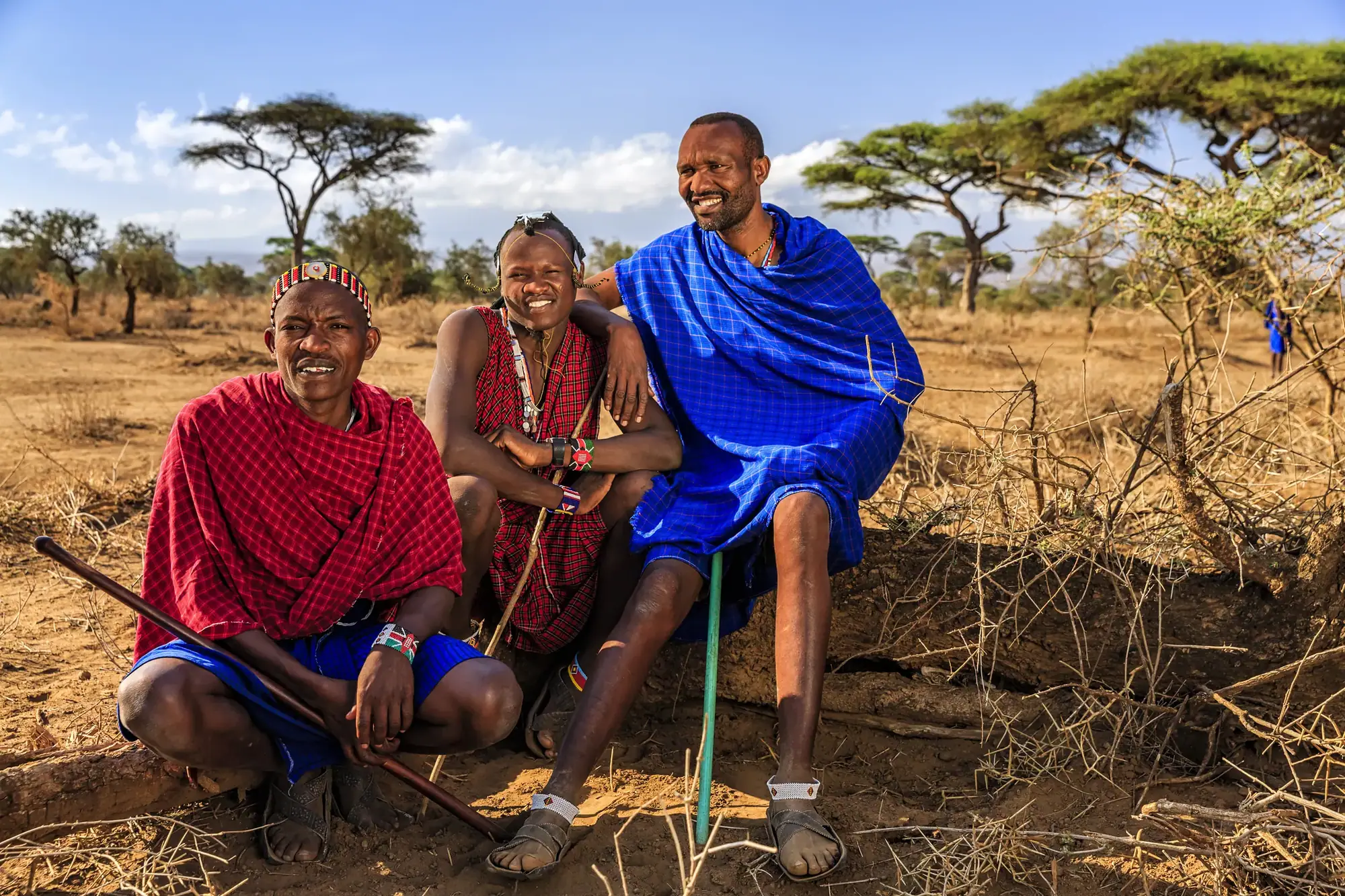
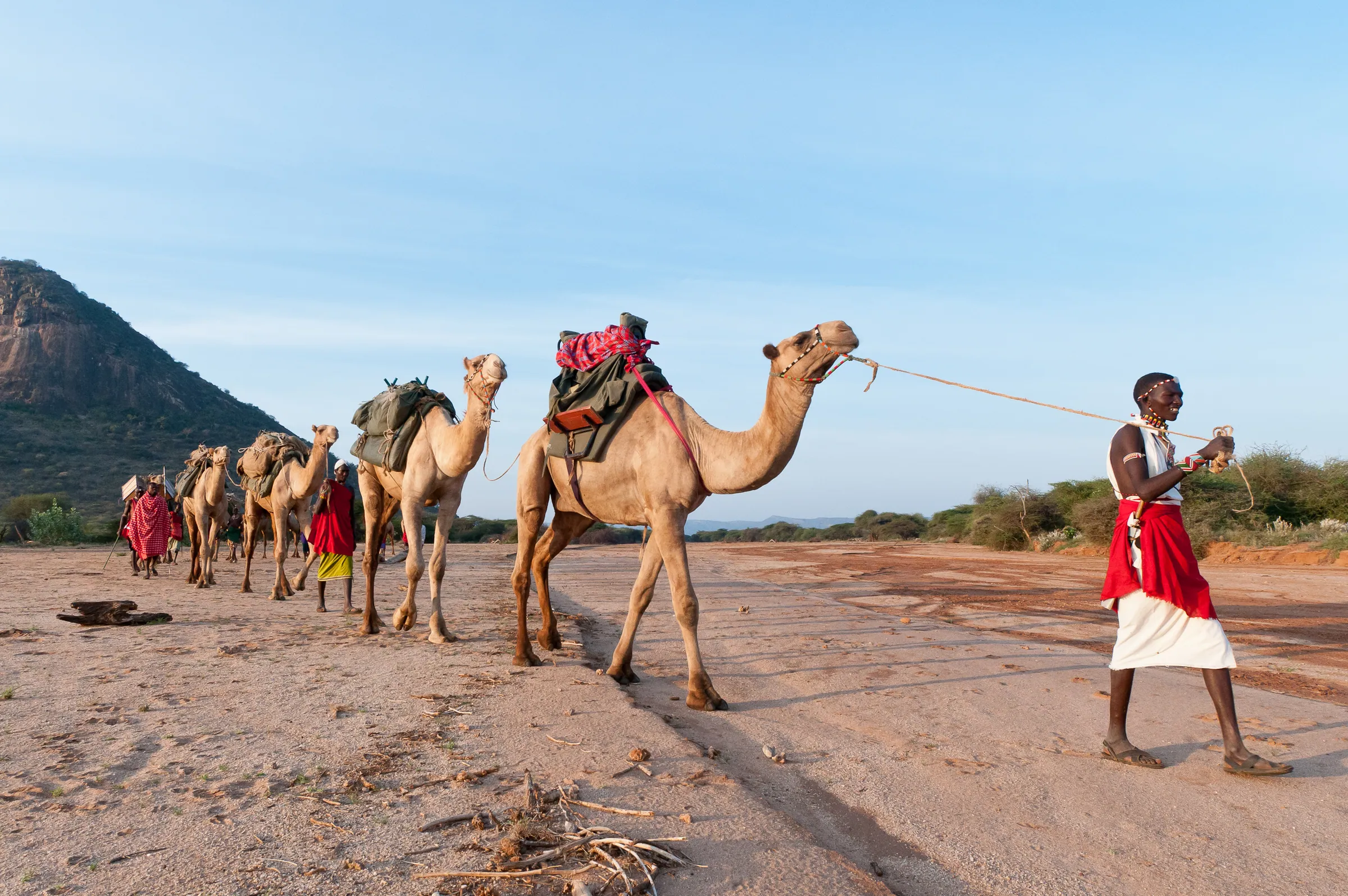
The Plains Nilotes, among them the Maasai, Samburu and Turkana, came from the country north of Lake Turkana. The Maasai spread down the Rift Valley grasslands in the 17th and 18th centuries, and by the early 1800s their grazing ran from Laikipia into central Tanzania. The Samburu stayed in the north; the Turkana expanded west of the lake in the 18th and 19th centuries. None of this was a single conquest. It was a long process of raids, alliances, marriage and trade with farming neighbours, which is why so many Kikuyu and Maasai families share ancestors.
The Swahili: where everyone met
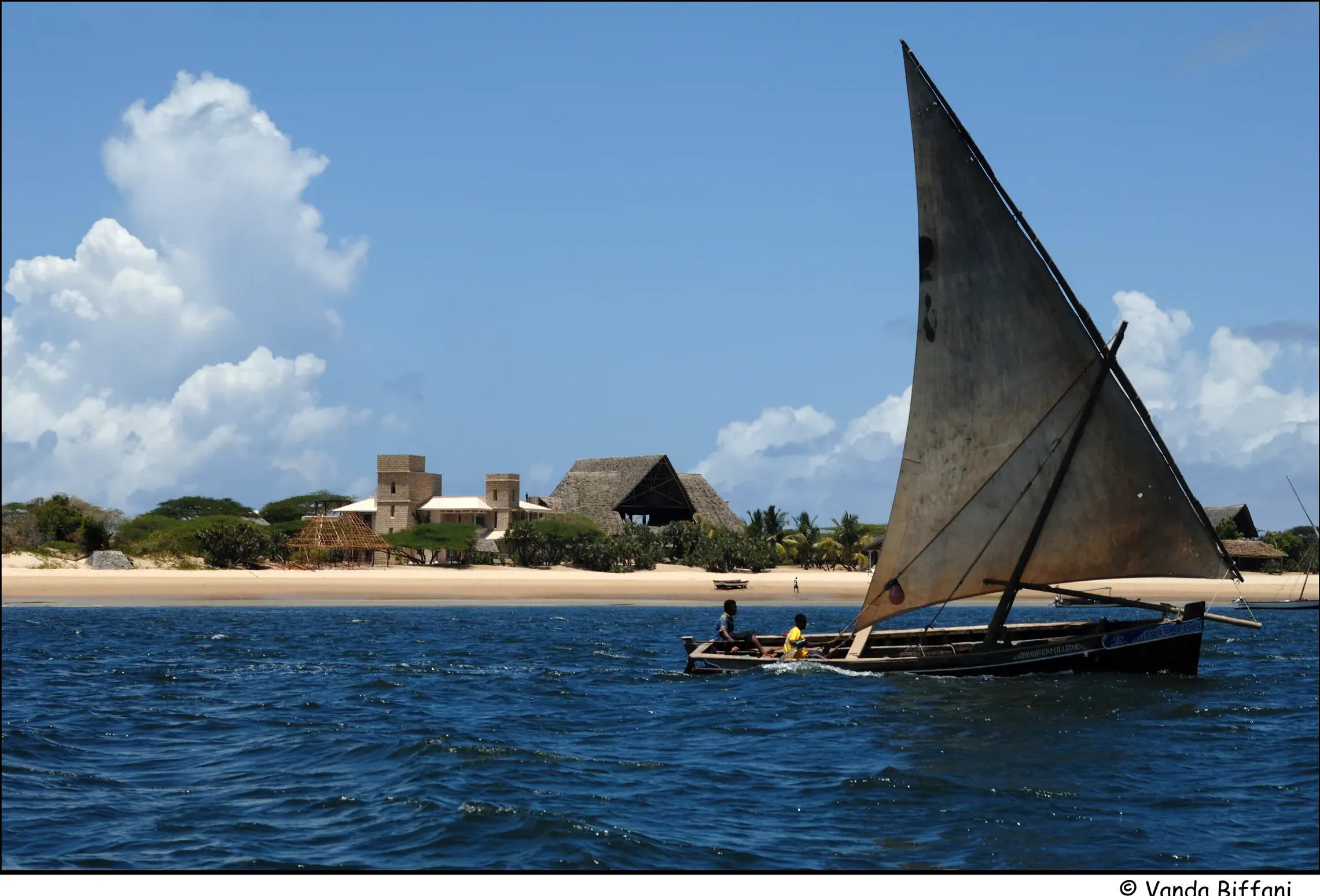
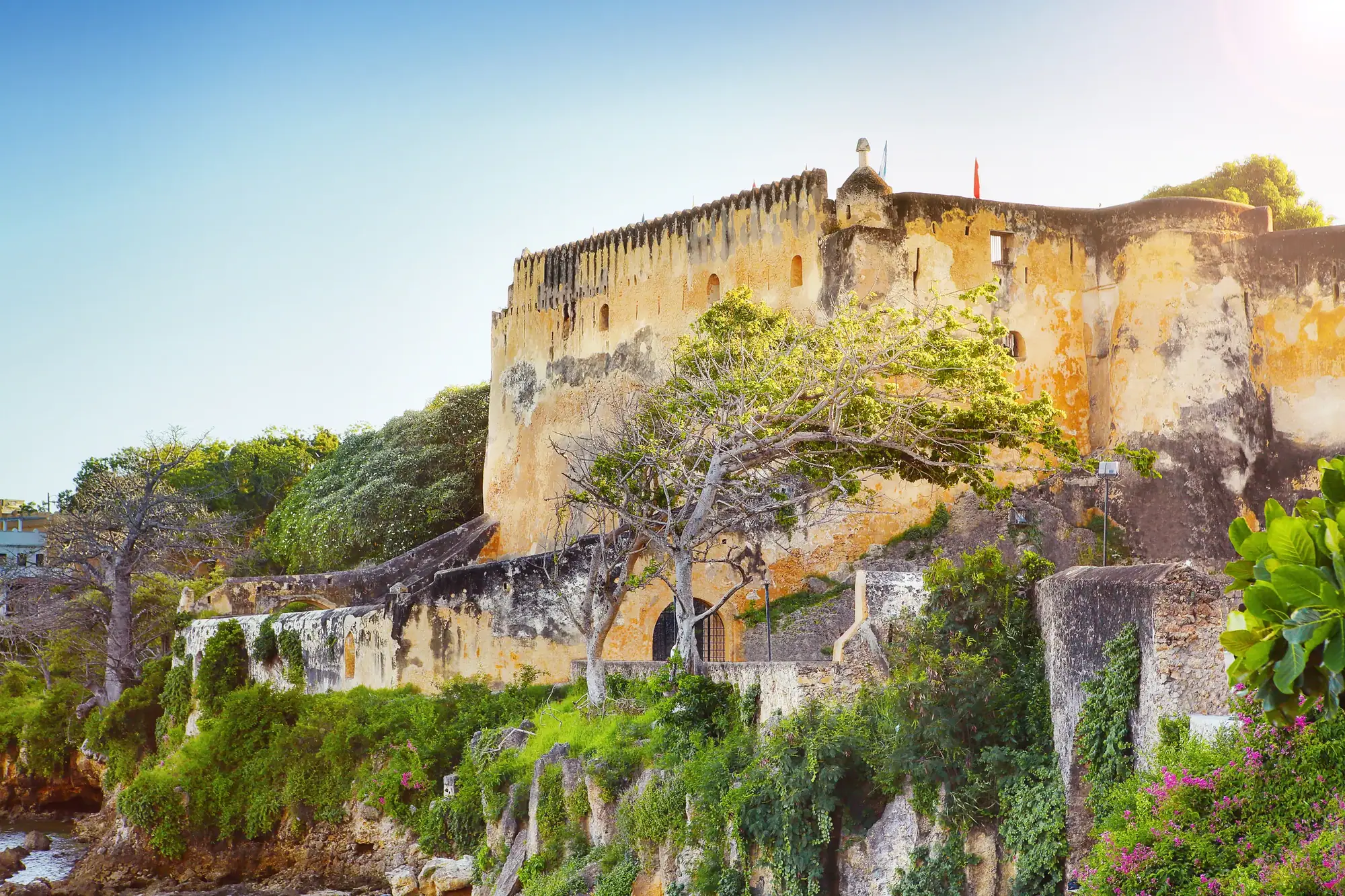
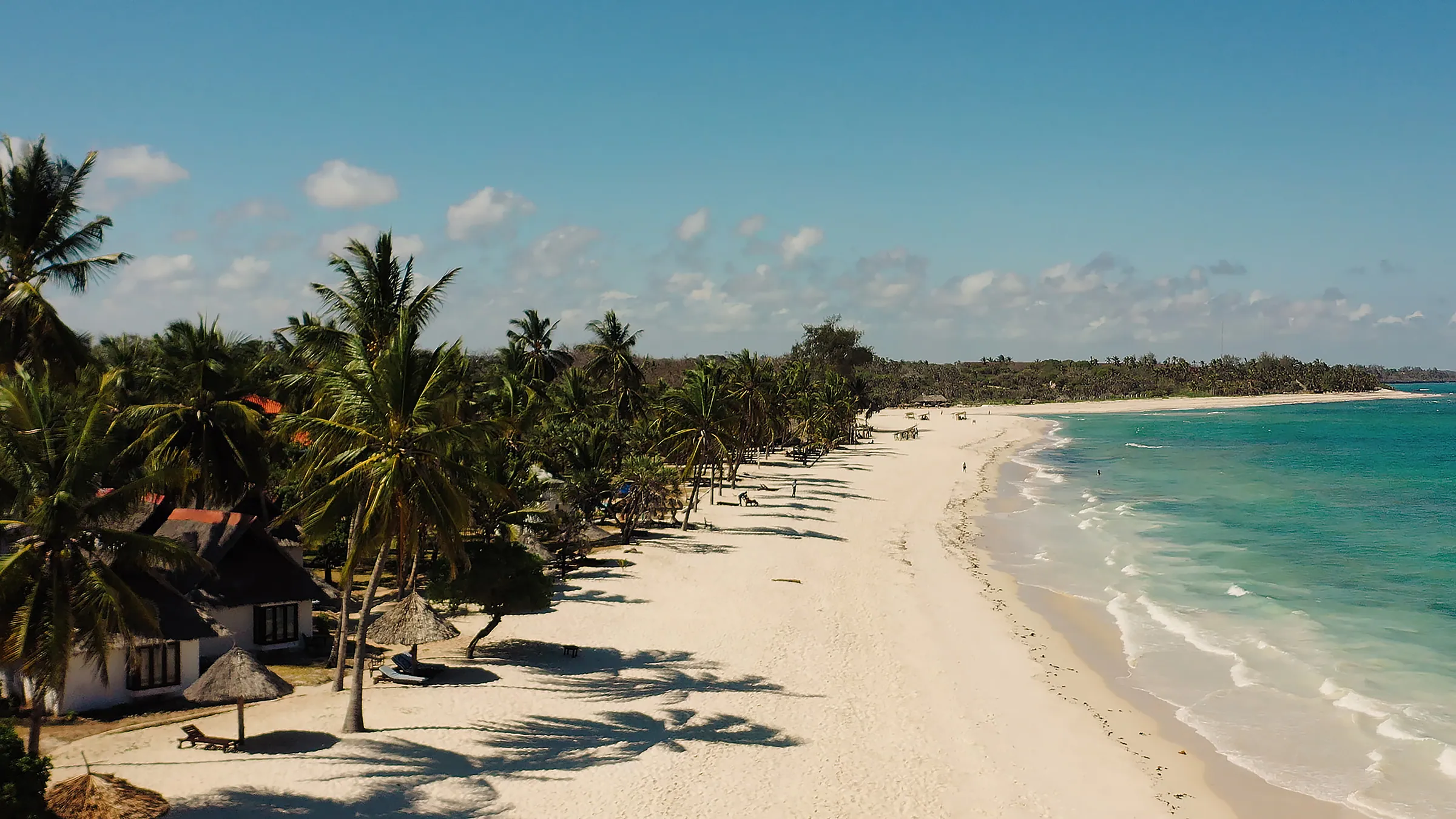
On the coast, Bantu-speaking farmers and fishers built towns that traded with Arabia, Persia and India on the monsoon winds. Their language, Kiswahili, is Bantu at its core with many Arabic loanwords, and their towns, from Lamu to Mombasa, mixed African, Arab and Indian families for a thousand years. We tell that story in full on our Swahili coast page.
What colonial rule froze
From 1895 the British drew district lines and native reserves around presumed tribes, and movement that had gone on for millennia was fixed on a map. Umbrella names such as Luhya, Kalenjin and Mijikenda were coined or spread in the 1930s and 1940s. Our language families guide explains how.
Why it matters for the home county question
For Kenyan-Americans this history sits under a very modern question: which county is home? Kenya's 47 counties, created by the 2010 constitution, largely follow older district lines, which in turn followed colonial guesses about where each people lived. Many families straddle them: Luhya with Luo grandparents, Kikuyu with Maasai ones, coastal families with roots in Oman or Gujarat as well as Kilifi. If you are planning a heritage trip, start with your family's own story, then use our home county guide and the county pages to find the places it touches.
A migrations route you can travel
- Nairobi National Museum: prehistory and Kenya's peoples, two to three hours in the city
- Hyrax Hill, Nakuru: Neolithic and Iron Age sites, about an hour, on the way to Lake Nakuru
- Mukurwe wa Nyagathanga, Murang'a: the Kikuyu origin shrine, a half day from Nairobi
- Got Ramogi, Siaya: the Luo ancestral hill, a day trip from Kisumu with a local guide
- Thimlich Ohinga, Migori: dry-stone walls of the 16th century, on UNESCO's list since 2018, about three to four hours by road from Kisumu
- Kaya Kinondo, Kwale: a Mijikenda sacred forest a short drive south of Diani, visited with a Digo guide
Most of these are National Museums of Kenya sites or community sites with small entry fees for non-residents. Fees change, so check the NMK site before you go; we include them in our quotes. We can build these stops into a western Kenya circuit or a coast week, with guides who know the local version of each story.