Things to do. Updated November 2026. 5 min read.
Children remember Nairobi for two things: the rough purple tongue of a giraffe taking a pellet from their hand, and a baby elephant, smaller than they expected, barging past a keeper for its bottle. Both happen within a few minutes' drive of each other in Karen, which is why we start almost every family trip there.
The plan below fits two days. Day one is the Sheldrick elephant nursery and the Giraffe Centre, with a long lunch and a nap in between. Day two is a short game drive in Nairobi National Park, then either the museum's snake park or bikes in Karura Forest. It works for ages about four to fourteen, with notes for toddlers and teenagers. For the bigger questions, documents, vaccines and safari age limits, see our guides to taking children to Kenya and safaris with toddlers.
The two-day plan
| Time | Day 1: Karen | Day 2: the park and the city |
|---|---|---|
| Early | Sleep in; breakfast at the hotel | Nairobi National Park short loop, two to three hours |
| 10am | Leave for the Sheldrick nursery | Nairobi Safari Walk at the park's main gate |
| 11am | Elephant nursery public hour | Snack, then drive to the museum or Karura |
| 12:30pm | Lunch in a Karen garden where children can run | Lunch near the museum or at the Karura cafe |
| 2pm | Giraffe Centre feeding platform | Snake park and museum, or bikes to the Karura waterfall |
| 4pm | Back to the hotel: nap, pool or quiet time | Ice cream and an early dinner |
Day one: elephants and giraffes
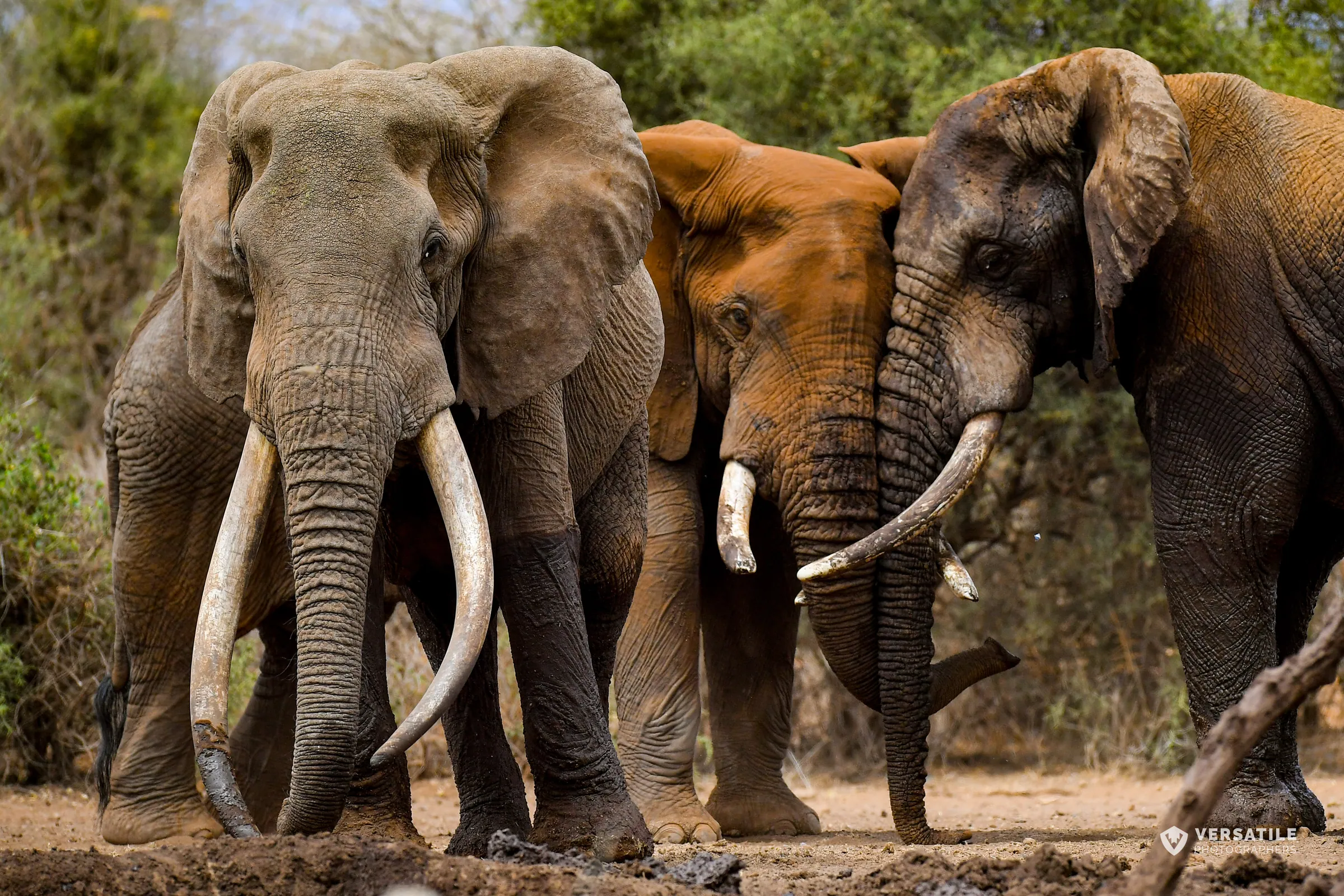
The Sheldrick Wildlife Trust's nursery opens to the public for one hour from 11am. Keepers bring the orphaned babies out in small groups, feed them giant bottles of milk and let them play in a mud wallow a few feet from the rope, while a keeper explains how each one was rescued. Small children should stand at the front; the youngest elephants splash. Book directly with the Trust well ahead. Families who foster an orphan, which has cost about $50 a year, have been able to book a separate evening visit to see the elephants come in for the night; ask us whether it is running when you travel.
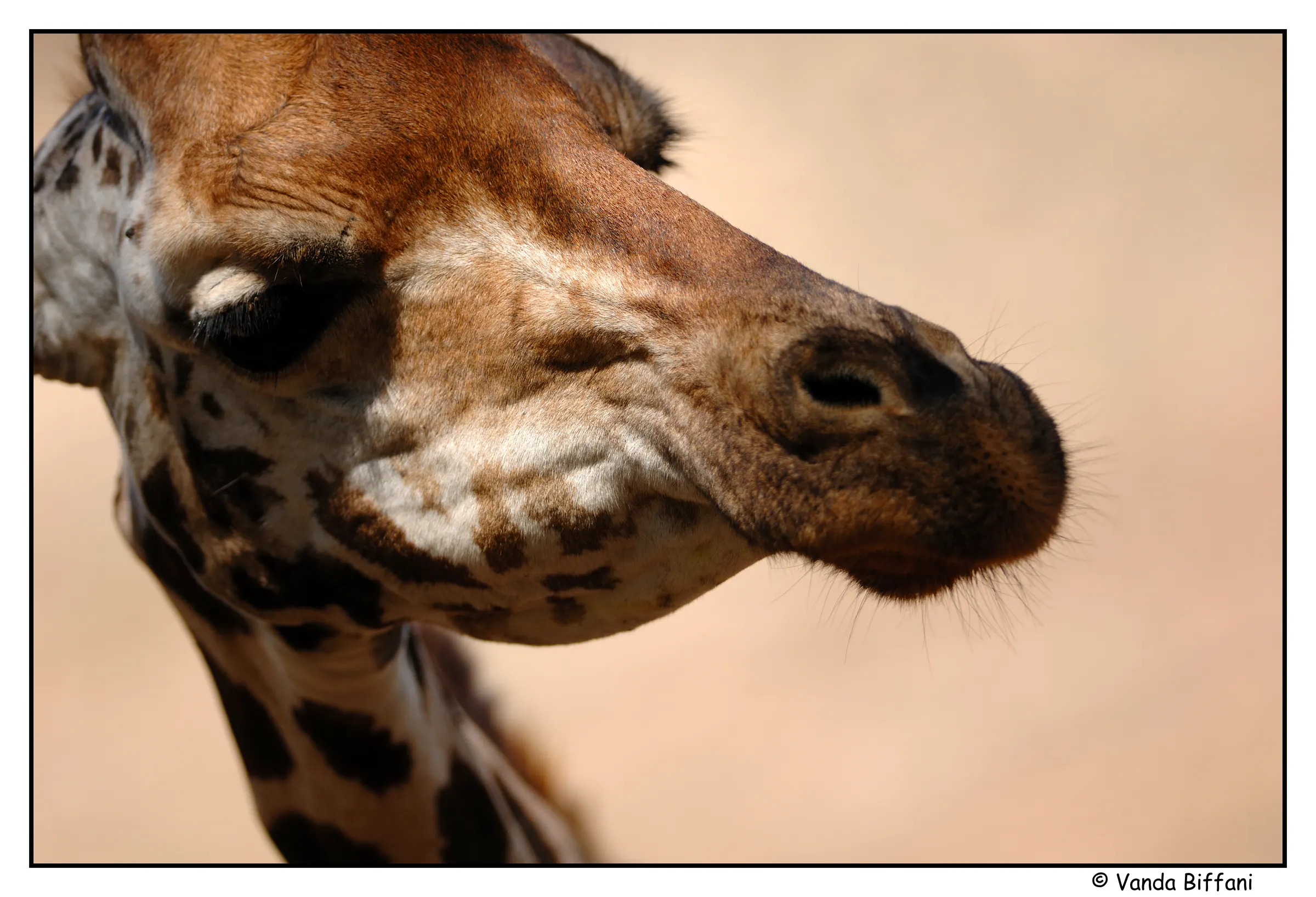
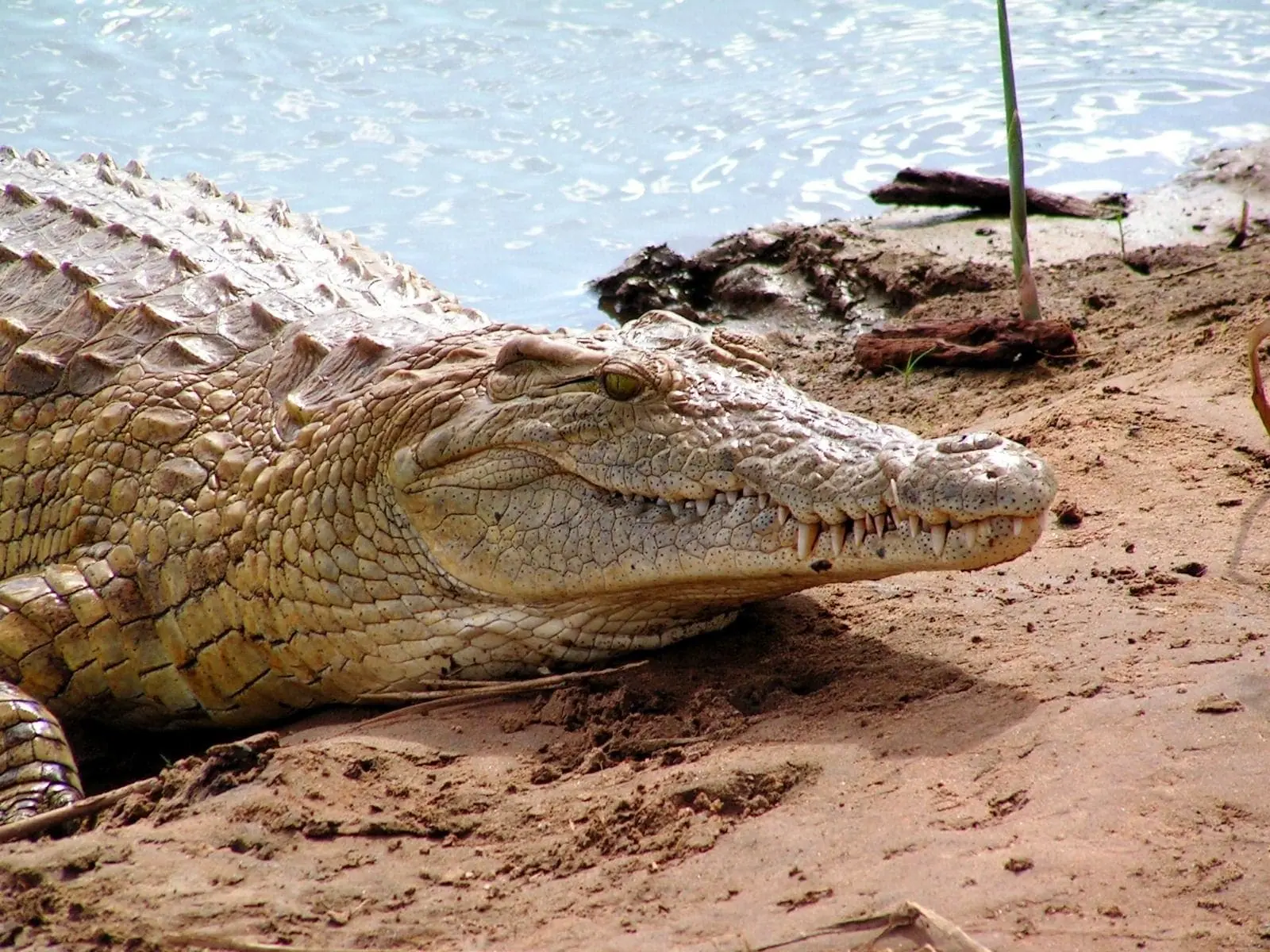
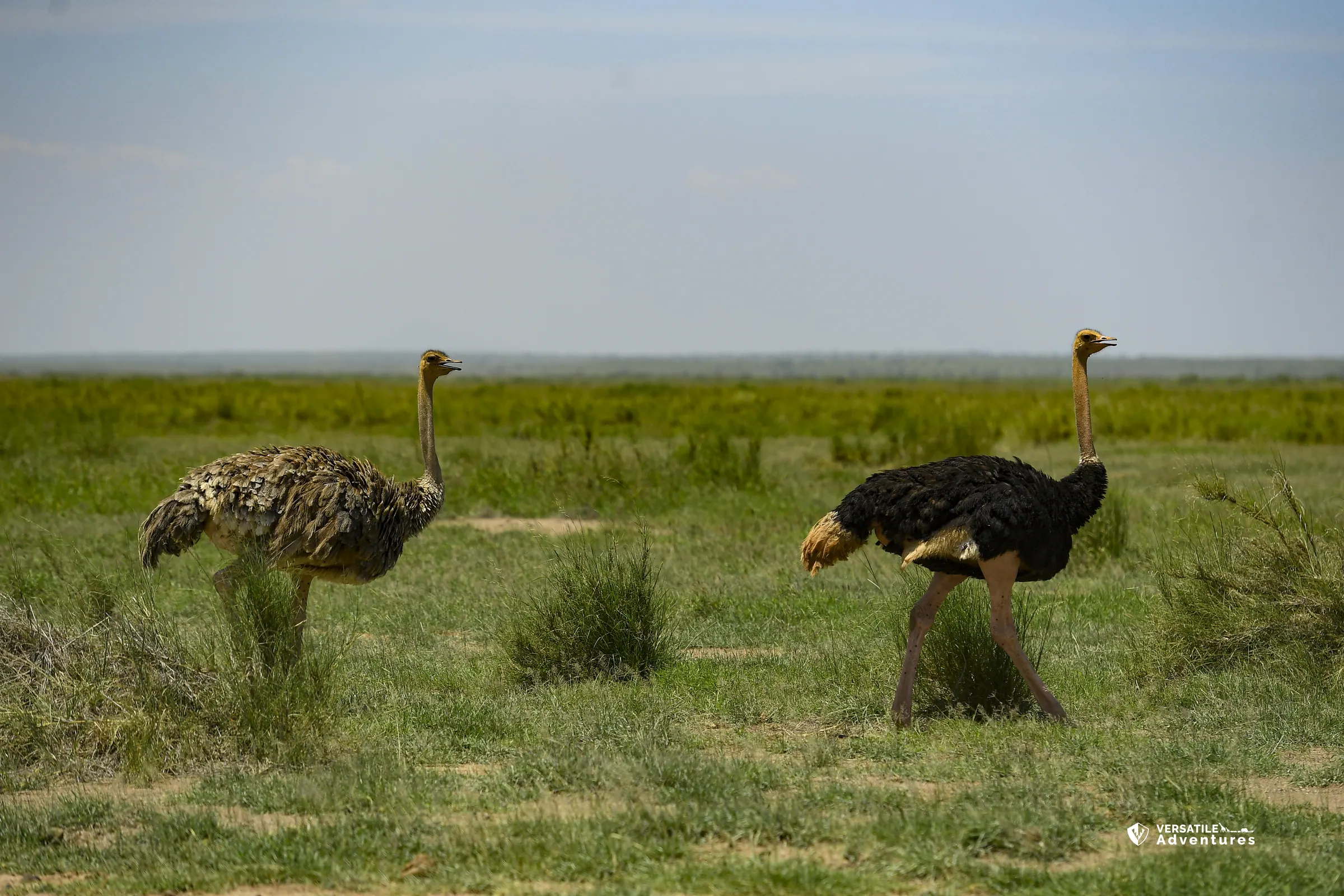
After lunch, the Giraffe Centre's raised platform puts children at eye level with endangered Rothschild's giraffes. Staff hand out pellets, and the giraffes take them with long, sticky tongues, which produces exactly the shrieks you would expect. Some visitors hold a pellet in their lips for a giraffe kiss; that is a parent's call. The small education center explains why the species nearly disappeared, and the nature trail across the road is a gentle walk for older children. If energy lasts, Mamba Village nearby has crocodiles, ostriches and boats on a pond; it is simple, and younger children enjoy it.
Day two: a short game drive and the city
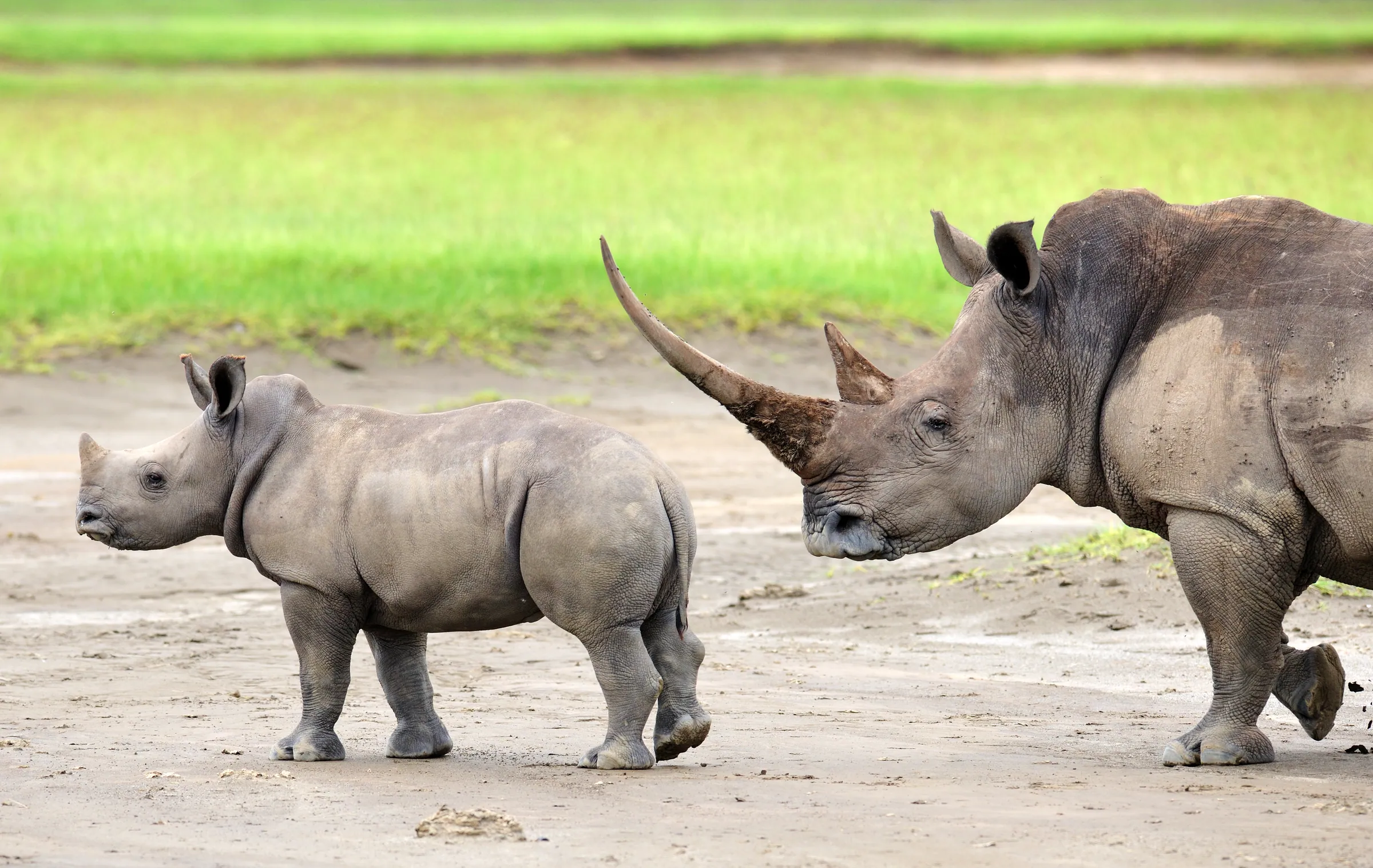
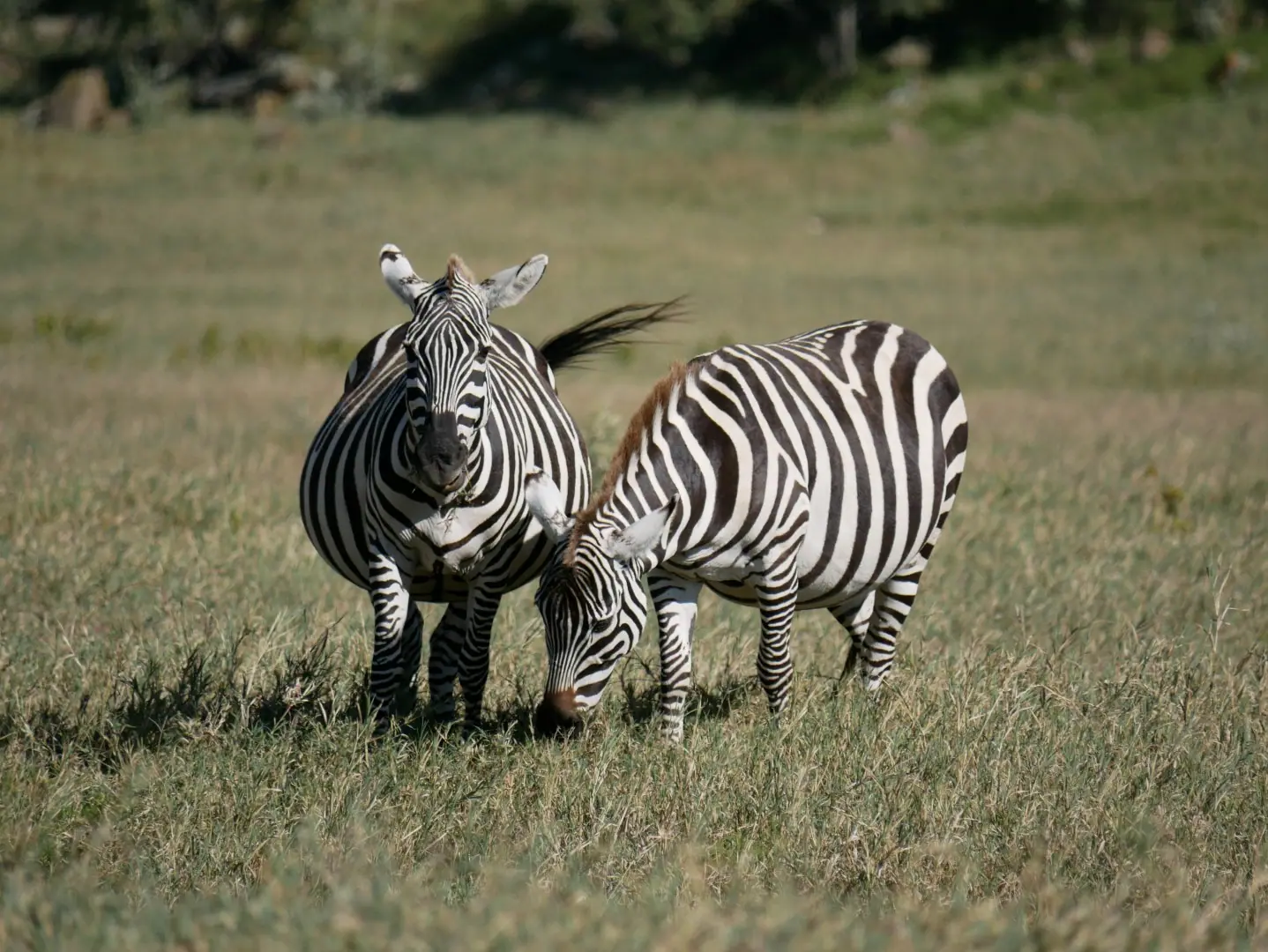
Children wake early on day two, so use it. Nairobi National Park's main gate is 15 to 25 minutes from Karen, and a short loop of two or three hours finds giraffes, zebras, buffalo and often rhinos and lions, with toilet stops and the city close if anyone tires. A vehicle with a pop-up roof lets children stand and look out safely. At the main gate, the Nairobi Safari Walk is a raised boardwalk past animals in large enclosures, a good way to see species that hide on the drive; the Animal Orphanage beside it cares for rescued animals.
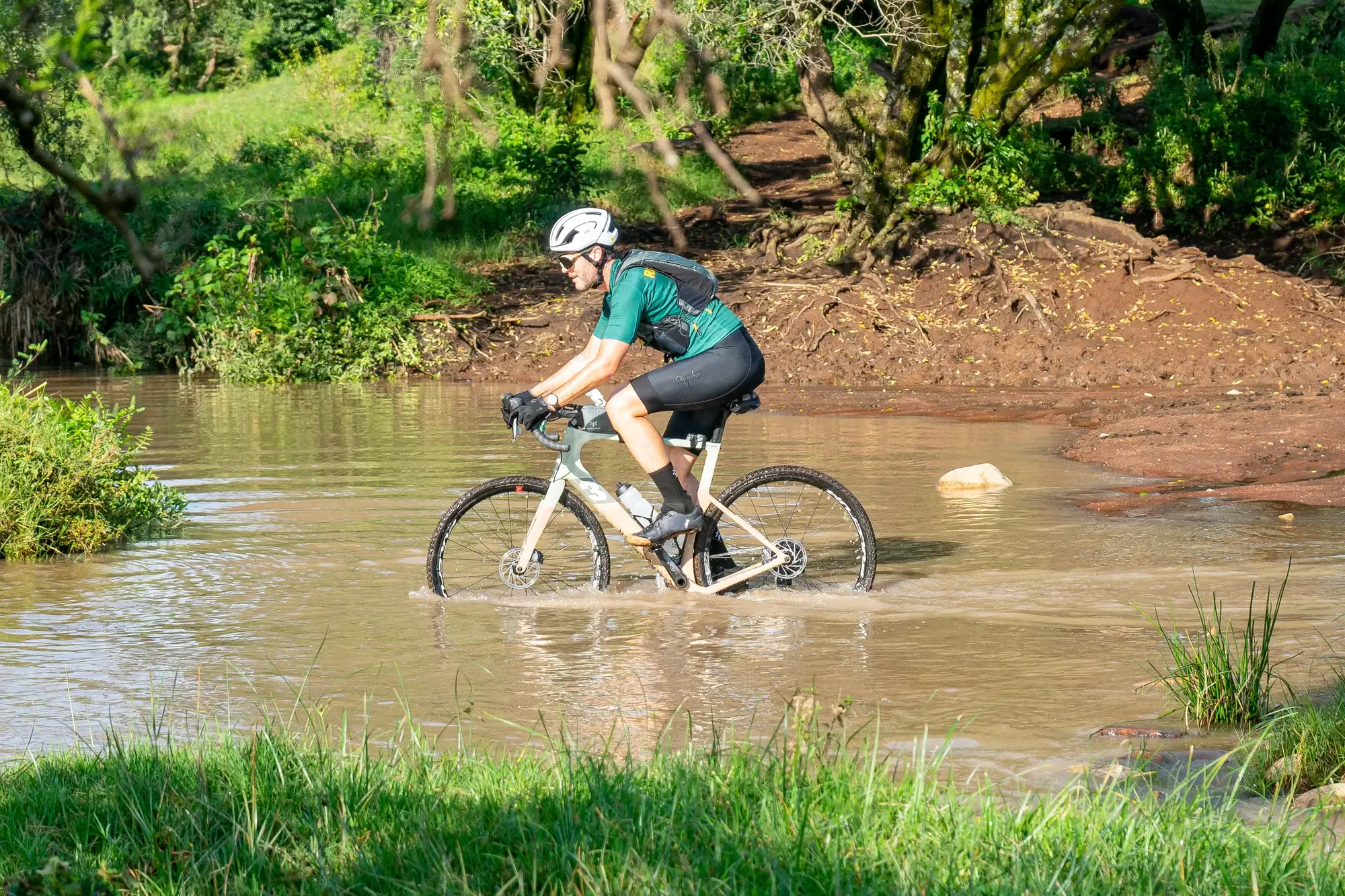
Then choose. The Nairobi National Museum's snake park has mambas, cobras and crocodiles behind glass, and the museum's mounted animals and bird hall help children name what they saw that morning. Do the snakes first, while attention lasts. Or go to Karura Forest, hire bikes at the gate and ride or walk the loop to a waterfall and caves; it suits ages about eight and up. Children's fees at both are lower than adult rates.
If you have a third day
- Paradise Lost, north of the city in Kiambu: caves to explore, boats on a small lake and space to run.
- Village Market in Gigiri: a playground, a cinema and a food court for a slow, easy day.
- Bomas of Kenya on Langata Road: drums, dancing and acrobatics in a big round hall, which holds the attention of most ages.
- Ice cream at a Java House, the Kenyan cafe chain, which counts as an activity after a long morning.
- For teenagers, a short matatu ride by day with a local guide, music loud and phones in pockets.
Jet lag and nap timing
Kenya is 8 hours ahead of U.S. Eastern time in winter and 7 in summer, and 10 or 11 ahead of the West Coast. Most children wake at 3 or 4am on the first night and crash in the afternoon. So we keep day one late-starting and light: the 11am elephants, lunch, the giraffes, then rest. Keep them up until about 7pm, get them into morning sunlight, and save the game drive for day two, when early waking turns into an advantage. A family that lands in the evening should do nothing more than dinner and bed.
Practical notes for parents
- Car seats: bring your own, or ask us to arrange them in advance; do not assume a taxi will have one.
- Sun and cold: at about 1,800 m the sun burns fast at midday and mornings are chilly, so pack hats, sunscreen and a fleece.
- Water: drink bottled or filtered water, and carry snacks, as stops can be far apart in traffic.
- Strollers are of little use on park trails and at the Giraffe Centre; a carrier works better for toddlers.
- Malaria: Nairobi itself is at low risk because of its altitude, but many safari areas are not; ask your travel clinic about the whole route.
- Keep children close at busy markets, and agree a meeting point in case you get separated.
Where to base a family
Karen puts you minutes from the elephants and giraffes and 20 minutes from Wilson Airport for the safari flight. Lavington and Kilimani give you apartment space and kitchens for longer stays near relatives. Our neighborhood pages describe each; the where to stay guide has hotels at every budget.