Planning a safari. Updated November 2026. 6 min read.
Yes, you can take a three-year-old on safari. The question is whether you should, and the honest answer depends on the child, the camp and how you build the days. Here is what works.
The short answer: under-6s do well on a safari built for them, and badly on one built for adults. That means a private vehicle so you control the length of each drive, two to three hours at a time with snack and toilet stops; camps that accept young children, with a pool, a fenced garden and a family tent; short transfers, by air where possible; and four to seven nights with rest days. Nairobi, Lake Naivasha, Ol Pejeta and a Mara conservancy camp that welcomes families are the places that work, with the coast at the end if you have time. Long road days, dawn drives every day and camps with open walkways at night do not.
Should you go now, or wait? An honest guide by age
| Age | How it usually goes | Our advice |
|---|---|---|
| Under 1 | Babies travel more easily than toddlers, but many camps do not take them, and malaria medicines for infants are limited | Go if you have a reason, such as visiting family. Keep the safari short and talk to a travel clinic first |
| 1 to 3 | The hardest fit: mobile, loud, on a nap schedule and with no patience for a sleeping lion | Possible, with a private vehicle, very short drives and a camp that accepts any age. Many families wait |
| 4 to 5 | Animals are magic at this age. Two hours in a vehicle is fine with snacks and a spotting game | A good age if the camps accept them; build in a pool and rest days |
| 6 to 8 | Many camps open their doors from 6 or 8, and children start to remember the trip | The age when most of the safari world becomes available |
Older children have their own guide: see our Kenya family safari with teenagers. If your trip is mainly a visit to family in Kenya with a short safari added, our guide to taking children to Kenya covers the paperwork and the family side.
The camp policy question, and how to ask it
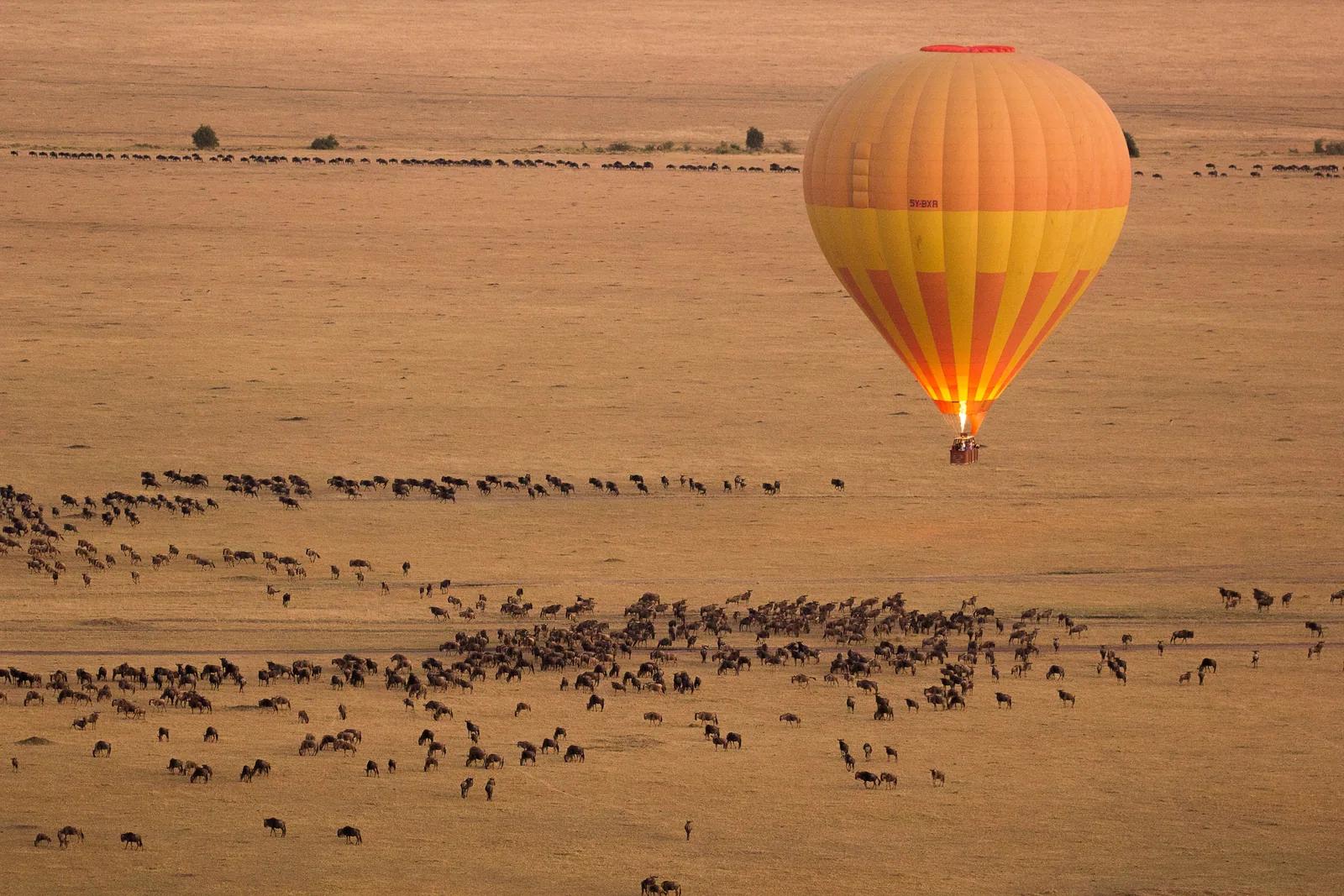
There is no national rule. Each camp sets its own age limit, and they vary widely: some take children of any age as long as the family has a private vehicle or a family tent, many luxury camps take children from 6 or 8, and some only from 12. Activities have their own minimums on top. Walking safaris, boat trips, horse riding and balloon flights each set a minimum age, and balloon operators commonly start at about 7 or use a height rule. Policies change, so ask each camp directly, or let us ask for you.
- What is the minimum age to stay, and to go on a game drive?
- Do families with young children need a private vehicle, and what does it cost?
- Is there a family tent, or interleading rooms, so a parent can sleep next to the children?
- Is the camp fenced, and how far is our tent from the main area? Who walks us back after dark?
- Is there a pool, and is it fenced?
- Can the kitchen feed children early, and can we eat in the tent if the toddler is asleep?
- What are the minimum ages for walks, boats, horses and the balloon?
The day that works
| Time | The plan |
|---|---|
| About 6:30 | Wake when they wake. Skip the dawn drive most days, or one parent goes while the other sleeps in |
| About 7:30 | Breakfast in camp |
| About 8:00 to 10:30 | A morning drive of two to three hours, with a snack stop and a toilet stop on the way |
| Late morning | Pool, garden, a nature walk inside the camp with a guide |
| Midday | Lunch, then the nap |
| About 4:00 to 6:00 | A short afternoon drive, or stay in camp |
| Evening | An early dinner, a story about the day's animals, bed |
Sightings can be slow and quiet, and a bored three-year-old does not do quiet. In your own vehicle you simply drive on when they have had enough, with no other guests to apologize to. That is why a private vehicle is the one rule we never bend for families with small children. Our private versus shared safari guide explains what it costs; for a family of four it is close to nothing extra.
The route that works: a 7-night family plan
| Nights | Where | Why it works for small children | Getting there |
|---|---|---|---|
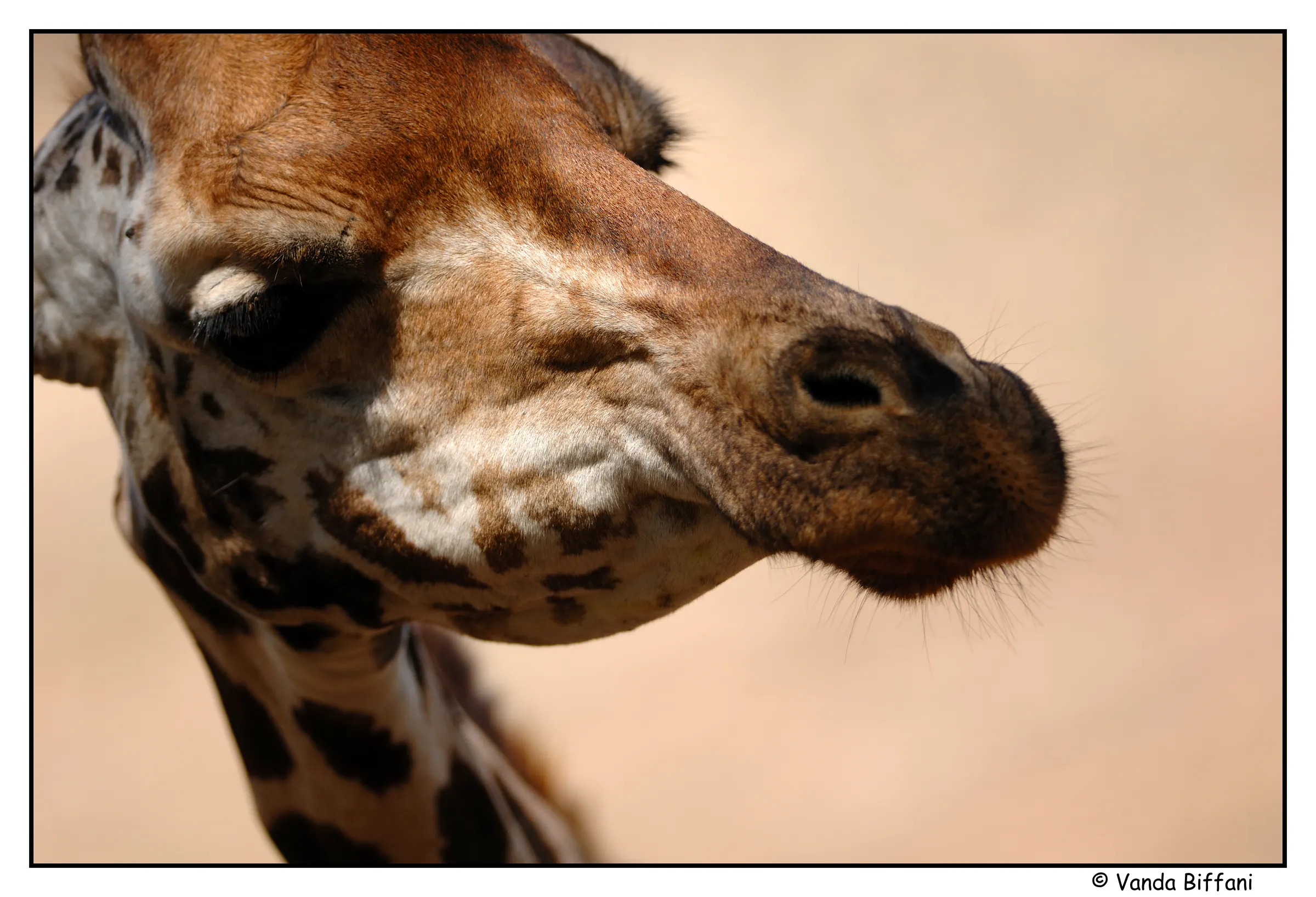
| 1 and 2 | Nairobi | The Giraffe Centre, where children feed giraffes from a platform; the Sheldrick elephant orphanage; a short drive in Nairobi National Park | Airport transfer |
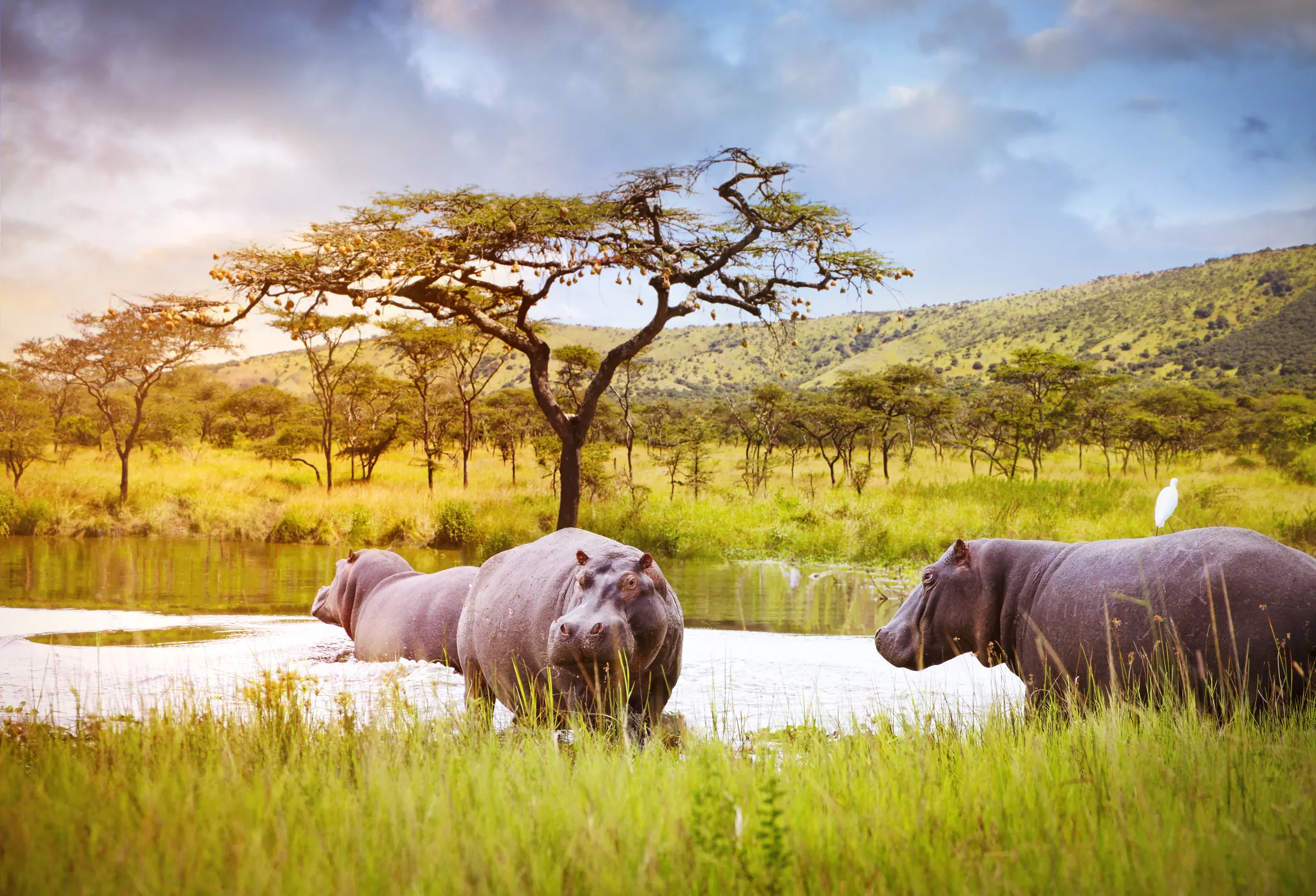
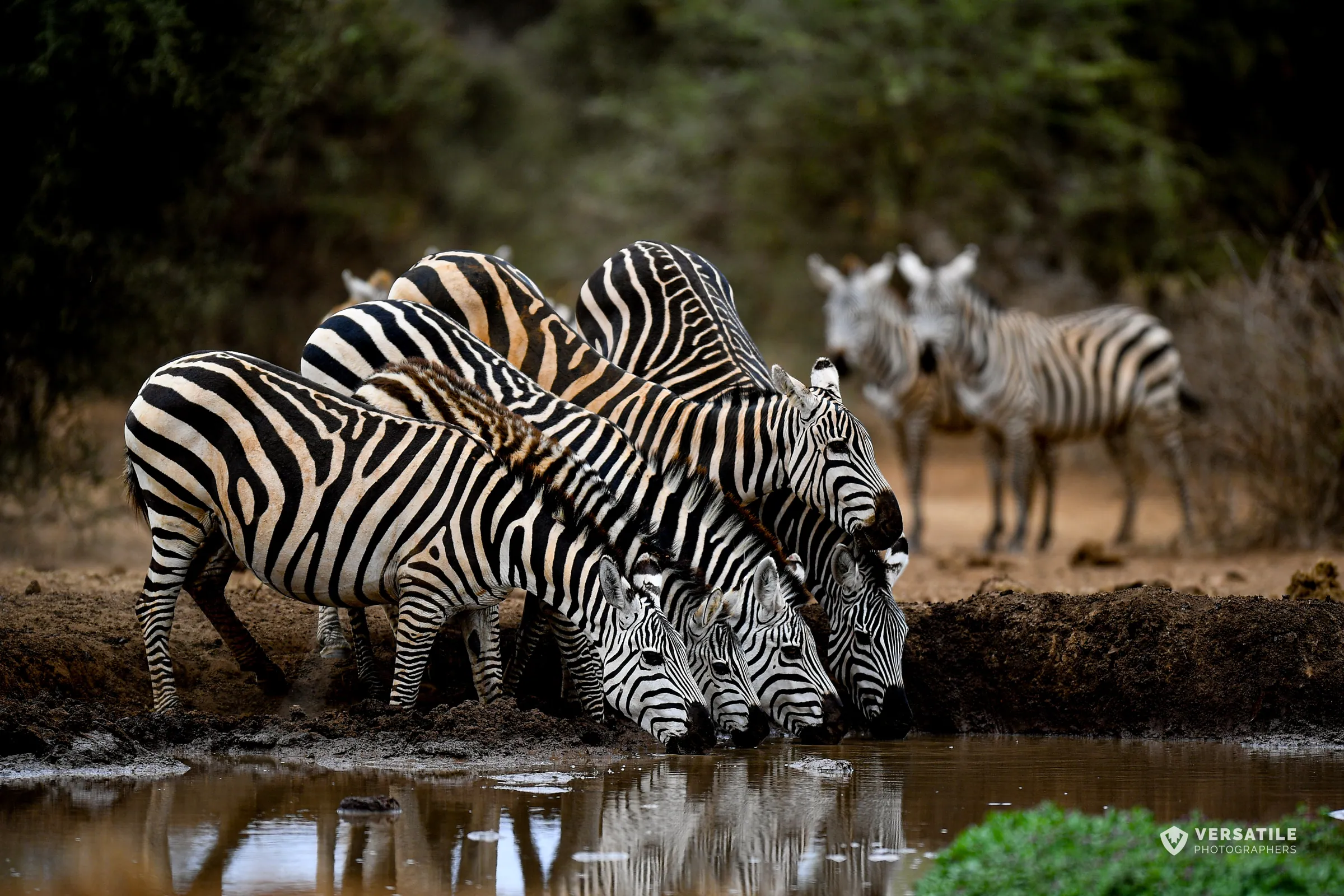
| 3 and 4 | Lake Naivasha | A boat ride past hippos and fish eagles, and a walk among giraffes and zebras on Crescent Island | About two hours by road |
| 5, 6 and 7 | A Mara conservancy camp that takes families | Short drives in your own vehicle, big animals close to camp, a pool | Back toward Nairobi by road, then a 45-minute flight from Wilson Airport |
| Day 8 | Fly to Nairobi and home | A day room in Nairobi before the overnight flight | 45-minute flight |
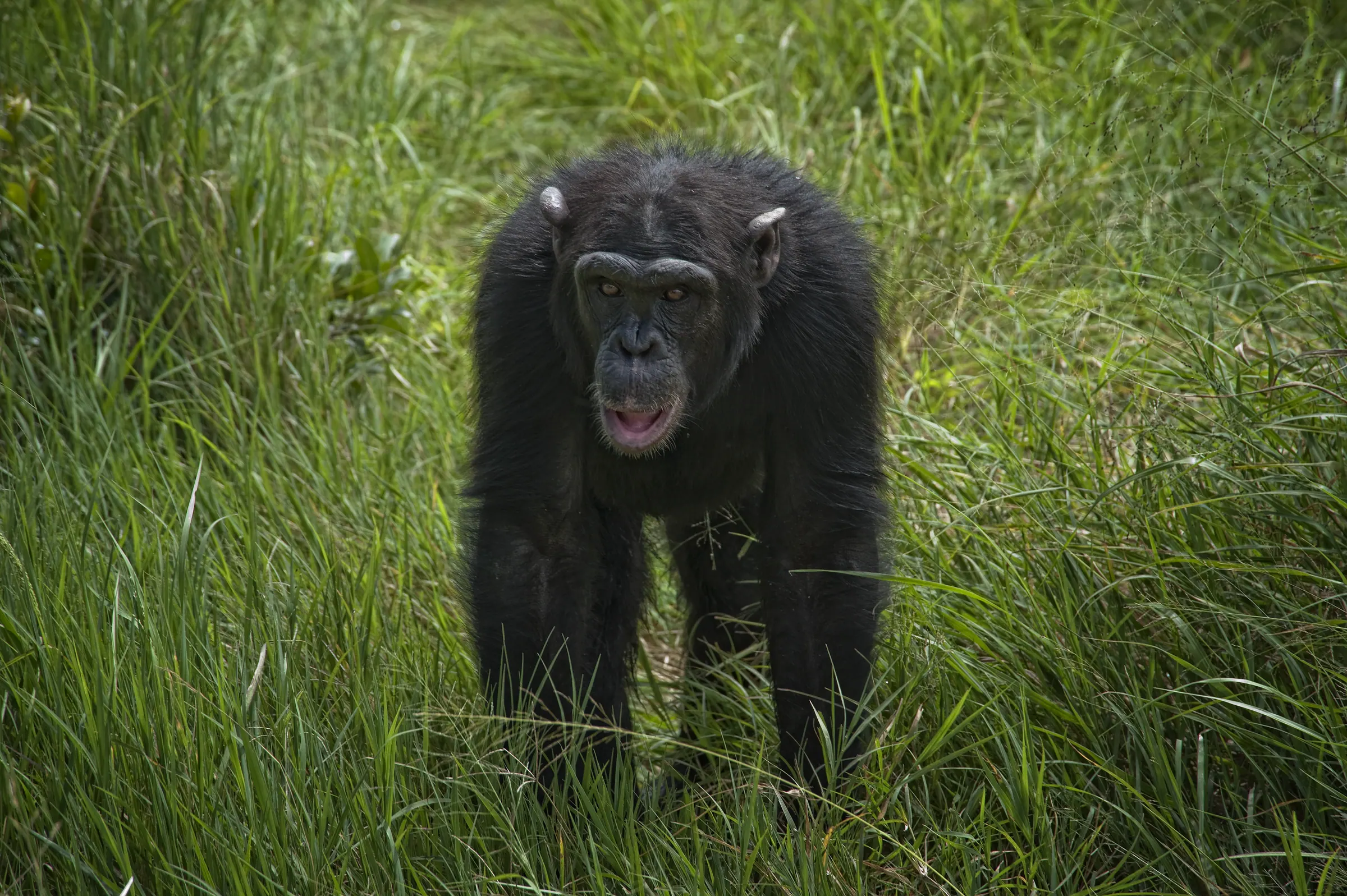
Day 5 is the longest travel day, so time it around the nap. Two swaps work well. Ol Pejeta, near Nanyuki, has chimpanzees and rhinos and is under an hour by air from Wilson; it can replace Naivasha. And three nights at the coast at the end, in Diani, gives everyone a beach rest before the flight home; see where to stay in Diani.
What does not work
- Long road days. Nairobi to the Mara is five to six hours by road; fly instead
- Dawn drives every day. Children are not built for 6am starts on repeat
- Camps with open walkways and no fence at night, where small children cannot run between tents
- Shared vehicles, where a crying child spoils other guests' sighting and yours
- Moving every night. Two or three nights in each place is the minimum
Health: malaria and small children
Kenya's safari areas and the coast have malaria, and small children are more vulnerable to it. Malaria medicines for children are dosed by weight, and some are not licensed or suitable for small children, so the choice belongs to your travel clinic. Book the appointment about eight weeks before you fly so vaccines have time to work. Then prevent bites: repellent the clinic approves for your child's age, long sleeves and trousers from dusk, and a bed net every night. Most camps provide nets; on a budget trip, bring a child-sized one. Our malaria page and vaccines page have the detail, and CDC's Kenya page is the official reference.
Sun and dehydration matter more than adults expect. Nairobi sits at about 1,795 m and the Mara at about 1,500 m, where the sun is strong even on cool days. Hats, sunscreen and water on every drive. Every traveler, infants included, also needs Kenya's eTA, and travel insurance with medical evacuation cover is essential.
Fees for children
| Where | Children pay | Notes |
|---|---|---|
| Maasai Mara National Reserve | Young children enter free; ages 9 to 17 pay $50 a day | Adults pay $100 a day January to June and $200 July to December |
| KWS national parks | Roughly half the adult rate | Amboseli, Nakuru, Nairobi National Park, Tsavo |
| Conservancies and camps | Varies; many have child rates and family tents | Ask when you book |
| Light aircraft | A seat, and the same 15 kg baggage allowance as adults | Helps families share the load |
What to pack for under-6s
- Layers: mornings and evenings are cold in the Mara and Nairobi, middays hot
- Sun hats with a brim, sunscreen and sunglasses
- Closed shoes for camp paths and thorns
- Repellent your clinic approves for your child's age
- Familiar snacks from home, enough for every drive
- A car seat: hire vehicles and safari vehicles generally do not have them
- A pair of children's binoculars, so they are not borrowing yours
- A spotting checklist of animals and birds, with stickers
- Comfort items, a few small toys and a tablet for the transfers
- Wipes, a change of clothes in the daypack, and a soft bag for the light aircraft
Planning a bigger family trip, with grandparents too? See our guide to multigenerational safaris.