Planning a safari. Updated November 2026. 6 min read.
Three generations, eight people: one Land Cruiser is too small. Here is how to build a trip where grandma, the teenagers and the toddler all get the Kenya they wanted, and the organizer gets a holiday too.
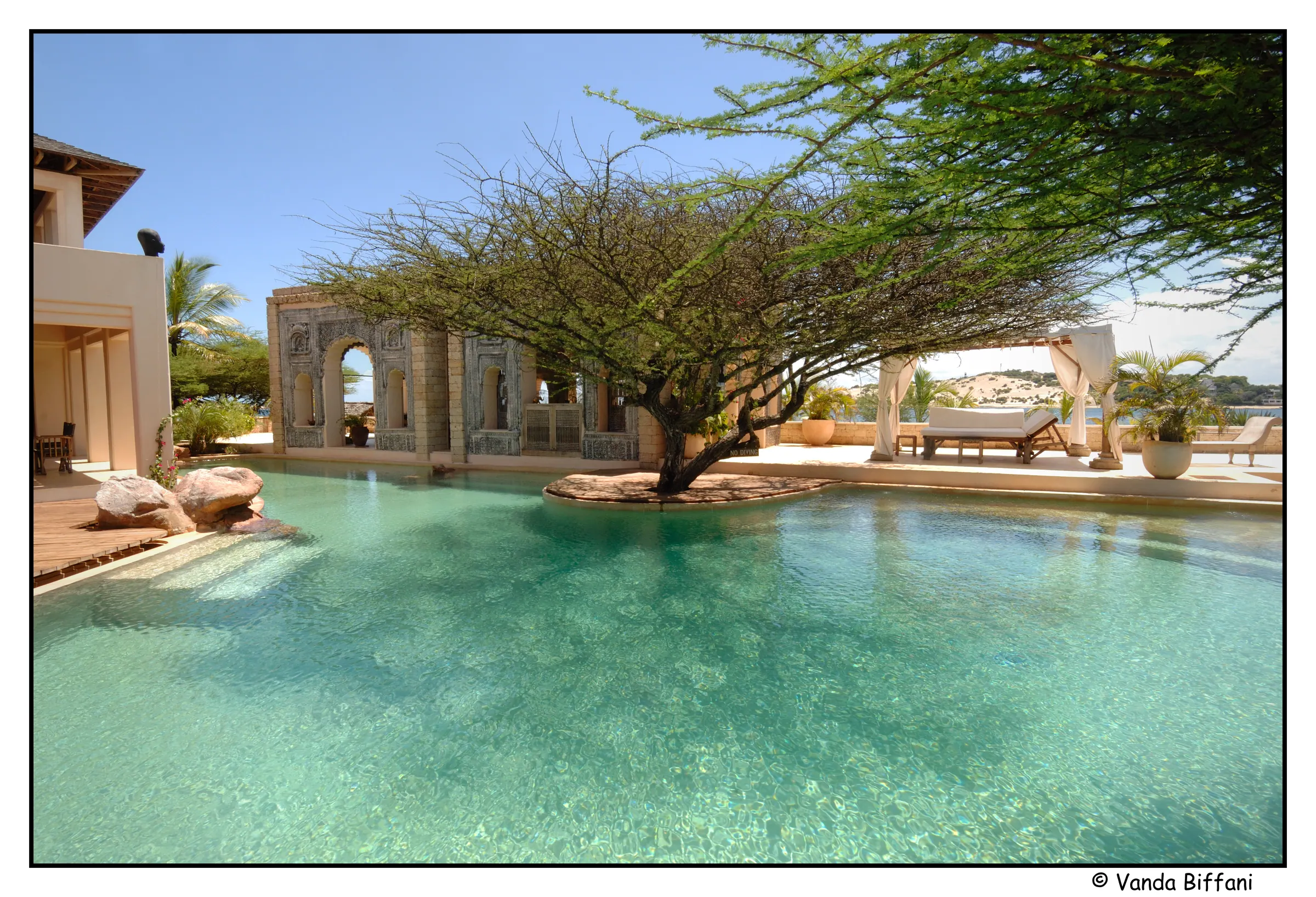
The short answer: plan around five rules. Take two vehicles with two guides, so the group can split. Stay in one base for three or four nights rather than moving every day. Split the days, so the early risers get the dawn drive and everyone meets for brunch. Book a sole-use house or private camp where you can, because for eight to twelve people it is often cheaper per person than separate tents. And make sure there is a pool. Pace the trip for the slowest and the youngest, and give everyone else optional extras.
The five rules
| Rule | What it means | Why it works |
|---|---|---|
| Two vehicles, two guides | Split the group by energy, not by family | One vehicle can go home at 9am while the other waits for the cheetah |
| One base | Three to four nights in each place | Less packing, more sleep, and the toddler learns the camp |
| Split days | One shared activity a day, the rest optional | Nobody does a 6am start they did not want |
| Sole-use | A whole house or camp to yourselves | Your own guides, chef and schedule, often for less per person |
| A pool | Somewhere to be in the heat of the day | Children play, grandparents read, parents rest |
Rooms: who sleeps where
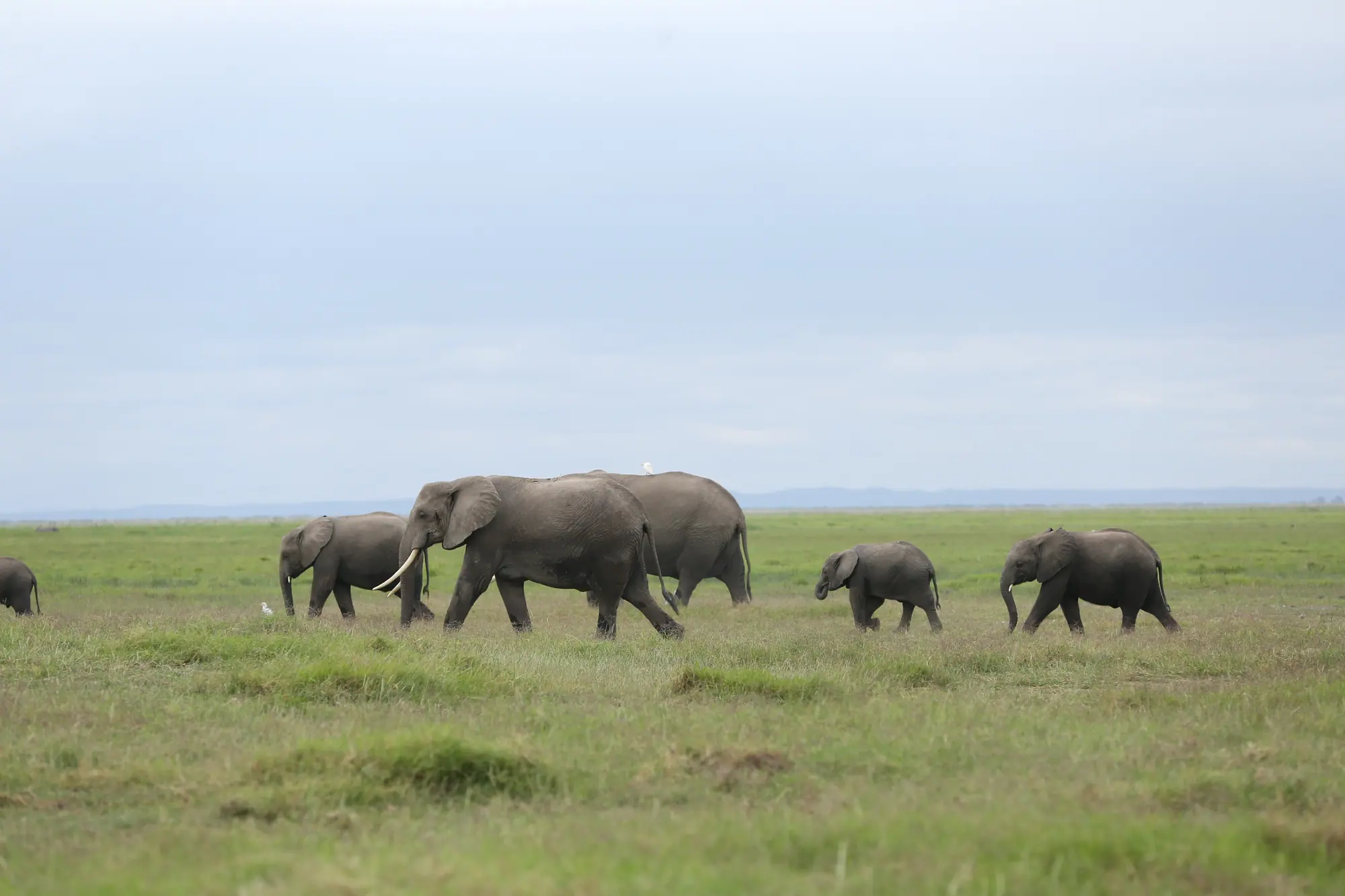
Group size changes everything. Many camps in the Mara conservancies and Laikipia offer sole-use of a whole camp or a private house for groups of about 8 to 12, with their own vehicles, guides and cook. Shared between several households, that is often cheaper per person than booking the same number of separate tents, and it means no other guests are disturbed by a crying toddler at dinner. Where sole-use is not available, ask for family tents, which sleep parents and young children together, or interleading rooms with a connecting door. Put the grandparents closest to the main area, especially at tented camps where the furthest tent can be a long walk on uneven ground; our safari for seniors guide has the questions to ask about steps and paths.
The split day
| Time | Grandparents and the toddler | Parents and teenagers | Everyone |
|---|---|---|---|
| About 6:00 to 9:30 | Sleep in, breakfast on the deck | The dawn drive in vehicle one, packed breakfast | |
| About 10:00 | Brunch together | ||
| Midday | Pool, nap, a book | Pool, rest, a camp walk | |
| About 4:00 to 6:30 | A short drive in vehicle two | A longer drive, or a guided walk where ages allow | Meet for sundowners |
| Evening | Dinner together, stories from both vehicles |
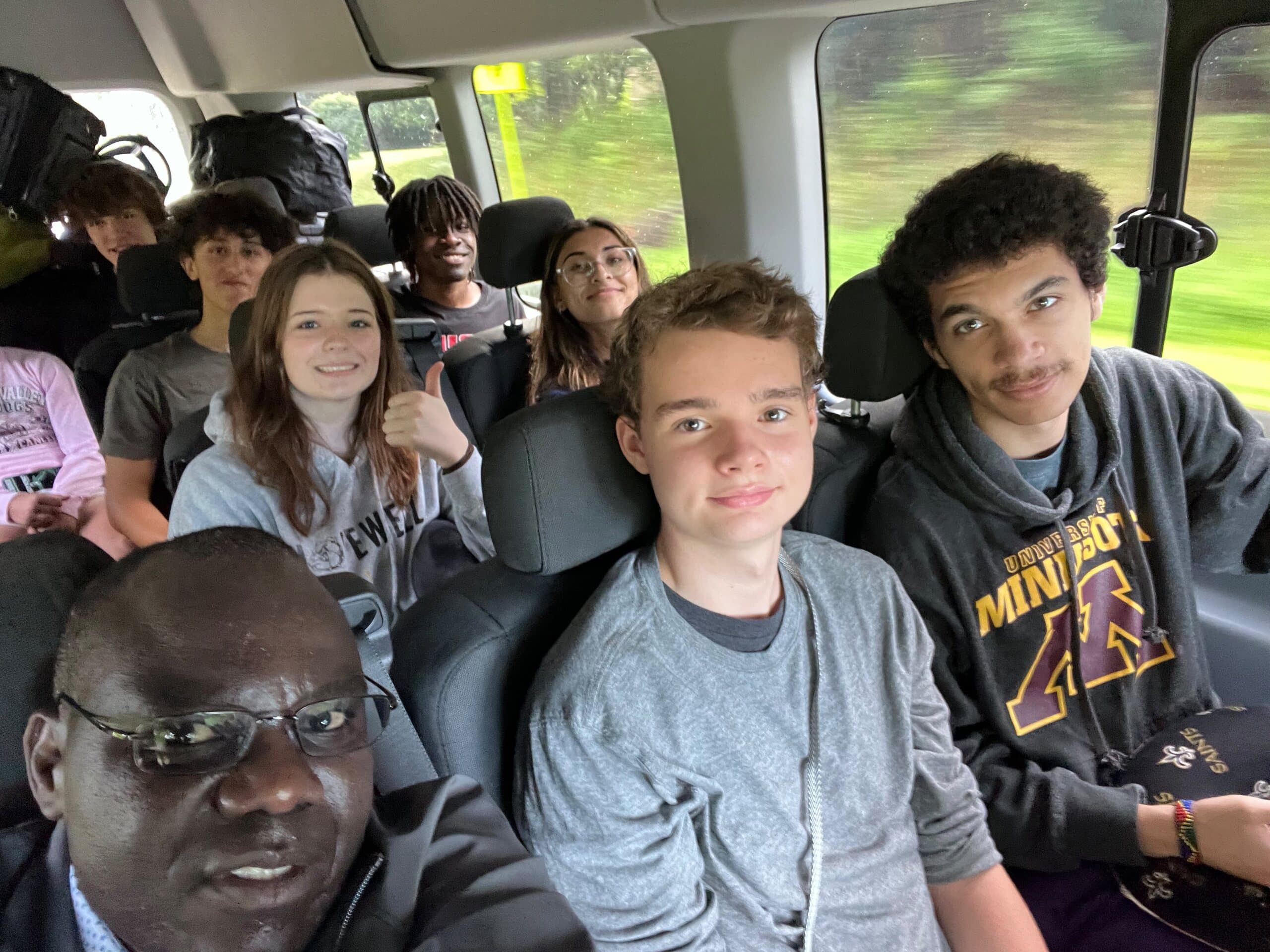
Split the vehicles by energy and interest, not by household. Swap the line-up through the week: a grandparent and a teenager in the same vehicle for a morning is often the best day of the trip for both.
Activities by age
| Activity | Under 6 | 6 to 12 | Teenagers | Grandparents |
|---|---|---|---|---|
| Game drive | Short, in your own vehicle | Yes | Yes | Yes; one a day is plenty |
| Walking safari | No; camps set minimum ages | Depends on the camp's minimum | Usually, if fit | If fit and willing |
| Night drive | Depends on the camp's minimum | Depends on the camp's minimum | Often | Optional; it is cold |
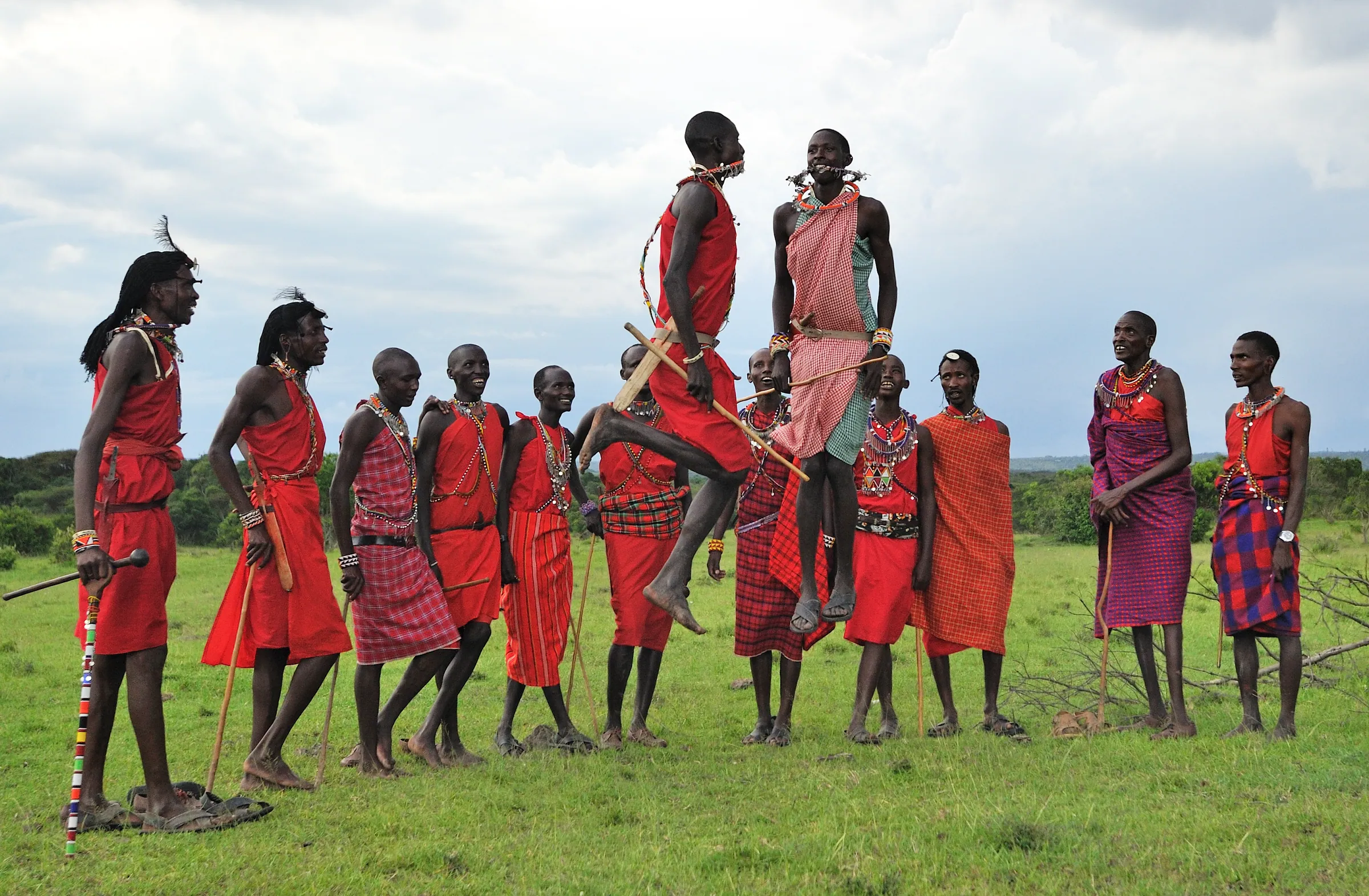
| Maasai village visit | Yes | Yes | Yes | Yes |
| School visit | Yes | Yes | Yes | Yes |
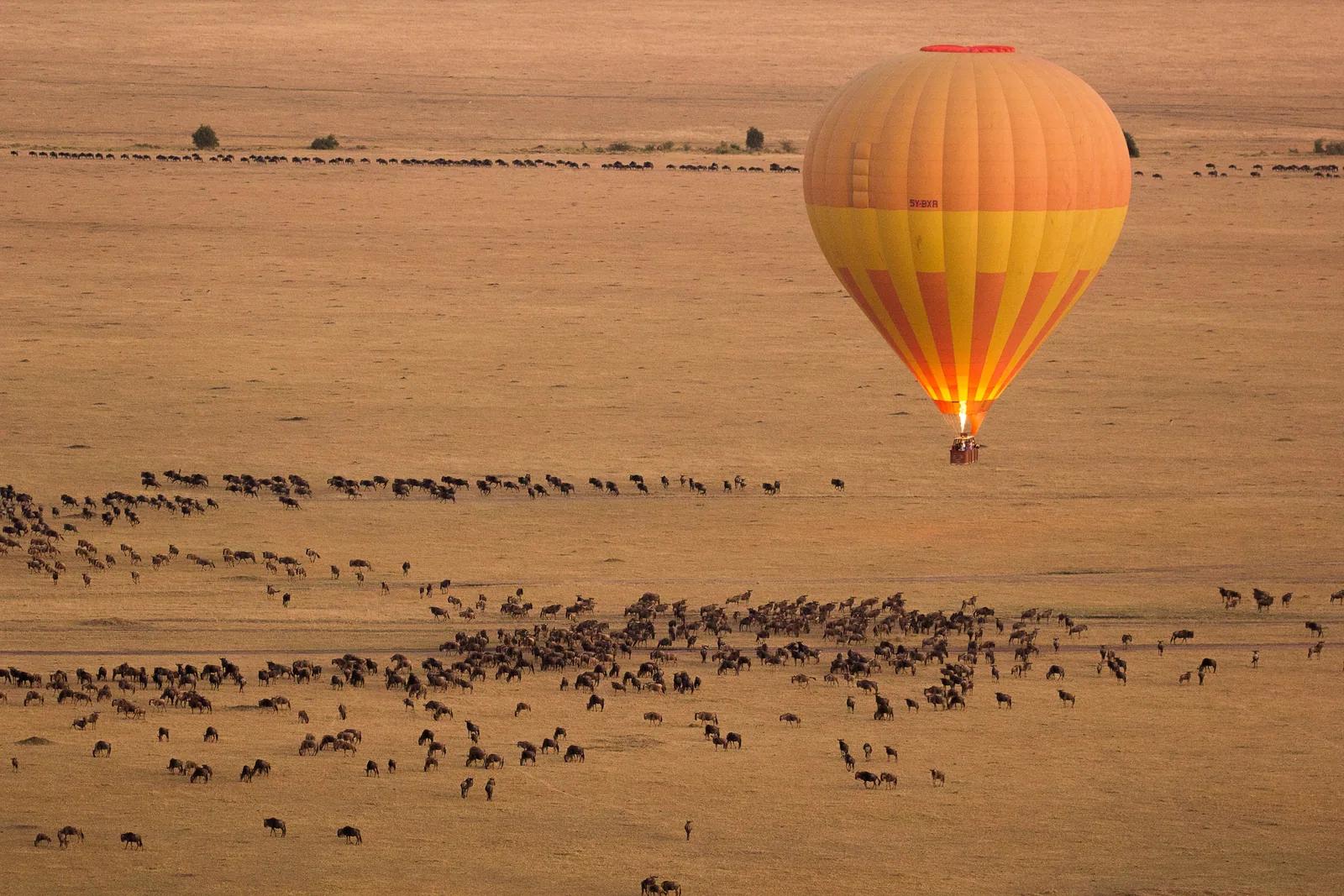
| Balloon flight | No | Commonly from about 7, or a height rule | Yes, for the brave | Depends on knees: a basket climb and a crouched landing |
| Boat on Lake Naivasha | Yes | Yes | Yes | Yes |
For the youngest, see our guide to safari with toddlers; for the oldest, safari for seniors. Teenagers get their own guide in family safari with teenagers.
A sample 10-day plan, and who does what
| Days | Where | Together | Split |
|---|---|---|---|
| 1 and 2 | Nairobi | The Giraffe Centre and the Sheldrick elephant orphanage; a long family dinner | Grandparents rest after the flight; teenagers take a short drive in Nairobi National Park |
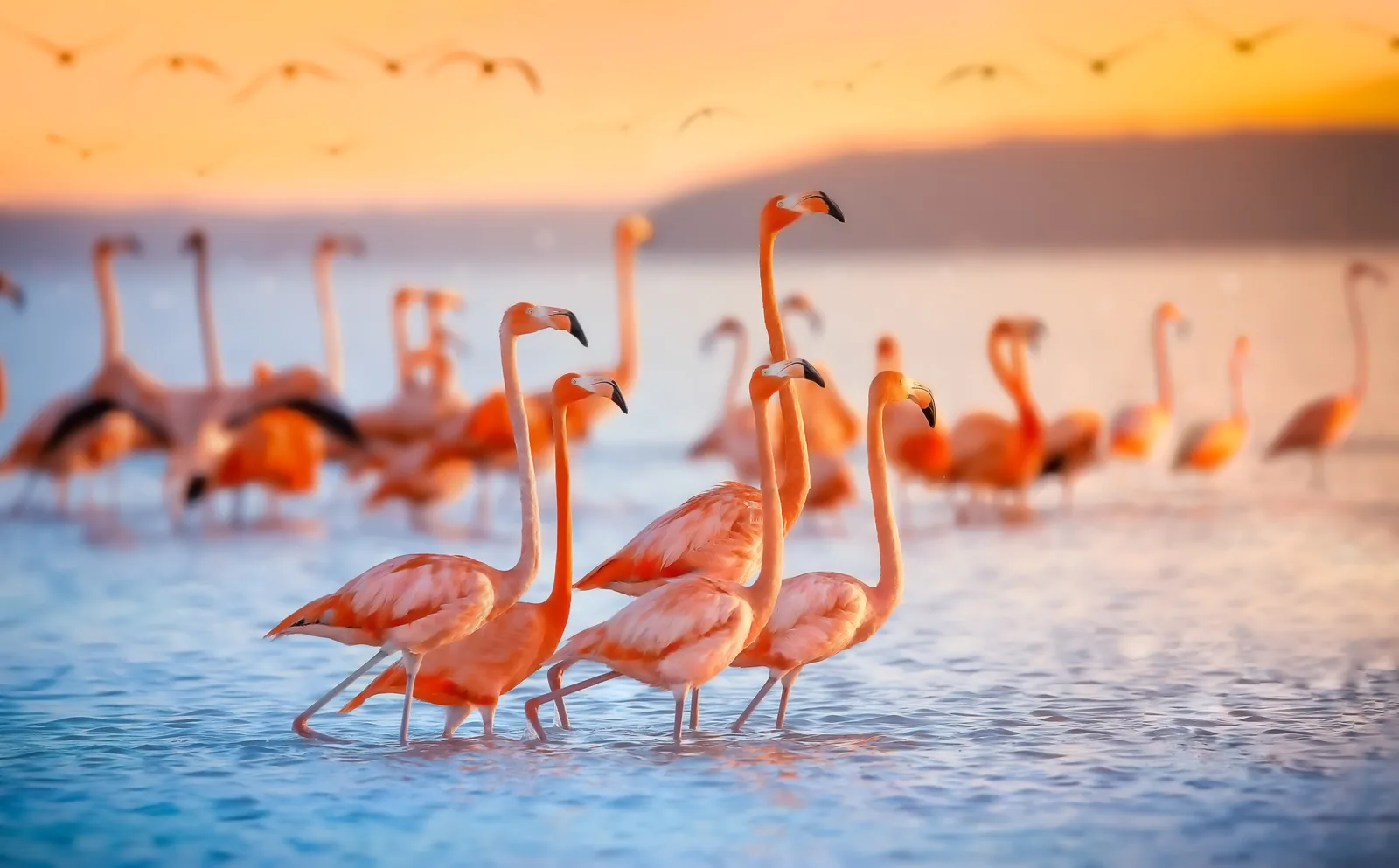
| 3 and 4 | Lake Naivasha or Lake Nakuru, about two hours from Nairobi to Naivasha | A boat ride past hippos at Naivasha, or rhinos and flamingos at Nakuru | A walk on Crescent Island for the walkers; a garden afternoon for the rest |
| 5, 6 and 7 | A sole-use camp in a Mara conservancy | One shared drive a day, a Maasai village visit, sundowners | Dawn drives for the keen, a balloon for the brave, the pool for everyone else |
| 8, 9 and 10 | Diani Beach | The beach, a dhow trip, seafood dinners | Snorkeling for some, hammocks for others |
Fly from Wilson to the Mara, about 45 minutes, rather than driving five to six hours with a toddler and a grandparent in the same vehicle. From the Mara, fly to the coast; Diani has its own airstrip at Ukunda. Our where to stay in Diani guide covers the beach end of the trip.
Health by generation
| Who | Malaria | Also think about |
|---|---|---|
| Young children | Dosed by weight; some medicines are not suitable for small children | Sun, hydration, child-sized nets, familiar food |
| Older children and teenagers | Dosed by weight or as adults | Actually using the repellent, especially at dusk |
| Parents | The clinic's adult options | Your own sleep: use the split days |
| Grandparents | Chosen around existing medications | A month's prescriptions, a doctor's letter, altitude and heat |
Expect a mix of malaria regimens in one family, which is normal: the travel clinic chooses by age, weight and medical history, so book the whole family in about eight weeks before you fly. Everyone needs travel insurance with medical evacuation cover. Our malaria and vaccines pages have the detail.
Money: splitting the bill without falling out
- Agree the split before anyone books: by household, by head, or with the grandparents' share covered by their children
- Decide who pays the single supplement for a widowed grandparent or a solo sibling. It is often 20 to 30 percent, and sole-use camps can remove it
- Vehicles: a private vehicle and guide cost roughly $250 to $400 a day each. Two vehicles split across eight people is about $60 to $100 per person per day
- Children's park fees: in the Mara, young children enter free and ages 9 to 17 pay $50 a day; KWS parks charge children roughly half the adult rate
- Ask for sole-use prices as well as per-tent prices, and compare per head
- Trips can be paid in full or monthly with no deposit, which helps when several households are paying
Our private versus shared safari guide has the full vehicle math, and our park fees page has the current fees.
The diaspora version: home for December, then the safari
Many Kenyan families in the U.S. take exactly this trip every December: grandparents who flew out years ago, their children who grew up in Houston or Atlanta, and grandchildren meeting the village for the first time. The structure that works is a week or more upcountry with relatives, then three or four nights on safari together, then the coast. The village part is the reason for the trip, so build the safari around it, and leave spare days, because reunions, weddings and sometimes funerals reshape December plans at short notice. Kenyan citizens and residents in the group pay much lower park fees; see citizen park fees. Book early: December flights and camps fill months ahead. Our December in Kenya guide, the 14-day itinerary and our diaspora page have more, and taking children to Kenya covers the paperwork and the family side of the visit.