Experiences. Updated November 2026. 4 min read.
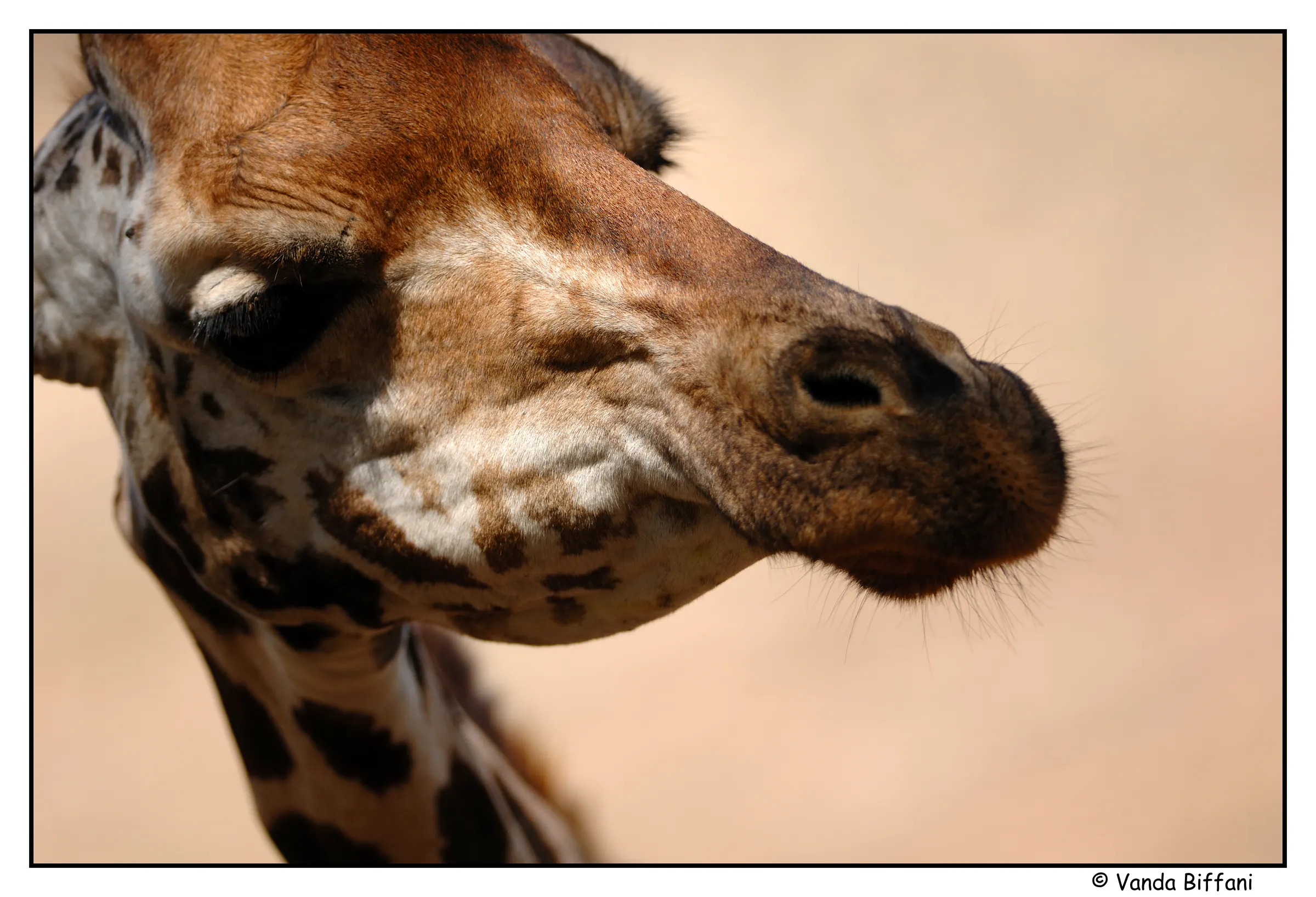
A giraffe's head is the size of a suitcase, and when it swings down to your hand on the Giraffe Centre's platform you notice the eyelashes first, then the tongue: long, purple and surprisingly gentle as it wraps around a pellet. For children it is the moment of the trip. For adults it is a good, honest introduction to one of Kenya's quiet conservation stories.
The Giraffe Centre is run by the African Fund for Endangered Wildlife (AFEW) Kenya in Langata, on the edge of Karen in southwest Nairobi. You climb a raised wooden platform at head height, staff give you a handful of pellets, and the resident Rothschild's giraffes come to you. At the time of writing, non-resident adults paid KSh 1,500 (about $12) and children aged 3 to 12 paid KSh 750, and the centre usually opens daily from 9am to 5pm. Plan 45 minutes to an hour and a half, and pair it with the Sheldrick elephant nursery and the Karen Blixen Museum.
Why the centre exists
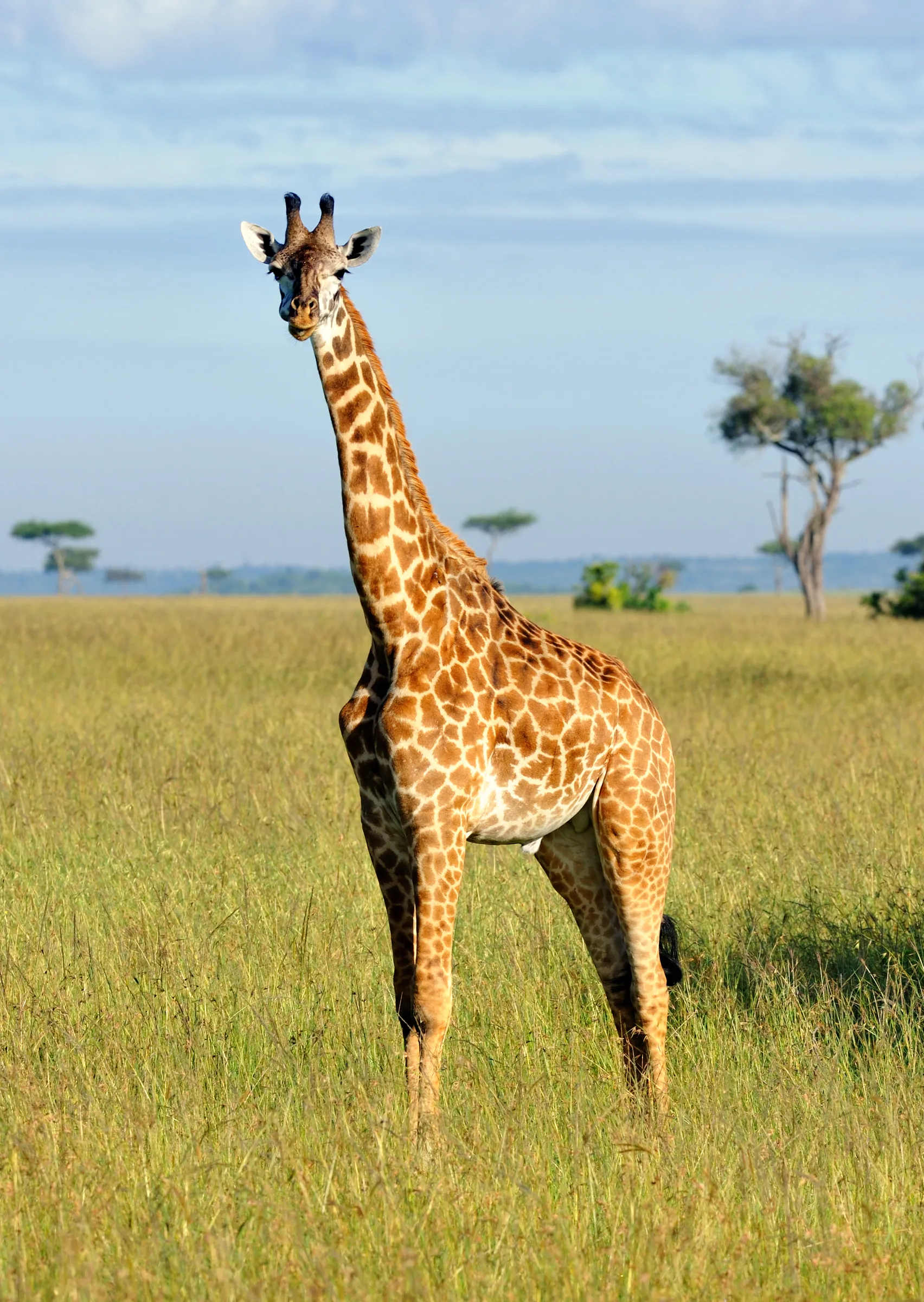
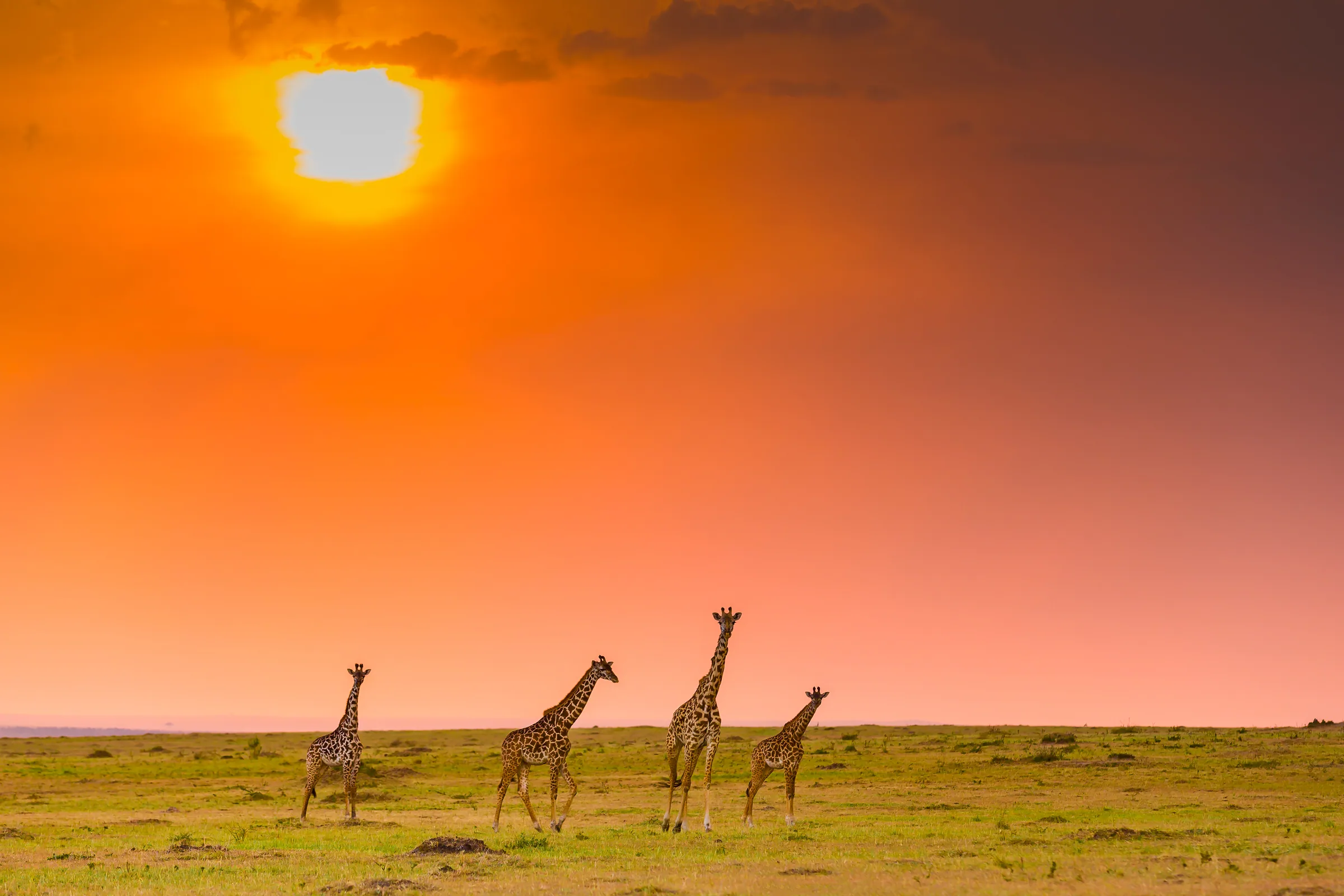
In the 1970s the Rothschild's giraffe, the paler giraffe of western Kenya and Uganda with white stockings and no markings below the knee, had been squeezed by farming into a tiny remnant on a ranch near Soy. AFEW's founders, Jock and Betty Leslie-Melville, brought a young giraffe called Daisy to their home in Langata in 1979, and the idea of breeding giraffes here and moving them on to protected parks grew from there. Giraffes raised in and around the centre have helped start herds elsewhere in Kenya, and Lake Nakuru and Ruma now hold healthy Rothschild's populations. Kenya's 2025 national wildlife census counted about 43,000 giraffes of all kinds, up from about 35,000 in 2021.
The centre's second job is teaching. Thousands of Kenyan schoolchildren visit each year, most of them free, and it runs conservation lessons for pupils and teachers. That is the part of the visit you do not see, and your ticket pays for it.
Fees and hours
| Visitor | Entry fee | Notes |
|---|---|---|
| Non-resident adult | KSh 1,500 | About $12; pellets included |
| Non-resident child, 3 to 12 | KSh 750 | Under 3 free |
| Resident adult (East African citizens and work permit holders) | KSh 400 | Bring ID |
| Resident child, 3 to 12 | KSh 200 | Under 3 free |
| School groups | Free | Book at least a week ahead |
The free school-group rate makes this one of the best stops for a study tour's first day: tell us when you book and we arrange it with the centre in advance.
What you do there
- The feeding platform: a two-level wooden deck with the giraffes' heads at rail height. Staff hand out pellets and explain how much to give.
- The talk: short talks by AFEW staff on giraffe biology and the Rothschild's story run through the day.
- The nature sanctuary: a walking trail through indigenous forest across the road, good for birds, a quiet half hour and the odd warthog.
- The tea house and gift shop, for a soda after the trail and conservation books for children.
- The kiss: some visitors hold a pellet between their lips. Staff allow it. We suggest the flat palm instead; giraffes are hygienic animals but they are not pets, and the habit teaches children the wrong lesson.
How to feed a giraffe properly
Hold one pellet at a time on a flat palm or between thumb and finger, arm out over the rail. Do not tease by pulling the food back: giraffes can swing their heads hard, and a head-butt from that height hurts. Let children feed with an adult beside them. Wash your hands or use sanitizer afterward, because the tongue is wet and sticky. Do not feed anything other than the centre's pellets, and never climb on the rail. The giraffes are free to walk away at any time, and they do when they have had enough, which is how it should be.
Giraffe Manor next door
The famous stone house where giraffes poke their heads through the breakfast windows is Giraffe Manor, a private hotel on the same estate. It is open to its overnight guests only, you cannot visit for breakfast or a photo, and it books out far ahead. If it is full or out of your budget, the Giraffe Centre puts you face to face with the same herd for a fraction of the price. Ask us if you want to try for the Manor; we will tell you honestly what it costs and how early to ask.
When to go and how to fit it in
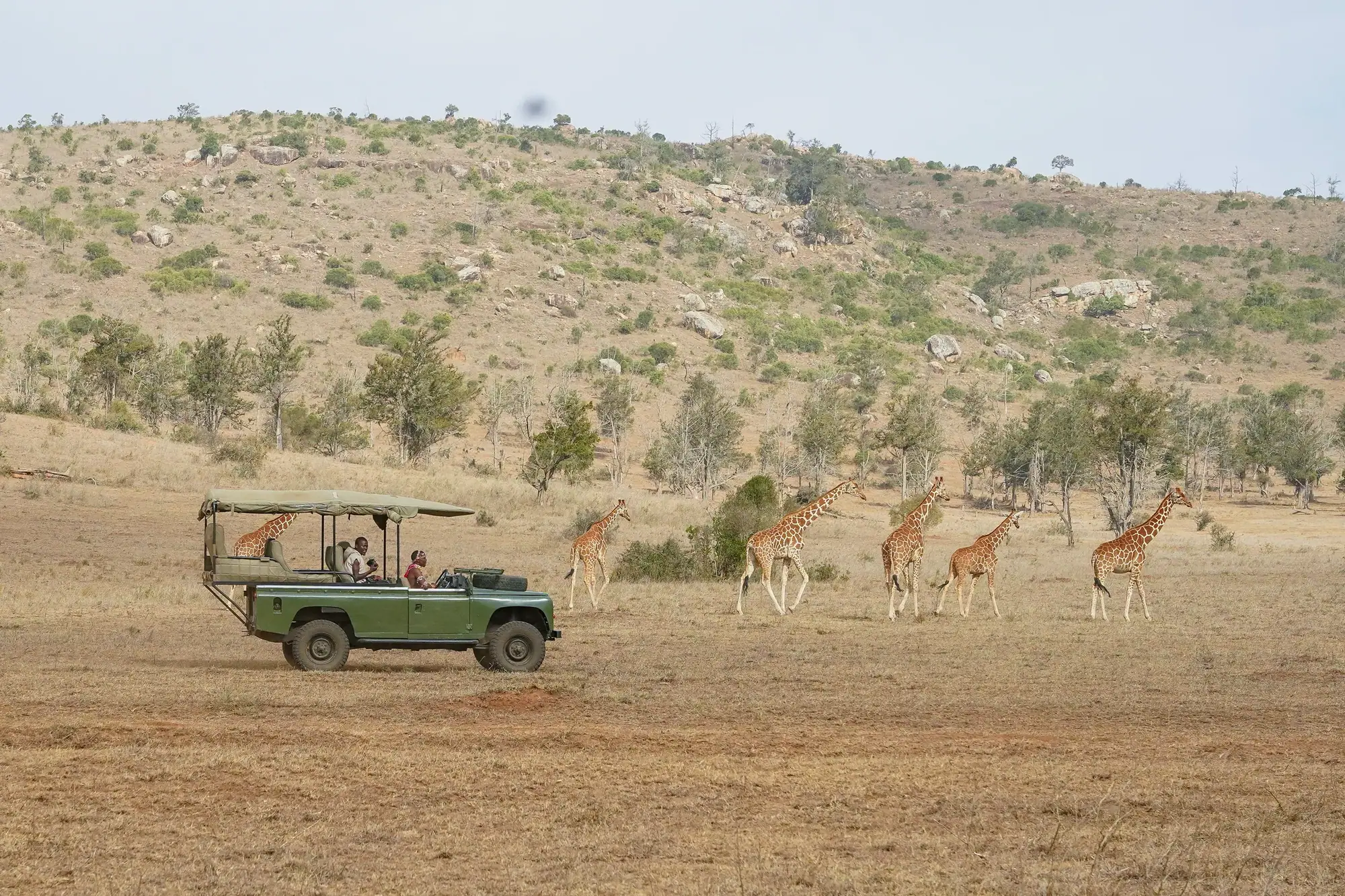
The quietest time is opening, around 9am, before school groups and tour buses arrive. Weekends and Kenyan school holidays are busiest, and late afternoon gives the best light for photos. The centre is about 20 to 30 minutes from the Sheldrick nursery, a few minutes from Karen's restaurants and the Karen Blixen Museum, and about 20 minutes from Wilson Airport, which makes it an easy stop before an afternoon safari flight. Our Karen guide lays out the full day.
- Morning plan: Giraffe Centre at 9am, Sheldrick nursery at 11am, lunch in Karen.
- Afternoon plan: Nairobi National Park at dawn, Sheldrick at 11am, lunch, Giraffe Centre at 2 or 3pm.
- Arrival day: if you land in the morning and are not too tired, an hour here is a gentle start.
- Departure day: an easy last stop before an evening flight from JKIA; allow 45 to 60 minutes to the airport.
Kenya Experience is Kenyan-led, with two U.S. companies behind it. The Giraffe Centre is not our partner; we include it because it is good for giraffes and great for first days. Your entry fee is paid in our quote, your driver knows the quiet hour, and you can pay in full or monthly with no deposit.