Experiences. Updated November 2026. 4 min read.
Somewhere in the Mara tonight, an elephant with a GPS collar is walking toward a maize field. On a screen at the Mara Elephant Project, a line on a map crosses a boundary, an alert goes off, and a ranger team drives out to push the elephant back before it eats a family's year of food and someone picks up a spear. Most visitors never see this side of the Mara. For students and anyone curious about how wildlife survives next to people, it is the most important thing happening in the ecosystem.
The short answer: the Mara Elephant Project (MEP) is a Kenyan conservation organisation founded in 2011 that protects elephants and their habitat across the greater Maasai Mara, working with Kenya Wildlife Service, the reserve, the conservancies and the communities around them. It is not a drop-in attraction. Visits to its base are arranged in advance, usually for study groups and supporters, and usually with a donation. This page explains what MEP does and how a visit can fit into your trip.
Why the Mara's elephants need protecting
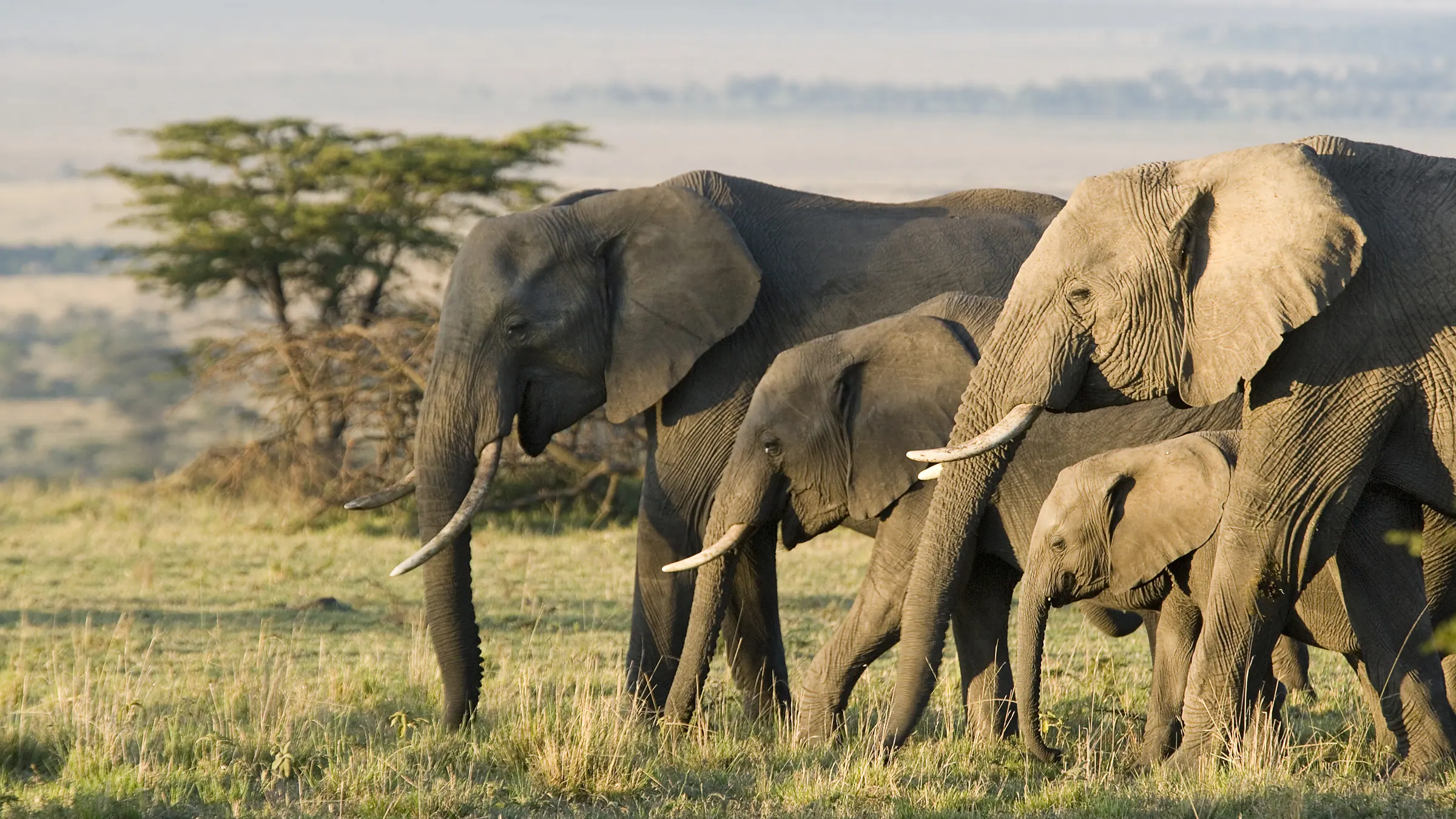
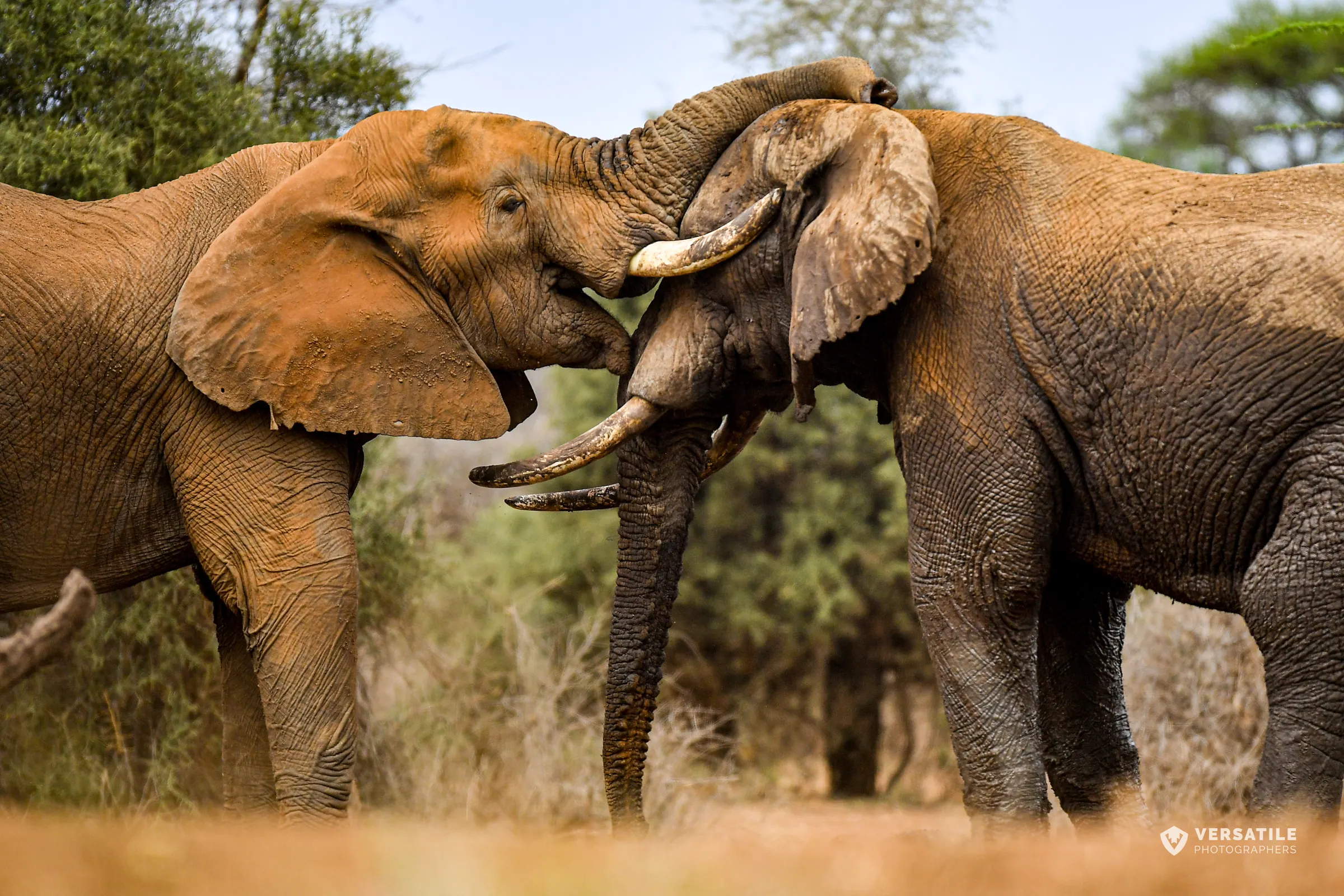
The Kenyan Mara holds a few thousand elephants; estimates of 2,500 or more are commonly quoted, and they move across the reserve, the conservancies, the Mau escarpment forests and into Tanzania's Serengeti. Kenya's elephants have recovered strongly: the 2025 national wildlife census counted about 42,000, up from 36,280 in 2021 and roughly 16,000 at the low point in 1989. About two-thirds of them live outside national parks and reserves, on community and private land, which is where the trouble starts.
Poaching for ivory has fallen sharply, but the bigger threat now is space. Farms and fences spread into old elephant routes, elephants raid crops, people are hurt and killed, and elephants are speared or poisoned in revenge. Conservation in the Mara is now as much about keeping peace between farmers and elephants as about stopping poachers.
What MEP does
- Ranger units: MEP's own rangers patrol alongside KWS rangers, respond to poaching and conflict reports, remove snares and gather intelligence. The force started with one small team in 2011 and has grown to several dozen rangers.
- GPS collars: MEP, with KWS and Save the Elephants, has collared dozens of elephants over the years and monitors a group of them in real time. Their tracks show the corridors elephants use and warn rangers when one heads toward farms.
- Human-elephant conflict response: rangers drive elephants away from crops at night using non-lethal methods, and MEP works with farmers on deterrents and planning.
- Aerial support: aircraft patrol for carcasses, poaching camps and illegal logging, and help guide rangers on the ground.
- Research and mapping: collar data, conflict records and surveys feed land-use planning, so corridors can be kept open before they are closed by fences.
- Habitat protection: patrols in the forests of the Mau and Nyakweri, where elephants shelter and where charcoal burning and logging threaten the trees.
Visiting MEP
A visit is a briefing, not a show. Depending on what MEP can offer at the time, you may see the operations room where collar tracks are monitored, hear from the research team and the rangers about a typical night, and learn how a conflict call is handled from the first alert to the outcome. Group size, timing and content depend on MEP's operations; rangers on a real call come first. We ask MEP well ahead of your dates, explain who you are and what your group studies, and confirm what is possible. A donation to MEP's work is expected and goes straight into rangers, fuel and collars.
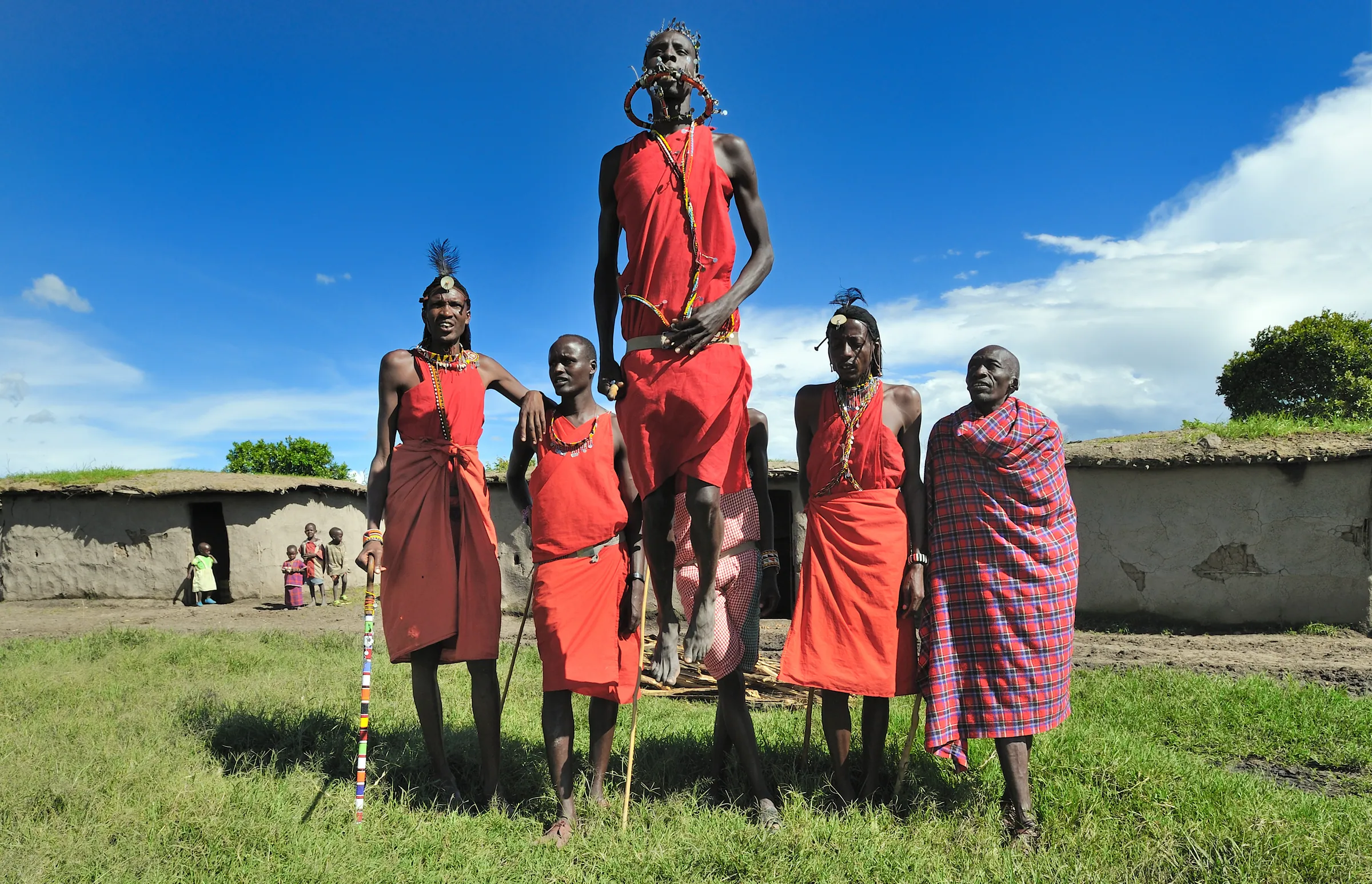
For university and high school groups, this fits neatly into a field course on conservation or land use: a morning at MEP, an afternoon in a conservancy hearing how land leases work from Maasai landowners, and an evening discussing what students saw. Our conservation programs page describes how we build those courses.
How MEP fits with the rest of the Mara
| Who | What they do | How you meet them |
|---|---|---|
| Narok County and the Mara Conservancy | Manage the national reserve and the Mara Triangle | Your park fee |
| The conservancies | Lease Maasai land for wildlife and tourism | Your conservancy fee and camp |
| Kenya Wildlife Service | Wildlife law enforcement nationwide | Rangers on patrol |
| Mara Elephant Project | Elephant protection, conflict response, research | A visit by arrangement |
| Save the Elephants | Elephant research across Kenya | Their published research |
What you can do as a visitor
- Stay in a conservancy camp: the fees go to the landowners whose land gives elephants room.
- Give elephants space on game drives; do not let a driver block a herd's path or crowd a mother and calf.
- Never buy ivory or anything that might be ivory, anywhere in the world.
- Report anything suspicious you see, such as snares or carcasses, to your guide, who will pass it on.
- Support the organisations doing the work, directly, through their own websites.
When to go
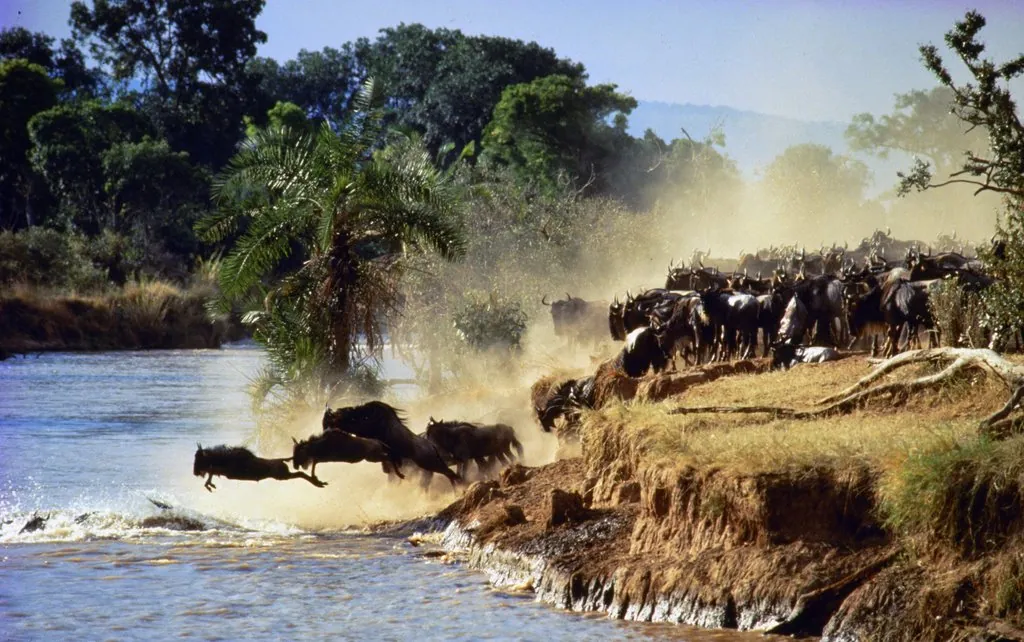
Elephants are in the Mara all year, but their movements change with the rain and the crops. Conflict tends to rise when maize and other crops ripen on farms at the edge of the ecosystem, and in dry spells when elephants travel further for water and food. For students, that makes the months around harvest especially instructive. For everyone else, the July to October migration season is busiest and the best-known, while January to March and the green months bring fewer vehicles and often easier conversations with people on the ground. Our Mara month-by-month pages help you choose.
Kenya Experience is Kenyan-led, with two U.S. companies behind it. The Mara Elephant Project is an independent organisation and not our partner; we request visits on your behalf and never promise one until MEP confirms it. Pay in full or monthly with no deposit.