Experiences. Updated November 2026. 4 min read.
At six in the morning in Kiambu, a woman is milking two cows in a wooden shed by the light of her phone. By seven the milk is in a can on the back of a motorbike heading to the cooperative's collection point, and by the afternoon it will be in a packet in a Nairobi supermarket. Most of the food Kenya eats comes from farms like hers, an acre or two of maize, beans, bananas, a kitchen garden, chickens and a couple of dairy cows. Spending a day on one tells you more about Kenya than any museum.
The short answer: we arrange visits to family farms in the central highlands, around Kiambu, Nyeri and Murang'a, and in Kisii in the west, with families we know who choose to host. You help with the morning jobs, walk the farm, cook and eat together, and talk honestly about the money. It works as a half day from Nairobi, a full day with lunch, or a night or two as a farm stay. If you want a simpler drop-in visit, the Kiambethu tea farm in Limuru takes lunch visitors by booking.
What a one-acre farm looks like
- Dairy: one to three cows kept in a shed and fed by hand on cut Napier grass, a system Kenyans call zero-grazing. Milk is the farm's daily cash.
- Maize and beans, planted together for the family's ugali and githeri, and sold when there is a surplus.
- Bananas, for cooking and eating, around the house.
- A kitchen garden of sukuma wiki (collard greens), kale, onions and tomatoes.
- Chickens, sometimes a goat, sometimes a few rabbits or a fish pond.
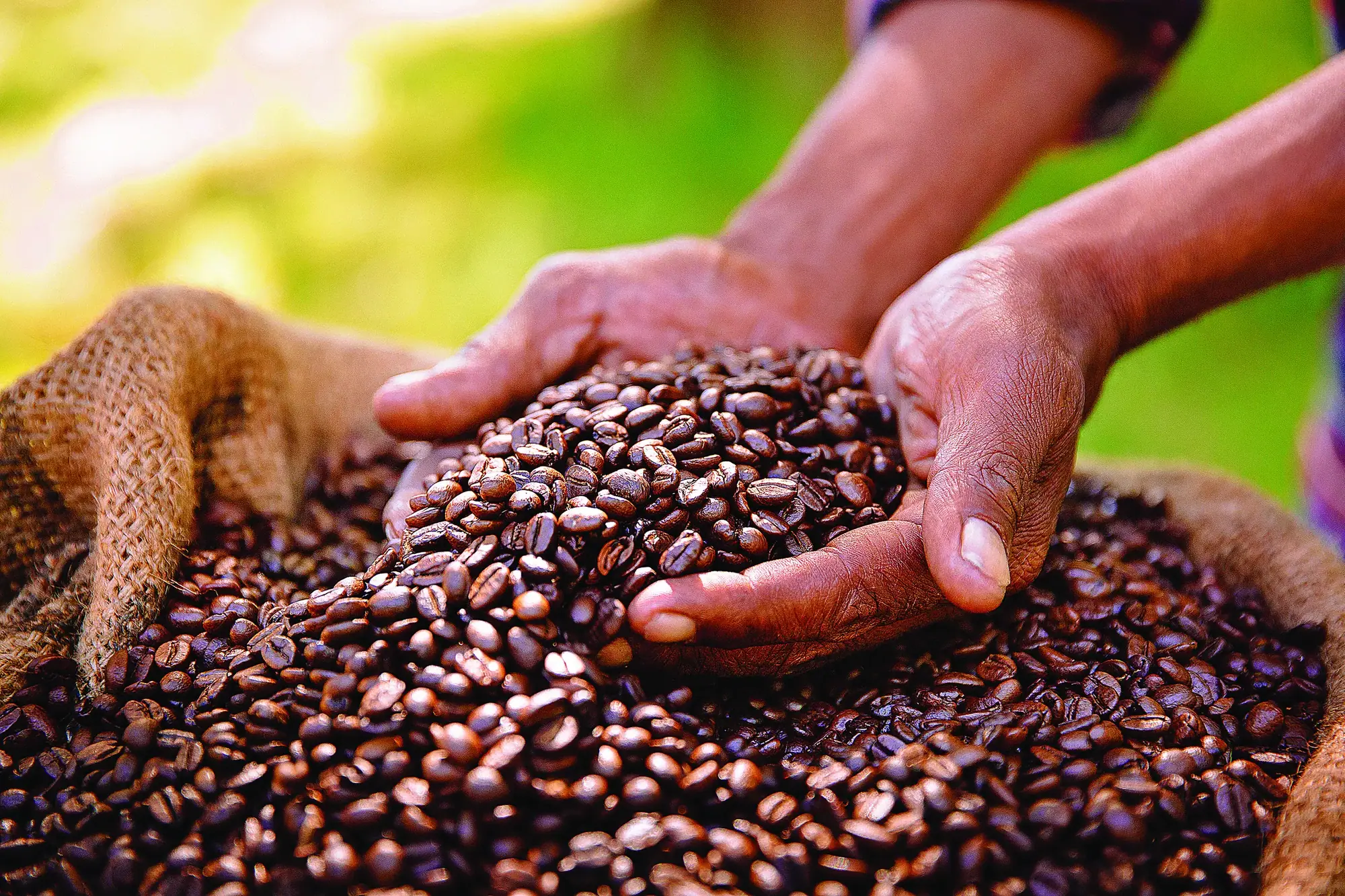
- A cash crop on the edge: coffee or tea bushes in Kiambu and Nyeri, tea or bananas in Kisii, avocado trees almost everywhere.

The milk run
Kenya has one of Africa's biggest dairy industries, and most of its milk comes from smallholders. Farmers deliver morning and evening milk to collection points run by cooperatives, which chill it and sell it to processors such as the state-owned New KCC or to private dairies, or run their own plants. A cooperative pays members monthly, offers feed and credit, and is often the most important institution in a village. If your visit falls in the morning, you can follow the milk from the shed to the collection centre and see it tested and weighed.
A sample day
| Time | What happens | Notes |
|---|---|---|
| 7am | Leave Nairobi for Kiambu or Murang'a | About 1 to 1.5 hours |
| 8:30am | Tea and introductions; feed the cows, collect eggs | Wear shoes you do not mind getting muddy |
| 10am | Walk the farm: crops, soil, water, the cash crop | Ask anything |
| 11am | The cooperative collection centre or a neighbour's farm | Depends on the day |
| 12:30pm | Cook together: ugali, sukuma, githeri or mukimo, chapati | Vegetarian food is easy |
| 2pm | Lunch and the conversation about money | School fees, prices, loans, plans |
| 3:30pm | Back to Nairobi, or on to Mount Kenya or Naivasha | Avoid the evening rush if you can |

The farmer's sums
The most valuable hour of the day is the one at the lunch table. Farmers will tell you what a litre of milk earns, what a sack of fertiliser costs, how school fees are paid, why land is divided smaller each generation, how mobile money changed things, and what happens in a drought. Agriculture and development students fill notebooks. Families with teenagers find it the moment their children start asking real questions. Diaspora visitors often find it is the conversation they have with their own relatives, from the other side.
Where we go
- Kiambu: close to Nairobi, with dairy, coffee and tea farms, and the Kiambethu tea farm in Limuru for a lunch visit.
- Murang'a: avocados, macadamia, coffee and bananas on steep ridges; see our macadamia and avocado page.
- Nyeri: coffee and dairy under the Aberdares and Mount Kenya, on the way to Laikipia.
- Kisii: densely farmed green hills, bananas and tea, and the soapstone carvers at Tabaka nearby.
Farm stays
For groups who want more than a day, we can arrange a night or two with host families, sleeping in the farmhouse or a guest room, joining the evening milking and the morning chores. These are homes, not hotels: expect simple rooms, shared bathrooms in some places and early starts. We check each home ourselves, brief hosts and guests, and keep the group small.
Doing it fairly
- Families are paid an agreed fee for hosting, in advance, through us; nobody should be out of pocket for feeding you.
- Hosts choose to host and can say no. We do not drop in on farms unannounced.
- Ask before you photograph people, homes or children, and accept a no.
- This is not poverty tourism. You are visiting working farmers who are experts in what they do. Treat it as a lesson, not a charity visit.
- Do not hand out cash, sweets or gifts to children. If you want to give, we help you do it through the cooperative or a community project the hosts choose.
- Dress modestly and bring boots; farms are muddy in the rains, which usually fall around April to June and October to December.
Our photography guide and our story on why we do not visit orphanages explain the same principles in other settings.
Kenya Experience is Kenyan-led, with two U.S. companies behind it. Farm days are priced into your trip with driver, guide and host fee included, and you can pay in full or monthly with no deposit.