Study in Kenya. Updated November 2026. 5 min read.
Kenya is one of the world's leading exporters of black tea and cut flowers, and it also feeds most of its own people from farms of a couple of acres. For an agriculture or food systems class, that range is the point. In two weeks students can follow a rose from a Naivasha greenhouse to the cold chain, watch a coffee cooperative weigh a farmer's cherry and pay by the kilo, pluck tea in Kericho and hear the scientists in Nairobi who study all of it.
In short: an agriculture program in Kenya runs 10 to 14 days through Nairobi, the coffee country around Nyeri, the flower farms of Lake Naivasha and the tea estates of Kericho, ending at Lake Victoria. We design the route around your learning outcomes, approach the farms, cooperatives and research centers, and run the logistics and safety. Below: learning outcomes, sites by type, a two-week outline, ethics and permits, safety and cost.
Who it is for
- Colleges of agriculture and land-grant universities running a January term or summer course
- Agricultural economics, food science, nutrition and environmental studies programs
- Extension and international development programs interested in smallholder systems
- Collegiate agriculture clubs and graduate groups that want structured farm and research visits
What students learn
- How export value chains work, from plucking and grading to the Mombasa tea auction and the flower cold chain to Europe
- Smallholder systems: mixed farms, zero-grazing dairy, intercropping, and how families balance cash crops and food
- Cooperatives: how coffee and dairy cooperatives collect, process, sell and pay members, and why governance matters
- Water, soil and climate: rain-fed farming, irrigation around Lake Naivasha, and agroforestry as a climate strategy
- Agricultural research and technology: livestock science, agroforestry, and the startups working on farmer finance, inputs and market access
- Labor, gender and standards: who does the work, who is paid, and what certification does and does not change
Sites and organizations, by type
Named organizations are examples of the work students see, not standing partners of ours. We approach the right farms and hosts for your syllabus and confirm each one in writing.
| Type | Examples | What students do |
|---|---|---|
| Tea | Estates and smallholder tea factories around Kericho | Pluck with the pickers, follow the factory line, discuss auction prices |
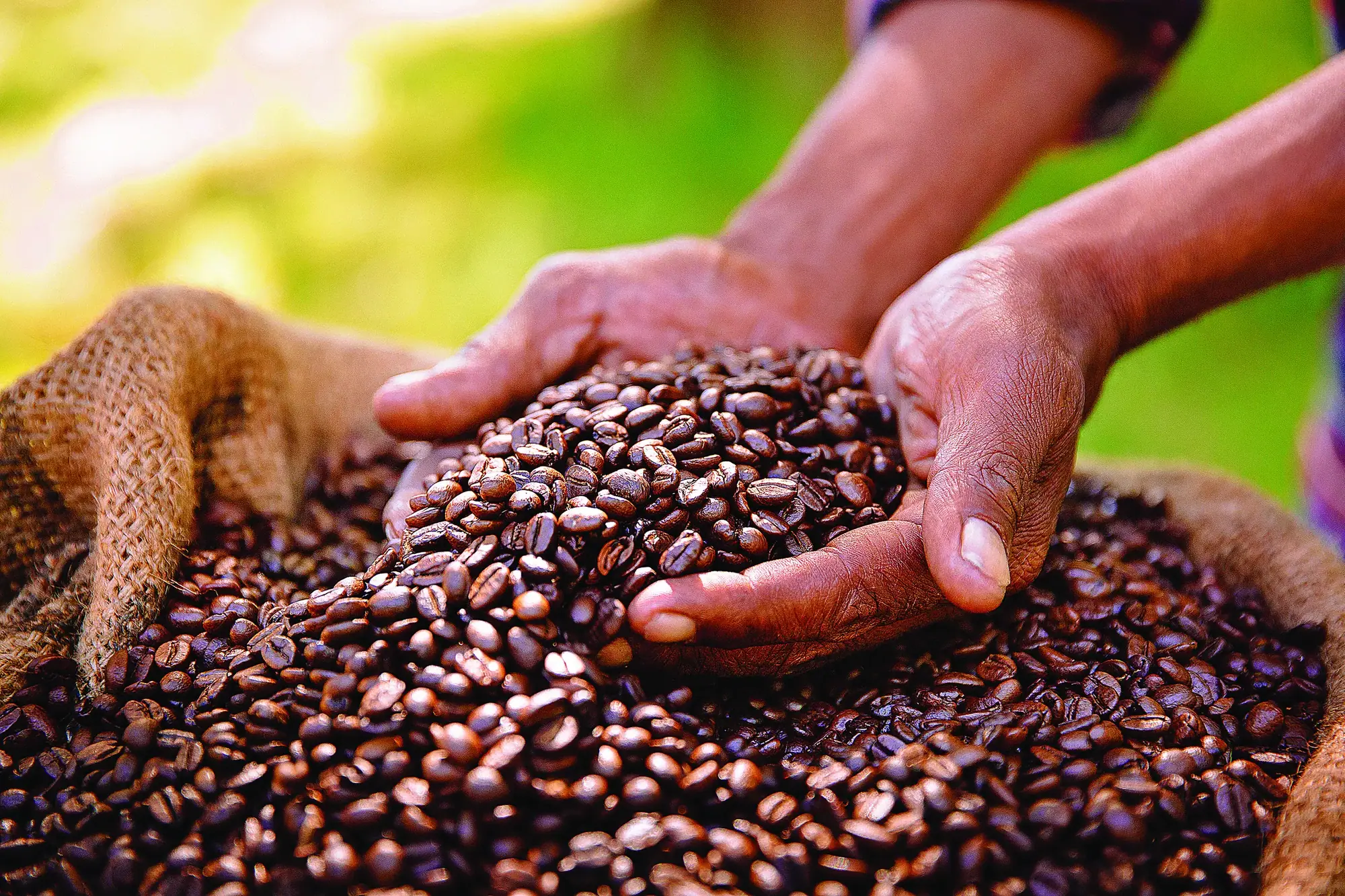
| Coffee | Cooperative societies and their wet mills, called factories, around Nyeri | Cherry delivery, pulping, drying tables, cupping, how members are paid |
| Flowers | Export flower farms on Lake Naivasha, by arrangement | Greenhouses, cutting and packing, certification, water use and the lake |
| Dairy | Smallholder dairy farms and cooperatives in the central highlands | Zero-grazing units, fodder, milk collection and chilling |
| Research centers | CIFOR-ICRAF (World Agroforestry) and ILRI, the International Livestock Research Institute, both headquartered in Nairobi | Lectures on agroforestry, livestock and climate, where hosts agree |
| Ag-tech | Nairobi startups in farmer finance, inputs and market access | Founder sessions and product demonstrations |
| Markets | Wholesale and open-air food markets in Nairobi and upcountry towns | Price surveys and the informal food economy, with a local guide |
A sample two-week outline
| Day | Where | Learning |
|---|---|---|
| 1 | Nairobi | Arrive at JKIA, transfer, welcome dinner |
| 2 | Nairobi | Orientation and safety briefing; a lecture on Kenya's food system; a wholesale food market |
| 3 | Nairobi | A research center session on agroforestry or livestock; ag-tech founders in the afternoon |
| 4 | Nyeri | Drive about 2.5 to 3 hours; a coffee cooperative and its wet mill |
| 5 | Nyeri | A smallholder dairy and mixed farm, lunch with a farming family, a cupping session |
| 6 | Naivasha | Drive about 3 hours through the highlands; afternoon on the lake and its water use |
| 7 | Naivasha | A flower farm visit by arrangement: greenhouses, packing and the cold chain |
| 8 | Naivasha | Smallholder irrigation, or the Olkaria geothermal fields that heat some greenhouses; Hell's Gate on foot or by bike |
| 9 | Kericho | Drive about 4 hours west; orientation to tea country |
| 10 to 11 | Kericho | A tea estate and a smallholder tea factory; plucking, grading and the economics of the auction |
| 12 | Kisumu | Drive about 2 hours to Lake Victoria; a fish landing beach and the lake food economy; fly to Nairobi |
| 13 | Nairobi | Synthesis day and student presentations |
| 14 | Nairobi | Departure |
Ethics and permits
Farm visits are someone's working day. We pay hosts for their time, keep groups small enough that a farmer can answer questions, and agree in advance what students may photograph; workers in greenhouses and factories are asked before anyone takes a picture. Flower and tea farms are commercial sites with real labor debates, and students should come ready to ask hard questions politely. If students will collect data, such as household surveys, yield measurements or interviews for a thesis, the project needs a NACOSTI research licence, from $300 for a foreign undergraduate since October 1, 2026. Our research permits page explains the process.
On the way home, U.S. agriculture rules apply: no soil, seeds, live plants, fresh fruit or untreated animal products without permits, and boots should be cleaned after farm visits. Roasted coffee and packaged tea for personal use are fine.

Safety and logistics
Before you book, check the current U.S. State Department advisory for Kenya and confirm your travel insurance covers your route; many universities also need their own approval for international travel. The real everyday risk on an agriculture program is the road, so we drive by day in our own vehicles with our own drivers. Kericho and Nyeri are cool and wet at altitude, while Kisumu is hot and a high-risk malaria area. Our school trip safety page sets out supervision, medical cover and the emergency plan.
What it costs
Faculty-led programs commonly run about $3,500 to $6,500 per student for two to four weeks on the ground, excluding international airfare. An agriculture route is mostly by road, which keeps it toward the more affordable side of that range compared with a fly-in safari course; farm host fees and lodging standard are the main variables.
| Item | Guide figure | Notes |
|---|---|---|
| Ground program, 2 to 4 weeks | About $3,500 to $6,500 per student | Lodging, meals, vehicles, host fees and staff |
| International flight | About $900 to $1,600 round trip | From New York; more in peak months |
| Kisumu to Nairobi flight | In the ground price | About an hour; saves a long drive back |
| NACOSTI research licence | From $300 | Only if students collect data |
| Kenya eTA and inbound health insurance | $30 plus $44 | Per traveler, before departure |
How this page fits with our other guides
Our agro-tourism pages cover tea, coffee and flower farm visits for travelers, and the farm experience pages go deeper into single visits. This page is the academic version: a structured course with learning outcomes, research hosts and a permit plan.
Next step
Send us your syllabus, dates and numbers, and the value chains you most want to cover. We reply with a draft route, the hosts we would approach and an itemized per-student budget. Students can pay in full or monthly, with no deposit.