Experiences. Updated November 2026. 4 min read.
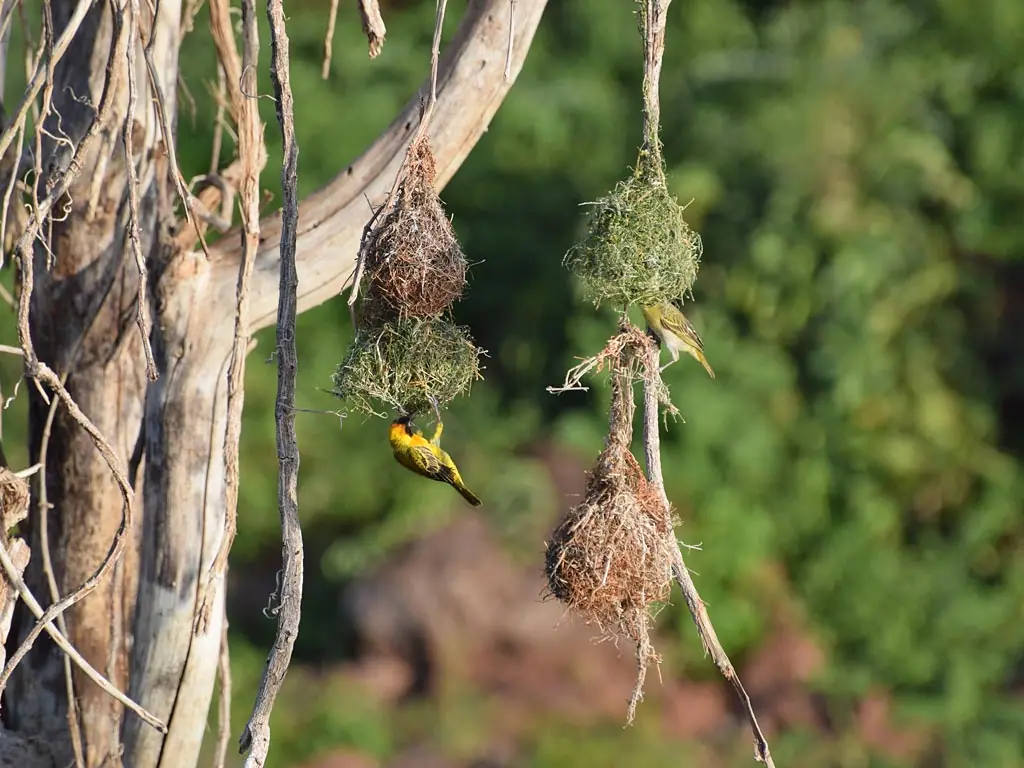
Drive through Kitui or Baringo and look up into the acacias. The dark cylinders lashed to the branches are not birds' nests; they are hives, hollowed from logs and hung by beekeepers whose families have done this for generations. Kenya's honey comes from dry country like this, from wildflowers and acacia blossom, and it is darker, stronger and more varied than most Americans have tasted.
The short answer: we arrange visits to community beekeeping groups in places such as Kitui, Baringo and the Tsavo area, built into a trip that is passing through. You see traditional log hives and modern top-bar hives, suit up if you want to get close, taste honey straight from the comb and buy from the people who made it. Near Tsavo, you can also see the beehive fences that Save the Elephants uses to keep elephants off farms. None of this is a fixed tour with a timetable, so we set it up with the group ahead of your dates.
Three kinds of hive
| Hive | How it works | Where you see it |
|---|---|---|
| Log hive | A hollowed log or bark cylinder, hung high in a tree; honey cut from the comb | Kitui, Mwingi, Baringo, West Pokot, the Mau forests |
| Kenya top-bar hive | A wooden box with removable bars; bees build comb down from each bar, so it can be lifted out | Community projects across Kenya, developed here in the 1970s |
| Frame hive (Langstroth) | Boxes with full frames, the hive used in the U.S.; higher yields, more investment | Commercial beekeepers and some cooperatives |
The log hive is the old way: cheap, made from local wood, and hung where bees will find it. Harvesting traditionally means climbing the tree, often at night when African bees are calmer, and using smoke. The Kenya top-bar hive was developed in Kenya in the 1970s as a cheap step up: it can be built by a local carpenter, lets the beekeeper lift out single combs without destroying the colony, and has spread across Africa. Seeing the two side by side explains a lot about how rural innovation works.
The beekeepers
Beekeeping in Kenya belongs to dry and forest country. Kamba families in Kitui and Mwingi have kept bees for generations, and honey was once part of bride wealth and ceremony. Pokot and Tugen beekeepers in West Pokot and Baringo produce some of Kenya's best-known honey, sold along the road near Marigat and Kabarnet. The Ogiek of the Mau forest are honey hunters and keepers whose whole culture is built around the forest and its bees. Today, community groups and cooperatives, many of them led by women, pool honey, process it and sell it to supermarkets, giving dryland families an income that does not need rain-fed crops.
Beehive fences: bees against elephants
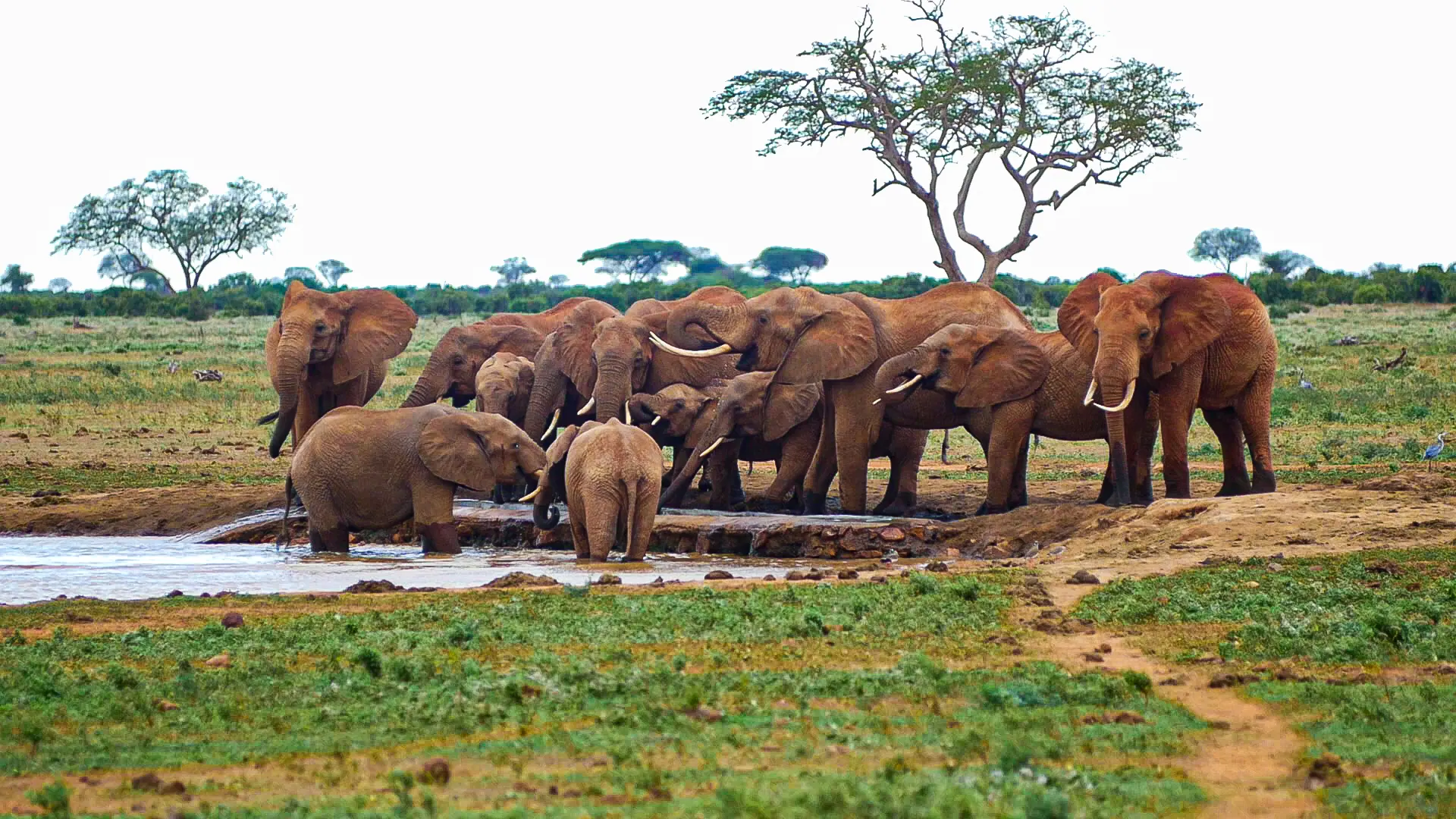
Elephants are afraid of bees. Stings around the eyes and inside the trunk hurt, and elephants learn to avoid the sound of an angry hive. Save the Elephants' Elephants and Bees Project, which began in Kenya, uses this: farmers hang hives every few yards on a wire around their fields, and when an elephant pushes the wire, the hives swing and the bees come out. Research by the project found that the fences turned away most elephant raids in trial farms, and the farmers sell the honey too. Their work in the Tsavo area, near Voi, is the place to see it. Visits depend on the project's own arrangements, so we ask well ahead.
What a visit is like
- Meet the group at their honey house or a member's farm, and hear how the group started and what the honey earns.
- See log hives in the trees and top-bar hives in an apiary, explained by the beekeepers.
- If you want to get closer, suit up in a veil and overalls and watch a hive being opened. Wear long trousers and closed shoes.
- Taste honey from different hives and flowers, and comb straight from a bar.
- See how honey is pressed, strained and bottled, and buy jars and beeswax products from the group.
African honeybees are more defensive than the bees most Americans know. Groups take care to keep visitors at a safe distance, but stings happen. Anyone with a known bee-sting allergy should stay well back or skip the apiary, and tell us in advance; carry your own epinephrine if you have been prescribed it. Avoid perfume, dark fuzzy clothing and sudden movements.
Buying real Kenyan honey
Roadside honey in Kenya ranges from superb to sugar syrup. Buy from groups and cooperatives you have visited, from shops run by named producers, or from supermarkets that carry certified brands. Real honey is thick, varies in colour with the season, and often crystallises in cool weather; very runny, uniformly pale honey sold cheap by the roadside may have been diluted. Check U.S. rules before you pack it: commercially sealed honey is usually allowed in checked bags, but declare food at customs.
Fitting it into a trip
- Tsavo: the beehive fences near Voi pair with Tsavo East or a stop on the Nairobi to Mombasa road or train.
- Baringo: honey from Marigat and Kabarnet fits a stay at Lake Baringo for birds and boat trips.
- Kitui and Mwingi: a detour east of Nairobi, good for study groups working on drylands and livelihoods.
- Agriculture tours: combine with coffee, tea and smallholder farms for a picture of Kenyan farming from wet to dry country.
Kenya Experience is Kenyan-led, with two U.S. companies behind it. Community groups are paid a fair hosting fee, set in advance, and the visit is priced into your trip. Pay in full or monthly with no deposit.