Planning a safari. Updated November 2026. 5 min read.
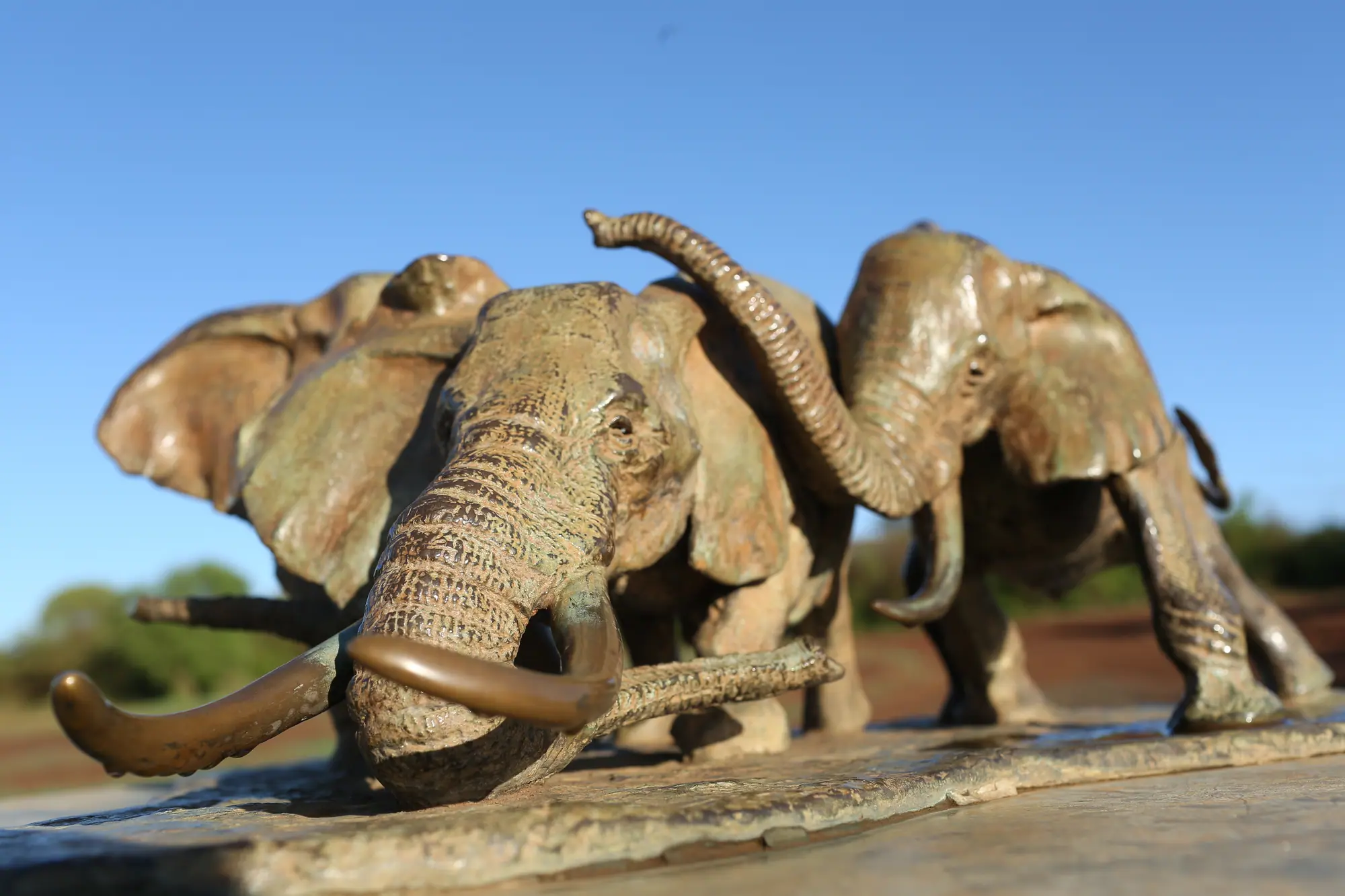
In July 1989, President Daniel arap Moi set fire to a pyramid of 12 tonnes of elephant tusks in Nairobi National Park. Kenya had lost most of its elephants in fifteen years, from more than 160,000 in the early 1970s to about 16,000, and the fire told the world that Kenya would rather burn its ivory than sell it. The organisation that came out of that crisis, the Kenya Wildlife Service, is the reason you can see elephants, rhinos and lions in Kenya today.
The short answer: the Kenya Wildlife Service (KWS) is the government agency that protects wildlife across Kenya and runs the national parks, such as Amboseli, Tsavo, Lake Nakuru and Nairobi, and the marine parks. It employs armed, paramilitary-trained rangers, enforces wildlife law everywhere in the country and is funded largely by the park fees you pay. Some of Kenya's best-known reserves are not run by KWS: the Maasai Mara belongs to Narok County, Samburu to the counties, and the conservancies to their landowners. This guide explains who does what, where your fees go, and what visitors can do to help.
A short history
Before 1989, Kenya's parks were run by a government wildlife department that was underfunded and, in places, compromised. Poachers with automatic weapons, some of them across the border from Somalia, were killing elephants and rhinos faster than they could breed; black rhinos fell from about 20,000 to a few hundred. In 1989 the government appointed the palaeontologist Richard Leakey to lead a new, semi-autonomous service, which was formally established in 1990. He armed and retrained the rangers, gave them authority to fight back against armed poachers, cleaned out corruption and won international funding. Kenya pushed hard for the 1989 global ban on the ivory trade under CITES.
Kenya burned ivory again many times, most famously in April 2016, when President Uhuru Kenyatta lit 105 tonnes of ivory and more than a tonne of rhino horn in Nairobi National Park, the largest stockpile ever destroyed. The Wildlife Conservation and Management Act of 2013 brought much tougher penalties for poaching and trafficking, and made room for counties and communities in conservation.
Who runs what
| Type of area | Examples | Who manages it | How fees are paid |
|---|---|---|---|
| National parks | Amboseli, Tsavo East and West, Lake Nakuru, Nairobi, Meru, Hell's Gate | KWS | eCitizen, by card or M-Pesa |
| Marine parks and reserves | Watamu, Malindi, Kisite-Mpunguti | KWS | eCitizen or at the office |
| County national reserves | Maasai Mara, Samburu, Buffalo Springs, Shaba | County governments; the Mara Triangle by the Mara Conservancy | At the gate or through your camp |
| Community and private conservancies | Mara conservancies, Ol Pejeta, Lewa, Laikipia ranches | Landowners and conservancy managers | Usually inside the camp rate |
| Everywhere | Wildlife outside protected areas | KWS enforces wildlife law nationwide | Not applicable |
Our guide to conservancies and national reserves explains why staying in a conservancy changes your safari; our park fees page lists every fee.
Rangers
KWS rangers are a uniformed, armed service trained at the KWS Law Enforcement Academy at Manyani in Tsavo, and the service's training institute at Naivasha teaches wildlife management. Rangers patrol on foot, in vehicles and from the air, run intelligence operations against trafficking networks, guard rhino sanctuaries, escort visitors on walks and respond to elephants and lions that stray into farms. They also staff the gates where your passes are checked. The work is dangerous: rangers are killed in the line of duty, and Kenya marks World Ranger Day each July.
Where your park fee goes
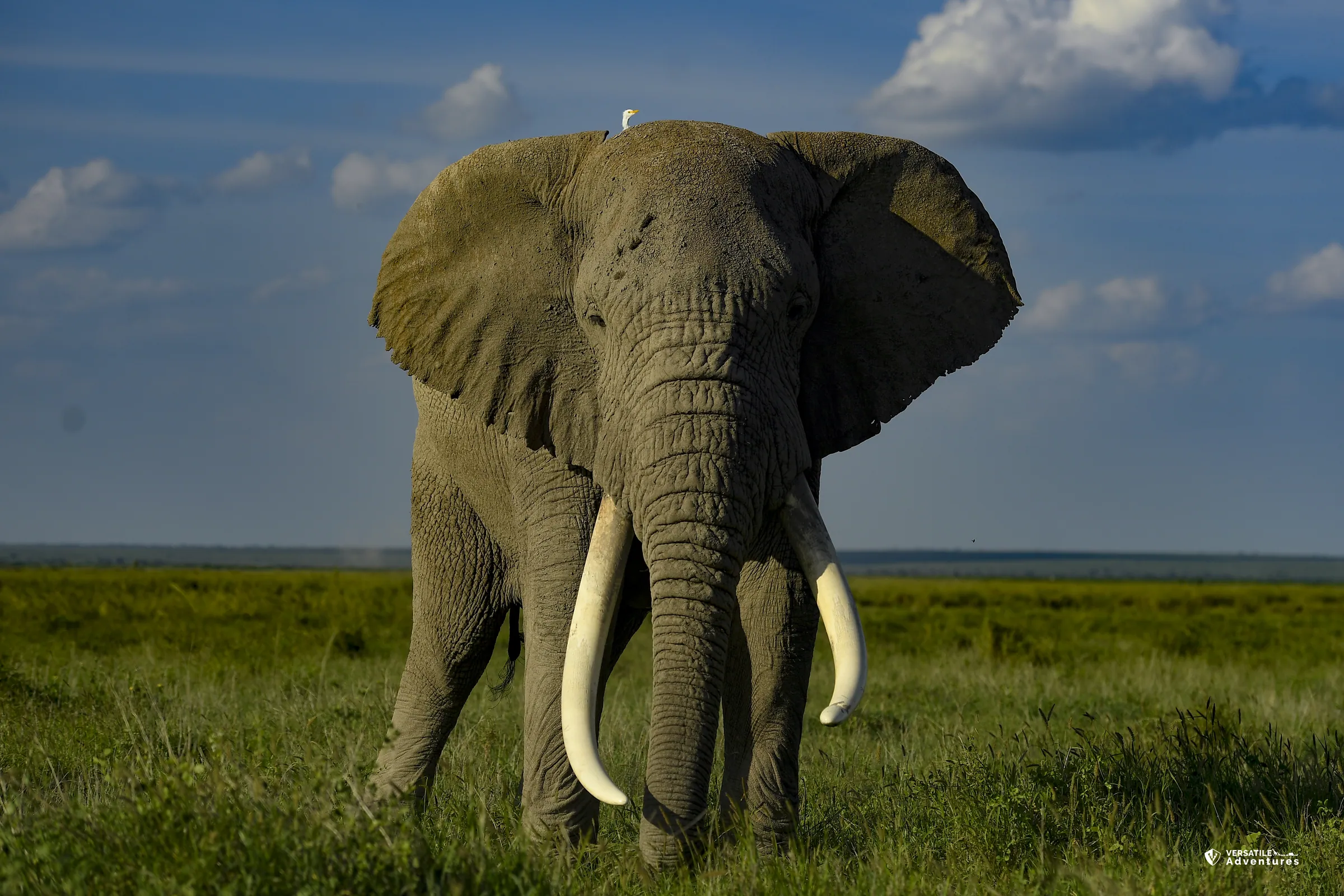
Park fees are KWS's main source of income. A few famous parks, Nairobi, Amboseli and Nakuru among them, earn far more than they cost, and they pay for the many parks that never break even: remote reserves in the north, forest parks and marine areas. Fees fund ranger salaries, vehicles and fuel, roads, rhino protection, veterinary teams and community programmes. In October 2025 KWS raised its fees for the first time in about eighteen years; non-resident adults now pay $90 a day in Amboseli and Lake Nakuru and $80 in Nairobi National Park and Tsavo, at the time of writing. Kenyan citizens and residents pay much less, in shillings.
Is it working?
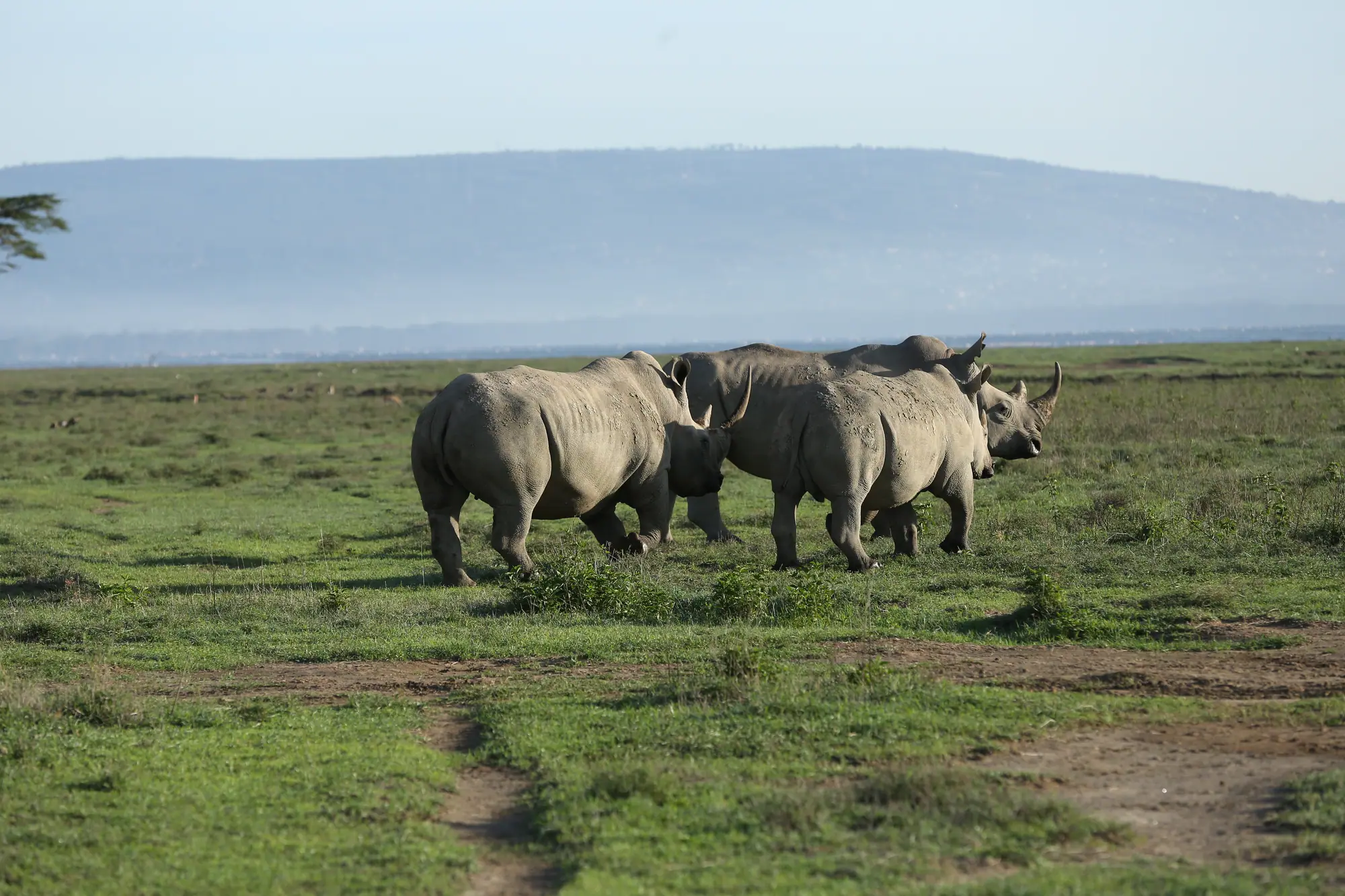
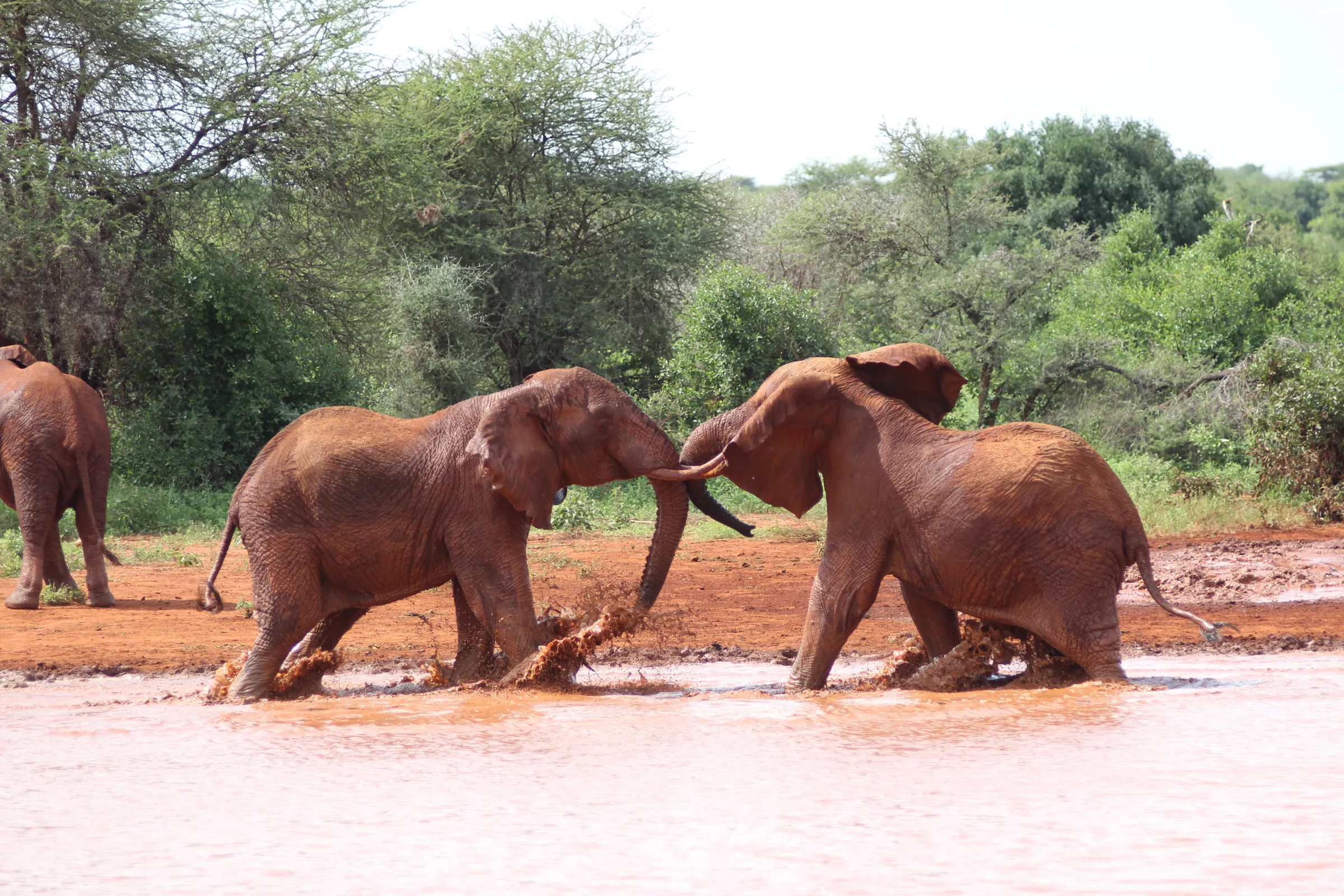
Mostly, yes, and the numbers are among the best in Africa. Kenya's 2025 national wildlife census counted about 42,000 elephants, up from 36,280 in 2021 and from about 16,000 in 1989. Rhinos numbered about 2,100 in 2024, according to Kenya's Economic Survey, with black rhinos passing 1,000, and KWS reported no rhinos poached for several years running up to 2025. Giraffe numbers rose too. The same census brought bad news: cheetahs and rangeland buffalo fell sharply, and many water birds declined. The threats have changed from poaching to land: farms, fences and roads cutting up the open country animals need, and conflict between people and wildlife. About two-thirds of Kenya's elephants live outside protected areas.
Community conservation
That is why conservancies matter. Since the 2000s, Maasai, Samburu and other landowners have leased land for wildlife and tourism in return for regular income, under arrangements recognised by the 2013 Act. Conservancies now protect more land for wildlife than the national parks in some regions. KWS works alongside them, along with non-profits such as the Mara Elephant Project and Save the Elephants and the counties that run reserves. Our sustainable travel page explains how we choose camps that pay into this system.
What visitors can do
- Pay park and conservancy fees in full and on the official systems; they are the funding.
- Stay on the tracks in national parks, and do not let a driver go off-road where it is not allowed.
- Do not post the location of rhinos online; poachers read social media.
- Leave drones at home unless you have the right permits.
- Never buy ivory, horn, shell, skins or any wildlife product.
- Thank the rangers at the gate. It costs nothing and it matters to them.
Kenya Experience is Kenyan-led, with two U.S. companies behind it. We are not part of KWS and do not speak for it; we pay every fee your trip owes, include them in your quote, and tell you where the money goes. Pay in full or monthly with no deposit.