Planning a safari. Updated November 2026. 5 min read.
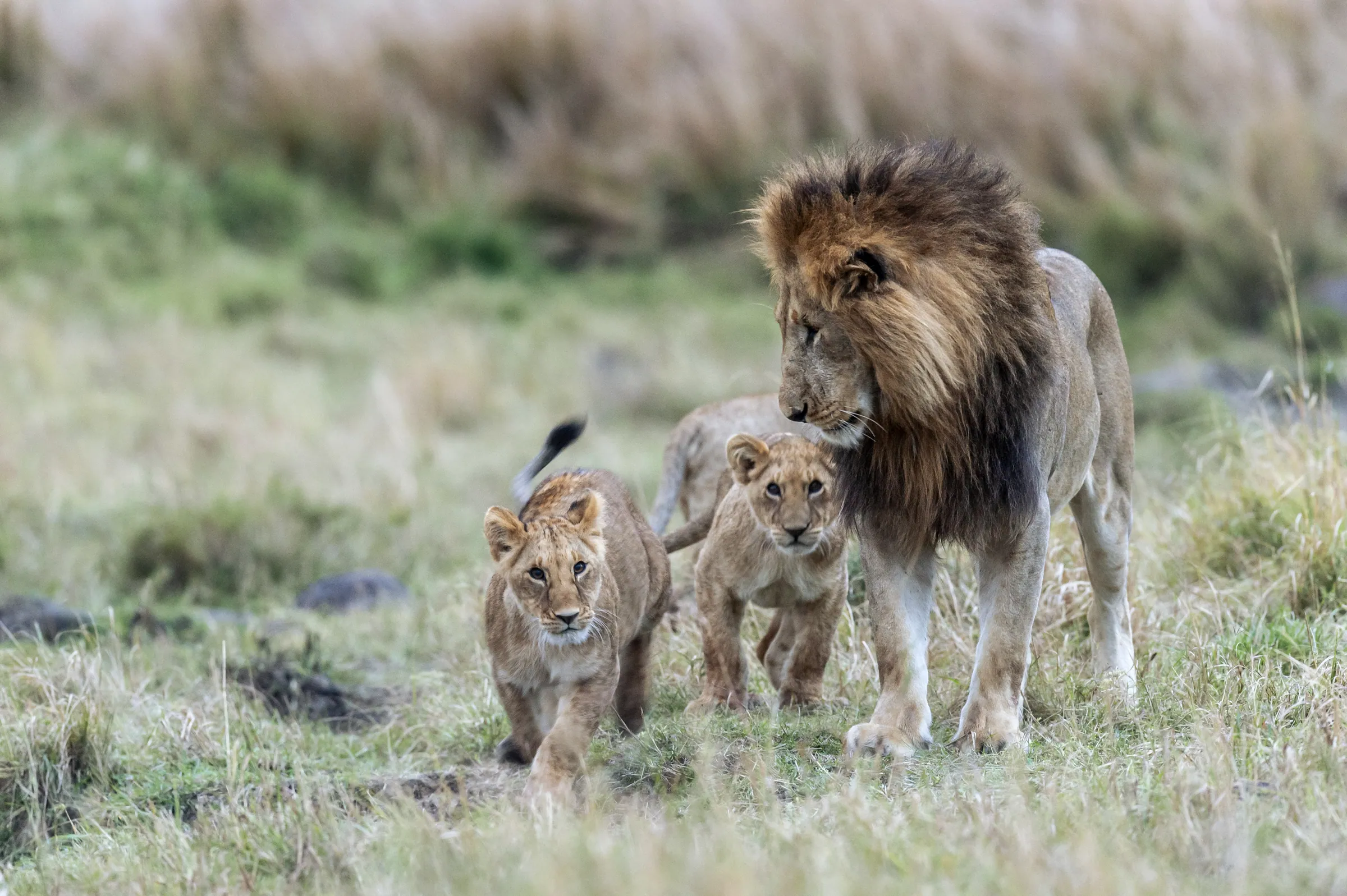
Somewhere on the internet there is a photo of a smiling tourist holding a lion cub in Africa. It looks like love. Behind it, in most cases, is a breeding operation that takes cubs from their mothers so tourists can hold them, then uses the grown lions for walking tours, and sells them on when they are too big to handle. Kenya does not have the cub-petting industry that some countries do, but the same logic shows up in other forms, and it is worth knowing how to spot it.
The short answer: in Kenya, the most ethical way to see wildlife is in the wild, in national parks and community conservancies, with a good guide who keeps a respectful distance. Avoid anything that lets you touch, ride, feed or pose with wild animals, unless trained keepers at a genuine rescue project control the contact. Support places whose work you can check, such as the Sheldrick elephant nursery, the Giraffe Centre and accredited sanctuaries. And never visit a children's orphanage as a tourist. Below is the full list, a test you can apply anywhere, and the commitments we hold ourselves to.
What to avoid
- Lion cub petting and walking with lions or cheetahs. Captive predators bred for contact are not rehabilitated for release, whatever the brochure says.
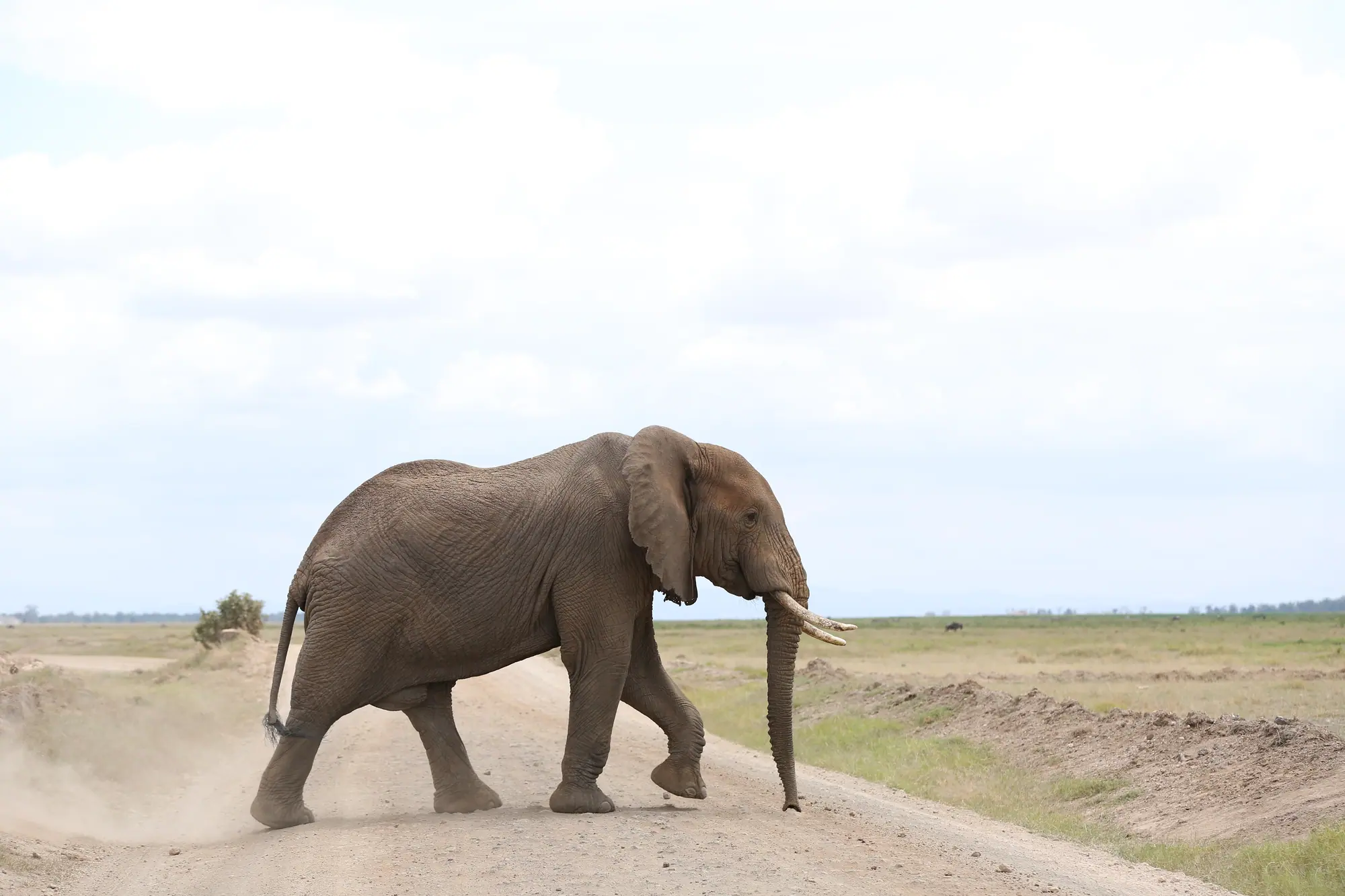
- Elephant rides. Elephants are not ridden in Kenya, and any offer to ride one anywhere involves breaking a wild animal's will.
- Wildlife selfies: holding a chameleon, a snake, a baby monkey or a tortoise for a photo on the beach or by the road. These animals are caught for the purpose.
- Swimming with captive turtles or dolphins in pens, and dolphin trips that chase pods. Watch from the boat and let the animals come or go.
- Feeding wild animals, from monkeys at the lodge to fish on the reef. It changes behaviour and leads to animals being killed as pests.
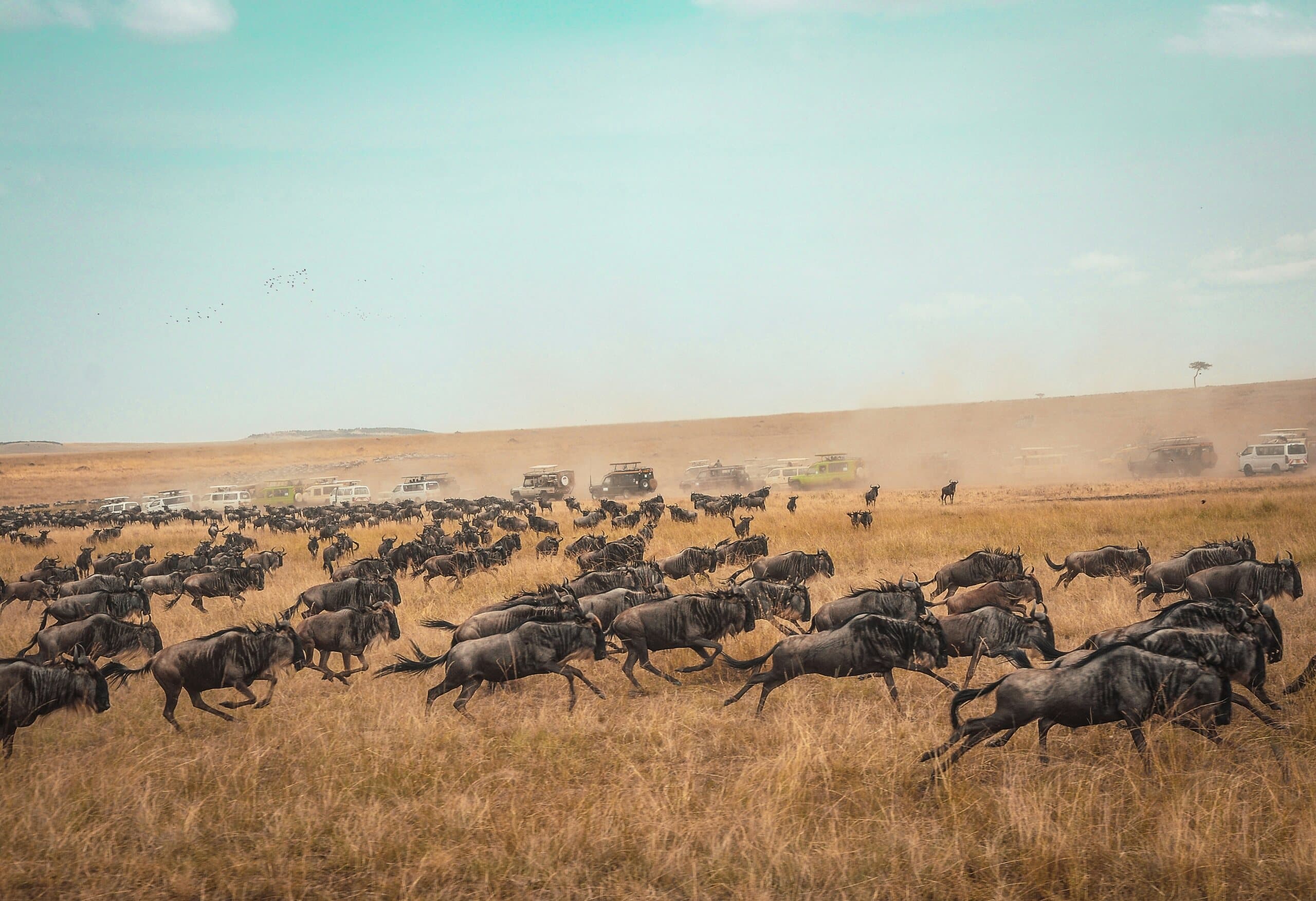
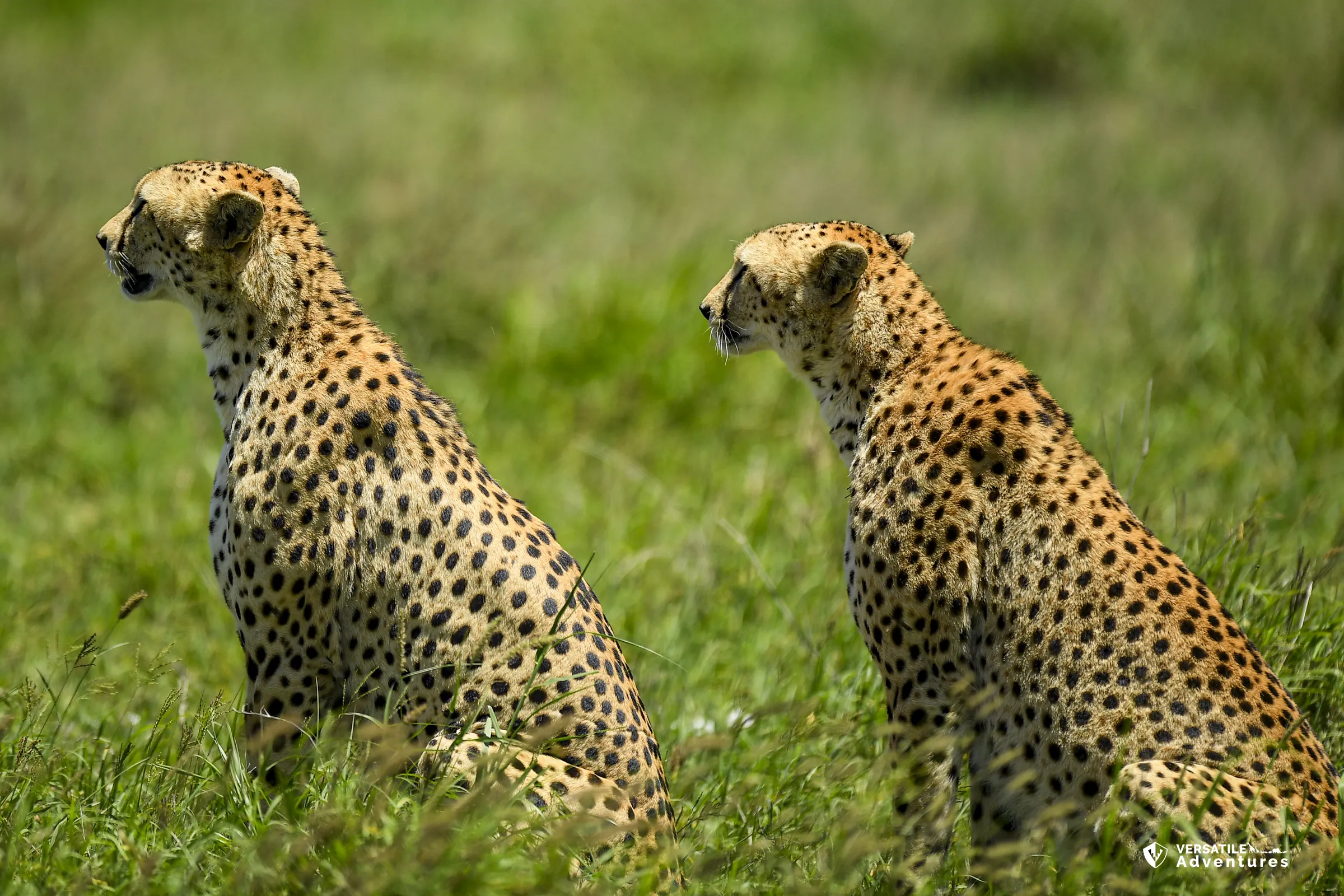
- Off-road crowding at sightings: ten vehicles circling a cheetah on a hunt, or drivers cutting in front of a river crossing. In the Mara reserve this breaks the rules.
- Drones without permits, near animals or over people. Our drones page explains Kenya's rules.
- Wildlife souvenirs: ivory, horn, shell, skins, coral and anything made from them. Buying them is illegal and creates the market.
- Orphanage visits that breed animals for display, or that let the public bottle-feed and handle young animals at will.
Children's orphanages: a separate, firm rule
Many well-meaning groups ask to spend a day at a children's home. We say no. Short visits by rotating strangers harm children who have already lost stable adults, demand for visits creates demand for institutions, and the international child-protection consensus, which Kenya's government shares, is to keep children in families. Our story on why we do not visit orphanages explains what we do instead, from projects chosen by the host community to a written safeguarding policy.
What is fine, and why
| Experience | Why it passes | What to check |
|---|---|---|
| Sheldrick elephant nursery, Nairobi | Orphans are raised for release into Tsavo; keepers control contact; one public hour a day | Book directly with the Trust |
| Giraffe Centre, Nairobi | Conservation and free school education; giraffes walk away when they choose | Feed pellets only, from your palm |
| Ol Pejeta's northern white rhino visit | Keeper-led, time-limited, funds protection | Booked through the conservancy |
| Sweetwaters Chimpanzee Sanctuary | Lifelong care for chimps rescued from the trade; viewed from a distance | No contact with the chimps |
| Local Ocean Conservation, Watamu | Turtle rehabilitation and community bycatch release | Hatchlings are never handled by visitors |
| Colobus Conservation, Diani | Rescue, rope bridges and forest protection | No feeding, ever |
| Community conservancies | Fees go to the landowners who keep land open for wildlife | Ask how the fee is shared |
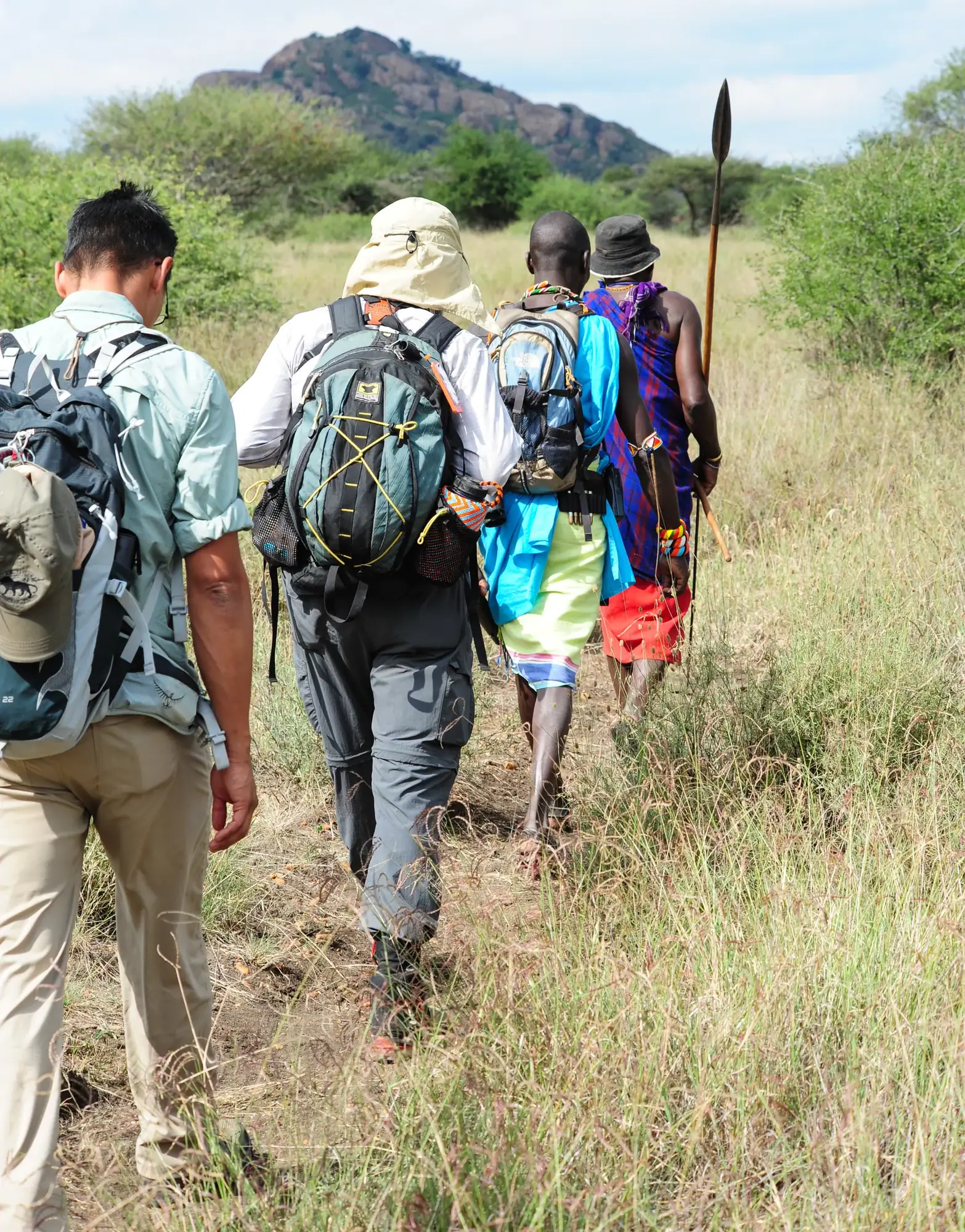
| Walking safaris with qualified guides | Small groups, on foot, on the animals' terms | Guide's qualifications; group size |
How to tell the difference
- Who chooses the contact? If the animal can walk away and the contact is on its terms, that is a good sign. If it is held, chained, sedated or penned for you, walk away.
- Is there a release plan? Real rescue centres explain where their animals go next. Places that only grow their collection are businesses.
- Are there babies on display all year? Constant young animals usually mean breeding for visitors.
- Where does the money go? Look for published accounts, a named organisation and conservation work you can read about independently.
- Who runs it? Kenya Wildlife Service licenses animal facilities; a good place will tell you about its permits and its vets.
- Would a good guide take you? Ask yours. Kenyan guides know which places are honest.
On safari: the ethics of the game drive
Most of the ethical choices on a Kenya safari happen in the vehicle. Ask your guide to keep a sensible distance, switch off the engine at sightings, wait their turn when other vehicles are present, and leave when an animal shows stress. Keep voices down, never call or bang on the vehicle to make an animal look up, and do not share rhino locations online. Our game drive etiquette guide covers the details. If your guide is pressured to break the rules for a tip, that is a problem with the tip, not the guide.
Fees and tips: the honest money
Conservancy fees are the clearest ethical spending on a safari: they pay Maasai and Samburu landowners to keep land for wildlife, fund rangers and support schools. Park fees fund Kenya Wildlife Service and the counties. Tips matter too. Guides, trackers and camp staff earn a large share of their income from them, and fair tips reward the guide who kept a respectful distance rather than the one who drove into a cheetah's path. Our tipping guide gives the amounts, from $40 to $50 per vehicle per day for a private driver-guide.
Our commitments
- No animal rides, cub petting, captive predator walks or wildlife selfies on any trip.
- No children's orphanage visits, ever.
- Conservancies and community-run reserves where they fit, not crowded viewing lines.
- Locally owned lodges, guides and drivers wherever we can.
- A briefing on etiquette and photography before you land.
- Park and conservancy fees included in every quote and listed line by line.
Kenya Experience is Kenyan-led, with two U.S. companies behind it. Our sustainable travel page sets out the six commitments that apply to every trip. Pay in full or monthly with no deposit.