Study in Kenya. Updated November 2026. 6 min read.
Kenya is where conservation stops being a lecture. In two weeks a class can stand where Kenya burned its ivory stockpile, walk a transect with rangers on a rhino conservancy, read the identification files of Samburu elephants and sit with Maasai landowners who decide whether wildlife pays its way on their land. This page is for the professor or program office building that course: what students learn, where they learn it, a sample two-week outline, the permits, the safety plan and what it costs.
The short answer: a strong conservation program in Kenya runs 12 to 16 days and moves through four very different systems: a national park on the edge of a capital city, a private conservancy built around rhinos, the semi-arid north, and the community conservancies around the Maasai Mara. We design the route around your learning outcomes, arrange field days and guest lectures with the organizations that do the work, and run the vehicles, camps, meals and safety. If students will collect data, the program needs a NACOSTI research licence, and we plan for it from the first draft.
Who it is for
- Wildlife biology, ecology and environmental science departments running a January term, May term or summer field course
- Environmental studies and policy programs that want to see how conservation is governed, funded and contested
- Graduate classes and research groups that need ground logistics around fieldwork
- Study-abroad offices comparing a custom faculty-led course with an established semester provider
What students learn
- How Kenya's protected areas are governed: national parks under the Kenya Wildlife Service, county-run reserves such as the Maasai Mara, and private and community conservancies
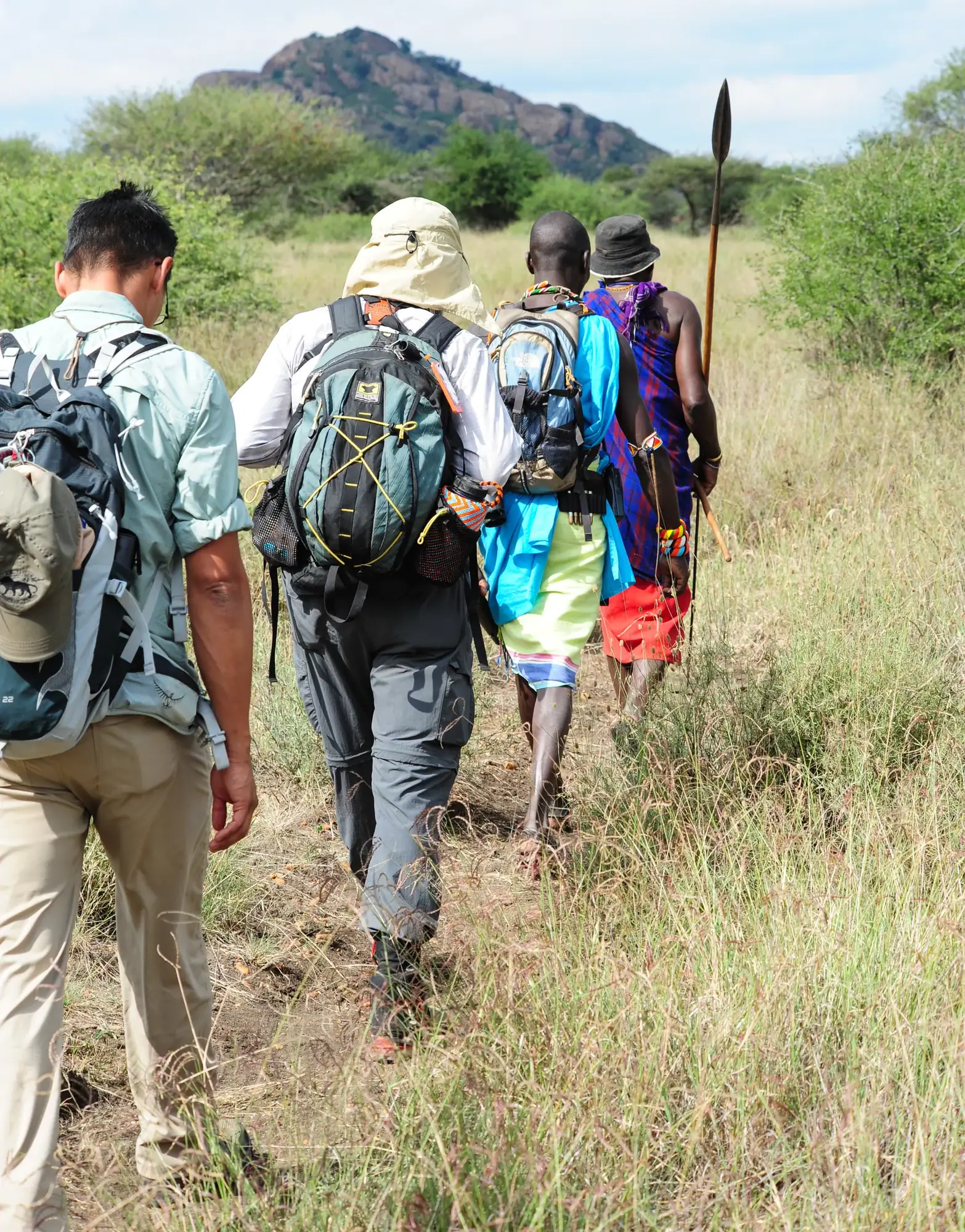
- Field methods: line transects and road counts, camera trap placement and image tagging, individual identification of elephants and rhinos, and basic GPS and data handling
- Human-wildlife conflict: crop raiding, livestock losses to predators, compensation, and the tools that reduce it, from predator-proof bomas to early-warning systems
- Conservation finance: park fees, conservancy lease payments to landowners and the role of tourism, including what happens when tourism falls
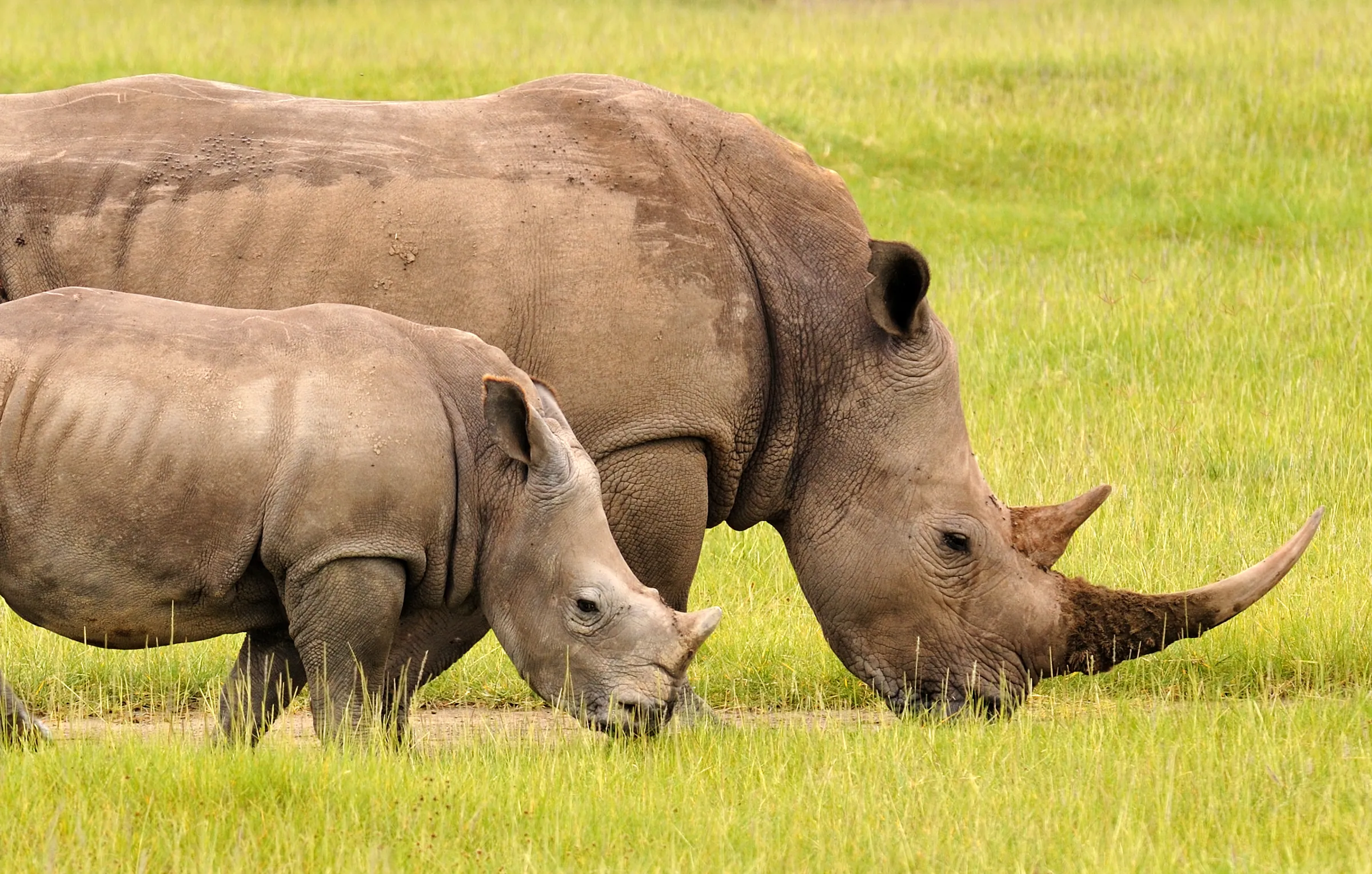
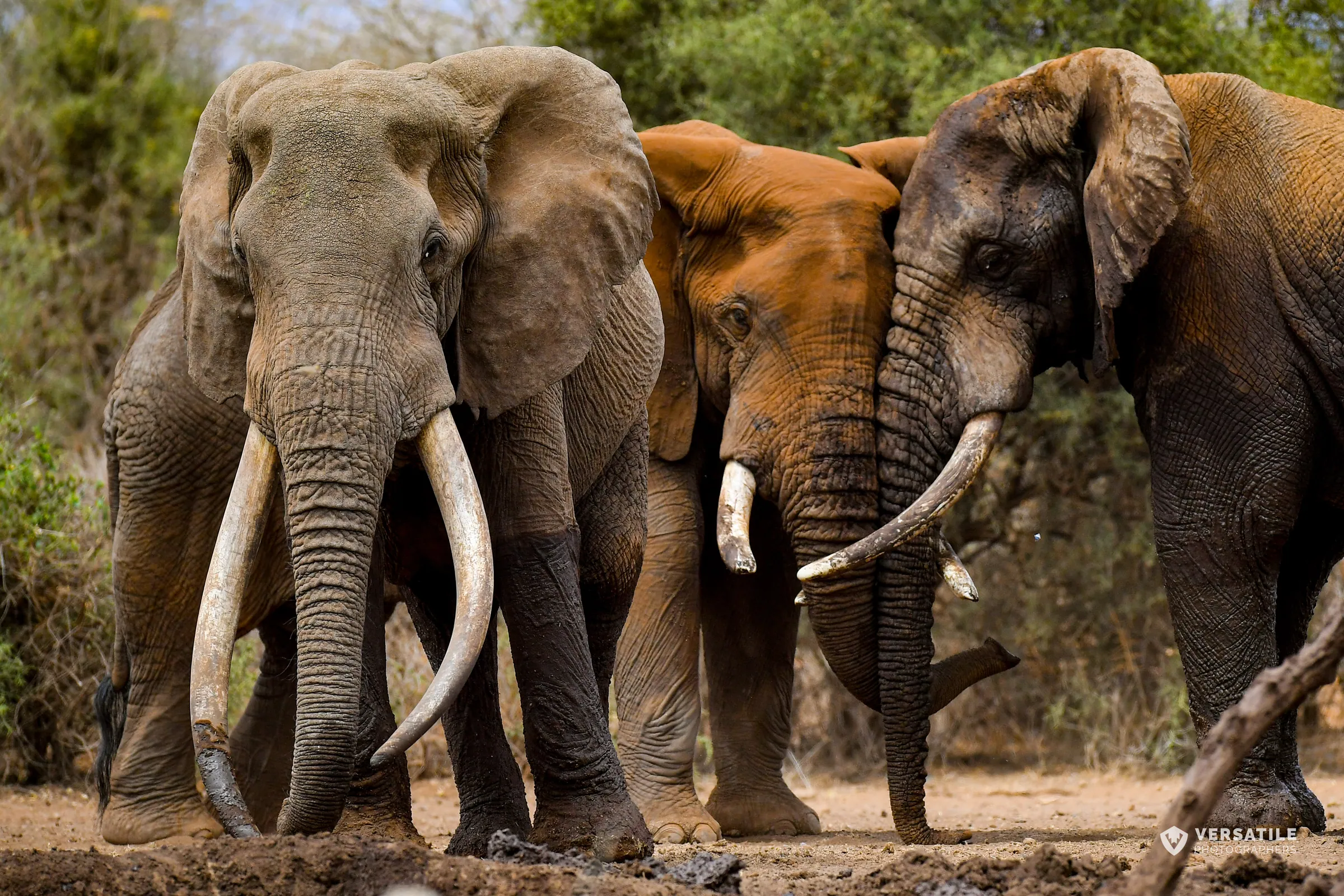
- Endangered species management, from rhino security to the last two northern white rhinos at Ol Pejeta
- How to work ethically with communities whose land and livelihoods are at stake
Sites and organizations, by type
These are the kinds of places a conservation course in Kenya is built from, with examples of the organizations whose work students usually meet. None of them is a standing partner of ours. We approach the right ones for your syllabus, and every site visit, lecture and field day is confirmed in writing before it goes into your proposal.
| Type | Examples | What students do |
|---|---|---|
| National park | Nairobi National Park, beside the Kenya Wildlife Service headquarters | A KWS briefing on parks and policy, a game count, the 2016 ivory burn site |
| Rhino conservancies | Ol Pejeta Conservancy and its conservation department; Lewa Wildlife Conservancy | Ranger and rhino monitoring talks, road transects, the northern white rhinos |
| Research station | The Mpala Research Centre in Laikipia | Lectures from resident scientists, camera traps, savanna ecology |
| Species research | Save the Elephants in Samburu | Elephant identification, collar data, reducing conflict with farmers |
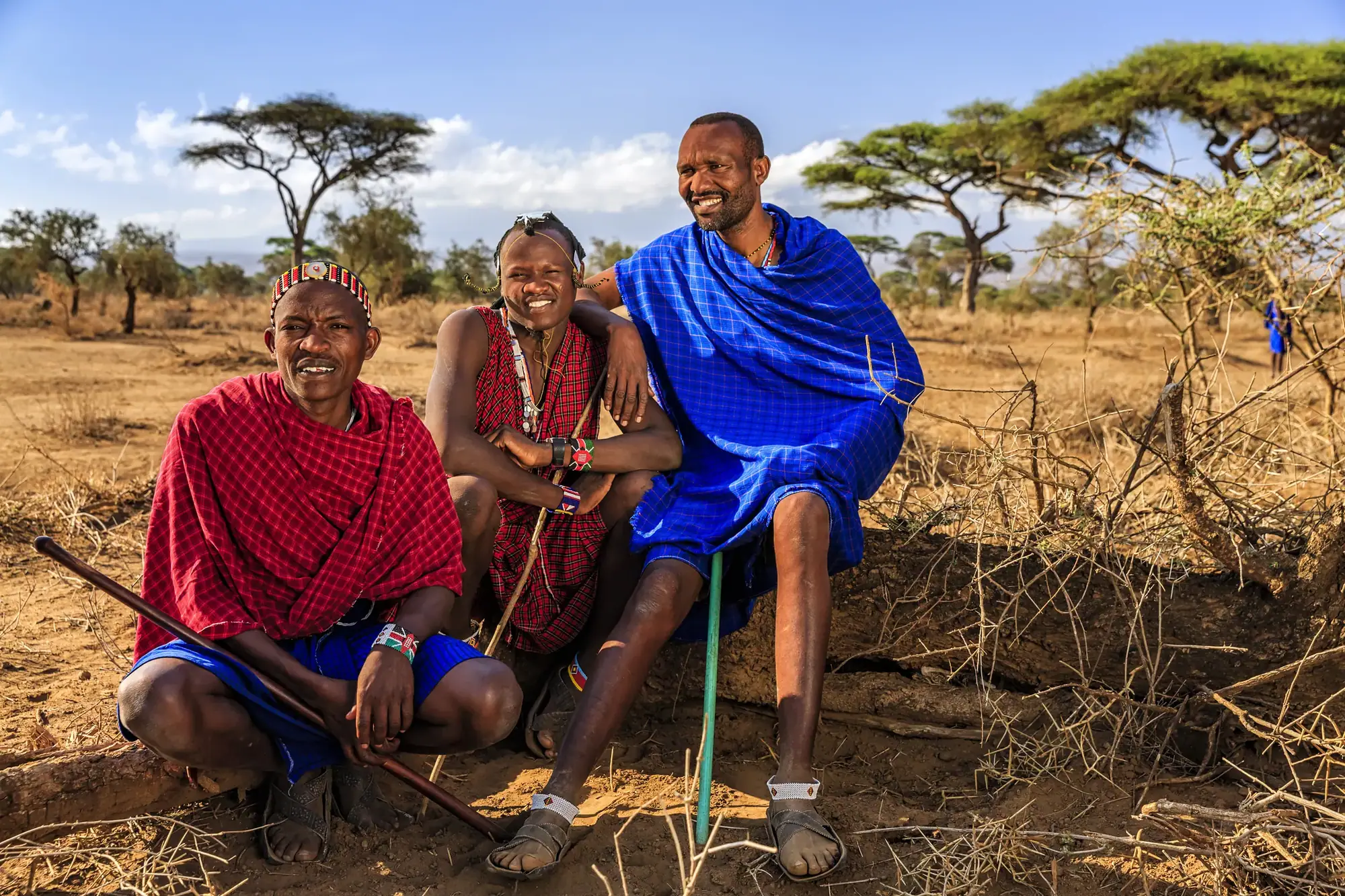
| Community conservancies | The conservancies around the Maasai Mara | Land leases, grazing plans, predator-proof bomas, time with landowners |
| Kenyan universities | Wildlife and environment departments in Nairobi and beyond | Joint sessions and guest lectures with Kenyan students |
The established precedent is the School for Field Studies, which runs a Kenya center for wildlife management studies where semester students live at a field camp. If your institution wants a full semester with a provider, SFS is the model to compare. If you want your own two-week course, taught by your faculty, that is what we build.
A sample two-week outline
| Day | Where | Learning |
|---|---|---|
| 1 | Nairobi | Arrive at JKIA, transfer, welcome dinner |
| 2 | Nairobi | Orientation and safety briefing; Kenya's conservation history; Nairobi National Park and the ivory burn site |
| 3 | Nairobi to Laikipia | Morning lecture with a Kenyan university or KWS speaker; drive about 3 to 4 hours to Nanyuki |
| 4 to 5 | Ol Pejeta | Rhino protection and monitoring, a road transect and data session, the chimpanzee sanctuary and the northern white rhinos |
| 6 | Laikipia | Research station day: savanna ecology lecture, set camera traps |
| 7 | Laikipia to Samburu | Collect and tag camera trap images; drive about 2 to 3 hours north to Samburu |
| 8 to 9 | Samburu | Elephant identification and behavior, dry-country species, a community conservancy and human-elephant conflict |
| 10 | Samburu to the Mara | Fly to the Mara, usually with a connection; afternoon orientation |
| 11 to 13 | Mara conservancies | Conservancy governance, landowner meetings, predator-proof bomas, a conflict survey if licensed, final game drives |
| 14 | Nairobi | Fly to Wilson Airport, student presentations, evening departure |
Two notes on the shape. Laikipia before Samburu keeps road days short, and finishing in the Mara gives students the most wildlife at the point when they understand what they are looking at. From July to October the Mara is at its busiest with the migration; a January or May term is quieter and cheaper, and the conservancies teach just as much.
Ethics and permits
Observation and lectures need no research licence. Data collection does. If students will run surveys, interview residents, collect samples or produce data for a thesis or publication, the project needs a licence from NACOSTI, Kenya's National Commission for Science, Technology and Innovation. Since October 1, 2026 the fee is $300 for foreign undergraduates, $400 for master's students and $500 for doctoral students, and work inside parks can also need a Kenya Wildlife Service research permit. Processing takes weeks to months, so start at least six months before fieldwork; our research permits page sets out the process.
The ethical rules are simple and we hold to them. Students do not handle, dart or collar wildlife; that is work for KWS vets and licensed researchers. Conflict surveys are run with consent, through a local host, and results go back to the community that gave its time. Photographs of people need permission. Community and conservancy fees are agreed in advance and paid directly.
Safety and logistics
Before you book, check the current U.S. State Department advisory for Kenya and confirm your travel insurance covers your route, and allow time for any approval your university needs for international travel. On the ground, students travel only in our vehicles with our drivers, walk only with armed rangers or trained guides, and stay in camps vetted for groups. Every program has a written emergency plan, 24-hour staff and medical evacuation cover, and the light aircraft legs mean one soft bag of 15 kg per student. Malaria prevention matters in Samburu and the Mara. Our school trip safety page sets out supervision and medical protocols in full.
What it costs
Faculty-led programs in Kenya commonly run about $3,500 to $6,500 per student for two to four weeks on the ground, excluding international airfare. In a conservation course the biggest variables are conservancy fees and light aircraft legs: driving more and flying less brings the price down, and twin or triple rooms help. Every proposal we send is itemized.
| Item | Guide figure | Notes |
|---|---|---|
| Ground program, 2 to 4 weeks | About $3,500 to $6,500 per student | Lodging, meals, vehicles, fees and staff; quoted per program |
| International flight | About $900 to $1,600 round trip | From New York; more in peak months |
| Maasai Mara student fee | $50 a day | With an institution letter and about two weeks' notice |
| NACOSTI research licence | $300 for an undergraduate licence | Only if the program collects data |
| Kenya eTA and inbound health insurance | $30 plus $44 | Per traveler, bought online before departure |
How this page fits with our other guides
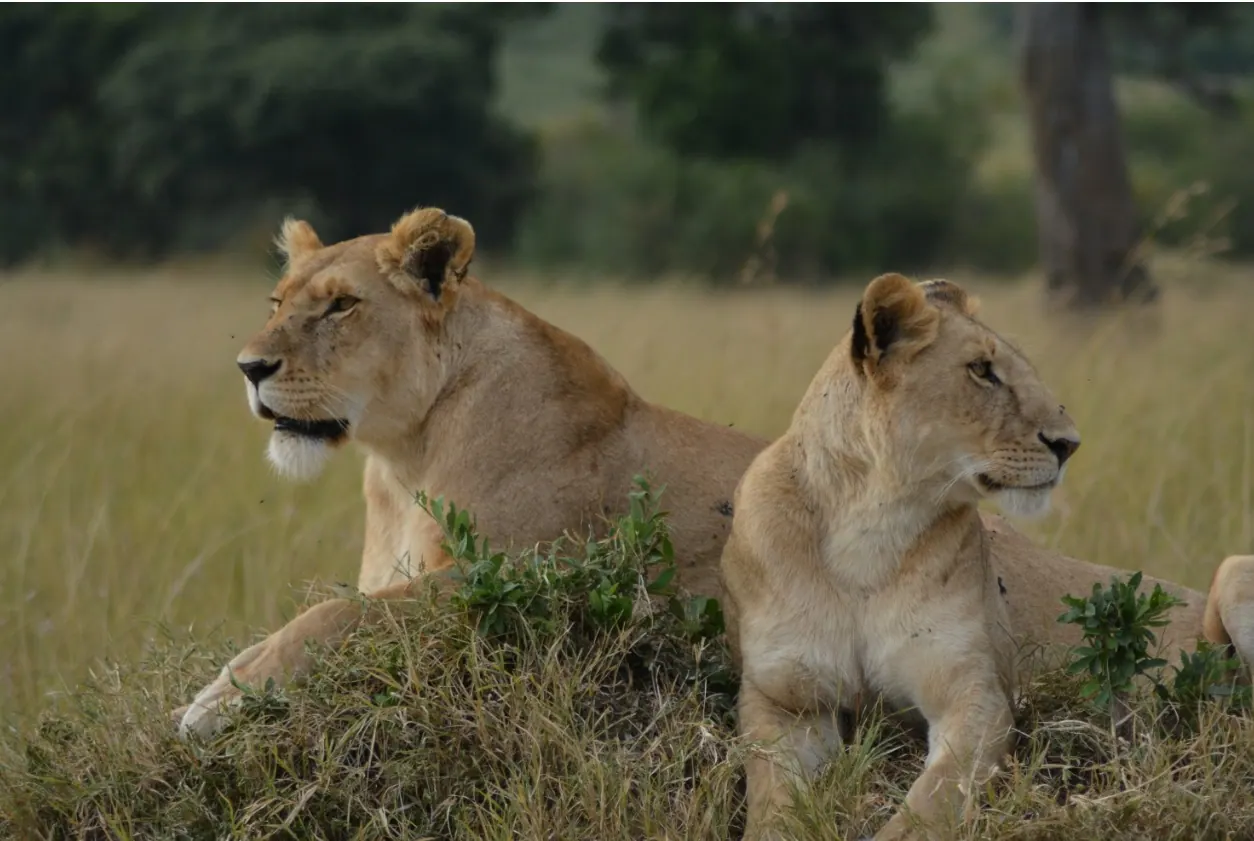
For how the Mara conservancies themselves work, the leases, the camps and the rules, read our conservancies guide; for Ol Pejeta's rhinos and chimpanzees as a visitor, see the park page. This page is about building a course around them.
Next step
Send us your syllabus or learning outcomes, likely dates and numbers. We reply with a draft route, the organizations we would approach, a permit plan if you need one and an itemized per-student budget. Students can pay in full or monthly, with no deposit.