Experiences. Updated November 2026. 4 min read.
Thirty years ago, an avocado tree on a Kenyan farm was something you fed the pigs from. Today a Hass avocado from Murang'a can be in a supermarket in Europe, the Gulf or China within weeks, and Kenya ranks among the world's top three macadamia producers. Both crops grow mostly on small family farms on the slopes of Mount Kenya and the Aberdares, and a day on one of them is one of the clearest lessons in modern African agriculture you can get.
The short answer: there is no ticket booth for these farms. We arrange visits with smallholder farmers and cooperatives in Murang'a, Kiambu, Embu and Meru, usually as part of an agriculture study tour or a day out from Nairobi or Mount Kenya. You walk the orchard with the farmer, see how the crop is grown, picked and sold, talk money honestly, and share lunch. Large processors exist too, but whether they take visitors depends on the company and the season, so we never promise a factory until it is confirmed.
Why these crops matter
Kenya's farm exports were built on tea, coffee and flowers. Macadamia and avocado are the new wave, and both suit the same cool, rainy highlands. For a family on an acre or two, a few dozen trees can earn more than maize, need less labour once established and survive dry spells better. The money has transformed some villages and created new problems in others: theft of nuts and fruit at night, middlemen buying unripe fruit at the farm gate, and price swings driven by markets thousands of miles away. Visitors hear all of it.
| Macadamia | Hass avocado | |
|---|---|---|
| Main counties | Embu, Meru, Murang'a, Kiambu, Kirinyaga | Murang'a, Kiambu, Meru, Embu, Nyeri |
| Who grows it | Mostly smallholders selling to processors | Smallholders, often through cooperatives, plus large estates |
| Harvest | Nuts drop and are gathered; timing varies by altitude | Seasons vary by area; export harvests are regulated to stop unripe picking |
| Where it goes | Cracked and processed in Kenya, exported as kernels | Fresh to Europe, the Middle East and Asia; oil from lower grades |
| Visitor sees | Orchards, drying, sorting, a cracking line if a processor hosts | Orchards, picking, grading, a packhouse if one hosts |
A farm day
- Morning drive from Nairobi up the Thika Road into Murang'a or Kiambu, an hour and a half or so, past pineapple estates and coffee.
- Welcome from the farmer and family, with tea, then a walk through the orchard: grafting, spacing, pruning and pests explained by the person who does it.
- Picking or gathering, if the season allows, and a look at how fruit or nuts are sorted for sale.
- The economics: what a kilo earns, who buys it, what inputs cost and what happens when prices fall. Bring questions; farmers are frank.
- A visit to a cooperative collection centre or, when confirmed, a processor's packhouse or cracking plant.
- Lunch cooked on the farm, often with avocado in everything, then the drive back or on to Mount Kenya.
The processors
A handful of large companies buy, process and export much of the crop. Kakuzi, a listed company with estates near Makuyu in Murang'a, grows avocados and macadamia on a large scale; Privamnuts processes macadamia; Olivado makes avocado oil from fruit bought from Murang'a smallholders. They are named here for context: whether any of them hosts a visit depends on their policies and the season, and we only include a processor visit when it is confirmed in writing. A smallholder farm day stands on its own without one.
What to bring and wear
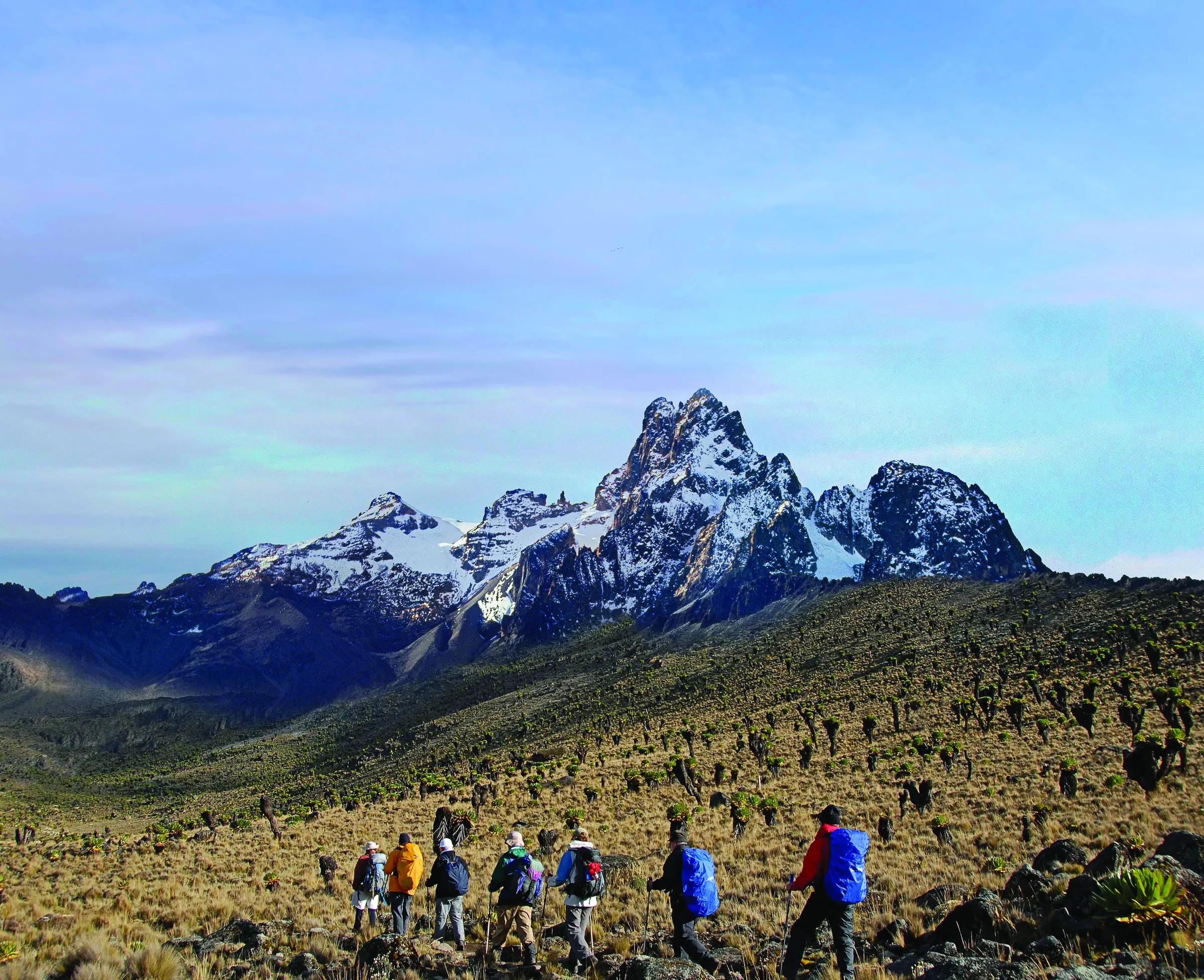
Orchards are on slopes, and the red soil turns to slick mud after rain, so bring boots or closed shoes with grip, long trousers, a hat and sunscreen. Mornings in the highlands are cool, at 1,300 to 1,800 m, so carry a layer. Bring a notebook, and a small amount of shillings if you want to buy fruit or nuts from the farm. Ask before you pick anything from a tree: every fruit is someone's income.
For study tours
These farms are a rich case study for agriculture, business and development students: value chains from farm gate to European supermarket, cooperatives and contract farming, the role of export regulation, certification for overseas buyers, climate adaptation on small plots and the arrival of Chinese demand. A good programme pairs a smallholder, a cooperative and, where possible, an exporter, and ends with students presenting what they learned to their hosts. Our agriculture programmes page explains how we build these courses with Kenyan universities and farmers.
Fitting it in
- From Nairobi: a long day trip to Murang'a or Kiambu.
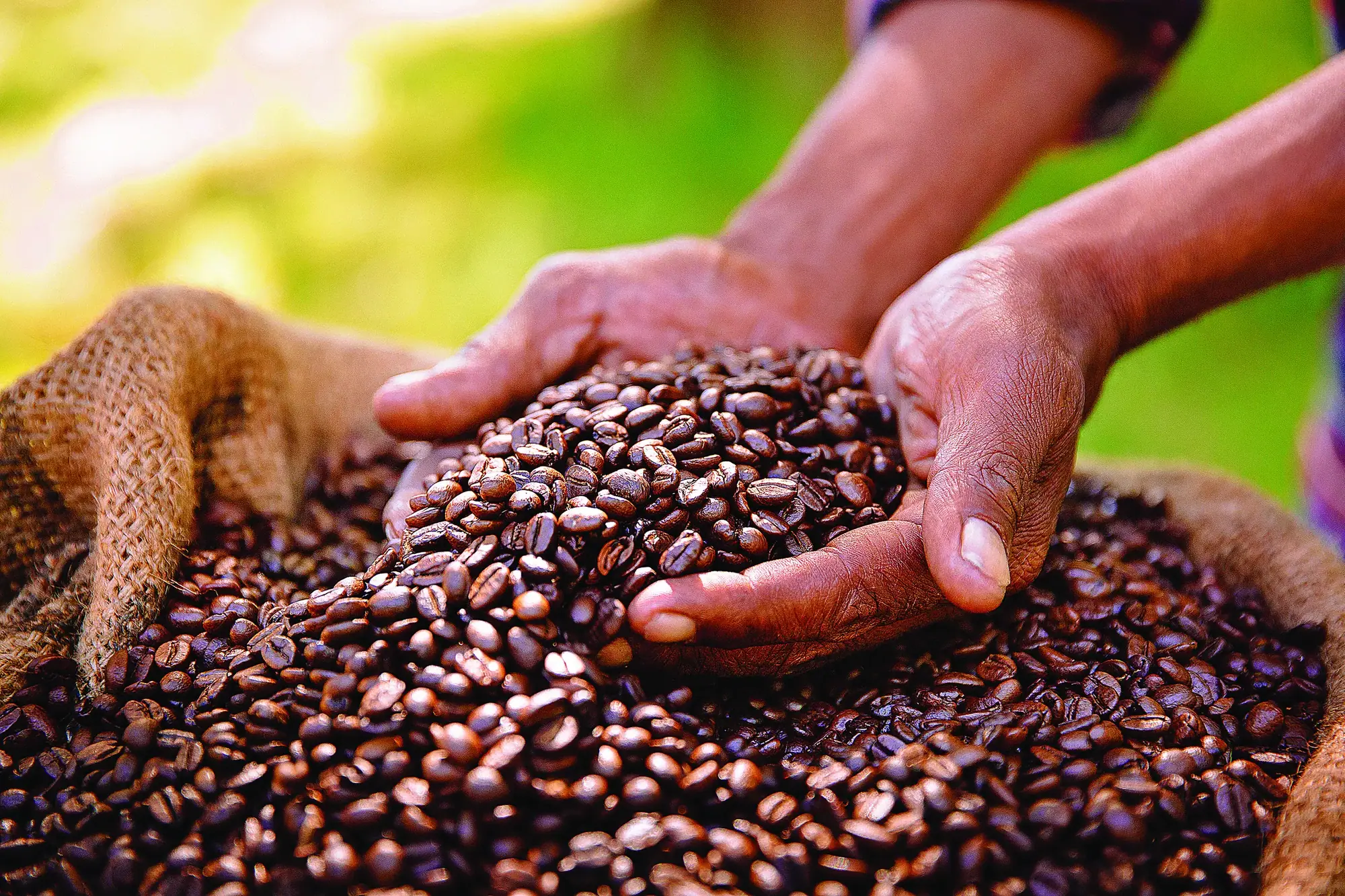
- With coffee: many farms in Kiambu, Murang'a and Nyeri grow coffee too; see our coffee farm page.
- With tea: combine with a tea estate morning in Limuru or the Aberdare slopes; see our tea estates page.
- With Mount Kenya: Embu and Meru farms sit on the road to the mountain and to Meru National Park.
- With flowers: an agriculture tour can add Naivasha's flower farms on the way to the Rift Valley.
Doing it fairly
Farmers give up a day of work to host you. We pay each host an agreed fee in advance, keep groups small enough to fit around a kitchen table, and ask before photographing people, homes or children. Buy produce if it is offered, but do not hand out cash or gifts unprompted; if your group wants to give back, we can help you do it through the cooperative. Our smallholder farm page covers the ethics of farm visits in more detail.
Kenya Experience is Kenyan-led, with two U.S. companies behind it. Farm days are priced into your trip with a driver and guide, and you can pay in full or monthly with no deposit.