Experiences. Updated November 2026. 4 min read.
A fisherman off Watamu pulls up his net and finds a green turtle tangled in it, alive. Twenty years ago that turtle would have been dinner or sold. Today he calls a number, a team from Local Ocean Conservation comes down to the beach, measures and tags the turtle, checks it for injuries, and releases it back into the sea while the fisherman watches. That phone call is the heart of one of the most successful community conservation projects on the Kenyan coast, and you can visit it.
The short answer: Local Ocean Conservation runs a Marine Information Centre in Watamu that holds Kenya's only sea turtle rehabilitation centre. Visitors can drop in, walk the information walkway, see turtles being treated and hear from the team, or book a longer eco visit. Check opening hours and any fee with the charity before you go. This page is about the visit and the work behind it. For where to see turtles in the wild along the coast, see our sea turtles page; for snorkelling the reef, see our Watamu Marine Park guide.
How it started
Watamu Turtle Watch was started by local residents in 1997, when turtle nests on Watamu's beaches were being dug up for eggs and adult turtles were killed for meat and shell. Community members began walking the beach at night, guarding nests and moving those at risk from tides or poachers. The project grew into Local Ocean Conservation, which now works with about two dozen community groups. A long-term study published in the journal Oryx found that egg poaching inside the protected beach area all but ended. The charity also runs Diani Turtle Watch on the south coast and has planted well over 200,000 mangrove seeds and seedlings along the creeks.
The programmes
- Bycatch release: fishermen who catch a turtle by accident report it instead of killing it. The team records, tags and releases the animal, and has worked with fishermen on the cost of damaged nets. It has turned the people most likely to harm turtles into their best protectors.
- Rehabilitation: turtles hurt by boat strikes, fishing gear, swallowed plastic or illness are treated in the centre's pools until they are fit to go back to sea.
- Nest protection: volunteers patrol the beaches, mark nests, move vulnerable ones and record hatching success.
- Education: school visits, beach cleans and talks in the community, because the long-term protection is local pride.
- Mangroves: a nursery and planting programme that rebuilds the nursery habitat for fish and the coast's natural flood defence.
What a visit is like
You walk through the information centre's displays on Kenya's five sea turtle species and the threats they face, then out to the rehabilitation pools, where you may see a patient being fed or examined. A staff member or volunteer explains each turtle's story: where it was found, what happened, how long it might stay. It takes about an hour. Patients come and go, so there may be several turtles or only one; the centre is a hospital, not an aquarium, and empty pools are good news.
If a release is planned during your stay, ask whether visitors can watch from a distance. Releases of rehabilitated turtles and bycatch turtles happen when the turtle is ready, not on a timetable, so treat it as luck, not a booking.
Nesting and hatching
Green turtles nest on Watamu's beaches through the year, with a busier stretch roughly from March to August. Eggs take about two months to hatch, and hatchlings usually emerge at night and head for the brightest horizon, which should be the sea. Hatching cannot be promised. Ask the team whether a nest is due; if one is, they may let you watch quietly from where they say.
- No white lights or flash on the beach at night. A red torch only, pointed down, if the team allows it.
- Keep well back from a nesting female. Disturbed turtles often return to the sea without laying.
- Do not touch, pick up or help hatchlings toward the water. The crawl matters to their survival.
- Do not stand between hatchlings and the sea, and keep dogs away.
- Pick up plastic on the beach; bags and balloons kill turtles that mistake them for jellyfish.
What to avoid
Along the Kenyan coast you may be offered a swim with captive turtles, a chance to hold one for a photo, or souvenirs made of shell. Say no to all three. Turtles kept in pens for tourists are stressed and often fed the wrong food, handling them spreads disease, and buying tortoiseshell is illegal and fuels poaching. Watching wild turtles in the marine park from a respectful distance, or visiting Local Ocean Conservation, is the right way to meet them. Our ethical wildlife guide has the longer list.
Fitting it into a Watamu stay
The centre is in Watamu itself, close to the main beach hotels, so it fits into any morning or afternoon. Pair it with a snorkel trip in Watamu Marine Park at low tide, where green turtles feed over the reef, the boardwalk at Mida Creek at high tide, and the Gede ruins in the forest. Three or four nights in Watamu lets you do all of it without rushing; our where to stay in Watamu guide compares the beaches.
| Half day | What to do | Good to know |
|---|---|---|
| Early morning | Snorkel or glass-bottom boat in the marine park | Go at low tide; marine park fee applies |
| Late morning | Local Ocean Conservation's information centre | About an hour; check opening hours |
| Afternoon | Gede ruins and the Arabuko-Sokoke forest edge | 15 to 20 minutes by road |
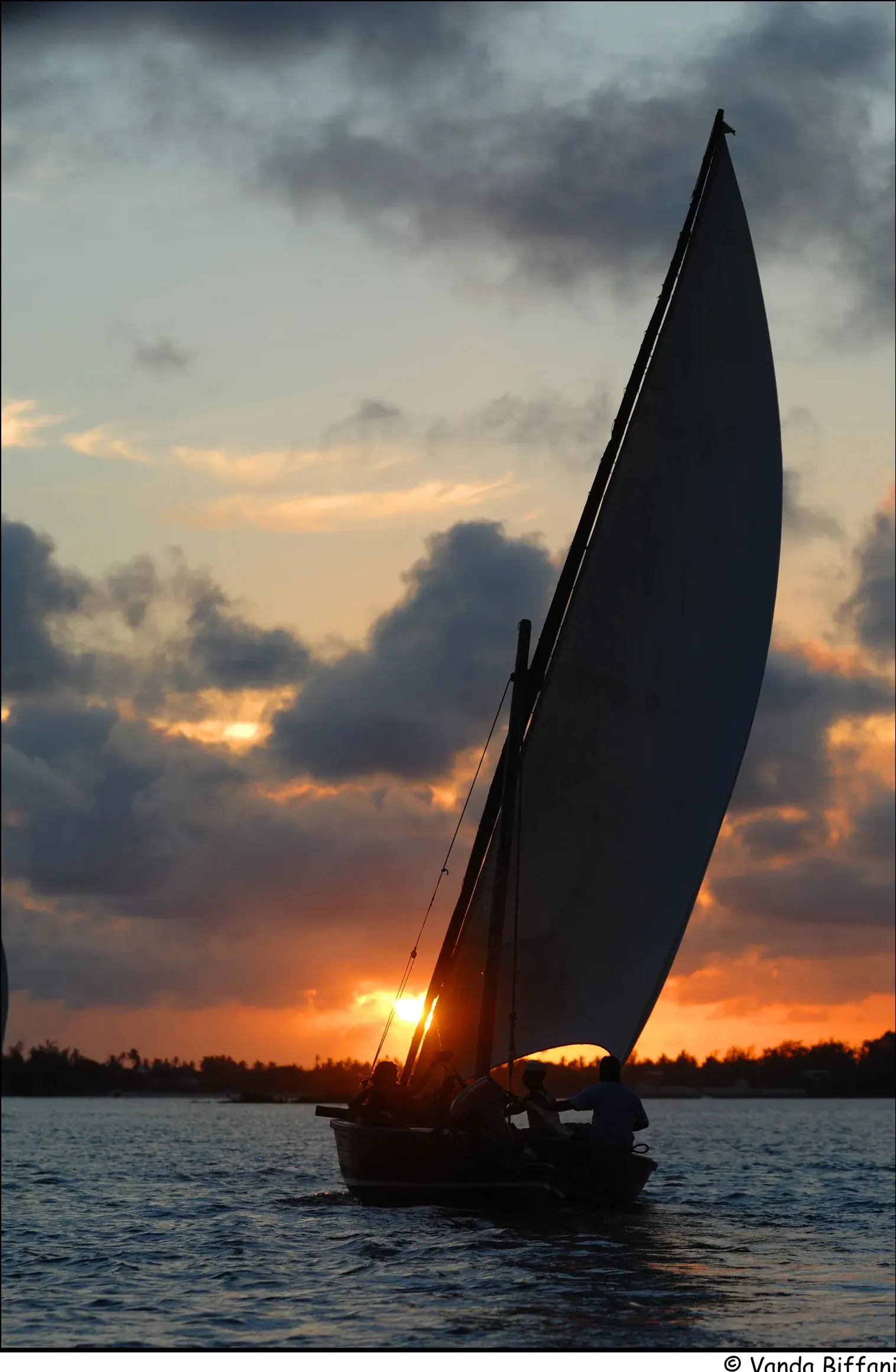
| Evening | Mida Creek boardwalk at high tide, or a dhow at sunset | Tides change daily |
Kenya Experience is Kenyan-led, with two U.S. companies behind it. Local Ocean Conservation is an independent charity, not our partner; we send guests there because the work is real. Pay in full or monthly with no deposit.