Experiences. Updated November 2026. 5 min read.
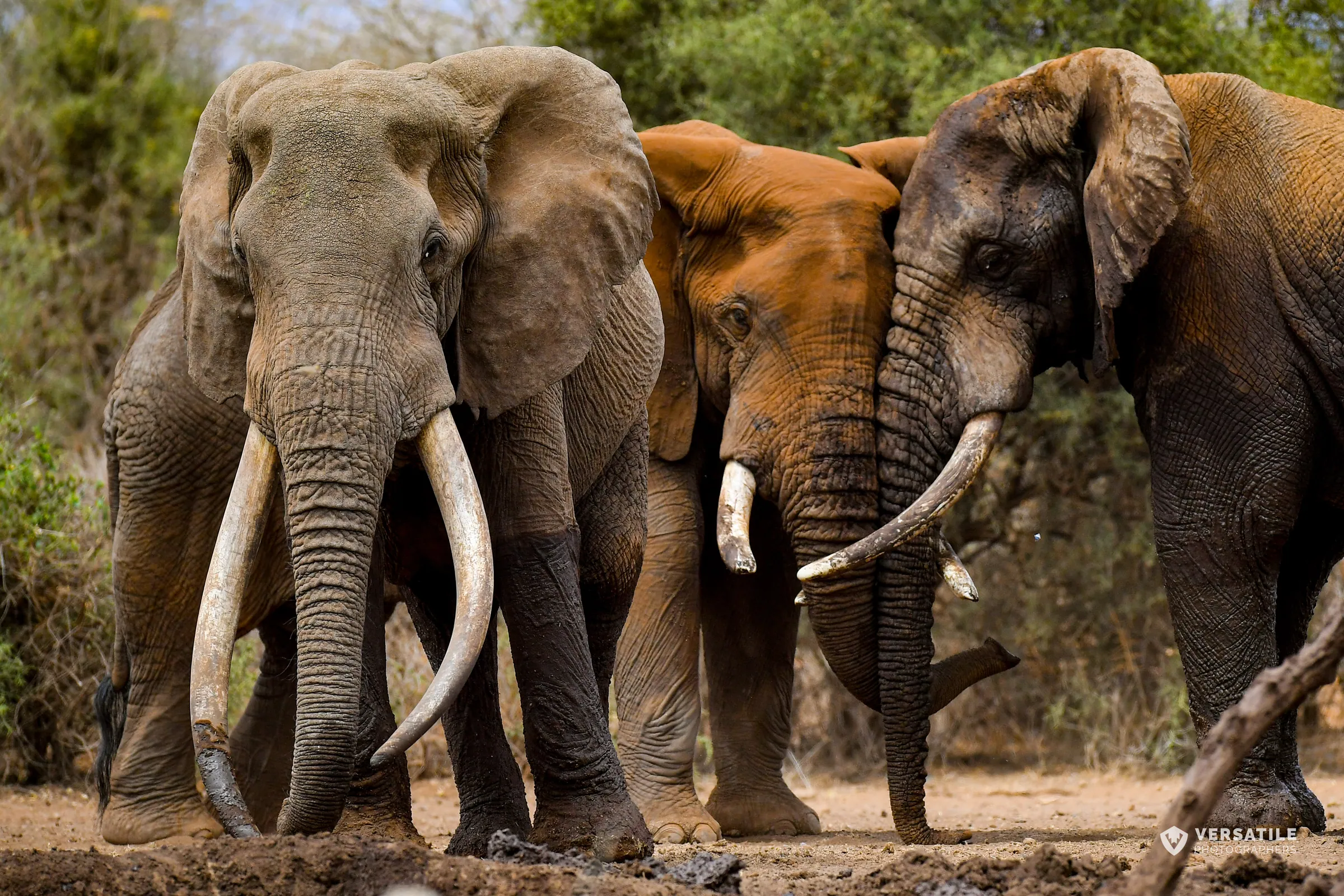
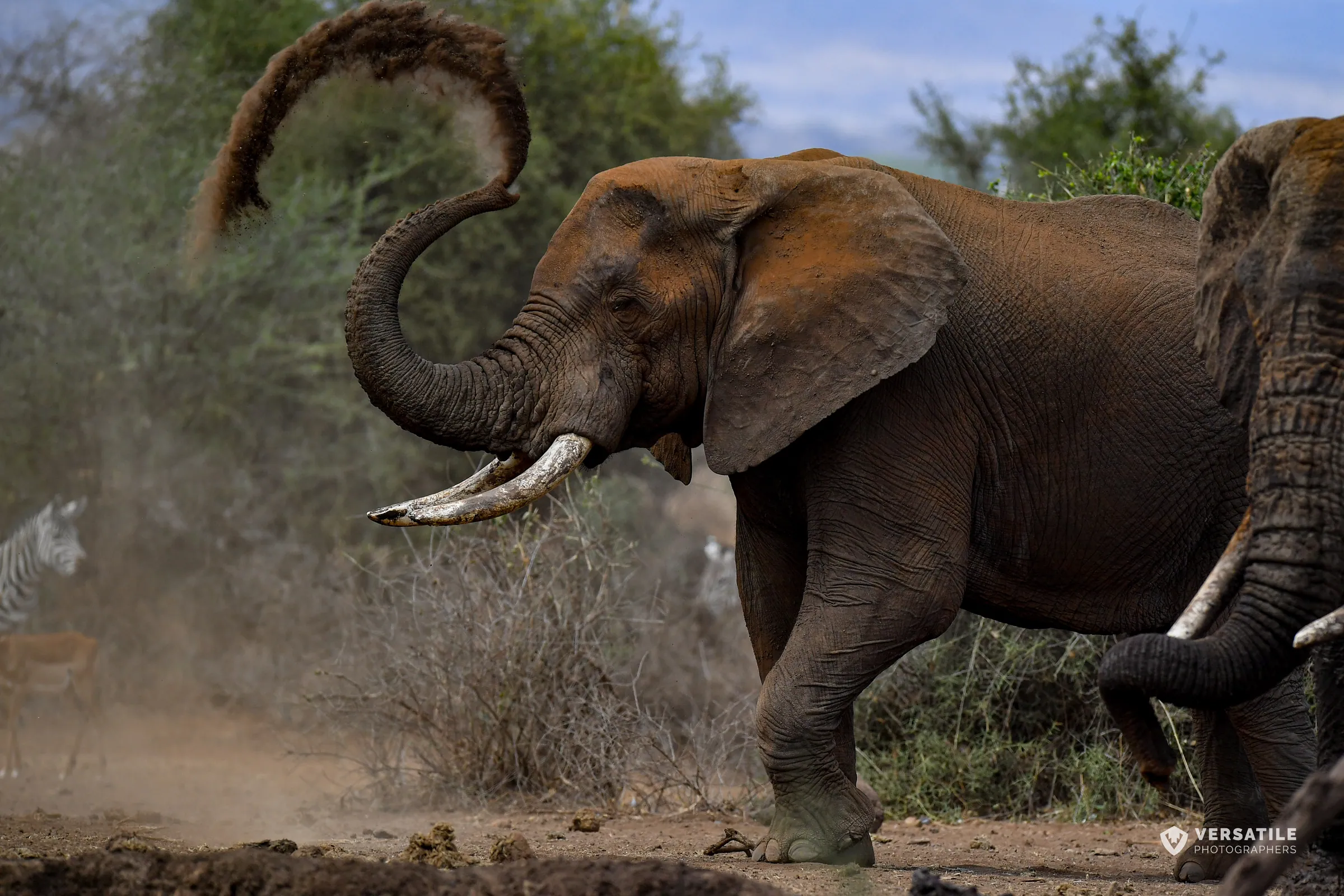
At eleven o'clock the keepers walk out of the bush with a wheelbarrow of giant milk bottles, and a line of baby elephants comes running behind them, ears flapping, trunks up, some of them barely waist high. For the next hour you stand at a rope while orphans who lost their mothers to poaching, drought, wells and conflict drink, play in red mud and shove each other off the water trough. It is the most moving hour most of our guests spend in Nairobi.
The short answer: the Sheldrick Wildlife Trust's Nairobi nursery opens to the public every day from 11am to noon, except Christmas Day. You must book ahead directly with the Trust, you pay an entry donation in cash on the day, and since 2023 you also pay the Nairobi National Park entry fee, because the nursery sits inside the park. Arrive by 10:30am. The rest of this page explains how booking works, what you see, the evening option for supporters, and where the orphans go next.
What the Trust does
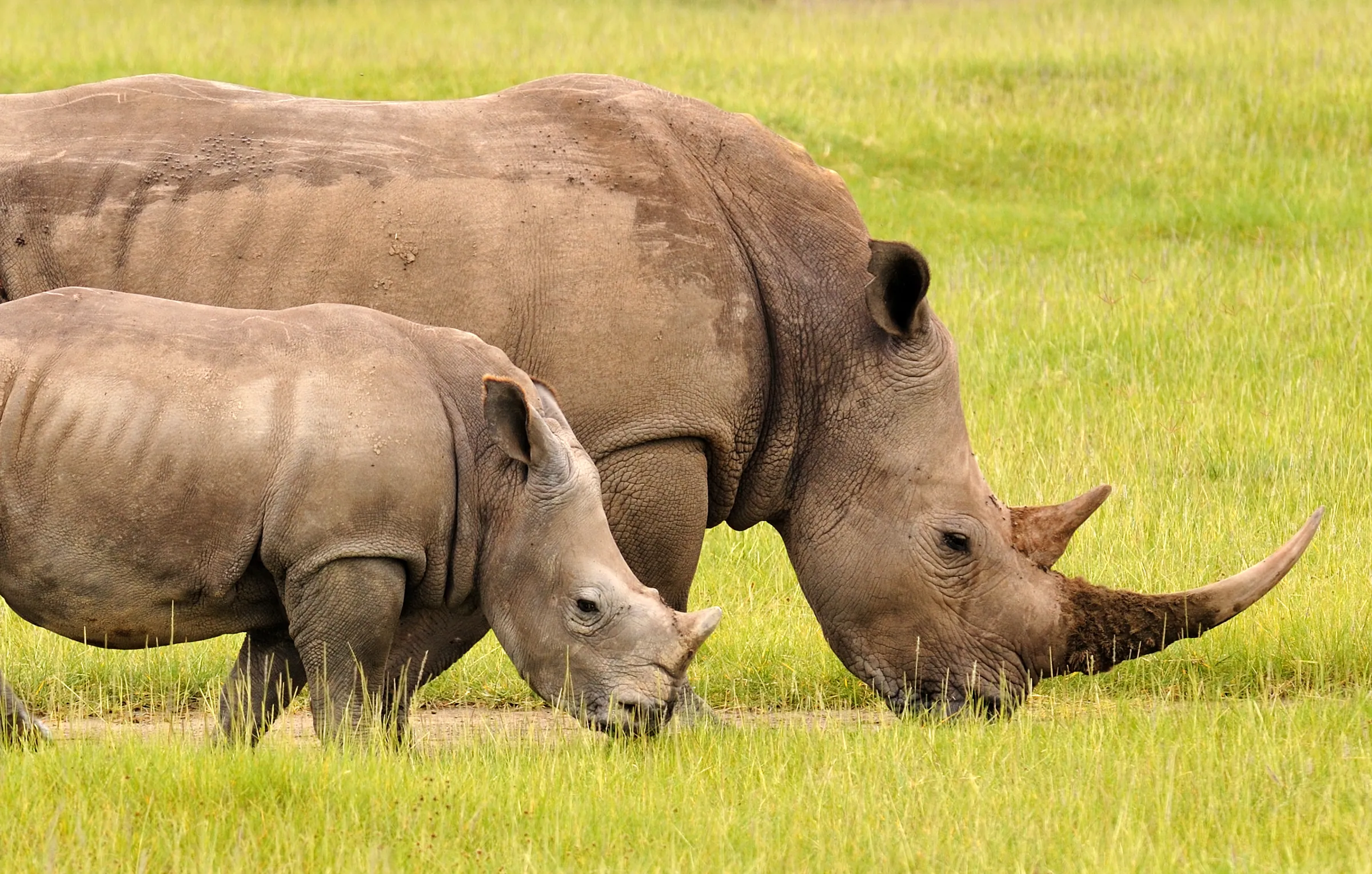
The Sheldrick Wildlife Trust was founded in 1977 by Daphne Sheldrick in memory of her husband David, the first warden of Tsavo East. She worked out, after years of failures, a milk formula and a way of caring for infant elephants that let them survive without their mothers, and the Trust has raised orphaned elephants and rhinos ever since. Calves are rescued from across Kenya, often by plane, and brought to the Nairobi nursery, where keepers stay with them day and night, sleep in their stables and feed them every few hours.
The nursery is a stage, not a home. When the calves are a few years old and strong enough, they move to the Trust's reintegration units in Tsavo, at Voi and Ithumba among others, where they mix with wild herds and choose, over years, when to leave for good. Many ex-orphans have gone back to the wild and some have returned to show keepers their own wild-born calves. That is the point of the whole operation, and it is why the visit is short and controlled.
Booking: how it works at the time of writing
- Book only with the Trust. It does not accept bookings made through third-party sites such as Viator, GetYourGuide or Tripadvisor, and only its own confirmation email is valid. If an operator books for you, ask for that email.
- Book by email through the nursery visit page, with your date, the number of adults and children, and names (and children's ages). Allow at least two business days for a reply.
- Bookings open up to three months ahead. Same-day bookings are not possible, and you pay for every ticket confirmed even if fewer people come.
- Bring the confirmation, printed or on your phone, and cash for the entry donation.
- Pay the Nairobi National Park fee online on eCitizen before the day. Vehicles and drivers are charged too, and a taxi or Uber has to drop you at the KWS gate unless the car has also paid.
- Arrive by 10:30am. The visit starts on time and is not held for latecomers.
| What you pay | Adult | Child | Paid how |
|---|---|---|---|
| Nursery entry donation | About $20 (12 and over) | About $5 (under 12) | Cash on the day, dollars or shillings |
| Kenya resident rate | About KSh 2,000 | About KSh 500 | Cash, with proof of residency |
| Nairobi National Park entry | $80 non-resident | $40 non-resident | eCitizen, before you go |
| Fostering an orphan | From about $50 a year | Same | Online, or in person on the day |
What you will see
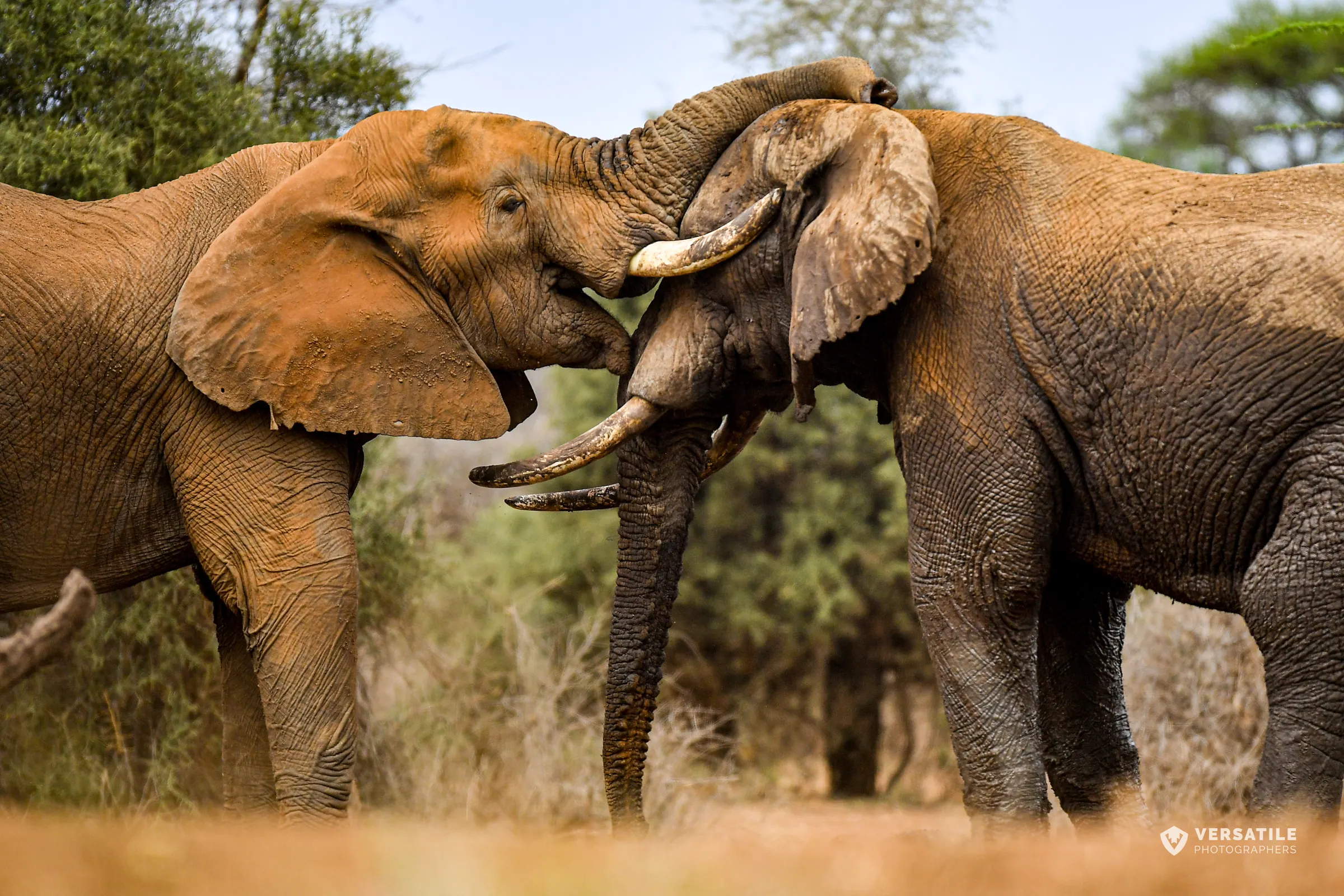
The orphans come in two or three groups, the youngest first. Keepers in green coats feed them from bottles, then put out branches and water, and the calves spend the rest of their time wallowing, dust-bathing and pushing a football around. One keeper talks the whole time on a microphone: each calf's name, where it was found, what happened to its mother, and how it is doing now. Expect to learn more about elephant behaviour in an hour than in a week of game drives.
You are behind a rope, a few feet from the calves. Sometimes a curious one walks right up and leans its trunk over; the keepers decide what happens, not the visitors. You may not touch the elephants unless a keeper invites it, there is no riding and no bottle feeding by the public, and you stand quietly when the youngest are brought in. Those rules are why we recommend this visit with a clear conscience. Our ethical wildlife guide explains how to tell a place like this from one that exploits animals.
Fostering and the evening visit
Supporters can foster an orphan from about $50 a year, and you can do it online before you travel or in person on the day. Fostering has traditionally come with the chance to book a quieter evening visit, when the calves walk back to their stables for the night and the keepers bed them down. The Trust sets the rules and numbers for this, so check what it offers when you foster. Families with children love choosing an orphan before the trip and meeting it in person.
Fitting it into a Nairobi day
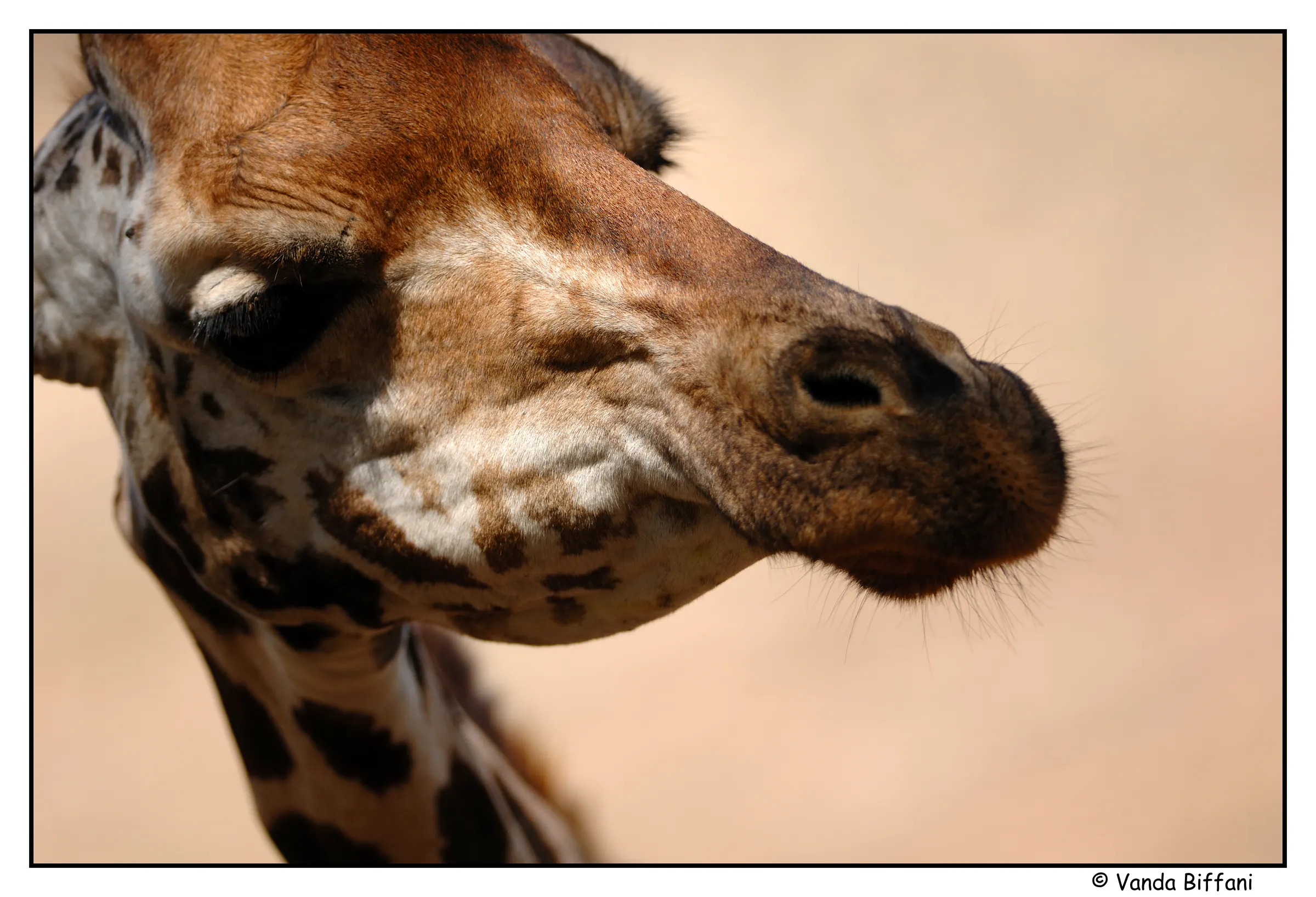
The nursery is reached from Magadi Road on the southwest side of Nairobi National Park, about 20 to 30 minutes from Karen and longer from Westlands or the city center in traffic. The classic day is a dawn game drive in the park, the nursery at eleven, lunch in Karen, then the Giraffe Centre in the afternoon. Our Karen page has a timed version of that day, and our Nairobi National Park guide covers the game drive. If you are flying out late, this is the best way to spend your last day.
- With a game drive: you are paying the park fee anyway, so enter at 6am and drive until about 10:15am.
- With the Giraffe Centre: 20 to 30 minutes apart by road, so they pair easily.
- With a layover: possible on a long daytime layover if you book the nursery in advance; see our Nairobi layover guide.
- With children: the hour suits all ages; bring water, a hat and a little patience for the crowd at the rope.
Good to know
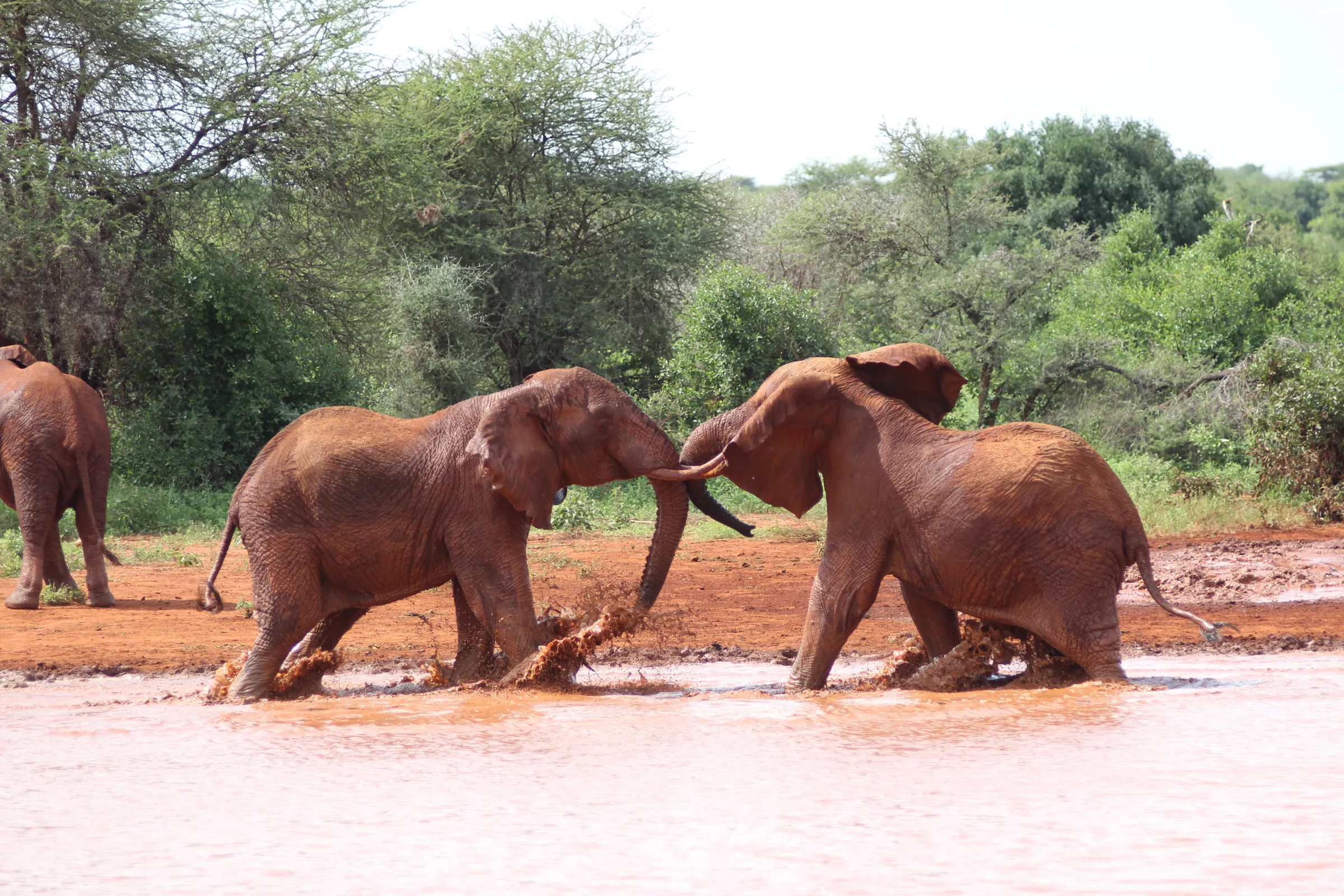
The hour is popular, so go with the crowd in mind: tall people at the back, children at the front. Rain does not stop the visit, and mud-bath days are the best show. Photography is fine without flash; drones are not allowed. There is a small shop, and every purchase and donation goes to the Trust's work. Nairobi day-tour packages that include the nursery sell for roughly $70 to $360 per person depending on the operator and what else is included, and the price should state whether the park fee and donation are inside it. On our trips both are included and listed in your quote.
Kenya Experience is Kenyan-led, with two U.S. companies behind it. We book the nursery through the Trust's own process, pay the park fee, and drive you there with a guide who knows the timings. The Trust is not our partner; we simply send our guests the right way. Pay in full or monthly with no deposit.