History. Updated November 2026. 4 min read.
"I had a farm in Africa, at the foot of the Ngong Hills." The first line of Out of Africa has sold Kenya to more Americans than any brochure. The farmhouse it describes still stands in the Nairobi suburb that bears her name, with her furniture, her books and a view to the hills. It is a lovely hour, and it is also one of the best places in Kenya to think honestly about what colonial settlement meant, for the people who lived on the land before the farm, and for those who worked it.
The Karen Blixen Museum is run by National Museums of Kenya and is open daily. A guided tour of the house takes about thirty to forty minutes, and the gardens and coffee machinery outside add another twenty. It sits a few minutes from the Giraffe Centre and on the way to the Sheldrick elephant orphanage, so most visitors fit it into a morning in Karen. For the neighborhood itself, where to eat and stay, see our Karen page.
Who Karen Blixen was
Karen Dinesen was a Danish writer, born in 1885. In January 1914 she married her cousin, the Swedish baron Bror von Blixen-Finecke, in Mombasa, and the couple bought land southwest of Nairobi to farm coffee. She moved into this house, which she called Mbogani, in 1917. The marriage failed, and Bror left; she ran the farm herself for most of the following decade. Her friendship with the English hunter Denys Finch Hatton, who died when his plane crashed in 1931, is at the center of the book and the film.
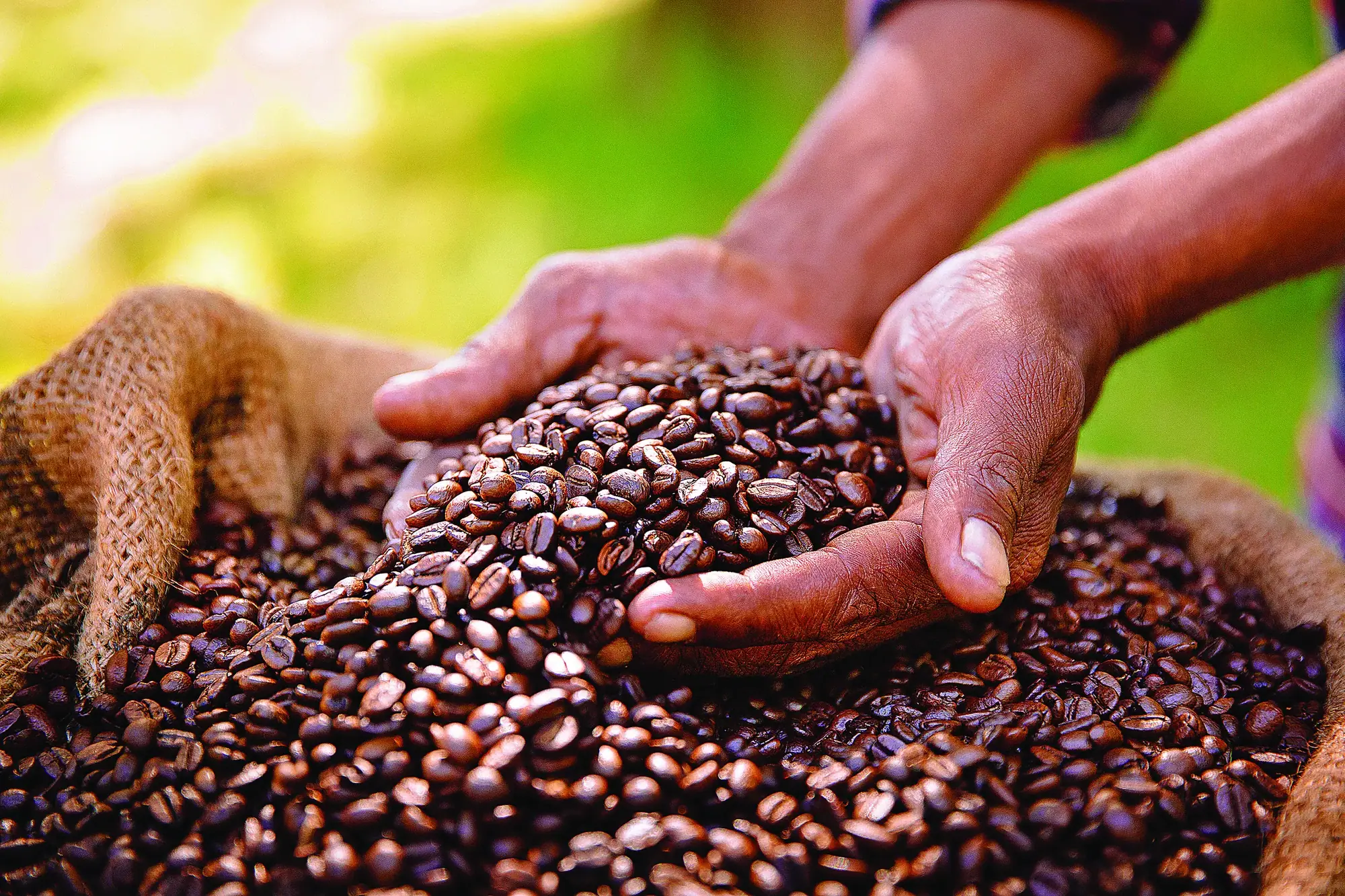
The farm never paid. It was too high and too dry for good coffee, and drought, locusts and falling world prices finished it. In 1931 she sold up and went home to Denmark, where she wrote Out of Africa, published in 1937 under the pen name Isak Dinesen. She died in 1962, a year before Kenya's independence.
A timeline
| When | What happened |
|---|---|
| 1914 | Karen marries Bror Blixen in Mombasa; they start a coffee farm near the Ngong Hills |
| 1917 | She moves into the house now used as the museum |
| 1921 to 1925 | Bror leaves and the couple divorce; she runs the farm herself |
| 1931 | Denys Finch Hatton dies in a plane crash; the farm is sold and she returns to Denmark |
| 1937 | Out of Africa is published |
| 1964 | Denmark gives the house to the new Kenyan state as an independence gift |
| 1985 | Sydney Pollack's film Out of Africa, with Meryl Streep and Robert Redford, wins seven Oscars |
| 1986 | The house opens as a museum run by National Museums of Kenya |
What you see in the house
- The rooms of a settler farmhouse of the 1910s and 1920s, with a mix of Blixen's own furniture and pieces from the period.
- Her library and writing room, and some of the objects that appear in the book.
- Costumes and props from the 1985 film, which draw many of the visitors. Much of the film was shot at other locations near Nairobi, not inside this house.
- Outside, old coffee-drying equipment, the lawns and the gardens, and the view to the Ngong Hills.
- A shop selling books and Kenyan crafts.
The story the book leaves out
Out of Africa is beautifully written, and it is also a settler's view. The land the farm stood on had been taken by the colonial government, declared Crown land and sold or leased to Europeans, while the Kikuyu and Maasai who had used it were pushed into reserves. Blixen's farm, like every settler farm, ran on the labor of African workers and squatters, families allowed to live on the land in exchange for work. The book describes them with affection, but through the eyes of an owner who saw herself as their protector.
Kenyan writers and historians, among them Ngugi wa Thiong'o, have criticised the way Out of Africa portrays Africans, as part of the landscape rather than as people with their own history, politics and claims to the land. It is worth knowing that, within twenty years of Blixen's departure, the question of land taken for settler farms would drive the Mau Mau war. It is also fair to note that before she left, Blixen pressed the colonial government to resettle her Kikuyu tenants together on new land rather than scatter them.
Two people in the book deserve a moment of your attention: Kamante Gatura, the Kikuyu boy she treated for leg sores who became her cook, and Farah Aden, her Somali steward, who ran the household for most of her years in Kenya. Ask your guide about them. A good guide will tell you about the farm's workers as well as its owner, and if they do not, it is a fair question to ask.
How to visit
| Practical | Details |
|---|---|
| Where | Karen Road, Karen, about 10 km southwest of the city center |
| Getting there | About 30 to 60 minutes from central Nairobi by car or Uber, depending on traffic |
| Hours | Open daily; check National Museums of Kenya for current times |
| Fees | A modest entry fee, higher for non-residents; check NMK for current rates |
| Tours | Included with entry, about 30 to 40 minutes |
| Best time | Mid-morning, after the Giraffe Centre and before lunch |
A morning in Karen
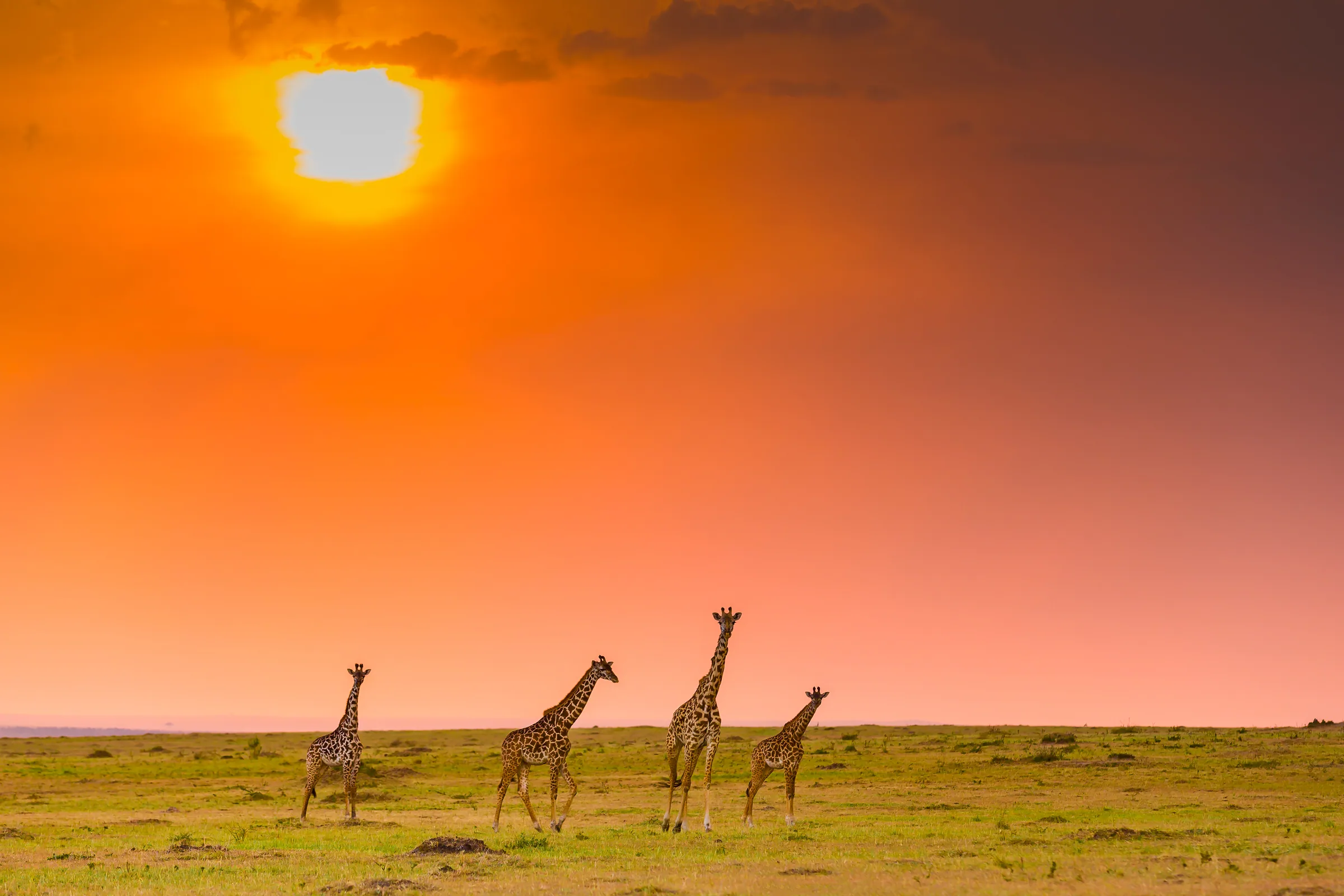
The easiest plan: the Sheldrick elephant orphanage at 11 a.m. for the public feeding, which must be booked ahead, then the Giraffe Centre, then the Karen Blixen Museum, then lunch at the Karen Blixen Coffee Garden down the road or one of the other restaurants in Karen. If you have time, stop at Kazuri Beads, a workshop that has employed Nairobi women to make ceramic beads since the 1970s, which is a few minutes away. For a longer view of the Ngong Hills, walk part of the ridge trail with a ranger.