History. Updated November 2026. 6 min read.
Kenya has eight UNESCO World Heritage Sites and most visitors see none of them. That is a shame, because several sit right on the usual routes: a Mara and Nakuru safari passes through one, a beach week at Watamu is fifteen minutes from another, and anyone who spends a day in Mombasa walks past a third. This page lists all eight, explains in plain words why UNESCO listed each one, and tells you how to reach it and which of our trips already include it.
The short answer: Kenya's World Heritage list is five cultural sites and three natural ones. The cultural sites are Lamu Old Town (2001), the Sacred Mijikenda Kaya Forests (2008), Fort Jesus in Mombasa (2011), Thimlich Ohinga (2018) and Gedi (2024). The natural sites are Lake Turkana National Parks (1997), Mount Kenya National Park and Natural Forest (1997) and the Kenya Lake System in the Great Rift Valley (2011). On a normal ten-day safari and beach trip you can see three or four of them without adding a single extra night.
All eight at a glance
| Site | Listed | Type and criteria | County | Nearest base |
|---|---|---|---|---|
| Lake Turkana National Parks | 1997, extended 2001 | Natural (viii), (x) | Marsabit, Turkana | Loiyangalani or a fly-in camp |
| Mount Kenya National Park and Natural Forest | 1997, extended 2013 | Natural (vii), (ix) | Meru, Nyeri and neighbors | Nanyuki, Lewa |
| Lamu Old Town | 2001 | Cultural (ii), (iv), (vi) | Lamu | Lamu Island, by air to Manda |
| Sacred Mijikenda Kaya Forests | 2008 | Cultural (iii), (v), (vi) | Kilifi, Kwale, Mombasa | Diani for Kaya Kinondo |
| Fort Jesus, Mombasa | 2011 | Cultural (ii), (iv) | Mombasa | Mombasa, Nyali |
| Kenya Lake System in the Great Rift Valley | 2011 | Natural (vii), (ix), (x) | Nakuru, Baringo | Nakuru |
| Thimlich Ohinga Archaeological Site | 2018 | Cultural (iii), (iv), (v) | Migori | Migori or Kisumu |
| Historic Town and Archaeological Site of Gedi | 2024 | Cultural (ii), (iii), (iv) | Kilifi | Watamu, Malindi |
What the criteria mean, briefly
UNESCO lists a place when it shows outstanding universal value against at least one of ten criteria. In practice, Kenya's cultural sites were listed mostly for what they reveal about exchange and ways of life: Lamu, Fort Jesus and Gedi for the meeting of African, Arab, Persian, Indian and European influences on the Indian Ocean coast (criterion ii), and the Kaya forests and Thimlich Ohinga for traditions that are still alive or only recently gone (criteria iii and v). The natural sites were listed for scenery (vii), geology and the fossil record (viii), living ecosystems (ix) and threatened species (x). You do not need any of this to enjoy them, but it tells you what to look for.
The coast: Fort Jesus, Gedi, the Kaya forests and Lamu
Four of the eight are on the coast, and they tell one long story: a thousand years of Swahili towns trading across the Indian Ocean, the Portuguese arrival in 1498, the Omani century, and the Mijikenda peoples inland whose sacred forests survived all of it.
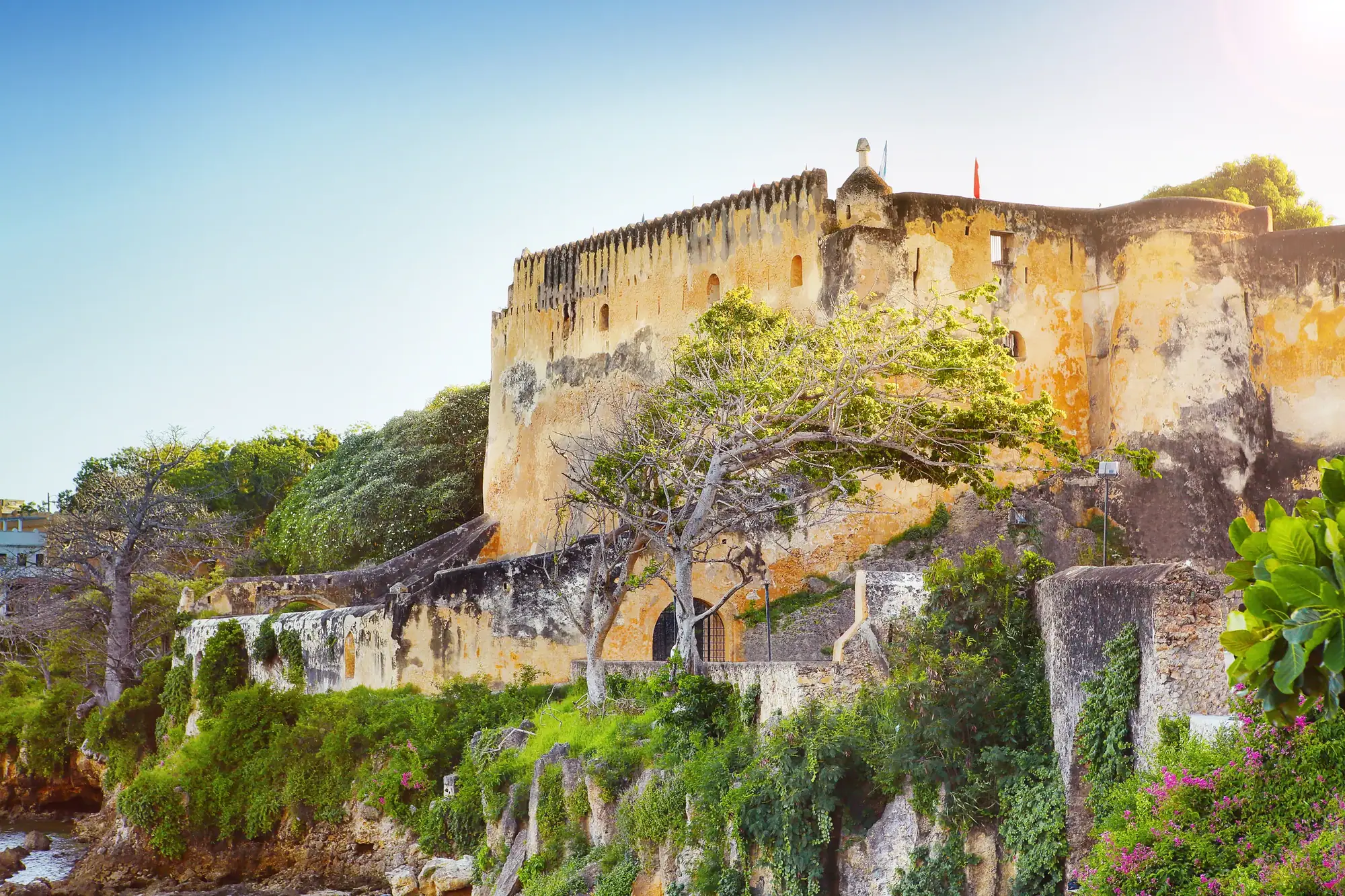
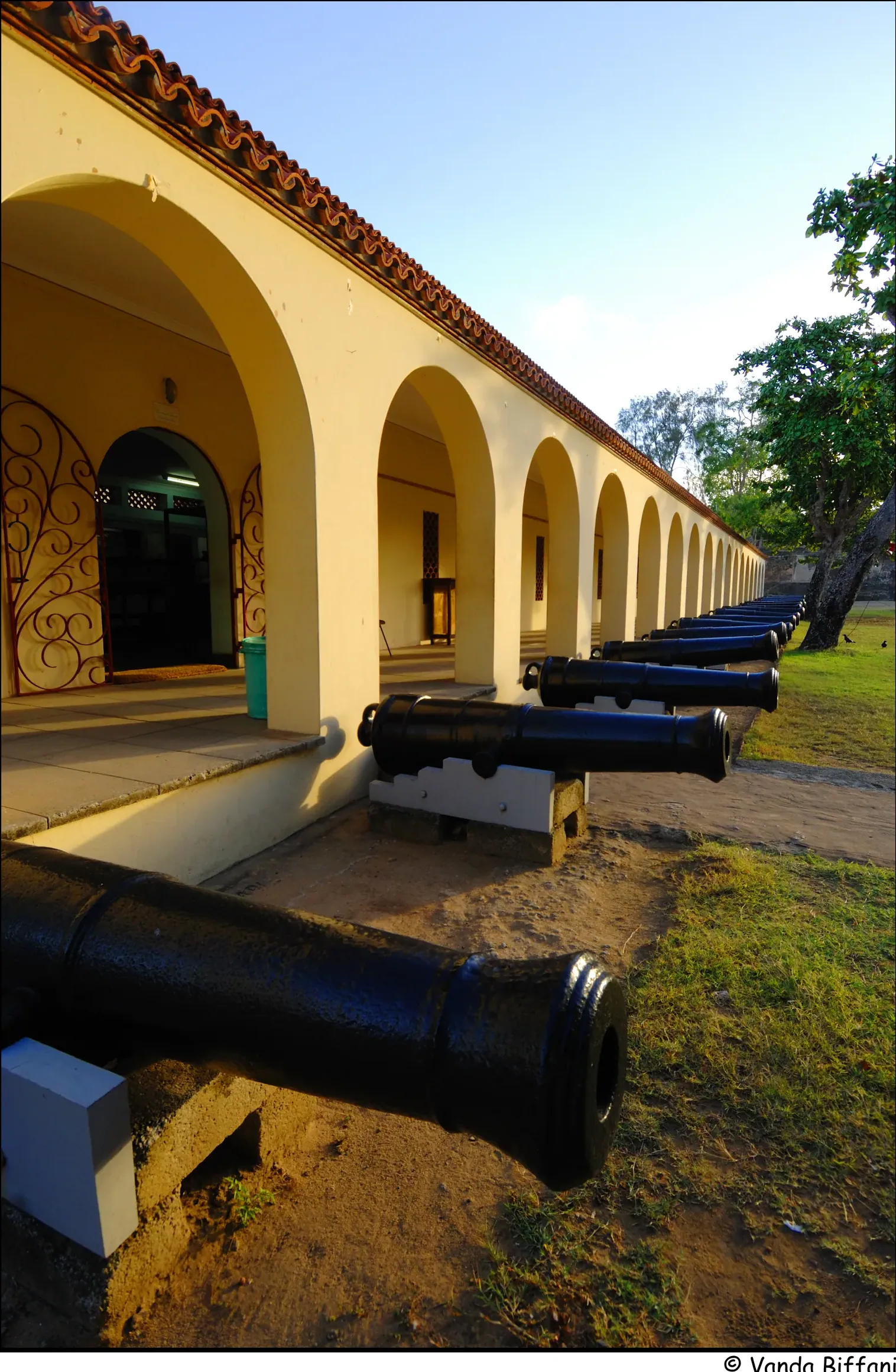
- Fort Jesus is the easiest World Heritage Site in Kenya to visit. It stands at the edge of Mombasa Old Town, and a morning there plus a walk through the Old Town is a full, excellent day. Entry for non-resident adults was about KSh 1,200 at the time of writing; National Museums of Kenya sets the fee.
- Gedi is a ruined Swahili town in the forest about fifteen minutes from Watamu, with a Great Mosque, a palace and pillar tombs under the trees. It became Kenya's eighth site in July 2024. Give it two to three hours, early or late in the day.
- The Kaya forests are eleven separate patches of coastal forest from Kilifi down to Kwale, each once a fortified village of one of the nine Mijikenda peoples. Most are closed to outsiders. Kaya Kinondo, south of Diani, takes visitors with a Digo guide.
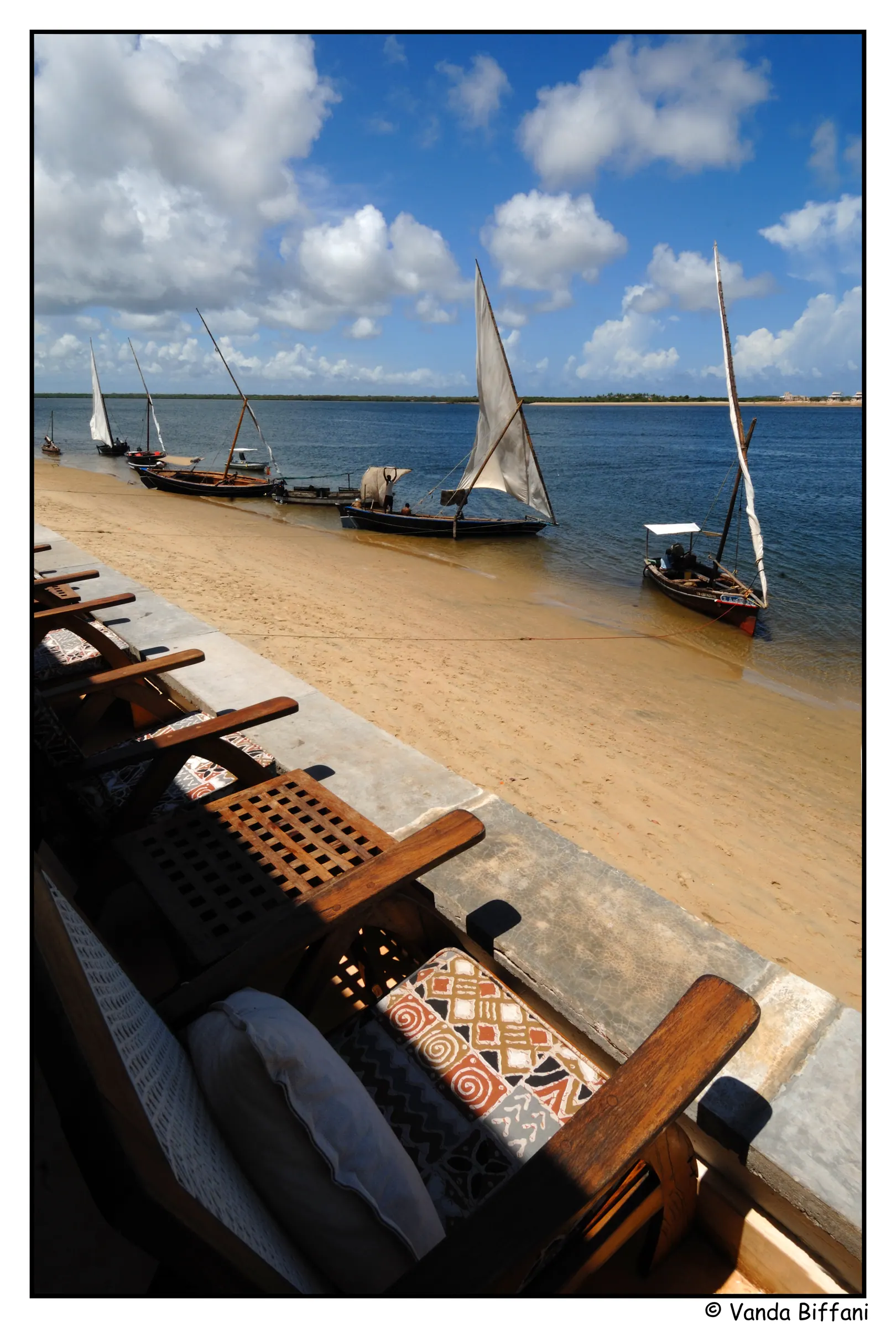
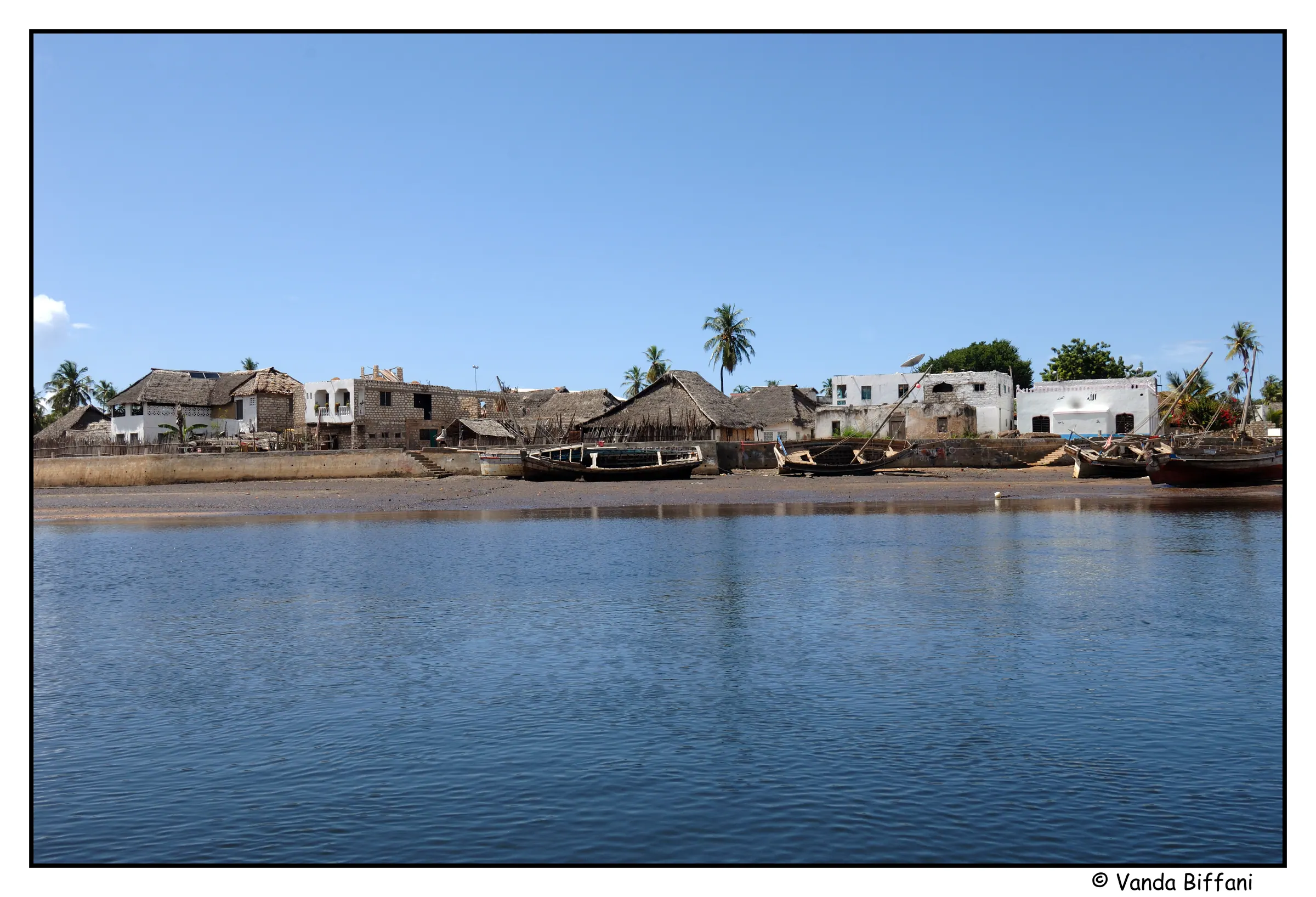
- Lamu Old Town is the most complete Swahili town in East Africa, and a town people still live in. Fly to Manda Island, take the short boat ride across the channel, and give it at least two nights, with Shela beach and a dhow trip. Our Lamu Old Town page has the heritage story.
The Rift Valley: three lakes on one listing
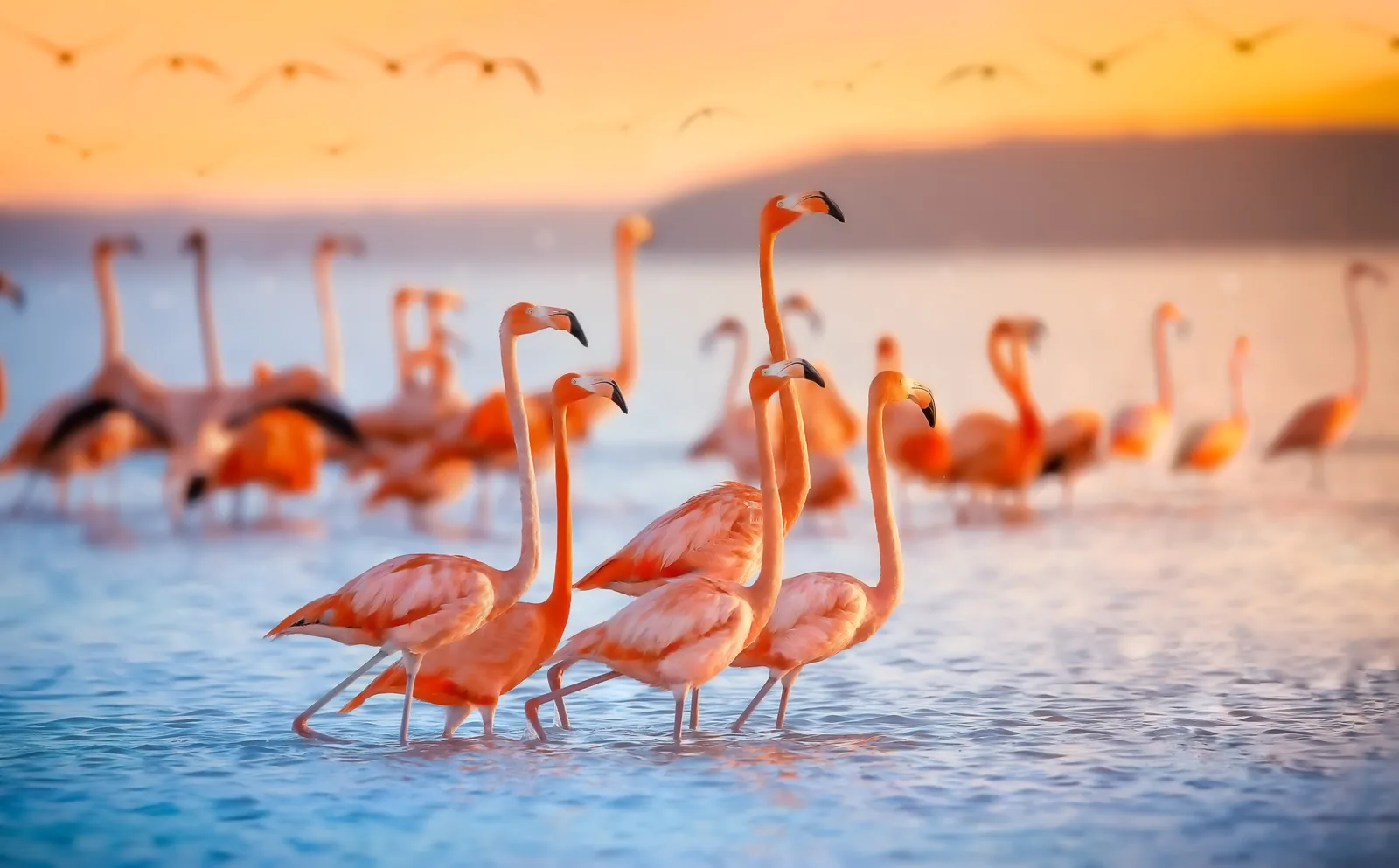
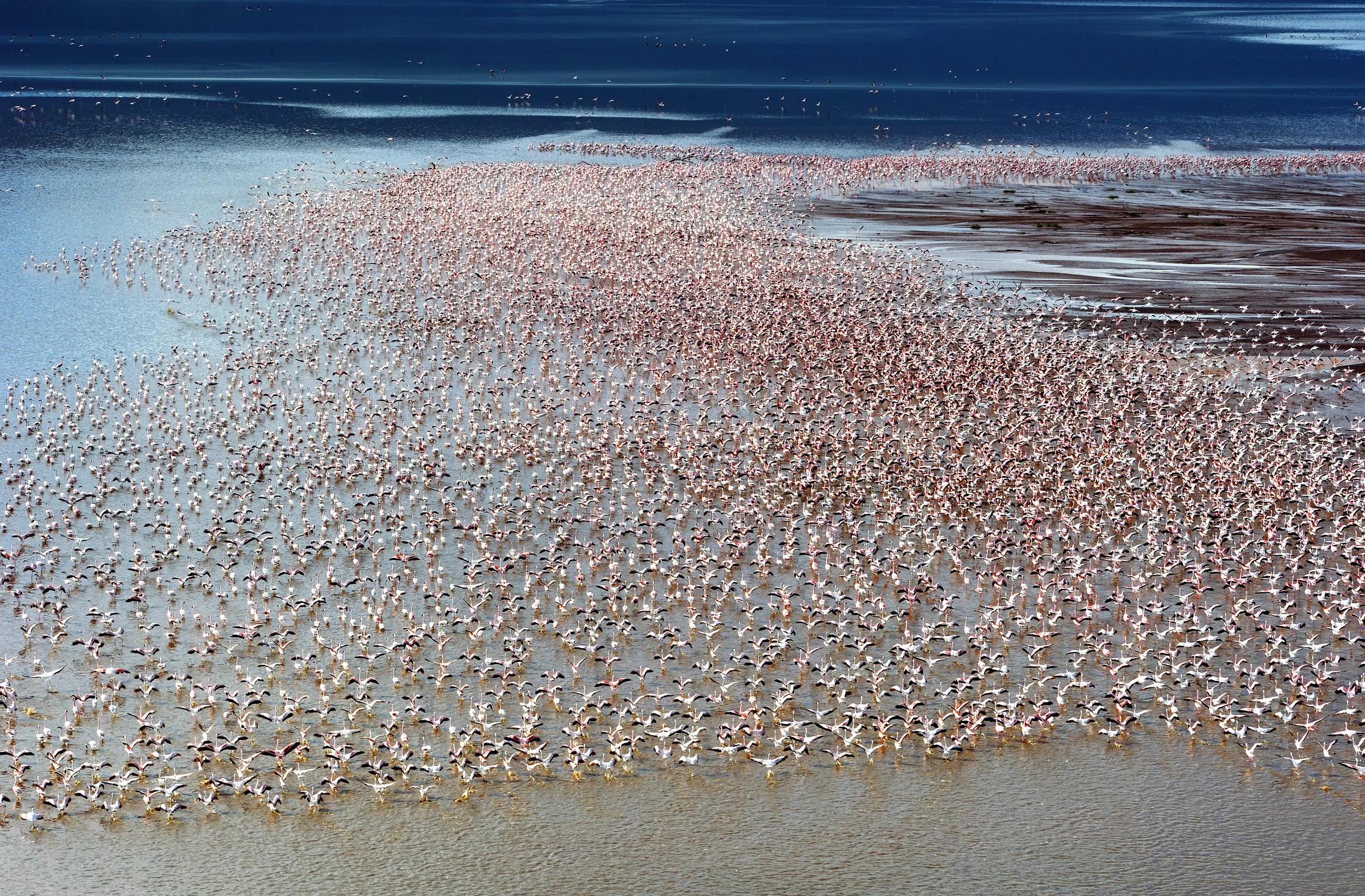
The Kenya Lake System is a single site made of three shallow soda lakes: Bogoria, Nakuru and Elementaita. It was listed for its scenery, its volcanic and hot-spring landscape and above all its birds, as the most important feeding ground for lesser flamingos anywhere. Lake Nakuru National Park is on most Kenyan safari routes already, about three hours by road from Nairobi, which makes this the easiest natural World Heritage Site to tick off. Bogoria's hot springs are a two-hour detour north. Park fees are set by Kenya Wildlife Service and the county; see our park fees page for the current rates.
Mount Kenya: you may already be staying in it
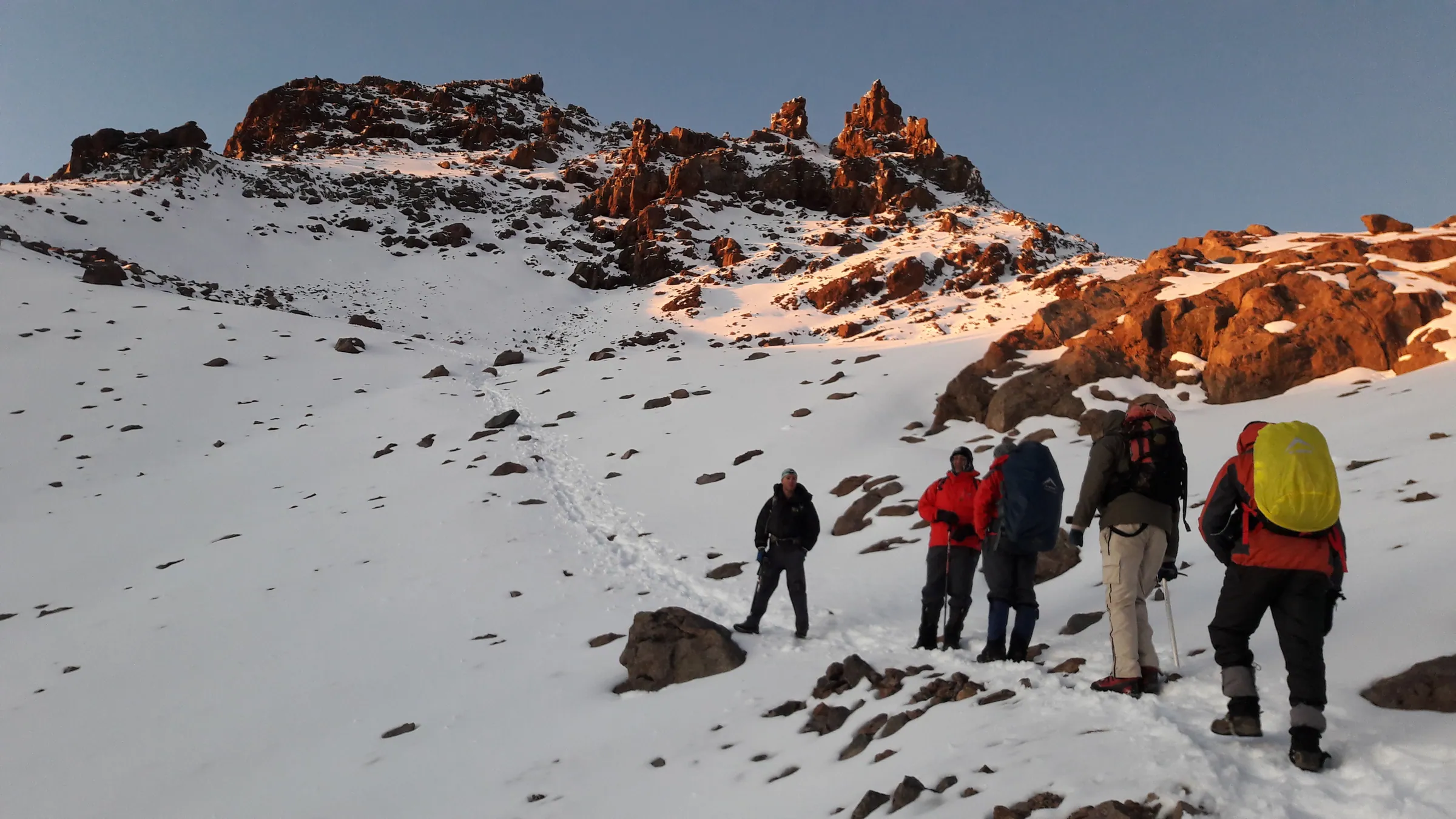
Mount Kenya National Park and Natural Forest was listed in 1997 for the mountain itself, its glaciers, its forests and its strange high-altitude plants. In 2013 UNESCO extended the site north to include Lewa Wildlife Conservancy and Ngare Ndare Forest, linked to the mountain by an elephant corridor. That means a night at a lodge on Lewa is a night inside a World Heritage Site. Climbers reach the mountain from Nanyuki, Naro Moru or Chogoria; everyone else can see it from the plains on a clear morning.
The far north: Lake Turkana
Lake Turkana National Parks protects Sibiloi National Park on the eastern shore, with the fossil beds of Koobi Fora, plus Central Island and South Island in the lake. It was listed for its geology, its fossil record of early humans, and its birds, crocodiles and desert wildlife. Since 2018 it has been on UNESCO's List of World Heritage in Danger, mainly because of upstream dams and irrigation on Ethiopia's Omo River, which feeds the lake. Getting there means a charter flight or a long overland expedition through Marsabit County. Before you book, check the current U.S. State Department advisory for Kenya and confirm your travel insurance covers your route, and read our Lake Turkana page for routes.
Western Kenya: Thimlich Ohinga
Thimlich Ohinga is a set of dry-stone enclosures above Lake Victoria, built without mortar, probably in the 16th century. It gets very few visitors, which is part of its charm. Plan it as a half day from Migori, or from Kisumu with an early start, and combine it with Ruma National Park and Rusinga Island.
How to fit them into a trip
| If your trip is | Sites you can add | Extra time |
|---|---|---|
| Mara and Nakuru safari | Kenya Lake System (Nakuru) | None: it is on the route |
| Laikipia or Mount Kenya safari | Mount Kenya, via Lewa or Ngare Ndare | None if you stay on Lewa |
| Mombasa or Diani beach week | Fort Jesus, Kaya Kinondo | One day each |
| Watamu or Malindi beach week | Gedi, with Fort Jesus on the way in | Half a day, plus a day |
| Western Kenya and Lake Victoria | Thimlich Ohinga | One long day |
| Northern expedition | Lake Turkana | Four days or more |
Our 10 and 14-day itineraries already pass through the Lake System, and our coast week includes Fort Jesus and Gedi. If you want a heritage-focused trip, tell us which sites matter to you and we will build the route around them, with a guide from National Museums of Kenya or a Kenyan historian where one makes the difference.
Next on the list
Kenya keeps a tentative list of places it may nominate in future. It includes the Maasai Mara, Amboseli, Hell's Gate, Kakamega Forest and the Olorgesailie prehistoric site near Nairobi, among others. None of these is a World Heritage Site yet, but you can visit all of them, and several are on our itineraries.