Parks and reserves. Updated November 2026. 3 min read.
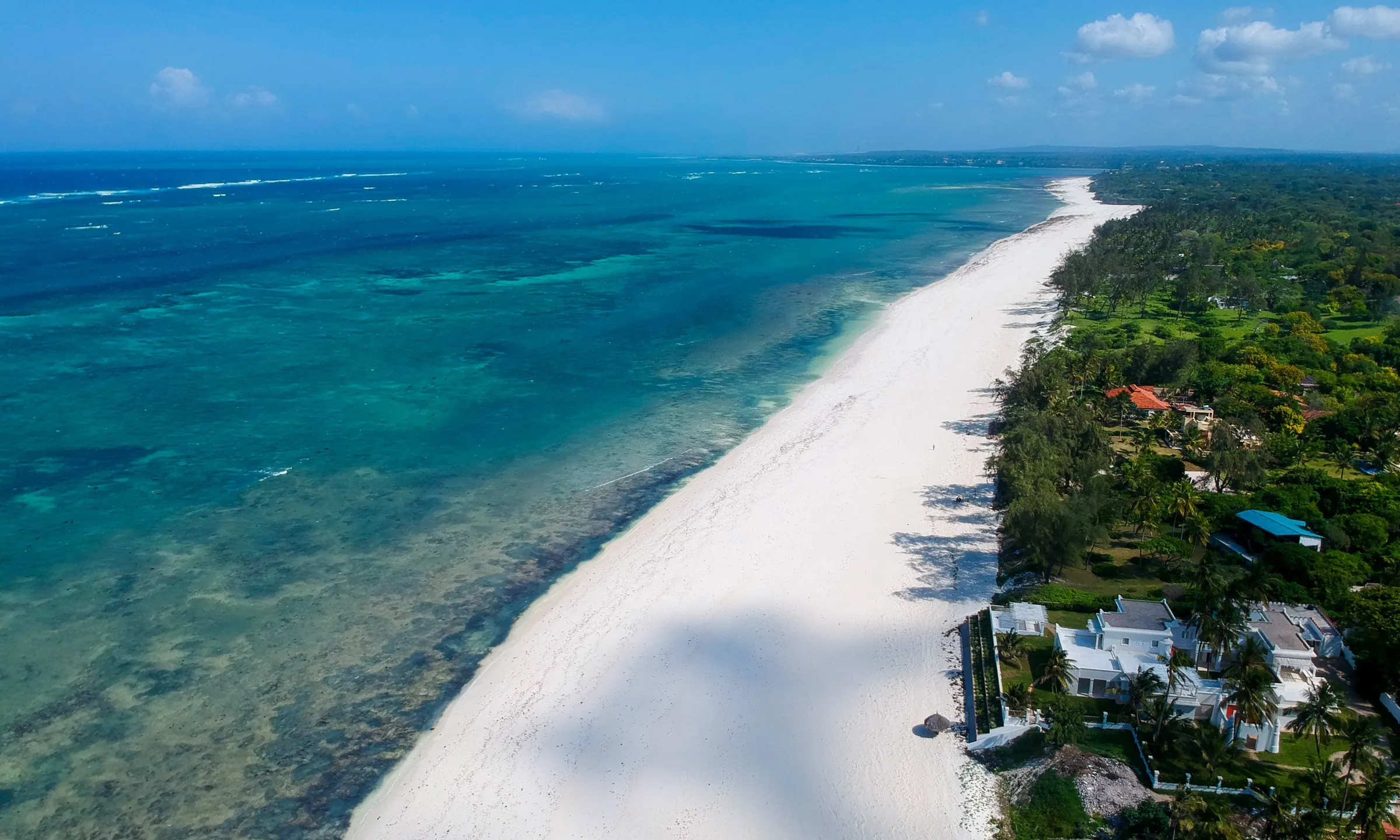
A glass-bottom boat noses out from the beach at Casuarina Point, the engine cuts, and within half an hour of leaving your hotel you are drifting over brain coral, sea fans and clouds of blue and yellow reef fish. Slip over the side with a mask and the reef is right there below you. This is Malindi Marine National Park, gazetted in 1968 together with Watamu as the first marine parks in Kenya and among the first in Africa.
Kenya Wildlife Service runs the park, a small, fully protected no-take zone inside the much larger Malindi Marine National Reserve, which KWS puts at about 213 square kilometers, where traditional fishing is allowed. Together with Watamu, it forms the Malindi-Watamu Biosphere Reserve. The Watamu section is the one most visitors use, and our Watamu Marine National Park page covers it in full. This page is for people staying in or near Malindi, or choosing between the two.
Malindi or Watamu?
| Malindi section | Watamu section | |
|---|---|---|
| Where boats leave | Casuarina Point, south of Malindi town | Watamu's beaches and Turtle Bay |
| Water clarity | Can be clouded by Sabaki River silt, especially in the rains | Usually clearer, with a sheltered lagoon |
| Best for | Guests staying in Malindi town or its hotels | Most beach stays, snorkeling from the shore at low tide |
| What you see | Coral gardens, reef fish, turtles | Coral gardens, reef fish, turtles, nesting beaches |
What lives on the reef
- Hard and soft corals in the shallow coral gardens, best seen within an hour or two of low tide
- Parrotfish, angelfish, butterflyfish, surgeonfish, groupers and moray eels
- Green and hawksbill turtles feeding over the reef and seagrass
- Rays and octopus on the sand between coral heads
- Dolphins offshore on many boat trips
- Humpback whales passing from about July to September, and whale sharks reported in some years, most often from about December to March
Our whale-watching page has the seasons and the operators' best months in more detail.
The Sabaki River and the color of the water
Just north of Malindi, the Sabaki River meets the sea. It is the lower course of the Athi and Galana, Kenya's second-longest river system, which starts near Nairobi, and it carries a heavy load of red soil from upcountry. In the rainy months the plume turns Malindi's town beach brown and can cloud the water over the reef; over the decades, silt has damaged some of the coral. Visibility is usually best from about October to March, on calm days with little recent rain. If it is murky on the day, your operator will often suggest Watamu instead, about 30 minutes south.
Tides, seasons and timing
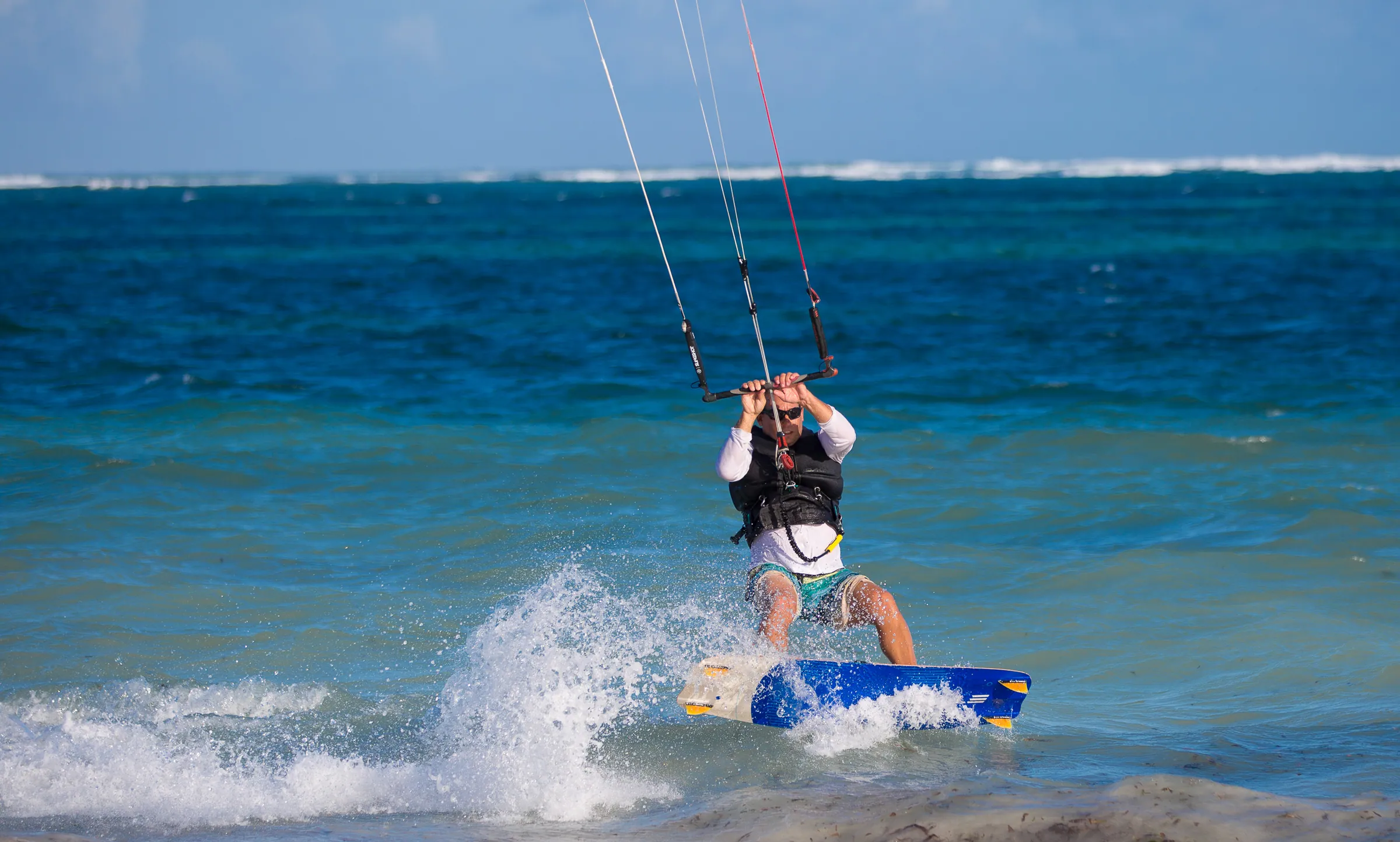
The coral gardens are shallow, so boat times follow the tide: trips go out around low tide, and spring tides near full and new moon expose the most reef. The northeast monsoon, the kaskazi, usually brings calm, clear seas from about October to March. From about May to September, the southeast kusi winds can make the sea rough. The long rains usually fall from April to June.
Fees and reef rules
The KWS marine park fee is charged per person per day and is usually collected by your licensed boat operator, who should show you the receipt. Marine park fees are not in our main fee table and KWS revised its fees from October 2025, so check the current rate on the KWS fee schedule; on our trips it is included.
- Use licensed operators with life jackets, and agree the price before you leave
- Never stand on, touch or break coral; float or swim with fins kept up
- Do not collect shells or coral, which is illegal in marine parks, and never buy them
- Do not feed fish, and keep a respectful distance from turtles
- Wear a rash vest and reef-safe sunscreen
Malindi beyond the reef
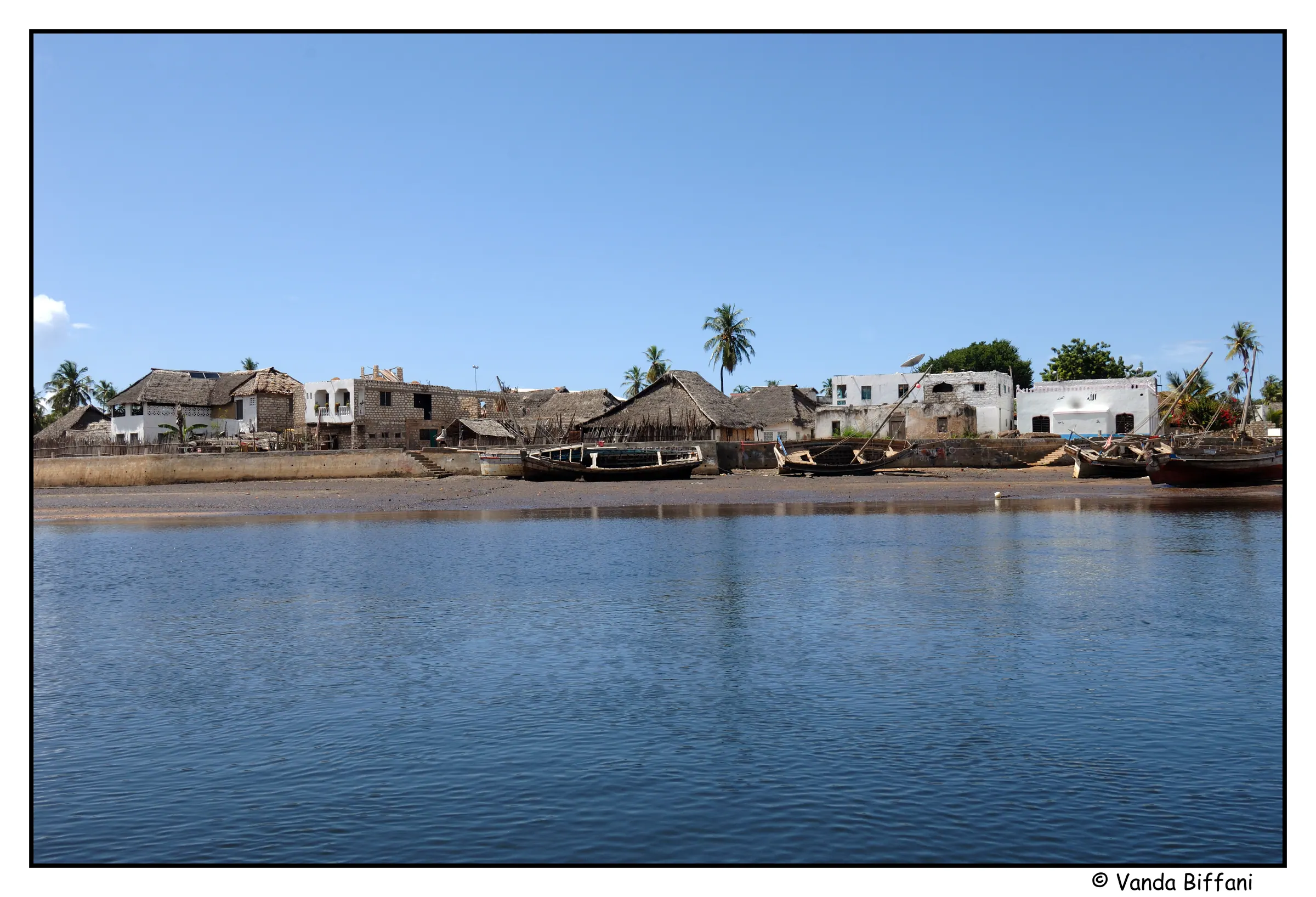
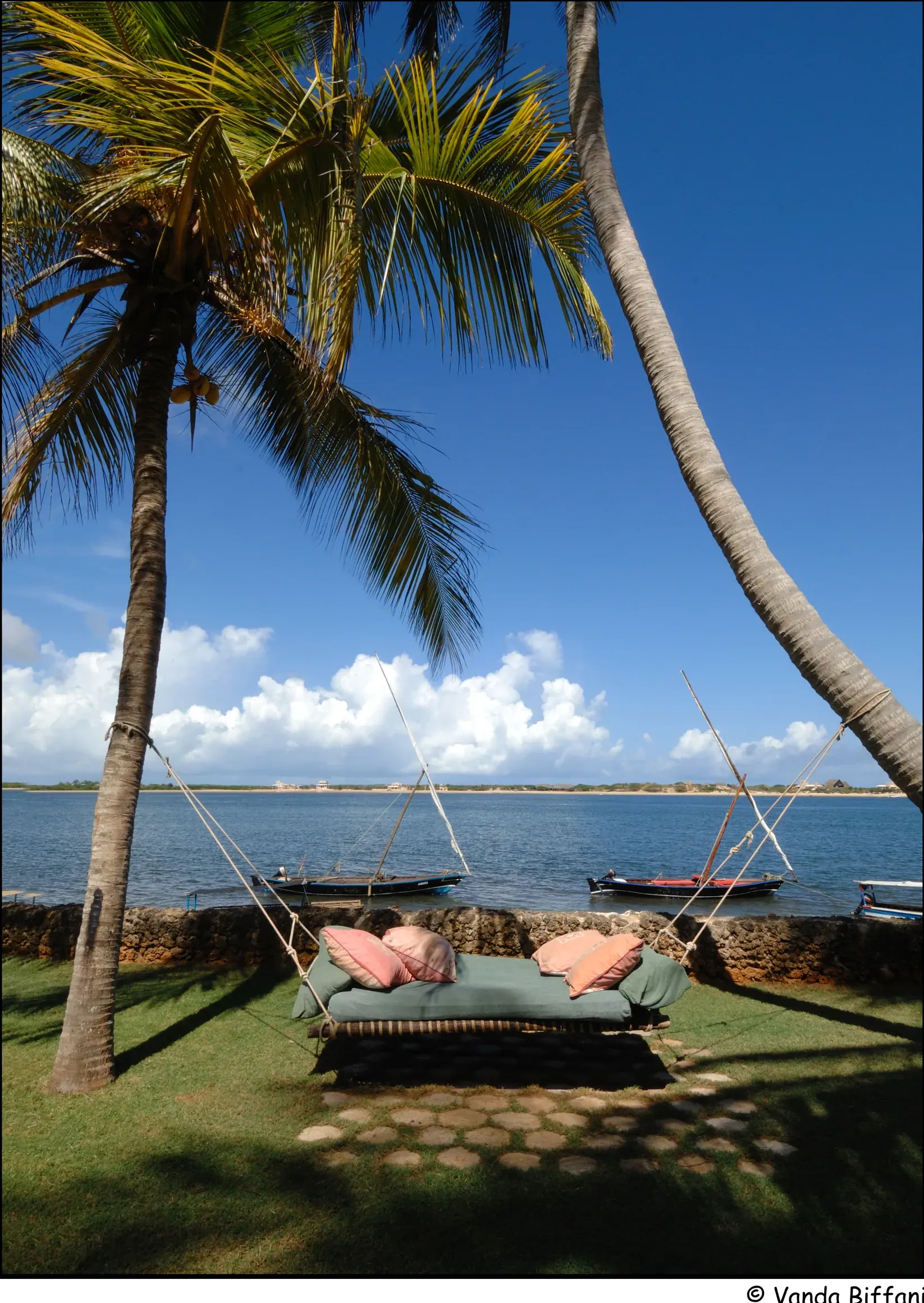
Malindi town has a long history: Vasco da Gama found a pilot here in 1498 to guide him to India, and the pillar he left still stands on the shore. Today the town has a strong Italian flavor, good restaurants and the nearest airport for this stretch of coast, about an hour's flight from Nairobi. Our Watamu and Malindi guide covers the town, the Gede ruins and the hotels.
Where it fits on a trip
Three to five nights on this coast is ideal after a safari: one morning on the reef, one at Mida Creek and Arabuko-Sokoke, and time to do nothing. Fly from Nairobi or the Mara to Malindi, or come down from Tsavo East by road. We plan the reef days around the tides, and you pay in full or monthly with no deposit.